



بدءًا من دبابيس الأوتاد الدقيقة المستخدمة لمحاذاة المكونات بدقة إلى المسامير الزنبركية المصممة لامتصاص الاهتزاز, دبابيس clevis المستخدمة في الاتصالات المحورية, ودبابيس مخصصة مُشكَّلة باستخدام الحاسب الآلي تم تصنيعها وفقًا لتحمل محكم, كل نوع له غرض محدد.
يشرح هذا الدليل الأكثر شيوعًا أنواع السحابات دبوس, تصاميمهم, مواد, عمليات التصنيع, التطبيقات, ومعايير الاختيار. كما يغطي أيضًا الاختلافات بين المسامير القياسية والمخصصة ويشرح كيفية العمل مع الشركة المصنعة عندما تحتاج إلى أدوات تثبيت دقيقة أو مثبتات خاصة بالتطبيق.
ما هي السحابات دبوس?
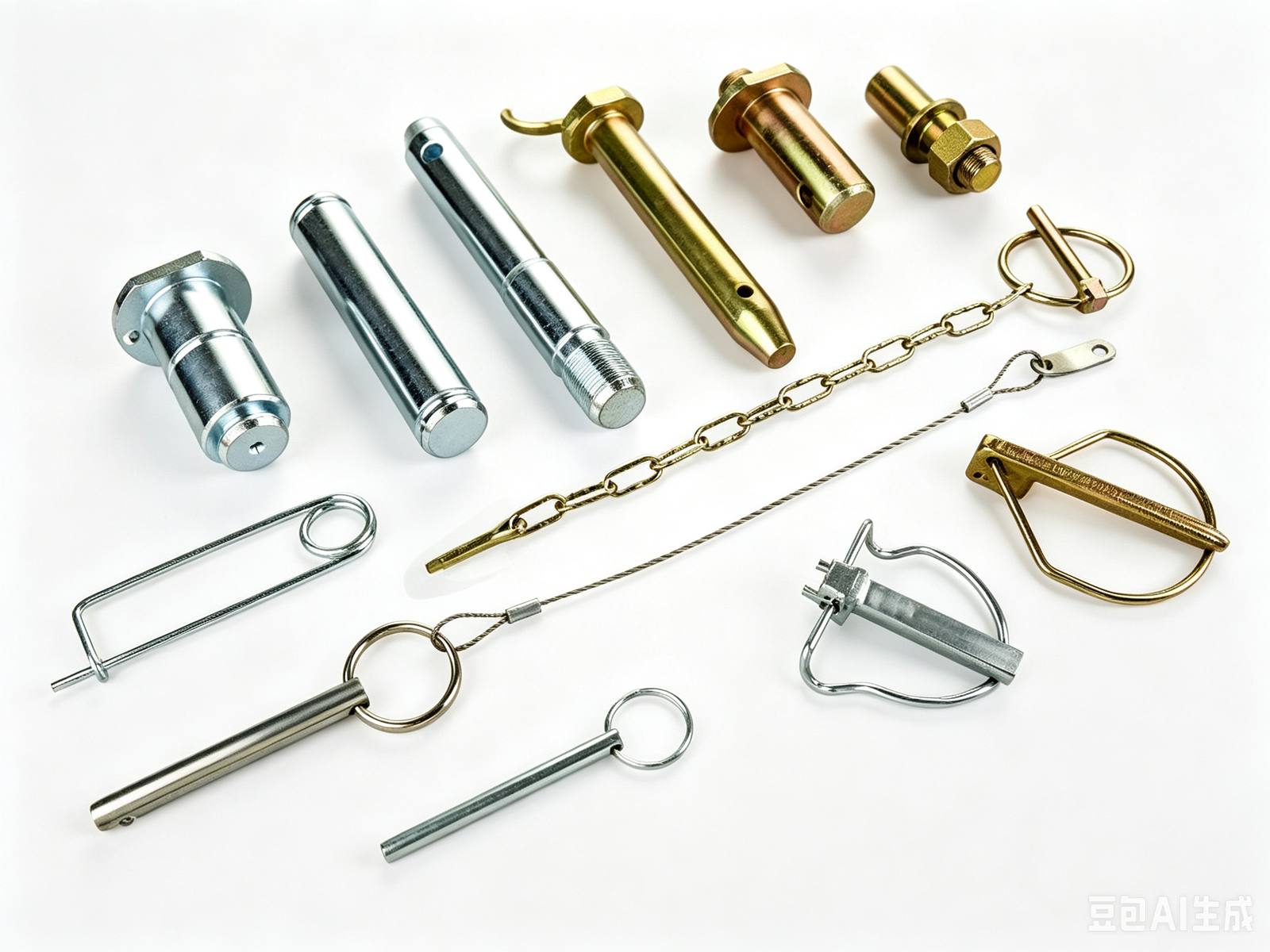
أ قفل دبوس هو مكون ميكانيكي يستخدم للاتصال, محاذاة, تحديد موقع, قفل, يحتفظ, أو محور جزأين أو أكثر. معظم المسامير أسطوانية, مدبب, مخدد, أو على شكل خاص ويتم تثبيتها في فتحة محفورة مسبقًا أو في ميزة مطابقة.
على عكس البراغي والمسامير, والتي تستخدم عادةً الخيوط لتوليد قوة التثبيت, يعتمد العديد من مثبتات الدبوس على يناسب التدخل, احتكاك, قوة الربيع, آليات القفل, أو ملامح هندسية لتأمين المكونات.
توجد مثبتات الدبوس بشكل شائع في أنظمة السيارات, الآلات الصناعية, معدات الطيران, القوالب والأدوات, معدات البناء, الآلات الزراعية, إلكترونيات, أجهزة طبية, وأنظمة الأتمتة.
على سبيل المثال, أ دبوس وتد يمكن استخدامها لتحديد موقع مكونين آليين بدقة, بينما أ دبوس كليف يسمح لجزأين بالدوران بالنسبة لبعضهما البعض. أ دبوس الربيع يمكن أن يوفر اتصالاً آمنًا في بيئة معرضة للاهتزاز, بينما أ دبوس الماسكة يسمح للمشغل بتجميع أحد المكونات وإزالته بسرعة.
لأن تصميمات الدبوس تختلف بشكل كبير, يعتمد الاختيار الأفضل على الوظيفة الميكانيكية المحددة وظروف التشغيل.
13 أنواع السحابات دبوس
دبابيس كوتر
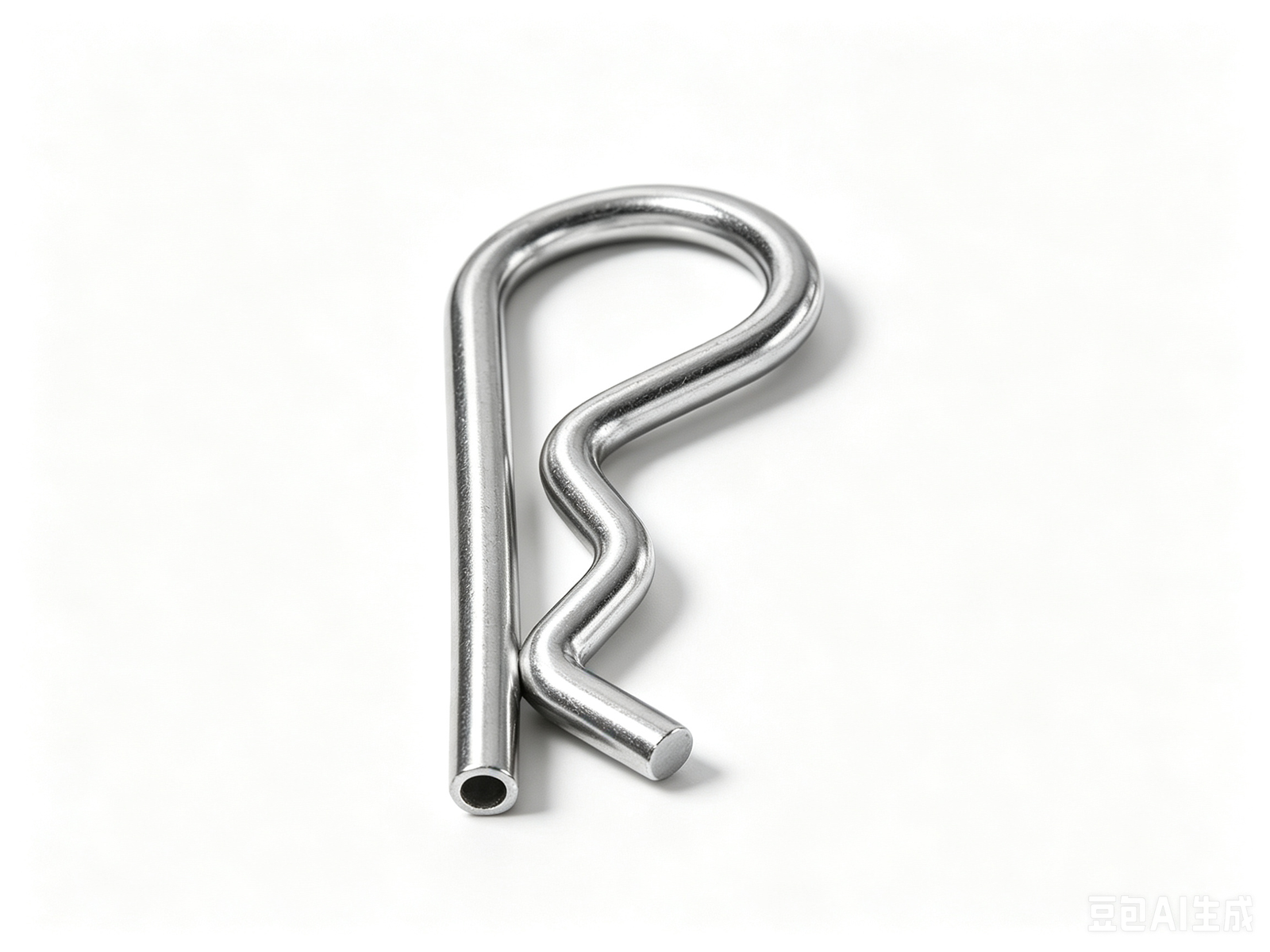
أ دبوس كوتر, ويسمى أيضًا دبوس الانقسام, هو قفل قفل بسيط يتم تصنيعه عادةً من سلك معدني أو قضيب. يتكون بشكل عام من رأس ملفوف وساقين يمكن ثنيهما بعد التثبيت.
يتم إدخال الدبوس من خلال ثقب تم حفره من خلال الترباس, رمح, أو عنصر آخر. يتم بعد ذلك ثني الأرجل عن بعضها لمنع الدبوس من التراجع.
دبابيس وتد
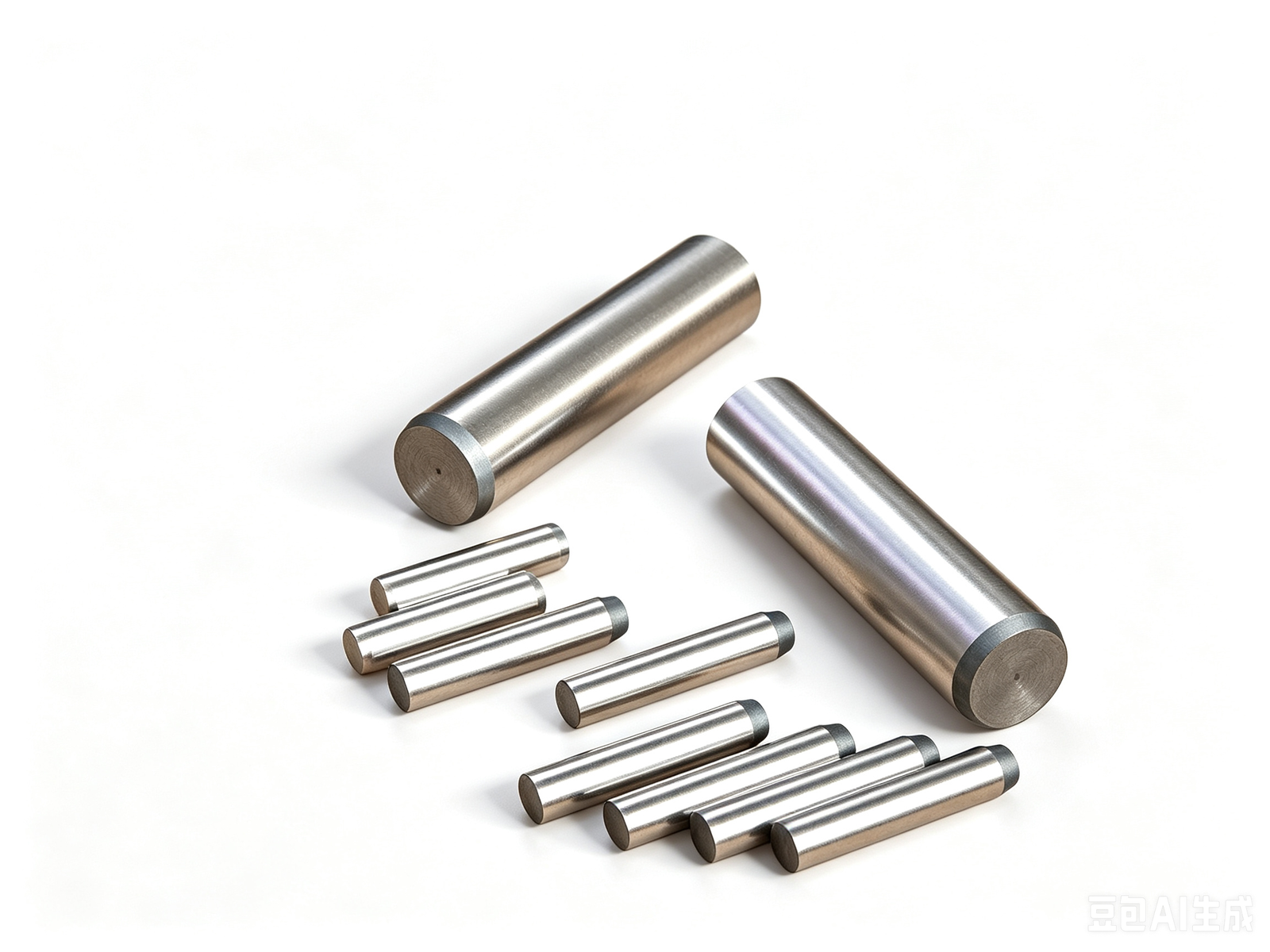
دبابيس وتد هي دبابيس أسطوانية دقيقة تستخدم في المقام الأول للمحاذاة وتحديد المواقع بدقة.
يتم تصنيعها عادةً بتفاوتات أبعاد ضيقة ويتم تثبيتها في فتحات مُشكَّلة بدقة. اعتمادا على التطبيق, قد تستخدم دبابيس وتد الضغط المناسب, تناسب التداخل, أو أي ملاءمة أخرى يمكن التحكم فيها.
الميزة الأساسية لدبوس الوتد هي قدرته على التثبيت محاذاة قابلة للتكرار ودقيقة بين المكونات.
على سبيل المثال, يمكن ربط لوحتي الماكينة معًا من أجل قوة التثبيت بينما تضمن دبابيس الوتد عودة الألواح إلى نفس الوضع أثناء التجميع.
للتطبيقات الدقيقة, العلاقة بين قطر الدبوس, قطر الثقب, التسامح الموضعي, والانتهاء من السطح أمر بالغ الأهمية.
دبابيس لينش
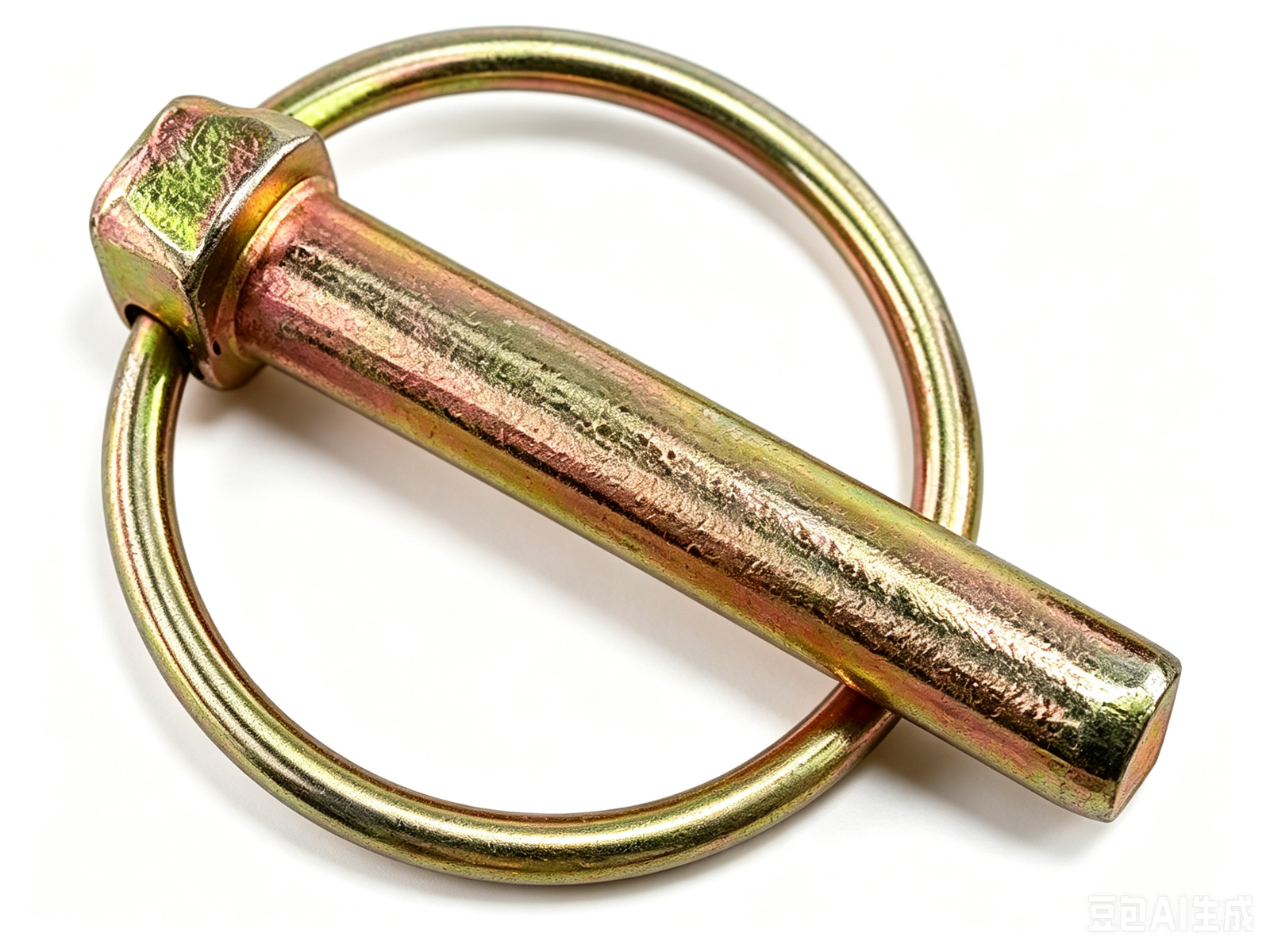
أ دبوس لينش هو دبوس احتجاز سريع التحرير يستخدم عادة لتأمين المكونات الميكانيكية التي تحتاج إلى إزالتها أو تعديلها بشكل متكرر.
تساعد حلقة أو حلقة القفل المميزة على منع خروج الدبوس عن طريق الخطأ بعد التثبيت.
ميزتها الرئيسية هي الراحة. على عكس طرق التثبيت الدائمة, يمكن عمومًا تثبيت دبابيس اللانش وإزالتها بدون أدوات متخصصة.
دبابيس الربيع
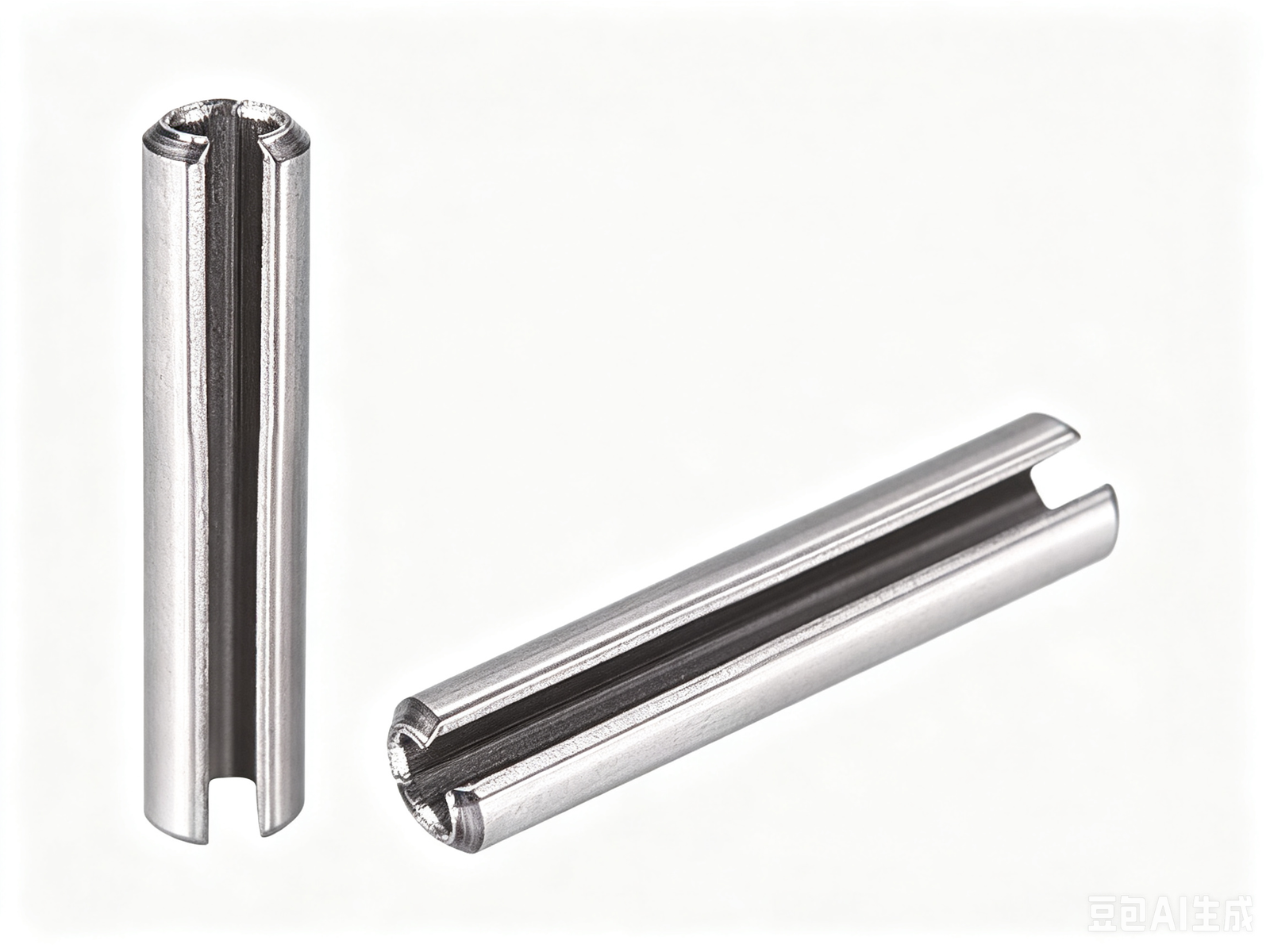
دبابيس الربيع, تُعرف أيضًا باسم دبابيس اللف أو الدبابيس المرنة, عبارة عن دبابيس أسطوانية مجوفة مصممة للضغط عند إدخالها في الفتحة.
القوة المرنة الناتجة عن الدبوس المضغوط تخلق اتصالاً آمنًا.
إحدى فوائدها الرئيسية هي قدرتها على استيعاب الاهتزازات وتغير الأبعاد.
لكن, يجب اختيار المسامير الزنبركية بعناية وفقًا لقطر الثقب, مادة, حمولة, ومتطلبات التثبيت.
دبابيس قفل الأسلاك
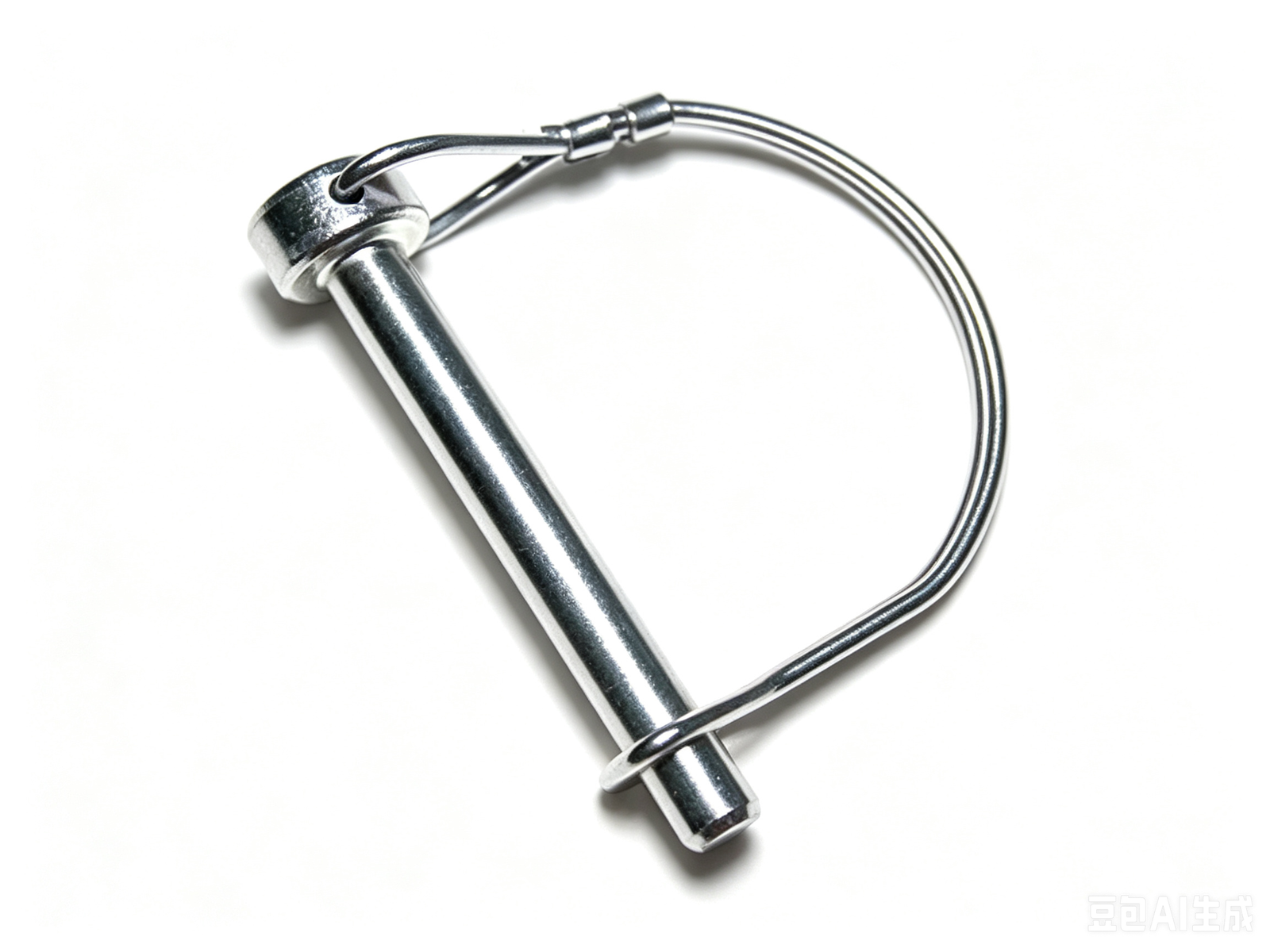
أ دبوس قفل السلك يستخدم حلقة سلكية تشبه الزنبرك أو آلية قفل للحفاظ على الدبوس في موضعه.
تعتبر هذه المسامير مفيدة بشكل خاص عند الحاجة إلى تثبيت سريع وآمن.
يوفر سلك القفل احتجازًا إضافيًا ويقلل من خطر فك الارتباط العرضي.
للتطبيقات المعرضة للاهتزاز, صدمة, أو الحركة المتكررة, تصميم آلية القفل مهم بشكل خاص.
دبابيس تفتق
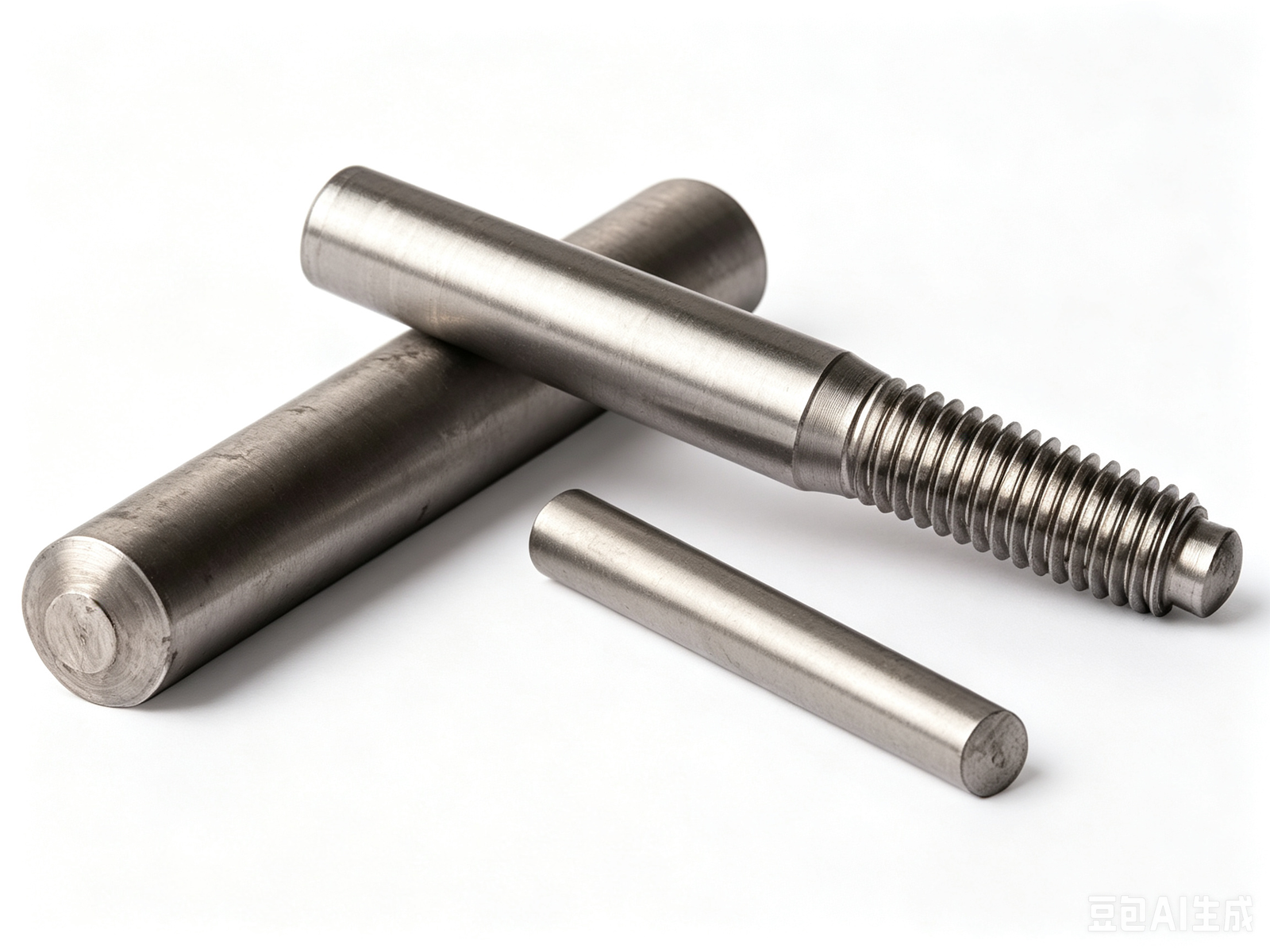
دبابيس تفتق لها قطر متزايد تدريجيًا على طولها. يتم تثبيتها في فتحات مدببة متطابقة لإنشاء اتصال محكم وآمن.
أحد الاعتبارات المهمة هو أنه يجب تشكيل الثقب وفقًا لمواصفات الاستدقاق الصحيحة. يمكن أن تؤدي هندسة الفتحات غير الصحيحة إلى صعوبة التثبيت أو الإضرار بالاتصال.
دبابيس على شكل حرف L
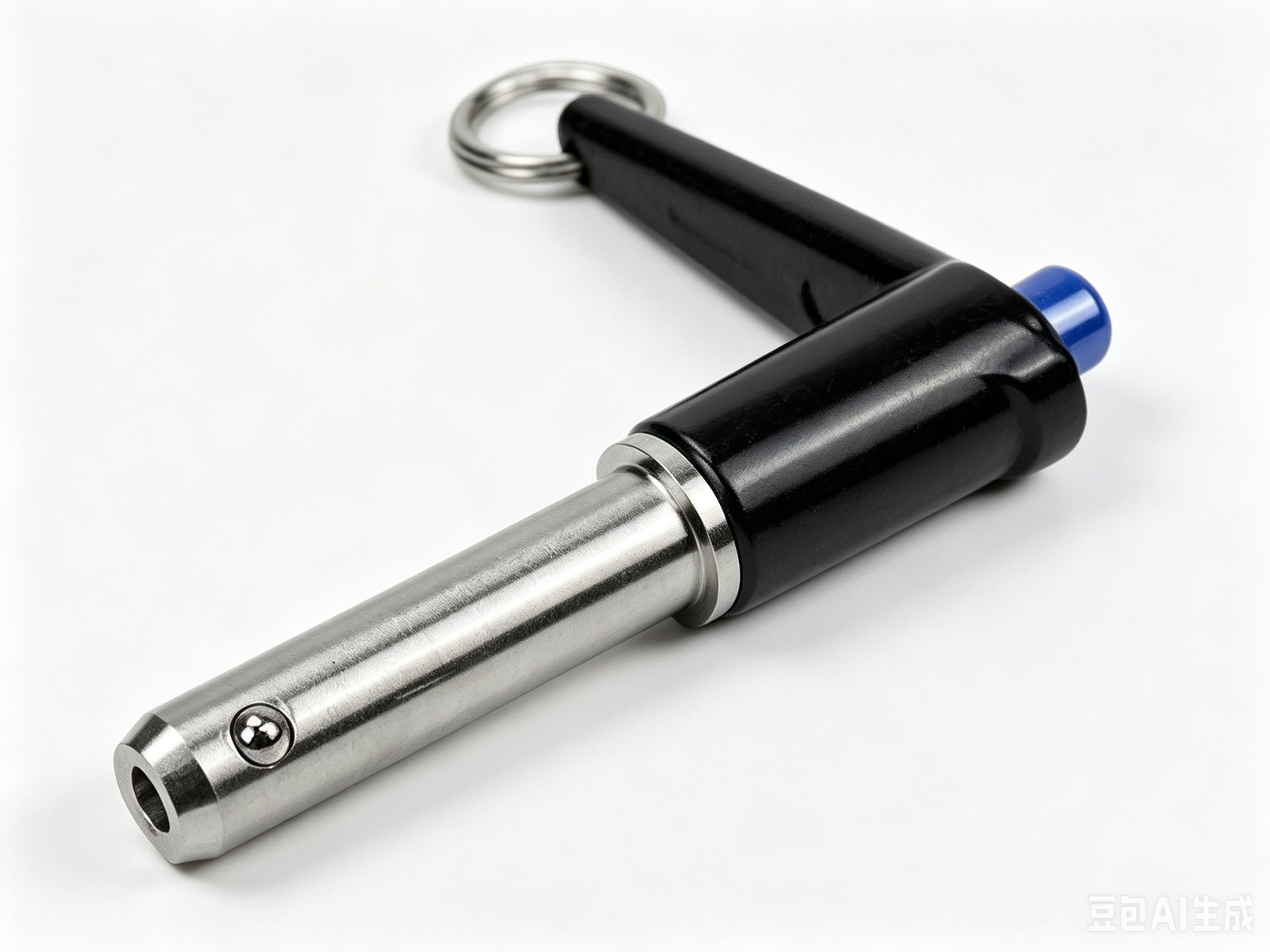
و دبوس بمقبض على شكل حرف L يشتمل على مقبض على شكل حرف L يسمح للمشغلين بتثبيت الدبوس وإزالته يدويًا.
يعتبر هذا التصميم مفيدًا بشكل خاص عند الحاجة إلى تعديلات متكررة.
يلغي المقبض الحاجة إلى أدوات إضافية ويحسن راحة المشغل.
دبابيس كليفي
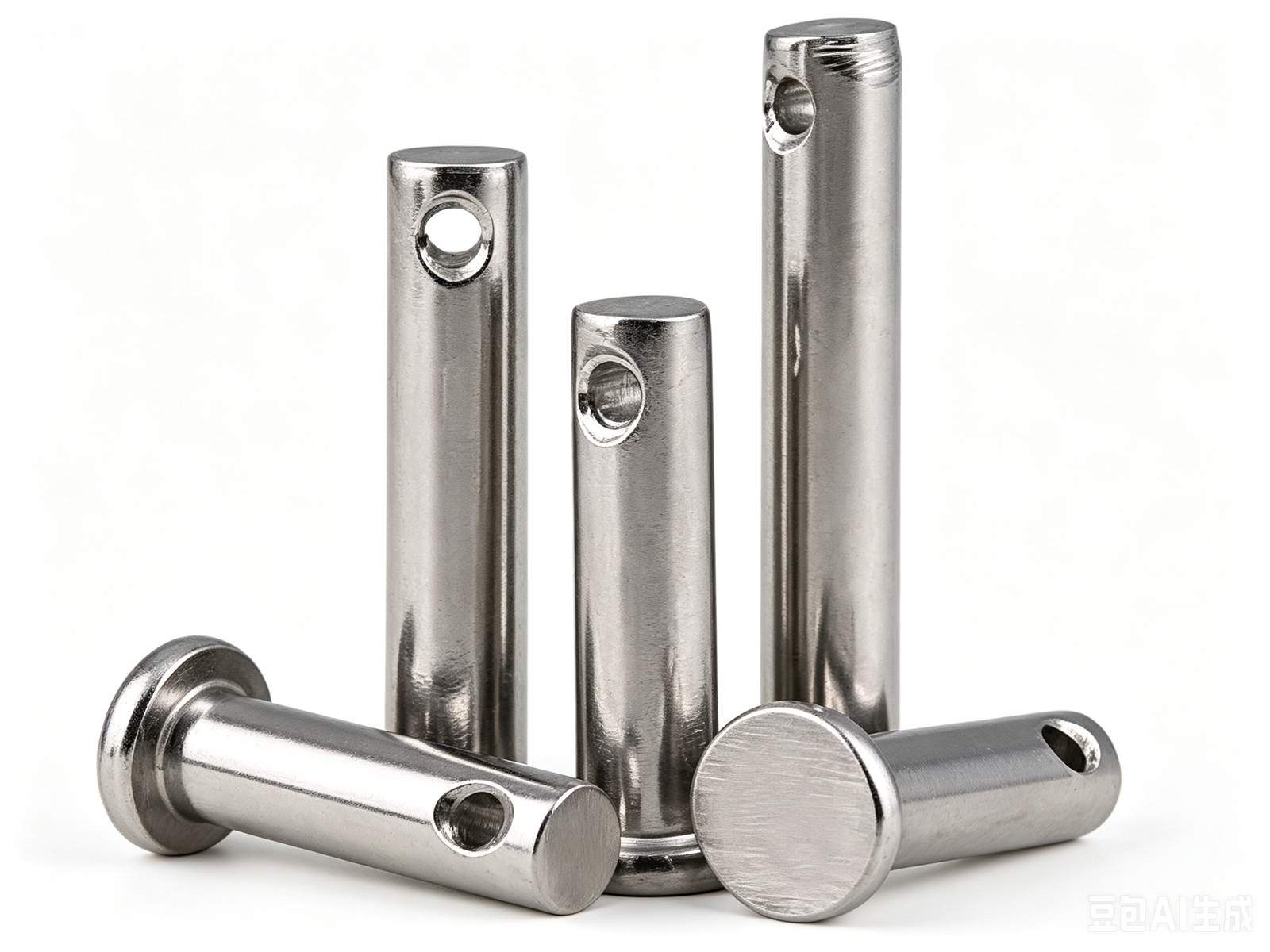
أ دبوس كليف تم تصميمه لتوصيل مكونين قد يحتاجان إلى الدوران بالنسبة لبعضهما البعض.
يمر الدبوس عبر الفتحات المحاذية في المكونات ويتم تثبيته باستخدام دبوس كوتر, مقطع, أو آلية الاحتفاظ الأخرى.
إنها مناسبة بشكل خاص للتطبيقات التي يجب أن يسمح فيها الاتصال بحركة دورانية يمكن التحكم فيها.
دبابيس الماسكة
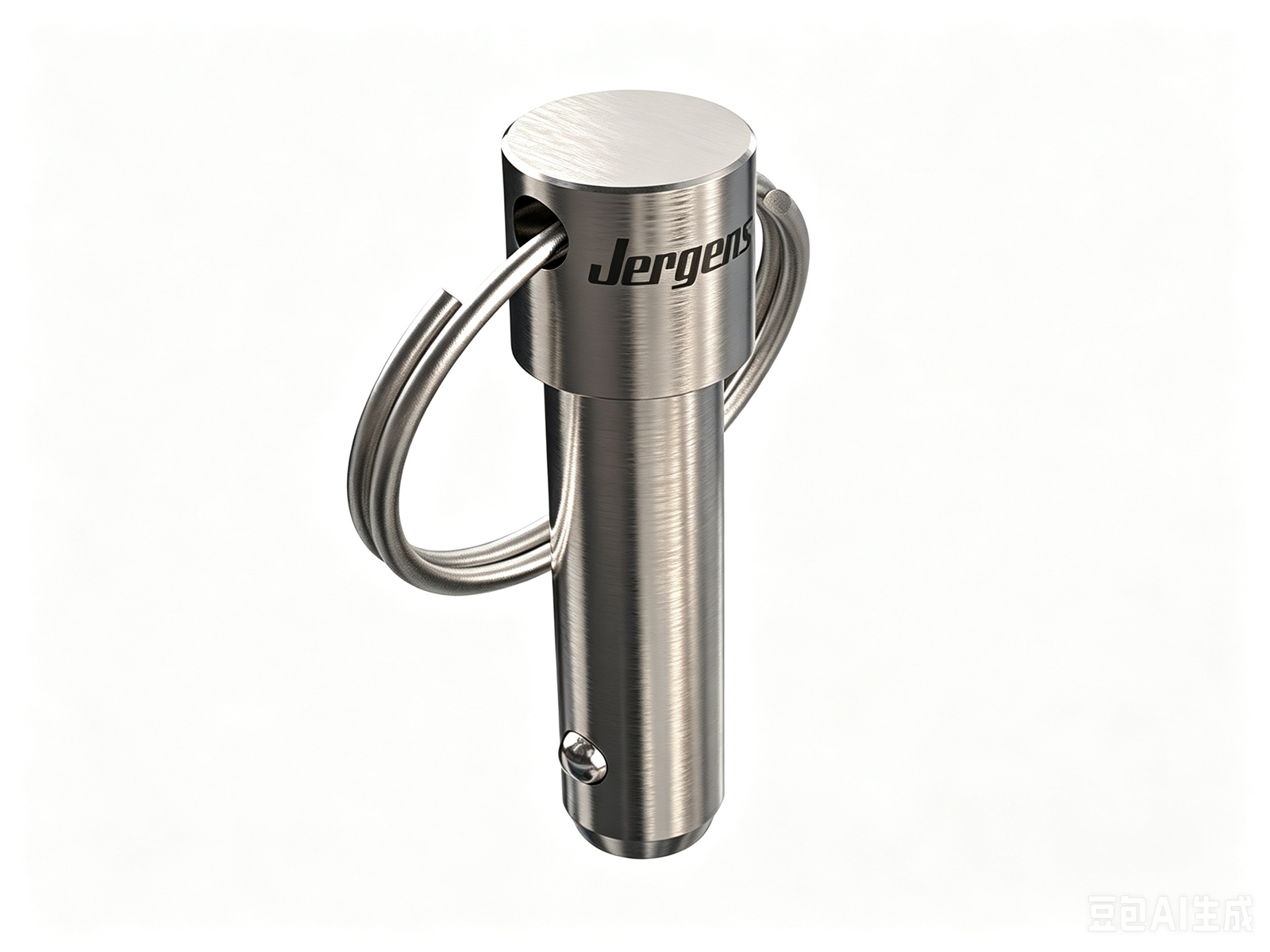
دبابيس الماسكة استخدم كرة محملة بنابض, زر, أو آلية مماثلة لتوفير قفل مؤقت.
تعمل آلية الماسكة مع فتحة التزاوج أو السطح وتمنع الدبوس من السقوط عن طريق الخطأ.
بالمقارنة مع الدبابيس الثابتة التقليدية, توفر دبابيس الحاجز راحة أكبر بكثير للصيانة والتعديل.
دبابيس عقبة
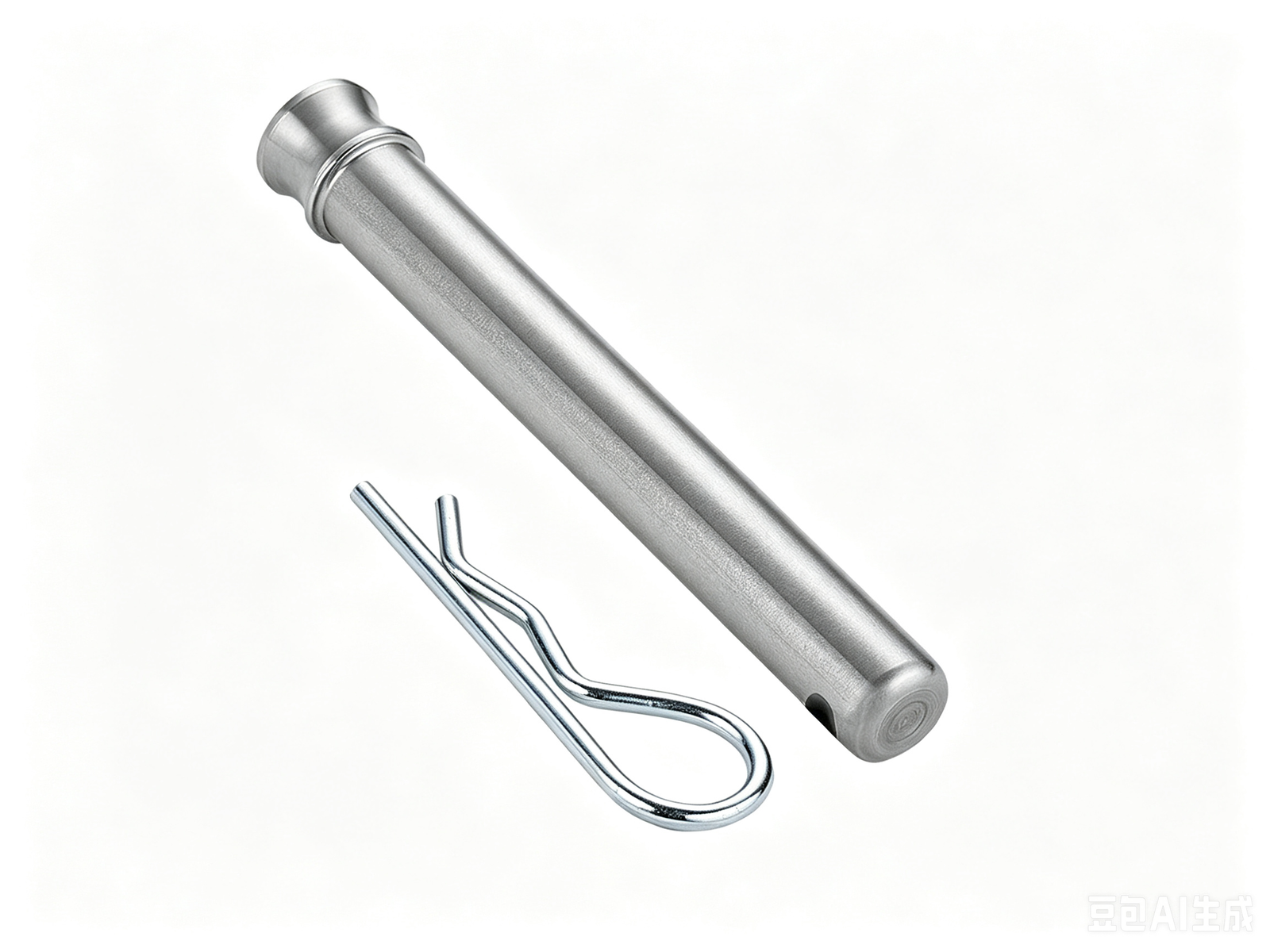
دبابيس عقبة هي دبابيس شديدة التحمل تستخدم لتوصيل المعدات, مقطورات, الأدوات الزراعية, ومكونات السحب.
وهي تشتمل عادةً على مشبك الاحتفاظ أو آلية القفل لمنع الإزالة العرضية.
يجب اختيار دبابيس وصلة الجر بناءً على القطر المطلوب, طول صالح للاستخدام, قوة القص, وحمل التشغيل.
لتطبيقات القطر والحاملة, يجب دائمًا مراعاة قوة وموثوقية الاتصال بأكمله بدلاً من اختيار طرف يعتمد فقط على أبعاده الاسمية.
دبابيس الأخدود
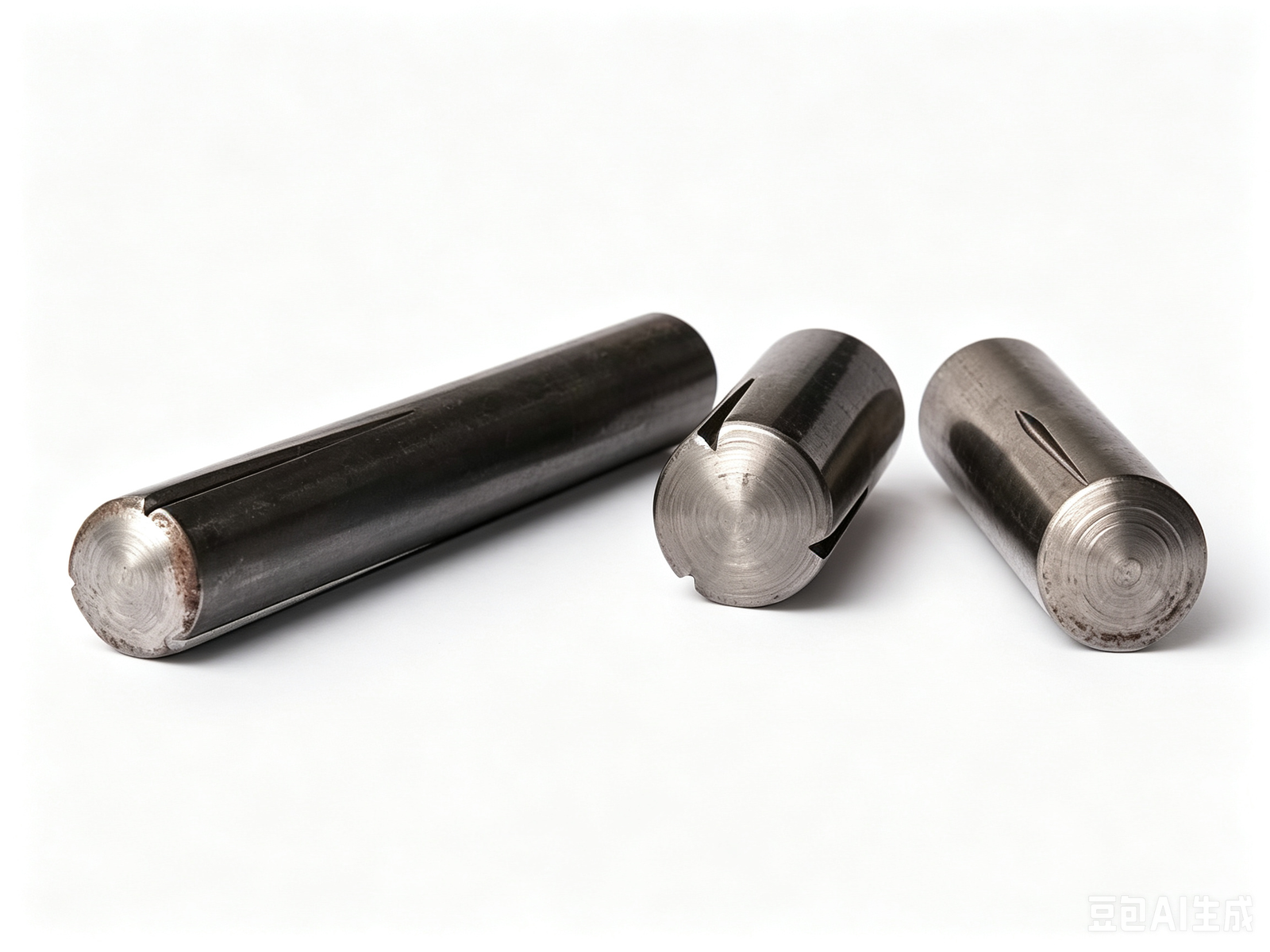
دبابيس الأخدود عبارة عن دبابيس أسطوانية تحتوي على أخاديد طولية واحدة أو أكثر.
تخلق الأخاديد تأثيرًا تداخليًا عند تثبيت الدبوس, المساعدة على تحسين الاحتفاظ ومقاومة الحركة.
توجد دبابيس الأخدود بشكل شائع في الآلات, تركيبات, والتركيبات الميكانيكية.
يجب اختيار تكوين الأخدود الصحيح وفقًا لتصميم الثقب وقوة الاحتفاظ المطلوبة.
المفاجئة دبابيس
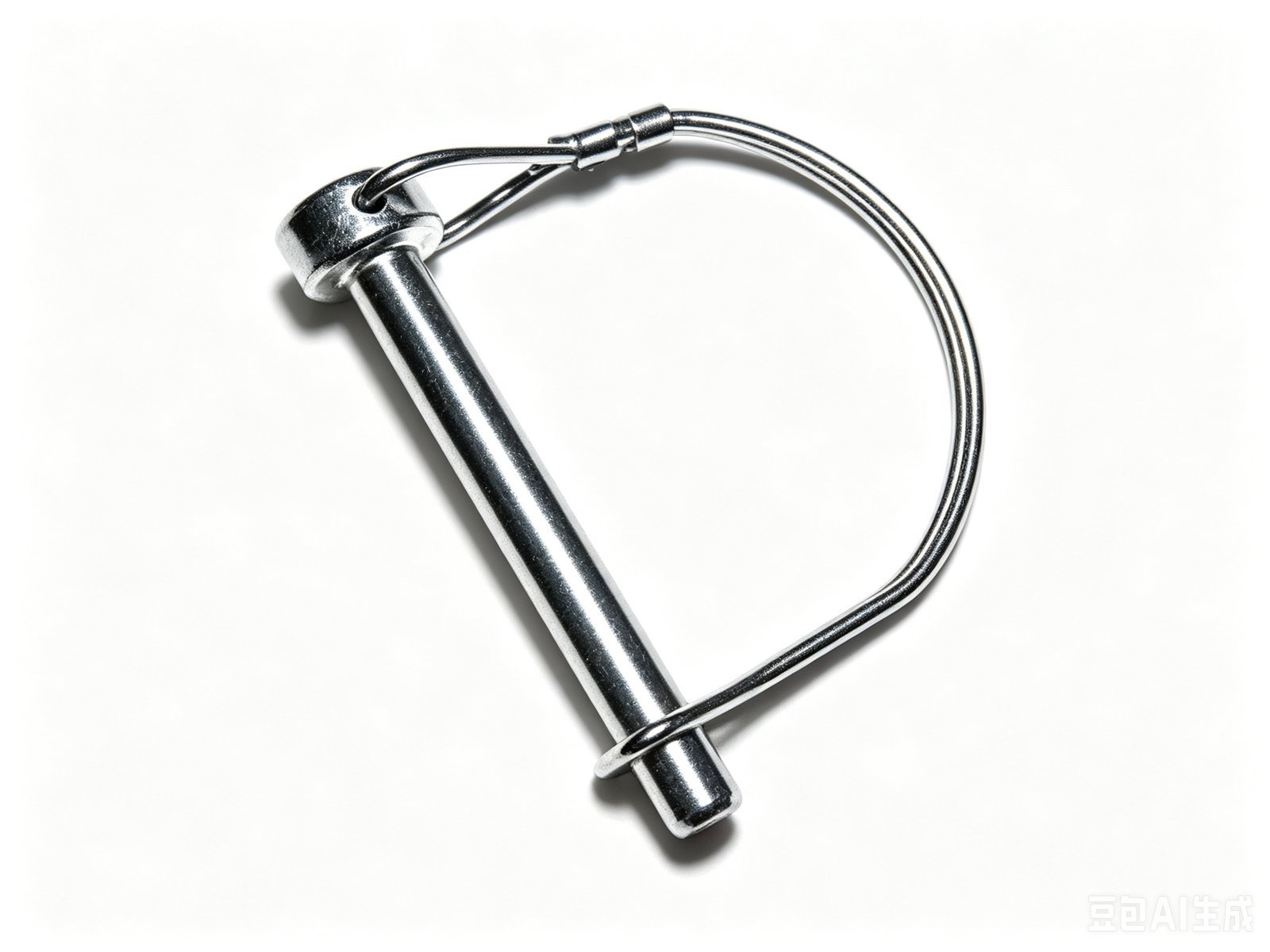
دبابيس المفاجئة يشتمل على آلية كبس محملة بنابض تساعد على تأمين الدبوس بعد التثبيت.
وهي مصممة للتطبيقات التي تتطلب الاتصال أو قطع الاتصال السريع والمتكرر.
الميزة الرئيسية للدبابيس المفاجئة هي ملاءمتها. غالبًا ما يمكن تثبيتها وإزالتها بسرعة دون الحاجة إلى أدوات إضافية.
دبابيس عازمة
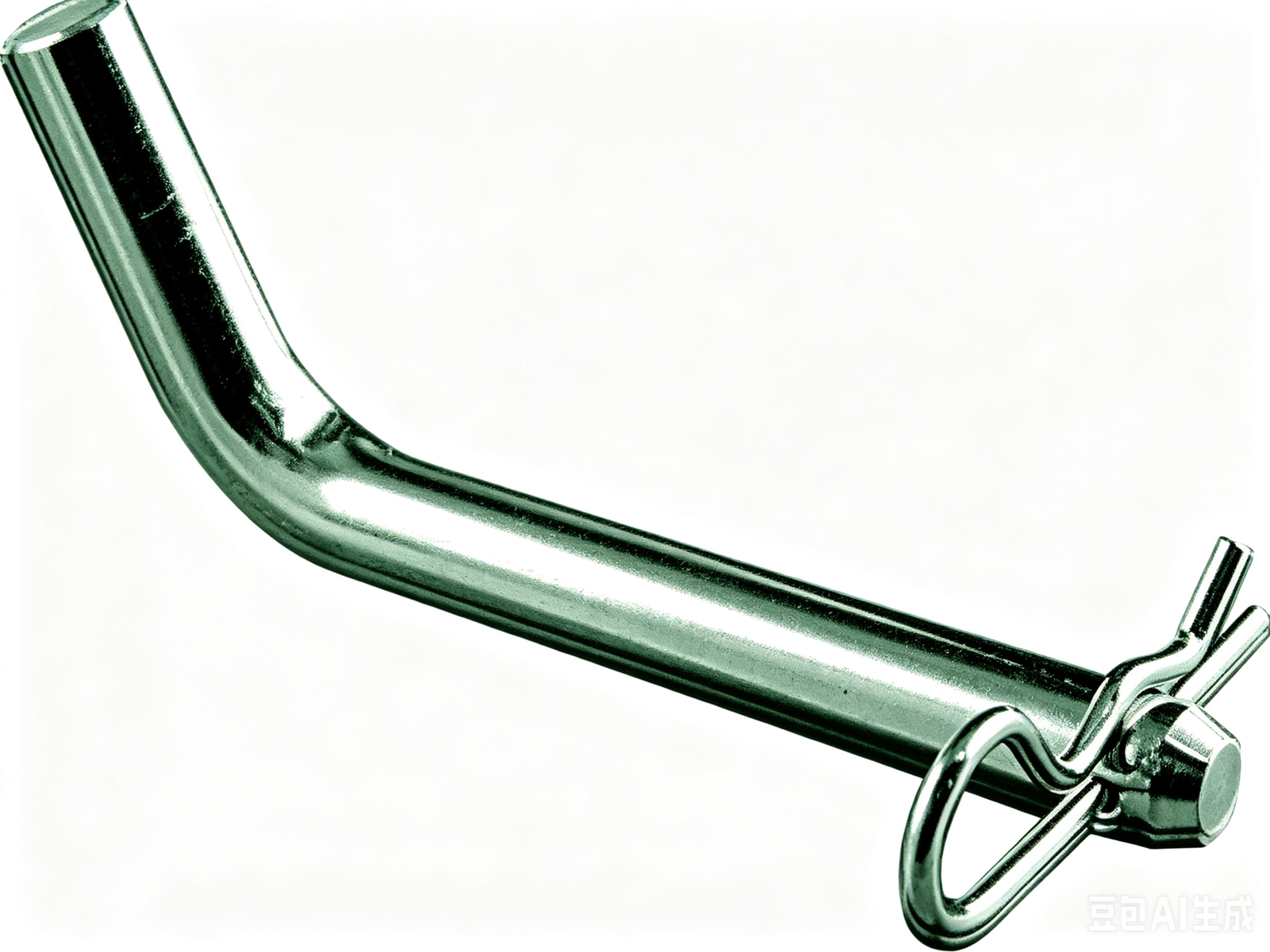
دبابيس عازمة تتميز بقسم تم تشكيله أو ثنيه بشكل متعمد يوفر احتفاظًا إضافيًا.
الهندسة المنحنية يمكن أن تساعد في منع:
الحركة المحورية
تناوب
إزالة عرضية
للتطبيقات المخصصة, زاوية الانحناء الدقيقة, نصف القطر, مادة, ويجب التحكم في عملية التشكيل بعناية.
مقارنة دبوس السحابة: أي نوع يجب أن تختار?
يبدأ اختيار الدبوس الصحيح بفهم الوظيفة الأساسية للاتصال.
| نوع الدبوس | الوظيفة الأساسية | طريقة الاحتفاظ النموذجية | الأفضل ل |
| كوتر دبوس | القفل والاحتفاظ | أرجل عازمة | تأمين المكسرات والدبابيس |
| وتد دبوس | محاذاة الدقة | التدخل/الضغط المناسب | تركيبات دقيقة |
| لينش دبوس | الاحتفاظ السريع | حلقة القفل | الزراعية والآلات |
| دبوس الربيع | التثبيت والاحتفاظ | قوة مرنة | بيئات الاهتزاز |
| دبوس قفل السلك | قفل سريع | حلقة سلكية | السلامة والمعدات |
| دبوس تفتق | المحاذاة والتثبيت | مقاس مدبب | الآلات الدقيقة |
| دبوس بمقبض على شكل حرف L | التعديل اليدوي | التعامل مع وتناسب | معدات قابلة للتعديل |
| دبوس كليفيس | اتصال التمحور | مشبك أو دبوس كوتر | الروابط |
| دبوس الماسكة | قفل سريع | كرة محملة بنابض | التجمع المتكرر |
| عقبة دبوس | اتصال الثقيلة | الاحتفاظ كليب | المقطورات والمعدات |
| دبوس الأخدود | حفظ | تناسب التدخل مخدد | التجميعات الميكانيكية |
| المفاجئة دبوس | اتصال سريع | المفاجئة الربيع | معدات خارجية |
| دبوس عازمة | الاحتفاظ ومكافحة التناوب | هندسة عازمة | تطبيقات مخصصة |
يعتمد الاختيار الصحيح على ما إذا كان متطلبك الأساسي أم لا محاذاة الدقة, الاحتفاظ الدائم, الافراج السريع, التمحور, مقاومة الاهتزاز, أو أداء الحمل الثقيل.
المواد الشائعة المستخدمة في مثبتات الدبوس
مادة الدبوس لها تأثير مباشر على قوتها, المقاومة للتآكل, وزن, القدرة على الماكينات, وخدمة الحياة.
الكربون الصلب
يستخدم الفولاذ الكربوني على نطاق واسع للدبابيس ذات الأغراض العامة لأنه يوفر توازنًا جيدًا للقوة, صلابة, توافر, والتكلفة.
قد تكون المعالجة السطحية مطلوبة عندما تكون مقاومة التآكل مهمة.
الفولاذ المقاوم للصدأ
يتم اختيار الفولاذ المقاوم للصدأ بشكل شائع للتطبيقات المعرضة للرطوبة, مواد كيميائية, أو الظروف الخارجية.
تشمل الدرجات المشتركة 304 و 316 الفولاذ المقاوم للصدأ, اعتمادا على البيئة.
سبائك الصلب
سبائك الفولاذ مناسبة للتطبيقات الصعبة التي تتطلب قوة عالية, صلابة, أو مقاومة التعب.
المعالجة الحرارية يمكن أن تزيد من تحسين الأداء الميكانيكي.
سبائك الألومنيوم
توفر دبابيس سبائك الألومنيوم بديلاً منخفض الكثافة عندما يكون تقليل الوزن أمرًا مهمًا.
لكن, قد لا يكون الألومنيوم مناسبًا للتطبيقات التي تتطلب مقاومة تآكل عالية للغاية أو سعة تحميل.
نحاس
يوفر النحاس إمكانية تصنيع ممتازة ومقاومة جيدة للتآكل.
نحاس
يتم تقدير قيمة النحاس في المقام الأول بسبب موصليته الكهربائية والحرارية الممتازة.
ويتم اختياره بشكل أكثر شيوعًا عندما يكون الأداء الكهربائي أحد الاعتبارات المهمة في التصميم.
سبائك التيتانيوم
سبائك التيتانيوم مجتمعة:
قوة عالية
وزن منخفض
مقاومة ممتازة للتآكل
وغالبا ما تستخدم في التطبيقات عالية الأداء مثل الفضاء الجوي, المعدات الطبية, والأنظمة الهندسية المتخصصة.
كيف يتم تصنيع مثبتات الدبوس?
تعتمد عملية التصنيع على تصميم الدبوس, مادة, متطلبات الأبعاد, حجم الإنتاج, والأداء المطلوب.
خطوة 1: اختيار المواد
تقوم الشركة المصنعة باختيار المادة الخام المناسبة بناءً على ذلك:
الأحمال الميكانيكية
متطلبات التآكل
درجة حرارة التشغيل
متطلبات الوزن
الانتهاء من السطح
حجم الإنتاج
خطوة 2: القطع والتحضير الفارغ
قضبان معدنية, قضبان, أو يتم قطع الأسلاك إلى الفراغات المناسبة.
لإنتاج الحجم العالي, يمكن لأنظمة تغذية وقطع المواد الآلية أن تحسن كفاءة الإنتاج بشكل كبير.
خطوة 3: العنوان البارد
يشكل الرأس البارد المعدن في درجة حرارة الغرفة باستخدام الضغط العالي.
إنها ذات كفاءة عالية لإنتاج كميات كبيرة من المسامير القياسية.
وتشمل المزايا:
سرعة إنتاج عالية
الاستفادة من المواد ممتازة
أبعاد متناسقة
انخفاض تكلفة الوحدة بكميات كبيرة
خطوة 4: تزوير
يستخدم الحدادة ضغطًا عاليًا لتشكيل المعدن بالشكل الهندسي المطلوب.
إنها مناسبة بشكل خاص عند الحاجة إلى قوة ميكانيكية عالية.
خطوة 5: ختم
يستخدم الختم القوالب والمكابس لإنتاج مكونات من الصفائح المعدنية.
يستخدم عادة للأسلاك, مقطع, أو المكونات ذات الصلة بالدبوس المختوم.
خطوة 6: التصنيع باستخدام الحاسب الآلي
التصنيع باستخدام الحاسب الآلي هي طريقة تصنيع مهمة للدقة والمثبتات المخصصة.
اعتمادا على الهندسة, قد تستخدم الشركات المصنعة:
تحول باستخدام الحاسب الآلي
الطحن باستخدام الحاسب الآلي
التصنيع باستخدام الحاسب الآلي من النوع السويسري
تصنيع متعدد المحاور
التصنيع باستخدام الحاسب الآلي مناسب بشكل خاص لـ:
أبعاد مخصصة
هندسات معقدة
التحمل الضيق
كميات إنتاج منخفضة إلى متوسطة
النماذج الأولية
العينات الهندسية
للدبابيس المخصصة, يمكن للتصنيع باستخدام الحاسب الآلي أن يوفر مرونة أكبر من عمليات التشكيل المخصصة ذات الحجم الكبير.
خطوة 7: المعالجة الحرارية
يمكن أن تتحسن المعالجة الحرارية:
صلابة
قوة الشد
ارتداء المقاومة
أداء التعب
وتشمل العمليات المشتركة:
التلدين
التبريد
هدأ
تعتمد العملية الصحيحة على المادة والخصائص الميكانيكية المطلوبة.
خطوة 8: المعالجة السطحية
يمكن تطبيق التشطيب السطحي لتحسين مقاومة التآكل, مظهر, أو ارتداء الأداء.
وتشمل العلاجات الشائعة:
طلاء الزنك
طلاء النيكل
طلاء الكروم
أكسيد الأسود
التخميل
الصدمة الكهربائية
يجب اختيار المعالجة السطحية وفقًا لبيئة التشغيل وتوافق المواد.
خطوة 9: فحص الجودة
قد يقوم مصنعو الدبوس الدقيق بفحصها:
القطر
طول
استقامة
تركيز
خشونة السطح
التسامح
صلابة
تكوين المواد
للمكونات الحرجة, قد تكون هناك حاجة لفحص CMM وطرق القياس المتقدمة الأخرى.
قياسي مقابل. السحابات دبوس مخصص
غالبًا ما تكون المسامير القياسية هي الخيار الأفضل عندما يتمكن تطبيقك من استخدام مواصفات موجودة.
أنها توفر عموما:
فترات زمنية أقصر
انخفاض تكاليف الوحدة
استبدال سهل
المواصفات الموضوعة
لكن, قد لا تلبي الدبابيس القياسية كل متطلبات التطبيق.
قد تحتاج السحابات دبوس مخصص عندما تحتاج:
أبعاد غير قياسية
التسامح الخاصة
تصميمات رأس فريدة من نوعها
ميزات قفل مخصصة
مواد خاصة
هندسات معقدة
تشطيبات سطح خاصة
تعتبر الدبابيس المخصصة شائعة بشكل خاص في منتجات OEM, الات, الأدوات, أنظمة الأتمتة, والمعدات المتخصصة.
تطبيقات تثبيت الدبوس حسب الصناعة
يتم استخدام مثبتات الدبوس في العديد من الصناعات.
السيارات
تشمل التطبيقات:
الروابط
مفصلات
مهاوي
أنظمة المحاذاة
التجميعات الميكانيكية
الفضاء الجوي
غالبًا ما تتطلب تطبيقات الفضاء الجوي وزنًا خفيفًا, قوة عالية, مواد مقاومة للتآكل ومراقبة صارمة للأبعاد.
الآلات الزراعية
تشمل التطبيقات الشائعة:
وصلات عقبة
مكونات قابلة للتعديل
ينفذ
آليات محورية
معدات البناء
تستخدم الدبابيس على نطاق واسع في:
المعدات الهيدروليكية
جمعيات بوم
المفاصل المحورية
الروابط الميكانيكية
الأتمتة الصناعية
تستخدم دبابيس الدقة عادة ل:
محاذاة لاعبا اساسيا
مكونات الآلة
الأدوات
أنظمة تحديد المواقع
إلكترونيات
يمكن استخدام دبابيس دقيقة صغيرة:
تحديد المواقع الميكانيكية
محاذاة الجمعية
المكونات الكهربائية
معدات طبية
قد تتطلب الأجهزة الطبية دبابيس دقيقة الصنع مصنوعة من مواد مقاومة للتآكل أو متوافقة حيوياً.
القوالب والأدوات
تعتبر دبابيس الأوتاد ودبابيس التحديد الدقيقة ضرورية لمحاذاة ألواح القالب بدقة, يموت, ومكونات الأدوات.
دبوس السحابات مقابل. السحابات الميكانيكية الأخرى
دبابيس مقابل. البراغي
تستخدم البراغي في المقام الأول لتوليد قوة التثبيت بين المكونات.
يتم استخدام الدبابيس بشكل أكثر شيوعًا لـ:
تنسيق
تحديد المواقع
حفظ
التمحور
في مجالس كثيرة, تعمل البراغي والدبابيس معًا.
دبابيس مقابل. مسامير
توفر البراغي عمومًا تثبيتًا ملولبًا.
غالبًا ما يتم تفضيل الدبابيس عندما تكون الخيوط غير ضرورية أو عندما يكون تحديد الموضع الدقيق مطلوبًا.
دبابيس مقابل. المسامير
عادة ما تقوم المسامير بإنشاء اتصالات دائمة.
تم تصميم العديد من مثبتات المسامير للإزالة والصيانة.
دبابيس مقابل. الاحتفاظ بالخواتم
تعمل حلقات الاحتفاظ على تأمين المكونات على الأعمدة أو التجاويف الداخلية.
الدبابيس أكثر تنوعًا للمحاذاة, التمحور, والقفل الميكانيكي.
يعتمد أفضل حل للتثبيت على وظيفة المفصل وليس على قوة أداة التثبيت فحسب.
مشاكل وحلول قفل الدبوس الشائعة
تخفيف دبوس
تشمل الأسباب المحتملة:
تناسب غير صحيح
الاهتزاز المفرط
قفل غير كاف
تركيب غير لائق
حل: حدد آلية القفل المناسبة وتحقق من الملاءمة والتسامح.
ارتداء المفرط
تشمل الأسباب المحتملة:
ارتفاع ضغط الاتصال
اختيار المواد سيئة
صلابة غير كافية
حركة متكررة
حل: فكر في المواد المتصلبة, المعالجة الحرارية, أو تحسين التشطيبات السطحية.
تآكل
تشمل الأسباب المحتملة:
رُطُوبَة
المواد الكيميائية
التعرض للملح
حل: استخدم الفولاذ المقاوم للصدأ, سبائك مقاومة للتآكل, أو المعالجات السطحية المناسبة.
تشوه الثقب
إذا تعرض الدبوس لأحمال زائدة, قد يتشوه ثقب التزاوج.
حل: مراجعة قوة المواد, قطر الدبوس, توزيع الحمل, وصالح.
اختلال
يمكن أن تنتج المحاذاة الضعيفة عن وضع الثقب بشكل غير صحيح أو دقة المعالجة غير الكافية.
حل: استخدم دبابيس وتد دقيقة وتفاوتات تشغيلية يمكن التحكم فيها.
تصنيع دبوس التثبيت المخصص
عندما لا تتمكن المكونات القياسية من تلبية متطلباتك, يمكن لمصنع الدبوس المخصص تطوير حل يعتمد على رسوماتك وتطبيقك.
قد يشمل تصنيع الدبوس المخصص:
الآلات السويسرية
تصنيع متعدد المحاور
عنوان بارد
تزوير
ختم
المعالجة الحرارية
تصفيح
التخميل
التفتيش الدقيق
يجب أن يكون شريك التصنيع الموثوق به قادرًا على تقييم التصميم والتوصية بعملية الإنتاج الأكثر ملاءمة بناءً على ذلك كمية, هندسة, تسامح, مادة, وأهداف التكلفة.
على سبيل المثال, قد تكون المعالجة باستخدام الحاسب الآلي مثالية للنماذج الأولية والأجزاء المعقدة ذات الحجم المنخفض, في حين أن المعالجة على البارد أو التشكيل الآلي قد يكون أكثر اقتصادا للإنتاج بكميات كبيرة.
خاتمة
قد تكون مثبتات الدبوس عبارة عن مكونات صغيرة, لكنها تلعب دورًا حاسمًا في أداء وموثوقية الأنظمة الميكانيكية.
وتشمل الأنواع الأكثر شيوعا دبابيس كوتر, دبابيس وتد, دبابيس لينش, دبابيس الربيع, دبابيس قفل الأسلاك, دبابيس تفتق, دبابيس على شكل حرف L, دبابيس clevis, دبابيس ماسكة, دبابيس عقبة, دبابيس الأخدود, دبابيس المفاجئة, ودبابيس عازمة.
كل نوع له مزايا مختلفة وهو مصمم لوظائف محددة. يعتمد الاختيار الصحيح على عوامل مثل:
طلب
حمولة
مادة
مقاس
تسامح
طريقة التثبيت
الظروف البيئية
مدة الخدمة المطلوبة
للتطبيقات القياسية, قد يكون الدبوس الجاهز هو الحل الأكثر اقتصادا. لكن, عندما يتطلب مشروعك أبعادًا خاصة, التحمل الضيق, الهندسة المعقدة, أو مواد معينة, مثبتات دبوس مخصصة تم تصنيعها بواسطة التصنيع باستخدام الحاسب الآلي أو غيرها من العمليات الدقيقة قد توفر حلا أفضل.
هل تبحث عن شركة مصنعة موثوقة لمثبتات الدبوس المخصصة? اتصل بنا الآن, شارك رسوماتك أو ملفات CAD ثلاثية الأبعاد مع فريقنا الهندسي. يمكننا مراجعة متطلباتك, يوصي بعملية التصنيع المناسبة, وتقديم عرض أسعار تنافسي للنماذج الأولية, دفعات صغيرة, وأوامر الإنتاج.
الأسئلة الشائعة
1. ما هو دبوس التثبيت?
قفل الدبوس هو مكون ميكانيكي يستخدم للمحاذاة, موضع, يتصل, يحتفظ, قفل, أو الأجزاء الميكانيكية المحورية. اعتمادا على التصميم, قد يستخدم التدخل المناسب, احتكاك, قوة الربيع, أو آلية القفل.
2. ما هي الأنواع الأكثر شيوعا من السحابات دبوس?
وتشمل الأنواع الشائعة دبابيس وتد, دبابيس كوتر, دبابيس الربيع, دبابيس تفتق, دبابيس clevis, دبابيس ماسكة, دبابيس عقبة, دبابيس لينش, دبابيس الأخدود, دبابيس المفاجئة, ودبابيس قفل الأسلاك.
3. ما هو الفرق بين دبوس وتد ودبوس الربيع?
تم تصميم دبوس وتد في المقام الأول للمحاذاة وتحديد المواقع بدقة, بينما يستخدم الدبوس الزنبركي تشوهًا مرنًا لإنشاء احتجاز وغالبًا ما يكون أكثر ملاءمة للتثبيت العام والتطبيقات المقاومة للاهتزاز.
4. ما هو دبوس كوتر المستخدمة ل?
تستخدم دبابيس كوتر بشكل رئيسي لمنع المكسرات, دبابيس clevis, والمكونات الميكانيكية الأخرى من الارتخاء أو الخروج عن طريق الخطأ.
5. ما هو دبوس clevis المستخدمة ل?
عادةً ما يتم استخدام دبوس clevis لإنشاء اتصال محوري بين مكونين. يتم تأمينه عادةً باستخدام دبوس كوتر أو مشبك تثبيت.
6. ما هي المواد المستخدمة عادة لصنع مثبتات الدبوس?
تشمل المواد الشائعة الفولاذ الكربوني, الفولاذ المقاوم للصدأ, سبائك الصلب, سبيكة الألومنيوم, نحاس, نحاس, وسبائك التيتانيوم. الخيار الأفضل يعتمد على الحمل, تآكل, درجة حرارة, ومتطلبات التطبيق.
7. كيف يتم تصنيع الدبابيس المخصصة?
يمكن تصنيع المسامير المخصصة من خلال الخراطة باستخدام الحاسب الآلي, الطحن باستخدام الحاسب الآلي, الآلات السويسرية, العنوان البارد, تزوير, ختم, وغيرها من العمليات. تعتمد الطريقة المناسبة على التصميم وكمية الإنتاج.
8. متى يجب علي اختيار دبابيس تشكيله باستخدام الحاسب الآلي?
التصنيع باستخدام الحاسب الآلي مناسب بشكل خاص للنماذج الأولية, كميات منخفضة إلى متوسطة, الهندسة المعقدة, والتطبيقات التي تتطلب تفاوتات صارمة في الأبعاد أو تصميمات مخصصة.
9. كيف أختار حجم الدبوس الصحيح؟?
النظر في الحمل المطلوب, قطر الثقب, ملائم, طول, قوة القص, وطريقة التثبيت. للتطبيقات الدقيقة, يجب تصميم تفاوتات الدبوس وفتحة التزاوج معًا.
10. هل مثبتات الدبوس قابلة لإعادة الاستخدام?
بعض الدبابيس, مثل دبابيس الماسكة, دبابيس عقبة, وبعض الدبابيس سريعة التحرير, مصممة خصيصًا للتثبيت والإزالة المتكررة. آحرون, مثل دبابيس وتد تناسب التدخل, قد لا تكون مناسبة لإعادة الاستخدام المتكرر.
11. يمكن تخصيص دبوس السحابات?
نعم. يمكن تصنيع مثبتات الدبوس المخصصة بأقطار محددة, أطوال, أشكال الرأس, آليات القفل, مواد, التسامح, والمعالجات السطحية.
12. ما هي المعالجات السطحية المتاحة للدبابيس المخصصة?
اعتمادا على المواد والتطبيق, قد تشمل الخيارات طلاء الزنك, طلاء النيكل, طلاء الكروم, أكسيد أسود, التخميل, الصدمة الكهربائية, وغيرها من التشطيبات المتخصصة.
13. ما هي المعلومات المطلوبة لاقتباس مثبتات الدبوس المخصصة?
ستحتاج الشركة المصنعة عادةً إلى رسم ثنائي الأبعاد أو نموذج CAD ثلاثي الأبعاد, مادة, كمية, التحمل الأبعاد, المعالجة السطحية, وأي متطلبات أداء خاصة.
14. كيف يمكنني طلب مثبتات الدبوس المخصصة?
يمكنك عادةً البدء بإرسال الرسم الهندسي أو ملف CAD ثلاثي الأبعاد إلى الشركة المصنعة المؤهلة. يمكن للشركة المصنعة بعد ذلك مراجعة التصميم, تأكيد قابلية التصنيع, يوصي بعملية الإنتاج المناسبة, وتوفير معلومات التسعير والمدة الزمنية.


