


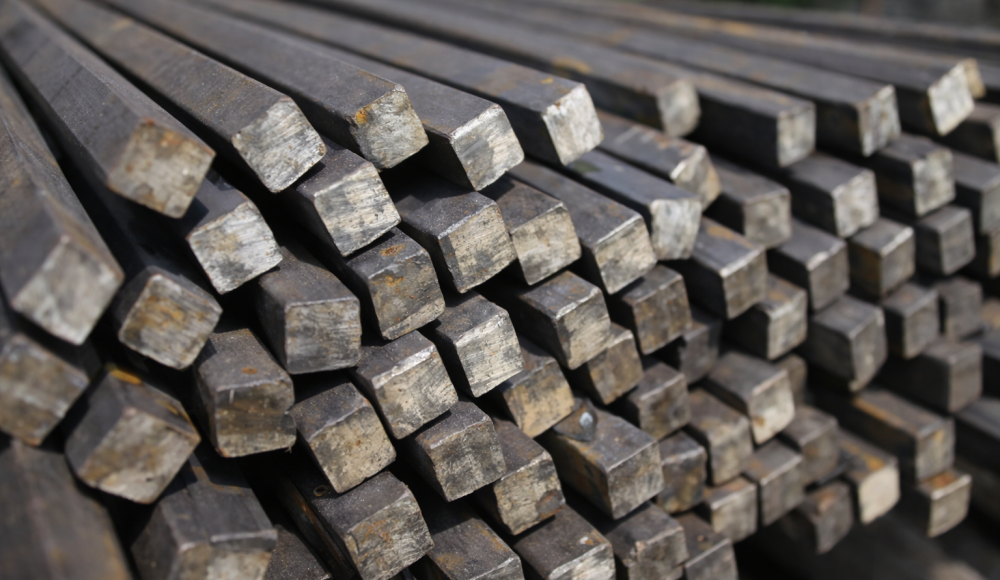
При избора на материали за CNC обработка, изработка на ламарина, и щамповане, технологичността често има повече значение от крайната здравина. 1006 въглеродна стомана, със своето ултра ниско съдържание на въглерод, е широко предпочитан в производствени среди, където оформяемост, Заваряване, и стабилност на процеса са критични.
Тази статия разглежда 1006 въглеродна стомана специално от a производствена и производствена гледна точка, подпомагане на CNC магазини, производители на ламарина, и производителите на щамповане определят кога и защо този материал е правилният избор.
1. Какво е 1006 Въглеродна стомана?
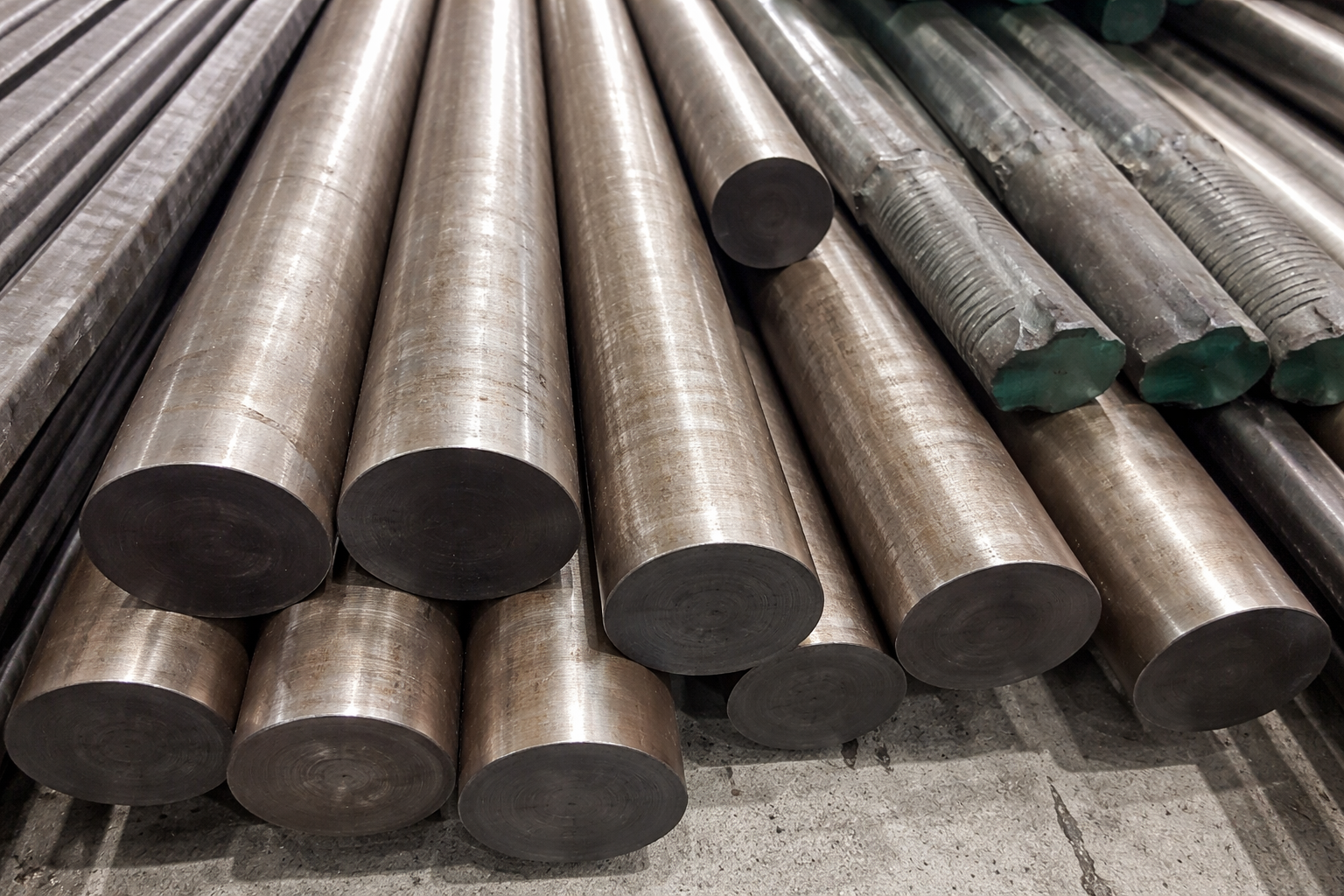
1006 въглеродната стомана се класифицира като an ултра нисковъглеродна стомана, съдържащи не повече от 0.08% въглерод. За разлика от високовъглеродните или легираните стомани, не е предназначен за структурни характеристики при високо натоварване. Вместо това, той е оптимизиран за:
Студено формоване и огъване
Щамповане с голям обем
Заварени възли
Чувствително към разходите производство
За CNC и производствени цехове, 1006 често се избира стомана не за сила, но за надеждност на процеса и лекота на производство.
2. Химичен състав и производствено въздействие
Опростената химия на 1006 стомана директно обяснява нейното поведение при операции по обработка и формоване.
| елемент | Съдържание (%) | Значение на производството |
| Желязо (Fe) | 99.43–99,75 | Осигурява униформа, предвидим основен материал |
| въглерод (° С) | ≤ 0.08 | Позволява висока пластичност, ниска твърдост, отлична заваряемост |
| Манган (Мн) | 0.25–0,40 | Леко подобрява силата и подпомага дезоксидацията |
| Фосфор (П) | ≤ 0.040 | Контролиран за предотвратяване на чупливост |
| Сяра (С) | ≤ 0.050 | Ниските нива запазват пластичността и качеството на заварката |
Ключови изводи за производителите:
Ниско въглерод = мек материал + стабилно формоване + минимални заваръчни дефекти.
3. Механични свойства, свързани с CNC & Формиране
От производствена гледна точка, тези механични стойности обясняват как 1006 стоманата се държи на машини и преси:
Издръжливост на опън: ~330 MPa (48,000 psi)
Сила на провлачване: ~285 MPa (41,300 psi)
Удължение: ~20% (50 мм габаритна дължина)
Твърдост по Бринел: ~95 HB
Модул на еластичност: 190–210 GPa
Тези свойства правят 1006 стомана:
Лесно се огъва без напукване
Подходящ за дълбоко изтегляне и прогресивни матрици
Прощаване по време на настройка и изпълнение на голям обем
4. Производителност при CNC обработка
От гледна точка на CNC обработка, 1006 въглеродната стомана е лесен за рязане, но изисква оптимизация на процеса.
Характеристики на CNC обработка
Предимства
Ниската твърдост намалява силата на рязане
Минимално износване на инструмента при подходящи условия
Подходящ за прости фрезовани или струговани компоненти
Предизвикателства
Ниското съдържание на въглерод може да причини изграден ръб (ЛЪК)
Контролът на чипа може да е непоследователен
Повърхностното покритие може да изисква оптимизирани скорости, емисии, и инструментална екипировка
CNC най-добри практики
Използвайте остри карбидни инструменти
Оптимизирайте скоростта на рязане, за да намалите BUE
Нанесете подходяща охлаждаща течност или смазка
Избягвайте прекалено агресивните скорости на подаване
5. Предимства при производството на ламарина
1006 въглеродната стомана е особено подходяща за процеси на ламарина, включително:
Лазерно рязане
щанцоване
Огъване
Оформяне на руло
Защо производителите предпочитат 1006 Стомана
Отлична възможност за радиус на огъване
Ниска пружина по време на формоване
Последователни резултати в партидите
Лесно заваряване след формата
Това го прави идеален за заграждения, скоби, панели, и корпуси.
6. защо 1006 Стоманата се отличава с щамповане & Дълбока рисунка
При операции по щамповане, пластичността на материала пряко влияе върху живота на матрицата и качеството на детайлите.
Предимства на щамповането
Високото удължение поддържа дълбоко изтегляне
Намален риск от напукване и разкъсване
Стабилно поведение в прогресивни матрици
Подходящ за тънкостенни и сложни геометрии
За щамповани части с голям обем, 1006 стоманата помага:
Намалете процента на скрап
Удължете живота на инструмента
Подобрете последователността на размерите
7. Съображения за заваряване и сглобяване
Благодарение на ултра ниското си въглеродно съдържание, 1006 предлага стомана изключителна заваряемост.
Подходящи методи за заваряване
MIG заваряване
TIG заваряване
Заваряване на клечки
Предимства на заваряването
Не е необходимо предварително загряване
Нисък риск от водороден крекинг
Чисти, стабилни заваръчни басейни
Това прави 1006 стомана идеална за заварени рамки, скоби, и сглобки от много части.
8. Типичен CNC & Приложения за производство
От гледна точка на производството, 1006 обикновено се използва въглеродна стомана:
CNC машинно изработени скоби и дистанционери
Щамповани компоненти на каросерията на автомобила
Ламаринени уредни панели
Заварени корпуси и рамки
Формовани и огънати компоненти
Неговата комбинация от ниска цена, лесна обработка, и стабилно поведение го прави надежден производствен материал.
9. Заключение
За CNC обработка, изработка на ламарина, и щамповане на операции, 1006 въглеродната стомана е по-скоро лесен за обработка материал, отколкото сплав с висока якост. Неговият ултра нисковъглероден състав осигурява:
Изключителна формоспособност
Отлична заваряемост
Предсказуемо поведение при обработка
Ефективност на разходите за масово производство
Ако вашият проект е с приоритет ефективност на производството, формираща производителност, и качество на заваръчния шев, 1006 въглеродната стомана остава практичен и доказан избор.
Често задавани въпроси
Q1: Е 1006 въглеродна стомана, подходяща за прецизни CNC части?
да, за компоненти с ниско натоварване. Инструментите и параметрите трябва да бъдат оптимизирани, за да контролират натрупания ръб.
Q2: Защо е 1006 стомана, предпочитана за щамповане?
Неговата висока пластичност и ниска твърдост намаляват напукването, подобряване на живота, и осигурете последователно формоване.
Q3: прави 1006 стоманата изисква термична обработка?
не. Топлинната обработка не увеличава значително якостта поради ниското съдържание на въглерод.
Q4: Повърхностното покритие съвместимо ли е с 1006 стомана?
да. Работи добре с покритие, живопис, прахово боядисване, и поцинковане.
Q5: Кога да избера 1006 над 1018 стомана?
Изберете 1006 за по-добро формоване и ефективност на щамповане; Изберете 1018 за по-висока якост и по-добра обработваемост.