



3D отпечатаните скулптури представляват фундаментална промяна в начина, по който се възприема скулптурното изкуство, произведени, и разпределени. Чрез комбиниране на художествено творчество с адитивни производствени технологии, артисти и производители могат да трансформират дигиталните идеи в материални, изключително сложни физически форми с безпрецедентна ефективност и прецизност.
За разлика от традиционните скулптурни методи - като резба, кастинг, механична обработка или ръчно моделиране – 3D отпечатването позволява изработване слой по слой директно от цифрови файлове. Това позволява изключителна геометрична свобода, бърза итерация, мащабируемо производство, и безпроблемно персонализиране. В резултат на това, 3D отпечатаните скулптури се използват все повече в изобразителното изкуство, развлечение, архитектура, образование, опазване на културата, и индустриален дизайн.
Това ръководство предоставя пълен и професионален преглед на 3D отпечатани скулптури, покриващи технологии, материали, предимства и ограничения, производствени работни процеси, приложения, бъдещи тенденции, и практически съображения.
Основи на технологията за 3D печат
Какво представлява технологията за 3D печат?
3D печат, Известен също като производство на добавки (сутринта), е производствен процес, който изгражда триизмерни обекти чрез добавяне на материал слой по слой въз основа на цифров модел. За разлика от субтрактивното производство - където материалът се отстранява от твърд блок - адитивното производство използва само необходимия материал, значително намаляване на отпадъците.
Процесът започва с цифров 3D модел, създаден в CAD или софтуер за скулптуриране. Този модел след това се нарязва на тънки слоеве от специализиран софтуер, който генерира машинночетими инструкции за принтера. Принтерът отлага или втвърдява материал съгласно тези инструкции, докато бъде завършен крайният обект.
Приложение на 3D принтирането в скулптурното изкуство
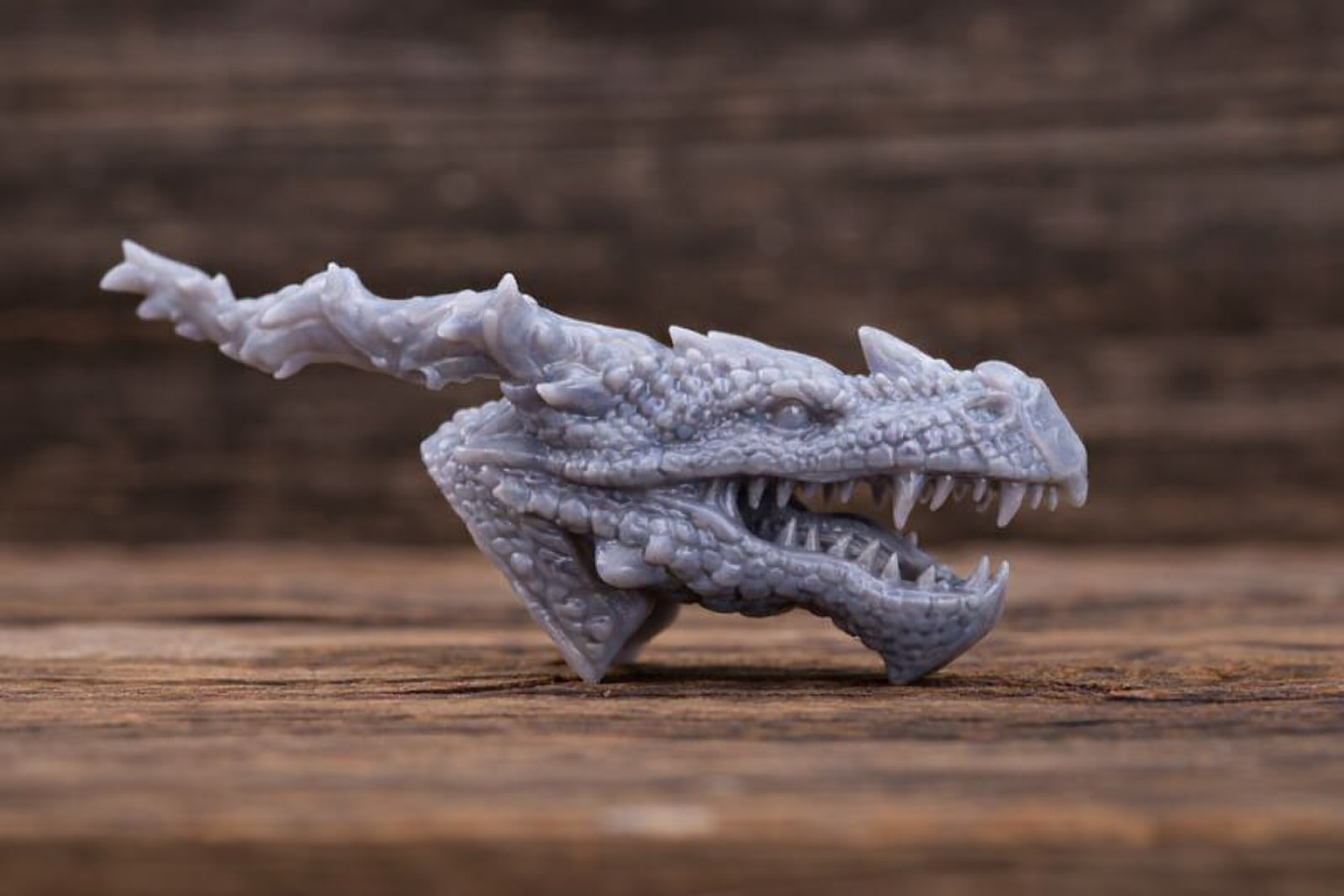
Въвеждането на 3D принтирането в скулптурата революционизира художественото творчество. Той премахва много от физическите и технически ограничения, наложени от традиционните методи, позволявайки на художниците да реализират сложни кухи структури, вътрешни решетки, подбивания, и органични форми, които преди са били непрактични или невъзможни.
Отвъд творческата свобода, 3D печатът предлага мощни решения за:
Дигитално съхранение на културни артефакти
Реставрация и репликация на повредени скулптури
Бързо създаване на прототипи за публично изкуство и инсталации
Демократизиране на скулптурното производство чрез достъпни инструменти
Чрез свързване на цифровия и физическия свят, 3D печатът позволява на скулптурата да се развива заедно с модерния дизайн, инженерство, и изчислително изкуство.
Интегриране на традиционна скулптура и 3D печат
Възходът на 3D отпечатаните скулптури не премахва традиционните скулптурни техники. Вместо това, най-успешните резултати се постигат чрез хибридни работни потоци, които комбинират ръчна изработка с цифрова прецизност.
Един общ подход включва:
Създаване на физически макет с помощта на глина, восък, или хартия
Дигитализиране на скулптурата чрез 3D сканиране или фотограметрия
Усъвършенстване на геометрията, пропорции, и повърхностни детайли цифрово
3D отпечатване на усъвършенствания модел
Извършване на ръчно довършване, полиране, живопис, или кастинг
Тази интеграция запазва емоционалната изразителност на традиционното скулптуриране, като същевременно използва точността, повторяемост, и мащабируемост на цифровото производство.
Технологии, използвани в 3D отпечатани скулптури
Полимерни и композитни печатни технологии
Мастиленоструен печат
Базираният на мастиленоструен 3D печат отлага течни свързващи вещества или фотополимери слой по слой. Той е особено подходящ за производство в голям мащаб, пълноцветни скулптури с умерени изисквания към детайлите.
FDM / FFF (Моделиране на слети отлагане)
FDM е най-достъпната и широко използвана технология. Той екструдира разтопена термопластична нишка през дюза за изграждане на части слой по слой. Той е рентабилен и идеален за прототипи, декоративни скулптури, и мащабни отпечатъци, въпреки че видимите линии на слоя обикновено изискват последваща обработка.
Сла / DLP (Стереолитмикромография)
SLA и DLP втвърдяват течната фотополимерна смола с помощта на светлина. Тези технологии предлагат изключителна резолюция, гладки повърхности, и фини детайли, което ги прави идеални за фигурки, арт модели, и форми за отливане.
SLS (Селективно лазерно синтероване)
SLS използва лазер за стопяване на найлонов прах без поддържащи структури. Той се отличава с производството на комплекс, издръжливи скулптури с отлична механична якост и свобода на дизайна.
Струйно свързване (BJT)
Binder Jetting се използва широко за пълноцветни скулптури от пясъчник или гипс. Макар и визуално впечатляващ, отпечатаните части са крехки и обикновено изискват инфилтрация за подобряване на здравината.
Технологии за 3D печат на метал
SLM / DMLS (Сливане на метално прахово легло)
Металният 3D печат използва високомощни лазери за сливане на метални прахове в напълно плътни части. Материали като неръждаема стомана, алуминий, титан, и суперсплавите позволяват производството на трайни, скулптури от висок клас и структурни арт инсталации.
Постобработка и хибридно производство
CNC обработка
CNC обработката често се използва след 3D печат за постигане на точни толеранси, рафинирани повърхности, или функционални интерфейси, особено за големи или метални скулптури.
Материали за 3D отпечатани скулптури
3D отпечатаните скулптури могат да бъдат произведени от широка гама от материали, всеки с различни свойства:
Пластмаси: PLA, коремни мускули, PETG, HIPS – достъпни, универсален, лесен за обработка
Смоли: Фотополимерни и композитни смоли – висока детайлност, гладки повърхности
Инженерна пластмаса: Найлон, Алумид, PEEK – сила, издръжливост, химическа устойчивост
Метали: Стомана, бронз, алуминий, Инконел – здравина, дълголетие, първокласна естетика
Керамика: Устойчив на топлина, артистичен, приложения от висок клас
Восък: Използва се за производство на матрици и леене по модели
Дървени и хартиени нишки: Декоративна, органични текстури
Пясъчник/Гипс: Пълноцветни художествени скулптури
Изборът на материал пряко влияе върху цената, издръжливост, Качество на повърхността, и годност на приложението.
Предимства и недостатъци на 3D отпечатаните скулптури
Предимства
Изключителна свобода на дизайна
Висока прецизност и мащабируемост
Бърза итерация и прототипиране
Персонализиране и производство при поискване
Намален разход на материали
По-ниски входни бариери за създателите
Дигитално архивиране и повторяемост
Недостатъци
Ограничена наличност на материал в сравнение с традиционните методи
Адхезия на слоя и анизотропна якост
Сложност на последващата обработка
Ограничено намаляване на разходите при големи обеми
Рискове, свързани с интелектуалната собственост и лицензирането
Практика на скулптурна техника с помощта на 3D печат
3D печатът позволява на скулпторите да практикуват ефикасно техники чрез бързо създаване на множество итерации, експериментиране с форми дигитално, и запазване на дизайни за бъдещо усъвършенстване - всичко това при минимизиране на материалните отпадъци.
Процес на 3D печат на скулптури
Придобиване на цифров модел
Изтегляне на лицензирани модели
Създаване на оригинални проекти с помощта на CAD или софтуер за скулптуриране
3D сканиране на физически обекти
Оптимизация на модела
Поправяне на грешки в мрежата
Оптимизиране на дебелината на стените и опорите
Подготовка на модели за печат
Адитивно производство
Отпечатване на скулптурата слой по слой
Мониторинг на качеството и стабилността на печат
Последваща обработка
Премахване на опори
Шлайфане и полиране
Рисуване, покритие, и запечатване
Приложения на 3D отпечатани скулптури
3D отпечатаните скулптури се използват в множество области:
Изящни изкуства и произведения с ограничено издание
Развлечение, игри, филм, и телевизия
Медицинско и анатомично образование
Архитектура и публично изкуство
Реставрация на културно наследство
Потребителски продукти и модни аксесоари
Бъдещи възможности за 3D отпечатани скулптури
Бъдещето на 3D отпечатаните скулптури ще бъде оформено от:
Многоцветен и многоцветен печат
AI-подпомогнат генеративен дизайн
Биопечат и органични структури
AR/VR-подобрени интерактивни скулптури
Глобално дигитално сътрудничество и местно производство
Тези развития ще предефинират художественото авторство, достъпност, и обществена ангажираност.
Практически съвети за 3D принтиране на скулптури
Кухи големи модели за намаляване на разходите и деформацията
Включете дренажни отвори за отпечатъци от смола
Калибрирайте нови материали преди пълно производство
Почистете и подгответе добре повърхностите преди боядисване
Следвайте протоколите за безопасност при работа със смоли
Поддържайте редовно принтерите, за да осигурите постоянно качество
ЧЗВ
Могат ли кинетичните скулптури да бъдат 3D отпечатани?
да. Статичните компоненти обикновено се отпечатват 3D, докато движението се добавя с помощта на механични или електронни системи.
Колко време отнема 3D отпечатването на скулптура?
От няколко часа до няколко седмици, в зависимост от размера, детайл, материал, и след обработката.
Какво определя цената?
Размер, материал, резолюция, сложност, довършителни работи, и количество.
За кого са предназначени 3D принтираните скулптури?
Художници, дизайнери, архитекти, галерии, музеи, IP разработчици, възпитатели, и производители.
Законно ли е да се продават 3D отпечатани скулптури?
да, при условие че моделът на лиценз позволява търговска употреба и се спазват правата върху интелектуалната собственост.


