



CNC обработка сега е основна технология в производството на китари. От бутикови лютиери до големи OEM марки китари, Машините с ЦПУ сега се използват широко за производство с висока точност, Повтарящ се, и персонализирани части за китара. В сравнение с традиционната ръчна изработка, CNC обработката позволява по-строги допуски, последователна геометрия, и мащабируема продукция - без да се жертва тоналното качество или свободата на дизайна.
В това ръководство, ние изследваме как CNC обработката се използва за производство на части за китара, какви компоненти могат да бъдат обработени с ЦПУ, общи материали, и защо CNC е предпочитаното решение за професионално производство на китара и проекти по поръчка.
Защо обработката с ЦПУ е идеална за части за китара
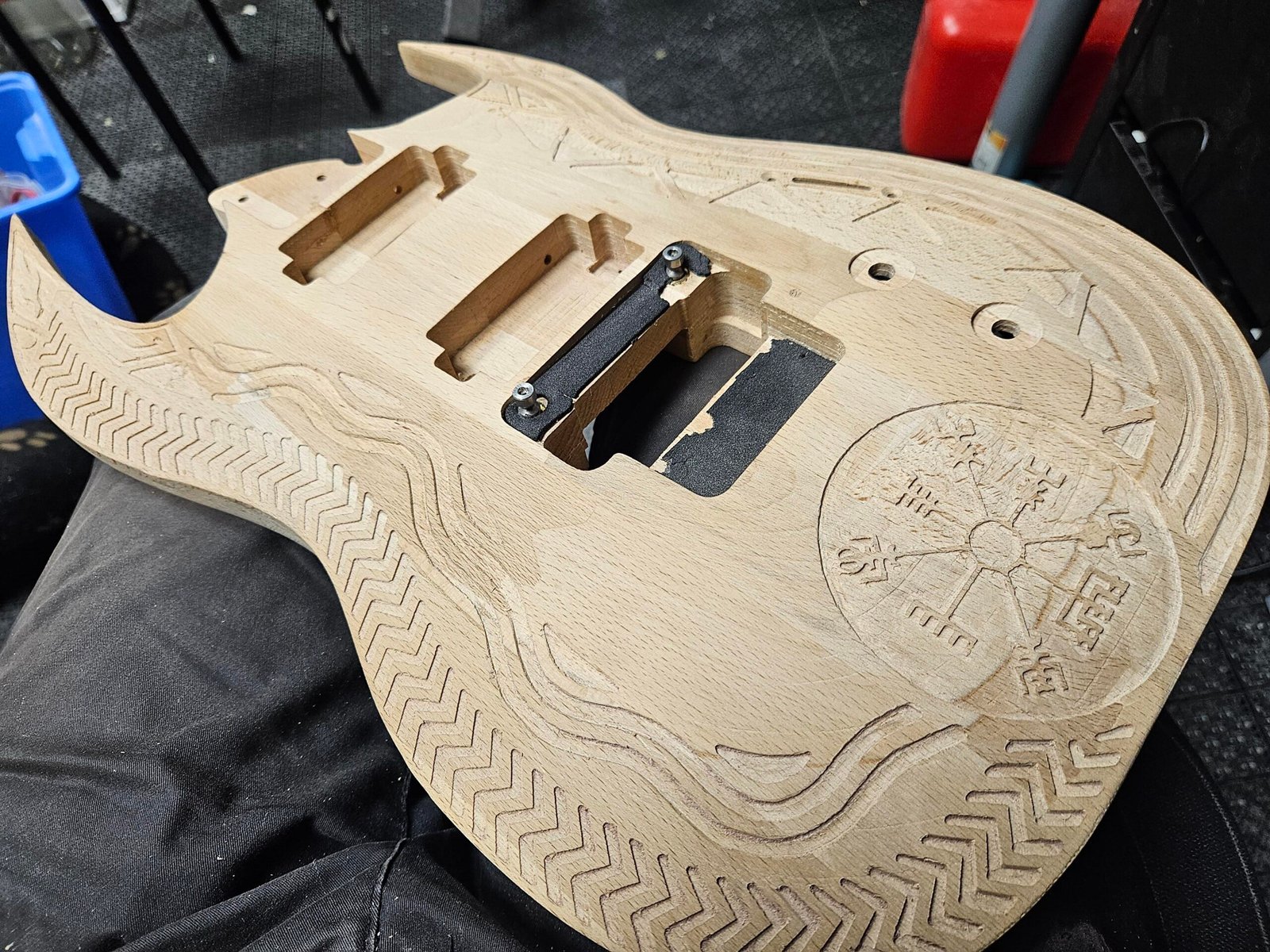
ЦПУ (Компютърно цифрово управление) машинната обработка използва програмирани инструкции за управление на режещите инструменти с изключителна точност. Тази технология предлага няколко ключови предимства за производството на китара:
Висока прецизност и повторяемост
CNC машините могат последователно да постигат строги допуски в множество части. Това гарантира, че всяко тяло на китара, врата, или кухината е идентична по размери - критично за интонацията, възпроизвеждане, и монтаж на хардуер.
Постоянен тон и геометрия
Чрез поддържане на еднаква дебелина, контури, и дълбочина на фрезоване, CNC обработката помага за постигане на предвидими тонални характеристики и структурен баланс в партидите китари.
Мащабируемост от прототипи до масово производство
CNC обработката е подходяща за:
Еднократни китари по поръчка
Малкосерийни бутикови конструкции
OEM производство в голям обем
Същият CAD дизайн може да се използва многократно без вариации.
Свобода на дизайна и персонализиране
Сложни контури, многомащабни грифове, ергономични профили на врата, и персонализирани кухини са лесно постижими с CNC програмиране.
CNC машинно обработени структурни компоненти за китара
Структурните компоненти пряко влияят на тона на китарата, сила, и възпроизвеждане.
Тяло на китара
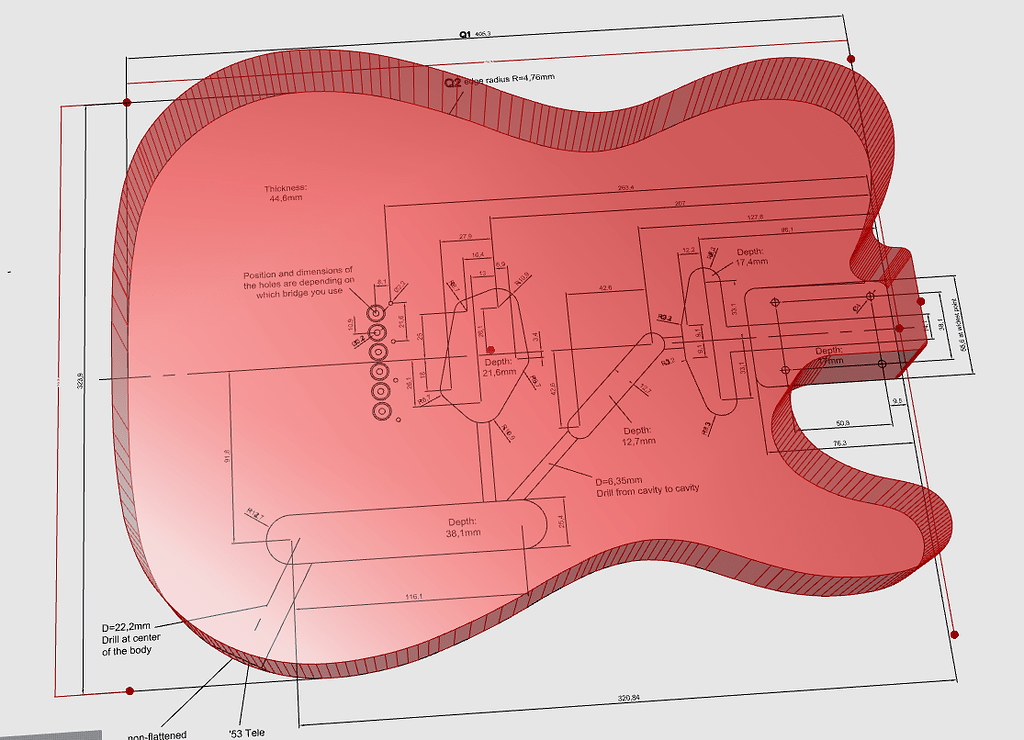
Тялото на китарата често е най-големият компонент, обработен с ЦПУ. Форма на CNC рутери:
Очертания на тялото
Контури на ръцете и корема
Захващащи и контролни кухини
Камери за облекчаване на тежестта
CNC обработката осигурява перфектна симетрия и плавни преходи, независимо дали произвежда твърдо вещество, полукухи, или кухи тела.
Шия за китара
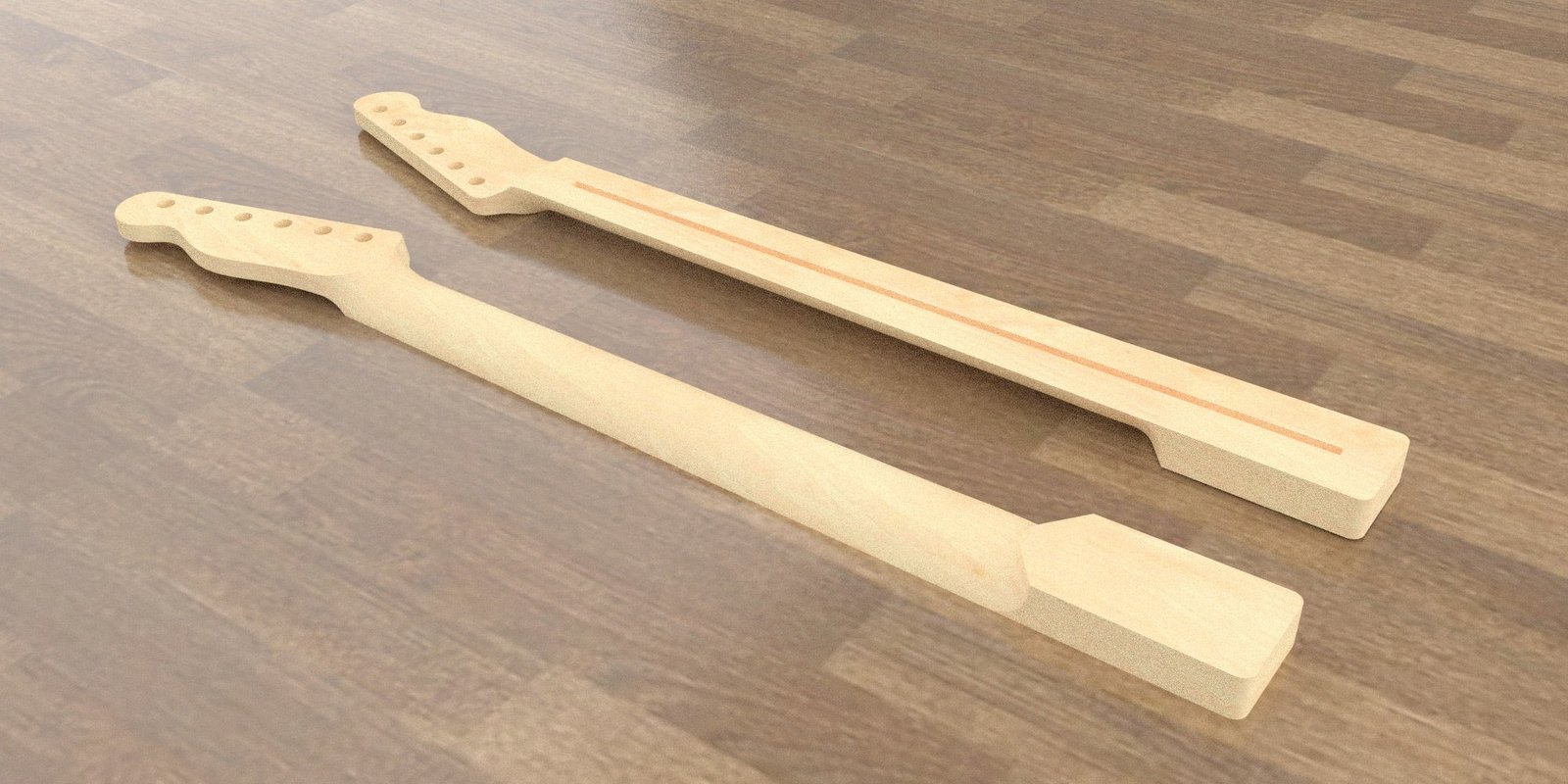
CNC обработката позволява прецизно оформяне на:
Профили на врата (° С, V, U форми)
Ъгли на главата
Преходи на петата
Тази консистенция подобрява комфорта и структурната надеждност при закрепване с болтове, набор-врат, и дизайни през врата.
Грифове
CNC машините се използват широко за:
Точно нарязване на праговете
Радиусно рязане
Многомащабни и комбинирани радиуси
Тази прецизност води до по-добра интонация и комфорт на играча.
Глави
CNC обработката позволява точно рязане на:
Очертания на главата
Дупки за тунер
Вдлъбнатини за лого
Това гарантира подравняване, стабилност на настройката, и последователност на марката.
Канали за ферми
Правите и равномерни канали на пръта са критични за стабилността на врата. CNC обработката елиминира разминаването, често срещано при ръчното фрезоване.
CNC машинно фрезоване и вътрешни характеристики
Вътрешните функции може да са скрити, но са от съществено значение за производителността.
Прибиращи кухини
CNC обработката гарантира чисти ръбове и точни дълбочини за:
Пикапи с една намотка
Хъмбъкъри
P90 и персонализирани пикапи
Прецизното фрезоване подобрява прилягането и подравняването на пикапа.
Контролни кухини
Контролните кухини съдържат електроника като тенджери и ключове. CNC обработката осигурява достатъчна хлабина, като същевременно запазва здравината на тялото.
Окабеляване Канали
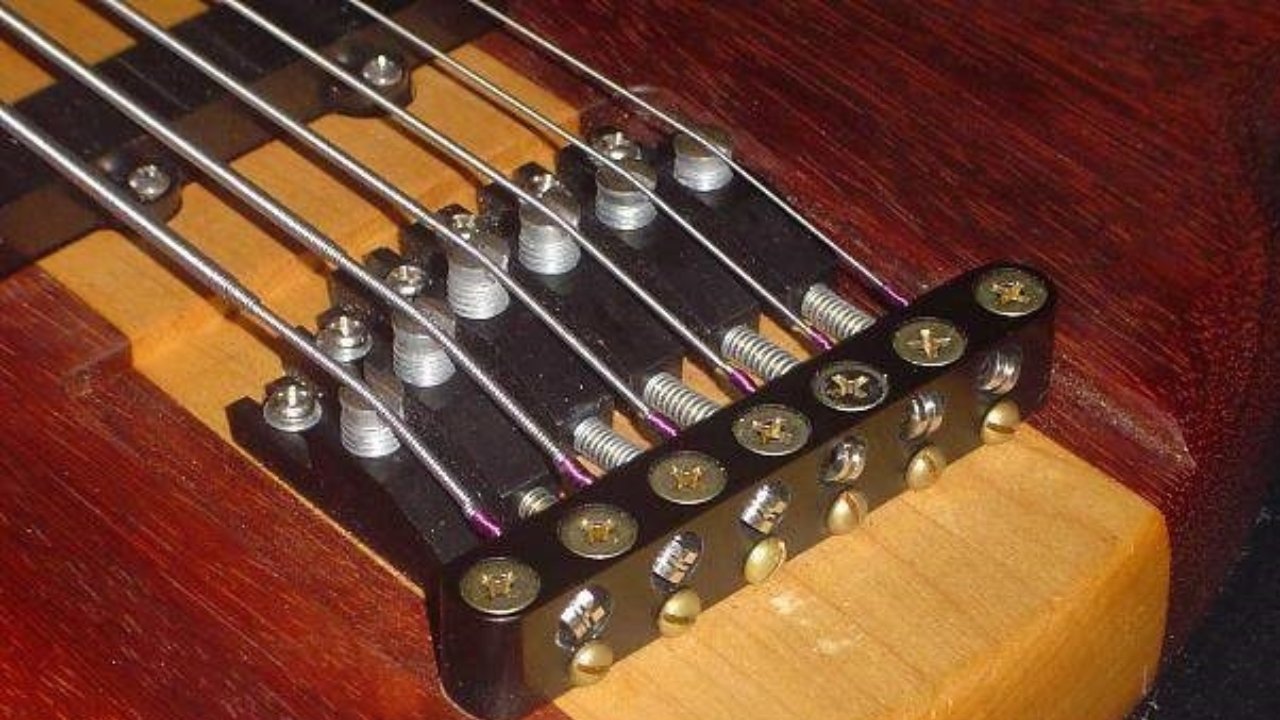
Прецизните канали за вътрешно окабеляване опростяват сглобяването и намаляват риска от електрически проблеми.
CNC машинно обработени хардуерни части за мостове и струни
Хардуерните компоненти играят критична роля в настройката на стабилността и интонацията.
Дървени и композитни мостове
CNC машини издълбават мостове с точност:
Разстояние между низовете
Слотове за седла
Ъгли на прекъсване
Това подобрява действието на струните и реакцията на настройка.
Метални мостови компоненти
За седла се използва CNC обработка, основни плочи, и монтажни елементи от алуминий, месинг, или стомана.
Компоненти на опашката
Обработените с CNC накрайници поддържат постоянно напрежение на струната и правилни точки на скъсване.
CNC машинно обработени части за настройка и свързване
Малките части изискват висока точност, за да функционират гладко.
Настройка на компоненти на Peg
CNC обработката произвежда точни профили на зъбни колела, осигуряване на плавна настройка и дългосрочна надеждност.
Джак Плейтс
Обработените с CNC пластини за жакове осигуряват сигурни кабелни връзки и предпазват електрониката на китарата от напрежение.
Калъфи за ферми
Тези видими части често се обработват с ЦПУ, за да осигурят перфектно прилягане и да позволят персонализирано гравиране.
CNC машинно обработени естетични и персонализирани дизайнерски елементи
CNC обработката също подобрява визуалната идентичност на китарата.
Инкрустации
Сложни инкрустации от седеф, охлюв, или композитите се изрязват с CNC с висока точност.
Калъфи за пикапи
Капаците на пикапите могат да бъдат изработени с ЦПУ от метал, пластмаса, или дърво за защита и естетика.
Копчета за управление
CNC струговане и фрезоване осигуряват еднаква текстура на захващане и оразмеряване.
Пикгарди
Изрязаните с CNC предпазители осигуряват последователно поставяне на отворите и чисти ръбове.
Табели с лого и табели с имена
CNC гравирането позволява на марките да създават отличителни лога и брандиращи елементи.
CNC машинно обработени шаблони за китара, Джигове, и Ръководства
CNC обработката се използва и за създаване на производствени инструменти.
Шаблони за врат и тяло
Обработените с CNC шаблони за многократна употреба осигуряват последователно фрезоване в ръчни или полуавтоматизирани процеси.
Шаблони за маршрутизиране на вземане
Тези шаблони позволяват прецизно маршрутизиране на вземане с помощта на ръчни инструменти.
Свредла
Приспособленията, обработени с CNC, осигуряват прецизно поставяне на отвори за тунери, мостове, и копчета за каишка.
Ръководства за сглобяване
Ръководства за прагове, оформяне на врата, и пробиването помагат за намаляване на времето за изграждане и грешките.
Материали, често използвани в CNC части за китара
CNC обработката поддържа широка гама от материали:
Tonewoods
Клен
Махагон
Елша
Пепел
Абанос
Палисандър
Метали
Алуминий
Месинг
Неръждаема стомана
Пластмаси и композити
Акрил
коремни мускули
Инженерни пластмаси
Декоративни материали
Седеф
охлюв
Композитни инкрустирани материали
CNC обработка срещу ръчно изработени части за китара
| Аспект | CNC обработка | Ръчна изработка |
| Прецизност | Изключително високо | Зависи от умението |
| Последователност | Отлично | Променлива |
| Скорост на производство | бързо | Бавно |
| Персонализиране | високо | високо |
| Мащабируемост | Отлично | Ограничен |
Много производители комбинират CNC обработка с ръчно довършване, за да постигнат най-добри резултати.
CNC части за китара за прототипиране и масово производство
CNC обработката е идеална за:
Бързо прототипиране
Малкосерийни компилации по поръчка
Мащабно OEM производство
След като дизайнът бъде валидиран, производството може да бъде мащабирано без загуба на качество.
Заключение
CNC обработката играе жизненоважна роля в съвременното производство на китари. Позволява несравнима прецизност, последователност, и персонализиране в широка гама части за китара - от структурни компоненти до декоративни детайли и производствени инструменти. Независимо дали сте професионален лютиер, марка китара, или OEM производител, CNC обработката спомага за подобряване на качеството на продукта, Намалете грешките, и ефективно мащабиране на производството.
Чрез комбиниране на CNC технология с квалифицирана изработка, производителите могат да доставят китари, които отговарят на най-високите стандарти за изпълнение, естетика, и надеждност.
ЧЗВs
1. Какви нива на толерантност може да постигне обработката с ЦПУ за китарни части?
CNC обработката обикновено може да постигне толеранси от ±0,05 mm или по-добри, в зависимост от материала и дизайна. Това ниво на точност е критично за профилите на врата, шлицове на грифа, и монтаж на хардуер, осигуряване на последователна възпроизвеждане и сглобяване.
2. CNC обработката влияе ли на тона на китарата в сравнение с ръчно изработените части?
CNC обработката не влияе отрицателно на тона. Всъщност, чрез поддържане на последователна геометрия, дебелина на материала, и дълбочина на кухината, CNC обработката помага за постигане на предвидимо тонално представяне. Крайният тон все още се влияе от избора на материал и процесите на довършителни работи.
3. Може ли CNC обработката да се използва както за части за акустична, така и за електрическа китара?
да. CNC обработката се използва широко за електрически, акустичен, и части от класическа китара, включително тела, шии, мостове, укрепващи компоненти, и вътрешно маршрутизиране, с дизайн, адаптиран към всеки тип инструмент.
4. Какви файлови формати са необходими, за да започнете CNC обработка на части за китара?
Повечето производители на ЦПУ приемат 3D CAD файлове като STEP, IGES, или STL. Ако нямате пълни файлове, често е на разположение инженерна поддръжка за подпомагане при оптимизиране на дизайна и преглед на технологичността.
5. CNC обработката е подходяща за производство на китара в малки партиди или по поръчка?
Абсолютно. CNC обработката е идеална за прототипи и малки производствени тиражи, защото осигурява последователност, без да изисква големи инвестиции в инструменти, което го прави рентабилен за бутикови марки китари и персонализирани проекти.
6. Каква последваща обработка обикновено се изисква след CNC обработка на части за китара?
Последващата обработка може да включва шлайфане, ръчно довършване, праг инсталация, повърхностна обработка, покритие, или гравиране. Много производители комбинират CNC обработка с ръчно довършване, за да постигнат първокласни резултати.
7. Как CNC машинните услуги поддържат OEM марки китари?
CNC машинните услуги поддържат OEM марки, като осигуряват стабилно качество, повторяемо производство, гъвкавост на материала, и мащабируем изход. Това позволява на марките да се фокусират върху дизайна, маркетинг, и сглобяване, като същевременно се гарантира надеждно производство на части.


