


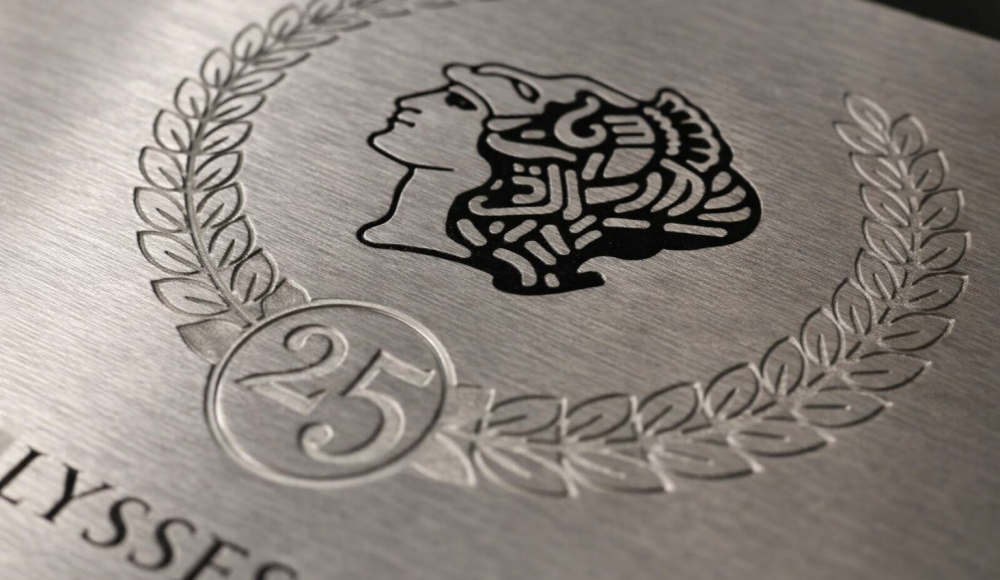
Металният печат е много важен в съвременното производство, индустриална идентификация, брандиране, и творческо производство. От постоянна маркировка на части в космическата индустрия до пълноцветни декоративни панели в архитектурата, печат върху метал осигурява несравнима издръжливост, прецизност, и първокласно визуално въздействие.
въпреки това, не всички методи за метален печат са еднакви. Всяка технология се различава значително по отношение на издръжливостта, цветна способност, структура на разходите, ефективност на производството, и съвместимост на материала. Избирането на грешен метод може да доведе до лоша адхезия, преждевременно износване, нормативно несъответствие, или ненужни капиталови инвестиции.
Това ръководство предоставя a изчерпателен, Технически, и практически преглед от най-широко използваните методи за метален печат днес – в помощ на инженерите, производители, и купувачите вземат информирани решения, като същевременно максимизират ефективността, съответствие, и ROI.
1. Въведение в металния печат
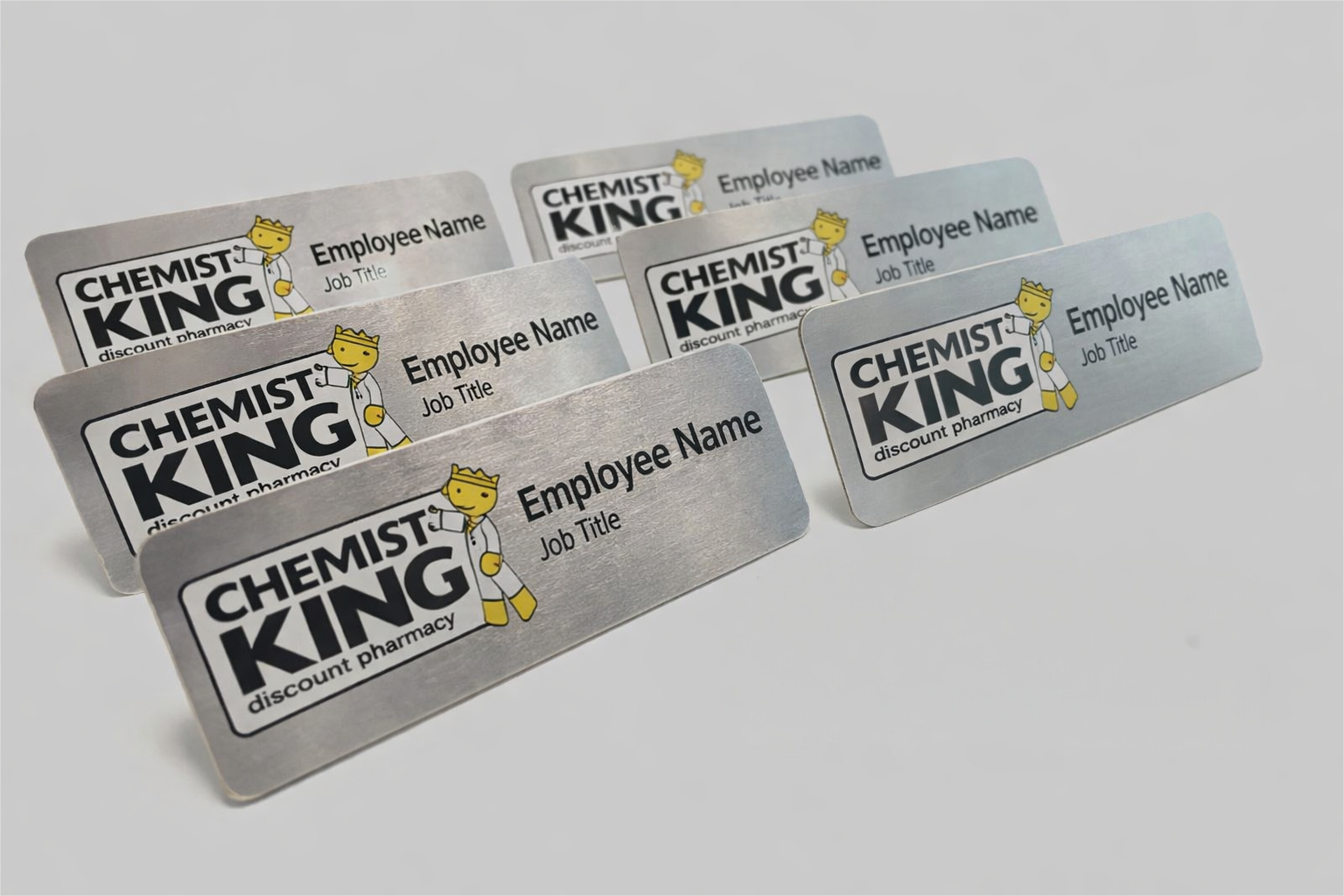
Металният печат се отнася до процеса на създаване на постоянни или полупостоянни маркировки, изображения, или текст директно върху метални повърхности. За разлика от хартиения или пластмасов печат, металният печат трябва да издържа на тежки среди като напр:
Високи температури
Химическо излагане
Механична абразия
UV радиация
Дълъг експлоатационен живот
Защо металният печат е важен
Индустриална проследимост: Серийни номера, баркодове, Data Matrix кодове
Съответствие с нормативната уредба: Космонавтика, медицински, автомобилни стандарти
Диференциация на марката: Логос, панели, табели с имена
Функционално етикетиране: Контролни панели, предупреждения, инструкции
Художествени и декоративни приложения: Фотография, табели, архитектура
Модерни метални печатни мостове функционални инженерни изисквания и визуална естетика, което го прави незаменим във всички индустрии.
2. Директно маркиране на части (DPM) Преглед
Директно маркиране на части (DPM) е практиката за маркиране на информация директно върху компонент, вместо да се използват етикети или тагове.
Защо DPM е критичен
Знаците остават четими през целия жизнен цикъл на продукта
Устойчив на топлина, масло, химикали, и износване
Позволява автоматизирана проверка на машинното зрение
Изисква се от много стандарти за качество и проследимост (ISO, IATF, FDA)
Общите DPM технологии включват:
Лазерно маркиране
Точкова маркировка
Химическо ецване
Механично гравиране
3. Лазерен печат върху метал
3.1 Как работи лазерното маркиране
Лазерният печат върху метал е a безконтактен процес използване на силно фокусиран лазерен лъч за промяна на металната повърхност.
Има три основни лазерни взаимодействия:
Гравиране: Премахва материала, за да създаде дълбоко, трайни белези
Офорт: Разтопява повърхността, за да създаде контраст
Отгряване: Променя цвета на повърхността чрез контролирана топлина без отстраняване на материала
Всеки метод предлага различна издръжливост, дълбочина, и контрастни характеристики.
3.2 Видове използвани лазери
Лазери от влакна (1064 nm)
Индустриален стандарт за маркиране на метали; отлична скорост, прецизност, и дълголетие.
Съвместните лазери
Използва се предимно за метали и неметали с покритие.
UV лазери
Ултра фино маркиране за електроника и микрокомпоненти.
Яг лазери
По-стара технология, сега до голяма степен заменени от оптични лазери.
3.3 Подходящи метали
Алуминий и анодизиран алуминий
Неръждаема стомана и въглеродна стомана
Титан
Мед и месинг (по-ниска абсорбция, изисква настройка)
Благородни метали (злато, сребро)
3.4 Индустриални приложения
Автомобилни части и VIN маркировка
Аерокосмически структурни компоненти
Медицински инструменти и импланти
Корпуси за електроника
Идентификация на инструменти и форми
Персонализиране на бижута
3.5 Предимства и недостатъци
Предимства
Изключително висока точност (±0,003–0,006 mm)
Постоянно, износоустойчива маркировка
Без консумативи (без мастило)
Бързи времена на цикъл
Идеален за автоматизация и инлайн производство
Недостатъци
По-високи първоначални разходи за оборудване
Изисква се квалифицирана операция
Ограничени цветови възможности (с изключение на системи MOPA)
Отразяващите метали изискват оптимизиране на параметрите
4. Ситопечат върху метал
Как работи ситопечатът върху метал
В основата си, ситопечатът е a метод на печат, базиран на шаблон. Мастилото се прокарва през сито с фина мрежа и се пренася директно върху металната повърхност.
Ето една проста разбивка на процеса:
Подготовка на произведения на изкуството
Дизайнът (лого, текст, символи) е създаден дигитално и подготвен за печат.
Създаване на екран
Екранът с фина мрежа е покрит със светлочувствителен слой. Дизайнът е изложен на екрана, оставяйки отворени зони, през които може да премине мастило.
Позициониране на металната част
Металният лист или компонент се поставя под екрана.
Приложение с мастило
Мастилото се разпръсква по екрана и се избутва през отворените зони с помощта на гумена чистачка.
Сушене или втвърдяване
Отпечатаният метал се суши естествено или се втвърдява с помощта на топлина или UV светлина, в зависимост от типа мастило.
Веднъж излекуван, мастилото се свързва здраво с металната повърхност.
Видове мастила, използвани често за метал
Изборът на правилното мастило е от решаващо значение за ефективността и издръжливостта. Няколко типа мастило обикновено се използват в металния ситопечат:
Мастила на базата на разтворители
Добра адхезия и издръжливост за обща промишлена употреба.
UV-втвърдени мастила
Изсъхва незабавно под UV светлина и предлага силна устойчивост на химикали и абразия.
Епоксидни мастила
Изключително издръжлив и устойчив на тежки среди.
Двукомпонентни мастила
Често се използва за външни или тежки приложения.
Топлинно втвърдени мастила
Предназначен за метални части, изложени на високи температури или екстремни условия.
Всеки тип мастило се избира въз основа на Околна среда, използване, и изисквания за продължителност на живота.
Където обикновено се използва ситопечат върху метал
Ситопечатът се използва широко в много индустрии, тъй като е надежден и мащабируем.
Типичните приложения включват:
Индустриални контролни панели
Етикети, символи, и инструкции, които трябва да останат четливи във времето.
Автомобилни компоненти
Печатни маркировки върху метални панели и части.
Електрическо и електронно оборудване
Предни панели, заграждения, и идентификационни табели.
Знаци и табели с имена
Устойчиви вътрешни и външни метални табели.
Рекламни метални изделия
Маркови бутилки за вода, ключодържатели, и инструменти.
Декоративни метални елементи
Семпло произведение на изкуството и дизайнерски елементи върху плоски метални повърхности.
Предимства на ситопечат върху метал
Ситопечатът продължава да бъде популярен, защото предлага няколко практически предимства:
Силен, живи цветове
Идеален за лога, предупреждения, и графики на марката.
Добра издръжливост
При правилно излекуване, отпечатъците са устойчиви на износване, химикали, и UV излагане.
Рентабилни за големи количества
Колкото повече части отпечатвате, толкова по-ниска е цената на единица.
Работи върху много метали
Включително алуминий, неръждаема стомана, и метали с покритие.
Подходящ за плоски и леко извити повърхности
Полезно за панели и корпуси.
Ограничения за разглеждане
Докато ситопечатът е надежден, не е перфектен за всяко приложение:
По-дълго време за настройка
Ситата трябва да бъдат подготвени преди началото на печата.
Не е идеален за много фини детайли
Изключително малък текст или сложни модели може да загубят острота.
Всеки цвят изисква отделен пропуск
Многоцветните дизайни увеличават времето и разходите.
Може да е необходима подготовка на повърхността
Някои метали изискват грундове за правилно залепване на мастилото.
Загриженост за околната среда
Някои мастила съдържат ЛОС и изискват контролирано боравене.
Когато ситопечатът е правилният избор
Ситопечатът върху метал е интелигентен вариант, когато:
Имате нужда ясно, смели графики
Дизайнът не изисква ултра фини детайли
Вие произвеждате средни до високи обеми
Консистенцията и издръжливостта на цвета са важни
Металната повърхност е предимно плоска
За приложения, изискващи трайни маркировки за проследяване или изключително фини детайли, лазерното маркиране може да е по-добър вариант. въпреки това, за богат на цветове, четлив, и рентабилен метален печат, ситопечатът остава доказано решение.
5. Директен UV печат върху метал
Как работи директният UV печат върху метал
Използва директен UV печат UV-втвърдяващи се мастила и мастиленоструйни печатащи глави за нанасяне на дизайни направо върху металната повърхност.
Ето как работи процесът на прости думи:
Подготовка на повърхността
Металната повърхност се почиства, за да се отстрани маслото, прах, или окисление. В някои случаи, нанася се грунд за подобряване на адхезията на мастилото.
Мастиленоструен печат
UV мастилото се пръска директно върху метала с помощта на прецизни мастиленоструйни дюзи.
Незабавно UV втвърдяване
Веднага след като мастилото удари повърхността, UV лампите го излагат на ултравиолетова светлина.
Втвърдяване на мастилото
UV светлината кара мастилото да се втвърди незабавно, свързвайки го здраво с метала.
Готов за работа
Отпечатаната метална част може да се обработва веднага, без необходимост от време за сушене.
Това прави UV печата особено полезен за кратки срокове за изпълнение и бързи производствени цикли.
Метали и повърхности, подходящи за UV печат
Директният UV печат работи върху много обикновени метали, особено когато повърхността е гладка и правилно подготвена.
Общите материали включват:
Алуминий и анодизиран алуминий
Неръждаема стомана
Месинг
Титан
Поцинкована стомана
Прахово боядисани или боядисани метали
UV печатът работи най-добре върху плоски или леко извити повърхности. Много грапави или неравни повърхности могат да повлияят на качеството на печат.
Обичайни употреби на директен UV печат върху метал
Поради своята гъвкавост и качество на цвета, UV печатът се използва както в индустриални, така и в творчески приложения.
Типичните употреби включват:
Продуктови етикети и табелки
Ясен текст и лога, отпечатани директно върху метални части.
Табла за управление и табла за оборудване
Символи, инструкции, и брандиране върху метални корпуси.
Указателни знаци
Устойчиви вътрешни и външни метални табели.
Рекламни метални изделия
Бутилки за вода по поръчка, ключодържатели, инструменти, и подаръци.
Архитектурен и декоративен метал
Печатни метални панели за интериори и дисплеи.
Изкуство и фотография
Изображения с висока разделителна способност, отпечатани върху метални повърхности.
Предимства на директния UV печат върху метал
Директният UV печат предлага няколко силни предимства:
Пълноцветен печат
Идеален за лога, изображения, и детайлни графики.
Бързо производство
Мастилото се втвърдява моментално, намаляване на времето за изпълнение.
Високо качество на изображението
Остри детайли и плавни градиенти.
Силна издръжливост
UV мастилата са устойчиви на избледняване, химикали, и леко износване.
Ниско въздействие върху околната среда
UV мастилата обикновено имат ниски емисии на VOC.
Не е необходима топлина
Подходящ за тънки или чувствителни на топлина метални части.
Ограничения, с които трябва да сте наясно
Докато UV печатът е универсален, не е най-добрият избор за всяка ситуация:
Гъвкавостта на мастилото е ограничена
Ако металът се огъне след печат, мастилото може да се спука.
Подготовката на повърхността е критична
Лошото почистване може да доведе до отлепване или слаба адхезия.
По-висока цена на оборудването
UV принтерите изискват по-висока първоначална инвестиция.
Ограничения на размера
Размерът на печат е ограничен от леглото на принтера.
Предизвикателства за съвпадение на цветовете
Цветовете може да изглеждат различно в зависимост от повърхността и покритието на метала.
Когато директният UV печат е правилният избор
Директният UV печат върху метал е чудесен вариант, когато:
Имате нужда Ярко, пълноцветни дизайни
Ще остане предимно металната част плосък и твърд
Бързият обрат е важен
Визуалният вид е толкова важен, колкото и издръжливостта
Искате да избягвате етикети или стикери
За приложения, които изискват дълбоко, трайни маркировки или проследимост през целия живот, лазерното маркиране може да е по-добро решение. въпреки това, за богат на цветове, силно ударен метален печат, UV печатът е една от най-гъвкавите и ефективни опции, налични днес.
6. Сублимация на багрило върху метал
Как работи сублимацията на багрило върху метал
Сублимация на багрила топлина и налягане за прехвърляне на мастило в метална повърхност със специално покритие.
Ето процеса с прости думи:
Подготовка на дизайна
Изображението се създава дигитално и се отпечатва върху специална сублимационна трансферна хартия с помощта на сублимационно мастило.
Метална подготовка
Металът - обикновено алуминий - е покрит с полиестерен слой, който може да абсорбира сублимационно мастило.
Пренос на топлина
Отпечатаната хартия се поставя върху металната повърхност и се пресова при висока температура и налягане.
Сублимация на мастило
Твърдото мастило се превръща директно в газ (без да стане течен) и прониква в полиестерното покритие.
Постоянно залепване
Докато металът се охлажда, мастилото се втвърдява вътре в покритието, заключване на изображението на място.
Резултатът е а гладко, издръжлив образ който няма да се обели или напука.
Метали, често използвани за сублимация на багрила
Сублимацията на багрилото работи само върху метали, които имат a полиестерно покритие.
Най-често срещаните материали включват:
Алуминий (най-популярният избор)
Лек, устойчиви на корозия, и идеален за печат на снимки.
Неръждаема стомана с покритие
По-здрав от алуминия, но изисква подходящо покритие.
Месинг и мед (по-рядко срещани)
Може да се използва със специални повърхностни обработки.
Сред тях, алуминиеви сублимационни панели са най-широко използваните в търговски и артистични приложения.
Обичайни употреби на сублимация на багрило върху метал
Заради отличното качество на изображението, сублимацията на багрилото се използва широко във визуални и декоративни приложения.
Типичните употреби включват:
Метални фотопечати
Изобразително изкуство, търговска фотография, и галерийни дисплеи.
Указателни знаци
Вътрешни табели и леки външни табели.
Награди и плакети
Трофеи, табели за разпознаване, и паметни плочи.
Интериорна декорация
Стенно изкуство, Декоративни панели, и персонализиран метален декор.
Рекламни артикули
Маркирани метални изделия с висока визуална привлекателност.
Предимства на сублимацията на багрила върху метал
Сублимацията на багрилото предлага няколко ясни предимства:
Възпроизвеждане на изображения с фото качество
Отлична детайлност, градиенти, и дълбочина на цвета.
Дълготрайни отпечатъци
Изображенията са устойчиви на избледняване, пилинг, и надраскване.
Гладка, гланцово покритие
Премиум външен вид и усещане.
Без повдигнат мастилен слой
Повърхността остава равна и чиста.
Добра UV устойчивост
Подходящ за много вътрешни и леки външни приложения.
Ограничения за разглеждане
Въпреки визуалните си предимства, сублимацията на багрилото има някои важни ограничения:
Изисква метал с покритие
Не може да се използва върху сурови или непокрити метали.
Не е идеален за тежки индустриални среди
По-малко устойчив на тежка абразия или химикали.
Ограничения на размера
Размерът на печат зависи от капацитета на термопресата.
Цветова вариация
Цветовете може да изглеждат малко по-различно в сравнение с хартията или екрана.
По-високи разходи за настройка за малки партиди
По-малко икономичен за много малки обеми.
7. Техники за офорт и гравиране
Как работи ецването върху метал
Офортът е a химичен процес който премахва части от металната повърхност, за да създаде дизайн или текст.
Ето как работи:
Подготовка на дизайна
Създадена е фоторезистна маска по ваш дизайн. Тази маска защитава зоните, които не искате да бъдат гравирани.
Нанасяне на фоторезиста
Маската се нанася върху металната повърхност.
Излагане
Металът с фоторезиста се излага на UV светлина, който втвърдява откритите участъци.
Развиване
Невтвърденият фоторезист се отстранява, разкривайки метала, който ще бъде гравиран.
Офорт
Металът се поставя в киселинна баня (или химически ецващ препарат), който премахва откритите метални участъци.
Почистване
Останалият фоторезист се отстранява, и металът се неутрализира, за да спре процеса на ецване.
Резултатът е а прецизен, вграден дизайн върху металната повърхност.
Как работи гравирането върху метал
Гравирането е а механичен процес който реже или издълбава метала. Не използва химикали.
Обичайните техники включват:
Ротационно гравиране
Използва въртящ се режещ инструмент за изрязване на форми или текст в метала.
Диамантено драг гравиране
Стилус с диамантен връх се плъзга по метала, за да създаде фино, точни линии.
Лазерно гравиране
Високомощен лазер премахва метала, за да създаде детайлни следи (съчетава прецизност на гравиране с модерна автоматизация).
Гравирането е идеално, когато дълбочина, текстура, или висока точност е необходимо.
Метали, подходящи за ецване и гравиране
Повечето метали могат да бъдат ецвани или гравирани, но с някои се работи по-лесно:
Неръждаема стомана
Алуминий
Месинг и мед
Титан
Благородни метали като сребро и злато
Изборът на метал често зависи от желана издръжливост, завършек, и външен вид.
Обичайни употреби на ецване и гравиране
Използват се ецване и гравиране индустриален, артистичен, и търговски приложения:
Индустриална маркировка
Серийни номера, номера на части, и идентификационни кодове.
Знаци и табели с имена
Изпъкнали или вдлъбнати букви за професионалист, издръжлив вид.
Бижута и награди
Включен персонализиран текст или лога метални подаръци и трофеи.
електроника
Маркиране на платки, панели, и метални компоненти.
Декоративна металообработка
Модели или дизайни върху архитектурни метални панели и художествени произведения.
Предимства на ецване и гравиране
Трайни белези
Устойчив на износване, химикали, и топлина.
Висока прецизност
Идеален за фини детайли и сложни дизайни.
Универсалност
Работи върху голямо разнообразие от метали и покрития.
Контрол на дълбочината
Можете да променяте дълбочината, за да създадете различни визуални ефекти.
Професионален външен вид
Добавя тактил, първокласно усещане за продуктите.
Ограничения за разглеждане
Опциите за цвят са ограничени
Обикновено, знакът е естественият цвят на метала, освен ако не е запълнен с мастило или боя.
Риск от повреда на повърхността
Неправилната техника може да изкриви или отслаби тънките метали.
Боравене с химикали
Офортът включва киселини и изисква подходящи предпазни мерки.
По-висока цена на оборудването
Висококачествените машини за гравиране и лазери могат да бъдат скъпи.
Когато ецването и гравирането са правилният избор
Офортът и гравирането са идеални, когато имате нужда:
Дълготраен, трайни маркировки
Фини детайли или сложни дизайни
Индустриално съответствие или проследимост
Премия, Професионален външен вид
За богати на цветове, декоративни, или бързи разпечатки, UV печат или ситопечат може да е по-добре. Но за издръжлив, прецизен, и трайни белези, ецването и гравирането остават златен стандарт.
8. Как да изберете правилния метод за печат върху метал
Ключови фактори за вземане на решения:
Необходима издръжливост
Цветова сложност
Обем на производство
Капитал vs. оперативни разходи
Тип метал
Изисквания за съответствие
Екологични разпоредби
9. Сравнение на методите за печат върху метал
| Изискване | Най-добър метод |
| Постоянна проследимост | Лазерно маркиране |
| Пълноцветно брандиране | UV печат / Печат на екрана |
| Панели с голям обем | Печат на екрана |
| Изображения с фото качество | Сублимация на багрило |
| Дълбоко, тактилни белези | Гравиране |
10. Най-добри практики за успешен метален печат
Подготовка на повърхността
Почистване и обезмасляване
Грундиране или покритие
Контрол на плоскостта
Оптимизация на дизайна
Векторни файлове за лазер
Калибриране на цветовете
Управление на контраста
Поддръжка & Дълголетие
Нежно почистване
Защитни покрития
Екологично съзнание
11. Заключение
Металният печат вече не е еднопроцесно решение – това е стратегически избор за производство. Като автоматизация, екологично чисти мастила, и технологиите за интелигентно маркиране се развиват, предприятията, които разбират и избират правилния метод за метален печат, получават ясно конкурентно предимство.
Чрез подравняване Изисквания за приложение, свойства на материала, и производствени цели, производителите могат да постигнат дълготрайна производителност, спазване на регулаторното спазване, и силно въздействие върху марката – сега и в бъдеще. Свържете се с нас за повече информация.
Често задавани въпроси
- Кои са основните методи за печат върху метал?
Основните методи включват лазерно маркиране, ситопечат, директен UV печат, сублимация на багрило, и офорт/гравиране. Всеки се различава по отношение на покритието, цветна способност, цена, и идеални приложения. - Кой метод за печат върху метал създава най-трайни следи?
Лазерното маркиране и механичното гравиране произвеждат най-трайни, устойчиви на износване маркировки, подходящи за проследимост и промишлена употреба. - Можете ли да отпечатвате пълноцветни изображения директно върху метал?
да. Директният UV печат и сублимацията на багрилото могат да създадат пълноцветни изображения, с UV печат, предлагащ незабавно втвърдяване и сублимация, предлагаща фотокачествени покрития върху метали с покритие. - Добър ли е ситопечатът за външни метални табели?
да, ситопечатните метални знаци могат да издържат на открито, когато се използват правилните мастила и процеси на втвърдяване, предлагащ издръжлив, живи графики. - Какви метали работят най-добре за сублимационен печат?
Алуминият с полиестерно покритие е най-често срещаният избор, докато покритата неръждаема стомана също може да работи с подходяща подготовка на повърхността. - Как да избера между лазерно маркиране и UV печат?
Изберете лазерно маркиране за постоянно, текст и кодове с висока точност. Изберете UV печат за живи пълноцветни лога или изображения върху относително плоски повърхности. - Дали всички методи за печат върху метал изискват специална подготовка на повърхността?
Повечето методи се представят по-добре с clean, обезмаслени повърхности. някои, като ситопечат и сублимация на багрила, често изискват грундове или покрития за подобряване на адхезията. - Какви са типичните разходи за метално печатно оборудване?
Разходите варират в широки граници: настолните UV принтери може да започнат в долния диапазон, докато индустриалните лазерни системи за маркиране и линиите за ецване могат да представляват значителна капиталова инвестиция. - Може ли металният печат да издържи на химикали и абразия?
Методи като лазерно маркиране, гравиране, и правилно втвърдените UV отпечатъци предлагат висока устойчивост на химикали и абразия; сублимацията на багрилото и ситоотпечатъците варират в зависимост от типа мастило и средата. - Един метод за печат върху метал, подходящ за всички приложения?
не. Най-добрият метод зависи от фактори като нуждите от дълготрайност, изисквания за цвят, обем на производството, бюджет, и тип метал.


