


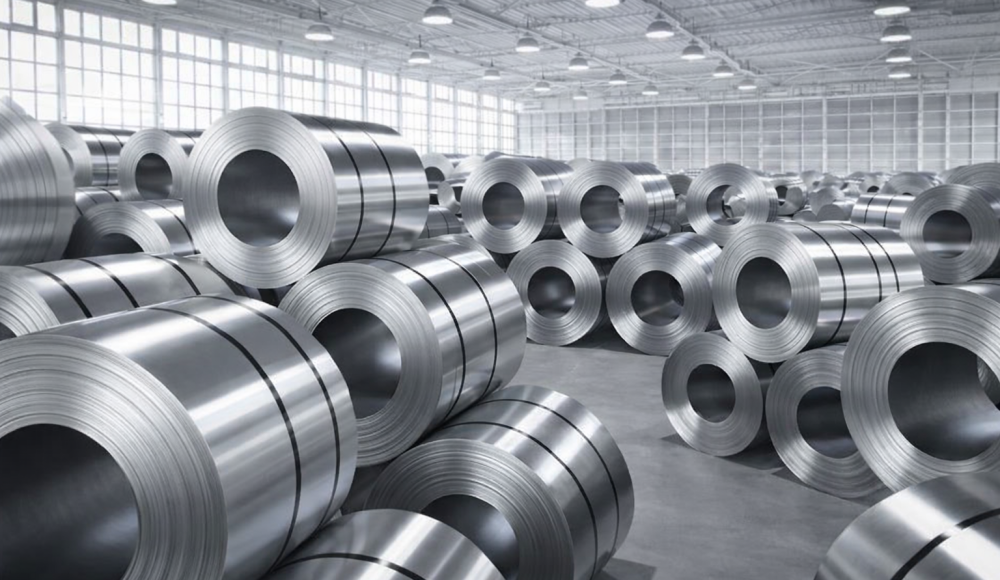
Алуминий е един от най-широко използваните метали в света. Той е лек, силен, устойчиви на корозия, лесно се оформя, и силно рециклируеми. Тези свойства правят алуминия основен материал в конструкцията, транспорт, електроника, космическото пространство, медицински, и индустриално производство.
Ако набавяте материали, проектиране на продукти, или оценяване на алтернативи на стомана или мед, разбиране на реални употреби на алуминий ще ви помогне да вземете по-добри технически и търговски решения.
Това ръководство обяснява където се използва алуминий, защо е избран, и кои алуминиеви продукти са най-разпространени, с практически примери от различни индустрии.
1. Въведение в алуминия
Алуминият е цветен метал, известен със своите високо съотношение якост към тегло, естествена устойчивост на корозия, и отлична топло- и електрическа проводимост. За разлика от стоманата, алуминият не ръждясва. За разлика от медта, той е много по-лек и по-рентабилен за големи конструкции.
Основни характеристики на алуминия:
Лек, но структурно здрав
Естествено устойчив на корозия (защита от оксиден слой)
Лесен за обработка, екструдирам, Roll, и актьорски състав
Отлична топло- и електропроводимост
100% рециклируеми без загуба на свойства
Тези предимства обясняват защо алуминият се използва и в двете ежедневни потребителски продукти и високопрецизни индустриални системи.
2. Най-често срещаните приложения на алуминия
Всеки ден се сблъсквате с алуминий, често без да го осъзнават. От сгради и превозни средства до електроника и опаковки, алуминият поддържа модерна инфраструктура и технология.
Общите области на приложение включват:
Строителство и архитектура
Автомобилен и железопътен транспорт
Космонавтика и авиация
Производство на електроника и електроника
Продукти за бита и кухнята
Индустриални машини и системи за безопасност
В сравнение със стоманата, алуминият намалява теглото и поддръжката. В сравнение с медта, намалява разходите, като същевременно осигурява надеждна проводимост.
3. Индустриални приложения на алуминий
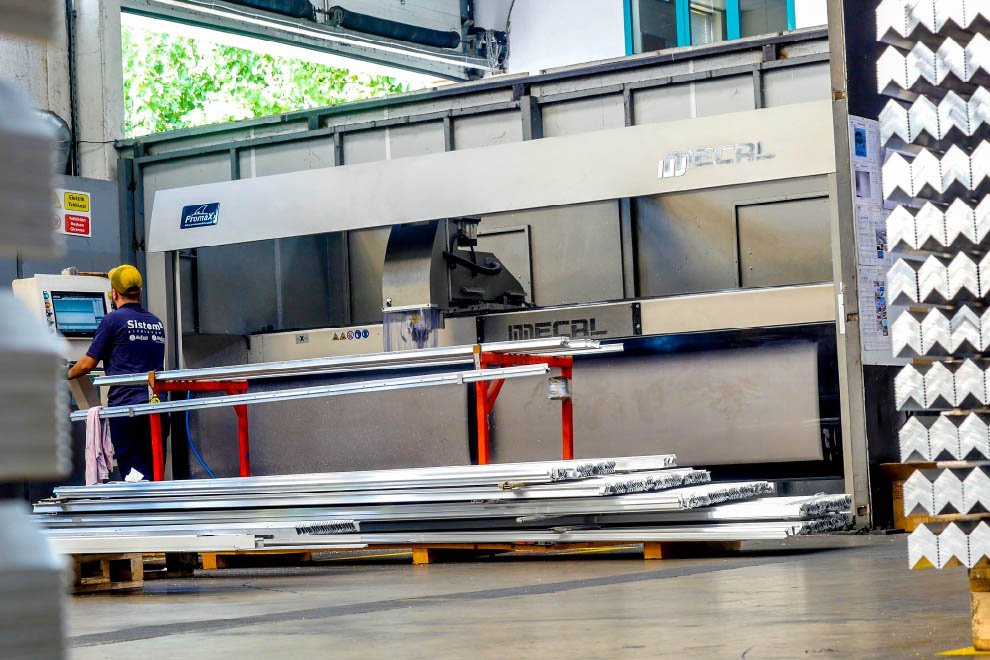
В промишленото производство, Алуминият е ценен заради своите гъвкавост на процеса и дългосрочна ефективност на разходите. Може да се екструдира в сложни профили, навити на листове и рула, или отлят в прецизни компоненти.
Индустриите разчитат на алуминий, защото:
Намалява общото тегло на системата
Намалява разходите за транспорт и монтаж
Устойчив е на корозия в тежки среди
Поддържа масово производство и персонализиране
Той е в съответствие с целите за устойчивост и рециклиране
Фабрики, инфраструктурни проекти, и OEM производителите последователно избират алуминий както за структурни, така и за функционални компоненти.
4. Използване на алуминий в строителството (Алуминиеви строителни продукти)
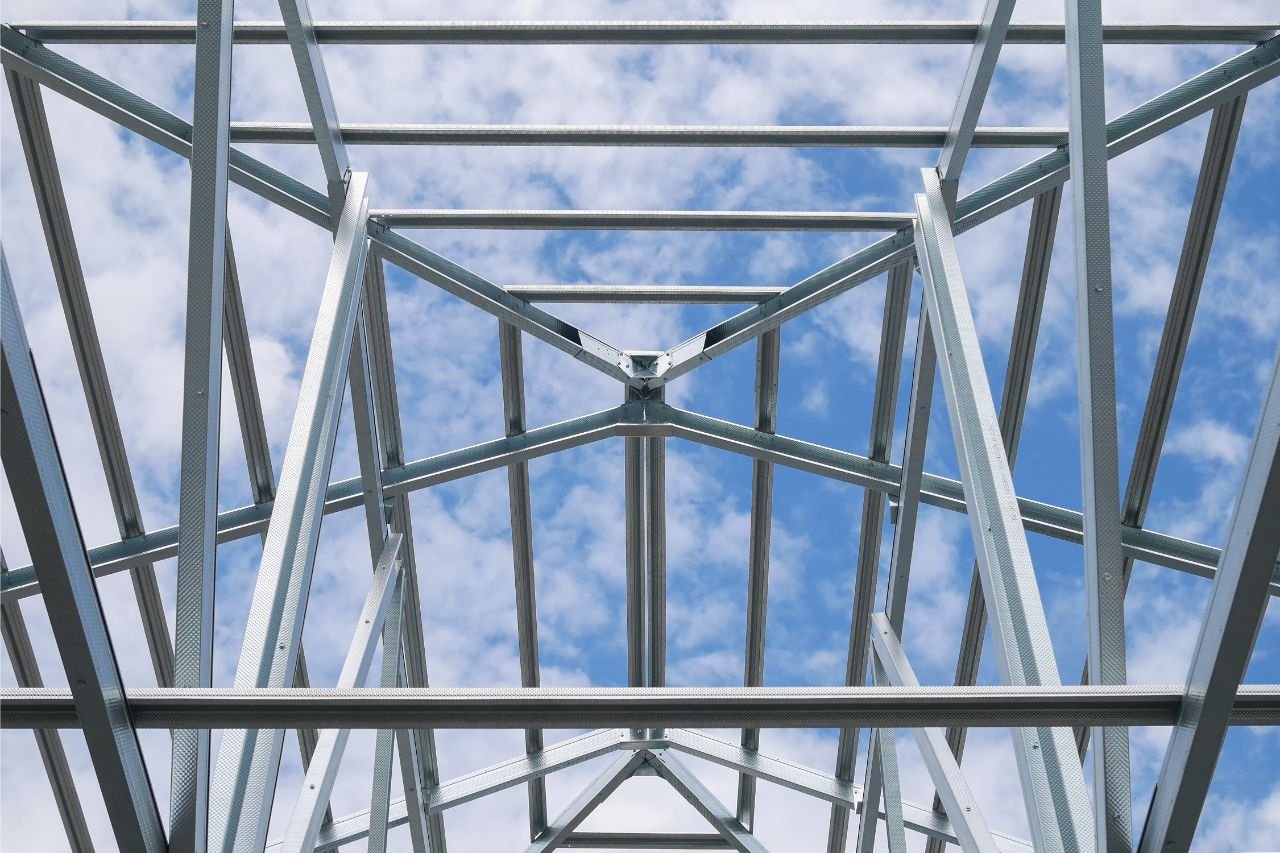
След стомана, алуминият е вторият най-често използван метал в строителството. Съчетава сила, естетика, и издръжливост при намаляване на структурното натоварване.
4.1 Структурни и архитектурни приложения
Алуминиеви строителни шпилки
Алуминиевите шипове се използват като вертикална рамка на вътрешните стени. Те са леки, направо, пожароустойчив, И лесно се реже. Строителите ги предпочитат за модулни разпределения и модерно строителство.
Алуминиева рамка на къщата
Алуминиевите рамкови системи създават здравина, устойчиви на корозия конструкции с минимална поддръжка. Те са идеални за жилищни и търговски сгради във влажна или крайбрежна среда.
Стълбища и предпазни рампи
Алуминиевите стълбища и рампи предлагат висока товароносимост с намалено тегло. Те се използват често в обществени сгради, фабрики, и проекти за достъпност.
4.2 Външни строителни компоненти
Облицовка
Алуминиевата облицовка предпазва сградите от атмосферни влияния, като същевременно подобрява външния вид. Издържа на UV излагане, дъжд, и вятър и изисква минимална поддръжка.
Покривни системи
Алуминиеви покриви, плочки, и керемидите са издръжливи и леки. Те намаляват структурното натоварване, като същевременно осигуряват дълъг експлоатационен живот при екстремни климатични условия.
Системи за фасадни стени
Алуминиевите окачени фасади поддържат стъклени фасади във високи сгради. Те осигуряват сила, гъвкавост, и уплътнение от атмосферни влияния без прекомерно тегло.
Рамки за слънчеви панели
Алуминиевите рамки са стандартни в слънчевите панели поради устойчивост на корозия, ниско тегло, и лесен монтаж.
4.3 Вътрешни строителни компоненти
Дограми за прозорци и врати
Алуминиевите рамки са здрави, тънък, и издръжлив. Те поддържат големи стъклени панели и осигуряват дълготрайна стабилност на размерите.
Алуминиев перваз
Използва се в основата на стените, алуминиевите первази са устойчиви на влага, въздействие, и изкривяване, което го прави по-добър от дървото в търговски и жилищни интериори.
4.4 ОВК и топлинни системи
Отоплителни системи и топлообменници
Алуминият разпределя топлината равномерно и ефективно. Намира широко приложение в радиатори, топлообменници, и термотрансферни системи.
Климатични системи
Алуминиеви бобини, перки, и рамките подобряват ефективността на охлаждане, като същевременно намаляват теглото на системата и консумацията на енергия.
5. Алуминий в домакински продукти и продукти за ежедневна употреба
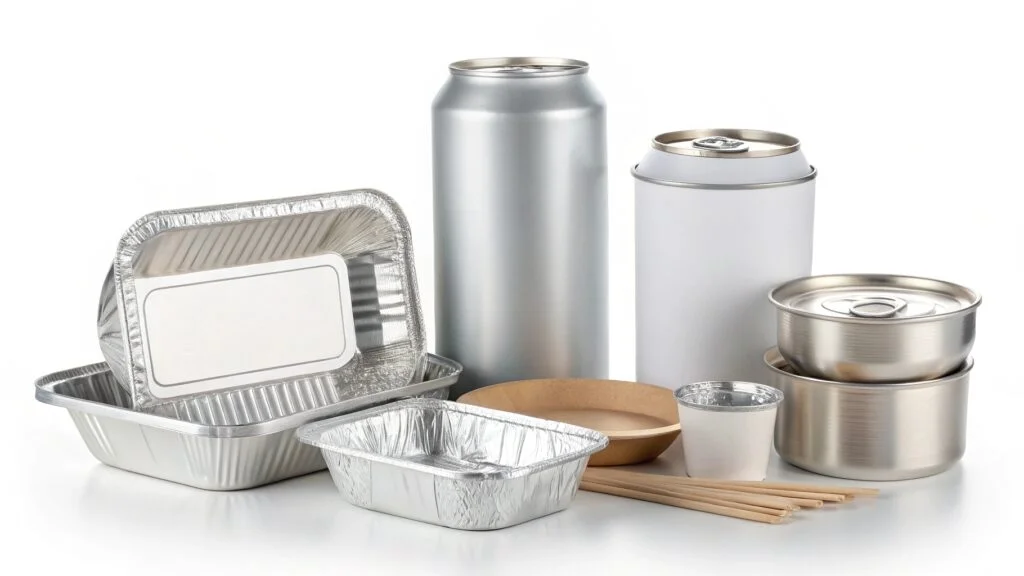
5.1 Продукти за кухнята и храните
Алуминият се използва широко в съдовете за готвене, защото се нагрява бързо, се почиства лесно, и е нетоксичен.
Обичайните алуминиеви кухненски продукти включват:
Тигани и тенджери под налягане
Чайници и тави за печене
Плочи, купи, и черпаци
Чаши, чаши, и контейнери за храна
Защо алуминият се използва в кухненското фолио
Алуминиевото фолио блокира въздуха, светлина, и влага. Той е гъвкав, безопасен за храна, и идеален за съхранение и готвене на храна.
5.2 Мебели и домашен декор
Алуминиевите мебели са здрави, устойчив на ръжда, и лек. Използва се широко за:
Външни столове и маси
Кухненски шкафове
Декоративни панели и рамки
Издръжливостта му го прави идеален за дългосрочна употреба на закрито и на открито.
6. Алуминиеви сплави в аерокосмически приложения
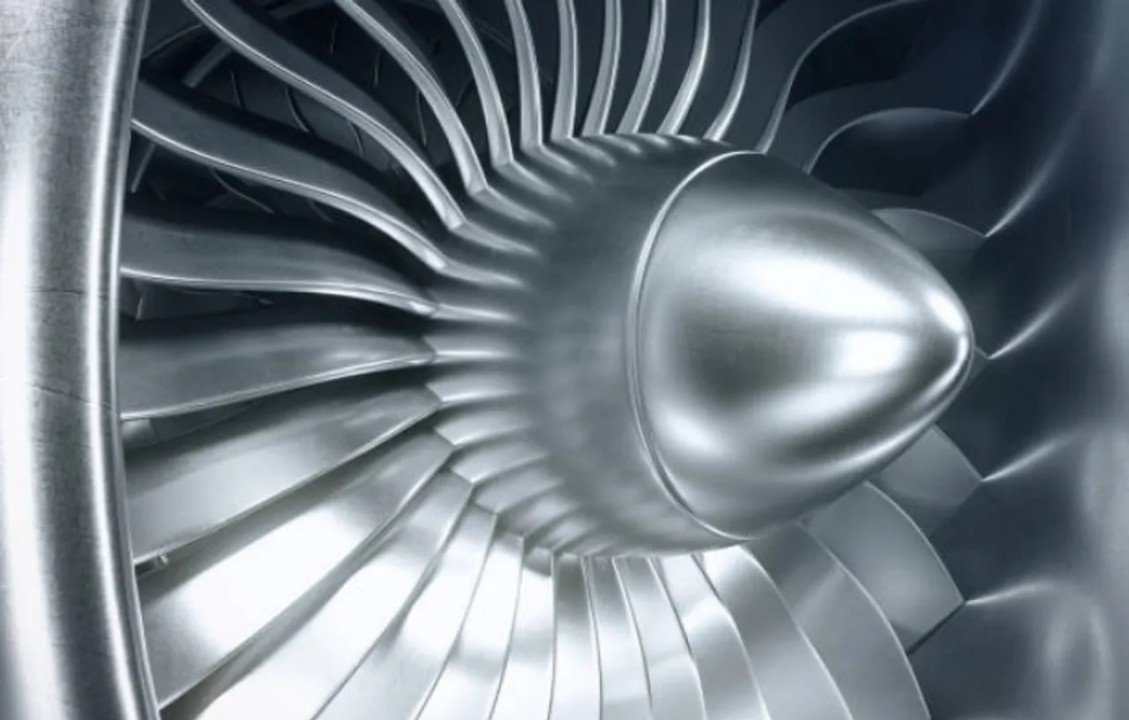
Чистият алуминий е твърде мек за космическа употреба. Вместо това, алуминиевите сплави се създават чрез добавяне на елементи като мед, магнезий, или цинк.
Тези сплави осигуряват:
Висока якост с ниско тегло
Устойчивост на умора
Стабилност при екстремни условия
Приложенията в космическото пространство включват:
Фюзелажи и крила на самолети
Компоненти на предавката за кацане
Корпуси на двигателя
Рамки на кабината и седалките
Алуминиевите сплави остават критични както в авиацията, така и в изследването на космоса.
7. Алуминий в електрониката и електрическите продукти
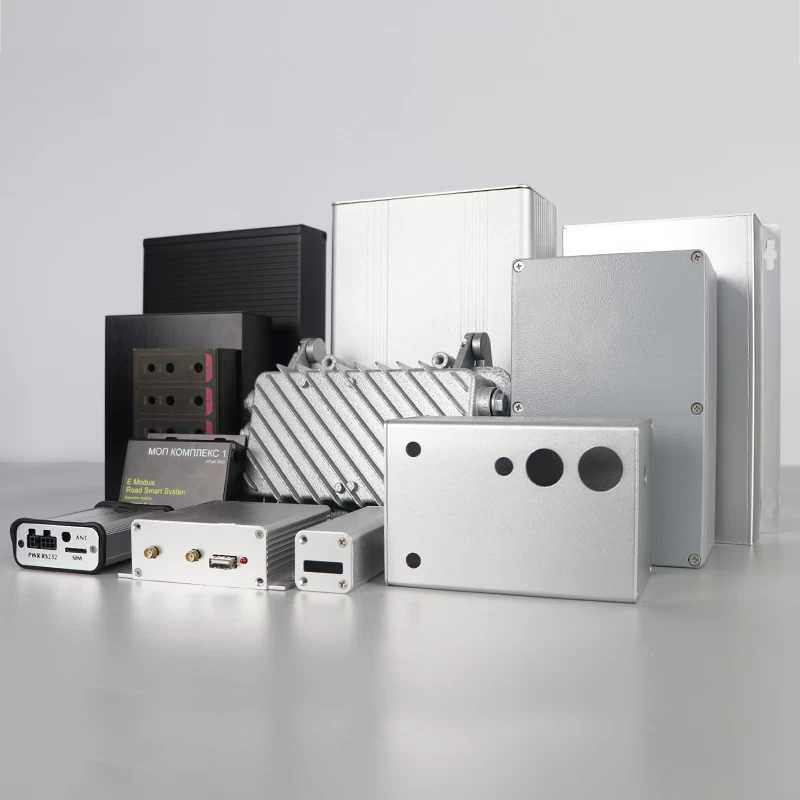
Алуминият се използва широко в електрониката поради своите топлопроводимост и лека структура.
Обичайните приложения включват:
Корпуси за смартфон и лаптоп
Радиатори и охлаждащи плочи
Печатни платки (PCBS)
Кабели, конектори, и жици
LED лампи и системи за улично осветление
Батерии и кондензатори
Алуминият помага на електронните устройства да разсейват топлината ефективно и да работят надеждно.
8. Алуминий в продуктите за трафик и безопасност
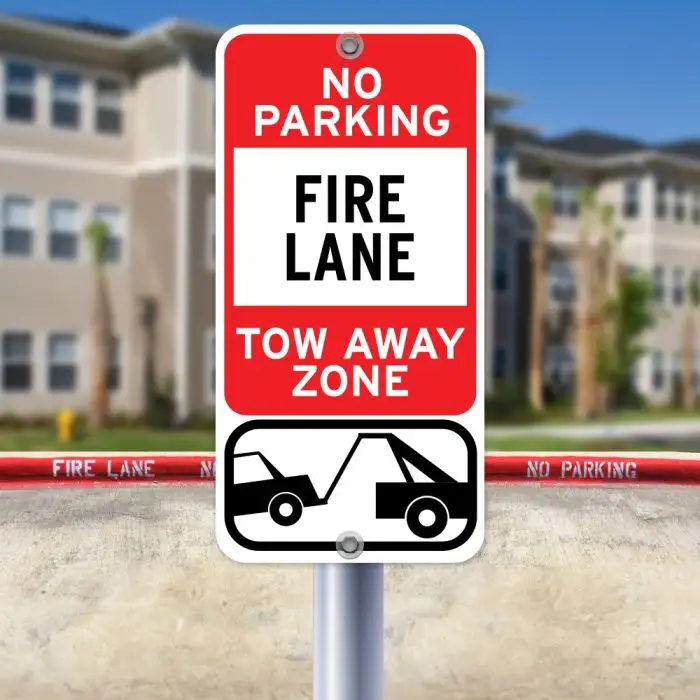
Алуминият е предпочитаният материал за външни системи за безопасност и трафик, тъй като не ръждясва и е много издръжлив.
Типичните алуминиеви продукти включват:
Трафик и пътни знаци
Знаци за безопасност и предупреждение
Алуминиеви пътни шпилки
LED рамки за надписи
Контролни кутии и кутии
Авиационни преградни светлини
Алуминият осигурява дълъг експлоатационен живот в тежки външни среди.
9. Приложения на алуминий в транспорта
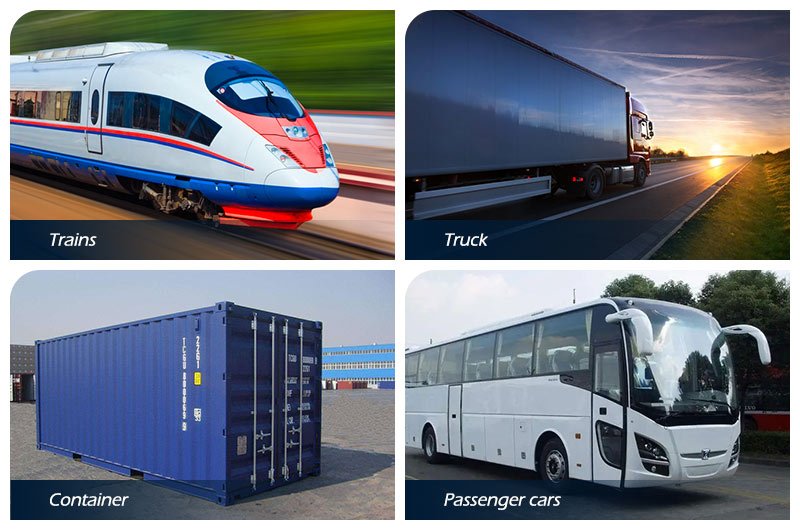
9.1 Автомобилна индустрия
Производителите на автомобили използват алуминий, за да намалят теглото на автомобила и да подобрят горивната ефективност.
Приложенията включват:
Каросерия и врати
Шаси и колела
Компоненти на двигателя
Топлообменници
По-леките превозни средства консумират по-малко гориво и произвеждат по-ниски емисии.
9.2 Железопътен транспорт
Влаковете използват алуминий за увеличаване на скоростта и намаляване на консумацията на енергия. Алуминиевите вагони предлагат висока товароносимост с по-ниско общо тегло.
9.3 Морска индустрия
Алуминият се използва широко в лодките, яхти, и кораби поради своята устойчивост на корозия от солена вода. Намалява разходите за поддръжка и подобрява работата на кораба.
10. Алуминий в спорта и отдиха
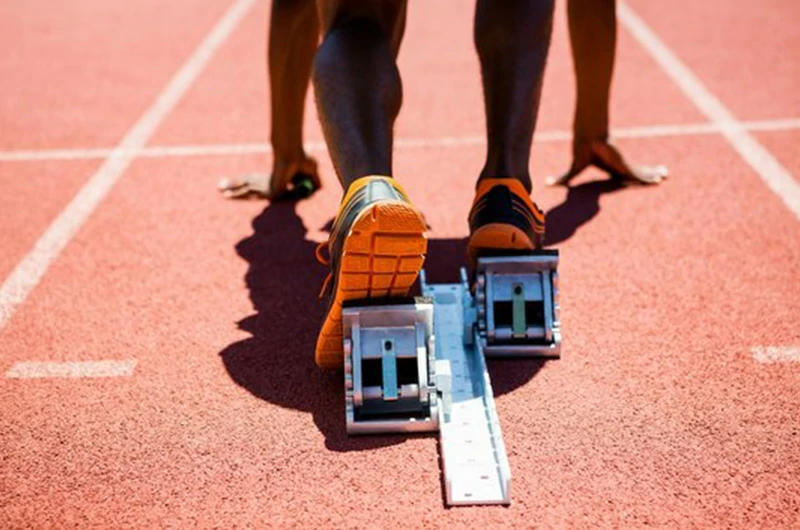
Производителите на спортно оборудване използват алуминий заради неговата здравина и леко тегло.
Обичайните продукти включват:
Велосипеди
Бейзболни бухалки
Тенис хилки
Хокейни стикове
Фитнес оборудване
Алуминият подобрява представянето, като същевременно намалява умората при спортистите.
11. Алуминий в медицинско и здравно оборудване

В здравеопазването, алуминият поддържа хигиената, безопасност, и прецизност.
Медицинските приложения включват:
Болнични легла и рамки
Диагностични машини (Рентгенова снимка, ЯМР корпуси)
Корпуси за медицински изделия
Алуминият се почиства лесно и отговаря на строгите индустриални стандарти.
12. Алуминий в опаковъчната промишленост
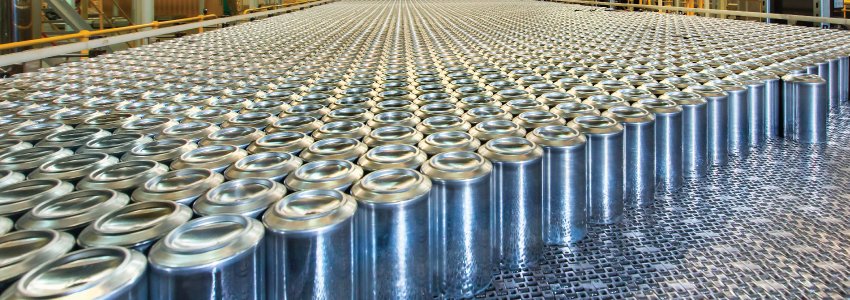
Алуминиевата опаковка предпазва продуктите от влага, кислород, и светлина.
Обичайните употреби включват:
Кутии за напитки
Тави за храна
Обвивки от фолио
Фармацевтични опаковки
Възможността за рециклиране прави алуминиевите опаковки отговорни към околната среда.
13. Използване на алуминий в роботиката и автоматизацията
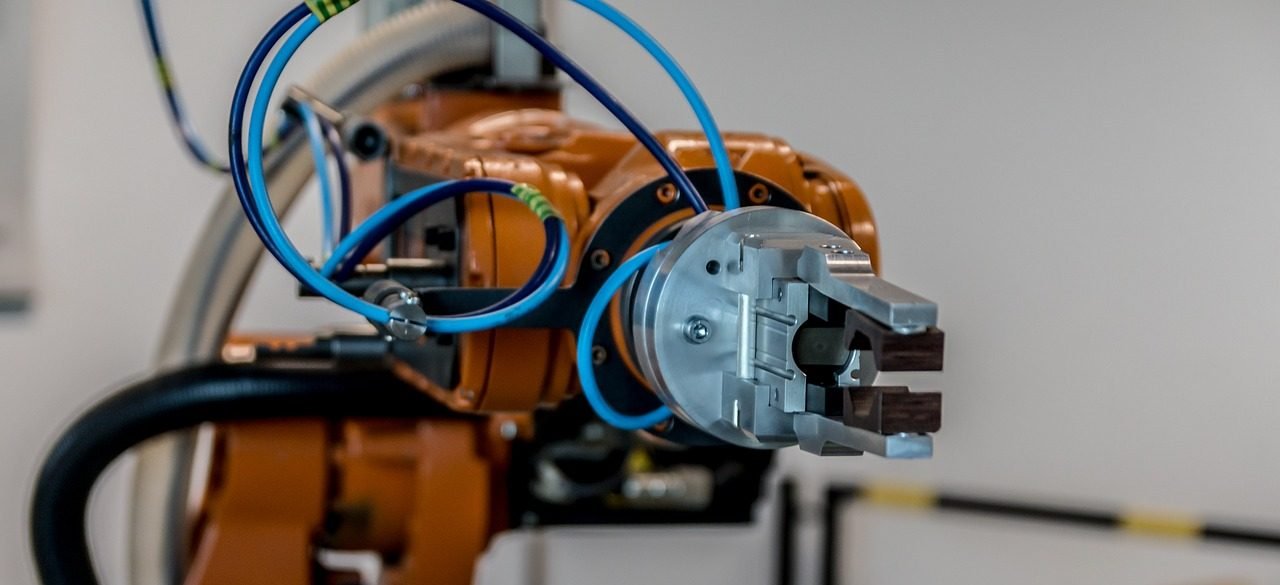
Роботиката разчита на алуминий за леки и прецизни структурни компоненти.
Приложенията включват:
Роботизирани ръце
Рамки и корпуси
Оборудване за автоматизация
Алуминият позволява по-бързо движение, по-високи полезни натоварвания, и дългосрочна издръжливост.
14. Често задавани въпроси
Защо алуминият се използва в автомобилите?
За намаляване на теглото, подобряване на горивната ефективност, и подобряване на производителността.
Защо алуминият не реагира с вода?
Защитният оксиден слой предотвратява корозията.
Е алуминиева ръжда?
да, не ръждясва като стоманата, въпреки че повърхностната корозия може да възникне при екстремни условия.
За какво се използва отгряването в авиацията?
За намаляване на вътрешното напрежение и подобряване на формоспособността.
Безопасен ли е алуминият?
да, Алуминият е нетоксичен и безопасен за ежедневна употреба.
Алуминият е по-здрав от стоманата?
не, но предлага по-добро съотношение сила-тегло.
Защо алуминият се използва в електропроводи?
Той е по-лек и по-икономичен от медта, като същевременно поддържа добра проводимост.
Алуминият е запалим?
не, не гори при нормални условия.
Колко издържа алуминият?
30–70+ години в зависимост от приложението и средата.
15. Резюме на употребата на алуминий
Алуминият е един от най-универсалните инженерни материали, налични днес. От домове и превозни средства до космическото пространство и роботиката, подкрепя иновациите, като същевременно намалява теглото, цена, и поддръжка.
Изборът на правилния клас алуминий зависи от вашето приложение:
Мек алуминий за бита и опаковките
Конструкционни сплави за строителството и транспорта
Високоякостни сплави за авиационни и промишлени системи
За производители, строители, и инженери, алуминият остава a устойчив на бъдещето материал с несравнима гъвкавост и стойност.


