



От прецизни дюбелни щифтове, използвани за точно подравняване на компонентите, до пружинни щифтове, предназначени да абсорбират вибрации, щифтове със скоба, използвани при шарнирни връзки, и персонализирани CNC машинни щифтове, произведени с строги допуски, всеки тип има специфично предназначение.
Това ръководство обяснява най-често срещаните видове закопчалки с щифтове, техните проекти, материали, Производствени процеси, приложения, и критерии за подбор. Той също така обхваща разликите между стандартни и персонализирани щифтове и обяснява как да работите с производител, когато имате нужда от прецизни или специфични за приложението щифтове закопчалки.
Какво представляват щифтовете?
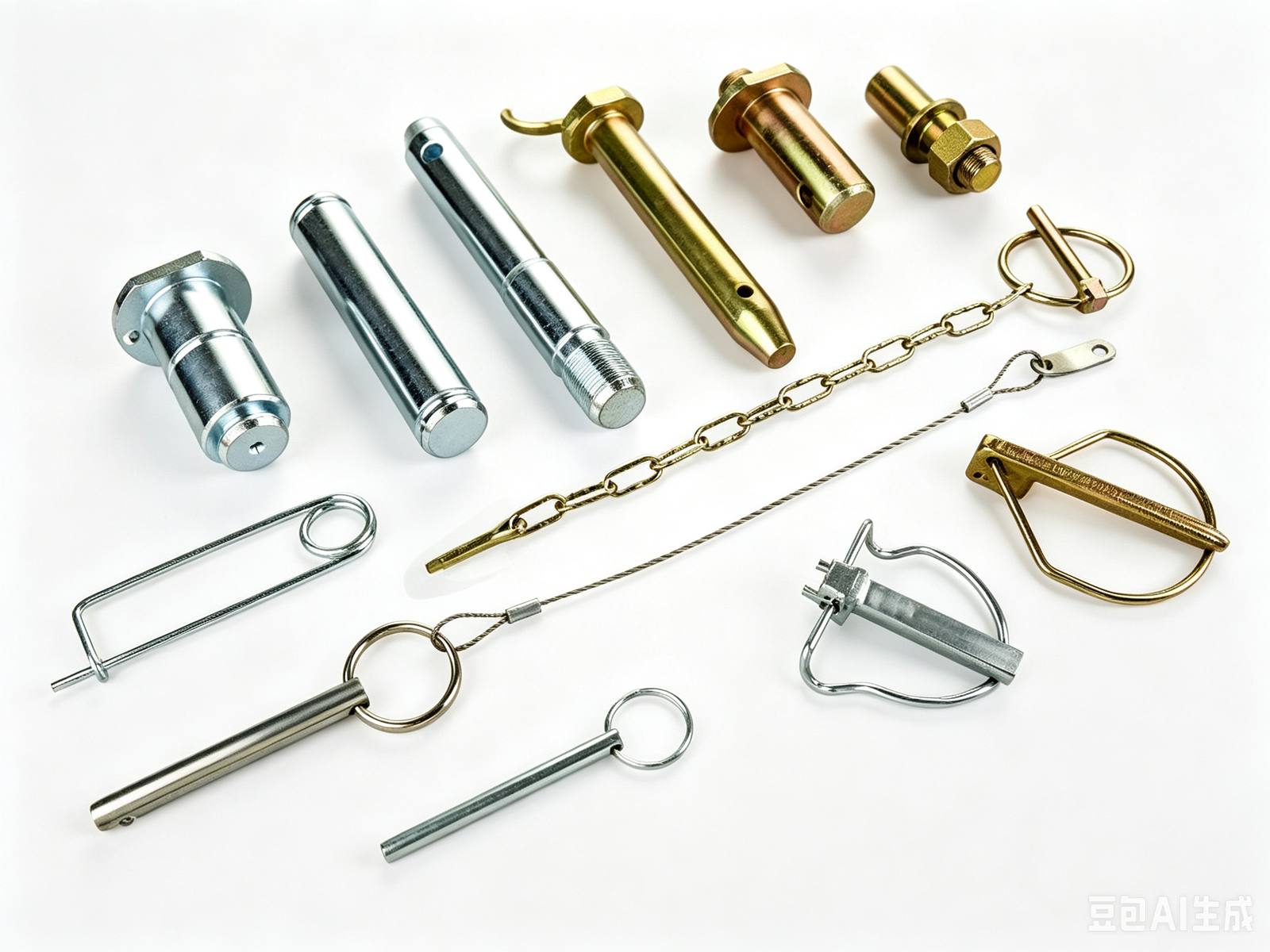
А щифтова закопчалка е механичен компонент, използван за свързване, подравнете, Намерете, заключване, запазвам, или завъртете две или повече части. Повечето щифтове са цилиндрични, заострени, набраздени, или специално оформени и се монтират в предварително пробит отвор или съответстващ елемент.
За разлика от болтовете и винтовете, които обикновено използват нишки за генериране на сила на затягане, много щифтови закопчалки разчитат на смущения, триене, пружинна сила, заключващи механизми, или геометрични характеристики за осигуряване на компоненти.
Закопчалките с щифтове се срещат често в автомобилните системи, индустриални машини, аерокосмическо оборудване, форми и инструментална екипировка, строителна техника, земеделска техника, електроника, медицински изделия, и системи за автоматизация.
например, а дюбелен щифт може да се използва за точно локализиране на два машинно обработени компонента, докато a щифт със скоба позволява две части да се въртят една спрямо друга. А пружинен щифт може да осигури сигурна връзка в среда, подложена на вибрации, докато a фиксиращ щифт позволява на оператора бързо да монтира и премахва компонент.
Тъй като дизайните на щифтовете се различават значително, най-добрият избор зависи от специфичната механична функция и условията на работа.
13 Видове закопчалки с щифтове
Шплинтове
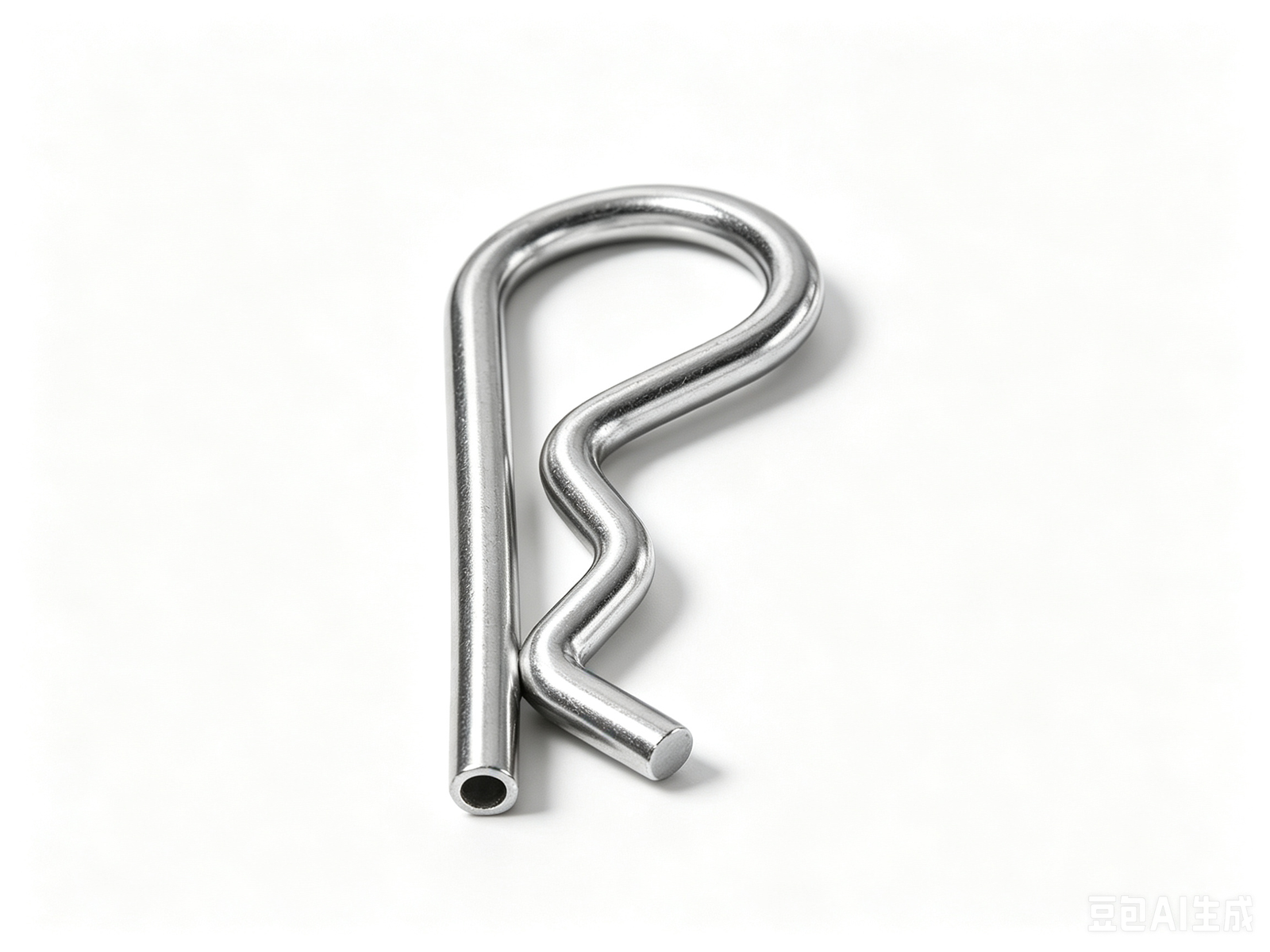
А шплент, наричан още щифт, е проста заключваща скоба, обикновено произведена от метална тел или прът. Обикновено се състои от глава с примка и два крака, които могат да бъдат огънати след монтажа.
Щифтът се вкарва през отвор, пробит през болт, вал, или друг компонент. След това краката се разгъват, за да се предотврати изместването на щифта.
Дюбели
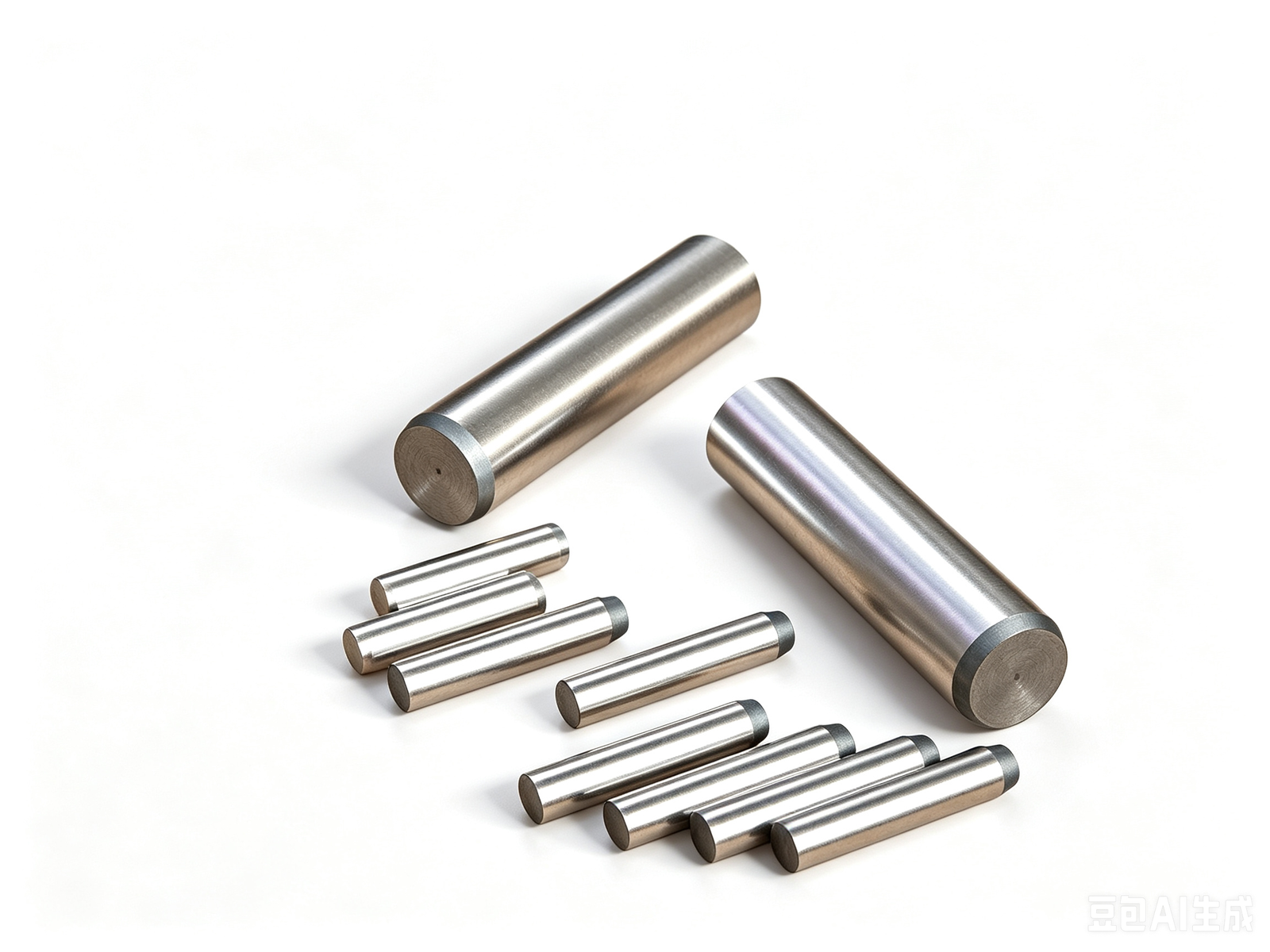
Дюбелни щифтове са прецизни цилиндрични щифтове, използвани предимно за точно подравняване и позициониране.
Те обикновено се произвеждат с строги толеранси на размерите и се монтират в прецизно обработени отвори. В зависимост от приложението, дюбелните щифтове могат да използват пресово прилягане, намеса годни, или друго контролирано прилягане.
Основното предимство на дюбелния щифт е способността му да се закрепва повторяемо и точно подравняване между компонентите.
например, две машинни плочи могат да бъдат завинтени заедно за сила на затягане, докато щифтовете гарантират, че плочите се връщат в същата позиция по време на монтажа.
За прецизни приложения, връзката между диаметър на щифта, диаметър на отвора, позиционна толерантност, и повърхностно покритие е критично.
Линч игли
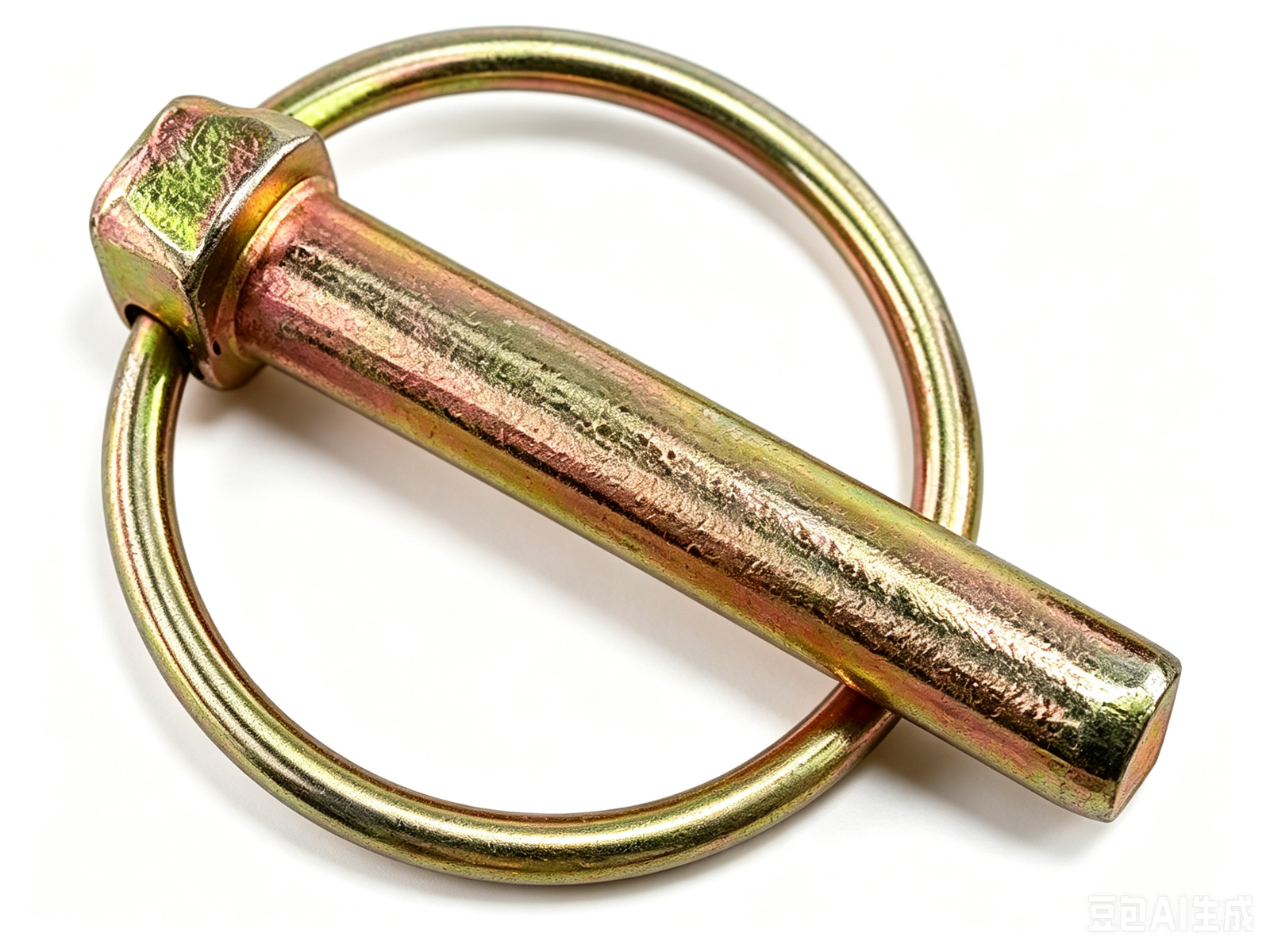
А шплинт е бързо освобождаващ се задържащ щифт, който обикновено се използва за закрепване на механични компоненти, които трябва да се отстраняват или регулират често.
Неговият характерен заключващ пръстен или примка помага да се предотврати случайното излизане на щифта след монтажа.
Основното им предимство е удобството. За разлика от методите за постоянно закрепване, Щифтовете обикновено могат да се монтират и демонтират без специализирани инструменти.
Пружинни игли
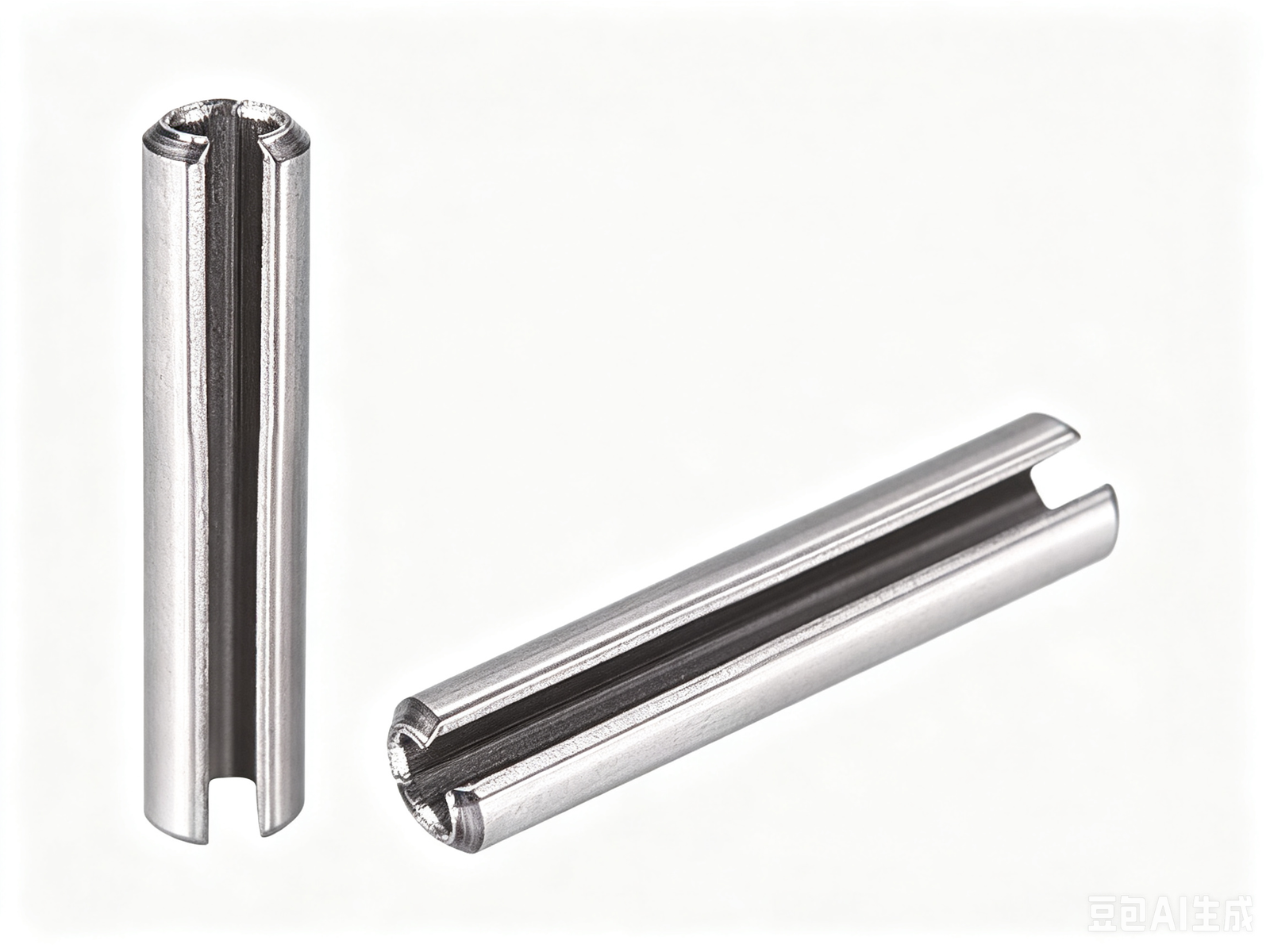
Пружинни игли, известни също като ролки или еластични игли, са кухи цилиндрични щифтове, предназначени да се компресират, когато се поставят в отвор.
Еластичната сила, генерирана от компресирания щифт, създава сигурна връзка.
Едно от основните им предимства е способността им да понасят вибрации и промени в размерите.
въпреки това, пружинните щифтове трябва да се избират внимателно според диаметъра на отвора, материал, натоварване, и изисквания за монтаж.
Щифтове за заключване на кабела
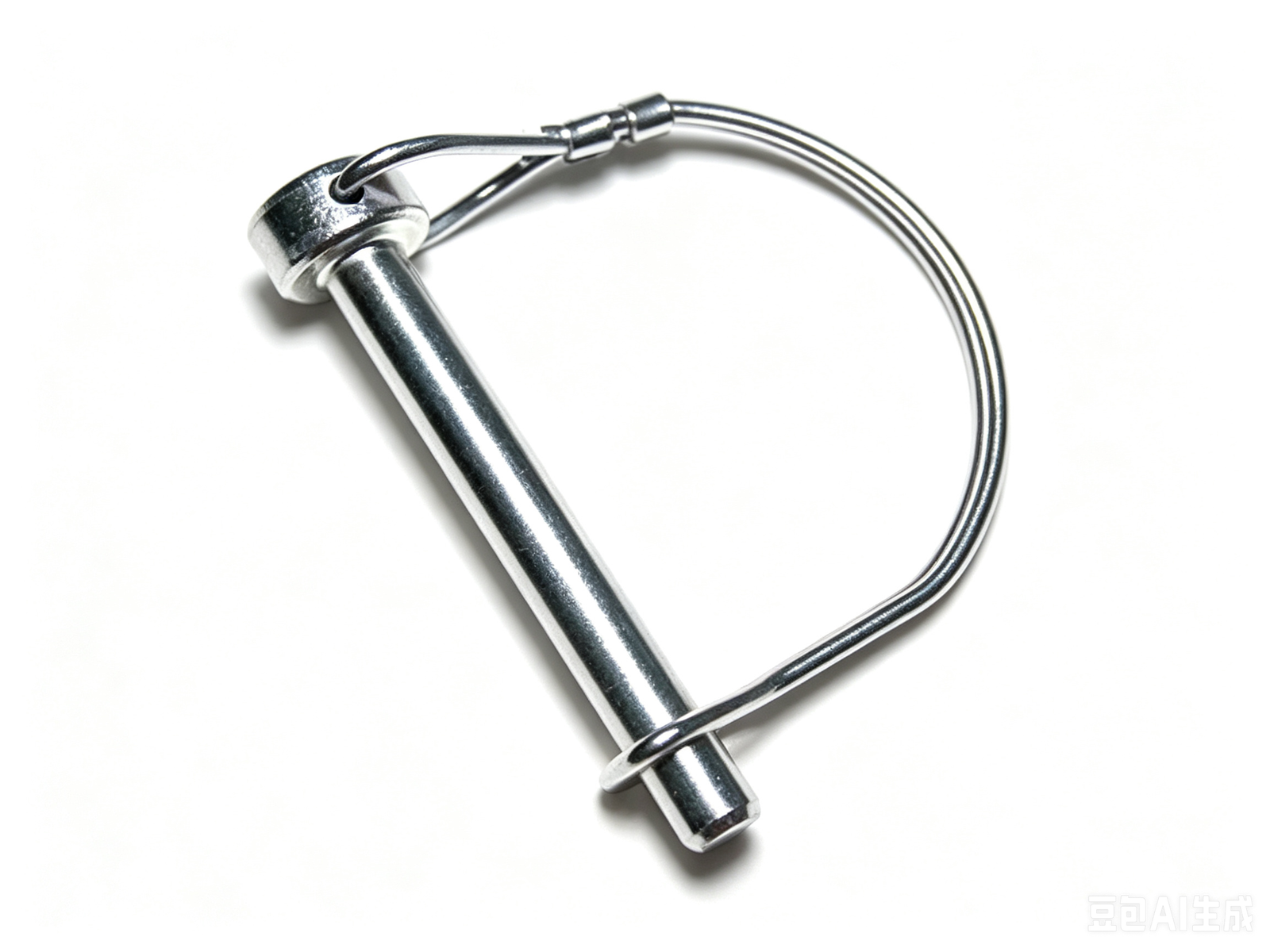
А щифт за заключване на тел използва подобна на пружина телена примка или заключващ механизъм, за да задържи щифта на място.
Тези щифтове са особено полезни, когато се изисква бърз и сигурен монтаж.
Заключващата тел осигурява допълнително задържане и намалява риска от случайно откачане.
За приложения, изложени на вибрации, шок, или повтарящо се движение, дизайнът на заключващия механизъм е особено важен.
Конусни щифтове
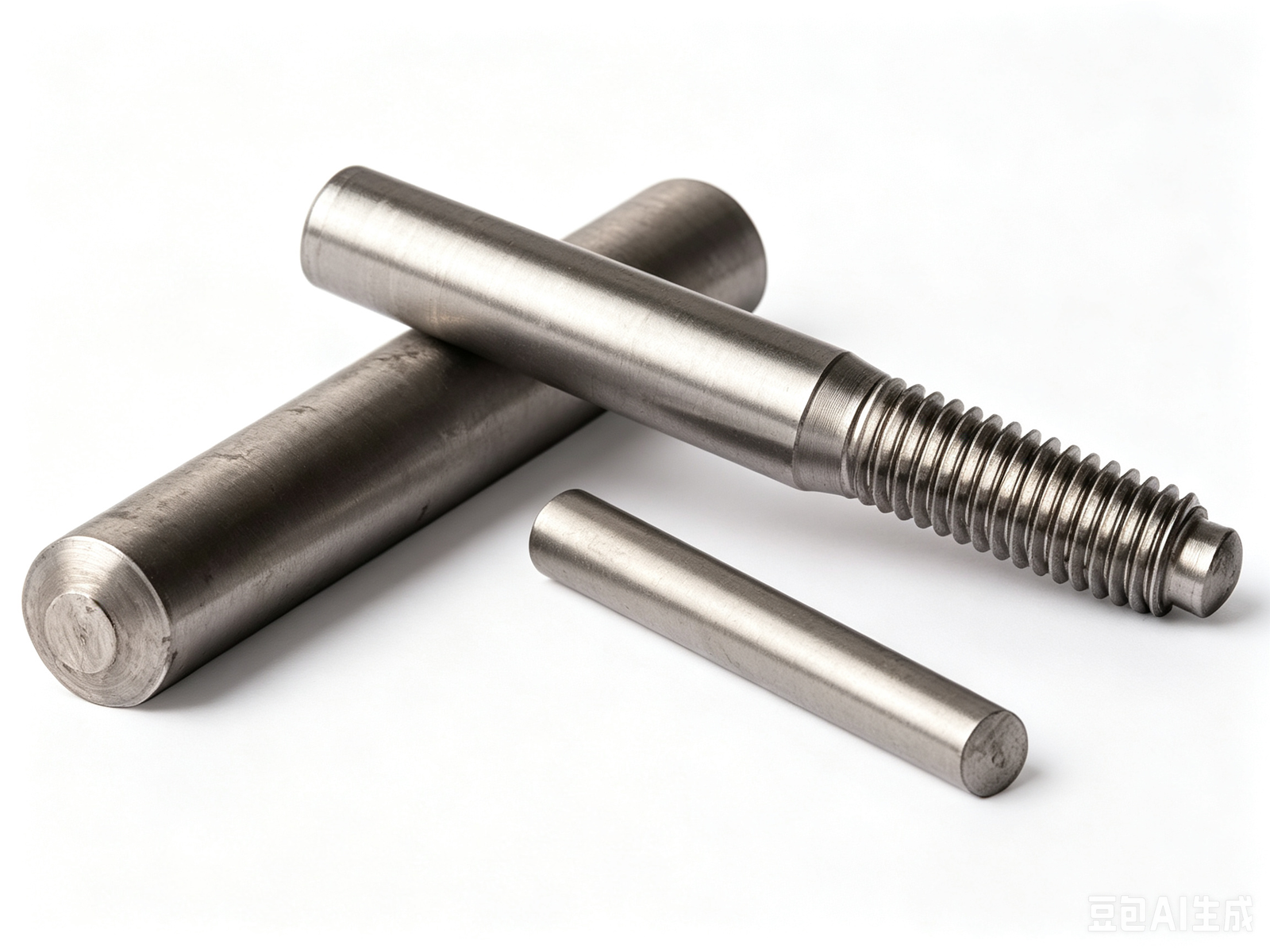
Конусни щифтове имат постепенно нарастващ диаметър по дължината си. Те се монтират в съвпадащи заострени отвори, за да се създаде плътна и сигурна връзка.
Едно важно съображение е, че отворът трябва да бъде обработен според правилната спецификация на конус. Неправилната геометрия на отвора може да затрудни монтажа или да компрометира връзката.
Щифтове с L-дръжка
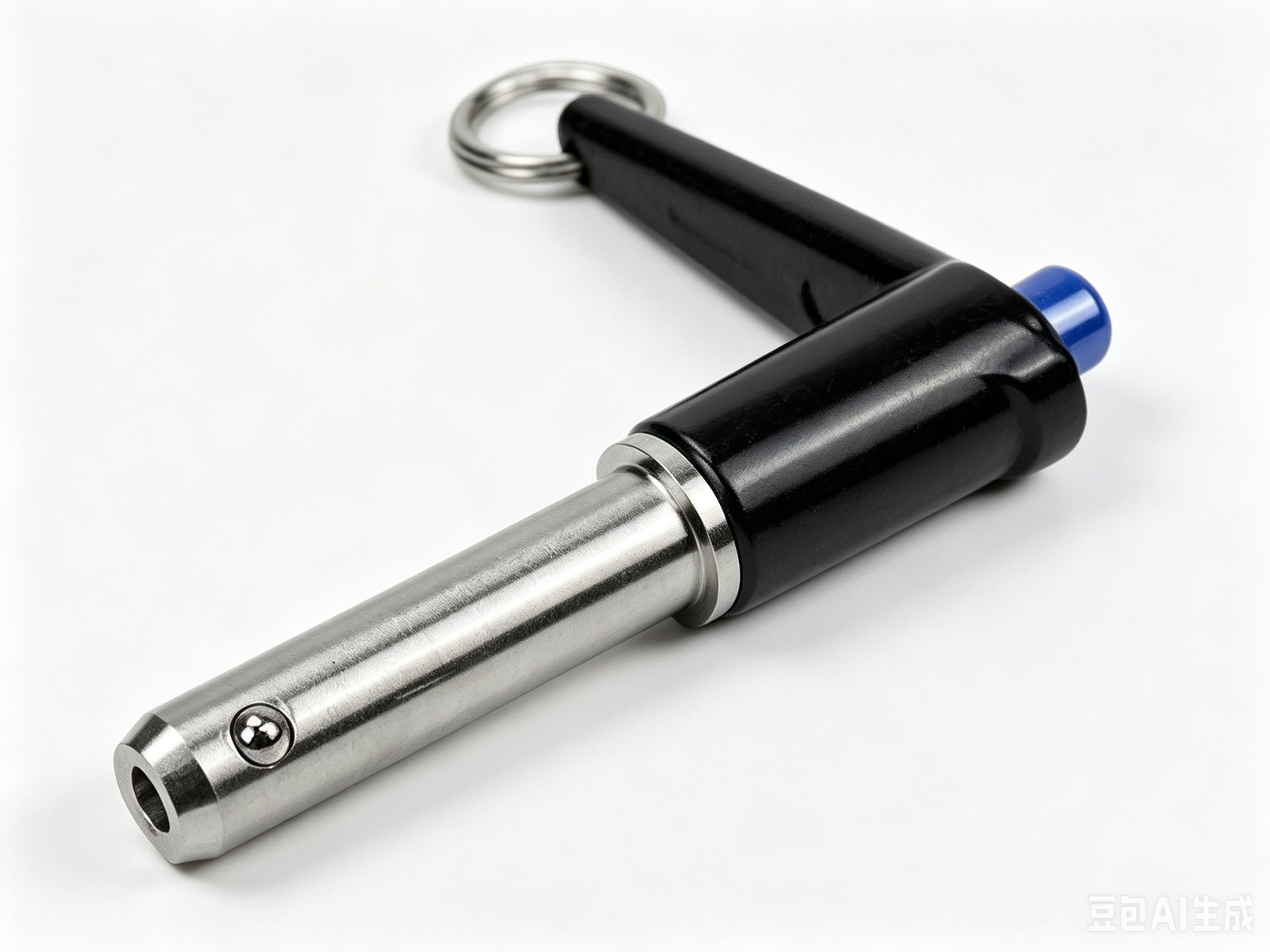
An Щифт с L-дръжка включва L-образна дръжка, която позволява на операторите да инсталират и премахват щифта ръчно.
Този дизайн е особено полезен, когато са необходими чести настройки.
Дръжката премахва нуждата от допълнителни инструменти и подобрява удобството на оператора.
Clevis Pins
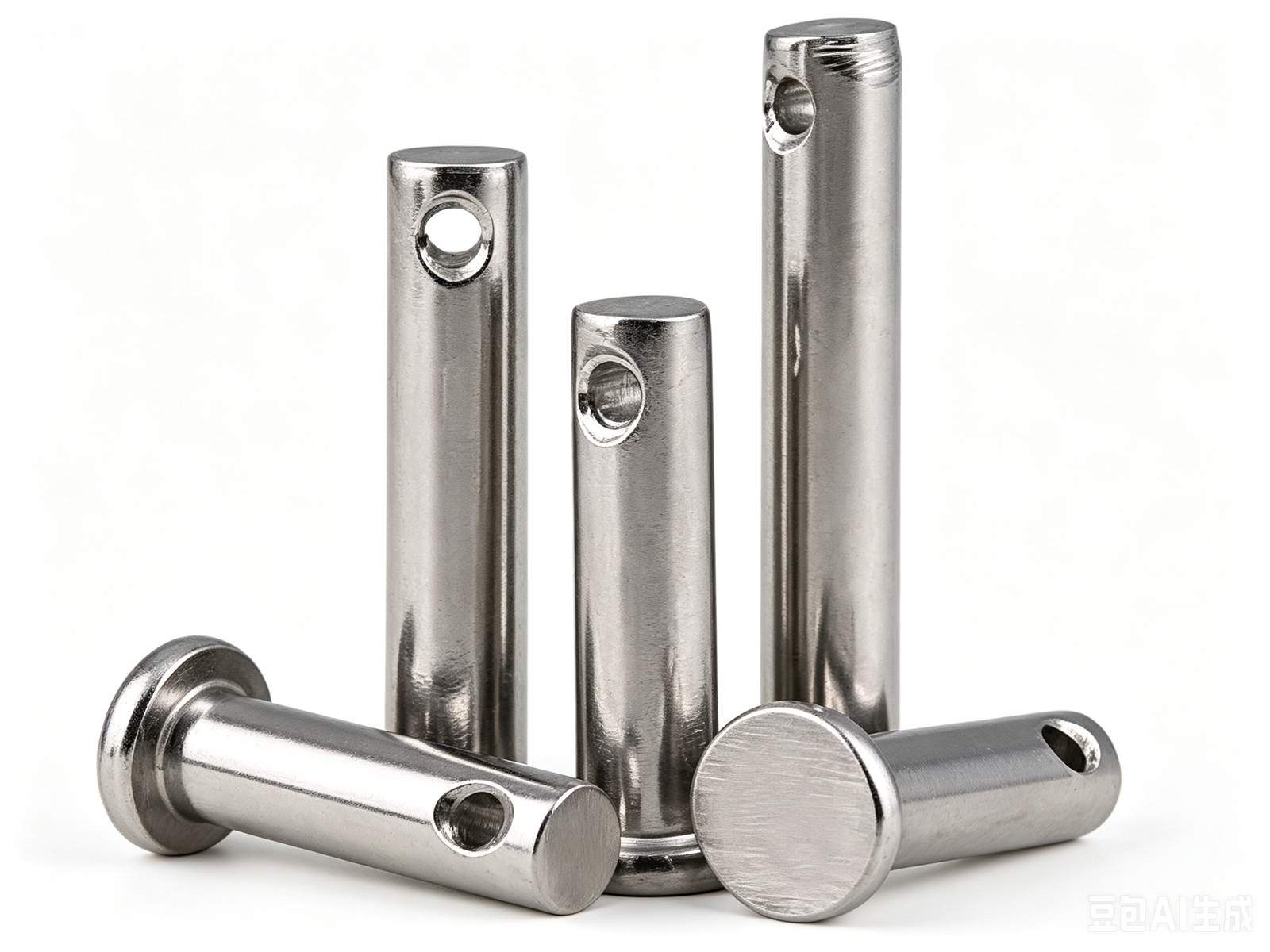
А щифт със скоба е предназначен за свързване на два компонента, които може да се наложи да се завъртят един спрямо друг.
Щифтът преминава през подравнени отвори в компонентите и се закрепва с помощта на шплента, клип, или друг задържащ механизъм.
Те са особено подходящи за приложения, където връзката трябва да позволява контролирано въртеливо движение.
Фиксиращи щифтове
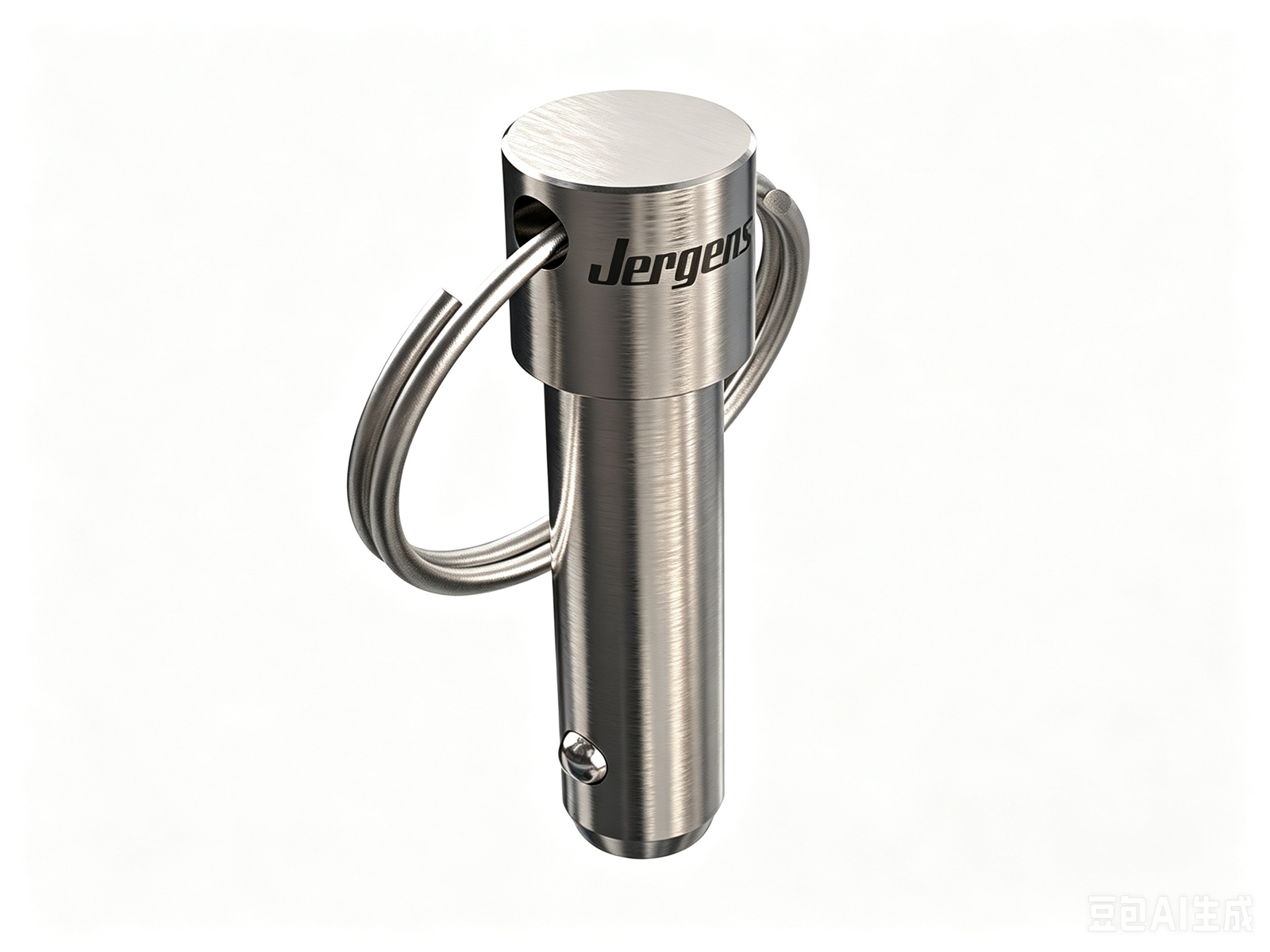
Фиксиращи щифтове използвайте пружинна топка, бутон, или подобен механизъм за осигуряване на временно заключване.
Задържащият механизъм се зацепва със съответния отвор или повърхност и предотвратява случайното изпадане на щифта.
В сравнение с традиционните фиксирани щифтове, ограничителните щифтове предлагат значително по-голямо удобство за поддръжка и настройка.
Тегличи
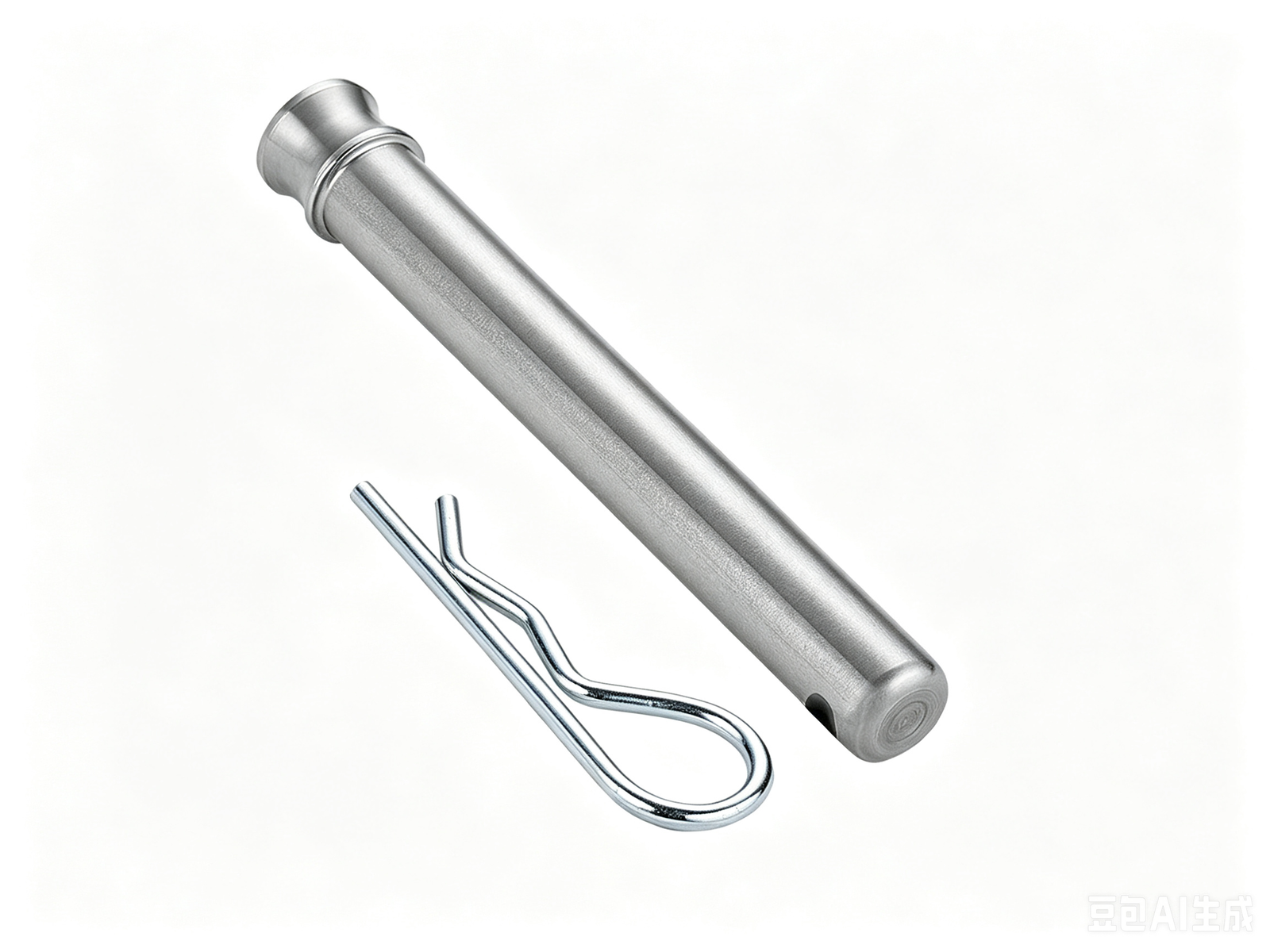
Закачващи щифтове са тежкотоварни щифтове, използвани за свързване на оборудване, ремаркета, земеделски сечива, и компоненти за теглене.
Те обикновено включват задържаща скоба или заключващ механизъм за предотвратяване на случайно отстраняване.
Щифтовете трябва да бъдат избрани въз основа на необходимия диаметър, използваема дължина, якост на срязване, и експлоатационен товар.
За теглене и носещи приложения, здравината и надеждността на цялата връзка винаги трябва да се вземат предвид, вместо да се избира щифт въз основа единствено на неговите номинални размери.
Жлебови щифтове
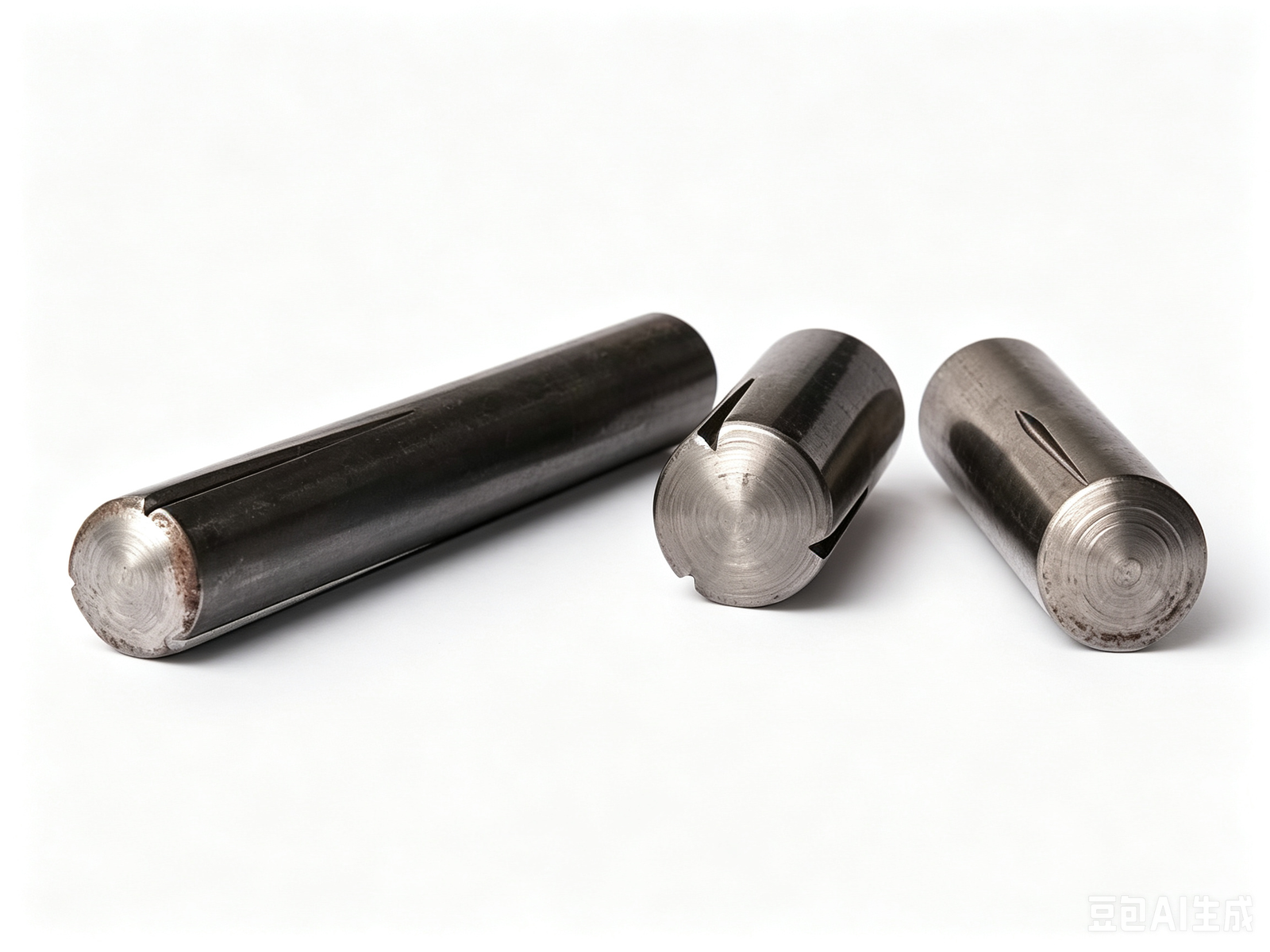
Жлебови щифтове са цилиндрични щифтове с един или повече надлъжни жлебове.
Жлебовете създават ефект на намеса, когато щифтът е монтиран, помага за подобряване на задържането и съпротивлението при движение.
Щифтовете с канали обикновено се срещат в машините, приспособления, и механични сглобки.
Правилната конфигурация на канала трябва да бъде избрана според дизайна на отвора и необходимата сила на задържане.
Щифтове
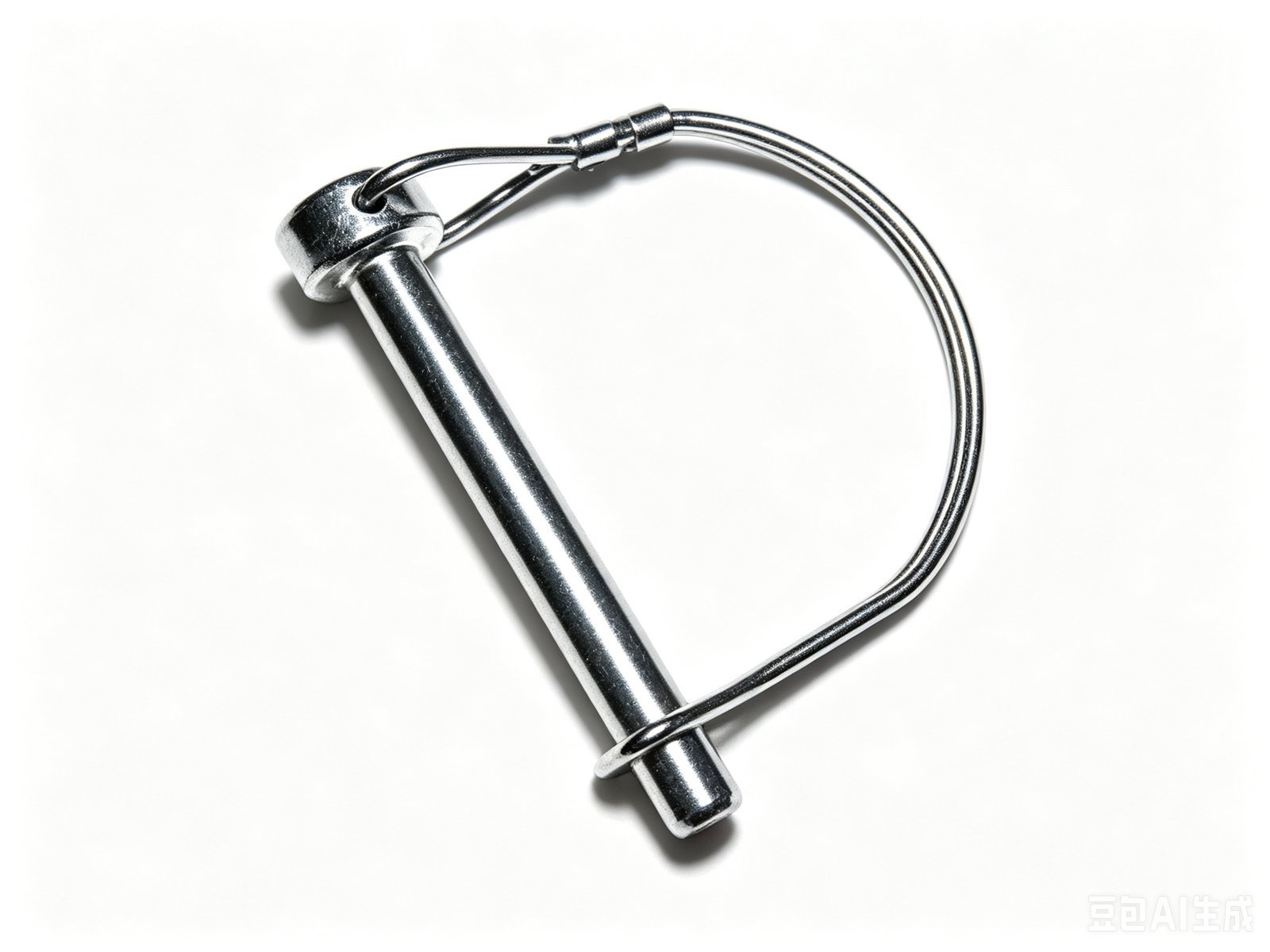
Щифтове включват механизъм за захващане с пружина, който помага за фиксиране на щифта след монтажа.
Те са предназначени за приложения, при които е необходимо бързо и многократно свързване или прекъсване.
Основното предимство на щифтовете е тяхното удобство. Те често могат да бъдат инсталирани и премахнати бързо без допълнителни инструменти.
Огънати щифтове
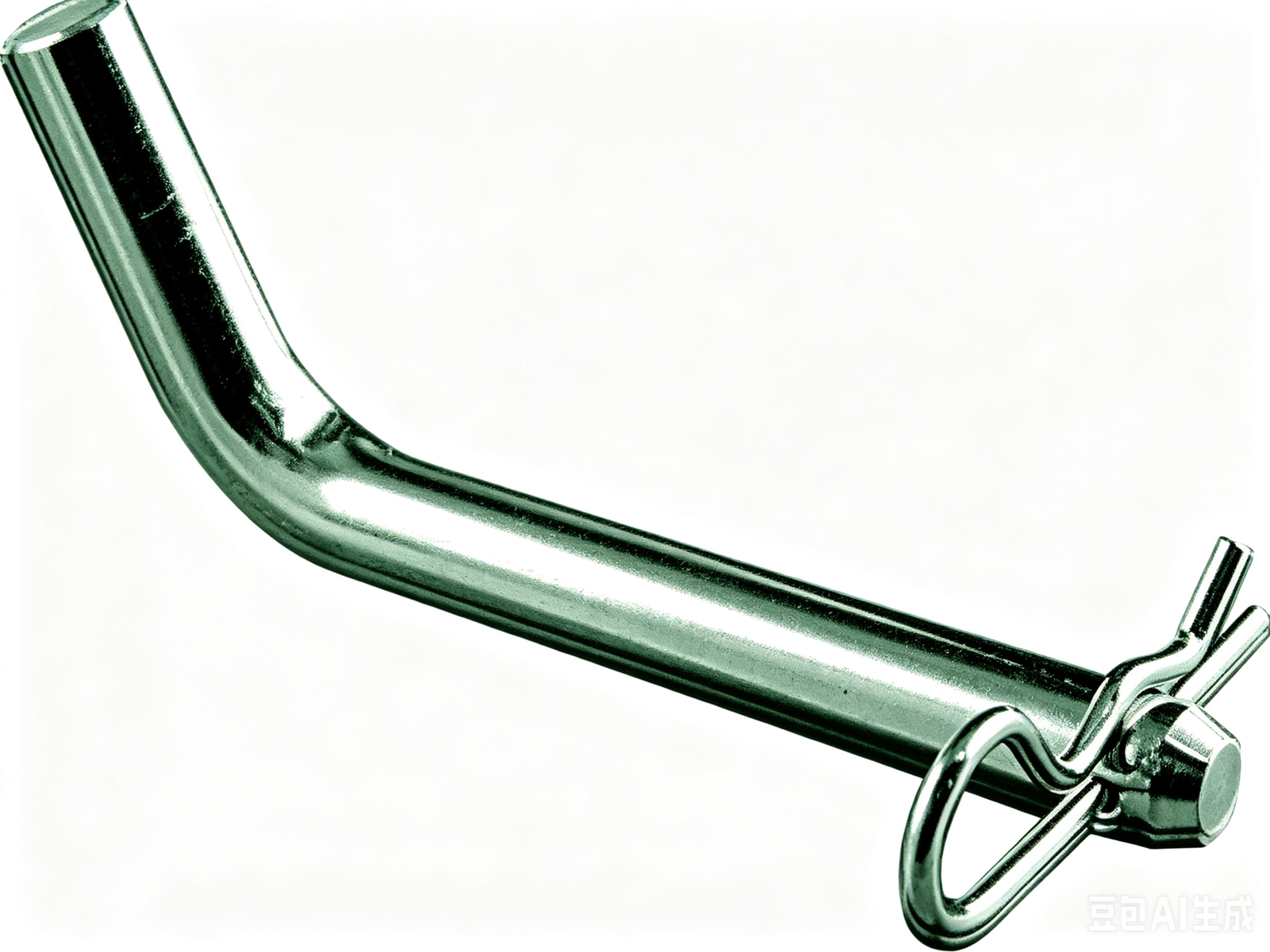
Извити щифтове имат съзнателно оформена или огъната част, която осигурява допълнително задържане.
Извитата геометрия може да помогне за предотвратяване:
Аксиално движение
Въртене
Случайно отстраняване
За персонализирани приложения, точния ъгъл на огъване, радиус, материал, и процесът на формоване трябва да бъде внимателно контролиран.
Сравнение на крепежни елементи: Кой тип да изберете?
Изборът на правилния щифт започва с разбирането на основната функция на връзката.
| Тип щифт | Основна функция | Типичен метод на задържане | Най -доброто за |
| шплент | Заключване и задържане | Свити крака | Закрепващи гайки и щифтове |
| Дюбел | Прецизно подравняване | Интерференция/пресово прилягане | Прецизни възли |
| Линч Pin | Бързо задържане | Заключващ пръстен | Селско стопанство и машини |
| Пружинна игла | Закрепване и задържане | Еластична сила | Вибрационни среди |
| Щифт за заключване на кабела | Бързо заключване | Телен контур | Безопасност и оборудване |
| Конусен щифт | Подравняване и закрепване | Заострена кройка | Прецизни машини |
| Пин с L-дръжка | Ръчна настройка | Дръжка и пасване | Регулируемо оборудване |
| Клевис щифт | Въртяща се връзка | Щипка или шплинт | Връзки |
| Фиксатор | Бързо заключване | Пружинна топка | Често сглобяване |
| Теглич | Силна връзка | Задържащ клипс | Ремаркета и оборудване |
| Жлебов щифт | Задържане | Набраздено намесване | Механични възли |
| Щифт | Бърза връзка | Пружинно щракване | Външно оборудване |
| Огънат щифт | Задържане и анти-ротация | Извита геометрия | Персонализирани приложения |
Правилният избор зависи от това дали основното ви изискване е прецизно подравняване, постоянно задържане, бързо освобождаване, завъртане, Вибрационно устойчивост, или тежко натоварване.
Обичайни материали, използвани за щифтове
Материалът на една карфица оказва пряко влияние върху нейната здравина, устойчивост на корозия, тегло, обработваемост, и експлоатационен живот.
Въглеродна стомана
Въглеродната стомана се използва широко за щифтове с общо предназначение, тъй като предлага добър баланс на здравина, твърдост, наличност, и цена.
Може да се наложи повърхностна обработка, когато устойчивостта на корозия е важна.
Неръждаема стомана
Неръждаемата стомана обикновено се избира за приложения, изложени на влага, химикали, или външни условия.
Общите оценки включват 304 и 316 неръждаема стомана, в зависимост от средата.
Стомана
Легираната стомана е подходяща за взискателни приложения, изискващи висока якост, твърдост, или устойчивост на умора.
Топлинната обработка може допълнително да подобри механичните характеристики.
Алуминиева сплав
Щифтовете от алуминиева сплав предлагат алтернатива с ниска плътност, когато намаляването на теглото е важно.
въпреки това, Алуминият може да не е подходящ за приложения, изискващи изключително висока устойчивост на износване или товароносимост.
Месинг
Месингът предлага отлична обработваемост и добра устойчивост на корозия.
Мед
Медта се цени предимно заради отличната си електрическа и топлопроводимост.
Избира се по-често, когато електрическите характеристики са важно съображение за дизайна.
Титаниева сплав
Комбинират се титанови сплави:
Висока якост
Ниско тегло
Отлична устойчивост на корозия
Те често се използват в приложения с висока производителност като космическото пространство, медицинско оборудване, и специализирани инженерни системи.
Как се произвеждат щифтовете?
Производственият процес зависи от дизайна на щифта, материал, изисквания към размерите, обем на производството, и необходимата производителност.
стъпка 1: Избор на материал
Производителят избира подходящата суровина въз основа на:
Механични натоварвания
Изисквания за корозия
Работна температура
Изисквания към теглото
Повърхностно покритие
Обем на производство
стъпка 2: Разкрояване и подготовка на заготовката
Метални пръти, пръти, или тел се нарязват на подходящи заготовки.
За производство в голям обем, автоматизираните системи за подаване и рязане на материал могат значително да подобрят ефективността на производството.
стъпка 3: Студена позиция
Студеното заглавие образува метал при стайна температура с помощта на високо налягане.
Той е високоефективен за производство на големи количества стандартизирани щифтове.
Предимствата включват:
Висока скорост на производство
Отлично използване на материала
Съвместими размери
По-ниска единична цена при голям обем
стъпка 4: Коване
Коването използва високо налягане, за да оформи метала в необходимата геометрия.
Особено подходящ е, когато се изисква висока механична якост.
стъпка 5: Щамповане
Щамповането използва матрици и преси за производство на компоненти от ламарина.
Обикновено се използва за тел, клип, или щамповани компоненти, свързани с щифтове.
стъпка 6: CNC обработка
CNC обработка е важен метод за производство на прецизни и персонализирани щифтове.
В зависимост от геометрията, производителите могат да използват:
CNC струговане
CNC фрезоване
Швейцарски тип CNC обработка
Многооси обработка
CNC обработката е особено подходяща за:
Персонализирани размери
Сложни геометрии
Тесни допустими отклонения
Ниски до средни производствени обеми
Прототипи
Инженерни проби
За персонализирани щифтове, CNC обработката може да осигури по-голяма гъвкавост от специалните процеси на формоване с голям обем.
стъпка 7: Термична обработка
Топлинната обработка може да се подобри:
твърдост
Якост на опън
Устойчивост на износване
Изпълнение на умора
Общите процеси включват:
Отгряване
Закаляване
Закаляване
Правилният процес зависи от материала и изискваните механични свойства.
стъпка 8: Повърхностна обработка
Може да се приложи повърхностна обработка за подобряване на устойчивостта на корозия, външен вид, или характеристики на износване.
Общите лечения включват:
Поцинковане
Никелово покритие
Хромирано покритие
Черен оксид
Пасивация
Електрополиране
Повърхностната обработка трябва да бъде избрана според работната среда и съвместимостта на материала.
стъпка 9: Проверка на качеството
Производителите на прецизни щифтове могат да проверяват:
Диаметър
Дължина
Права
Концентричност
Грапавост на повърхността
Допустими отклонения
твърдост
Материален състав
За критични компоненти, Може да се наложи проверка на CMM и други усъвършенствани методи за измерване.
Стандартен срещу. Закопчалки по поръчка
Стандартните щифтове често са най-добрият избор, когато вашето приложение може да използва съществуваща спецификация.
Като цяло предлагат:
По-кратки срокове за изпълнение
По-ниски единични разходи
Лесна подмяна
Установени спецификации
въпреки това, стандартните щифтове може да не отговарят на изискванията на всяко приложение.
Може да имате нужда закопчалки по поръчка когато изисквате:
Нестандартни размери
Специални допустими отклонения
Уникален дизайн на главата
Персонализирани функции за заключване
Специални материали
Сложни геометрии
Специални повърхностни завършвания
Персонализираните щифтове са особено често срещани в OEM продуктите, машини, инструментална екипировка, системи за автоматизация, и специализирано оборудване.
Приложения на крепежни елементи по индустрия
Закопчалките с щифтове се използват в много индустрии.
Автомобилна
Приложенията включват:
Връзки
Панти
Валове
Системи за подравняване
Механични възли
Космонавтика
Аерокосмическите приложения често изискват леко тегло, Висока якост, устойчиви на корозия материали и строг контрол на размерите.
Селскостопанска техника
Обичайните приложения включват:
Тегличи
Регулируеми компоненти
Прилага
Въртящи се механизми
Строителна техника
Щифтовете се използват широко в:
Хидравлично оборудване
Възли на стрелата
Шарнирни съединения
Механични връзки
Индустриална автоматизация
Прецизните щифтове обикновено се използват за:
Подравняване на приспособлението
Машинни компоненти
Инструментална екипировка
Системи за позициониране
електроника
Могат да се използват малки прецизни щифтове:
Механично позициониране
Монтажно подравняване
Електрически компоненти
Медицинско оборудване
Медицинските устройства може да изискват прецизно обработени щифтове, произведени от устойчиви на корозия или биосъвместими материали.
Форми и инструменти
Dowel pins and precision locating pins are essential for accurately aligning mold plates, умира, and tooling components.
Закопчалки с щифтове срещу. Други механични крепежни елементи
Щифтове срещу. Болтове
Bolts are primarily used to generate clamping force between components.
Pins are more commonly used for:
Подравняване
Positioning
Задържане
Pivoting
In many assemblies, bolts and pins work together.
Щифтове срещу. Винтове
Screws generally provide threaded fastening.
Pins are often preferred when threads are unnecessary or when precise positioning is required.
Щифтове срещу. Нитове
Rivets typically create permanent connections.
Many pin fasteners are designed for removal and maintenance.
Щифтове срещу. Задържащи пръстени
Retaining rings secure components on shafts or inside bores.
Pins are more versatile for alignment, завъртане, and mechanical locking.
The best fastening solution depends on the function of the joint rather than simply the strength of the fastener.
Често срещани проблеми с щифтове и решения
Разхлабване на щифта
Possible causes include:
Incorrect fit
Прекомерна вибрация
Insufficient locking
Неправилен монтаж
Решение: Select the appropriate locking mechanism and verify fit and tolerance.
Прекомерно износване
Possible causes include:
High contact stress
Лош избор на материал
Insufficient hardness
Repeated movement
Решение: Consider hardened materials, топлинна обработка, or improved surface finishes.
Корозия
Possible causes include:
Влага
Химикали
Salt exposure
Решение: Use stainless steel, corrosion-resistant alloys, or appropriate surface treatments.
Деформация на отвора
If the pin is exposed to excessive loads, the mating hole may deform.
Решение: Review material strength, диаметър на щифта, load distribution, and fit.
Разминаване
Poor alignment can result from incorrect hole positioning or inadequate machining accuracy.
Решение: Use precision dowel pins and controlled machining tolerances.
Производство на закопчалки по поръчка
When standard components cannot meet your requirements, a custom pin manufacturer can develop a solution based on your drawings and application.
Custom pin manufacturing may include:
Swiss machining
Многооси обработка
Cold heading
Коване
Щамповане
Топлинна обработка
Покритие
Пасивация
Precision inspection
Надежден производствен партньор трябва да може да оцени дизайна и да препоръча най-подходящия производствен процес въз основа на количество, геометрия, толерантност, материал, и целеви разходи.
например, CNC обработката може да бъде идеална за прототипи и сложни части с малък обем, докато студеното зареждане или автоматизираното формоване могат да бъдат по-икономични за производство в големи обеми.
Заключение
Закопчалките с щифтове може да са малки компоненти, но те играят критична роля за работата и надеждността на механичните системи.
Най-често срещаните видове включват шпленти, дюбелни щифтове, линчове, пружинни щифтове, щифтове за заключване на тел, конусни щифтове, Щифтове с L-дръжка, щифтове със скоби, фиксиращи щифтове, закачващи щифтове, щифтове за жлебове, щифтове, и огънати щифтове.
Всеки тип има различни предимства и е предназначен за специфични функции. Правилният избор зависи от фактори като:
Приложение
Заредете
Материал
Размер
Толерантност
Метод на инсталиране
Условия на околната среда
Необходим експлоатационен живот
За стандартни приложения, an off-the-shelf pin may be the most economical solution. въпреки това, when your project requires special dimensions, тесни допустими отклонения, сложни геометрии, or specific materials, custom pin fasteners manufactured by CNC обработка or other precision processes may provide a better solution.
Looking for a reliable manufacturer for custom pin fasteners? Свържете се с нас сега, share your drawings or 3D CAD files with our engineering team. We can review your requirements, recommend a suitable manufacturing process, and provide a competitive quotation for prototypes, малки партиди, and production orders.
Често задавани въпроси
1. Какво е закопчалка с щифт?
A pin fastener is a mechanical component used to align, позиция, connect, запазвам, заключване, or pivot mechanical parts. В зависимост от дизайна, it may use interference fit, триене, пружинна сила, or a locking mechanism.
2. Кои са най-често срещаните видове закопчалки с щифтове?
Common types include dowel pins, шпленти, пружинни щифтове, конусни щифтове, щифтове със скоби, фиксиращи щифтове, закачващи щифтове, линчове, щифтове за жлебове, щифтове, and wire lock pins.
3. Каква е разликата между дюбелен щифт и пружинен щифт?
A dowel pin is primarily designed for precise alignment and positioning, while a spring pin uses elastic deformation to create retention and is often better suited to general fastening and vibration-resistant applications.
4. За какво се използва шплента?
Cotter pins are mainly used to prevent nuts, щифтове със скоби, and other mechanical components from accidentally loosening or coming out.
5. За какво се използва щифт със скоба?
A clevis pin is typically used to create a pivoting connection between two components. It is commonly secured with a cotter pin or retaining clip.
6. Какви материали обикновено се използват за направата на щифтове?
Common materials include carbon steel, неръждаема стомана, легирана стомана, Алуминиева сплав, месинг, мед, and titanium alloy. The best choice depends on load, корозия, температура, и изисквания за кандидатстване.
7. Как се произвеждат игли по поръчка?
Custom pins can be manufactured through CNC turning, CNC фрезоване, Swiss machining, cold heading, коване, щамповане, and other processes. The appropriate method depends on the design and production quantity.
8. Кога трябва да избера CNC машинни щифтове?
CNC machining is particularly suitable for prototypes, ниски до средни обеми, сложни геометрии, and applications requiring tight dimensional tolerances or customized designs.
9. Как да избера правилния размер на карфица?
Consider the required load, диаметър на отвора, годни, дължина, якост на срязване, и метод на инсталиране. За прецизни приложения, допустимите отклонения на щифта и свързващия отвор трябва да бъдат проектирани заедно.
10. Многократно използвани ли са щифтовете?
Някои карфици, като фиксиращи щифтове, закачващи щифтове, и някои щифтове за бързо освобождаване, са специално проектирани за многократно инсталиране и премахване. други, като дюбелни щифтове с намеса, може да не са подходящи за повторна употреба.
11. Могат ли щифтове да бъдат персонализирани?
да. Закопчалките по поръчка могат да бъдат произведени със специфични диаметри, дължини, форми на главата, заключващи механизми, материали, допустими отклонения, и повърхностни обработки.
12. Какви повърхностни обработки са налични за персонализирани щифтове?
В зависимост от материала и приложението, опциите могат да включват цинково покритие, никелово покритие, хромиране, черен оксид, пасивация, електрополиране, и други специализирани покрития.
13. Каква информация е необходима, за да предложим персонализирани закопчалки с щифтове?
Производителят обикновено се нуждае от 2D чертеж или 3D CAD модел, материал, количество, Размерени допустими отклонения, повърхностна обработка, и всички специални изисквания за изпълнение.
14. Как мога да поръчам щифтове по поръчка?
Обикновено можете да започнете, като изпратите своя инженерен чертеж или 3D CAD файл на квалифициран производител. След това производителят може да прегледа дизайна, потвърдете производителността, препоръчва подходящ производствен процес, и предоставяне на информация за ценообразуването и времето за изпълнение.


