



Стоманените ферми са сред най-важните структурни системи, използвани в съвременното строителство. От жилищни покриви и промишлени работилници до железопътни мостове и хангари за самолети, стоманените ферми осигуряват изключителна здравина, стабилност, и опора с голям обхват, като същевременно се поддържа относително ниско структурно тегло.
Изборът на правилния тип стоманена ферма оказва пряко въздействие:
Безопасност на конструкцията
Материални разходи
Товароносимост
Архитектурна гъвкавост
Ефективност на строителството
Дългосрочна издръжливост
В това пълно ръководство, ще научиш:
Какво представляват стоманените ферми
Различни видове стоманени ферми
Техните предимства и недостатъци
Типични обхвати
Области на приложение в реалния свят
Ключови фактори при избора на дизайн на стоманена ферма
Независимо дали сте инженер, изпълнител, архитект, или OEM производител, тази статия ще ви помогне да разберете коя система от стоманени ферми отговаря най-добре на изискванията на вашия проект.
Какво е стоманена ферма?
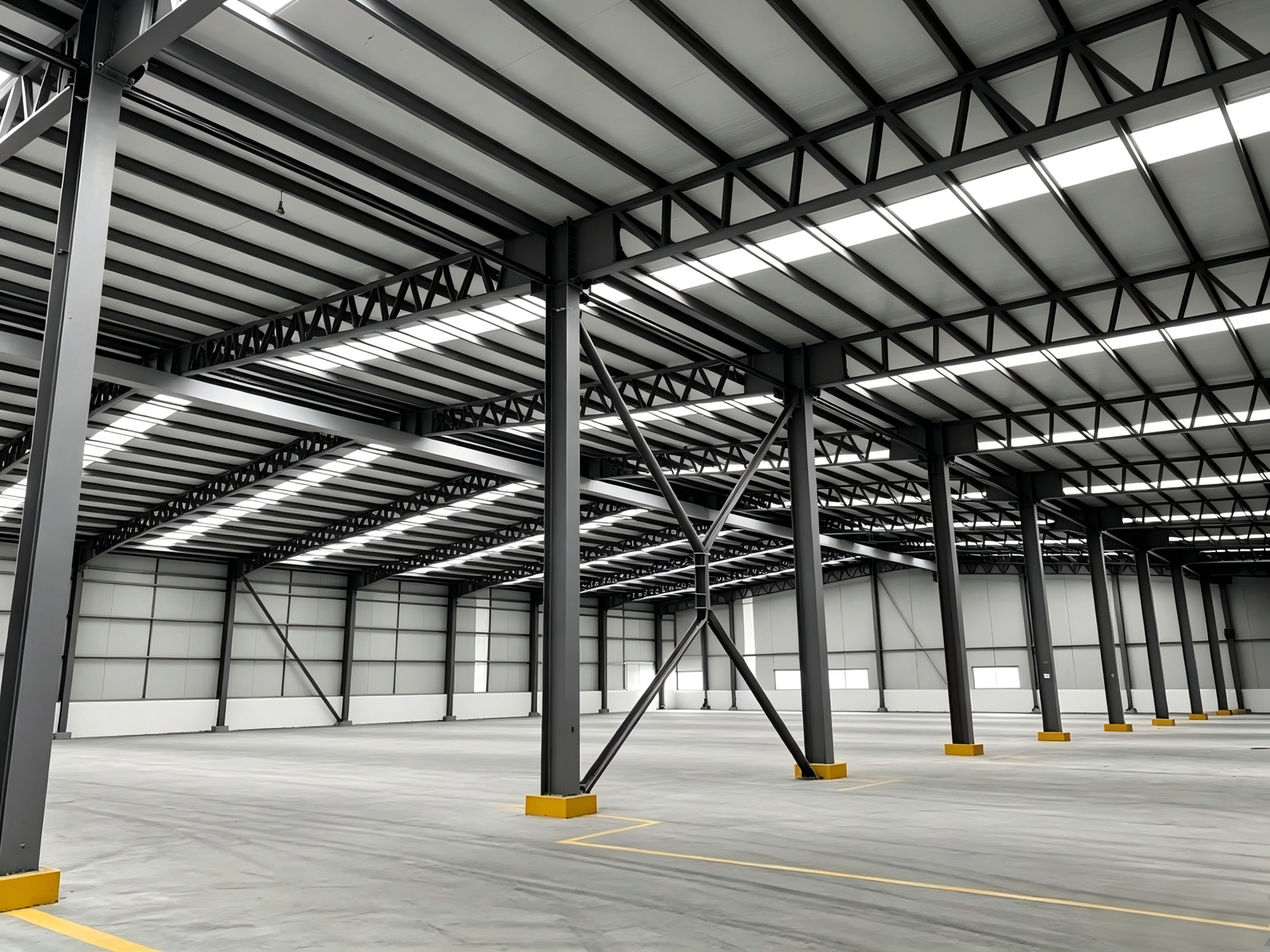
Стоманената ферма е структурна рамка, направена от взаимосвързани стоманени елементи, подредени в триъгълни конфигурации за ефективно разпределяне на товарите в конструкцията.
Стоманените ферми обикновено се произвеждат с помощта на:
Конструкционни стоманени тръби
Стоманени ъгли
Стоманени канали
Кухи профили
Заварени или болтови стоманени компоненти
Триъгълното разположение позволява на фермата да пренася ефективно както силите на натиск, така и силите на опън, като същевременно минимизира използването на материал.
Поради превъзходното им съотношение здравина към тегло, стоманените ферми се използват широко в:
Покривни системи
Мостове
Промишлени сгради
Складове
Кули
Стадиони
Самолетни хангари
За изработени по поръчка стоманени структурни части и решения за прецизно производство на метал, можете също да изследвате TOPS Прецизни CNC машинни услуги и Услуги за производство на ламарина.
Основни компоненти на стоманена ферма
Разбирането на основните компоненти на стоманена ферма помага да се обясни как конструкцията се справя с натоварванията.
Топ акорд
Горният хоризонтален или наклонен елемент, който основно изпитва сили на натиск.
Долен акорд
Долният елемент, който обикновено изпитва сили на опън.
Вертикални членове
Вертикални стоманени компоненти, свързващи горните и долните корди.
Диагонални членове
Наклонени стоманени елементи, отговорни за разпределянето на силите на опън и натиск.
Стави или възли
Точки на свързване, където елементите са заварени или закрепени заедно.
Предимства на стоманените ферми
Стоманените ферми са предпочитани пред традиционните структурни системи, защото предлагат няколко важни предимства.
Високо съотношение на якост към тегло
Стоманата осигурява отлична здравина на конструкцията без прекомерно тегло.
Възможност за дълъг обхват
Стоманените ферми могат да обхващат големи разстояния, без да изискват междинни опори.
По-бързо строителство
Сглобяемите стоманени ферми намаляват труда на място и времето за монтаж.
Гъвкавост на дизайна
Стоманените ферми могат да поемат различни архитектурни стилове и покривни профили.
Отлична издръжливост
Стоманените ферми са устойчиви:
Термити
гниене
Повреда от влага
Изкривяване
По -ниски материални отпадъци
Съвременните методи на производство подобряват ефективността на производството и намаляват отпадъците.
За прецизно произведени стоманени компоненти и производствена поддръжка, Посетете TOPS Прецизно производство.
Фактори, които трябва да имате предвид при избора на стоманена ферма
Изборът на подходящ дизайн на стоманена ферма зависи от множество инженерни и архитектурни фактори.
Дължина на обхвата
Различните конструкции на ферми са оптимизирани за кратко, среден, или дълги участъци.
Структурни натоварвания
Инженерите трябва да оценят:
Мъртви товари
Живи товари
Натоварвания от вятър
Снежни натоварвания
Динамични натоварвания
Форма на покрива
Геометрията на покрива влияе върху подходящата конфигурация на фермите.
Височина на тавана
Някои ферми осигуряват сводести или повдигнати тавани.
Вентилация и естествено осветление
Промишлените сгради може да изискват специализирани ферми за дневна светлина и въздушен поток.
Бюджет
Някои конструкции на ферми са по-ефективни откъм материали и икономични.
Сложност на изработката
Сложните ферми може да изискват усъвършенствани процеси на заваряване и CNC производство.
За високопрецизни изработени стоманени части, използвани в структурни системи, проверка Услуги за производство на метал по поръчка.
Често срещани видове стоманени ферми и техните приложения
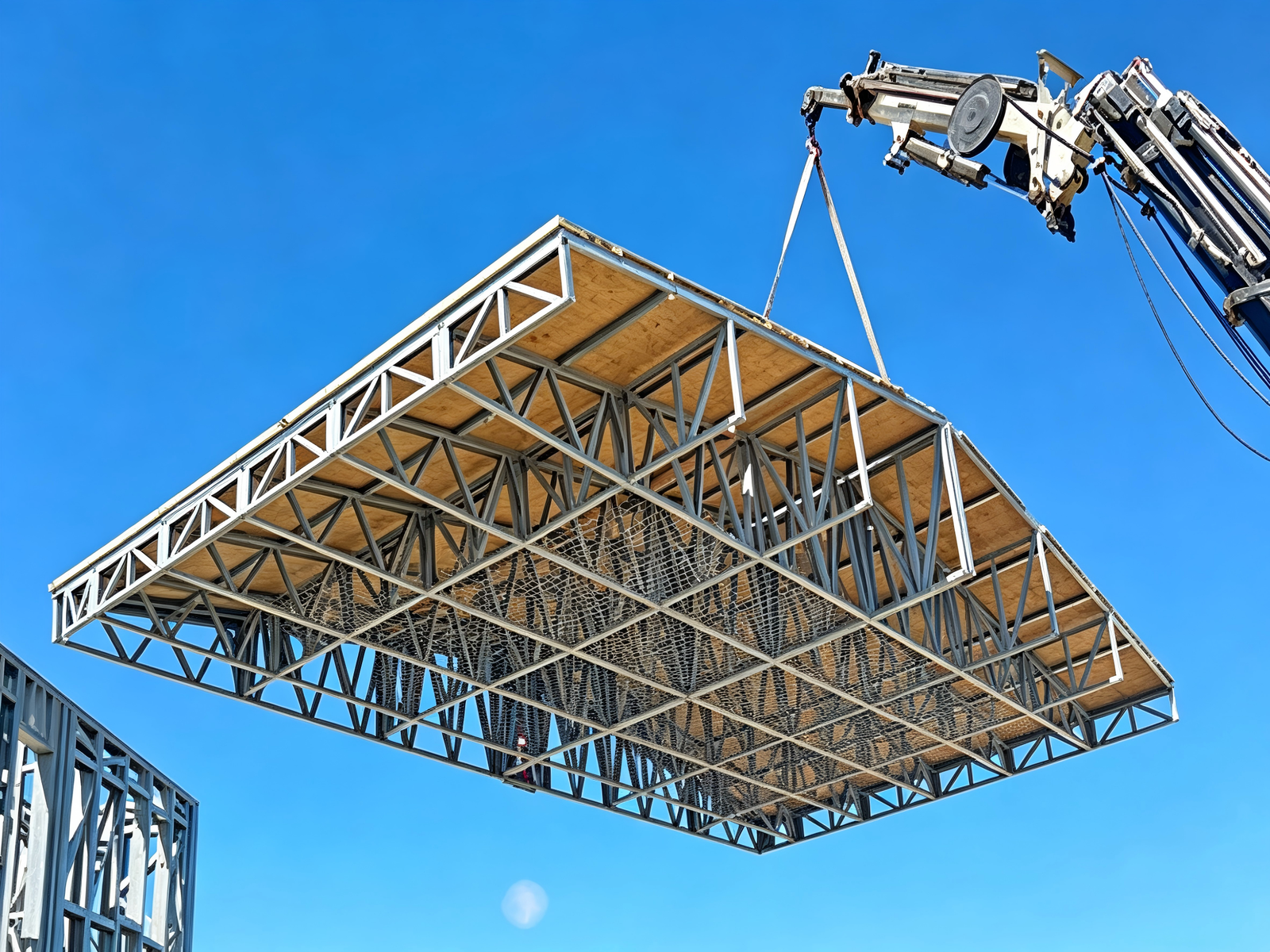
Стоманена ферма Fink
Стоманената ферма Fink е една от най-често използваните покривни ферми за жилищни сгради.
Той включва:
W-образни уеб елементи
Наклонени горни акорди
Отлично разпределение на натоварването
Типичен диапазон
5– 9 метра
Предимства
Лек дизайн
Отлично съотношение сила-тегло
Рентабилно производство
Лесен монтаж
Приложения
Жилищни домове
Гаражи
Малки търговски сгради
Покривни носещи системи
Фермата Fink се справя ефективно:
Натоварвания на покрива
Натрупване на сняг
Натоварвания от вятър
Натоварвания от трафика за поддръжка
Pratt Steel Truss
Характеристики на фермата Pratt:
Елементи за вертикално компресиране
Диагонални опънати елементи
Отличителна "N"-образна уеб конфигурация
Това е една от най-ефективните системи за ферми с голям размах.
Типичен диапазон
20– 100 метра
Предимства
Намалена консумация на материали
Ефективен при динамични натоварвания
Отлична структурна стабилност
По-ниско тегло на изработката
Приложения
Самолетни хангари
Големи складове
Промишлени сгради
Мостове
Покривни системи с голям обхват
Фермите Pratt са особено подходящи за конструкции, изложени на повдигане и сили на вятъра.
Уорън стоманена ферма
Фермата на Уорън използва поредица от равностранни триъгълници за равномерно разпределяне на товарите в конструкцията.
Кръстен на инженер Джеймс Уорън, този дизайн остава много популярен в съвременното строителство.
Предимства
Равномерно разпределение на силата
Лека конструкция
Проста изработка
Икономичен дизайн
Приложения
Железопътни мостове
Конвейерни системи
Търговски сгради
Индустриални покриви
Типичен диапазон
20– 100 метра
Поради своята простота и ефективност, фермата Warren се използва широко в модулни мостови системи.
Хоу стоманена ферма
Фермата Howe е структурно подобна на фермата Pratt, но с противоположно поведение на силата.
Той включва:
Елементи за диагонално компресиране
Елементи с вертикално напрежение
Типичен диапазон
7– 30 метра
Предимства
Отлична опора за тежки товари
Силна устойчивост на натиск
Надеждна структурна стабилност
Приложения
Железопътни мостове
Индустриални покривни системи
Складови конструкции
Тежки строителни проекти
Фермата Howe се представя изключително добре, когато тежките натоварвания са концентрирани върху горния пояс.
Стоманена ферма King Post
Фермата King Post е една от най-простите конфигурации на ферми.
Тя включва:
Един централен вертикален стълб
Два ъглови горни акорда
Проста триъгълна структура
Типичен диапазон
5– 10 метра
Предимства
Ниски производствени разходи
Лесен монтаж
Минимално използване на материал
Приложения
Жилищни покриви
Малки заслони
Гаражи
Мостове с малък пробег
Фермата King Post е много икономична за малки строителни проекти.
Стоманена ферма Queen Post
Фермата Queen Post разширява дизайна на King Post, като използва два вертикални опорни стълба.
Типичен диапазон
8– 12 метра
Предимства
Възможност за по-дълъг обхват
Подобрена стабилност
Атрактивен външен вид
Лека конструкция
Приложения
Жилищни покриви
Покрити мостове
Малки търговски структури
Неговият дизайн с двоен стълб намалява концентрацията на напрежение в центъра на долния пояс.
North-Light стоманена ферма
Фермите North-light са специално проектирани за промишлени сгради, изискващи естествена дневна светлина.
Те се отличават:
Остъклени вертикални повърхности
Асиметрични покривни профили
Подобрена способност за вентилация
Типичен диапазон
20– 30 метра
Предимства
Намалени разходи за осветление
Енергийна ефективност
Подобрени условия на работа на закрито
Приложения
Производствени предприятия
Промишлени цехове
Складове
Производствени мощности
Остъклената страна обикновено е ориентирана на север, за да се сведе до минимум слънчевата топлина.
Стоманена ферма със зъбен трион
Фермите с триони наподобяват ферми от северната светлина, но имат повтарящи се шарки на ръбове.
Предимства
Отлично разпределение на дневната светлина
Подобрена вентилация
Намалено натрупване на слънчева топлина
Приложения
Многоетажни промишлени сгради
Фабрики
Производствени цехове
Големи производствени халета
Тези ферми обикновено се използват, когато се изисква постоянно естествено осветление.
Плоска стоманена ферма
Плоските стоманени ферми използват успоредни горни и долни корди, свързани с диагонални елементи.
Предимства
Проста изработка
Икономичен дизайн
Подходящо за сгради с ниска проходимост
Приложения
Сгради с плосък покрив
Системи за поддържане на пода
Индустриални платформи
Търговски структури
Плоските ферми са идеални, когато височината на конструкцията е ограничена.
Стоманена опора за ножици
Ножичните ферми използват кръстосани долни корди, за да създадат сводести тавани.
Типичен диапазон
До 50 метра
Предимства
Увеличена вътрешна височина на тавана
Подобрена естетика
По-добра архитектурна гъвкавост
Приложения
Църкви
Аудитории
Жилищни домове
Търговски зали
Поради сложната им геометрия, ножичните ферми са по-скъпи от по-простите ферми.
Стоманена ферма за вентилатор
Вентилаторната ферма наподобява фермата Fink, но включва допълнителни елементи на мрежата за подобрено разпределение на натоварването.
Типичен диапазон
10– 40 метра
Предимства
По-висока товароносимост
По-добра структурна ефективност
Подходящ за по-големи разстояния
Приложения
Търговски сгради
Индустриални покриви
Големи жилищни конструкции
Ферма за тавански покрив
Таванските ферми са проектирани да създават използваемо вътрешно покривно пространство.
Предимства
Интегрирано място за съхранение
Допълнителна жилищна площ
Ефективно пространство дизайн
Приложения
Жилищни домове
Преустройства на таванско помещение
Сгради, изискващи складови помещения
Тази ферма съчетава структурна опора с функционално вътрешно пространство.
Таблица за сравнение на стоманени ферми
| Тип ферма | Типичен диапазон | Основно предимство | Общи приложения |
| Финк Трас | 5–9м | Икономичен покрив | Жилищни домове |
| Прат Трас | 20–100м | Ефективна опора с дълъг обхват | Хангари, мостове |
| Уорън Тръс | 20–100м | Равномерно разпределение на натоварването | Мостове, кранове |
| Хау Тръс | 7–30м | Устойчивост на голямо натоварване | Промишлени сгради |
| King Post | 5–10м | Опростен дизайн | Малки покриви |
| Queen Post | 8–12м | Възможност за по-дълъг обхват | Жилищни покриви |
| Северна светлина | 20–30м | Естествено осветление | Фабрики |
| Зъб на триона | Променлива | Оптимизация на дневната светлина | Промишлени предприятия |
| Плоска ферма | Променлива | Профил с ниска височина | Плоски покриви |
| Ножици Truss | До 50м | Сводести тавани | Аудитории |
| Вентилаторна ферма | 10–40м | Подобрена товароносимост | Търговски сгради |
| Таванска ферма | Променлива | Създаване на вътрешно пространство | Жилищни домове |
Изработка и производство на стоманени ферми
Модерните стоманени ферми изискват прецизна изработка, за да се гарантира:
Структурна цялост
Размерна точност
Дългосрочна издръжливост
Общите производствени процеси включват:
CNC рязане
Лазерно рязане
Заваряване
Огъване
Повърхностно завършване
Прахово покритие
Поцинковане
Усъвършенстваните производствени технологии се подобряват:
точност
Повтаряемост
Скорост на производство
За проекти за производство на стомана по поръчка, изследвайте:
Съображения за проектиране на стоманени ферми
Преди да изберете система от стоманени ферми, инженерите трябва да оценят няколко технически изисквания.
Структурни натоварвания
Изчислете:
Мъртви товари
Живи товари
Снежни натоварвания
Налягане на вятъра
Сеизмични натоварвания
Избор на материал
Общите материали включват:
Мека стомана
Въглеродна стомана
Поцинкована стомана
Неръждаема стомана
Защита на корозия
Защитните покрития подобряват експлоатационния живот в тежки условия.
Строителни норми
Всички системи за ферми трябва да отговарят на местните структурни стандарти и разпоредби за безопасност.
Предимства на стоманените ферми пред дървените ферми
По-висока сила
Стоманата поддържа по-тежки товари и по-дълги разстояния.
По-добра пожароустойчивост
Стоманата не се запалва като дървото.
По-дълъг живот
Стоманените конструкции са устойчиви на гниене и увреждане от насекоми.
По-ниска поддръжка
Стоманените ферми изискват по-малко дългосрочна поддръжка.
Прецизна изработка
Производството с ЦПУ подобрява последователността на размерите.
Общи промишлени приложения на стоманени ферми
Стоманените ферми се използват в множество индустрии.
Жилищни сгради
Системи за покривни рамки
Складове
Покривни системи с голям обхват
Производствени предприятия
Конструкции на промишлени цехове
Хангари за самолети
Отворени конструкции с голям обхват
Железопътни мостове
Структурна опора за голямо натоварване
Стадиони
Големи неподдържани покриви
Селскостопански постройки
Хамбари и складове
Заключение
Стоманените ферми остават една от най-надеждните и ефективни конструктивни системи в съвременното строителство. От малки жилищни покриви до масивни индустриални сгради и мостове, всеки тип ферма предлага уникални предимства в зависимост от:
Изисквания за обхват
Конструктивни натоварвания
Архитектурно проектиране
Бюджет
Функционални нужди
Изборът на правилния дизайн на стоманена ферма се подобрява:
Структурно изпълнение
Ефективност на строителството
Дългосрочна издръжливост
Обща рентабилност на проекта
Ако вашият проект изисква персонализирана прецизна метална изработка, CNC обработка, или производство на структурни компоненти, TOPS Прецизно производство осигурява професионална инженерна поддръжка и решения за производство по поръчка за индустриални и търговски приложения.
ЕAQs
1.Кой е най-здравият тип стоманена ферма?
Фермите Pratt и Warren са сред най-здравите и най-ефективни за приложения с голям обхват.
2.Коя стоманена ферма е най-добра за складове?
Прат, Уорън, и фермите Howe обикновено се използват за изграждане на складове поради отличните им характеристики при дълги разстояния.
3.Стоманените ферми по-добри ли са от дървените?
Оферта за стоманени ферми:
По -висока якост
По-добра издръжливост
По-дълъг живот
Подобрена пожароустойчивост
По-ниска поддръжка
4.Каква е разликата между фермите Pratt и Howe?
Основната разлика е в разпределението на силата:
Прат гащички: диагонални напрегнати елементи
Хоу ферма: диагонални компресионни елементи
5.Колко дълго издържат стоманените ферми?
С подходяща защита от корозия и поддръжка, стоманените ферми могат да издържат няколко десетилетия.


