



Бързото прототипиране бързо превръща CAD модел във физическа част, често в рамките на часове или дни, така че можете да тествате дизайн, преди да се ангажирате с производствени инструменти. Потвърждава годността, функция, външен вид, материали, и технологичност чрез 3D печат, CNC обработка, вакуум кастинг, или бърза инструментална екипировка. Ето какво трябва да знаете.
Как работи бързото създаване на прототипи?
Бързото прототипиране започва с 3D модел и завършва с физическа част, която можете да тествате.
- Изградете 3D CAD модел на детайла.
- Изберете процеса и материала.
- Направете частта чрез печат, механична обработка, кастинг, или формоване.
- Тествайте и измерете резултата.
- Повторете дизайна и повторете.
Бързото прототипиране намалява времето и разходите за промени в дизайна, тъй като валидирате детайла, преди да се ангажирате с производствени инструменти.
Какви са основните типове бързи прототипи?
Изберете типа прототип, който съответства на това, което трябва да научите за дизайна.
| Тип прототип | Какво валидира | Типичен процес |
| Концептуален прототип | Основна форма и идея | FDM, Сла |
| Визуален прототип | Външен вид, размер, ергономичност | Сла, PolyJet |
| Функционален прототип | Fit, монтаж, механична функция | ЦПУ, SLS, mjf |
| Инженерен прототип | Материал, толерантност, изпълнение | CNC обработка |
| Предпроизводствен прототип | Производствен дизайн и технологичност | ЦПУ, бързо формоване |
Процесът трябва да следва това, което валидирате. Визуалният прототип не се нуждае от производствен материал. Един функционален инженерен прототип може да се нуждае от същата сплав, толерантност, и повърхностно покритие, планирано за производство.
Какви са основните методи за бързо създаване на прототипи?
Методите за бързо създаване на прототипи спадат към адитивните, изваждане, и семейства с меки инструменти.
3D Печат
3D печатът изгражда части слой по слой. Най-подходящ е за сложна геометрия и ранни проверки на дизайна.
- FDM е евтин за концептуални и функционални прототипи.
- SLA дава гладки повърхности и фини детайли.
- SLS осигурява издръжливи найлонови части със сложна геометрия.
- MJF предоставя функционални полимерни прототипи и малки партиди.
- Металният 3D печат подхожда на сложни метални части, които са трудни за обработка.
CNC обработка. CNC машинната обработка изрязва части от твърд материал. Той произвежда функционални метални и пластмасови прототипи с подобни на производството свойства.
Вакуум кастинг. Вакуумното леене използва силиконова форма, за да направи повтарящи се пластмасови части. Подходящ е за малки партиди 10 да се 50 копия.
Бързо леене под налягане. Бързото леене под налягане използва меки алуминиеви форми за производство на формовани части, подобни на производството. Подхожда на мостови количества преди пълно производство.
Производство на ламарина. Производството на ламарина реже и огъва листове за шкафове, скоби, и панели.
Как се сравняват методите за бързо създаване на прототипи?
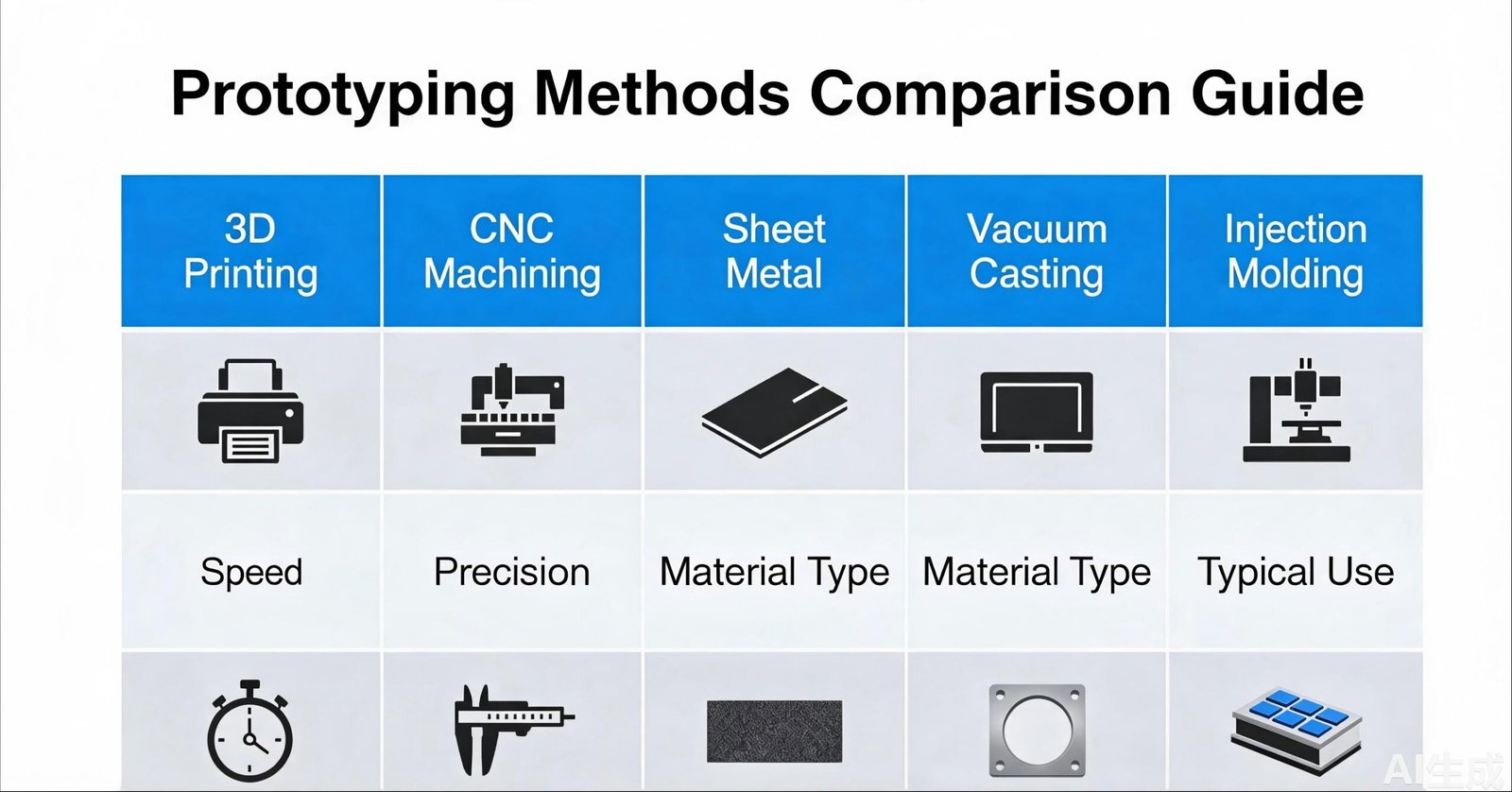
| Метод | Най -доброто за | Материална вярност | Необходими инструменти | Типично количество | Основно ограничение |
| FDM / Сла | Концепция и визуални модели | Ниска средна | не | 1-20 | Свойствата може да се различават от производството |
| SLS / mjf | Функционални пластмасови части | Средно-високо | не | 1-100+ | Ограничени възможности за повърхност и материали |
| CNC обработка | Функционални метални и пластмасови прототипи | високо | Без твърди инструменти | 1-100+ | Граници на геометрията и разходи за обработка |
| Вакуум кастинг | Повтарящи се пластмасови части | Среден | Силиконова форма | 10-50 | Живот на матрицата и еквивалентност на материала |
| Бързо леене под налягане | Производствени формовани части | Много високо | Необходим е калъп | Десетки до хиляди | По-високи първоначални разходи за инструменти |
| Изработка на ламарина | Скоби и заграждения | високо | Обикновено минимално | 1 до стотици | Ограничено до геометрията на листа |
Какви материали се използват за бързо създаване на прототипи?
Пластмасите покриват повечето прототипи. Металите са често срещани, когато тестът трябва да съответства на производството.
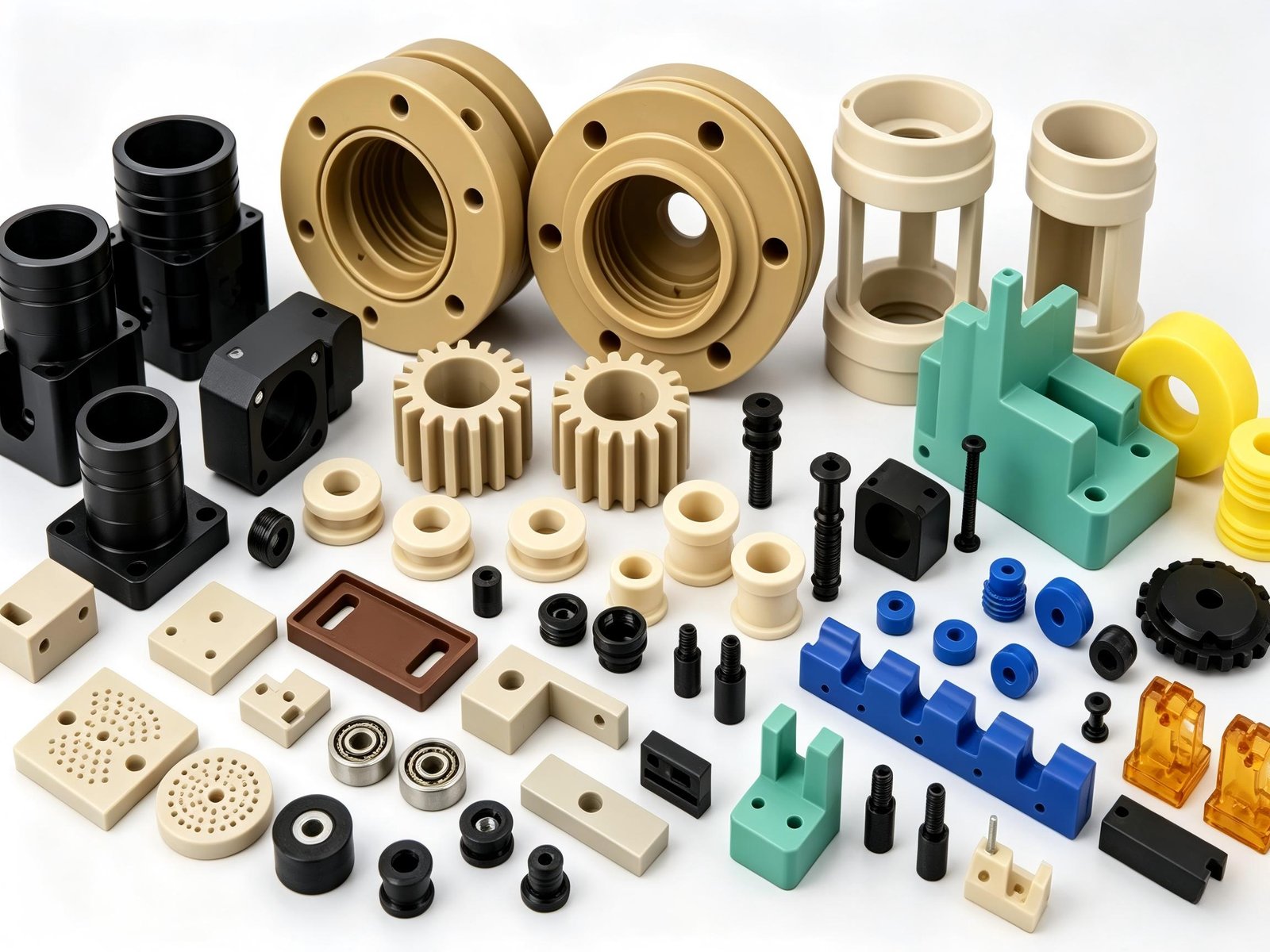
- Пластмаси: коремни мускули, найлон, PEEK, акрил, поликарбонат, и леярски смоли.
- Метали: алуминий, стомана, неръждаема стомана, и титан.
- Композити и керамика за специализирани изпитвания.
За функционални и инженерни прототипи, използвайте крайния производствен материал, или такъв със сравнима механика, топлинна, и химични свойства, когато е практично. За концепция или визуални прототипи, може да са достатъчни заместители с по-ниска цена.
Изборът на материал трябва да зависи от това какво валидирате: напасване по размери, Механична якост, Температурно съпротивление, химическа устойчивост, външен вид на повърхността, поведение при сглобяване, електрически свойства, или излагане на околната среда. Вижте Материали за CNC обработка за сравняване на опции.
Бързо създаване на прототипи срещу 3D принтиране срещу бързо създаване на инструменти
| Термин | Значение |
| Бързо прототипиране | Бързо производство на части за валидиране на дизайна |
| 3D печат | Допълнителен процес, който обикновено се използва за прототипи |
| Бърза инструментална екипировка | Бързо производство на форми, умира, или инструментална екипировка за производство на прототип или мост |
Бързото прототипиране описва подхода за разработка. 3D печатът описва производствен процес. 3D печатът е един от начините за производство на бързи прототипи, но CNC обработка, вакуум кастинг, изработка на ламарина, и бързо формоване също се използват.
Какви са предимствата на бързото създаване на прототипи?
Бързото прототипиране компресира цикъла на проектиране и намалява риска.
- Доставя части за дни вместо седмици.
- Поддържа бързи итерации на дизайна.
- Той улавя грешки преди ангажименти за инструменти.
- Той дава на заинтересованите страни физическа част за преглед.
- Позволява функционално тестване с подходящи материали.
- Може да произвежда малки обеми мостове преди производството.
Какви са ограниченията на бързото създаване на прототипи?
Прототипът не винаги е идентичен с производствената част.
- 3D-отпечатаните части могат да се различават по здравина и повърхност от формованите части.
- Прототипните материали може да не съответстват на крайната производствена степен.
- Разходите за единична бройка са по-високи от масовото производство.
- Много големите обеми се обслужват по-добре от производствените процеси.
Интерпретирайте резултатите от теста според това колко точно прототипът съответства на производствения материал и процеса. Обработеният с CNC производствен материал може да даде силно функционално валидиране. 3D отпечатан заместител може да е по-добър за геометрия или тестване на ранен етап.
Къде се използва бързото прототипиране?
| Приложение | Типичен пример | Общ метод |
| Разработка на продукти | Корпуси за електроника | 3D печат или CNC |
| Медицински изделия | Подходящи и функционални модели | 3D печат или CNC |
| Автомобилна | Скоби и панели | CNC или бързо формоване |
| Индустриална автоматизация | Инструментална екипировка в края на рамото | FDM или SLS |
| Маркетинг | Вижте модели | Сла |
| Преодоляване на производството | Първоначални ниски обеми | Бързо леене под налягане |
Как да изберем метод за бързо създаване на прототипи
Изберете процеса според тези шест фактора.
- Какво валидирате? Външен вид, годни, толерантност, сила, термична производителност, или осъществимост на производството.
- Има ли значение материалната еквивалентност? Ако да, изберете CNC обработка или подобно на производство формоване.
- Колко сложна е геометрията? Адитивните процеси са подходящи за вътрешни канали и форми, които са трудни за обработка.
- Какви допустими отклонения са необходими? Строгите изисквания към размерите може да благоприятстват обработката с ЦПУ.
- Колко части са ви необходими? Един прототип и 200 частите на моста имат различна икономика.
- Ще се промени ли дизайнът отново? Избягвайте специални инструменти, когато остават вероятни големи ревизии.
За метални части, нашите CNC прототипиране сервиз произвежда части от солидна наличност. Прочетете нашите Ръководство за обработка на CNC прототип и как да направите метален прототип за повече подробности.
Съвети за DFM за бързо създаване на прототипи
Имайте предвид тези точки, преди да изпратите чертеж на прототип.
- Избягвайте ненужните тесни толеранси.
- Идентифицирайте критичните размери на 2D чертежа.
- Посочете материал, клас, и темперамент, където функцията зависи от тях.
- Избягвайте много дълбоки кухини и тънки стени при обработка.
- Отделни козметични и функционални изисквания за повърхност.
- Посочете вложки с резба, нишки, и свързващи интерфейси.
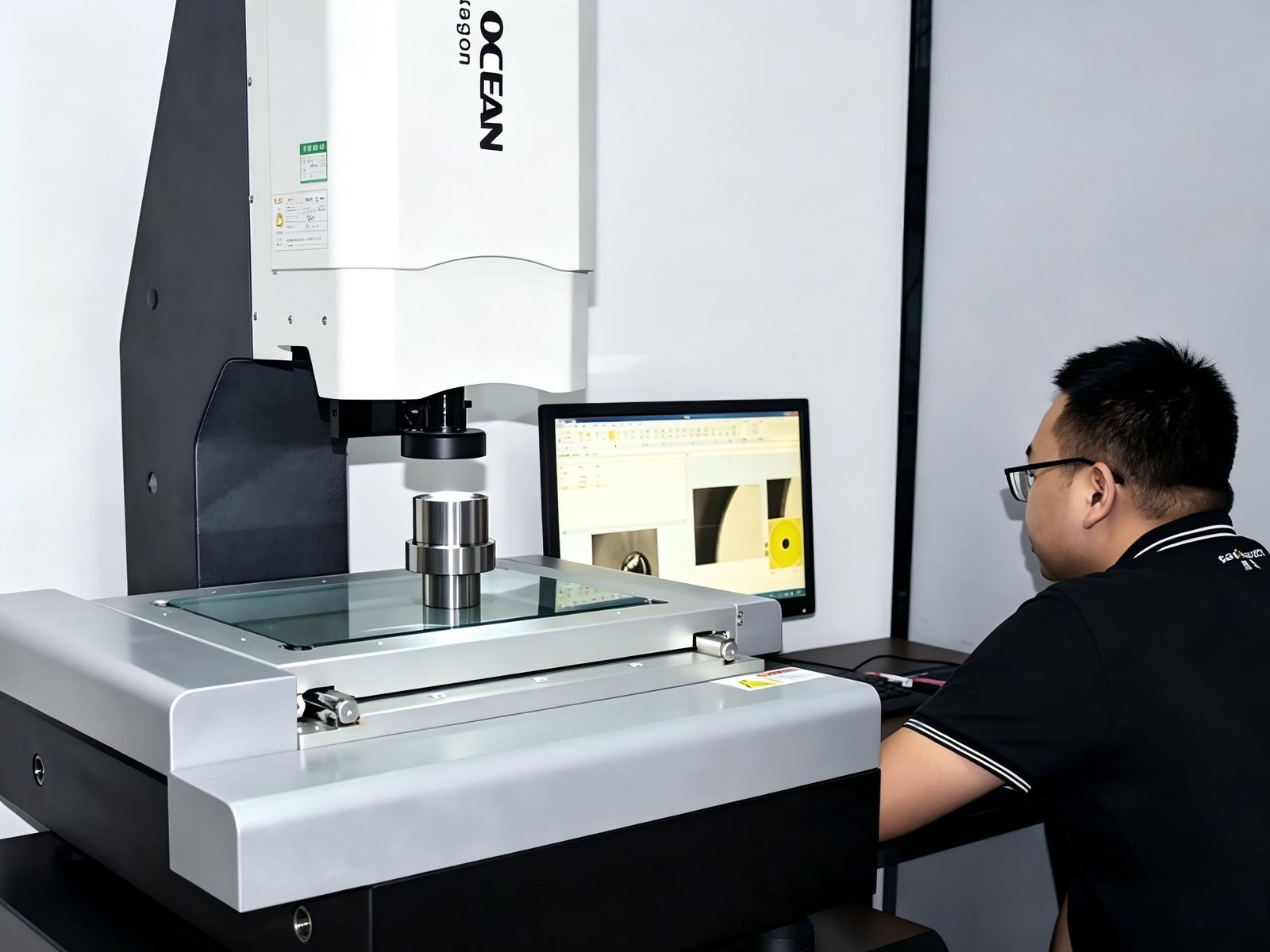
- Посочете кои размери изискват доклади от инспекции.
- Кажете на доставчика какво е предназначен да валидира прототипът.
Споделянето на предвидената цел на теста позволява на производителя да препоръча процес, който отговаря на инженерните изисквания, без ненужно увеличаване на разходите.
Колко струва бързото създаване на прототипи?
Цената зависи от метода, материал, размер, сложност, количество, и завършете.
| Двигател на разходите | Защо променя цената |
| Размер на частта | Повече материал и машина или време за изграждане |
| Геометрия | Комплексните функции увеличават времето за обработка |
| Материал | Инженерните пластмаси и специалните метали струват повече |
| Толерантност | По-строгите толеранси изискват по-контролирано производство и проверка |
| Повърхностно покритие | Полиране, анодиране, и операции за добавяне на рисуване |
| Количество | Цената за настройка се разпределя на повече части |
| Инструментална екипировка | Вакуумното леене и формоване изискват форми |
| Време за изпълнение | Спешната доставка може да ограничи възможностите за обработка |
Офертата ви дава реалния брой за вашата конкретна част.
CNC бързо прототипиране за функционални части
За функционални метални и инженерно-пластмасови прототипи, TOPS Precision използва CNC фрезоване и струговане, за да произвежда части директно от твърди материали. Този подход работи, когато прототипът се нуждае от производствени качества на материала, Тесен размерен контрол, нишки, свързващи интерфейси, или представителни за производството повърхностни покрития.
Ние машини 100+ метали и пластмаси по ISO 9001:2015 система за качество. За подходящи проекти, функционалните прототипи обикновено се завършват през 1-3 дни. Изпращането на чертеж стартира безплатен DFM преглед и препоръка за процеса.
често задавани въпроси
За какво се използва бързото прототипиране?
Използва се за тестване на формата, годни, функция, външен вид, и технологичност преди производствената инструментална екипировка.
Дали 3D принтирането е същото като бързото прототипиране?
не. 3D печатът е един бърз метод за създаване на прототипи. CNC обработка, вакуум кастинг, и бързо формоване са други.
Колко време отнема бързото прототипиране?
Обикновено дни. Точното време зависи от метода, материал, сложност, и количество.
Колко струва бързото прототипиране?
Зависи от размера, геометрия, материал, толерантност, завършек, количество, и инструментална екипировка. Цитат дава истинското число.
Каква е разликата между бързото прототипиране и бързото инструментиране?
Бързото прототипиране прави примерни части. Rapid tooling прави калъпи или умира бързо за производство на прототипи или мостове.
Кой метод за бързо създаване на прототипи е най-подходящ за метални части?
CNC машинната обработка обикновено е най-добра за функционални метални прототипи, тъй като използва производствен материал и поддържа строги допуски.
Получете оферта за вашия прототип
Изпратете своя 3D CAD файл, 2D рисунка, материал, количество, и изисквания за завършване. Нашите инженери ще прегледат дизайна, препоръчайте най-бързия надежден метод, и цитирайте вашия прототип, преди да се ангажирате с инструменти.


