



エンジンには並外れた精度が要求されます, 耐久性, そしてパフォーマンス. 乗用車に使用されるかどうか, レーシングカー, 海洋機器, aerospace systems, or industrial machinery, engine components must withstand extreme temperatures, pressures, and mechanical loads.
ここが CNC加工 plays a critical role. By delivering tight tolerances, 優れた表面仕上げ, and excellent repeatability, CNC machining has become the preferred manufacturing method for producing high-performance engine components.
この包括的なガイドで, we’ll explore CNC machined engine components, 製造プロセス, 材料, 利点, quality requirements, and how to choose the right CNC machining supplier for your engine projects.
What Are CNC Machined Engine Components?
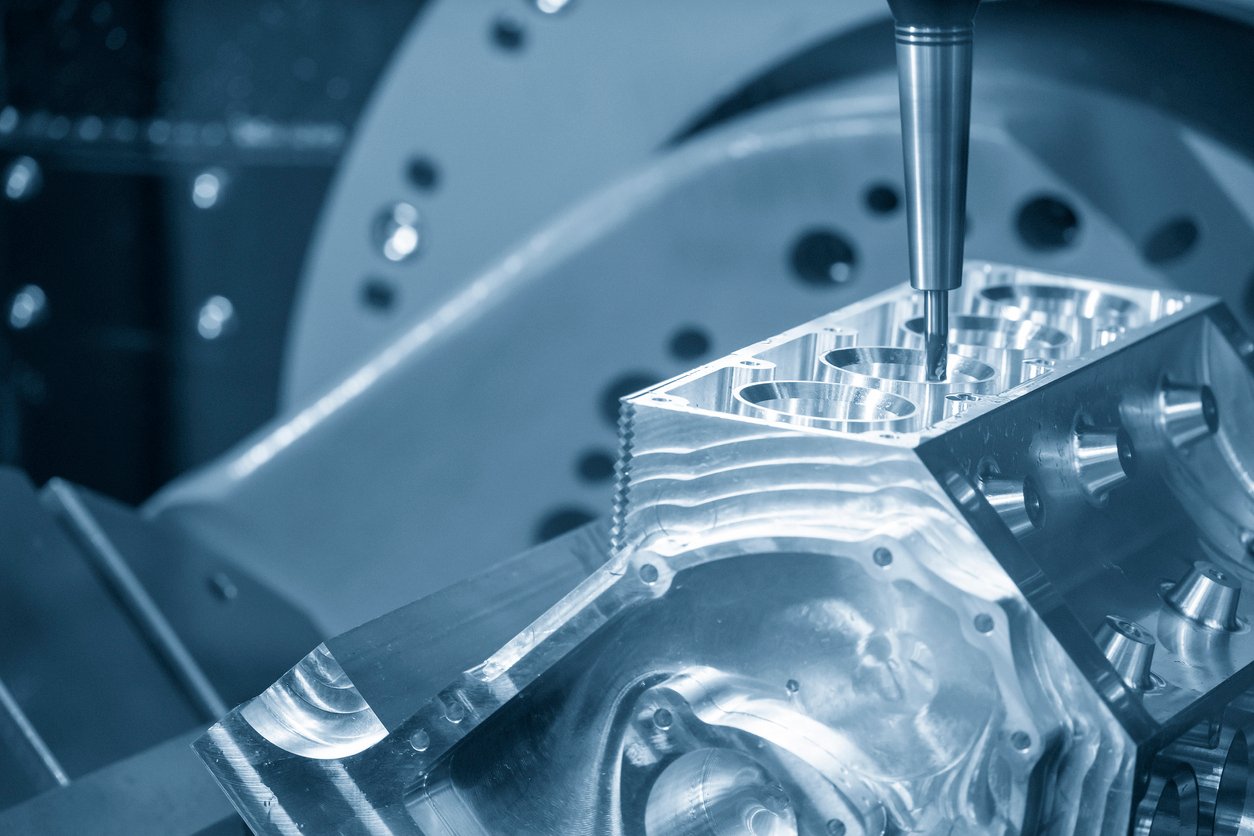
CNC machined engine components are precision-engineered parts manufactured using Computer Numerical Control (CNC) テクノロジー. CNC machines follow programmed instructions to remove material from a solid workpiece and produce highly accurate parts with complex geometries.
Engine components require exceptional dimensional accuracy because even minor deviations can affect:
Combustion efficiency
Fuel economy
Engine power output
放熱
信頼性
Service life
Unlike conventional machining methods, CNC machining offers consistent quality, 再現性, およびスケーラビリティ, making it ideal for both prototype development and mass production.
Why Engine Parts Require Precision Machining
Engine systems operate under demanding conditions:
High rotational speeds
Extreme temperatures
Continuous friction
Heavy mechanical loads
Constant vibration
To ensure optimal performance, critical components such as cylinder heads, ピストン, クランクシャフト, and valve assemblies must be manufactured with extremely tight tolerances and excellent surface finishes.
Even a small dimensional error can result in:
Oil leakage
Increased wear
Reduced compression
Poor fuel efficiency
Premature component failure
Why CNC Machining Is Essential for Engine Manufacturing
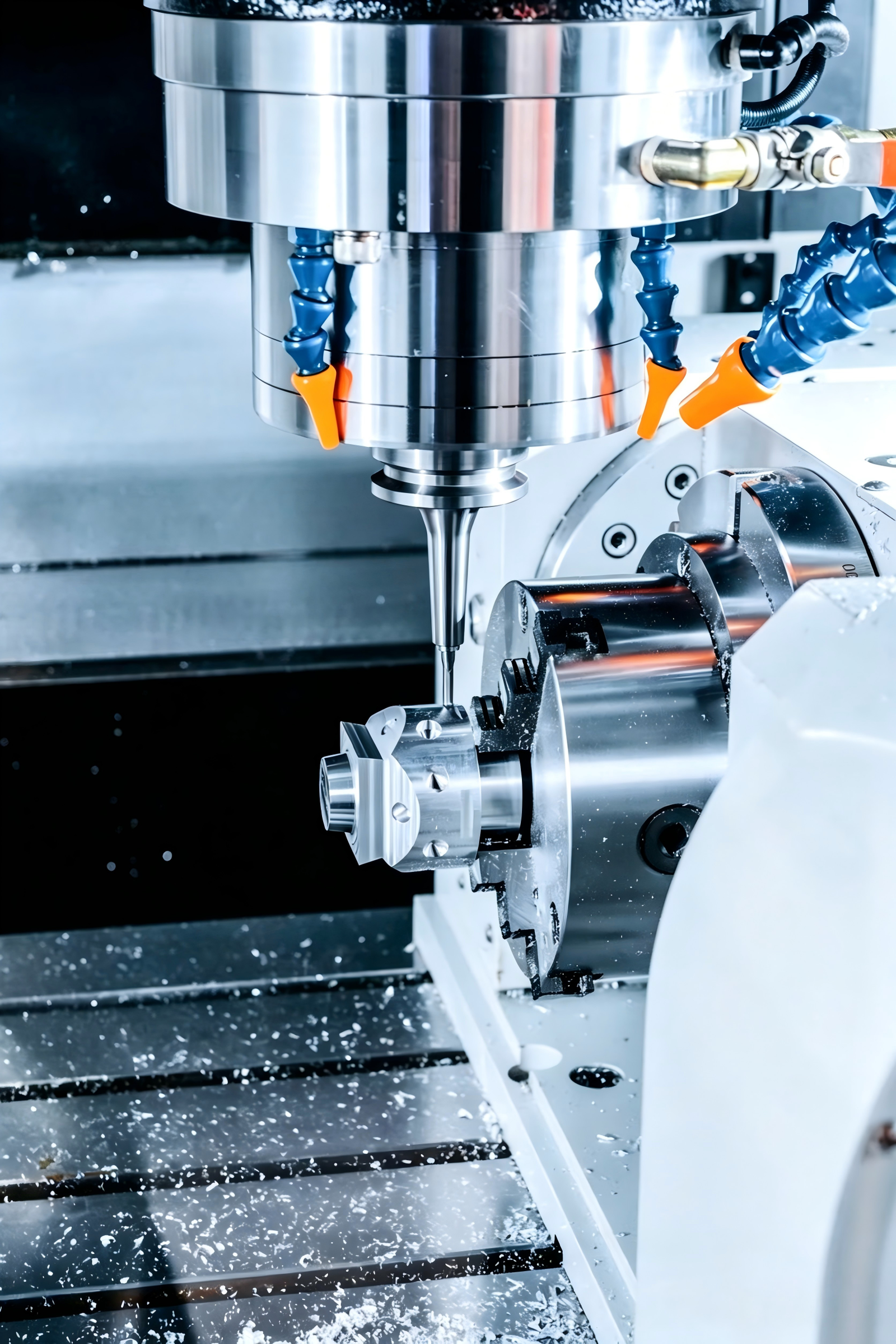
卓越した精度
Modern CNC machines can achieve tolerances as tight as ±0.002 mm, ensuring perfect component fit and assembly.
Outstanding Repeatability
Once a machining program is optimized, thousands of identical parts can be produced with minimal variation.
Complex Geometry Capability
Engine designs continue to evolve with more intricate cooling passages, 燃焼チャンバー, and lightweight structures. CNC machining enables the production of these complex features with ease.
Faster Production Cycles
Automated machining reduces manual intervention and shortens lead times.
材料廃棄物の削減
Advanced CAM software optimizes cutting paths, minimizing waste and reducing production costs.
幅広い材料互換性
CNC加工で幅広い材質に対応, 含む:
アルミニウム合金
ステンレス鋼
炭素鋼
チタン
鋳鉄
ニッケル合金
Common Materials Used for CNC Machined Engine Parts
Material selection directly affects engine performance, 重さ, 耐久性, and manufacturing costs.
アルミニウム合金
Aluminum is widely used in modern engine manufacturing.
アプリケーション
シリンダーヘッド
エンジンブロック
Intake manifolds
Timing covers
利点
軽量
優れた熱伝達
耐食性
良好な機械加工性
ステンレス鋼
Stainless steel offers excellent corrosion and heat resistance.
アプリケーション
バルブ
排気コンポーネント
Fuel system parts
利点
高強度
Oxidation resistance
長寿命
合金鋼
Alloy steels are commonly used for highly stressed engine components.
アプリケーション
クランクシャフト
カムシャフト
コンロッド
利点
高疲労強度
優れた耐摩耗性
優れた靭性
チタン
Titanium is frequently used in high-performance and racing engines.
アプリケーション
Intake valves
コンロッド
Turbocharger components
利点
非常に軽量
高い強度重量比
Excellent temperature resistance
鋳鉄
アルミより重いですが, cast iron remains popular for specific engine applications.
アプリケーション
シリンダーライナー
エンジンブロック
Heavy-duty diesel engines
利点
優れた耐摩耗性
Good vibration damping
費用対効果が高い
CNC Machining Processes Used for Engine Components
Different engine components require different machining operations.
CNCフライス加工
CNC milling uses rotating cutting tools to remove material from a stationary workpiece.
Typical Engine Parts
シリンダーヘッド
Intake manifolds
エンジンハウジング
Water pump housings
利点
Complex geometry creation
Multi-axis capability
高次元精度
CNC旋削加工
Turning rotates the workpiece while a cutting tool removes material.
Typical Engine Parts
ピストン
クランクシャフト
カムシャフト
Valve stems
利点
Excellent concentricity
滑らかな表面仕上げ
Efficient production of cylindrical components
CNC穴あけ加工
Drilling creates precise holes and channels.
アプリケーション
Oil passages
Coolant channels
Mounting holes
Fuel delivery pathways
利点
High positional accuracy
Fast production speed
再現可能な結果
CNC Boring
Boring enlarges and refines pre-existing holes.
アプリケーション
Cylinder bores
ベアリングハウジング
トランスミッションハウジング
利点
Improved roundness
Enhanced dimensional accuracy
より良い表面仕上げ
CNC研削
Grinding is a precision finishing operation.
アプリケーション
Crankshaft journals
Camshaft lobes
バルブシート
利点
厳しい許容範囲
Superior surface quality
Enhanced wear resistance
CNC Honing
Honing is primarily used to finish cylinder bores.
利点
Improved oil retention
Reduced friction
Better piston ring sealing
Enhanced engine efficiency
CNC Lapping
Lapping produces extremely smooth and flat surfaces.
アプリケーション
バルブシート
Cylinder head mating surfaces
シール面
利点
Better sealing performance
Reduced leakage
Ultra-fine surface finish
放電加工 (放電加工)
EDM removes material using electrical sparks.
アプリケーション
Fuel injector components
Turbocharger parts
Precision mold tooling
複雑な内部空洞
利点
Machining hardened materials
複雑な形状
Burr-free results
Most Common CNC Machined Engine Components
エンジンブロック
The engine block forms the foundation of the engine assembly and contains cylinders, coolant passages, and oil galleries.
Cylinder Heads
Cylinder heads control airflow, fuel injection, and combustion processes.
Precision machining is essential to ensure proper sealing and airflow characteristics.
クランクシャフト
Crankshafts convert piston motion into rotational energy.
They require exceptional dimensional accuracy and surface finish.
カムシャフト
Camshafts regulate valve timing and significantly influence engine performance.
ピストン
Pistons must maintain tight clearances within cylinder bores while enduring high temperatures and pressures.
Connecting Rods
Connecting rods transfer force between pistons and the crankshaft.
They require excellent fatigue resistance and structural integrity.
Intake Manifolds
These components distribute air evenly to engine cylinders.
CNC machining enables optimized airflow designs.
Exhaust Manifolds
Exhaust manifolds collect and direct exhaust gases away from the engine.
Fuel Injector Components
Modern fuel systems require highly precise injector parts for accurate fuel delivery.
Turbocharger Components
Turbochargers contain complex housings, compressor wheels, and turbine components that often require advanced CNC machining.
CNC Machining Tolerances for Engine Parts
Precision is critical in engine manufacturing.
| Component | 一般的な許容差 |
| Cylinder Bore | ±0.005 mm |
| Crankshaft Journal | ±0.003 mm |
| Piston Diameter | ±0.005 mm |
| Valve Seat | ±0.002mm |
| Camshaft Features | ±0.003 mm |
Why Tight Tolerances Matter
Tighter tolerances provide:
Better compression
Reduced friction
燃費の向上
Lower emissions
より長い耐用年数
Quality Control for CNC Engine Components
Reliable engine components require rigorous inspection procedures.
測定機を調整します (三次元測定機)
CMM systems verify critical dimensions with exceptional accuracy.
表面粗さ試験
Surface finish affects sealing, 潤滑, and wear performance.
Material Certification
Raw material traceability ensures compliance with engineering specifications.
寸法検査
Each critical feature is inspected against design requirements.
機能テスト
Certain engine components undergo pressure testing, fit testing, or performance verification before shipment.
Industries That Use CNC Machined Engine Parts
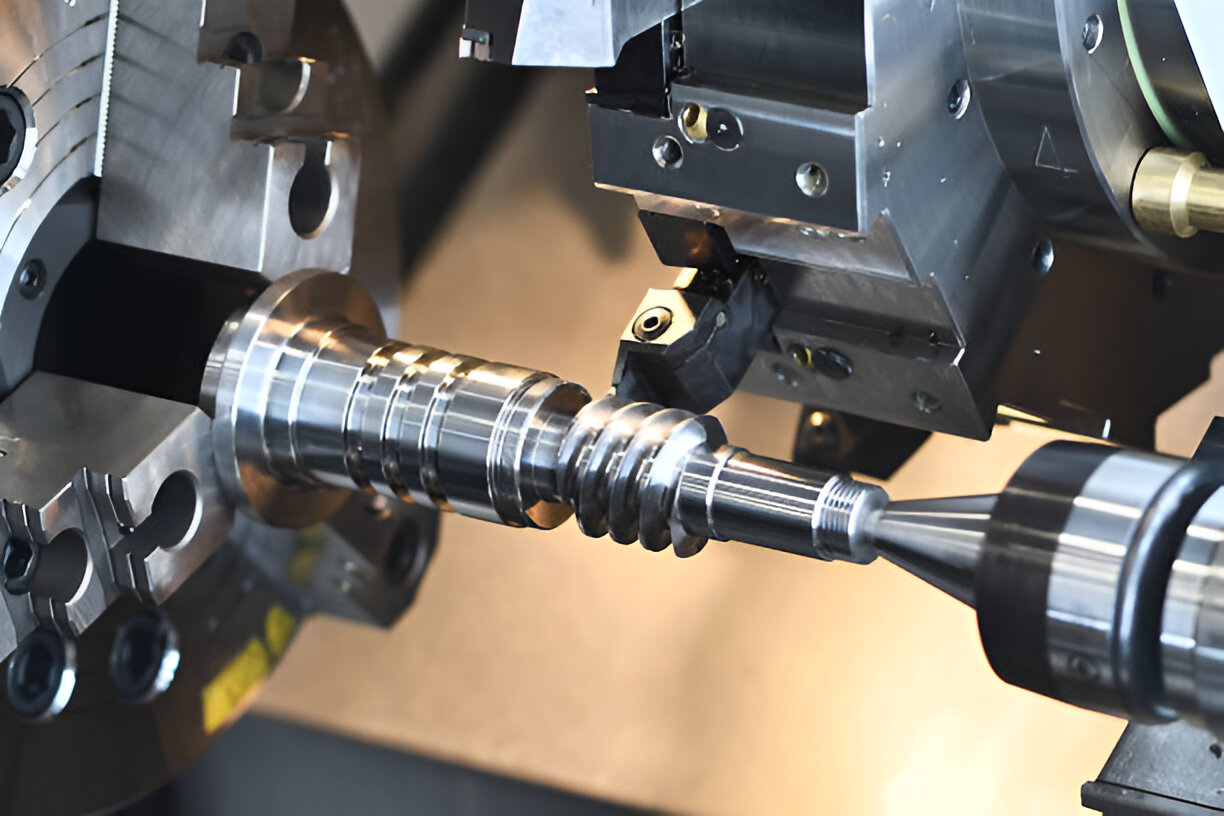
自動車産業
乗用車, commercial trucks, and electric vehicle range-extender engines rely heavily on CNC-machined components.
Motorsport and Racing
High-performance racing engines demand extremely tight tolerances and lightweight materials.
航空宇宙
Aircraft engines require precision-machined parts capable of withstanding extreme operating conditions.
海洋産業
Marine engines operate in harsh environments and require corrosion-resistant components.
産業機械
Generators, compressors, and heavy equipment use durable CNC-machined engine components.
Advantages of Choosing a Professional CNC Machining Supplier
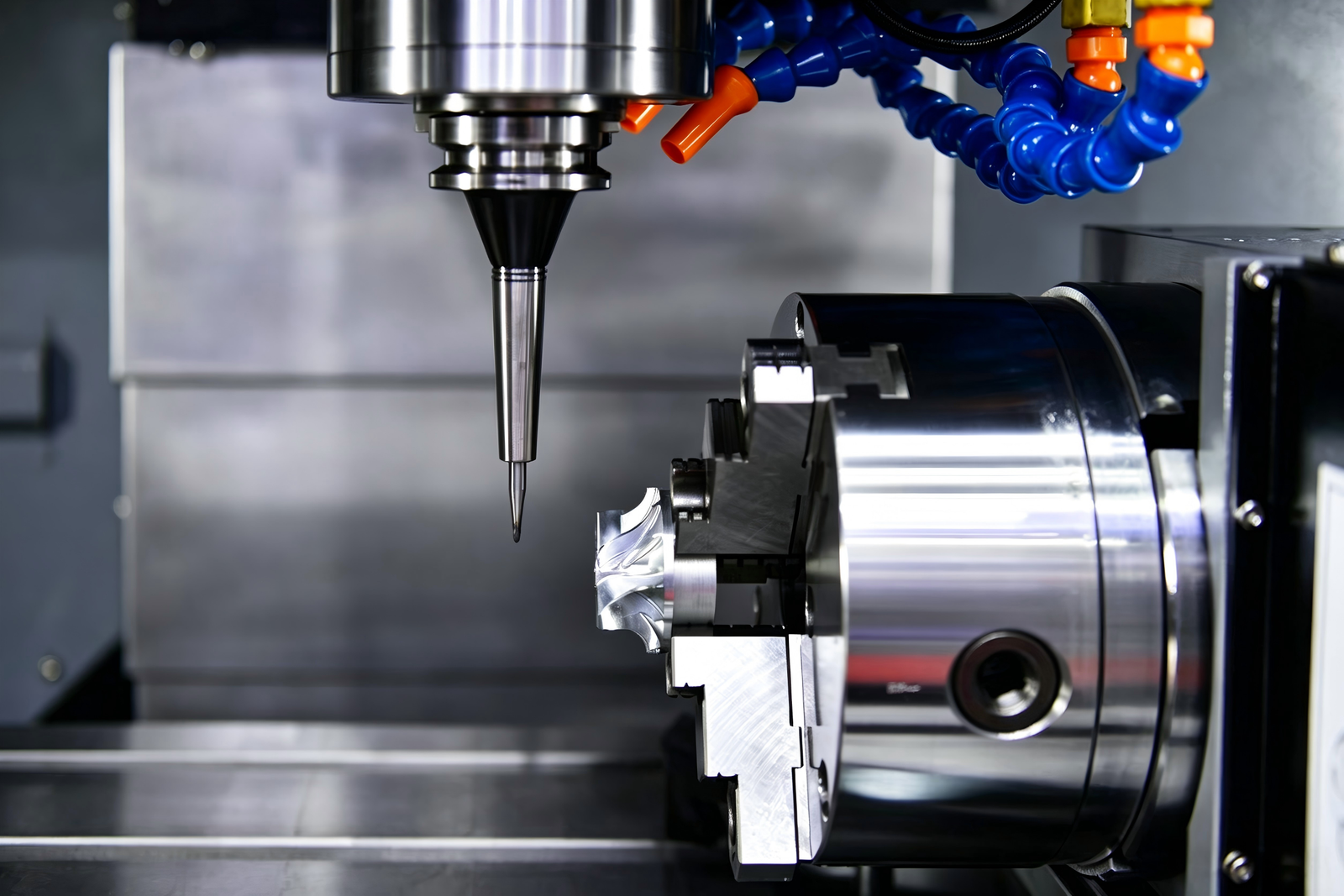
Partnering with an experienced manufacturer offers significant advantages.
エンジニアリングサポート
Design-for-manufacturing (DFM) analysis helps reduce costs and improve manufacturability.
試作開発
Rapid prototyping accelerates product validation and development.
Low-Volume and Mass Production
A capable supplier can support projects from prototypes to large production runs.
Advanced Inspection Equipment
Comprehensive quality control ensures consistent product performance.
材料に関する専門知識
Experienced suppliers understand material behavior and machining optimization.
How to Select a CNC Machining Partner for Engine Components
When evaluating suppliers, 次のことを考慮してください:
Manufacturing Capabilities
3-軸, 4-軸, および5軸CNC加工
Turning and milling services
EDM capabilities
Grinding and honing services
Quality Systems
Look for suppliers with robust quality management processes and documented inspection procedures.
業界経験
Manufacturers with automotive, 航空宇宙, or industrial engine experience can often provide valuable engineering insights.
生産能力
Ensure the supplier can accommodate future production growth.
テクニカルサポート
Choose a supplier capable of providing design assistance, 材料に関する推奨事項, プロセスの最適化.
Future Trends in CNC Engine Component Manufacturing
5-軸CNC加工
5-axis technology enables faster machining and more complex geometries with fewer setups.
スマートマニュファクチャリング
Real-time monitoring improves productivity and machine utilization.
AI-Assisted Programming
Artificial intelligence is helping optimize toolpaths, サイクル時間, and cutting parameters.
Digital Twin Technology
Virtual simulations reduce development risks and improve manufacturing efficiency.
Lightweight Engine Design
Manufacturers continue to adopt lightweight materials and advanced machining strategies to improve fuel efficiency.
Hybrid Manufacturing
Combining additive manufacturing and CNC machining creates new possibilities for complex engine designs.
結論
CNC machining has become the backbone of modern engine component manufacturing. Its ability to deliver exceptional precision, 再現性, and production efficiency makes it indispensable for automotive, 航空宇宙, 海洋, および産業用途.
From engine blocks and cylinder heads to crankshafts, ピストン, and turbocharger components, CNC machining enables manufacturers to produce reliable, high-performance parts that meet increasingly demanding industry requirements.
For companies seeking custom engine components, selecting an experienced CNC machining partner with advanced equipment, 厳密な品質管理, and strong engineering support can significantly improve product performance, リードタイムを短縮する, and lower overall manufacturing costs.
よくある質問
1.What engine components are commonly manufactured using CNC machining?
Common CNC-machined engine parts include cylinder heads, エンジンブロック, ピストン, クランクシャフト, カムシャフト, コネクティングロッド, intake manifolds, バルブコンポーネント, and turbocharger housings.
2.What is the best material for CNC machined engine parts?
The ideal material depends on the application. Aluminum alloys are preferred for lightweight components, while alloy steels and titanium are commonly used for high-strength applications.
3.How accurate is CNC machining for engine components?
Modern CNC machines can achieve tolerances as tight as ±0.002 mm, 素材に応じて, 幾何学, and machining process.
4.What is the difference between CNC boring and honing?
Boring enlarges and accurately sizes holes, while honing refines the surface finish and geometry of those holes for optimal performance.
5.Can CNC machining produce custom racing engine parts?
はい. CNC machining is widely used to manufacture custom pistons, コネクティングロッド, intake manifolds, シリンダーヘッド, and turbocharger components for racing applications.
6.Which industries require CNC machined engine components?
自動車, モータースポーツ, 航空宇宙, 海洋, エネルギー, 防衛, and industrial equipment manufacturers all rely on CNC-machined engine parts.
7.How does 5-axis CNC machining improve engine component production?
5-axis machining enables complex geometries to be machined in a single setup, reducing production time while improving accuracy and surface quality.
8.What quality inspections are performed on engine components?
Common inspections include CMM measurement, surface roughness testing, dimensional verification, material certification review, and functional testing.
9.Can CNC machining support both prototyping and mass production?
はい. CNC machining is highly flexible and suitable for prototypes, 少量生産, 大規模な製造.
10.How do I choose a reliable CNC machining supplier?
Look for a supplier with advanced machining capabilities, strong quality systems, 業界の経験, エンジニアリングサポート, competitive lead times, and proven manufacturing expertise.


