
Steel hardening is a core metallurgical process used to significantly improve the mechanical performance of steel components. By controlling heating and cooling cycles, steel can be transformed into a material with higher hardness, improved wear resistance, and enhanced fatigue strength.
Steel hardening is not optional—it is essential. Industries such as automotive, 航空宇宙, エネルギー, 採掘, and heavy machinery rely on hardened steel parts to ensure safety, 耐久性, and long service life under extreme operating conditions.
This article provides a comprehensive technical overview of steel hardening methods, material science principles, process selection criteria, and real-world industrial applications, designed for engineers, 買い手, and sourcing professionals seeking reliable manufacturing solutions.
What is Steel Hardening?
Steel hardening is a heat treatment process that increases the hardness of steel by altering its internal microstructure. This is achieved by heating the steel to a critical temperature and then cooling it at a controlled rate to form a harder phase structure—typically martensite.
Key Objectives of Steel Hardening:
Increase surface and core hardness (depending on method)
Improve wear resistance
Enhance mechanical strength
Increase fatigue life under cyclic loading
Improve performance in high-stress environments
Hardening is often followed by tempering to balance hardness with toughness, reducing brittleness while maintaining strength.
Metallurgical Principles Behind Steel Hardening
Steel hardening is fundamentally based on phase transformation in iron-carbon alloys.
Key Microstructures in Steel:
Ferrite: Soft and ductile phase
Pearlite: Moderate strength and hardness
Austenite: High-temperature phase with FCC structure
Martensite: 非常に難しい, brittle phase formed by rapid cooling
Bainite: Balanced strength and toughness phase formed under controlled cooling
Phase Transformation Mechanism
When steel is heated above the austenitizing temperature (typically 800–900°C), its structure transforms into austenite. Rapid cooling prevents equilibrium transformation and forces carbon atoms into a distorted lattice structure, forming martensite.
This transformation is what creates high hardness.
Factors Affecting Hardenability
The final hardness and performance depend on several metallurgical and process variables:
1. 炭素含有量
Low carbon (<0.25%): Limited hardening capability
ミディアムカーボン (0.25%–0.6%): Ideal for general engineering components
High carbon (>0.6%): High hardness but increased brittleness
2. 元素の合金化
クロム: Improves wear resistance and hardenability
ニッケル: Enhances toughness
マンガン: Increases hardenability
モリブデン: Reduces brittleness during tempering
バナジウム: Grain refinement and strength improvement
3. Cooling Rate
Faster cooling increases hardness but also increases cracking risk.
4. Component Geometry
Thicker sections cool unevenly, affecting hardness uniformity.
Steel Heat Treatment Process Overview
Steel hardening typically follows three controlled stages:
1. 加熱 (オーステナイト化)
Steel is heated to 800–900°C depending on composition.
2. Soaking
The material is held at temperature to ensure uniform microstructure transformation.
3. 冷却 (焼入れ)
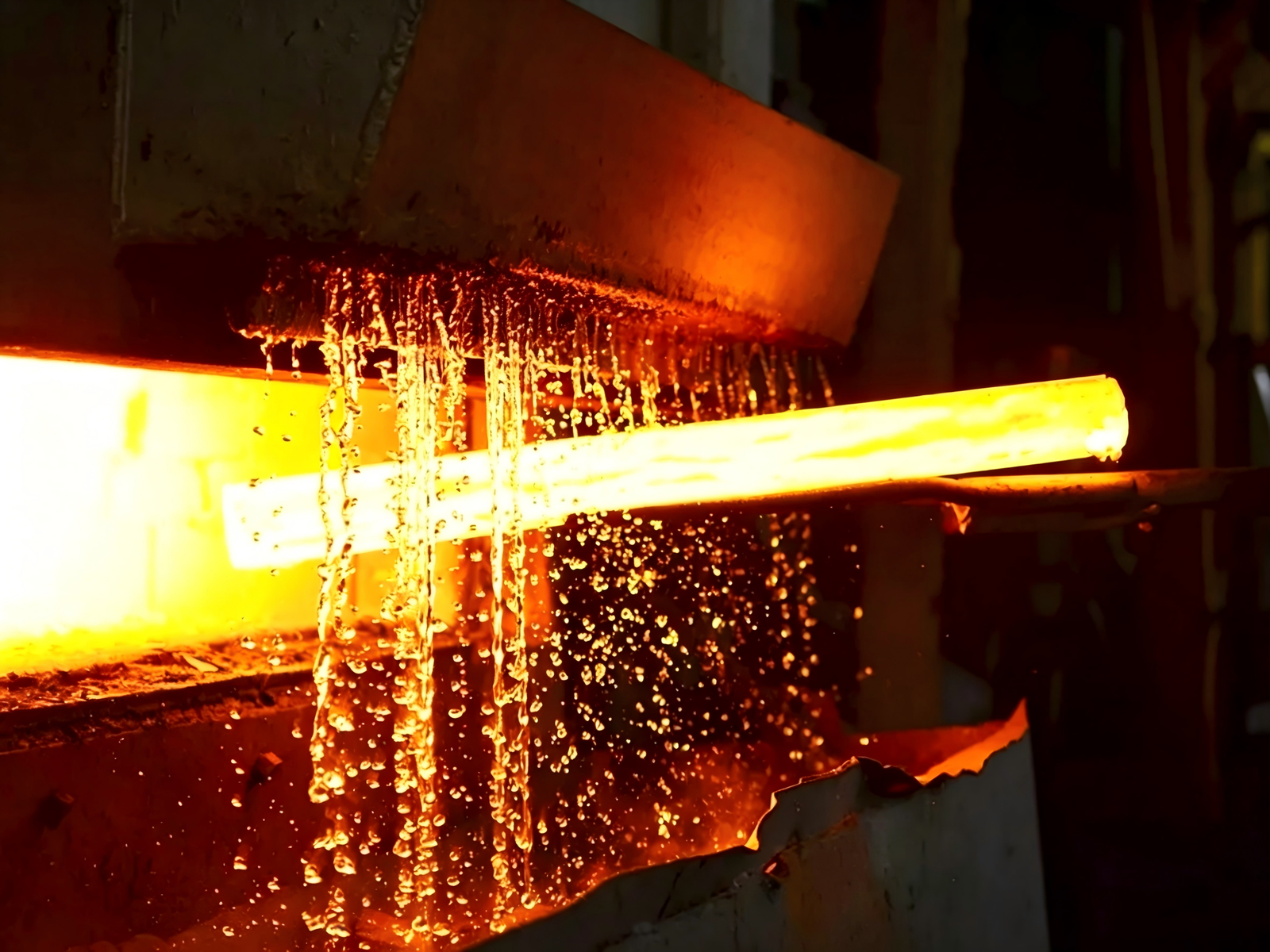
The steel is rapidly cooled using:
水 (maximum hardness, highest cracking risk)
油 (balanced cooling and reduced stress)
Air or gas (low distortion, lower hardness)
Major Steel Hardening Techniques
1. 焼き入れと焼き戻し
This is the most widely used industrial hardening method.
Process Flow:
オーステナイト化 (800–900°C)
急冷 (water/oil)
テンパリング (150–600°C depending on required toughness)
利点:
High strength and toughness balance
Suitable for structural and mechanical parts
Cost-effective and widely applicable
アプリケーション:
Shafts and axles
ギアとスプロケット
クランクシャフト
Heavy machinery components
2. ケース硬化 (表面硬化)
Case hardening creates a hard outer surface while maintaining a ductile core.
浸炭:
Carbon is diffused into steel surface at 850–950°C
Produces deep hardened layer
窒化処理:
Nitrogen diffusion at lower temperatures (~500–550°C)
Minimal distortion, no quenching required
利点:
Hard wear-resistant surface
Tough internal structure
優れた耐疲労性
アプリケーション:
Gear components
カムシャフト
精密機械部品
3. Induction Hardening
Induction hardening uses electromagnetic heating to selectively harden surface areas.
プロセス:
High-frequency current heats surface rapidly
Immediate quenching follows
利点:
Precise localized hardening
Fast processing cycle
Minimal deformation
アプリケーション:
Gear teeth
ベアリング
ドライブシャフト
自動車部品
4. Flame Hardening
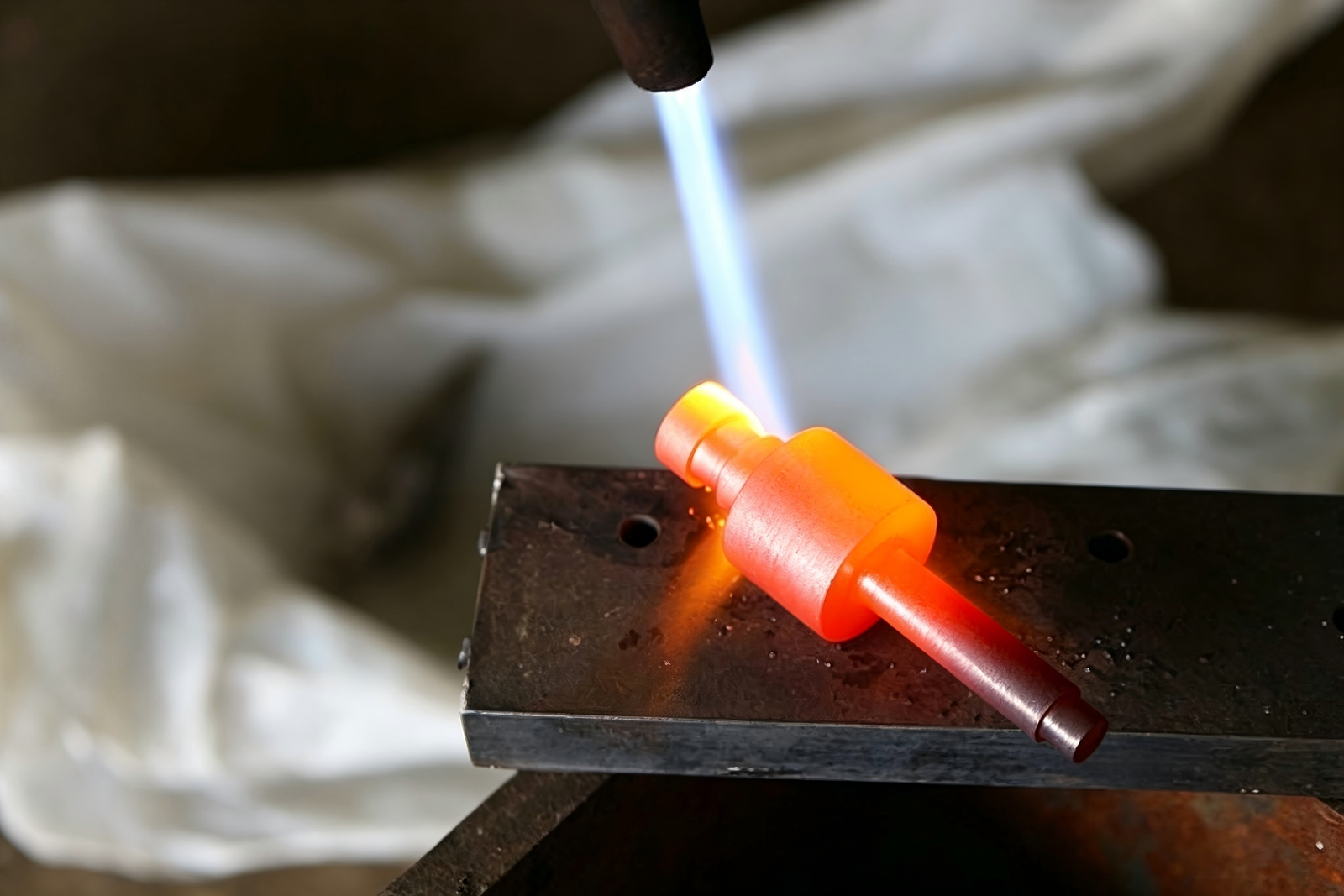
Flame hardening uses an oxy-fuel flame to heat surface areas before quenching.
利点:
Suitable for large components
Flexible and cost-effective
Localized treatment possible
制限事項:
Less precise than induction hardening
アプリケーション:
Large rollers
マシンベッド
Construction equipment parts
5. Austempering
Austempering is a controlled cooling process that forms bainite instead of martensite.
利点:
Reduced distortion
Improved toughness
Lower residual stress
アプリケーション:
スプリングス
構造コンポーネント
Automotive parts requiring fatigue resistance
6. Laser Hardening (Advanced Method)
Laser hardening uses concentrated laser energy for precise surface treatment.
利点:
非常に正確
Minimal thermal distortion
複雑な形状に最適
アプリケーション:
航空宇宙部品
High-value tooling
Precision engineering parts
Comparison of Hardening Methods
| 方法 | Hardness Level | Distortion | 料金 | 精度 |
| 焼入れ & テンパリング | 高い | 中くらい | 低い | 中くらい |
| 浸炭 | 非常に高い (表面) | 中くらい | 中くらい | 中くらい |
| 窒化処理 | 高い (表面) | 低い | 高い | 高い |
| Induction Hardening | 高い | 低い | 中くらい | 高い |
| Flame Hardening | 中~高 | 中くらい | 低い | 低い |
| Laser Hardening | 非常に高い | 非常に低い | 高い | 非常に高い |
Industrial Applications of Steel Hardening
自動車産業
Transmission gears
クランクシャフト
カムシャフト
Bearing components
航空宇宙産業
Landing gear systems
タービンブレード
Structural fasteners
鉱業
Crusher jaws
ドリルビット
Excavator wear parts
エネルギー部門
タービンシャフト
バルブコンポーネント
風力タービン部品
建設業界
耐荷重構造
補強部品
Heavy equipment parts
鉄道産業
Rails
ホイール
車軸
道具 & 金型製造
射出成形金型
切削工具
Stamping dies
Common Defects in Steel Hardening
1. ひび割れ
Caused by rapid cooling stress or improper material selection.
2. Distortion
Occurs due to uneven thermal expansion during quenching.
3. Decarburization
Loss of carbon on the surface during heating reduces hardness.
4. Soft Spots
Caused by uneven heating or insufficient quenching.
How to Select the Right Hardening Method
Selecting the correct process depends on:
材料タイプ (carbon steel vs alloy steel)
Required hardness depth (surface vs through-hardening)
Component geometry and size
生産量
コストの制約
Required precision level
例えば:
Gears → Carburizing or induction hardening
Shafts → Quenching and tempering or induction hardening
High-precision parts → Nitriding or laser hardening
CNC Machined Parts and Steel Hardening Integration
現代の製造業で, steel hardening is often combined with CNC加工 to produce high-precision functional components.
代表的なアプリケーションには次のものがあります。:
Industrial gears
Tooling components
Aerospace brackets
Automotive drivetrain parts
この段階では, working with a supplier that integrates CNC machining and heat treatment capabilities is critical to ensure dimensional accuracy after hardening.
(For industrial sourcing, many buyers combine machining and heat treatment under one supplier such as topsbest-precision.com to reduce cost and lead time.)
結論
Steel hardening is a foundational process in modern engineering that directly determines the performance, 信頼性, and service life of mechanical components. Each hardening method—whether quenching and tempering, case hardening, or advanced laser hardening—offers unique advantages depending on application requirements.
For industrial buyers and engineers, selecting the right process is not just a technical decision, but a strategic one that impacts product durability, 生産コスト, 長期的なパフォーマンス.
If you are sourcing hardened steel components or require CNC machined parts with controlled heat treatment, partnering with an experienced precision manufacturing supplier is essential to ensure consistent quality and performance.
よくある質問
1. What is the main purpose of steel hardening?
The main purpose of steel hardening is to improve hardness, 耐摩耗性, and mechanical strength by changing the steel’s microstructure through controlled heat treatment and cooling.
2. What is the difference between hardening and tempering?
Hardening increases steel hardness by forming martensite through rapid cooling, while tempering reheats the hardened steel to a lower temperature to reduce brittleness and improve toughness.
3. Which steel is best for hardening?
Medium-carbon steels (のような 1045, 4140, そして 4340) and alloy steels are most suitable for hardening because they provide a good balance between hardness and toughness after heat treatment.
4. Can stainless steel be hardened?
はい, but only certain types. Martensitic and precipitation-hardening stainless steels can be hardened through heat treatment, while austenitic stainless steels generally cannot be hardened in the same way.
5. What is case hardening used for?
Case hardening is used to create a hard, wear-resistant surface layer while maintaining a tough and ductile core. It is commonly used for gears, カムシャフト, and other high-wear components.
6. Why is oil used in quenching instead of water?
Oil is used because it cools steel more slowly than water, ひび割れのリスクを軽減する, ねじれ, and internal stress while still achieving sufficient hardness.
7. What problems can occur during steel hardening?
Common issues include cracking, ねじれ, 脱炭, and soft spots. These are usually caused by improper temperature control, incorrect quenching media, or poor material selection.
8. How does steel hardening improve product life?
By increasing surface hardness and wear resistance, steel hardening significantly reduces abrasion, fatigue damage, and deformation, resulting in longer service life of mechanical components.