
ブログ

ブログタイヤ金型の種類とその用途に関する包括的なガイド

タイヤ金型の種類とその用途に関する包括的なガイド

Tire Mold Types and Their Applications

乗用車用タイヤを生産しているかどうか, トラックのタイヤ, オフロードタイヤ, または高性能レーシングタイヤ, selecting the correct tire mold technology is essential for achieving product consistency, 生産効率, そして長期的な耐久性.

As the global automotive industry continues evolving toward electric vehicles, autonomous driving, and sustainable transportation, tire manufacturers are demanding more advanced mold solutions with higher precision, faster production cycles, and improved surface quality.

この包括的なガイドで, we will explore the major types of tire molds, their manufacturing technologies, 材料, 利点, デメリット, and applications across different tire categories. This article is designed for tire manufacturers, 金型メーカー, automotive suppliers, and procurement teams looking for professional tire mold solutions.

コンテンツ 隠れる

What Are Tire Molds?

タイヤ金型の種類とその用途

Tire molds are precision tooling systems used during the tire vulcanization process to shape green tires into finished products. During curing, the mold applies heat and pressure to form the final tire structure, tread pattern, sidewall markings, and branding details.

A standard tire mold generally consists of:

Tread ring segments

Sidewall plates

Mold core systems

Venting channels

Heating and cooling systems

The mold determines several important tire characteristics, 含む:

Tread pattern accuracy

Tire balance and uniformity

Rolling resistance

Traction performance

Noise reduction

Sidewall appearance

High-quality tire molds help manufacturers improve production efficiency while reducing defects such as trapped air, flash formation, and uneven curing.

Main Types of Tire Molds

Segmented Molds

タイヤ金型の種類とその用途

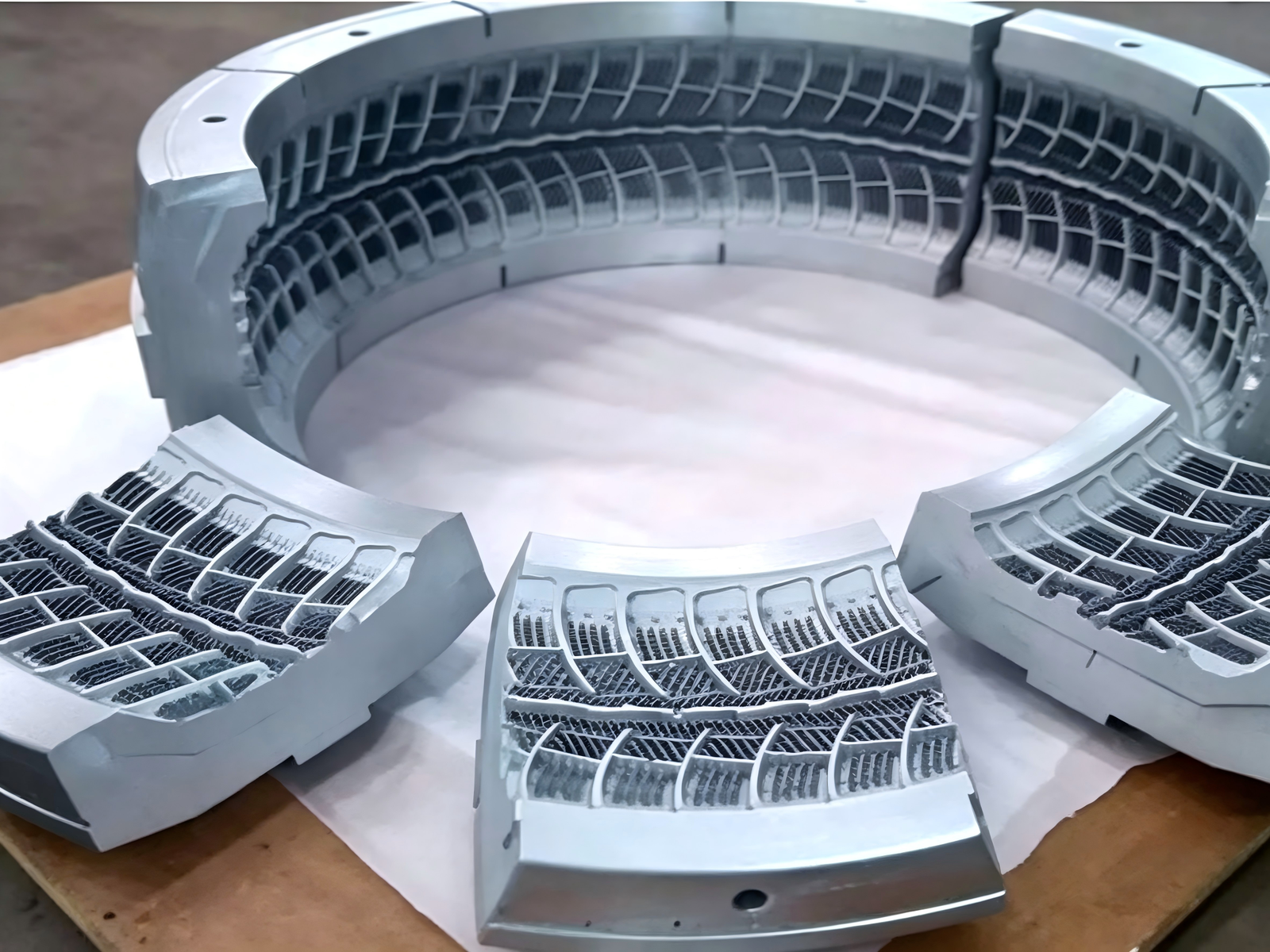
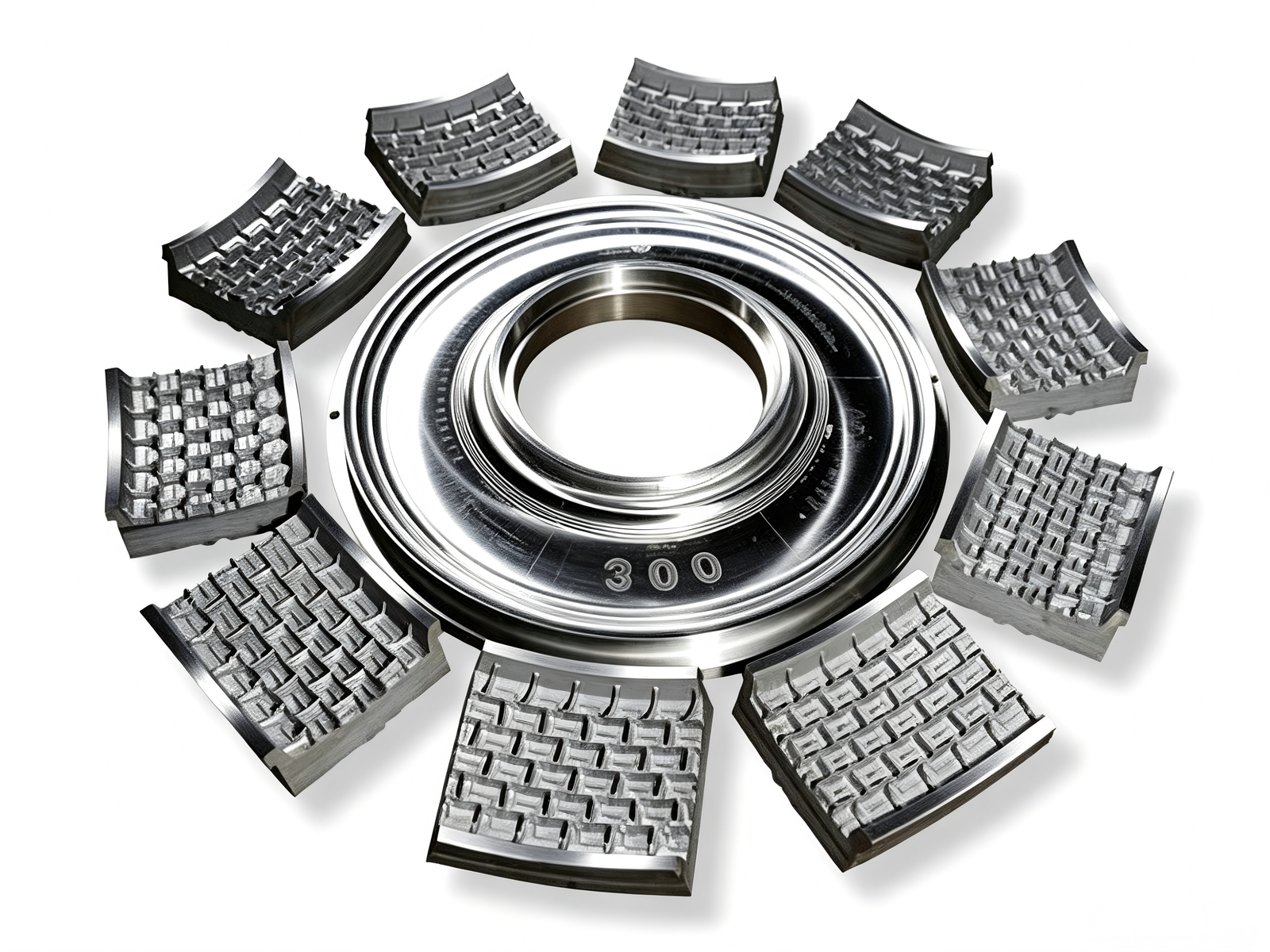
Segmented molds are among the most widely used tire mold types in modern tire manufacturing. The mold is divided into multiple movable segments that open and close during the curing process.

主な特長

Typically consists of 6–12 segments

Allows easy tire release after curing

Supports highly complex tread patterns

Provides excellent dimensional precision

利点

Ideal for intricate tread designs

Reduced tire deformation during demolding

Better consistency for high-volume production

Suitable for automated production lines

制限事項

Higher manufacturing cost

More complex maintenance requirements

アプリケーション

Segmented molds are commonly used for:

Passenger car radial tires

EV tires

Ultra-high-performance tires

SUV tires

As electric vehicle tires require low rolling resistance and precise tread geometries, segmented molds have become increasingly important in EV tire production.

Two-Piece Molds

タイヤ金型の種類とその用途

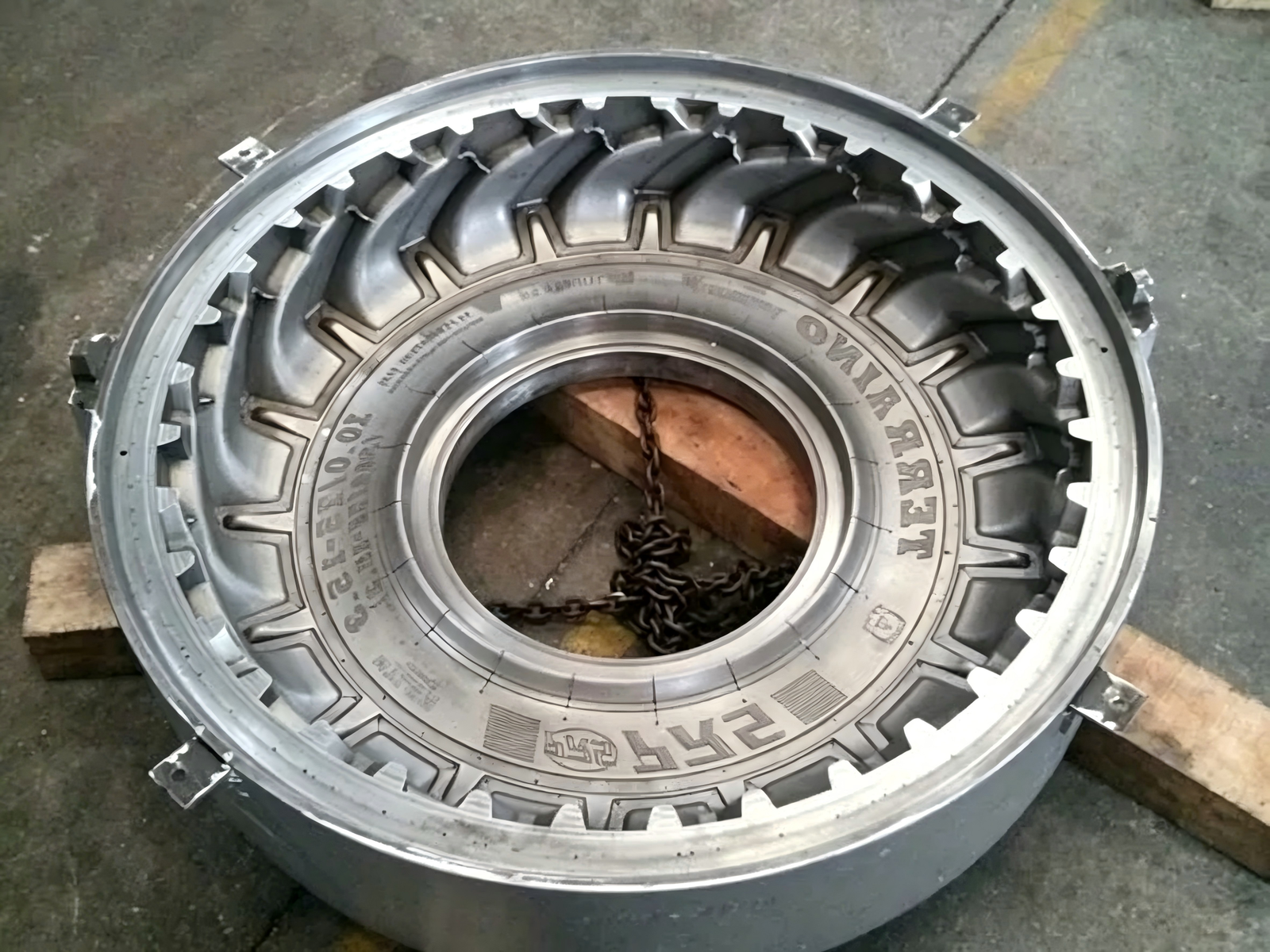
Two-piece molds are traditional tire molds consisting of upper and lower mold halves separated by a single parting line.

主な特長

Simple structural design

Lower manufacturing cost

Easier maintenance compared to segmented molds

利点

費用対効果が高い

Durable construction

Simple operation and maintenance

制限事項

Limited capability for highly complex tread patterns

Higher risk of flash at parting lines

アプリケーション

These molds are commonly used for:

Agricultural tires

Basic industrial tires

Off-road tires

Small production runs

Two-piece molds remain popular for manufacturers requiring economical tooling solutions.

Puzzle Molds

Puzzle molds are advanced tire molds designed with micro-gap venting technology instead of traditional vent holes.

主な特長

Air escapes through microscopic gaps between segments

Produces cleaner tire surfaces

Reduces trapped air defects

利点

Improved tire appearance

Better tread surface quality

Reduced rubber vent spew

Enhanced curing consistency

制限事項

High manufacturing complexity

Expensive production costs

Difficult maintenance

アプリケーション

Puzzle molds are widely used for:

Premium passenger tires

Sports car tires

Luxury vehicle tires

High-speed performance tires

They are especially valuable when appearance quality and tread precision are critical.

Wave Parting Molds

Wave parting molds use specially designed wave-shaped parting lines between mold segments.

主な特長

Advanced wave geometry

Reduced visible mold lines

Improved tread continuity

利点

Superior tread pattern transfer

Reduced flash formation

Enhanced tire aesthetics

Better pattern stability

Manufacturing Technology

These molds typically require:

5-軸CNC加工

Advanced CAD/CAM programming

High-precision surface finishing

アプリケーション

Wave parting molds are commonly used for:

Racing tires

Aircraft tires

High-performance tires

Premium EV tires

Steel Engraved Molds

Steel engraved molds are manufactured from hardened steel using CNC engraving technologies.

主な特長

優れた耐摩耗性

High structural stability

長寿命

利点

Outstanding durability

高精度

Excellent resistance to thermal deformation

Suitable for large production volumes

制限事項

Heavier than aluminum molds

Longer machining time

アプリケーション

Steel engraved molds are ideal for:

Truck tires

Bus tires

Heavy-duty industrial tires

Mining tires

Many heavy-load tire manufacturers prefer steel molds because of their extended operational lifespan.

Aluminum Cast Molds

Aluminum cast molds are lightweight molds manufactured using high-conductivity aluminum alloys.

主な特長

Excellent heat transfer

Lightweight construction

Faster curing cycles

利点

Reduced production cycle times

Easier handling

エネルギー消費量の削減

Better thermal conductivity

制限事項

Lower wear resistance compared to steel

More susceptible to deformation

アプリケーション

Aluminum molds are commonly used for:

Passenger tires

Motorcycle tires

Bicycle tires

大量生産ライン

Their lightweight properties help improve operational efficiency in mass production environments.

Retread Molds

Retread molds are designed for tire retreading operations, where worn tires receive new tread rubber.

Two Main Retreading Methods

Mold Cure Retreading

Uncured rubber is directly applied to the tire casing

Tire is cured inside the mold

Pre-Cure Retreading

Pre-vulcanized tread strips are bonded to the casing

Lower curing temperatures required

利点

Lower tire replacement cost

Extended tire service life

Environmentally friendly solution

アプリケーション

Retread molds are commonly used for:

Commercial trucks

Buses

Off-road vehicles

Fleet management operations

Retreading has become increasingly important in sustainable transportation industries.

Tire Mold Applications by Tire Type

Passenger Car Tires

Passenger car tires require:

High tread precision

Low rolling resistance

Reduced noise levels

Comfortable driving performance

Common mold types:

Segmented molds

Puzzle molds

Aluminum cast molds

Truck and Bus Tires

Truck and bus tires demand:

高い耐荷重性

Long tread life

Excellent heat resistance

Common mold types:

Steel engraved molds

Segmented molds

Off-The-Road (OTR) Tires

OTR tires are used in mining, 工事, and agricultural machinery.

Requirements include:

Extreme durability

Deep tread patterns

Large tire dimensions

Common mold types:

Large segmented molds

鋼製金型

Aluminum cast molds

Specialty Tires

Specialty tires include:

Racing tires

Aircraft tires

Military tires

Industrial specialty tires

These applications require extremely high precision and specialized tread structures.

Common mold types:

Wave parting molds

Puzzle molds

Steel engraved molds

Materials Used in Tire Mold Manufacturing

鋼鉄

Steel offers:

高い耐久性

優れた耐摩耗性

Long mold life

しかし, steel molds are heavier and require longer machining times.

アルミニウム合金

Aluminum provides:

Faster heat transfer

Reduced production cycle time

Lightweight handling

But aluminum molds typically have shorter service lives.

Specialized Alloys

Advanced mold manufacturers may use hybrid alloy systems for:

Improved thermal conductivity

耐食性

Enhanced dimensional stability

Tire Mold Manufacturing Technologies

Modern tire mold production relies heavily on advanced manufacturing technologies.

CNC加工

CNC加工を有効にします:

Precise tread engraving

Consistent dimensional accuracy

複雑な形状

5-軸加工

5-axis CNC machines allow:

Multi-angle machining

High precision pattern generation

Reduced setup times

CAD/CAM Systems

CAD/CAM technologies help optimize:

Tread design

Vent placement

Mold cooling channels

生産効率

レーザー彫刻

Laser systems improve:

Sidewall lettering precision

Fine tread detail creation

Surface finishing quality

Tire Mold Maintenance and Lifespan

Proper maintenance is essential for extending mold life and maintaining tire quality.

Recommended Maintenance Practices

Regular cleaning after production cycles

Inspection of vent holes and parting lines

Surface polishing

Corrosion prevention

Dimensional inspections

Cleaning Technologies

Modern manufacturers increasingly use:

Laser cleaning

Dry ice cleaning

Ultrasonic cleaning

These methods minimize surface damage compared to traditional abrasive cleaning.

Typical Mold Lifespan

アルミ金型: 50,000–100,000 cycles

鋼製金型: 150,000–300,000 cycles

Proper maintenance can significantly extend operational life.

How to Choose the Right Tire Mold

When selecting a tire mold, manufacturers should consider:

Tire Type

Different tires require different mold technologies.

生産量

High-volume production often favors segmented or aluminum molds.

コストに関する考慮事項

Initial mold investment vs. long-term maintenance cost.

Surface Quality Requirements

Premium tires demand higher precision mold systems.

Durability Requirements

Heavy-duty tires require stronger mold materials.

Future Trends in Tire Mold Technology

The tire mold industry is rapidly evolving.

Smart Tire Molds

Integrated sensors for:

Temperature monitoring

Pressure monitoring

予測メンテナンス

オートメーション

Automated mold handling improves:

生産効率

安全性

一貫性

持続可能な製造業

Manufacturers are developing:

Energy-efficient mold systems

Recyclable mold materials

Reduced waste production

EV Tire Mold Innovation

Electric vehicle tires require:

Low-noise tread patterns

High precision curing

Enhanced rolling resistance optimization

This is driving major innovation in mold design technologies.

結論

Tire molds play a vital role in determining tire quality, 耐久性, and manufacturing efficiency. From traditional two-piece molds to advanced puzzle and wave parting molds, each mold type offers unique advantages for specific tire applications.

As tire technology continues advancing, manufacturers increasingly require high-precision, 耐久性のある, and efficient mold solutions to meet growing market demands. Choosing the right tire mold technology can significantly improve production consistency, tire performance, and operational profitability.

For tire manufacturers looking to improve production quality and reduce long-term costs, investing in advanced tire mold technologies remains a critical competitive advantage.

よくある質問

1.What is the most durable tire mold material?

Steel molds are generally the most durable because of their excellent wear resistance and thermal stability.

2.Which tire mold is best for high-performance tires?

Puzzle molds and wave parting molds are commonly used for high-performance and racing tires.

3.How long does a tire mold typically last?

Depending on material and maintenance, tire molds can last from 50,000 オーバーする 300,000 production cycles.

4.Why are segmented molds popular?

Segmented molds provide excellent tread precision, easy demolding, and compatibility with complex tire designs.

5.What manufacturing technologies are used for tire molds?

Modern tire molds are commonly produced using CNC machining, 5-軸加工, CAD/CAM systems, and laser engraving technologies.


読み込み中

ベトナムのお客様
前の投稿

トップスプレシジョン、今後の協力のためベトナムのエレクトロニクス顧客を訪問

次の投稿

18 機械加工のメリット

返信を残す

あなたのメールアドレスが公開されることはありません. 必須フィールドは、マークされています *

Let's Start A New Project Today

今すぐお問い合わせを送信してください

    入力を開始すると、探している投稿が表示されます.