



亜鉛メッキは鋼を腐食から保護するための効果的かつ経済的な方法です. 鋼または鉄を亜鉛の層でコーティングすることによって, manufacturers can significantly extend the service life of metal components while reducing maintenance costs. 今日, galvanized steel is widely used in construction, 自動車, agriculture, 動力伝達, telecommunications, and industrial manufacturing because of its outstanding durability and cost-effectiveness.
This guide explains how galvanising works, the different galvanising methods, その利点と限界, 業界標準, and how to choose the right process for your project.
1. What Is Galvanising?
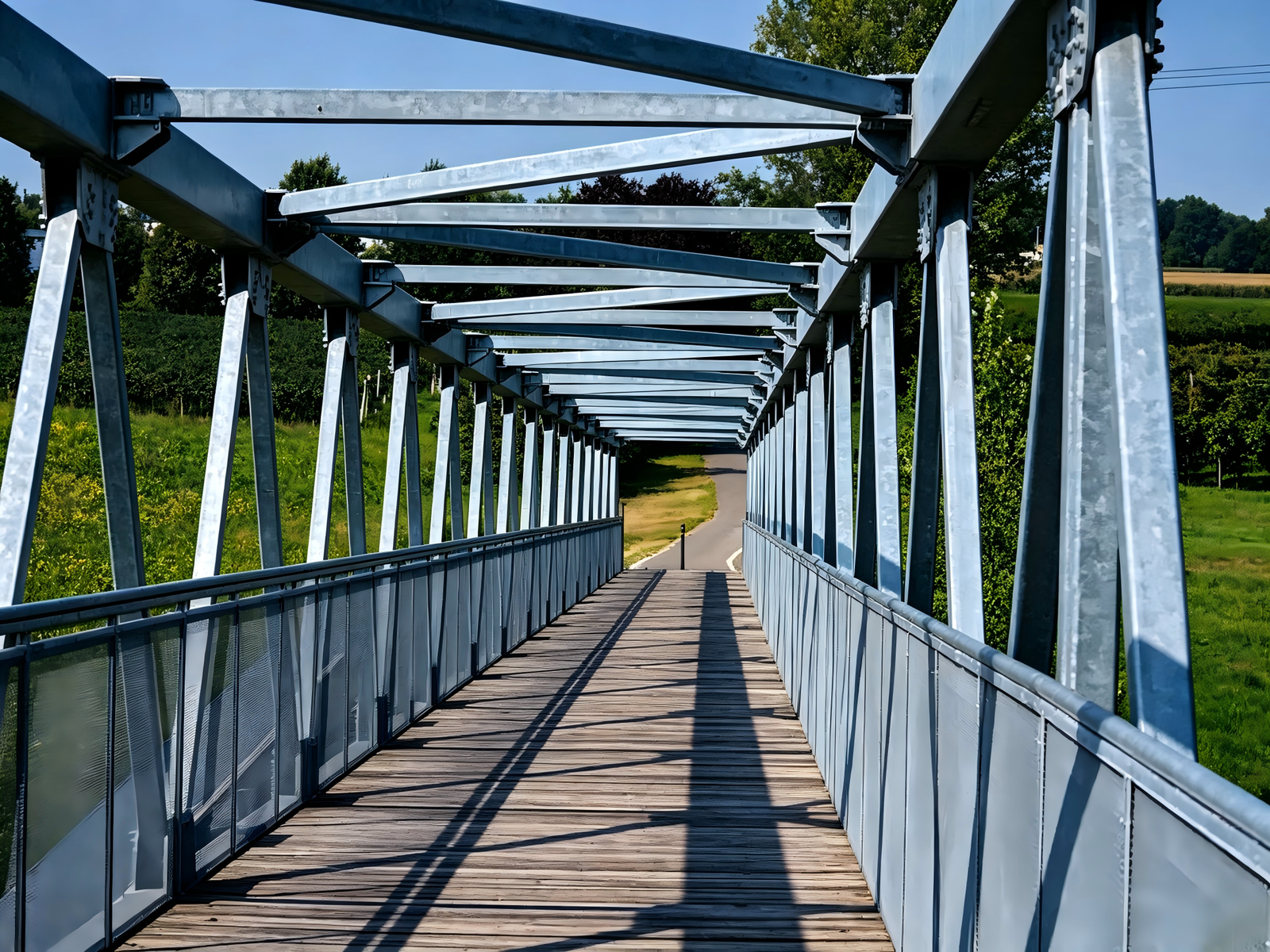
塗料とは異なり, which simply covers the surface, galvanising forms a metallurgical bond with the base metal, making the coating highly durable and resistant to peeling or chipping.
重要な利点は含まれます:
- 優れた耐食性
- Longer product lifespan
- メンテナンスの軽減
- Lower lifecycle costs
- Improved mechanical durability
2. Why Is Galvanising Important?
Steel naturally rusts when exposed to moisture and oxygen. Corrosion can weaken structures, increase maintenance costs, and shorten product life.
Galvanising addresses these issues by providing:
- Superior corrosion protectionin outdoor and industrial environments.
- 長期耐久性, often lasting decades depending on the service environment.
- Lower maintenance costsbecause galvanized components require minimal upkeep.
- 信頼のパフォーマンスeven in harsh weather conditions.
- Sustainable protection, reducing the need for frequent repainting or replacement.
For many industrial applications, galvanising offers one of the lowest total ownership costs compared with alternative protective coatings.
3. How Does Galvanising Work?
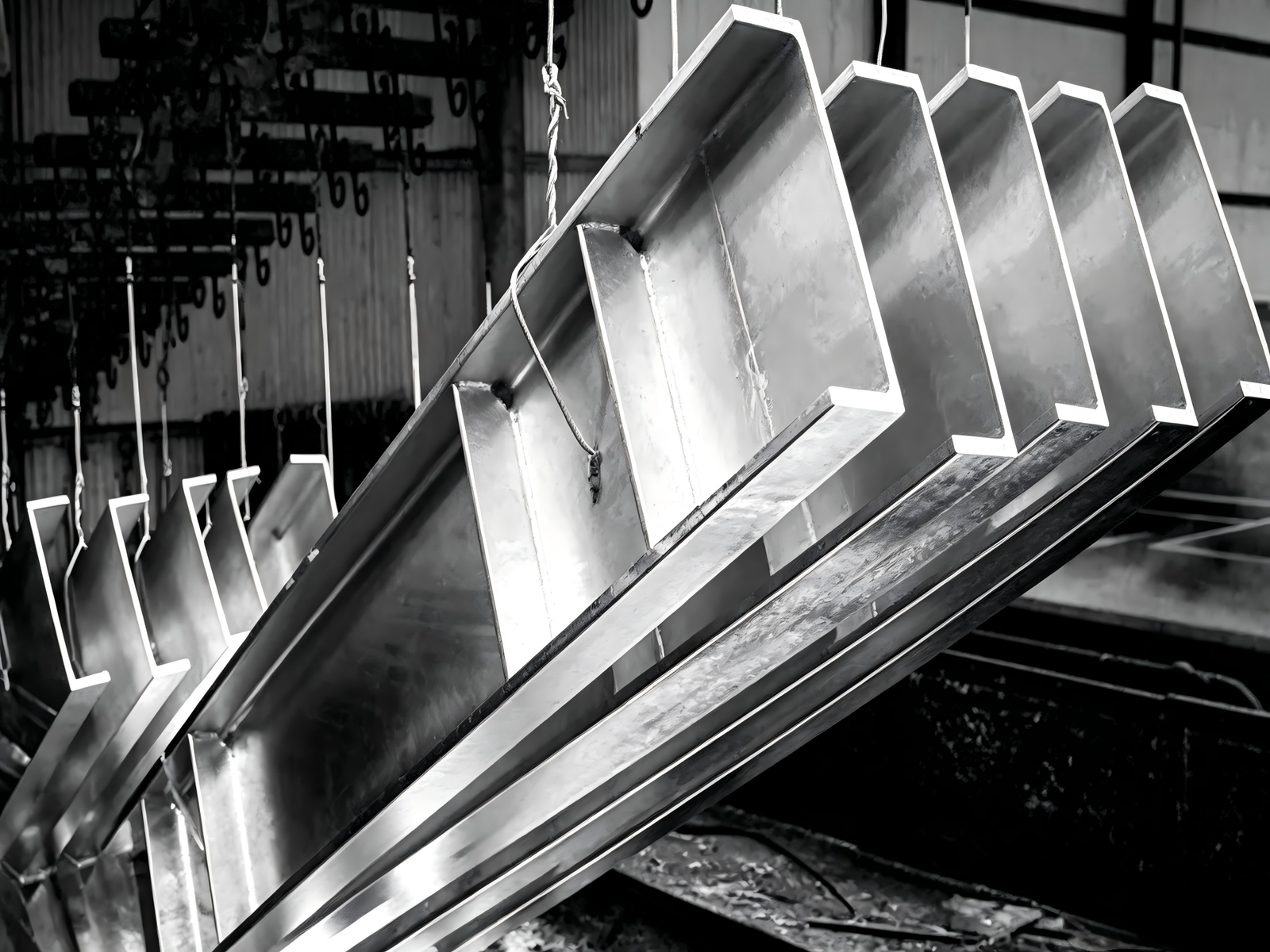
The effectiveness of galvanising comes from two protection mechanisms.
バリア保護
The zinc coating isolates steel from air and moisture, preventing oxidation and rust formation.
犠牲的な保護
Zinc is more chemically active than steel. Even if the coating is scratched, the surrounding zinc corrodes first, protecting the exposed steel through cathodic action.
This dual protection is one of the main reasons galvanized steel performs exceptionally well in demanding environments.
4. Types of Galvanising
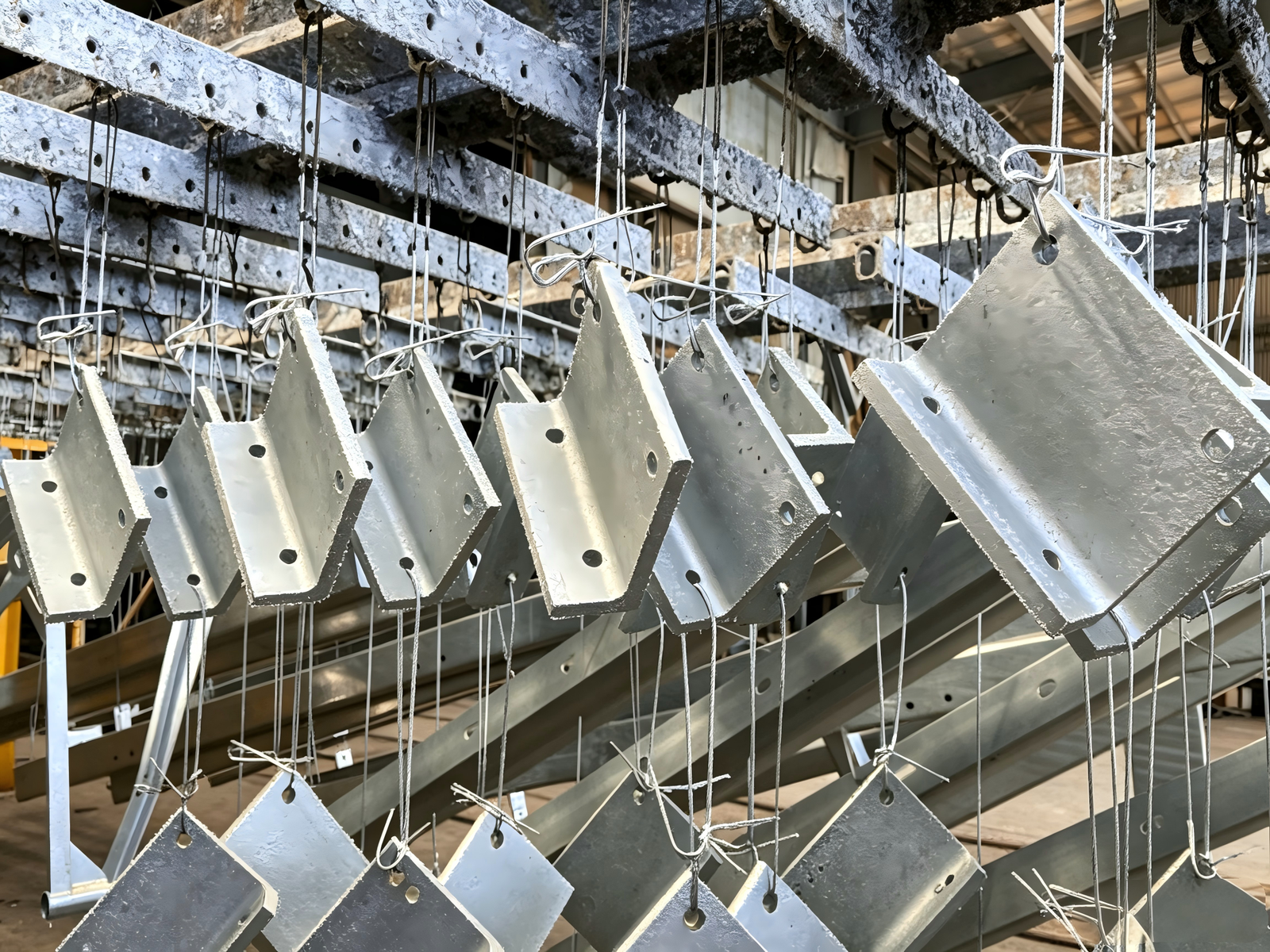
Hot-Dip Galvanising
Steel components are immersed in molten zinc at approximately 450°C, producing a thick and durable coating.
利点
- 優れた耐食性
- 長寿命
- Suitable for large structural parts
アプリケーション
橋, transmission towers, structural steel, フェンシング, and guardrails.
Electro Galvanising
Also known as zinc electroplating, this process deposits zinc using electrical current.
利点
- 滑らかな表面仕上げ
- Precise coating thickness
- Ideal for decorative parts
アプリケーション
自動車部品, 家電製品, and electronic hardware.
Sherardising
Steel parts are heated with zinc powder, allowing zinc to diffuse into the surface.
利点
- 均一なコーティング
- Excellent thread coverage
- Reduced risk of hydrogen embrittlement
アプリケーション
ファスナー, 歯車, および精密部品.
Pre-Galvanising
Steel sheet passes through a continuous molten zinc bath before fabrication.
利点
- 高い生産効率
- 均一なコーティング
- Cost-effective for sheet products
アプリケーション
Roofing panels, HVAC ducts, and steel tubing.
Mechanical Galvanising
Zinc powder is mechanically bonded to small parts without heat.
アプリケーション
ボルト, ネジ, ワッシャー, and other fasteners.
5. Hot-Dip Galvanising Process Step by Step
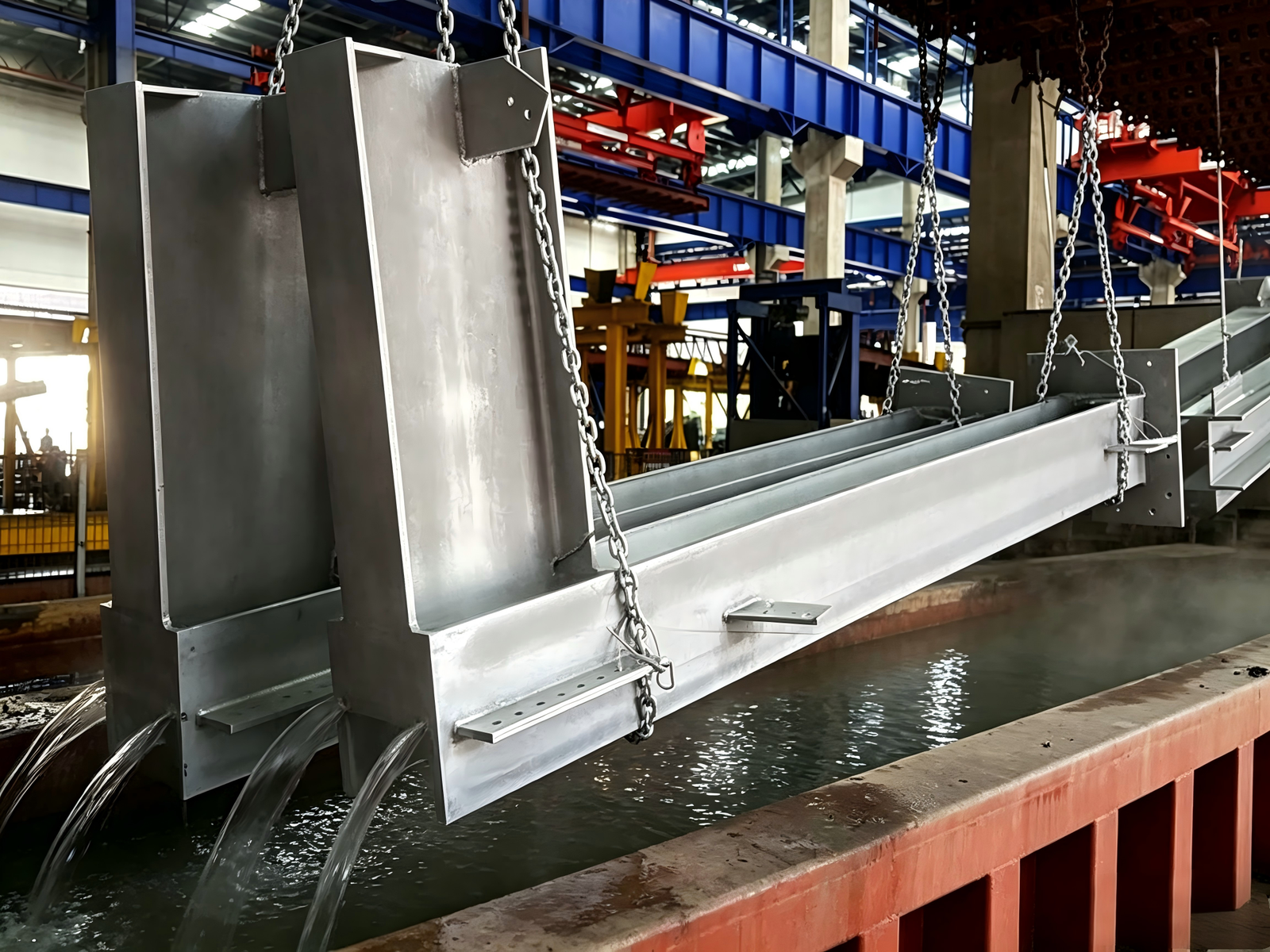
A typical hot-dip galvanising process consists of the following stages:
- 検査– Check the steel surface for defects.
- 脱脂– Remove oil, グリース, および汚染物質.
- 漬物– Eliminate rust and mill scale using acid.
- すすぎ– Clean residual chemicals.
- フラックス– Apply flux to improve zinc adhesion.
- 乾燥– Prepare the surface for immersion.
- 亜鉛浴– Immerse the part in molten zinc.
- 冷却– Quench or air cool the coated component.
- 検査– Verify coating thickness, 接着力, そして外観.
6. Zinc Coating Thickness Standards
The required coating thickness depends on the application and applicable standards.
Common international standards include:
- ASTM A123
- ASTM A153
- ISO 1461
- EN ISO 14713
Thicker coatings generally provide longer corrosion protection but may increase processing costs. Selecting the appropriate standard ensures consistent quality and performance.
7. Galvanising vs Other Surface Finishes
| 表面仕上げ | 耐食性 | 料金 | 外観 | 典型的な使用 |
| Hot-Dip Galvanising | 素晴らしい | 中くらい | 産業用 | Structural steel |
| 粉体塗装 | 良い | 中くらい | 装飾的な | 消費者製品 |
| 絵画 | 適度 | 低い | Custom colors | Indoor applications |
| 電気めっき | 適度 | 中くらい | 滑らかな仕上がり | 精密部品 |
| ステンレス鋼 | 素晴らしい | 高い | プレミアム | Food and medical equipment |
Choosing the right finish depends on environmental conditions, 予算, and aesthetic requirements.
8. Advantages of Galvanising
主な利点としては、:
- 未解決の腐食抵抗
- 長寿命
- 低メンテナンス
- Strong metallurgical bond
- Full surface coverage
- Excellent impact resistance
- Cost-effective lifecycle performance
- Environmentally friendly protection
These benefits make galvanising a preferred solution for long-term outdoor applications.
9. Limitations of Galvanising
その利点にもかかわらず, galvanising has some limitations:
- Higher initial cost than painting
- White rust may form under prolonged moisture exposure
- Surface appearance may vary
- Not ideal for certain precision-machined parts
- Welding galvanized steel requires additional precautions
Understanding these limitations helps engineers choose the most suitable surface treatment.
10. Industries That Use Galvanised Steel
Galvanised steel is widely used in:
- 工事
- 自動車
- 農業
- Electrical infrastructure
- 再生可能エネルギー
- 電気通信
- 交通機関
- Marine engineering
Its combination of strength, 耐久性, and corrosion resistance makes it suitable for demanding environments.
11. Common Galvanised Products
Typical galvanized products include:
- 構造ビーム
- 鋼管
- ファスナー
- Guardrails
- Cable trays
- Utility poles
- Steel fences
- 金網
- 屋根シート
- 産業機器
12. Galvanising Standards and Certifications
Quality galvanising follows internationally recognized standards, including ASTM A123, ASTM A153, ISO 1461, and EN ISO 14713. These specifications define coating thickness, inspection methods, and quality requirements to ensure consistent performance.
13. How to Inspect Galvanised Coatings
Common inspection methods include:
- 目視検査
- 膜厚測定
- 密着性試験
- Uniformity assessment
- Surface defect evaluation
Regular inspection ensures compliance with project specifications.
14. Common Galvanising Defects and Solutions
Typical defects include:
- 白い錆
- 裸の斑点
- Excess zinc
- Rough surfaces
- Runs and drips
- Ash inclusions
Most defects can be minimized through proper surface preparation, プロセス制御, and post-treatment.
15. How Long Does Galvanised Steel Last?
The lifespan of galvanized steel depends on the operating environment.
- Rural areas: 50–100 years
- Urban areas: 30–50年
- Coastal environments: 20–30年
- Industrial environments: Varies depending on pollution and humidity
Routine inspection further extends service life.
16. How Much Does Galvanising Cost?
Cost depends on several factors:
- Component size
- Steel thickness
- Coating specification
- 生産量
- 表面処理
- 交通機関
- Required quality standards
Although the initial investment may be higher than painting, galvanising often provides lower lifetime costs due to reduced maintenance.
17. Design Tips for Galvanising
最良の結果を得るために, engineers should:
- Include adequate vent and drain holes.
- Avoid enclosed cavities.
- Consider coating thickness during design.
- Protect threaded areas when necessary.
- Follow galvanising design guidelines to reduce distortion.
Proper design improves coating quality and manufacturing efficiency.
結論
Whether using hot-dip galvanising, electro galvanising, or other zinc coating processes, selecting the appropriate method can significantly improve product durability, reduce maintenance, and lower lifecycle costs.
If your project requires high-quality galvanized steel components or custom metal manufacturing, working with 精度の高いトップ-an experienced manufacturing partner ensures compliance with international standards, consistent coating quality, and dependable long-term performance.
よくある質問
1. What is the difference between galvanising and zinc plating?
Although both processes apply a zinc coating to steel, galvanising typically creates a much thicker and more durable protective layer. Hot-dip galvanising is ideal for outdoor and structural applications, while zinc plating (electro galvanising) provides a thinner, smoother finish suitable for indoor products and precision components.
2. Can galvanized steel be cut or drilled after galvanising?
はい. Galvanized steel can be cut, ドリル, or machined after the coating process. しかし, any exposed steel created during fabrication should be repaired with a zinc-rich coating or other approved repair method to maintain corrosion protection.
3. Is hot-dip galvanising suitable for all types of steel?
Most carbon steels can be successfully hot-dip galvanized. しかし, the steel’s chemical composition—particularly its silicon and phosphorus content—can affect coating thickness and appearance. Consulting your galvanizing supplier before production is recommended.
4. Does galvanising affect the mechanical properties of steel?
ほとんどの場合、, galvanising has little to no impact on the strength, 硬度, or structural integrity of steel. Properly controlled processing temperatures ensure that the base material retains its original mechanical properties.
5. Can galvanized steel be welded?
はい, galvanized steel can be welded. しかし, the zinc coating near the weld area should be removed beforehand, and proper ventilation should be used because zinc fumes can be hazardous. 溶接後, the affected area should be repaired with a zinc-rich coating to restore corrosion resistance.
6. How should galvanized steel be stored before installation?
Galvanized products should be stored in a dry, well-ventilated environment. Avoid stacking wet components together for extended periods, as trapped moisture can cause white rust to develop on the zinc surface.
7. What factors influence the lifespan of galvanized steel?
The durability of galvanized steel depends on several factors, including coating thickness, 環境条件, 湿度, salt exposure, industrial pollutants, and regular maintenance. Thicker zinc coatings generally provide longer corrosion protection.
8. Is galvanising environmentally friendly?
はい. Zinc is a naturally occurring and recyclable material. Galvanised steel has a long service life, requires minimal maintenance, and is fully recyclable at the end of its lifecycle, making it a sustainable corrosion protection solution.
9. How do I choose the right galvanising method for my project?
The best galvanising method depends on your application, component size, required coating thickness, 外観, 動作環境, と予算. Hot-dip galvanising is typically preferred for structural and outdoor applications, while electro galvanising is better suited for decorative or precision parts.
10. How can I ensure high-quality galvanised components?
Work with an experienced manufacturer that follows international standards such as ISO 1461 or ASTM A123. A reliable supplier should provide proper surface preparation, consistent process control, coating thickness inspection, and comprehensive quality assurance to ensure long-lasting corrosion protection.


