


新しいダイカストプロジェクトを設計している場合でも、精密アルミニウムコンポーネントを調達している場合でも, understanding the characteristics of A380 aluminum can help you choose the right material while reducing manufacturing costs and improving product performance.
この包括的なガイドで, you’ll learn everything about A380 aluminum alloy, including its chemical composition, mechanical and physical properties, 利点, 制限事項, 製造プロセス, and how it compares with other popular die casting alloys.
What Is A380 Aluminum Alloy?
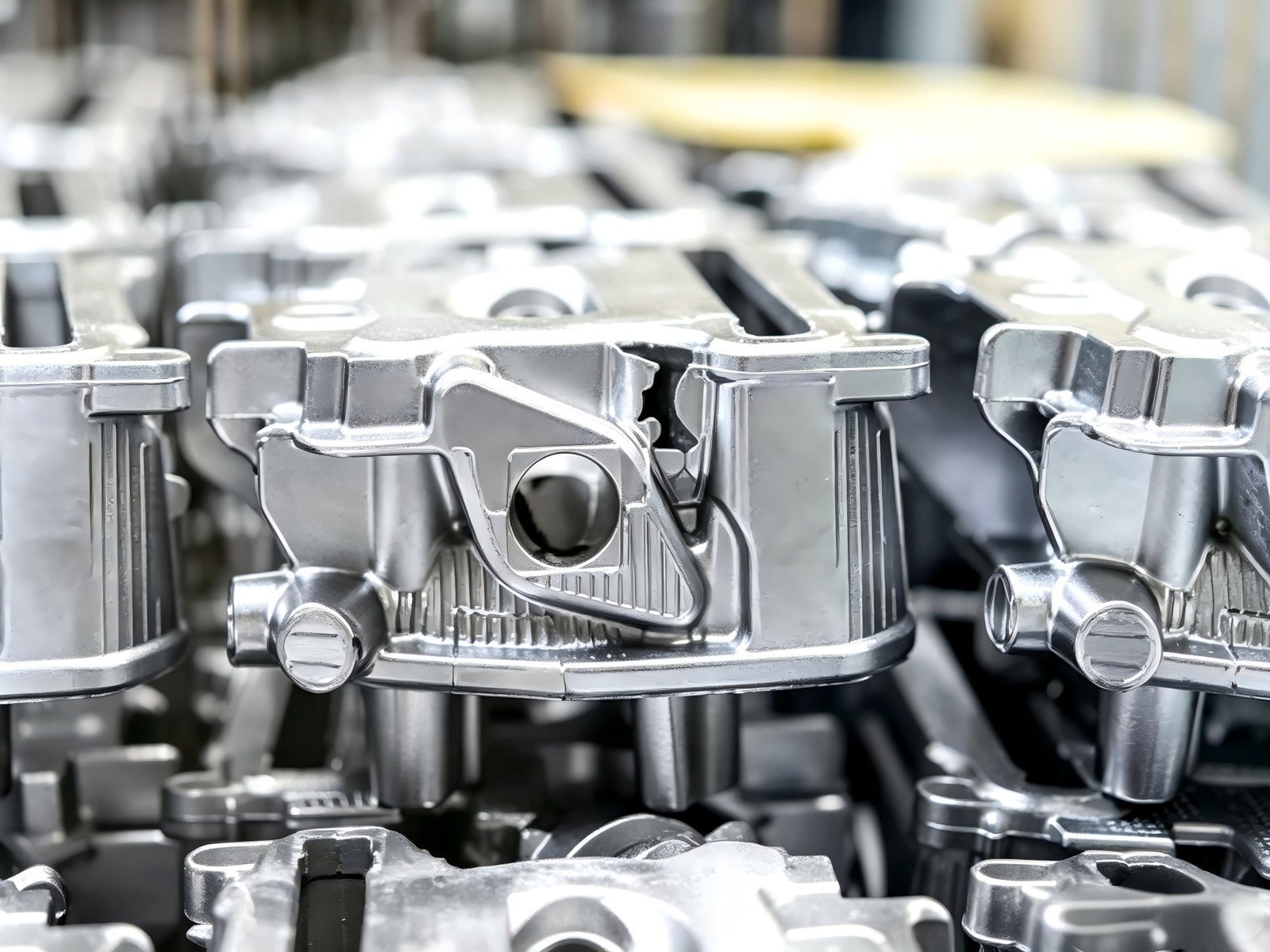
A380 aluminum alloy is a high-performance aluminum-silicon-copper (Al-Si-Cu) casting alloy specifically developed for 高圧ダイカスト (HPDC). It is designated under the Aluminum Association (AA) standard and has become the industry benchmark for manufacturing complex aluminum components with excellent dimensional accuracy.
Manufacturers use A380 to produce components with thin walls, 複雑なジオメトリ, and tight tolerances while maintaining excellent production efficiency. The alloy fills intricate mold cavities quickly during die casting, reducing defects such as shrinkage, 気孔率, そして不完全な充填.
今日, A380 aluminum is widely used in industries including:
自動車
電気自動車 (EVS)
家電
電気通信
産業オートメーション
医療機器
家電製品
ロボット工学
LED照明
電動工具
Its versatility makes it one of the first material choices for engineers developing lightweight yet durable aluminum components.
A380 Aluminum Chemical Composition
The typical chemical composition is shown below.
| 要素 | 代表的な内容 | 一次機能 |
| アルミニウム (アル) | バランス | Lightweight base metal with corrosion resistance |
| ケイ素 (そして) | 7.5–9.5% | Improves fluidity, 耐摩耗性, キャスタビリティ |
| 銅 (銅) | 3.0-4.0% | 強度と硬度が増加します |
| 鉄 (鉄) | まで 1.3% | Reduces die sticking and improves mold release |
| 亜鉛 (亜鉛) | まで 3.0% | Contributes to strength |
| マグネシウム (マグネシウム) | まで 0.10% | Improves hardness and mechanical strength |
| マンガン (ん) | まで 0.50% | Enhances toughness and reduces brittleness |
| ニッケル, 錫, チタン & その他 | Trace | Improve specialized performance characteristics |
アルミニウム (アル)
Aluminum serves as the primary element, accounting for approximately 80–90% of the alloy. It provides the lightweight characteristics that make aluminum ideal for replacing steel in many engineering applications.
The naturally forming aluminum oxide layer also provides good corrosion resistance in many operating environments.
ケイ素 (そして)
Silicon is the most important alloying element in A380.
Its primary benefits include:
Improved molten metal flow
Better mold filling
Reduced casting shrinkage
Higher wear resistance
寸法安定性の向上
The relatively high silicon content enables manufacturers to produce highly detailed die cast components with thin walls and intricate internal features.
銅 (銅)
Copper significantly increases the alloy’s mechanical strength.
利点には含まれます:
より高い引張強度
Increased hardness
耐疲労性の向上
Improved high-temperature performance
Although higher copper content may slightly reduce corrosion resistance compared with some low-copper alloys, the trade-off provides much stronger structural performance.
鉄 (鉄)
Iron is intentionally controlled within a specific range.
Its primary function is to reduce soldering between molten aluminum and steel dies during die casting.
Excessive iron, しかし, may reduce ductility and increase brittleness, making precise composition control essential.
マグネシウム (マグネシウム)
Although magnesium is present in relatively small quantities, it contributes to:
Increased hardness
Better strength
耐摩耗性の改善
Its effect complements the strengthening provided by copper.
亜鉛 (亜鉛)
Zinc provides additional strengthening while maintaining good castability.
Manufacturers carefully control zinc content because excessive amounts may negatively affect long-term corrosion performance.
マンガン (ん)
Manganese helps improve toughness and refines the internal grain structure.
It also minimizes the harmful effects of excessive iron by modifying intermetallic phases within the alloy.
Mechanical Properties of A380 Aluminum
| 財産 | 典型的な値 |
| 抗張力 | 310–345 MPa |
| 降伏強さ | 140–170MPa |
| 伸長 | 1–3% |
| ブリネル硬度 | 80–95 HB |
| 密度 | 2.71 g/cm3 |
| 弾性率 | 約 71 GPa |
| せん断強度 | 約 180 MPa |
| 疲労強度 | その周り 140 MPa |
These properties make A380 suitable for structural applications that require reliable mechanical performance while minimizing overall weight.
Physical Properties of A380 Aluminum Alloy
In addition to its excellent mechanical performance, A380 aluminum alloy offers a well-balanced set of physical properties that make it suitable for demanding engineering applications. These characteristics contribute to efficient heat management, 寸法安定性, and long-term durability in a wide range of operating environments.
| 財産 | 典型的な値 |
| 密度 | 2.71 g/cm3 |
| 溶解範囲 | 555–595°C (1,031–1,103°F) |
| 熱伝導率 | 96–105 W/m·K |
| 電気伝導性 | Approximately 23–28% IACS |
| 熱膨張係数 | 21–22 × 10⁻⁶ /°C |
| 比熱容量 | 約 960 J/kg・K |
These finishes significantly improve corrosion resistance in humid, coastal, or chemically aggressive environments.
Why A380 Is the Preferred Aluminum Alloy for Die Casting
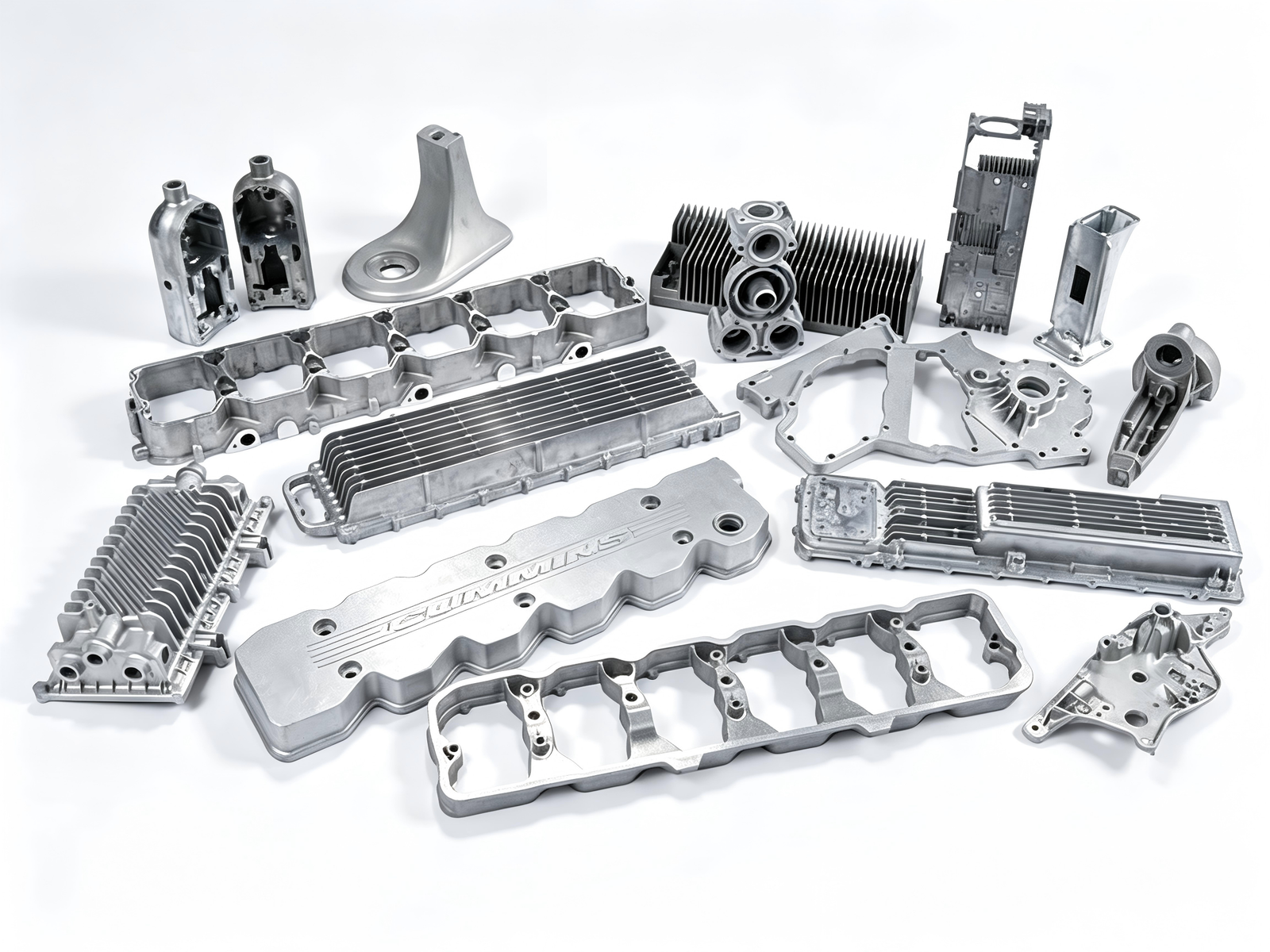
Among hundreds of aluminum alloys available today, A380 remains the industry standard for high-pressure die casting.
Its popularity is not accidental. The alloy offers an exceptional balance between manufacturing efficiency, 機械的性能, and production cost.
Outstanding Casting Fluidity
One of A380’s greatest strengths is its excellent fluidity in the molten state.
During high-pressure die casting, molten aluminum must rapidly fill intricate mold cavities before solidification begins.
A380’s high silicon content enables it to:
Fill extremely thin sections
Reproduce complex geometries
Form intricate ribs and bosses
Minimize cold shuts
Reduce misruns
This allows designers greater freedom when developing lightweight and highly integrated components.
Excellent Die Filling Performance
High-pressure die casting often involves components with:
薄い壁
深い空洞
Multiple mounting features
Internal cooling channels
Complex structural ribs
A380 flows smoothly under injection pressure, ensuring complete mold filling even in complicated dies.
結果として, メーカーが達成する:
Higher yield rates
より良い表面仕上げ
不良率の低下
Increased production efficiency
Low Shrinkage During Solidification
Casting shrinkage is a major source of defects in metal components.
Because A380 exhibits relatively low solidification shrinkage, manufacturers experience fewer problems such as:
Internal porosity
Surface sink marks
ねじれ
寸法変動
This characteristic contributes directly to improved part quality and lower scrap rates.
優れた被削性
Although many die cast components require minimal post-processing, certain features still need secondary machining.
例には含まれます:
精密穴
ベアリングシート
ねじ穴
シール面
Critical mounting faces
A380 machines easily using conventional CNC equipment.
Its good machinability offers several benefits:
より速い切断速度
Longer tool life
より良い表面仕上げ
加工コストの削減
This makes it an excellent choice for precision components requiring tight tolerances.
高い生産効率
量産用, few materials match the productivity of A380.
High-pressure die casting combined with A380 enables:
Cycle times of only seconds per part
優れた再現性
最小限の材料廃棄物
High automation capability
Lower labor costs
These advantages make A380 ideal for manufacturing hundreds of thousands—or even millions—of identical components each year.
Advantages of A380 Aluminum Alloy
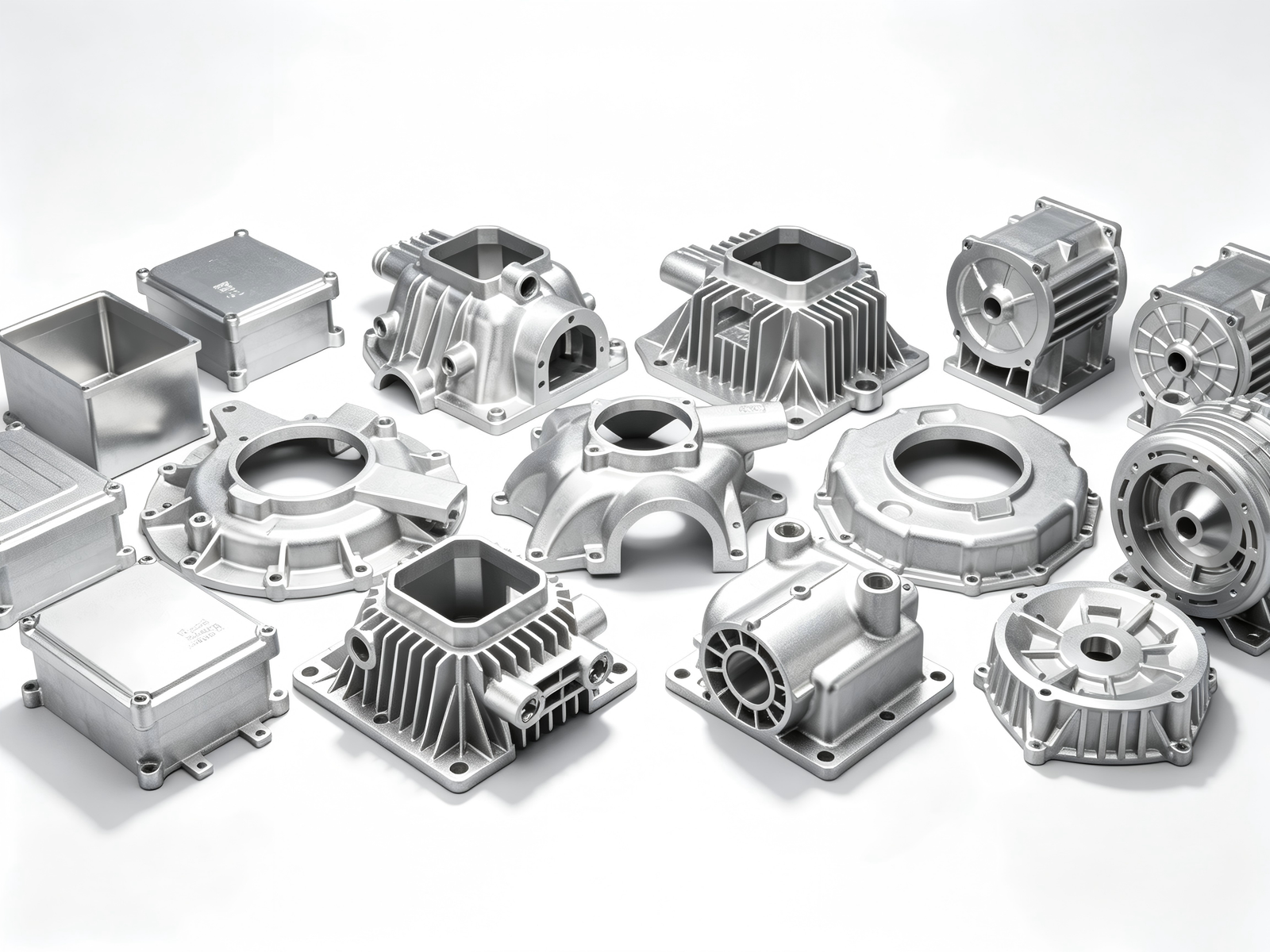
The combination of excellent casting characteristics and reliable mechanical properties has made A380 the preferred material for numerous industries.
1. 優れた強度重量比
A380 delivers impressive mechanical strength while remaining lightweight.
Compared with steel components, aluminum die cast parts can significantly reduce overall product weight without compromising structural integrity.
利点には含まれます:
Improved fuel economy
Reduced transportation costs
Easier installation
Better equipment efficiency
2. 優れたキャスタビリティ
A380 is specifically engineered for high-pressure die casting.
Its excellent flow characteristics allow manufacturers to produce:
薄肉コンポーネント
複雑な形状
Complex internal structures
Smooth surfaces
高次元精度
This reduces machining requirements and shortens production time.
3. 優れた表面仕上げ
The alloy produces smooth casting surfaces directly from the die.
結果として, many components require little or no additional finishing before painting or coating.
A better surface finish also enhances product appearance and improves coating adhesion.
4. 優れた耐摩耗性
Thanks to its silicon content, A380 offers better wear resistance than many other aluminum alloys.
This makes it suitable for components exposed to friction or repeated mechanical contact, のような:
ギヤハウジング
ポンプボディ
Motor covers
産業機器
5. Reliable Heat Dissipation
Modern electronic devices generate significant amounts of heat.
A380 effectively transfers heat away from sensitive components, それを理想的にします:
LED照明
Battery packs
Power electronics
Motor controllers
ヒートシンク
6. Cost-Effective Manufacturing
A380 is one of the most economical aluminum die casting materials available.
Cost savings come from several factors:
高い生産効率
Excellent mold filling
Low scrap rate
Reduced machining
Long die life
Recyclable material
大量生産向け, these advantages can significantly reduce the overall cost per part.
7. 優れた寸法精度
Precision is essential in industries such as automotive, ロボット工学, そしてエレクトロニクス.
A380 consistently produces components with:
厳しい許容範囲
Excellent flatness
Stable dimensions
Repeatable quality
This minimizes assembly issues and improves overall product reliability.
8. Highly Recyclable
Like most aluminum alloys, A380 is fully recyclable.
Recycled aluminum requires only a fraction of the energy needed to produce primary aluminum, making it an environmentally friendly choice for sustainable manufacturing.
Limitations of A380 Aluminum Alloy
Although A380 is highly versatile, no material is perfect. Understanding its limitations helps engineers select the most suitable alloy for each application.
限られた延性
Compared with wrought aluminum alloys, A380 has relatively low elongation.
It performs well under static loads but is less suitable for applications requiring significant deformation or impact resistance.
Not Ideal for Welding
Due to its silicon and copper content, A380 is generally not recommended for structural welding.
Welded joints may experience:
Reduced strength
気孔率の増加
ひび割れ
Lower fatigue performance
For welded structures, wrought aluminum alloys such as the 5xxx or 6xxx series are often better choices.
Moderate Corrosion Resistance
Although A380 resists corrosion well in most industrial environments, it is not the best option for continuous exposure to seawater or highly corrosive chemicals.
In such conditions, protective surface coatings are strongly recommended.
限られた熱処理能力
Unlike some casting alloys, A380 is primarily used in the as-cast condition.
While certain heat treatments are possible, the alloy does not respond as effectively as alloys such as A356, which are specifically designed for heat treatment.
Next Part: A380 vs. A360 vs. A383 vs. ADC12, Manufacturing Processes, 表面仕上げオプション, アプリケーション, デザインのヒント, よくある質問, and Conclusion.
A380 vs. A360 vs. A383 vs. ADC12
Choosing the right aluminum alloy is one of the most important decisions in a die casting project. While A380 is often considered the industry standard, other alloys such as A360, A383, and ADC12 each have unique advantages depending on the application.
The following comparison can help engineers and purchasing managers select the most suitable alloy based on performance, 製造可能性, そしてコスト.
| 財産 | A380 | A360 | A383 | ADC12 |
| Primary Standard | ASTM | ASTM | ASTM | 彼はそうです |
| キャスタビリティ | 素晴らしい | 良い | 素晴らしい | 素晴らしい |
| 流動性 | 素晴らしい | 良い | 並外れた | 素晴らしい |
| 機械的強度 | 高い | 高い | 中~高 | 中~高 |
| 耐食性 | 良い | 素晴らしい | 良い | 良い |
| Pressure Tightness | 素晴らしい | 素晴らしい | とても良い | 良い |
| 被削性 | 素晴らしい | 良い | 素晴らしい | 素晴らしい |
| 熱散逸 | 良い | 良い | 良い | 良い |
| 代表的なアプリケーション | 自動車, エレクトロニクス, 機械 | マリン, 航空宇宙, pressure-tight parts | Thin-wall castings | 家電, 自動車 |
Manufacturing Processes for A380 Aluminum Parts
One reason A380 remains so popular is its compatibility with multiple manufacturing processes. While high-pressure die casting is the primary production method, several secondary operations are commonly performed to achieve final specifications.
高圧ダイカスト
高圧ダイキャスティング (HPDC) is the preferred manufacturing process for A380 aluminum alloy.
このプロセス中:
Aluminum is melted in a furnace.
Molten metal is injected into a hardened steel die under high pressure.
The metal rapidly solidifies inside the mold.
The casting is ejected.
ゲート, ランナー, and flash are trimmed.
The part proceeds to secondary machining or finishing if required.
Benefits of HPDC
高い生産速度
優れた寸法精度
滑らかな表面仕上げ
Thin-wall capability
Low per-part cost in mass production
優れた再現性
These advantages make HPDC ideal for producing large quantities of precision aluminum components.
CNC加工
Although die casting produces near-net-shape parts, many components still require precision machining.
Common machining operations include:
フライス加工
旋回
掘削
リーミング
つまらない
ねじ立て
Critical features such as bearing seats, threaded holes, シーリングサーフェス, and precision mounting faces are typically finished using CNC machining.
掘削とタッピング
Many A380 components require threaded holes for assembly.
Thanks to its excellent machinability, A380 allows:
Accurate hole positioning
Clean thread formation
Reduced tool wear
High machining efficiency
This makes the alloy particularly suitable for components assembled with screws, ボルト, or inserts.
平面研削
Surface grinding is used when exceptionally flat sealing or mounting surfaces are required.
代表的なアプリケーションには次のものがあります。:
ポンプハウジング
油圧バルブ本体
Compressor components
Precision equipment
Grinding improves flatness and ensures proper sealing performance.
Surface Finishing Options for A380 Aluminum
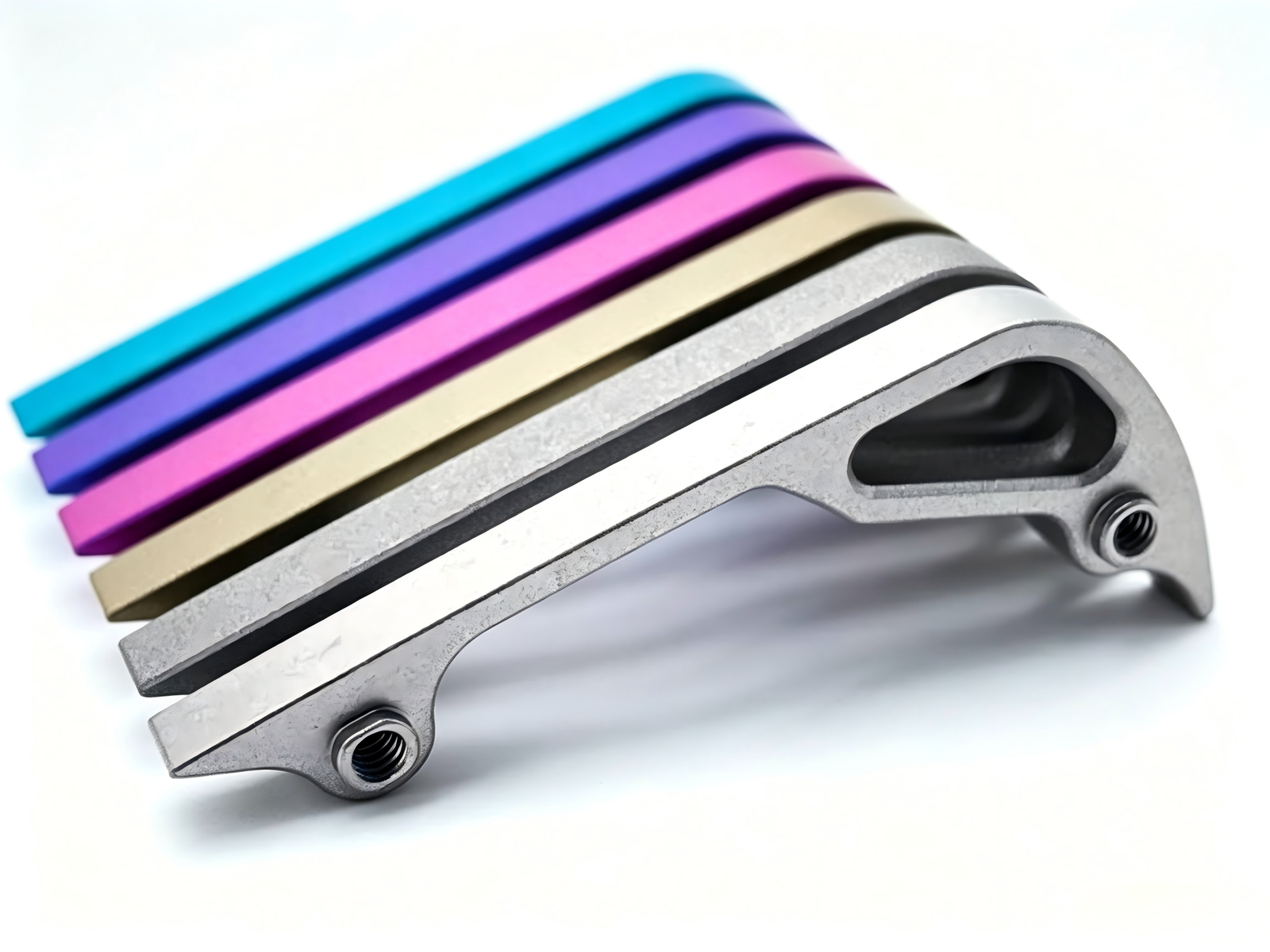
Although A380 naturally resists corrosion, many products require additional surface treatment to improve appearance, 耐久性, or environmental resistance.
粉体塗装
Powder coating is one of the most common finishing methods.
利点としては次のものが挙げられます。:
優れた耐食性
魅力的な外観
高い耐久性
幅広い色展開
優れた耐衝撃性
It is widely used for automotive parts, 産業機器, and outdoor products.
絵画
Liquid painting provides decorative and protective finishes while allowing manufacturers to match customer-specific color requirements.
アプリケーションには以下が含まれます:
Appliance housings
消費者製品
産業機器
自動車部品
電気泳動コーティング (電着塗装)
E-coating creates a highly uniform protective layer, 複雑なジオメトリでも.
Its advantages include:
優れた腐食保護
均一なコーティングの厚さ
Strong adhesion
Environmentally friendly process
It is commonly used for automotive and industrial applications.
Chemical Conversion Coating
Also known as chromate or trivalent conversion coating, this finish:
耐食性を改善します
Enhances paint adhesion
Provides electrical conductivity for grounding applications
広く使用されています 電子エンクロージャー and communication equipment.
無電解ニッケルめっき
Nickel plating provides:
優れた耐摩耗性
耐食性の向上
Enhanced hardness
Attractive metallic appearance
It is often selected for precision industrial components subjected to repeated wear.
ショットブラスト
Shot blasting removes surface imperfections while creating a uniform matte texture.
利点には含まれます:
Improved appearance
Better coating adhesion
Removal of flash and oxide
Consistent surface quality
研磨
For decorative applications, polishing produces a smoother and more attractive surface.
Although A380 cannot achieve the mirror finish of some wrought aluminum alloys, polishing significantly improves product aesthetics before painting or coating.
で final part, 私たちがカバーします:
Common Applications of A380 Aluminum Alloy
Design Tips for A380 Die Cast Parts
15 SEO-optimized FAQs
Conclusion with a strong B2B call-to-action for inquiry conversion
Common Applications of A380 Aluminum Alloy
自動車部品
The automotive industry is the largest consumer of A380 aluminum alloy. As vehicle manufacturers continue to reduce weight to improve fuel efficiency and extend the driving range of electric vehicles (EVS), aluminum die castings are replacing traditional steel and iron components.
Typical automotive applications include:
エンジンブラケット
トランスミッションハウジング
Gearbox covers
Oil pump housings
モーターハウジング
オルタネーターハウジング
ステアリングシステムのコンポーネント
ECU (Electronic Control Unit) ハウジング
Battery pack enclosures
Electric vehicle motor end covers
A380’s excellent strength-to-weight ratio enables manufacturers to reduce vehicle weight without compromising structural performance.
家電
Modern electronic devices generate significant heat while requiring compact, lightweight enclosures. A380 aluminum offers excellent thermal conductivity and dimensional accuracy, making it ideal for precision electronic components.
一般的なアプリケーションには次のものがあります。:
ヒートシンク
LED照明ハウジング
電源エンクロージャ
通信機器筐体
Network device casings
Computer hardware components
Audio equipment enclosures
Its ability to dissipate heat efficiently helps improve the reliability and lifespan of electronic products.
産業機械
Industrial equipment often operates under demanding conditions involving vibration, 機械的負荷, and elevated temperatures. A380 aluminum provides the durability and stability needed for these environments.
Typical industrial applications include:
ポンプハウジング
バルブボディ
Compressor components
油圧機器
ギヤハウジング
Pneumatic system parts
Automation equipment frames
Industrial motor housings
The alloy’s excellent machinability also makes it easy to produce precision mounting surfaces and threaded features.
電気自動車 (EVS)
As the EV market expands, A380 aluminum has become increasingly important for lightweight structural and thermal management components.
Common EV applications include:
Battery housing components
Inverter housings
Charging system enclosures
電動モーターハウジング
Cooling system components
Power distribution units
DC/DC converter housings
Its combination of lightweight construction and efficient heat dissipation helps improve vehicle performance and battery efficiency.
家電製品
Many household appliances contain die-cast aluminum parts because they combine durability with an attractive appearance.
例には含まれます:
Washing machine frames
エアコンコンプレッサーハウジング
冷蔵庫のコンプレッサー部品
Coffee machine components
Vacuum cleaner housings
Kitchen appliance frames
A380 allows manufacturers to produce complex parts with excellent consistency in high-volume production.
ロボティクスとオートメーション
Industrial robots require lightweight yet rigid structural components to achieve high-speed, precise motion.
代表的なアプリケーションには次のものがあります。:
Robot arm joints
Servo motor housings
End-effector brackets
Automation equipment frames
Vision system housings
The alloy’s dimensional stability ensures consistent positioning accuracy during long-term operation.
Design Tips for A380 Die Cast Parts
Selecting the right alloy is only part of a successful die casting project. Good part design plays an equally important role in achieving high-quality castings, minimizing defects, and reducing production costs.
Below are several key design recommendations when working with A380 aluminum alloy.
均一な肉厚を維持する
Uniform wall thickness promotes even metal flow and consistent cooling during solidification.
Large variations in wall thickness may lead to:
Shrinkage porosity
Sink marks
反り
残留応力
可能な場合はいつでも, designers should maintain consistent wall thickness throughout the part.
Add Appropriate Draft Angles
Draft angles allow the casting to be ejected smoothly from the die without damaging the component or the mold.
Typical draft recommendations are:
外面: 1–2°
Internal surfaces: 2–3°
Adequate draft also extends die life and reduces maintenance costs.
Use Generous Fillet Radii
Sharp internal corners concentrate stress and restrict molten metal flow.
Adding fillets helps:
Improve metal flow
Reduce cracking
Increase fatigue strength
Extend die life
Rounded transitions generally produce stronger and more reliable castings.
Reinforce with Ribs Instead of Thick Walls
Increasing wall thickness is not always the best way to improve strength.
その代わり, designers often use reinforcing ribs, which provide:
より高い剛性
Lower material usage
Reduced weight
Better casting quality
This approach also minimizes shrinkage defects.
Design Bosses Carefully
Bosses are commonly used for screws, インサート, とファスナー.
Proper boss design should include:
Adequate wall support
Smooth transitions
Appropriate draft angles
Sufficient spacing from exterior walls
This helps prevent cracking and improves mold filling.
Minimize Secondary Machining
A380 die casting can achieve excellent dimensional accuracy. 可能な場合はいつでも, engineers should design parts that minimize post-machining operations.
Reducing machining helps lower:
Production costs
Manufacturing time
ツールウェア
材料廃棄物
Early collaboration between the design team and the die casting manufacturer can optimize part geometry for both casting and machining.
FAQs
1. What is A380 aluminum alloy?
A380 is an aluminum-silicon-copper alloy specifically developed for high-pressure die casting. 優れた強度の組み合わせを提供します, キャスタビリティ, 耐食性, および加工性.
2. Why is A380 the most popular die casting alloy?
A380 provides an outstanding balance of mechanical properties, 製造効率, そしてコスト, making it suitable for a wide variety of industries and applications.
3. Is A380 stronger than A383?
一般的に, はい. A380 typically offers higher mechanical strength, while A383 provides better fluidity for thin-wall and highly complex castings.
4. What is the equivalent of A380 aluminum?
Common equivalents include:
ADC10 (Japanese JIS standard)
LM24 (British standard)
Although similar, exact chemical compositions and performance characteristics may vary depending on the applicable standard.
5. Can A380 aluminum be CNC machined?
はい. A380 has excellent machinability and is commonly machined after casting to produce precision holes, スレッド, シーリングサーフェス, and mounting features.
6. Can A380 aluminum be welded?
一般的に, A380 is not recommended for structural welding due to its relatively high silicon and copper content, which can increase the risk of porosity and cracking.
7. Can A380 aluminum be anodized?
A380 can be anodized, but because of its relatively high silicon content, the finish is usually darker and less decorative than anodized wrought alloys such as 6061 または 6063. Powder coating or electroless nickel plating is often preferred when appearance is important.
8. Is A380 suitable for outdoor applications?
はい. A380 offers good corrosion resistance in outdoor environments. For long-term exposure to moisture, 塩水噴霧, または化学物質, applying an appropriate surface coating is recommended to maximize durability.
9. What industries use A380 aluminum alloy?
A380 is widely used in:
自動車
電気自動車
エレクトロニクス
産業機械
電気通信
医療機器
Consumer appliances
ロボット工学
LED照明
10. Is A380 aluminum recyclable?
はい. Like most aluminum alloys, A380 is 100% リサイクル可能. Recycling aluminum consumes significantly less energy than producing primary aluminum, making it an environmentally responsible material choice.
結論
If you’re planning a new die casting project, partnering with an experienced manufacturer is just as important as selecting the right alloy. An experienced supplier can provide support with 設計の最適化, mold development, ダイカスト, CNC加工, 表面仕上げ, and quality inspection, helping you reduce costs, shorten lead times, and ensure consistent product quality.
Looking for a reliable custom A380 aluminum die casting manufacturer? Contact our engineering team today あなたのプロジェクトについて話し合うために. We offer one-stop manufacturing solutions, from design review and tooling to precision machining and finishing, ensuring your components meet the highest standards of quality and performance.


