ブログ

ブログUnderstanding Zamak Alloys: 種類, プロパティ, アプリケーション, and Die Casting Guide

Understanding Zamak Alloys: 種類, プロパティ, アプリケーション, and Die Casting Guide

Understanding Zamak Alloys

Compared with aluminum, 真鍮, と鋼, Zamak offers a unique balance of strength, 表面の品質, 生産効率と. Its low melting point enables fast production cycles, making it ideal for high-volume die casting without sacrificing precision or durability.

このガイドでは, you’ll learn what Zamak alloy is, its chemical composition, the differences between common Zamak grades, key mechanical properties, manufacturing advantages, アプリケーション, and how to choose the right alloy for your next project.

What Is Zamak Alloy?

Understanding Zamak Alloys

Zamak is a family of zinc-based alloys primarily composed of zinc, アルミニウム, マグネシウム, と銅. The name “Zamak” originates from the German names of its alloying elements:

  • Z– Zinc (Zink)
  • – アルミニウム
  • MA– Magnesium
  • K– Kupfer (銅)

Developed in the 1920s, Zamak quickly became the industry standard for 亜鉛ダイカスト due to its excellent casting characteristics and reliable mechanical performance.

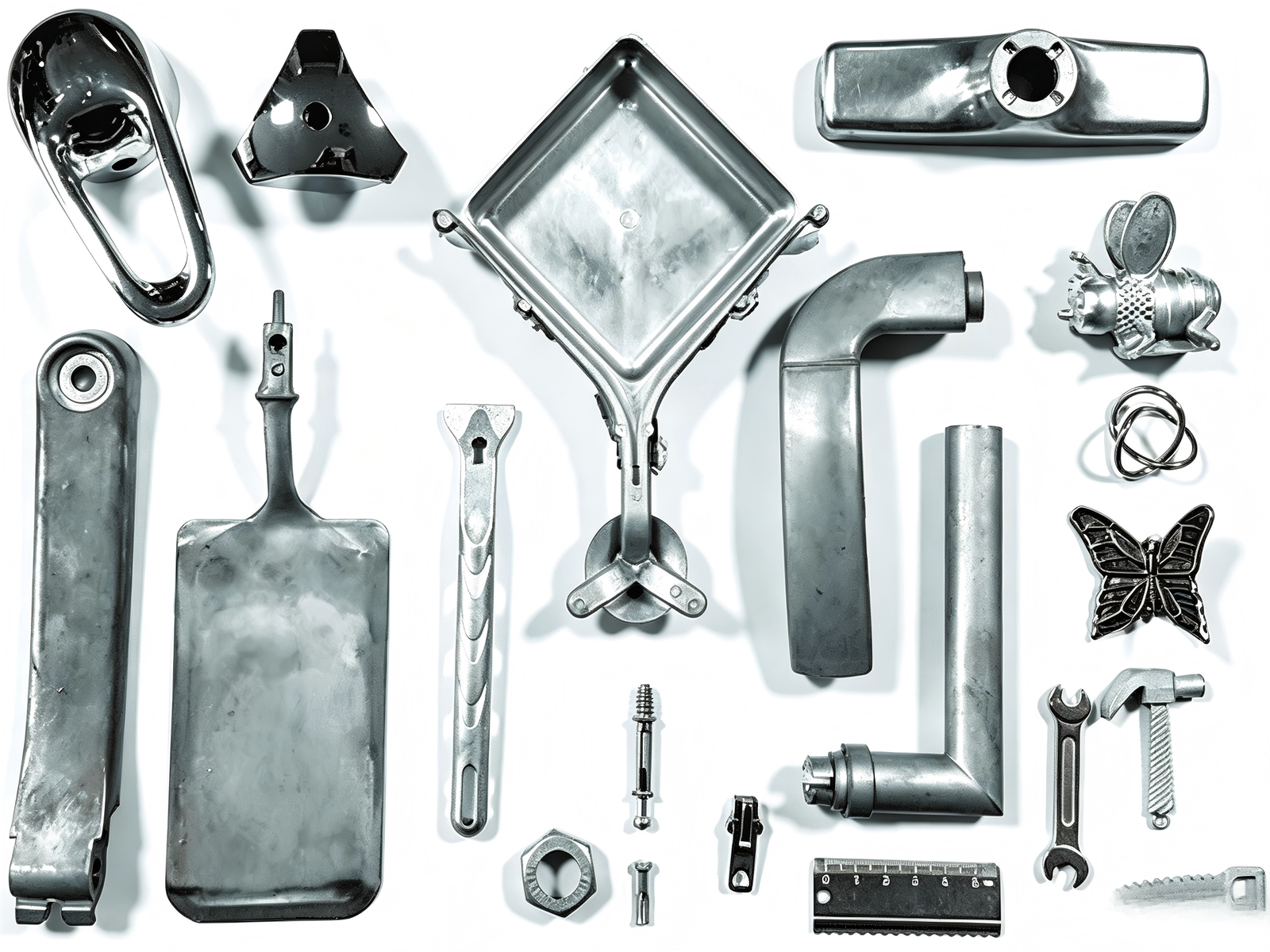
Unlike pure zinc, which is relatively soft and unsuitable for structural applications, Zamak alloys offer significantly improved strength, 硬度, 耐食性. These properties allow manufacturers to produce complex parts with thin walls, intricate geometries, and tight tolerances while minimizing secondary machining.

今日, Zamak alloys are used across a wide range of industries, 自動車を含む, エレクトロニクス, 医療機器, furniture hardware, 産業機器, および消費者製品.

Chemical Composition and Common Zamak Grades

Although all Zamak alloys are zinc-based, small changes in aluminum, 銅, and magnesium content result in different mechanical properties and applications.

代表的な化学組成

要素 代表的な内容 Primary Function
亜鉛 (亜鉛) 95–96% Base metal providing excellent castability
アルミニウム (アル) 3.5-4.3% 強度の向上, 硬度, 耐食性
マグネシウム (マグネシウム) 0.03–0.06% Enhances dimensional stability and reduces brittleness
銅 (銅) 0–1.25% Increases tensile strength and wear resistance
鉄, 鉛 & カドミウム Trace amounts Strictly controlled to maintain quality and meet environmental standards

Comparison of Common Zamak Grades

合金 Main Feature 代表的なアプリケーション
重荷 2 Highest strength and hardness 産業コンポーネント, 歯車, 耐摩耗部品
重荷 3 Best overall balance of performance and cost General die cast components, 自動車, エレクトロニクス
重荷 5 Higher strength than Zamak 3 Automotive hardware, 機械部品, ロック
重荷 7 Superior fluidity and surface finish Thin-wall components and decorative products

重荷 3

重荷 3 is the most widely used zinc die casting alloy worldwide. It provides excellent dimensional stability, 耐食性, and surface finish while remaining easy to cast and machine. It is suitable for most commercial and industrial applications.

重荷 5

重荷 5 contains more copper than Zamak 3, resulting in greater strength, 硬度, そして耐摩耗性. It is commonly selected for automotive components and mechanical parts subjected to higher loads.

重荷 2

With the highest copper content among standard grades, 重荷 2 offers exceptional hardness and creep resistance. It is often used for tooling, 歯車, and precision industrial components.

重荷 7

重荷 7 improves casting fluidity and surface appearance, making it ideal for thin-wall designs and decorative products requiring premium finishes.

Mechanical and Physical Properties

The popularity of Zamak alloys comes from their excellent balance of mechanical strength and manufacturing performance.

財産 典型的な値
抗張力 280–410 MPa
降伏強さ 210–330MPa
硬度 82–120 HB
密度 6.6–6.8 g/cm³
融点 380–390°C
熱伝導率 約. 110 W/m・K
電気伝導性 約. 27% IACS
耐食性 Excellent in indoor and moderately humid environments

These properties enable Zamak components to withstand repeated mechanical loads while maintaining dimensional accuracy. The alloy also offers excellent vibration damping and impact resistance, making it suitable for mechanical assemblies and automotive hardware.

Its relatively low melting temperature reduces energy consumption during production and extends die life, lowering manufacturing costs.

Why Zamak Is Ideal for Die Casting

Zamak alloys are specifically designed for high-pressure die casting, making them one of the most efficient materials for mass production.

Excellent Fluidity

Molten Zamak fills complex molds quickly, allowing manufacturers to produce intricate shapes with thin walls and fine details.

高次元精度

Die cast Zamak parts achieve tight tolerances, reducing or eliminating secondary machining operations.

Outstanding Surface Finish

The smooth surface produced by die casting is suitable for polishing, クロムメッキ, 粉体塗装, 絵画, or electroplating, improving both appearance and corrosion resistance.

高い生産効率

Because Zamak melts at a relatively low temperature, production cycles are shorter than many other casting materials. This enables manufacturers to produce large quantities of parts quickly while reducing energy costs.

優れた被削性

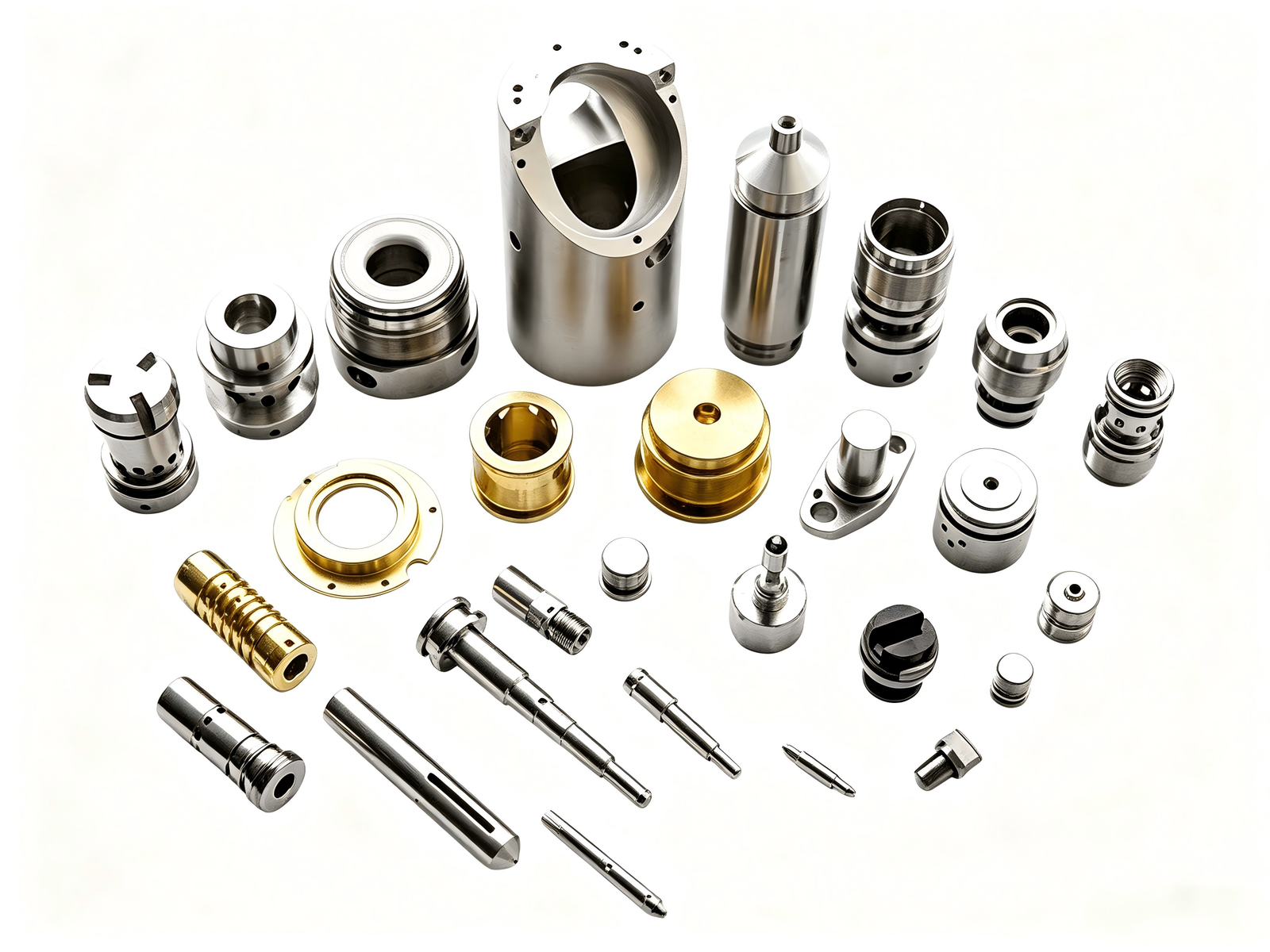
Although many Zamak components require little post-processing, 掘削, フライス加工, たたく, and CNC machining can be performed efficiently when tighter tolerances or additional features are required.

持続可能性

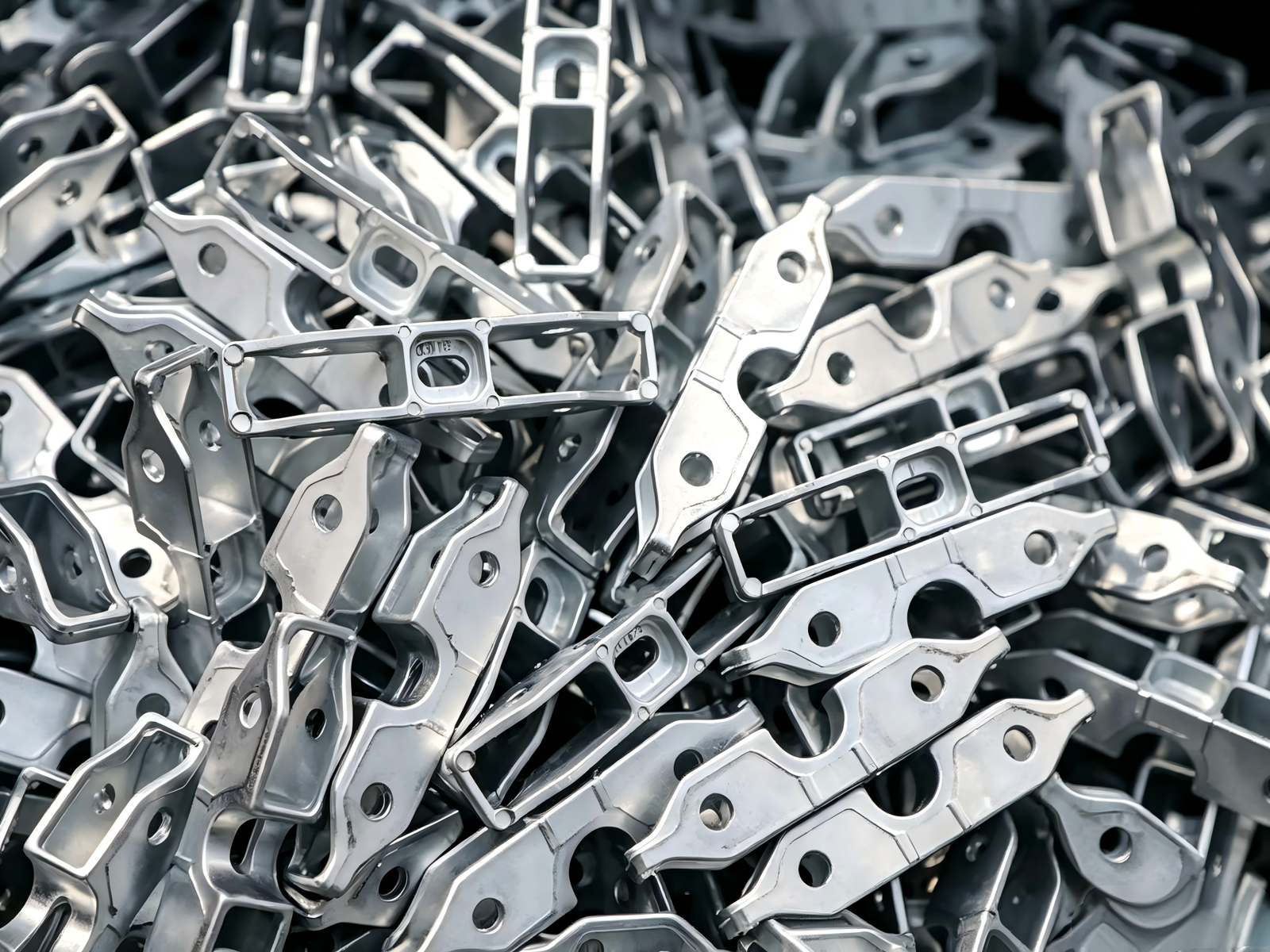
Zamak alloys are 100% リサイクル可能. Scrap generated during production can be remelted and reused without significant loss of material properties, reducing waste and supporting sustainable manufacturing.

Advantages and Limitations of Zamak Alloys

利点

コスト効率の高い生産

The combination of low melting temperature, 速いサイクル時間, and minimal machining makes Zamak one of the most economical materials for die casting.

卓越した精度

複雑な形状, 薄い壁, and detailed features can be produced with remarkable accuracy, reducing assembly issues and improving product quality.

Excellent Surface Quality

Zamak parts are well suited for decorative finishes such as chrome plating, ニッケルメッキ, 絵画, and powder coating.

Good Mechanical Strength

While not as strong as steel, Zamak provides sufficient strength for many structural and mechanical applications.

耐食性

The aluminum content enhances corrosion resistance, making Zamak suitable for indoor environments and many outdoor applications with proper surface treatment.

環境に優しい

Its full recyclability supports sustainable manufacturing while lowering raw material costs.

制限事項

その利点にもかかわらず, Zamak is not suitable for every application.

  • It is not recommended for continuous service above approximately 100–120°C because mechanical properties decrease at elevated temperatures.
  • Zamak is heavier than aluminum, making it less suitable for applications where lightweight design is critical.
  • It cannot match the structural strength of steel for heavily loaded components.
  • For highly corrosive marine or chemical environments, additional surface protection is recommended.

Selecting the right material depends on your application’s mechanical, 環境, and cost requirements.

Common Applications of Zamak Alloys

Understanding Zamak Alloys

The versatility of Zamak makes it suitable for a wide variety of industries.

自動車産業

Automotive manufacturers use Zamak for door handles, lock components, 括弧, emblems, mirror housings, and interior hardware because of its strength, 精度, and excellent surface finish.

家電

Electronic products often use Zamak for connector housings, camera components, speaker parts, and shielding enclosures thanks to its dimensional stability and attractive appearance.

Furniture and Architectural Hardware

Cabinet handles, ヒンジ, ロック, drawer pulls, bathroom accessories, and decorative hardware frequently use Zamak due to its durability and ability to accept premium surface finishes.

産業機器

精密ハウジング, 機械コンポーネント, コントロールノブ, 歯車, and fastening systems benefit from Zamak’s wear resistance and dimensional accuracy.

消費者向け製品

Zamak is commonly found in power tools, 照明器具, キッチン家電, スポーツ用品, and decorative products that require both strength and aesthetic appeal.

適切なザマック合金の選び方

Understanding Zamak Alloys

Choosing the appropriate alloy depends on your product’s performance requirements.

要件 推奨合金
Best overall performance 重荷 3
Higher strength and wear resistance 重荷 5
Maximum hardness 重荷 2
Thin-wall or decorative parts 重荷 7

素材を選択するとき, engineers should consider:

  • Mechanical load
  • Operating temperature
  • Corrosion environment
  • 表面仕上げ要件
  • 生産量
  • Manufacturing cost

Consulting an experienced die casting manufacturer during the design stage can help optimize material selection and reduce production costs.

Why Choose TOPS Precision for Custom Zamak Parts?

TOPSプレシジョン, we provide complete manufacturing solutions for custom Zamak alloy components, from prototype development to high-volume production.

私たちの機能には含まれます:

  • Custom zinc die casting
  • Precision mold design and manufacturing
  • CNC加工 for secondary operations
  • ねじ立て, 掘削, フライス加工, and turning
  • Surface treatments including powder coating, 絵画, 陽極酸化処理, と電気メッキ
  • Strict dimensional inspection and quality control
  • Assembly and customized packaging
  • Global shipping support

Our engineering team works closely with customers to optimize designs for manufacturability, improve production efficiency, and reduce overall project costs. Whether you require a small prototype batch or large-scale production, we can deliver precision components that meet your quality and performance expectations.

If you have drawings or 3D CAD files, contact us today for a free engineering review and competitive quotation.

よくある質問

1. What is Zamak alloy?

Zamak is a zinc-based alloy containing aluminum, マグネシウム, と銅, widely used for high-pressure die casting because of its strength, 精度, そして優れたキャスタビリティ.

2. ザマックとの違いは何ですか 3 そしてザマック 5?

重荷 5 contains more copper, giving it higher strength and hardness, 一方ザマック 3 offers better castability and is the most commonly used grade.

3. Is Zamak stronger than aluminum?

Not necessarily. Some aluminum alloys have higher strength-to-weight ratios, but Zamak generally provides better dimensional accuracy, superior surface finish, and lower manufacturing costs for die-cast components.

4. Can Zamak parts be CNC machined?

はい. Zamak offers excellent machinability and can be drilled, 製粉, tapped, or turned to achieve tighter tolerances or additional features.

5. Does Zamak rust?

いいえ. Since Zamak is zinc-based, 鋼のように錆びません. しかし, protective coatings can further improve corrosion resistance in demanding environments.

6. Can Zamak be chrome plated?

はい. Zamak accepts chrome plating, ニッケルメッキ, 粉体塗装, and painting exceptionally well, making it popular for decorative applications.

7. Is Zamak environmentally friendly?

はい. Zamak is fully recyclable and can be remelted multiple times without significant loss of quality, making it a sustainable material for manufacturing.

8. Which industries use Zamak alloys?

Zamak is widely used in automotive, エレクトロニクス, furniture hardware, 産業機械, 医療機器, lighting, 消費者製品, and architectural hardware.

9. What is the melting point of Zamak?

Most Zamak alloys melt between 380°C and 390°C, making them ideal for high-pressure hot chamber die casting.

10. Why choose Zamak for die casting?

Zamak offers an excellent combination of precision, 強さ, 耐食性, fast production cycles, outstanding surface finish, および費用対効果, making it one of the best materials for manufacturing complex die-cast components.

読み込み中

Types of Thread Taps
前の投稿

Types of Thread Taps: The Complete Guide to Selecting the Right Tap for Every Threading Application

次の投稿

18 機械加工のメリット

返信を残す

あなたのメールアドレスが公開されることはありません. 必須フィールドは、マークされています *

Let's Start A New Project Today

今すぐお問い合わせを送信してください

    入力を開始すると、探している投稿が表示されます.