
ブログ

ブログPolypropylene Melting Point Guide: プロパティ, Processing, および産業用アプリケーション

Polypropylene Melting Point Guide: プロパティ, Processing, および産業用アプリケーション

Polypropylene Melting Point Guide

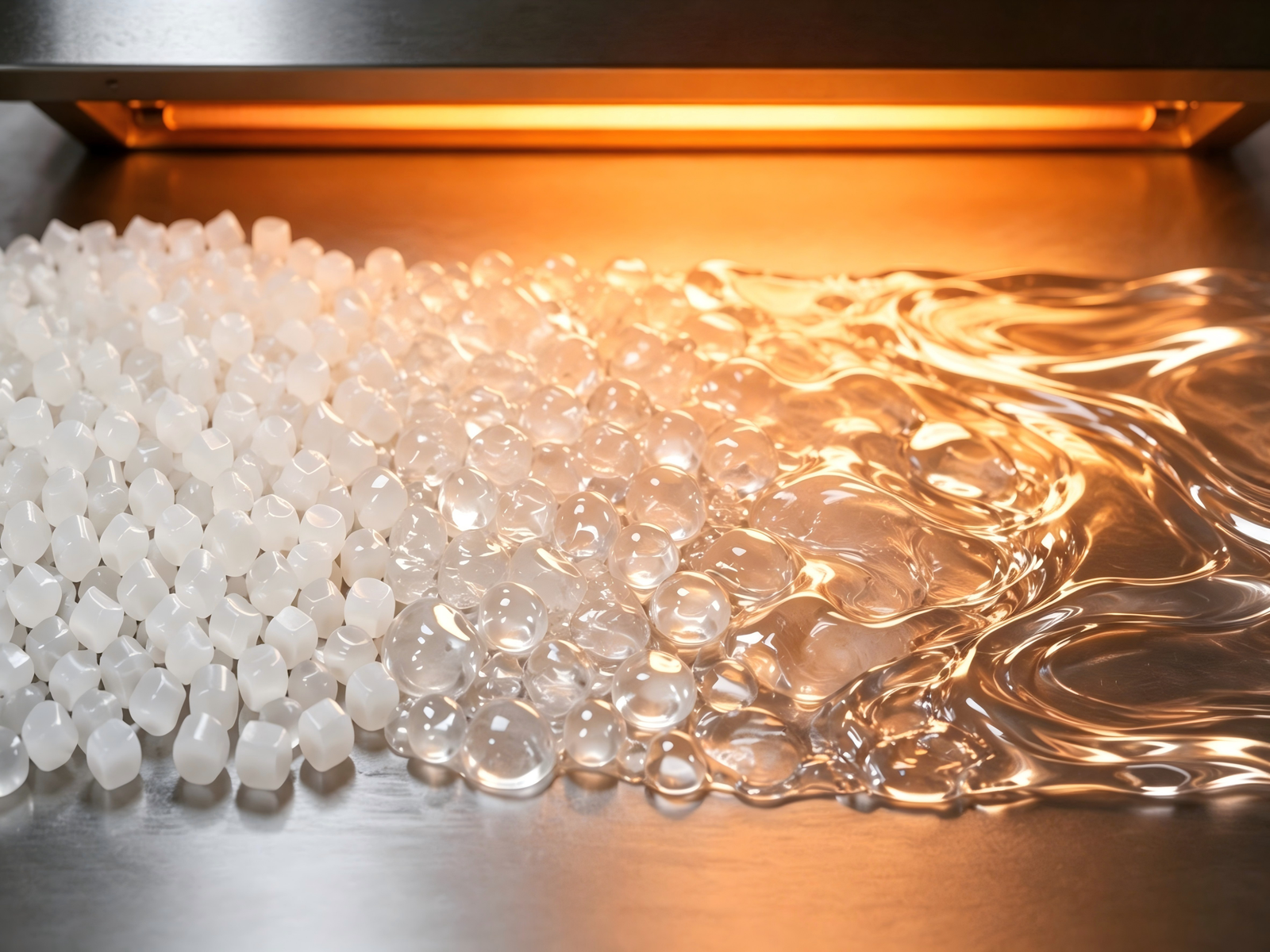
Among all its material properties, の melting point of polypropylene is one of the most important factors influencing product design, 製造プロセス, 熱性能, そして長期的な信頼性. エンジニア, 製品デザイナー, and manufacturers must understand how polypropylene behaves under elevated temperatures to ensure optimal performance and efficient production.

この包括的なガイドで, we will explore the melting temperature of polypropylene, factors that influence it, testing methods, processing recommendations, および産業用途.

コンテンツ 隠れる

What Is the Melting Point of Polypropylene?

Polypropylene Melting Point Guide

The typical melting point of polypropylene ranges between:

160°C to 170°C (320°F to 338°F)

しかし, the exact melting temperature depends on several factors, 含む:

Polymer structure

Crystallinity level

Molecular weight

Additives and fillers

Copolymer composition

Processing history

Unlike amorphous plastics that gradually soften over a wide temperature range, polypropylene is a semi-crystalline polymer. This means it has a relatively well-defined melting point where its crystalline regions transition from solid to liquid.

Typical Melting Temperatures of Different Polypropylene Types

Polypropylene Type 融点
Homopolymer PP 165°C – 170°C
Random Copolymer PP 140°C – 160°C
Block Copolymer PP 150°C – 165°C
Glass-Filled PP 165°C – 175°C

Melting Point vs. Softening Point

Many people mistakenly use melting point and softening point interchangeably.

しかし, they describe different thermal behaviors.

融点

The temperature at which polypropylene’s crystalline regions completely melt and become liquid.

Softening Point

The temperature at which the material begins losing rigidity and starts deforming under load.

For polypropylene:

Softening temperature: 120°C–150°C

Melting temperature: 160°C–170°C

Understanding this distinction is essential when designing products exposed to heat.

Key Thermal Properties of Polypropylene

財産 典型的な値
融点 160–170°C
ガラス転移温度 -10°C to 0°C
熱たわみ温度 90–120°C
Continuous Service Temperature 80–100°C
熱伝導率 0.1–0.22 W/m·K
Specific Heat Capacity 1.8–2.0 kJ/kg·K

These thermal properties make polypropylene suitable for applications requiring moderate heat resistance while maintaining lightweight performance.

Why the Melting Point of Polypropylene Matters

Manufacturing Efficiency

The melting point directly affects:

Injection molding parameters

Extrusion temperatures

Blow molding operations

Welding processes

Thermoforming conditions

Incorrect temperature settings can cause:

Poor mold filling

Surface defects

反り

Thermal degradation

Product Reliability

Products operating near elevated temperatures must maintain structural integrity.

例には含まれます:

Automotive engine compartment components

電気ハウジング

Industrial containers

Medical sterilization trays

Knowing polypropylene’s melting behavior helps engineers prevent premature product failure.

材料の選択

The melting point helps determine whether polypropylene is the right material compared to alternatives such as:

ポリエチレン (PE)

ABS

ナイロン (PA)

PVC

ポリカーボネート (パソコン)

For many applications, polypropylene provides the ideal balance between cost and thermal performance.

Factors That Affect Polypropylene Melting Point

Polypropylene Melting Point Guide

Crystallinity

Crystallinity is the most significant factor affecting polypropylene’s melting temperature.

Polypropylene contains both:

Crystalline regions

Amorphous regions

The crystalline regions require more energy to melt.

Higher Crystallinity Results In:

Higher melting point

Increased stiffness

Better chemical resistance

Improved dimensional stability

Lower Crystallinity Results In:

Lower melting point

Increased flexibility

Better transparency

Reduced rigidity

Manufacturers often adjust crystallinity to achieve specific performance goals.

Molecular Weight

Molecular weight refers to the length of polymer chains.

Longer polymer chains create:

Stronger intermolecular bonding

Increased thermal stability

Higher melting temperatures

Higher molecular weight polypropylene grades typically offer:

Better impact resistance

Enhanced durability

Improved heat resistance

しかし, they may also require higher processing temperatures.

Thermal History

The way polypropylene has been heated and cooled previously significantly affects its crystalline structure.

Rapid Cooling

Rapid cooling creates:

Smaller crystals

More amorphous regions

Lower melting temperatures

Slow Cooling

Slow cooling promotes:

Larger crystalline structures

Higher crystallinity

Higher melting temperatures

This is particularly important in injection molding and extrusion operations.

Additives and Modifiers

Manufacturers frequently modify polypropylene formulations using additives.

Common Additives Include:

Plasticizers

Antioxidants

紫外線安定剤

難燃剤

Impact modifiers

Some additives disrupt crystal formation and lower the melting point, while others improve thermal stability.

Copolymer Composition

Not all polypropylene materials are identical.

Homopolymer Polypropylene

Offers:

最高の融点

Highest stiffness

Best chemical resistance

Random Copolymer Polypropylene

Offers:

Improved transparency

Better flexibility

Lower melting temperature

Block Copolymer Polypropylene

Offers:

Improved impact resistance

Better low-temperature performance

Moderate melting temperature

Selecting the appropriate PP grade is critical for achieving desired product performance.

How to Measure Polypropylene Melting Point

示差走査熱量測定 (DSC)

The most widely used technique for measuring polypropylene melting temperature is Differential Scanning Calorimetry (DSC).

How DSC Works

A small sample of polypropylene is heated at a controlled rate.

The instrument measures:

Heat flow

Thermal transitions

Crystallization behavior

Melting temperature

The peak observed on the DSC curve indicates the melting point.

Advantages of DSC

Highly accurate

Repeatable results

Small sample size required

Industry-standard testing method

Thermomechanical Analysis (TMA)

TMA measures dimensional changes as temperature increases.

It helps engineers evaluate:

Softening behavior

Expansion characteristics

Thermal deformation

Dynamic Mechanical Analysis (DMA)

DMA provides insights into:

Material stiffness

Damping properties

Temperature-dependent mechanical behavior

This method is particularly useful for advanced engineering applications.

Recommended Processing Temperatures for Polypropylene

射出成形

Polypropylene is one of the most commonly injection-molded thermoplastics.

Recommended Parameters

パラメータ 代表的な範囲
溶融温度 200–260°C
金型温度 20–80°C
Barrel Temperature 180–250°C
Nozzle Temperature 200–250°C

Proper temperature control ensures:

優れた流れ

Complete mold filling

サイクルタイムの短縮

High-quality surface finish

Extrusion Processing

Typical extrusion temperatures include:

Zone 温度
Feed Zone 180–200℃
Compression Zone 200–220°C
Metering Zone 220–240°C
死ぬ 220–250°C

Extrusion applications include:

パイプ

シート

Films

Profiles

ブロー成形

Blow molding generally requires:

Melt temperatures between 200°C and 240°C

Uniform melt distribution

Controlled cooling rates

This process is widely used for containers and industrial packaging.

How to Improve Polypropylene Heat Resistance

Nucleating Agents

Nucleating agents accelerate crystal formation.

利点には含まれます:

Higher crystallinity

剛性の向上

Enhanced thermal resistance

Shorter molding cycles

Glass Fiber Reinforcement

Glass-filled polypropylene can significantly improve:

耐熱性

Structural strength

寸法安定性

アプリケーションには以下が含まれます:

自動車部品

電気ハウジング

産業機械部品

Talc-Filled Polypropylene

Talc improves:

Thermal performance

剛性

Warpage resistance

Many automotive interior parts use talc-filled polypropylene compounds.

Copolymer Engineering

Advanced copolymer technologies enable manufacturers to tailor:

耐熱性

Impact strength

Processability

Surface appearance

These specialized materials often outperform conventional PP grades.

Polypropylene vs Other Common Plastics

Thermal Performance Comparison

材料 融点
ポリプロピレン (PP) 160–170°C
HDPE 120–130°C
LDPE 105–115°C
ナイロン 6 220℃
ポリカーボネート 230℃
ABS No True Melting Point
PVC Begins Degrading Before Melting

Why Choose Polypropylene?

Advantages include:

低コスト

軽量構造

優れた耐薬品性

Good thermal stability

Easy processing

These benefits make PP one of the most versatile engineering thermoplastics available today.

Industrial Applications of Polypropylene Based on Its Melting Point

自動車産業

一般的なアプリケーションには次のものがあります。:

Battery cases

Interior trim panels

Air ducts

Fluid reservoirs

The material’s thermal resistance allows it to perform reliably under elevated temperatures.

包装産業

Polypropylene is extensively used in:

食品容器

ボトルキャップ

Flexible packaging films

Microwave-safe packaging

Its melting point provides excellent heat tolerance during food processing and storage.

医療産業

Medical-grade polypropylene is used for:

Syringes

Sample containers

Laboratory equipment

Sterilization trays

Its thermal stability supports various sterilization methods.

消費者向け製品

例には含まれます:

Storage bins

家電製品

Furniture components

Reusable containers

Electrical and Electronics

アプリケーションには以下が含まれます:

コネクタハウジング

Cable insulation components

ジャンクションボックス

バッテリーエンクロージャー

Its combination of electrical insulation and thermal resistance makes it highly valuable in electronic systems.

Common Processing Problems Related to Melting Temperature

ショートショット

原因

Melt temperature too low

Poor material flow

ソリューション

溶融温度を上げる

Improve gate design

反り

原因

不均一な冷却

Excessive shrinkage

ソリューション

Optimize cooling channels

Adjust mold temperature

ヒケ

原因

Inadequate packing pressure

Thick wall sections

ソリューション

Increase holding pressure

Improve part design

Thermal Degradation

原因

Excessive processing temperatures

Long residence times

ソリューション

Lower barrel temperature

Reduce cycle times

Future Trends in High-Temperature Polypropylene Materials

The demand for advanced polypropylene compounds continues to grow.

Key industry trends include:

Lightweight Automotive Components

Vehicle manufacturers increasingly replace metal components with reinforced polypropylene to reduce weight and improve fuel efficiency.

Electric Vehicle Applications

Battery systems require lightweight materials with excellent thermal performance.

Modified polypropylene compounds are becoming increasingly important in EV designs.

Sustainable Polypropylene

Recycled polypropylene technologies are improving rapidly, helping manufacturers meet environmental goals while maintaining performance.

Advanced Reinforced Composites

New generations of:

Glass fiber PP

Mineral-filled PP

Long-fiber reinforced PP

are enabling applications previously reserved for engineering plastics.

結論

The melting point of polypropylene, typically ranging from 160°C to 170°C, is one of the most important properties influencing material selection, プロダクトデザイン, and manufacturing performance. Factors such as crystallinity, molecular weight, 添加物, and processing history all contribute to variations in thermal behavior.

By understanding polypropylene’s melting characteristics and recommended processing conditions, manufacturers can improve product quality, reduce production defects, and maximize long-term performance.

自動車部品を設計しているかどうか, packaging products, 医療機器, または工業部品, selecting the right polypropylene grade and processing parameters is essential for achieving optimal results. お問い合わせ 詳細については.

FAQs

1.What is the exact melting point of polypropylene?

Most polypropylene grades melt between 160°C and 170°C, although specialized formulations may vary slightly.

2.Can polypropylene withstand boiling water?

はい. Polypropylene can generally withstand boiling water at 100°C without melting, although prolonged exposure may affect mechanical properties.

3.What temperature does polypropylene begin to soften?

Polypropylene typically begins to soften between 120°C and 150°C.

4.Is polypropylene microwave safe?

Many food-grade polypropylene products are microwave safe because their melting point is significantly higher than typical microwave heating temperatures.

5.What processing temperature is used for injection molding polypropylene?

Most polypropylene grades are processed between 200°C and 260°C during injection molding.

6.Which polypropylene grade has the highest heat resistance?

Homopolymer polypropylene generally provides the highest melting point and thermal resistance among standard PP grades.

7.Can fillers increase polypropylene heat resistance?

はい. Glass fiber, タルク, and other mineral fillers can significantly improve heat resistance and dimensional stability.

8.Is polypropylene suitable for automotive applications?

絶対に. Polypropylene is widely used in automotive interiors, バッテリーハウジング, air ducts, and various under-the-hood components due to its excellent balance of weight, 強さ, 熱性能と.

読み込み中

LED Screen Cabinet
前の投稿

LED Screen Cabinet: Complete Manufacturing, 材料, デザイン & 購入ガイド

次の投稿

18 機械加工のメリット

返信を残す

あなたのメールアドレスが公開されることはありません. 必須フィールドは、マークされています *

Let's Start A New Project Today

今すぐお問い合わせを送信してください

    入力を開始すると、探している投稿が表示されます.