



従来のキー付きシャフトとは異なります, スプラインシャフトが複数の歯に荷重を分散します, より高いトルク容量を実現, 耐久性の向上, 摩耗の軽減, 業務効率の向上. これらの利点により、精度が求められる要求の厳しい用途に最適です。, 強さ, と長寿命が不可欠です.
この包括的なガイドで, スプラインシャフトとは何かを調べます, 彼らはどのように働くのか, 利用可能なさまざまなタイプ, 製造方法, 材料の選択, 産業用アプリケーション, 設計上の重要な考慮事項.
スプラインシャフトとは?
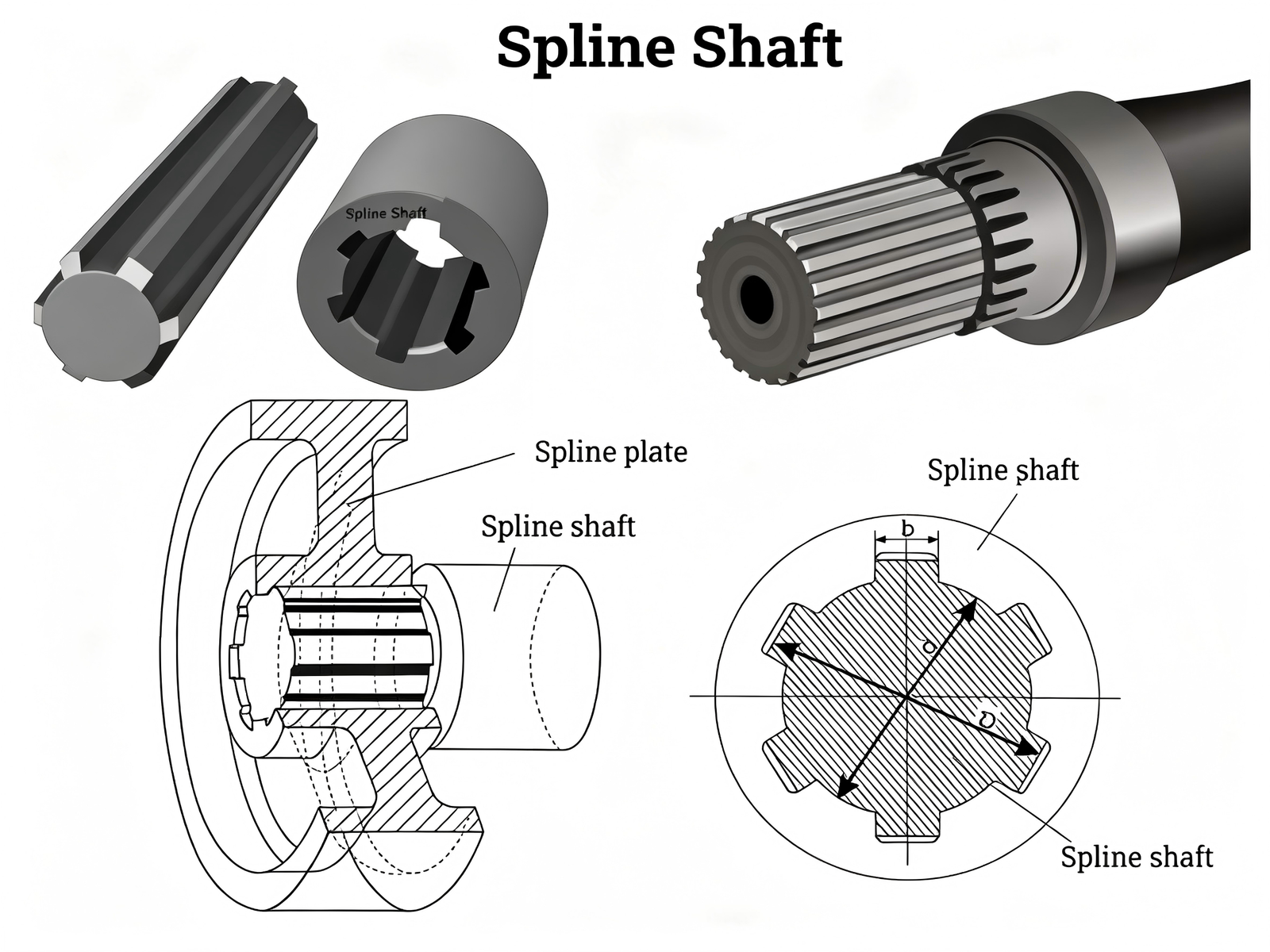
スプラインシャフトは、スプラインとして知られる一連の外側の尾根または歯を特徴とする円筒形の機械部品です。. これらのスプラインはハブ内の対応する溝と嵌合します, ギヤ, カップリング, 滑車, または他の機械部品.
噛み合う歯により確実な機械的接続が形成され、正確な回転アライメントを維持しながら効率的なトルク伝達が可能になります。.
スプラインシャフトは次のような特長を備えているため、広く使用されています。:
- 高いトルク伝達能力
- シャフトとハブの正確な位置合わせ
- バックラッシの低減
- 負荷分散の改善
- 耐久性の向上
- 特定の設計で軸方向の移動が可能
スプラインシャフトの主な構成部品
典型的なスプラインシャフトは次のもので構成されます。:
シャフト本体
スプラインを支持し、回転力を伝達する中央の円筒部分.
スプライン歯
シャフト表面に沿って機械加工された隆起部が、嵌合コンポーネントと係合します。.
外径
スプライン歯の頂部を横切って測定した外径.
内径
スプライン歯の根元を横切って測定した直径.
ルート半径
応力集中を軽減するスプライン歯間の曲線状の移行領域.
圧力角
荷重分散と噛み合い特性に影響を与える、スプラインの嵌合面間の角度.
スプラインシャフトの仕組み?
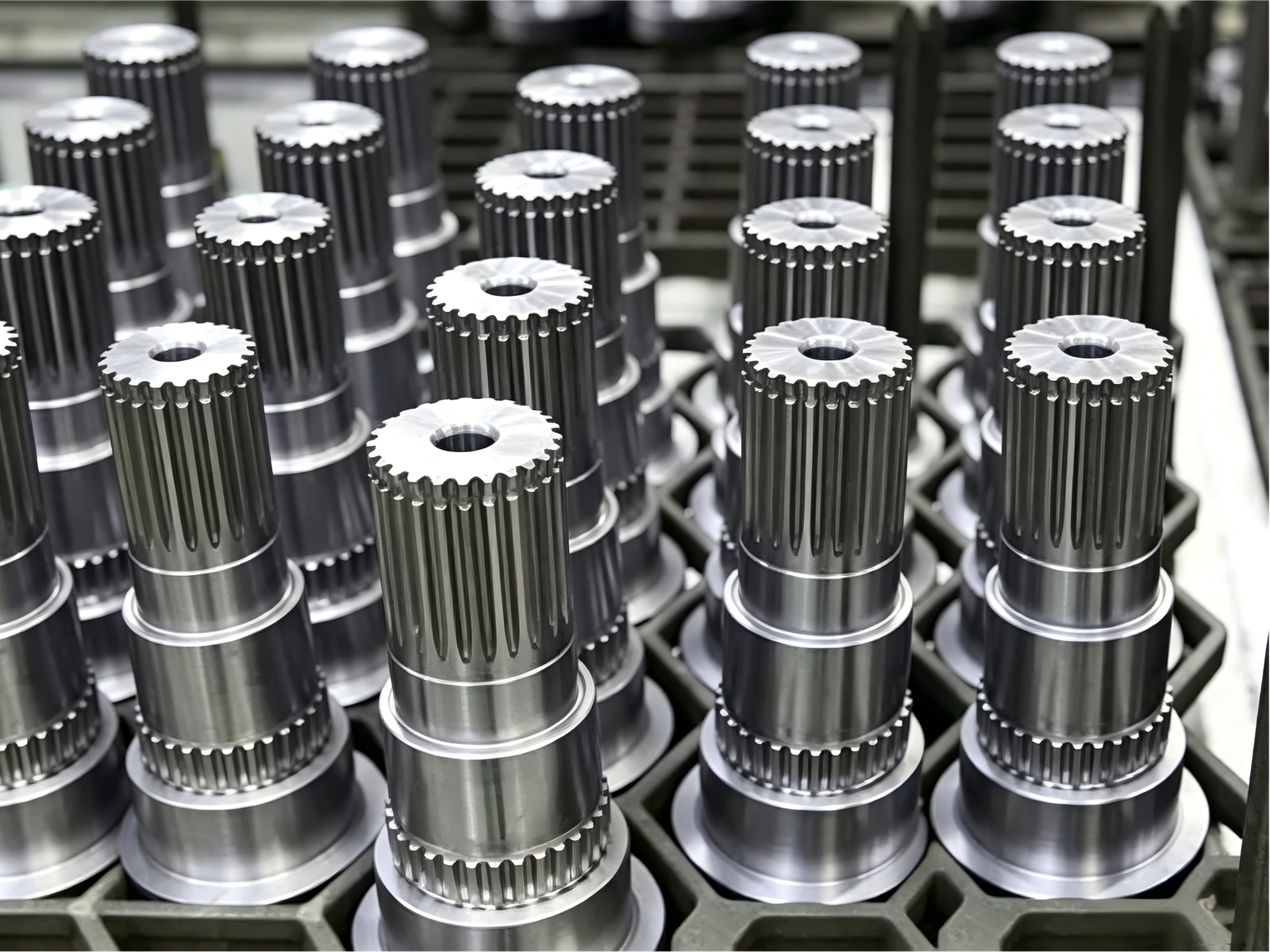
スプラインシャフトは、外部スプラインと内部スプラインの間の直接の機械的係合を通じて回転力を伝達します。.
トルクがかかったとき:
- シャフトが回転します.
- スプライン歯が相手コンポーネントと噛み合う.
- 荷重は複数のスプライン面に分散されます.
- 滑りを最小限に抑えながら効率的にトルクを伝達.
摩擦ベースの接続とは異なります, スプラインシャフトがポジティブドライブメカニズムを提供します, 高負荷アプリケーションでの信頼性が高くなります。.
固定スプライン
固定スプラインがシャフトと相手コンポーネントをロックします, 軸方向の動きを防ぐ.
一般的なアプリケーションには次のものがあります。:
- ギアボックス
- カップリング
- 動力伝達システム
スライディング スプライン
スライドスプラインにより、トルクを伝達しながらコンポーネントがシャフトに沿って移動できます.
これらは一般的に次のような場所で見られます。:
- 自動車用ドライブシャフト
- 伸縮シャフト
- PTOシステム
スプラインシャフト vs キー付きシャフト
| 特徴 | スプラインシャフト | キー付きシャフト |
| トルク容量 | 高い | 適度 |
| 負荷分散 | ユニフォーム | 濃縮 |
| 耐摩耗性 | 素晴らしい | 良い |
| アライメント精度 | 高い | 適度 |
| 疲労寿命 | 長い | 短い |
| バックラッシュ | より低い | より高い |
| 製造コスト | より高い | より低い |
高性能アプリケーション向け, スプライン付きシャフトは一般的に従来のキー付きシャフトよりも優れた性能を発揮します.
スプラインシャフトが重要な理由?
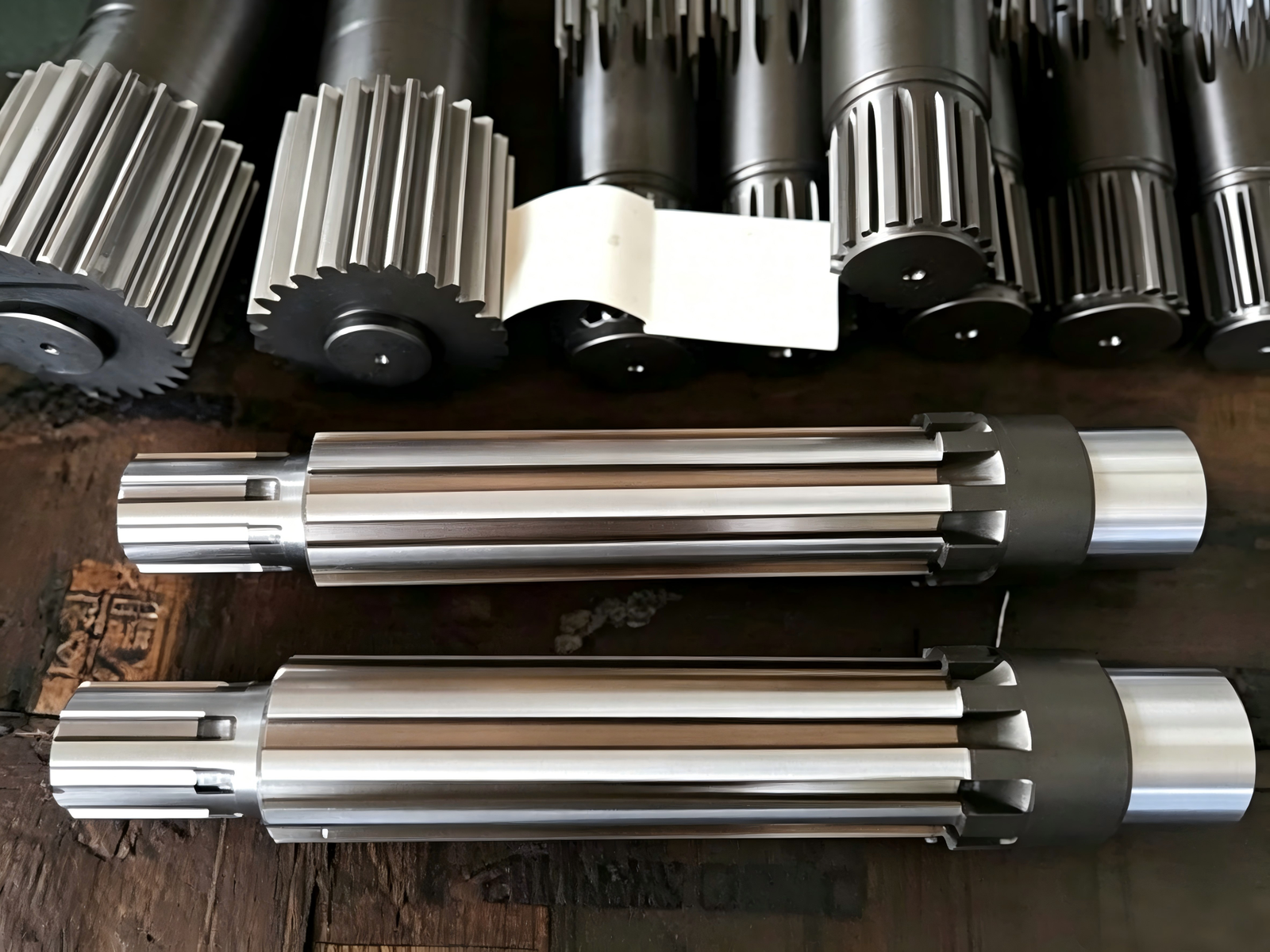
効率的なトルク伝達
トルクが複数の歯に分散されるため, スプラインシャフトはキー接続よりも大幅に高い負荷に耐えることができます.
精密な位置合わせ
インターロック形状により、接続されたコンポーネント間の正確な回転位置が維持されます。.
負荷分散の改善
複数の接触点が力を均等に分散します, 局所的なストレスを軽減する.
摩耗の減少
負荷分散により表面の損傷を最小限に抑え、コンポーネントの寿命を延ばします。.
信頼性の向上
スプラインシャフトは過酷な動作条件下でも一貫した性能を発揮します.
スプラインシャフトの種類
アプリケーション要件に応じて、さまざまなスプラインプロファイルが利用可能です.
インボリュート スプライン
インボリュート スプラインは、世界中で最も一般的に使用されているスプライン設計です.
特徴
- 湾曲した歯形
- 均一な負荷分散
- 製造・検査が容易
- 優れたセルフセンタリング機能
アプリケーション
- 自動車用トランスミッション
- 産業用ギアボックス
- 航空宇宙システム
- 重機
利点
- 高いトルク容量
- 長い疲労寿命
- 規格化された寸法
ストレートサイド (平行) スプライン
直線状のスプラインは平行な歯面を備えています.
特徴
- シンプルなジオメトリ
- 簡単な加工
- コスト効率の高い生産
アプリケーション
- 農業機械
- 産業機器
- 一般的な動力伝達システム
利点
- 製造コストの削減
- 組み立てと分解が簡単
鋸歯状スプライン
鋸歯状スプラインは V 字型または三角形の歯を利用しています.
特徴
- 高い位置決め精度
- 強力なロック機能
- 摩擦抵抗の増加
アプリケーション
- ステアリングシステム
- 精密機械
- 航空宇宙部品
利点
- 優れた滑り止め性能
- 正確な角度位置決め
ヘリカル スプライン
ヘリカル スプラインは、軸の周囲で歯が斜めにカットされているのが特徴です。.
特徴
- スムーズな噛み合い
- 振動の低減
- 動作音の低減
アプリケーション
- 高速伝送
- 精密機械
- 航空宇宙用駆動システム
利点
- 静かな動作
- 負荷分散の改善
クラウンスプライン
クラウンスプラインは歯面がわずかに湾曲しています.
特徴
- 位置ずれを補正する
- エッジロードを軽減する
アプリケーション
- 航空機システム
- フレキシブルカップリング
- 重機
利点
- 寿命の向上
- より優れたアライメント公差
ボールスプライン
ボールスプラインには循環ボールベアリングが組み込まれています.
特徴
- 回転運動と直線運動を同時に実現
- 極めて低い摩擦
アプリケーション
- ロボット工学
- 自動化システム
- CNC機械
利点
- スムーズな動き
- 高精度
スプライン軸の材質
材料の選択は性能と寿命に大きな影響を与えます.
炭素鋼
一般的なグレードとしては、:
- AISI 1045
- AISI 1050
利点:
- 良好な機械加工性
- 費用対効果が高い
- 中程度の強さ
合金鋼
人気グレード:
- 4140
- 4340
- 8620
利点:
- 高強度
- 優れた耐摩耗性
- 優れた疲労特性
ステンレス鋼
共通グレード:
- 304
- 316
- 17-4PH
利点:
- 耐食性
- 過酷な環境に適しています
- 優れた耐久性
アルミニウム合金
共通グレード:
- 6061-T6
- 7075-T6
利点:
- 軽量
- 耐食性
- 優れた強度重量比
チタン合金
利点:
- 例外的な強さ
- 軽量
- 未解決の腐食抵抗
アプリケーション:
- 航空宇宙
- 防衛
- 医療機器
スプラインシャフトの製造工程
スプラインの性能には精密な製造が不可欠です.
CNC旋削加工
シャフト本体は最初に必要な寸法に機械加工されます.
スプラインミリング
CNCフライス加工 カッターはスプライン プロファイルを作成します.
利点:
- 柔軟な生産
- プロトタイプに最適
スプラインホブ加工
大量生産のための最も効率的な方法の 1 つ.
利点:
- 高精度
- 優れた生産性
ブローチ加工
主に内部スプラインに使用されます.
利点:
- 高精度
- 速いサイクル時間
ギアの成形
内部スプラインおよび外部スプラインに最適.
利点:
- 多用途
- 複雑なプロファイルに適しています
ワイヤー放電加工機
複雑なスプライン形状と厳しい公差に使用されます。.
利点:
- 卓越した精度
- 複雑なプロファイル機能
スプライン軸の表面処理
表面処理により耐久性と耐摩耗性が向上.
高周波焼き入れ
スプライン歯に局所的な硬さを与えます.
浸炭
丈夫なコアを維持しながら、硬い耐摩耗性の表面を作成します.
窒化処理
大きな歪みを生じさせずに耐摩耗性を向上.
四三酸化鉄皮膜
軽度の腐食保護を提供します.
亜鉛メッキ
耐食性の向上.
硬質クロムメッキ
耐摩耗性と表面硬度の向上.
主要な設計上の考慮事項
適切な設計により、信頼性の高い長期的なパフォーマンスが保証されます.
トルク要件
スプラインのプロファイルは最大動作トルクに対応する必要があります.
歯の数
一般に歯が多いと荷重分散が向上します.
シャフト径
全体の強度とねじり剛性を決定します.
圧力角
係合特性と荷重伝達に影響を与える.
位置ずれ許容値
振動や動きの影響を受けるシステムにとって重要.
疲労寿命
周期的荷重アプリケーションにとって重要.
スプラインシャフトの業界規格
スプラインの寸法と公差にはいくつかの規格が適用されます.
ANSI B92.1
北米で広く使用されている.
から 5480
ヨーロッパで人気.
から 5482
メートルスプラインシステムに共通.
ISO 4156
インボリュートスプラインの国際規格.
SAE規格
自動車用途でよく使用される.
これらの規格に従うことで、互換性と互換性が確保されます。.
スプラインシャフトの一般的な用途
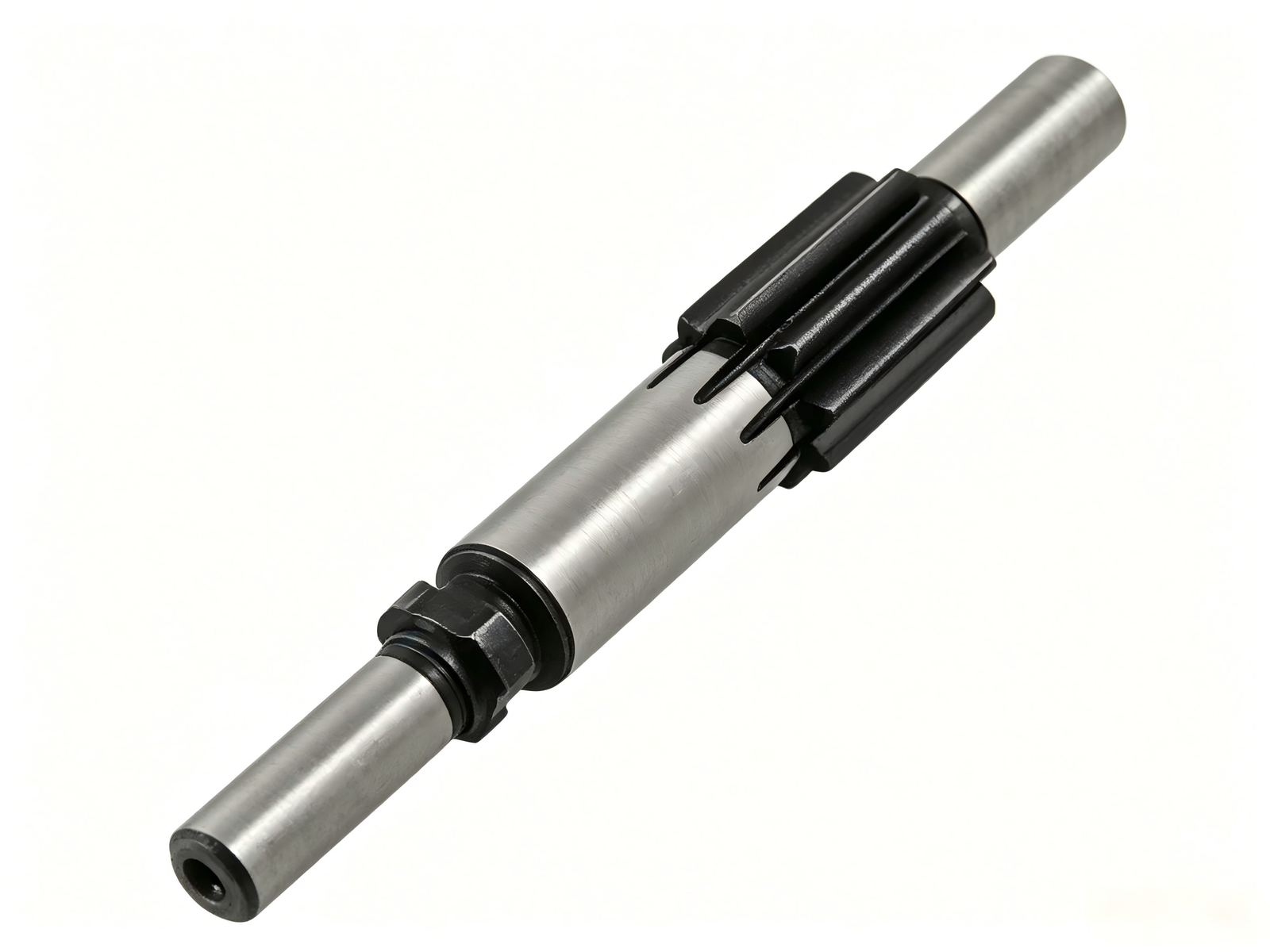
自動車産業
アプリケーションには以下が含まれます:
- トランスミッションシャフト
- ドライブシャフト
- ステアリングコラム
- ディファレンシャルシステム
航空宇宙産業
アプリケーションには以下が含まれます:
- 飛行制御システム
- 着陸装置の機構
- エンジン動力伝達システム
産業機械
アプリケーションには以下が含まれます:
- ギアボックス
- パンプス
- コンプレッサー
- コンベヤ
ロボティクスとオートメーション
アプリケーションには以下が含まれます:
- サーボドライブ
- 精密アクチュエーター
- 直動システム
農業機械
アプリケーションには以下が含まれます:
- PTOシャフト
- ハーベスター
- トラクター
建設機械
アプリケーションには以下が含まれます:
- 掘削機
- ホイールローダー
- 油圧駆動システム
一般的なスプラインシャフトの故障と予防
歯の磨耗
原因:
- 潤滑不足
防止:
- 適切な潤滑スケジュール
フレッティングコロージョン
原因:
- 合わせ面間の微小な動き
防止:
- 正しい取り付けと潤滑
疲労亀裂
原因:
- 繰り返しの繰返し荷重
防止:
- 適切な材料の選択
- 表面硬化
位置ずれによる損傷
原因:
- 不適切な取り付け
防止:
- 精密な組み立て手順
正しいスプラインシャフトの選び方
次の要因を考慮してください:
トルク要件
動作負荷とピーク負荷を決定する.
材料の選択
材料特性をアプリケーション要件に適合させる.
環境条件
温度を考慮する, 水分, 化学薬品, と腐食.
製造公差
適切なかみ合わせのための精度を確保.
表面処理要件
耐摩耗性と耐用年数の向上.
業界標準
顧客の仕様への準拠を確認する.
カスタム スプライン シャフトにプロの CNC 機械加工サプライヤーを選ぶ理由?
経験豊富な加工パートナーを選択すると、製品の品質と信頼性が大幅に向上します。.
専門メーカーが提供すべき:
- 精密CNC加工
- スプラインフライス加工およびホブ加工機能
- 厳格な公差管理
- 材料のトレーサビリティ
- 表面処理オプション
- 総合的な検査報告書
- 試作・生産サポート
カスタム インボリュート スプラインが必要かどうか, 直線スプライン, または複雑な航空宇宙グレードのスプライン シャフト, 認定された CNC 加工サプライヤーと協力することで、一貫した品質とパフォーマンスを保証します.
よくある質問
1.スプラインシャフトの目的は何ですか?
スプラインシャフトは、接続されたコンポーネント間の正確な位置合わせを維持しながらトルクを伝達します。.
2.スプラインとキー溝の違いは何ですか?
スプラインは荷重を分散するために複数の歯を使用します, キー溝は単一のキーに依存しますが、.
3.最も一般的なスプライン タイプはどれですか?
インボリュート スプラインは、その強度と標準化により最も広く使用されています。.
4.スプラインシャフトは軸方向の動きに対応できますか?
はい. 滑りスプラインは、トルクを伝達しながら軸方向に動くように特別に設計されています.
5.スプラインシャフトに一般的に使用される材質は何ですか?
炭素鋼, 合金鋼, ステンレス鋼, アルミニウム, チタンが最も一般的な素材です.
6.スプラインシャフトはどのようにして製造されるのか?
通常、CNC 旋削加工によって製造されます。, フライス加工, ホブ切り, ブローチ加工, シェーピング, または放電加工.
結論
スプラインの種類を理解する, 材料, 製造方法, 設計上の考慮事項により、エンジニアとバイヤーはアプリケーションに最適なソリューションを選択できます。. 標準のスプラインシャフトが必要な場合でも、高度にカスタマイズされた精密コンポーネントが必要な場合でも, と提携している 精度の高いトップ 最適なパフォーマンスを確保するのに役立ちます, 耐久性, コスト効率.


