



Os motores exigem precisão excepcional, durabilidade, e desempenho. Seja usado em veículos de passageiros, carros de corrida, Equipamento marítimo, sistemas aeroespaciais, ou máquinas industriais, os componentes do motor devem suportar temperaturas extremas, pressões, e cargas mecânicas.
É aqui que Usinagem CNC desempenha um papel crítico. Ao fornecer tolerâncias rigorosas, Acabamentos de superfície superiores, e excelente repetibilidade, A usinagem CNC tornou-se o método de fabricação preferido para a produção de componentes de motores de alto desempenho.
Neste guia abrangente, exploraremos componentes de motor usinados CNC, processos de fabricação, materiais, benefícios, requisitos de qualidade, e como escolher o fornecedor certo de usinagem CNC para seus projetos de motores.
O que são componentes de motor usinados CNC?
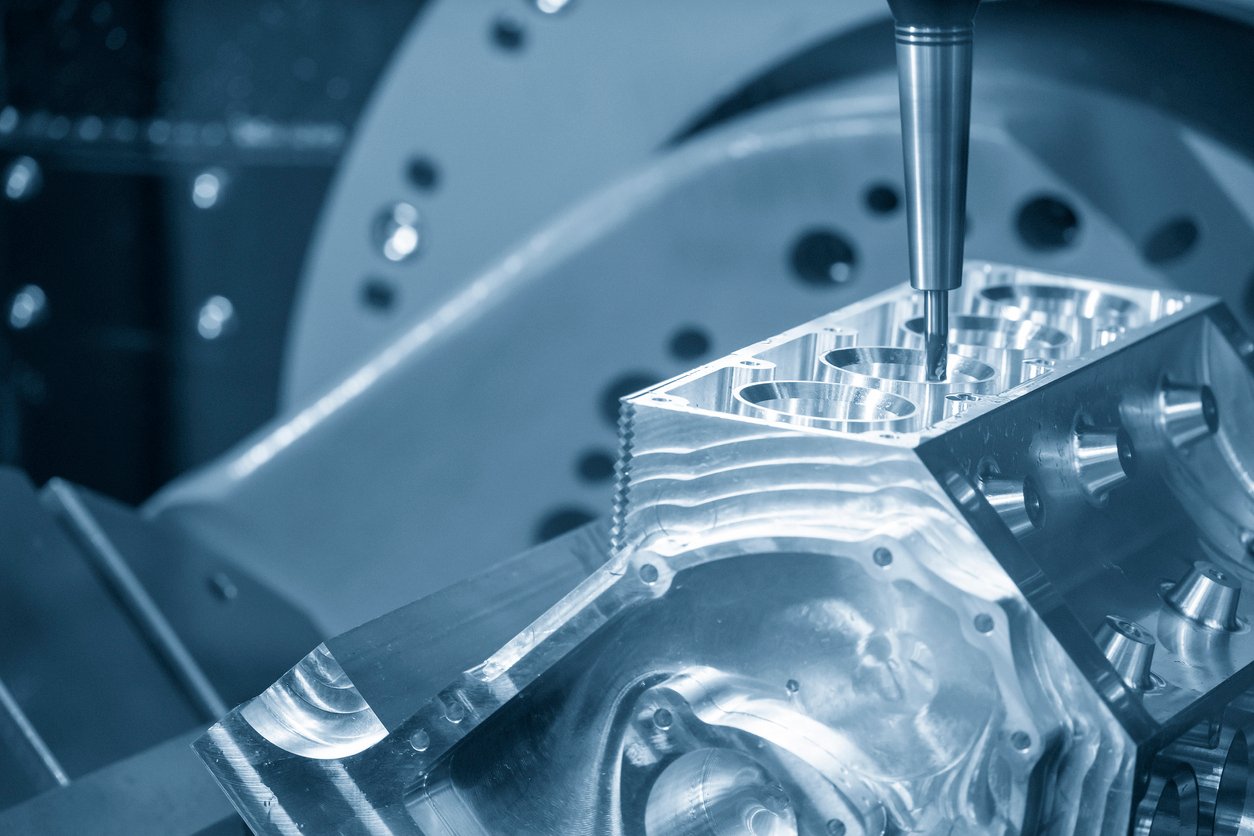
Os componentes do motor usinados CNC são peças de engenharia de precisão fabricadas usando controle numérico computadorizado (CNC) tecnologia. As máquinas CNC seguem instruções programadas para remover material de uma peça sólida e produzir peças altamente precisas com geometrias complexas.
Os componentes do motor exigem precisão dimensional excepcional porque mesmo pequenos desvios podem afetar:
Eficiência de combustão
Economia de combustível
Potência do motor
Dissipação de calor
Confiabilidade
Vida útil
Ao contrário dos métodos de usinagem convencionais, A usinagem CNC oferece qualidade consistente, repetibilidade, e escalabilidade, tornando-o ideal tanto para desenvolvimento de protótipos quanto para produção em massa.
Por que as peças do motor exigem usinagem de precisão
Os sistemas do motor operam sob condições exigentes:
Altas velocidades de rotação
Temperaturas extremas
Fricção contínua
Cargas mecânicas pesadas
Vibração constante
Para garantir um desempenho ideal, componentes críticos, como cabeçotes de cilindro, pistões, virabrequins, e os conjuntos de válvulas devem ser fabricados com tolerâncias extremamente restritas e excelentes acabamentos superficiais.
Mesmo um pequeno erro dimensional pode resultar em:
Vazamento de óleo
Maior desgaste
Compressão reduzida
Baixa eficiência de combustível
Falha prematura de componente
Por que a usinagem CNC é essencial para a fabricação de motores
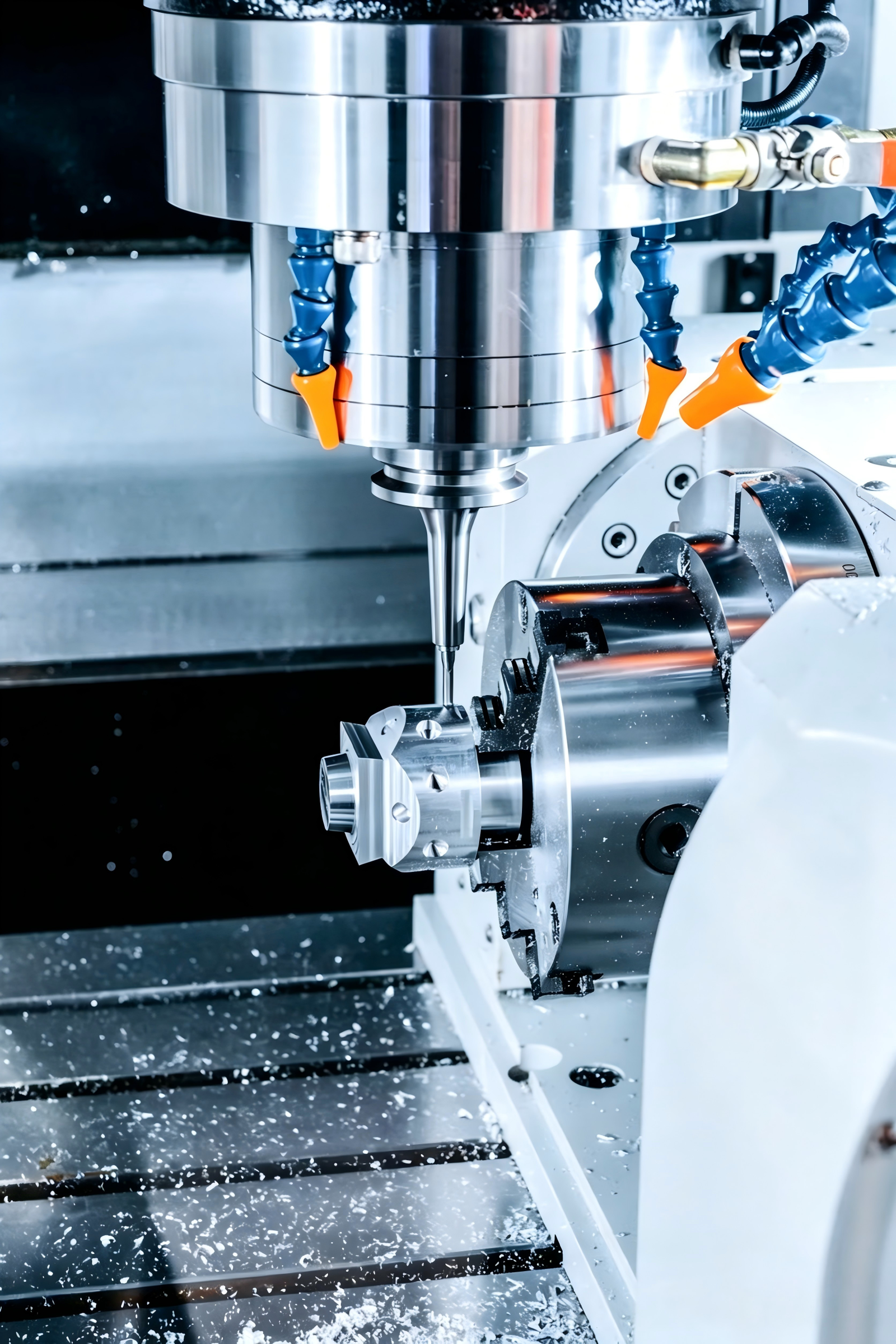
Precisão excepcional
Máquinas CNC modernas podem atingir tolerâncias tão estreitas quanto ±0,002 mm, garantindo ajuste e montagem perfeitos dos componentes.
Excelente repetibilidade
Uma vez que um programa de usinagem é otimizado, milhares de peças idênticas podem ser produzidas com variação mínima.
Capacidade de geometria complexa
Os projetos de motores continuam a evoluir com passagens de resfriamento mais complexas, Câmaras de combustão, e estruturas leves. A usinagem CNC permite a produção dessas características complexas com facilidade.
Ciclos de produção mais rápidos
A usinagem automatizada reduz a intervenção manual e reduz os prazos de entrega.
Resíduos de material reduzido
Software CAM avançado otimiza caminhos de corte, minimizando o desperdício e reduzindo os custos de produção.
Ampla compatibilidade de materiais
A usinagem CNC suporta uma ampla gama de materiais, Incluindo:
Ligas de alumínio
Aço inoxidável
Aço carbono
Titânio
Ferro fundido
Ligas de níquel
Materiais comuns usados para peças de motor usinadas CNC
A seleção do material afeta diretamente o desempenho do motor, peso, durabilidade, e custos de fabricação.
Ligas de alumínio
O alumínio é amplamente utilizado na fabricação de motores modernos.
Formulários
Cabeças de cilindro
Blocos de motor
Coletores de admissão
Capas de cronometragem
Vantagens
Leve
Excelente transferência de calor
Resistência à corrosão
Boa usinabilidade
Aço inoxidável
O aço inoxidável oferece excelente resistência à corrosão e ao calor.
Formulários
Válvulas
Componentes de escape
Peças do sistema de combustível
Vantagens
Força elevada
Resistência à oxidação
Longa vida útil
Liga de aço
Aços-liga são comumente usados para componentes de motores altamente tensionados.
Formulários
Virabrequins
Áreas de cames
Bielas
Vantagens
Alta força de fadiga
Excelente resistência ao desgaste
Resistência superior
Titânio
O titânio é frequentemente usado em motores de alto desempenho e de corrida.
Formulários
Válvulas de admissão
Bielas
Componentes do turbocompressor
Vantagens
Extremamente leve
Alta relação resistência-peso
Excelente resistência à temperatura
Ferro fundido
Embora mais pesado que o alumínio, o ferro fundido continua popular para aplicações específicas de motores.
Formulários
Camisas de cilindro
Blocos de motor
Motores diesel para serviços pesados
Vantagens
Excelente resistência ao desgaste
Bom amortecimento de vibrações
Econômico
Processos de usinagem CNC usados para componentes de motores
Diferentes componentes do motor requerem diferentes operações de usinagem.
Fresagem CNC
O fresamento CNC usa ferramentas de corte rotativas para remover material de uma peça estacionária.
Peças típicas de motor
Cabeças de cilindro
Coletores de admissão
Carcaças de motor
Carcaças de bombas de água
Benefícios
Criação de geometria complexa
Capacidade multieixo
Alta precisão dimensional
Torneamento CNC
O torneamento gira a peça de trabalho enquanto uma ferramenta de corte remove o material.
Peças típicas de motor
Pistons
Virabrequins
Áreas de cames
Hastes de válvula
Benefícios
Excelente concentricidade
Acabamentos de superfície lisos
Produção eficiente de componentes cilíndricos
Perfuração CNC
A perfuração cria furos e canais precisos.
Formulários
Passagens de óleo
Canais de refrigeração
Furos de montagem
Caminhos de entrega de combustível
Benefícios
Alta precisão posicional
Velocidade de produção rápida
Resultados repetíveis
Mandrilamento CNC
A furação amplia e refina furos pré-existentes.
Formulários
Furos do cilindro
Caixas de rolamento
Carcaças de transmissão
Benefícios
Redondeza melhorada
Precisão dimensional aprimorada
Melhor acabamento superficial
Retificação CNC
A retificação é uma operação de acabamento de precisão.
Formulários
Diários do virabrequim
Lóbulos da árvore de cames
Assentos de válvula
Benefícios
Tolerâncias apertadas
Qualidade de superfície superior
Maior resistência ao desgaste
Afiação CNC
O brunimento é usado principalmente para acabamento de furos de cilindro.
Benefícios
Melhor retenção de óleo
Fricção reduzida
Melhor vedação do anel do pistão
Maior eficiência do motor
Lapidação CNC
A lapidação produz superfícies extremamente lisas e planas.
Formulários
Assentos de válvula
Superfícies de contato do cabeçote
Vedação de superfícies
Benefícios
Melhor desempenho de vedação
Vazamento reduzido
Acabamento de superfície ultrafino
Usinagem por descarga elétrica (Música eletrônica)
EDM remove material usando faíscas elétricas.
Formulários
Componentes do injetor de combustível
Peças do turbocompressor
Ferramentas de molde de precisão
Cavidades internas complexas
Benefícios
Usinagem de materiais endurecidos
Geometrias complexas
Resultados sem rebarbas
Componentes de motor usinados CNC mais comuns
Blocos de motor
O bloco do motor constitui a base do conjunto do motor e contém cilindros, passagens de refrigerante, e galerias de petróleo.
Cabeças de cilindro
Cabeçotes de cilindro controlam o fluxo de ar, injeção de combustível, e processos de combustão.
A usinagem de precisão é essencial para garantir características adequadas de vedação e fluxo de ar.
Virabrequins
Virabrequins convertem o movimento do pistão em energia rotacional.
Eles exigem precisão dimensional e acabamento superficial excepcionais.
Áreas de cames
As árvores de cames regulam o sincronismo das válvulas e influenciam significativamente o desempenho do motor.
Pistons
Os pistões devem manter folgas apertadas dentro dos furos do cilindro enquanto suportam altas temperaturas e pressões.
Bielas
As bielas transferem força entre os pistões e o virabrequim.
Eles exigem excelente resistência à fadiga e integridade estrutural.
Coletores de admissão
Esses componentes distribuem o ar uniformemente aos cilindros do motor.
A usinagem CNC permite projetos de fluxo de ar otimizados.
Coletores de escapamento
Os coletores de escapamento coletam e direcionam os gases de escapamento para longe do motor.
Componentes do injetor de combustível
Os sistemas de combustível modernos exigem peças de injetor altamente precisas para um fornecimento preciso de combustível.
Componentes do turbocompressor
Os turbocompressores contêm carcaças complexas, rodas de compressor, e componentes de turbinas que muitas vezes exigem usinagem CNC avançada.
Tolerâncias de usinagem CNC para peças de motor
A precisão é crítica na fabricação de motores.
| Componente | Tolerância típica |
| Furo do cilindro | ± 0,005 mm |
| Diário do Virabrequim | ±0,003mm |
| Diâmetro do pistão | ± 0,005 mm |
| Assento de válvula | ±0,002mm |
| Recursos da árvore de cames | ±0,003mm |
Por que tolerâncias rígidas são importantes
Tolerâncias mais rigorosas proporcionam:
Melhor compressão
Fricção reduzida
Melhor eficiência de combustível
Emissões mais baixas
Vida útil mais longa
Controle de qualidade para componentes de motores CNC
Componentes confiáveis do motor exigem procedimentos de inspeção rigorosos.
Coordenar máquinas de medição (CMM)
Os sistemas CMM verificam dimensões críticas com precisão excepcional.
Teste de rugosidade da superfície
O acabamento da superfície afeta a vedação, lubrificação, e desempenho de desgaste.
Certificação de Materiais
A rastreabilidade da matéria-prima garante a conformidade com as especificações de engenharia.
Inspeção dimensional
Cada recurso crítico é inspecionado em relação aos requisitos do projeto.
Teste funcional
Certos componentes do motor passam por testes de pressão, teste de ajuste, ou verificação de desempenho antes do envio.
Indústrias que usam peças de motor usinadas CNC
Indústria automobilística
Veículos de passageiros, caminhões comerciais, e motores extensores de autonomia de veículos elétricos dependem fortemente de componentes usinados em CNC.
Automobilismo e corridas
Motores de corrida de alto desempenho exigem tolerâncias extremamente restritas e materiais leves.
Aeroespacial
Os motores de aeronaves exigem peças usinadas com precisão, capazes de suportar condições operacionais extremas.
Indústria Marinha
Os motores marítimos operam em ambientes agressivos e exigem componentes resistentes à corrosão.
Maquinaria industrial
Geradores, compressores, e equipamentos pesados usam componentes de motor duráveis usinados em CNC.
Vantagens de escolher um fornecedor profissional de usinagem CNC
A parceria com um fabricante experiente oferece vantagens significativas.
Suporte de Engenharia
Design para fabricação (DFM) a análise ajuda a reduzir custos e melhorar a capacidade de fabricação.
Desenvolvimento de protótipo
A prototipagem rápida acelera a validação e o desenvolvimento de produtos.
Produção em baixo volume e em massa
Um fornecedor capaz pode apoiar projetos desde protótipos até grandes séries de produção.
Equipamento de inspeção avançada
O controle de qualidade abrangente garante um desempenho consistente do produto.
Experiência em Materiais
Fornecedores experientes entendem o comportamento do material e a otimização da usinagem.
Como selecionar um parceiro de usinagem CNC para componentes de motor
Ao avaliar fornecedores, Considere o seguinte:
Capacidades de fabricação
3-eixo, 4-eixo, e usinagem CNC de 5 eixos
Serviços de torneamento e fresagem
Capacidades de EDM
Serviços de retificação e brunimento
Sistemas de Qualidade
Procure fornecedores com processos robustos de gestão de qualidade e procedimentos de inspeção documentados.
Experiência na Indústria
Fabricantes com automotivo, aeroespacial, ou a experiência em motores industriais muitas vezes pode fornecer informações valiosas de engenharia.
Capacidade de produção
Garantir que o fornecedor possa acomodar o crescimento futuro da produção.
Suporte Técnico
Escolha um fornecedor capaz de fornecer assistência de design, recomendações materiais, e otimização de processos.
Tendências futuras na fabricação de componentes de motores CNC
5-Usinagem CNC de eixo
5-a tecnologia de eixo permite usinagem mais rápida e geometrias mais complexas com menos configurações.
Fabricação inteligente
O monitoramento em tempo real melhora a produtividade e a utilização da máquina.
Programação assistida por IA
A inteligência artificial está ajudando a otimizar percursos de ferramentas, tempos de ciclo, e parâmetros de corte.
Tecnologia Gêmea Digital
Simulações virtuais reduzem os riscos de desenvolvimento e melhoram a eficiência da fabricação.
Design de motor leve
Os fabricantes continuam a adotar materiais leves e estratégias de usinagem avançadas para melhorar a eficiência de combustível.
Fabricação Híbrida
A combinação da fabricação aditiva e da usinagem CNC cria novas possibilidades para projetos complexos de motores.
Conclusão
A usinagem CNC se tornou a espinha dorsal da fabricação moderna de componentes de motores. Sua capacidade de fornecer precisão excepcional, repetibilidade, e a eficiência da produção o torna indispensável para o setor automotivo, aeroespacial, marinho, e aplicações industriais.
Desde blocos de motor e cabeçotes até virabrequins, pistões, e componentes do turbocompressor, A usinagem CNC permite que os fabricantes produzam produtos confiáveis, peças de alto desempenho que atendem aos requisitos cada vez mais exigentes da indústria.
Para empresas que buscam componentes de motor personalizados, selecionando um parceiro experiente em usinagem CNC com equipamentos avançados, rigoroso controle de qualidade, e um forte suporte de engenharia pode melhorar significativamente o desempenho do produto, reduzir os prazos de entrega, e reduzir custos gerais de fabricação.
Perguntas frequentes
1.Quais componentes do motor são comumente fabricados usando usinagem CNC?
As peças comuns do motor usinadas em CNC incluem cabeçotes de cilindro, blocos de motor, pistões, virabrequins, árvores de cames, bielas, coletores de admissão, componentes da válvula, e carcaças do turbocompressor.
2.Qual é o melhor material para peças de motor usinadas CNC?
O material ideal depende da aplicação. Ligas de alumínio são preferidas para componentes leves, enquanto aços-liga e titânio são comumente usados para aplicações de alta resistência.
3.Quão precisa é a usinagem CNC para componentes de motores?
Máquinas CNC modernas podem atingir tolerâncias tão estreitas quanto ±0,002 mm, Dependendo do material, geometria, e processo de usinagem.
4.Qual é a diferença entre mandrilamento CNC e brunimento?
A perfuração amplia e dimensiona com precisão os furos, enquanto o brunimento refina o acabamento superficial e a geometria desses furos para um desempenho ideal.
5.A usinagem CNC pode produzir peças de motor de corrida personalizadas?
Sim. A usinagem CNC é amplamente utilizada para fabricar pistões personalizados, bielas, coletores de admissão, cabeças de cilindro, e componentes de turbocompressores para aplicações de corrida.
6.Quais indústrias exigem componentes de motor usinados CNC?
Automotivo, automobilismo, aeroespacial, marinho, energia, defesa, e fabricantes de equipamentos industriais confiam em peças de motor usinadas em CNC.
7.Como a usinagem CNC de 5 eixos melhora a produção de componentes do motor?
5-a usinagem de eixos permite que geometrias complexas sejam usinadas em uma única configuração, reduzindo o tempo de produção e melhorando a precisão e a qualidade da superfície.
8.Quais inspeções de qualidade são realizadas nos componentes do motor?
As inspeções comuns incluem medição CMM, teste de rugosidade superficial, verificação dimensional, revisão de certificação de materiais, e testes funcionais.
9.A usinagem CNC pode suportar prototipagem e produção em massa?
Sim. A usinagem CNC é altamente flexível e adequada para protótipos, produção de baixo volume, e fabricação em larga escala.
10.Como escolho um fornecedor confiável de usinagem CNC?
Procure um fornecedor com capacidades avançadas de usinagem, sistemas de qualidade fortes, experiência na indústria, suporte de engenharia, prazos de entrega competitivos, e experiência comprovada em fabricação.


