



O endurecimento do aço é um processo metalúrgico central usado para melhorar significativamente o desempenho mecânico dos componentes de aço. Controlando os ciclos de aquecimento e resfriamento, o aço pode ser transformado em um material com maior dureza, melhor resistência ao desgaste, e maior resistência à fadiga.
O endurecimento do aço não é opcional – é essencial. Indústrias como a automotiva, aeroespacial, energia, mineração, e máquinas pesadas dependem de peças de aço endurecido para garantir a segurança, durabilidade, e longa vida útil sob condições operacionais extremas.
Este artigo fornece uma visão técnica abrangente dos métodos de endurecimento de aço, princípios da ciência dos materiais, critérios de seleção de processos, e aplicações industriais do mundo real, projetado para engenheiros, compradores, e contratar profissionais que buscam soluções de fabricação confiáveis.
O que é endurecimento de aço?
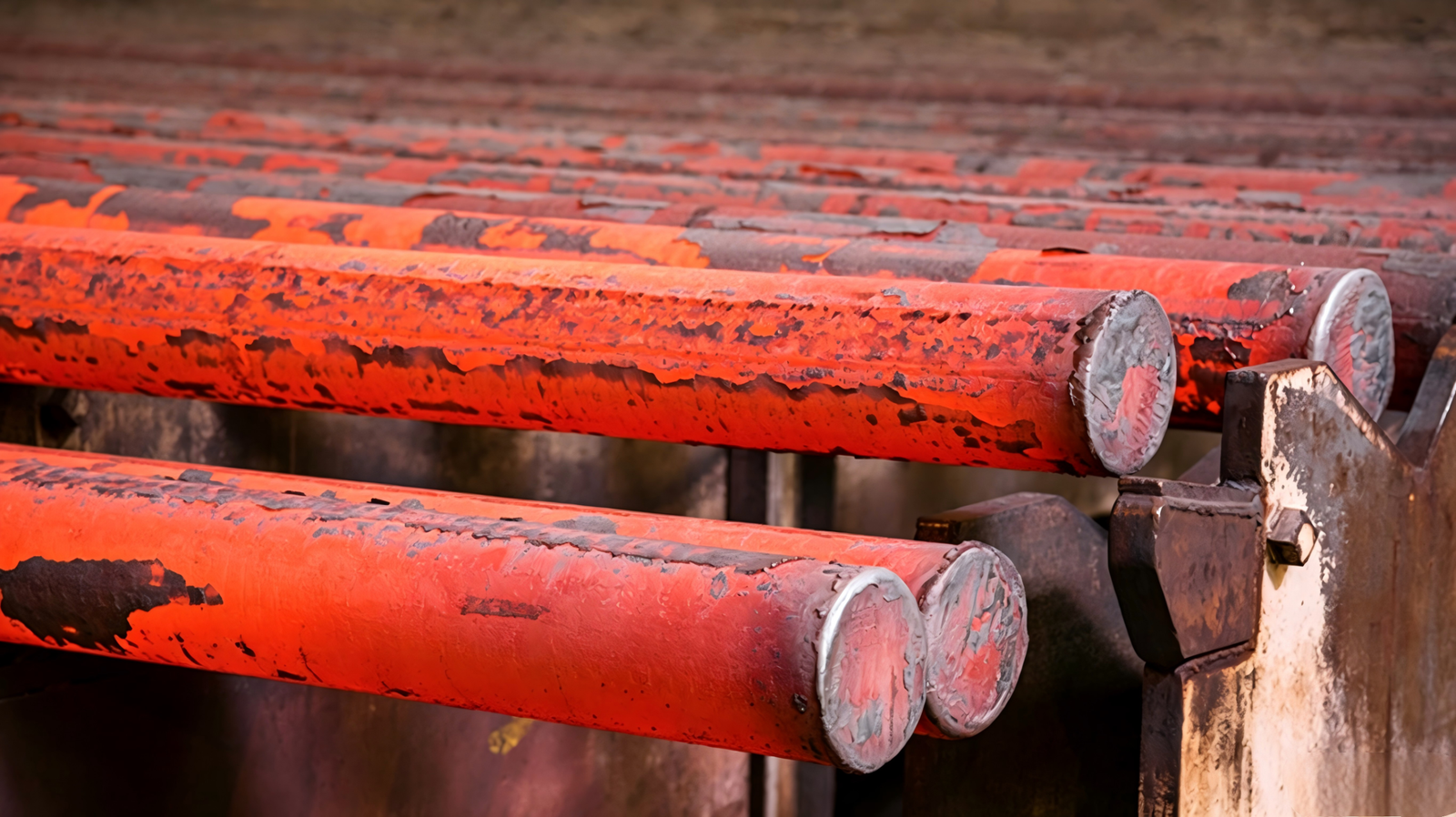
O endurecimento do aço é um processo de tratamento térmico que aumenta a dureza do aço alterando sua microestrutura interna. Isto é conseguido aquecendo o aço a uma temperatura crítica e depois resfriando-o a uma taxa controlada para formar uma estrutura de fase mais dura – normalmente martensita..
Principais objetivos do endurecimento do aço:
Aumentar a dureza da superfície e do núcleo (dependendo do método)
Melhorar a resistência ao desgaste
Melhorar a resistência mecânica
Aumente a vida útil sob fadiga sob carregamento cíclico
Melhore o desempenho em ambientes de alto estresse
O endurecimento é frequentemente seguido de revenimento para equilibrar dureza e tenacidade, reduzindo a fragilidade enquanto mantém a resistência.
Princípios metalúrgicos por trás do endurecimento do aço
O endurecimento do aço é fundamentalmente baseado na transformação de fase em ligas de ferro-carbono.
Principais microestruturas em aço:
Ferrita: Fase macia e dúctil
Perlita: Resistência e dureza moderadas
Os Austenitas: Fase de alta temperatura com estrutura FCC
Martensita: Extremamente difícil, fase frágil formada por resfriamento rápido
Bainita: Fase equilibrada de resistência e tenacidade formada sob resfriamento controlado
Mecanismo de transformação de fase
Quando o aço é aquecido acima da temperatura de austenitização (normalmente 800–900°C), sua estrutura se transforma em austenita. O resfriamento rápido evita a transformação do equilíbrio e força os átomos de carbono a uma estrutura de rede distorcida, formando martensita.
Essa transformação é o que cria alta dureza.
Fatores que afetam a temperabilidade
A dureza final e o desempenho dependem de diversas variáveis metalúrgicas e de processo:
1. Conteúdo de carbono
Baixo carbono (<0.25%): Capacidade de endurecimento limitada
Carbono médio (0.25%–0,6%): Ideal para componentes de engenharia em geral
Alto carbono (>0.6%): Alta dureza, mas maior fragilidade
2. Elementos de Liga
Cromo: Melhora a resistência ao desgaste e a temperabilidade
Níquel: Melhora a resistência
Manganês: Aumenta a temperabilidade
Molibdênio: Reduz a fragilidade durante o revenido
Vanádio: Refinamento de grãos e melhoria de resistência
3. Taxa de resfriamento
O resfriamento mais rápido aumenta a dureza, mas também aumenta o risco de rachaduras.
4. Geometria dos Componentes
Seções mais espessas esfriam de maneira desigual, afetando a uniformidade da dureza.
Visão geral do processo de tratamento térmico de aço
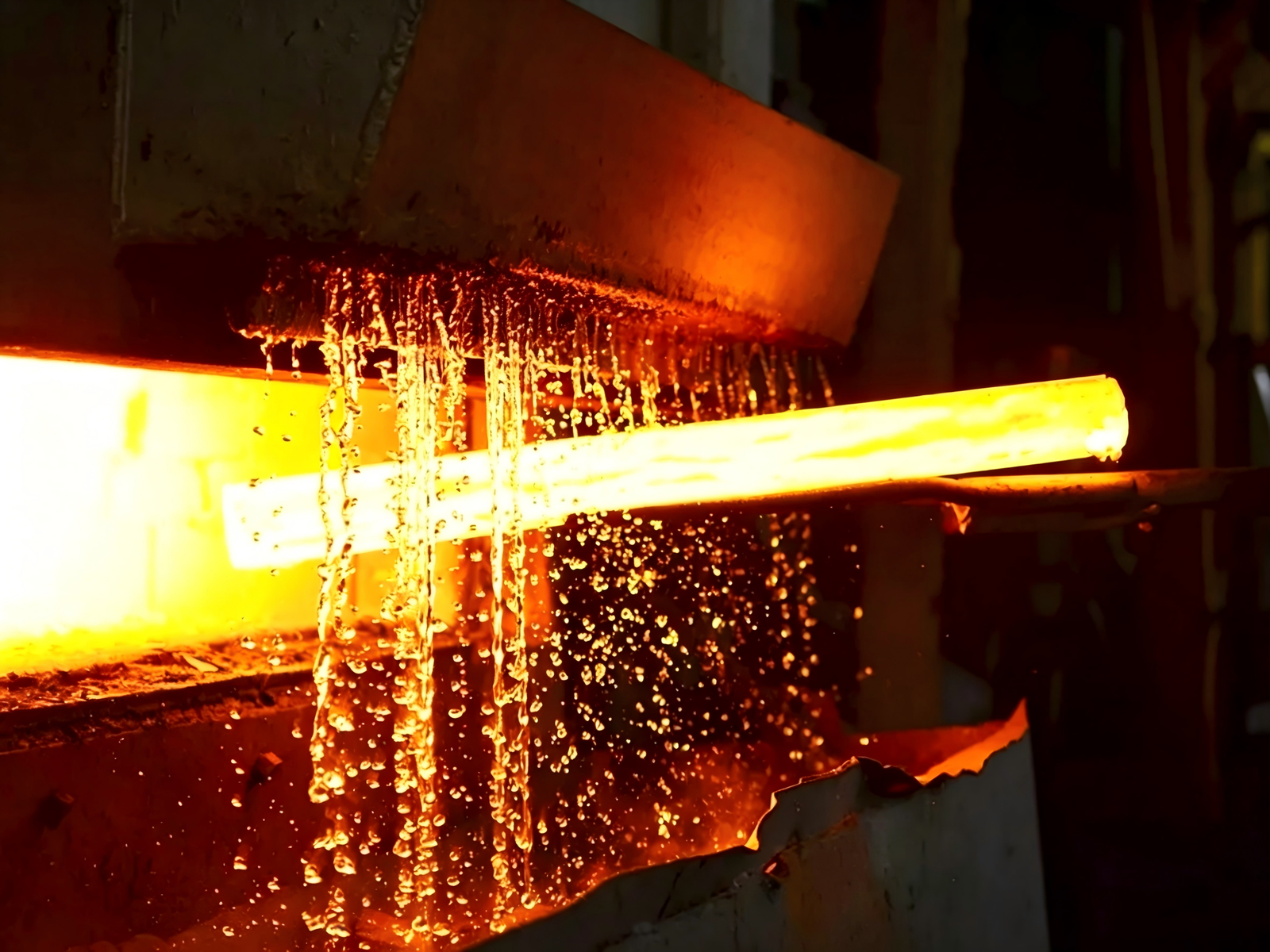
O endurecimento do aço normalmente segue três estágios controlados:
1. Aquecimento (Austenitização)
O aço é aquecido a 800–900°C dependendo da composição.
2. Imersão
O material é mantido em temperatura para garantir a transformação uniforme da microestrutura.
3. Resfriamento (Têmpera)
O aço é rapidamente resfriado usando:
Água (dureza máxima, maior risco de rachadura)
Óleo (resfriamento equilibrado e estresse reduzido)
Ar ou gás (baixa distorção, menor dureza)
Principais técnicas de endurecimento de aço
1. Têmpera e Revenimento
Este é o método de endurecimento industrial mais amplamente utilizado.
Fluxo do Processo:
Austenitização (800–900ºC)
Têmpera rápida (água/óleo)
Temperamento (150–600°C dependendo da tenacidade necessária)
Vantagens:
Equilíbrio de alta resistência e tenacidade
Adequado para peças estruturais e mecânicas
Econômico e amplamente aplicável
Formulários:
Eixos e eixos
Engrenagens e rodas dentadas
Virabrequins
Componentes de máquinas pesadas
2. Endurecimento de casos (Endurecimento da superfície)
O endurecimento da camada cria uma superfície externa dura enquanto mantém um núcleo dúctil.
Carburismo:
O carbono é difundido na superfície do aço a 850–950°C
Produz camada endurecida profunda
Nitretagem:
Difusão de nitrogênio em temperaturas mais baixas (~500–550°C)
Distorção mínima, não é necessário têmpera
Vantagens:
Superfície dura resistente ao desgaste
Estrutura interna resistente
Excelente resistência à fadiga
Formulários:
Componentes de engrenagem
Áreas de cames
Peças mecânicas de precisão
3. Endurecimento por indução
O endurecimento por indução utiliza aquecimento eletromagnético para endurecer seletivamente as áreas de superfície.
Processo:
A corrente de alta frequência aquece a superfície rapidamente
Segue-se a extinção imediata
Vantagens:
Endurecimento localizado preciso
Ciclo de processamento rápido
Deformação mínima
Formulários:
Dentes de engrenagem
Rolamentos
Eixos de acionamento
Componentes automotivos
4. Endurecimento por chama
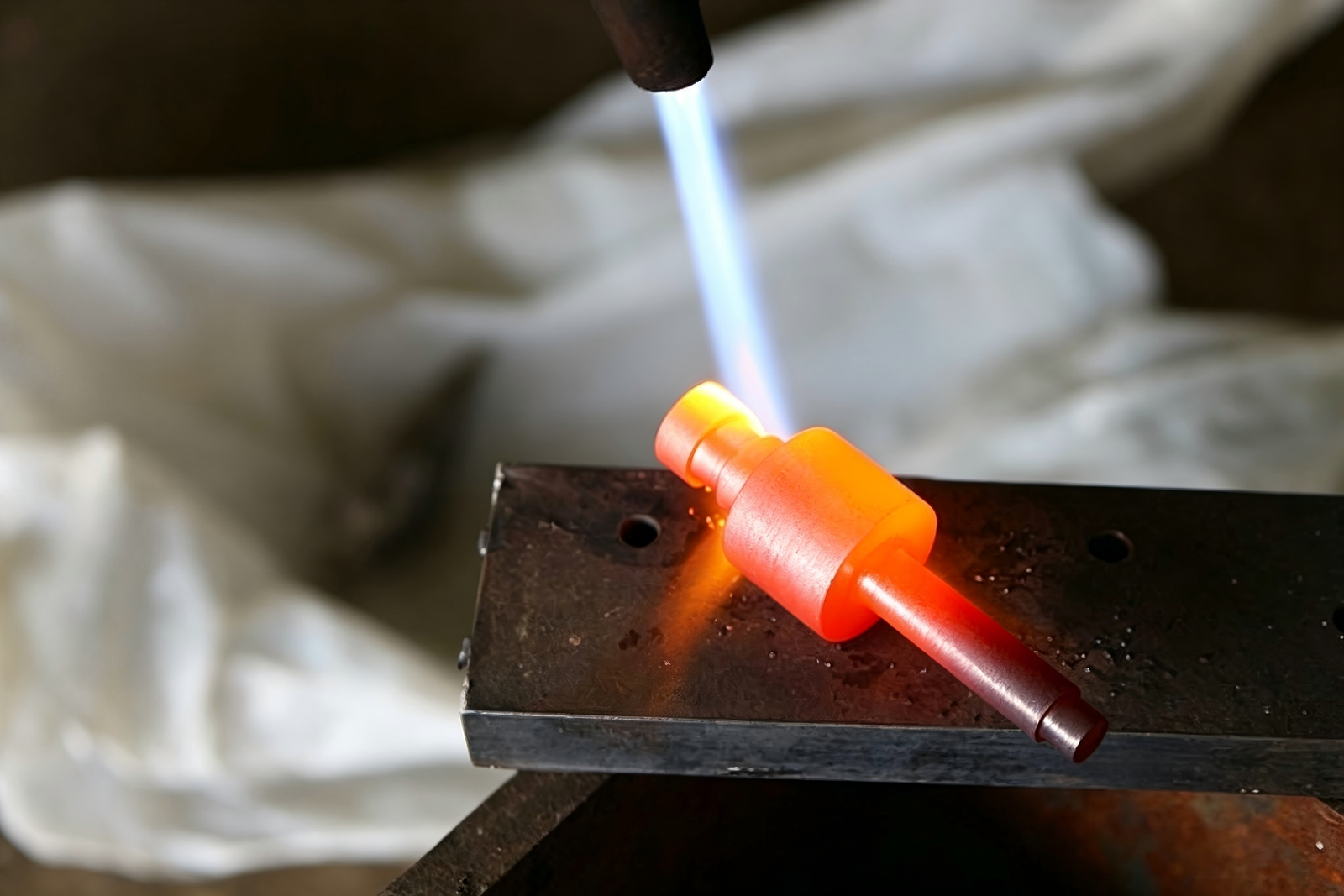
O endurecimento por chama usa uma chama de oxicombustível para aquecer áreas de superfície antes da têmpera.
Vantagens:
Adequado para componentes grandes
Flexível e econômico
Tratamento localizado possível
Limitações:
Menos preciso que o endurecimento por indução
Formulários:
Rolos grandes
Camas de máquinas
Peças para equipamentos de construção
5. Austêmpera
Austêmpera é um processo de resfriamento controlado que forma bainita em vez de martensita.
Vantagens:
Distorção reduzida
Resistência melhorada
Menor tensão residual
Formulários:
Molas
Componentes estruturais
Peças automotivas que exigem resistência à fadiga
6. Endurecimento a Laser (Método Avançado)
O endurecimento a laser utiliza energia laser concentrada para tratamento de superfície preciso.
Vantagens:
Extremamente preciso
Distorção térmica mínima
Ideal para geometrias complexas
Formulários:
Componentes aeroespaciais
Ferramentas de alto valor
Peças de engenharia de precisão
Comparação de métodos de endurecimento
| Método | Nível de dureza | Distorção | Custo | Precisão |
| Têmpera & Temperamento | Alto | Médio | Baixo | Médio |
| Carburismo | Muito alto (superfície) | Médio | Médio | Médio |
| Nitretagem | Alto (superfície) | Baixo | Alto | Alto |
| Endurecimento por indução | Alto | Baixo | Médio | Alto |
| Endurecimento por chama | Médio-Alto | Médio | Baixo | Baixo |
| Endurecimento a Laser | Muito alto | Muito baixo | Alto | Muito alto |
Aplicações Industriais de Endurecimento de Aço
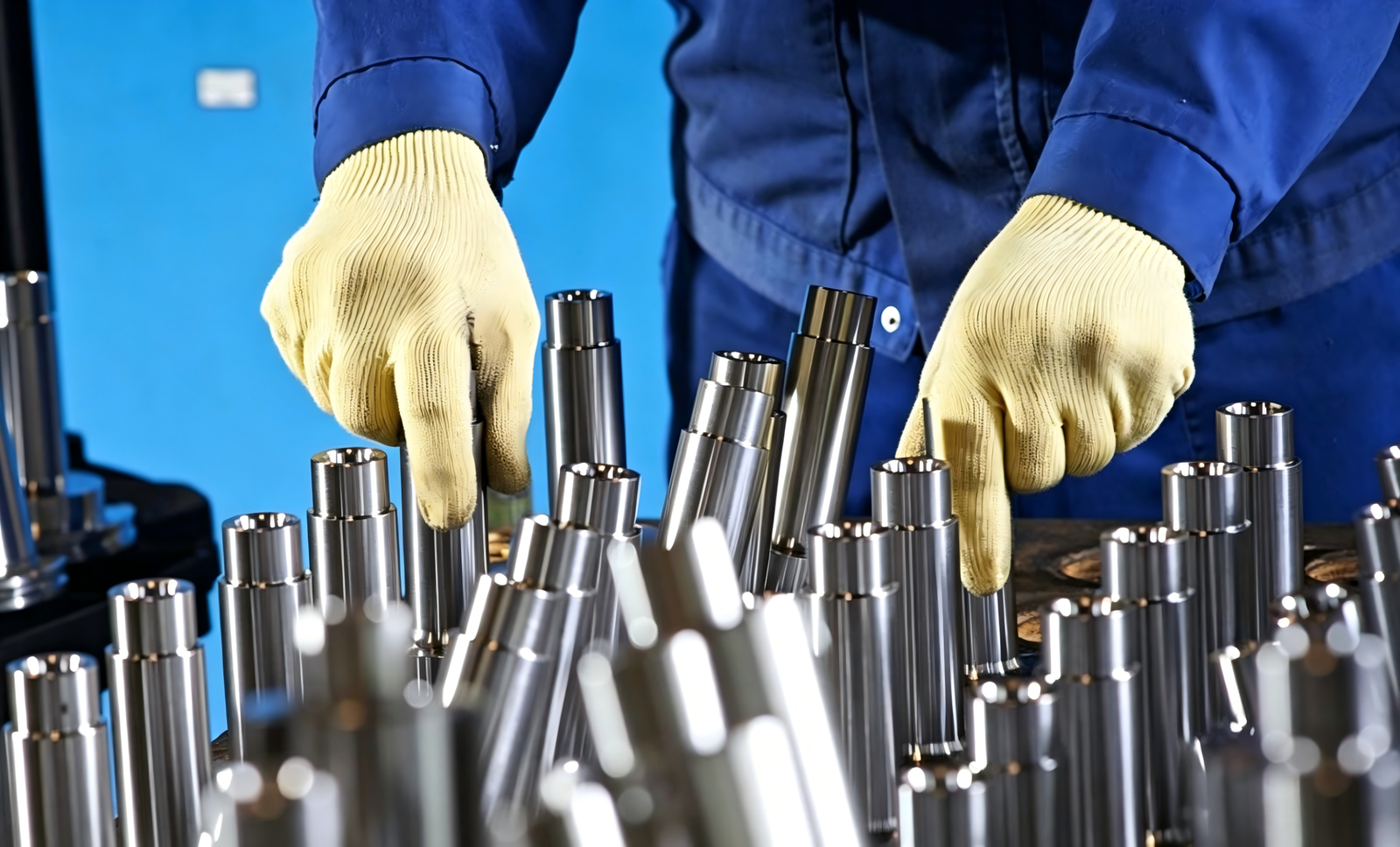
Indústria automobilística
Engrenagens de transmissão
Virabrequins
Áreas de cames
Componentes de rolamento
Indústria aeroespacial
Sistemas de trem de pouso
Lâminas de turbina
Fixadores estruturais
Indústria Mineira
Mandíbulas do britador
Brocas
Peças de desgaste da escavadeira
Setor Energético
Eixos de turbina
Componentes da válvula
Peças de turbina eólica
Indústria da construção
Estruturas portantes
Componentes de reforço
Peças de equipamentos pesados
Indústria Ferroviária
Trilhos
Rodas
Eixos
Ferramenta & Fabricação de matriz
Moldes de injeção
Ferramentas de corte
Matrizes de estampagem
Defeitos comuns no endurecimento do aço
1. Rachadura
Causado por estresse de resfriamento rápido ou seleção inadequada de material.
2. Distorção
Ocorre devido à expansão térmica desigual durante a têmpera.
3. Descarbonetação
A perda de carbono na superfície durante o aquecimento reduz a dureza.
4. Pontos fracos
Causado por aquecimento irregular ou têmpera insuficiente.
Como selecionar o método de endurecimento correto
A seleção do processo correto depende:
Tipo de material (aço carbono vs aço liga)
Profundidade de dureza necessária (superfície vs endurecimento total)
Geometria e tamanho do componente
Volume de produção
Restrições de custo
Nível de precisão necessário
Por exemplo:
Engrenagens → Carburização ou endurecimento por indução
Eixos → Têmpera e revenido ou endurecimento por indução
Peças de alta precisão → Nitretação ou endurecimento a laser
Integração de peças usinadas CNC e endurecimento de aço
Na fabricação moderna, o endurecimento do aço é frequentemente combinado com Usinagem CNC para produzir componentes funcionais de alta precisão.
As aplicações típicas incluem:
Engrenagens industriais
Componentes de ferramentas
Suportes aeroespaciais
Peças de transmissão automotiva
Nesta fase, trabalhar com um fornecedor que integra recursos de usinagem CNC e tratamento térmico é fundamental para garantir a precisão dimensional após o endurecimento.
(Para fornecimento industrial, muitos compradores combinam usinagem e tratamento térmico em um único fornecedor, como topsbest-precision.com para reduzir custos e prazos de entrega.)
Conclusão
O endurecimento do aço é um processo fundamental na engenharia moderna que determina diretamente o desempenho, confiabilidade, e vida útil de componentes mecânicos. Cada método de endurecimento - seja têmpera e revenido, endurecimento de case, ou endurecimento a laser avançado — oferece vantagens exclusivas dependendo dos requisitos da aplicação.
Para compradores industriais e engenheiros, selecionar o processo certo não é apenas uma decisão técnica, mas estratégico que impacta a durabilidade do produto, custo de produção, e desempenho a longo prazo.
Se você estiver adquirindo componentes de aço endurecido ou precisar de peças usinadas CNC com tratamento térmico controlado, a parceria com um fornecedor experiente em fabricação de precisão é essencial para garantir qualidade e desempenho consistentes.
Perguntas frequentes
1. Qual é o objetivo principal do endurecimento do aço?
O principal objetivo do endurecimento do aço é melhorar a dureza, resistência ao desgaste, e resistência mecânica, alterando a microestrutura do aço através de tratamento térmico e resfriamento controlados.
2. Qual é a diferença entre endurecimento e revenido?
O endurecimento aumenta a dureza do aço formando martensita através do resfriamento rápido, enquanto o revenido reaquece o aço endurecido a uma temperatura mais baixa para reduzir a fragilidade e melhorar a tenacidade.
3. Qual aço é melhor para endurecer?
Aços de médio carbono (como 1045, 4140, e 4340) e os aços-liga são mais adequados para endurecimento porque proporcionam um bom equilíbrio entre dureza e tenacidade após o tratamento térmico.
4. O aço inoxidável pode ser endurecido?
Sim, mas apenas alguns tipos. Os aços inoxidáveis martensíticos e de endurecimento por precipitação podem ser endurecidos através de tratamento térmico, enquanto os aços inoxidáveis austeníticos geralmente não podem ser endurecidos da mesma maneira.
5. Para que é usado o endurecimento de case?
O endurecimento de case é usado para criar um hard, camada superficial resistente ao desgaste, mantendo um núcleo resistente e dúctil. É comumente usado para engrenagens, árvores de cames, e outros componentes de alto desgaste.
6. Por que o óleo é usado na têmpera em vez de água?
O óleo é usado porque esfria o aço mais lentamente que a água, reduzindo o risco de quebrar, distorção, e tensão interna enquanto ainda alcança dureza suficiente.
7. Que problemas podem ocorrer durante o endurecimento do aço?
Problemas comuns incluem rachaduras, distorção, descarbonetação, e pontos fracos. Geralmente são causados por controle inadequado de temperatura, meio de extinção incorreto, ou má seleção de materiais.
8. Como o endurecimento do aço melhora a vida útil do produto?
Aumentando a dureza superficial e a resistência ao desgaste, o endurecimento do aço reduz significativamente a abrasão, dano por fadiga, e deformação, resultando em maior vida útil dos componentes mecânicos.


