



Para empresas de dispositivos médicos, no entanto, escolher um fornecedor de usinagem CNC envolve mais do que precisão de usinagem. Rastreabilidade de materiais, Inspeção, controle de processo, documentação, tratamento de superfície, regulatory requirements, and supplier quality management can all affect the success of a medical component.
This guide explains how Usinagem CNC is used in medical manufacturing, which materials and applications are most common, what quality requirements matter, and how to evaluate a medical CNC machining supplier.
What Is CNC Machining for Medical Devices?
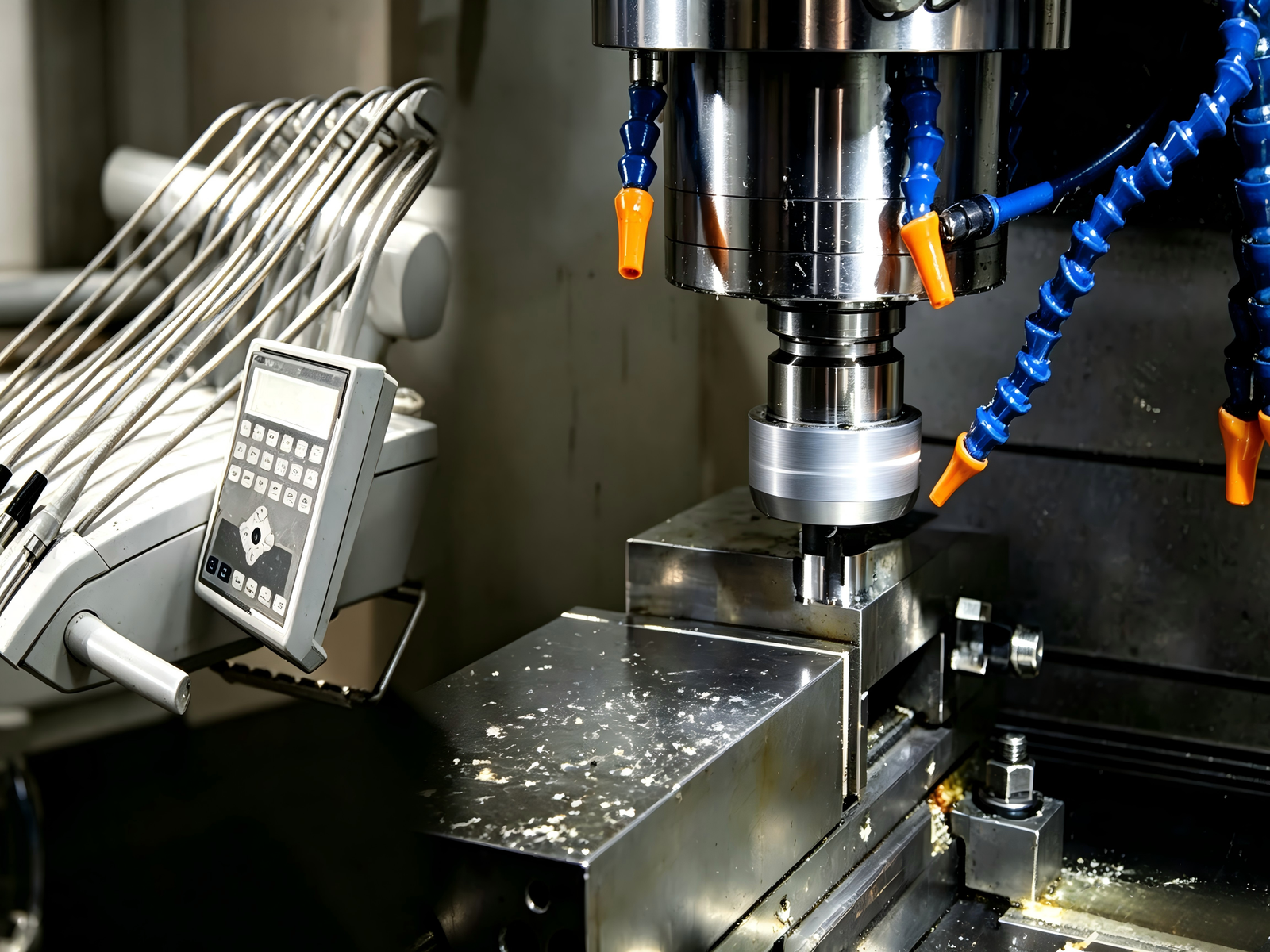
CNC, or Computer Numerical Control, machining uses computer-controlled machine tools to remove material from a workpiece according to programmed instructions.
The basic manufacturing workflow is straightforward:
CAD model → CAM programming → CNC machining → inspection → surface finishing → final inspection
Ao contrário da usinagem manual, CNC machining uses digitally controlled toolpaths to achieve repeatable dimensions and geometries. This makes it particularly suitable for medical components where dimensional consistency is important.
CNC machining can process a broad range of metals, Plastics de engenharia, e materiais compósitos. The source article also emphasizes its suitability for both low-volume and customized production because it does not necessarily require dedicated production tooling for every new component.
Why Is CNC Machining Important for the Medical Industry?
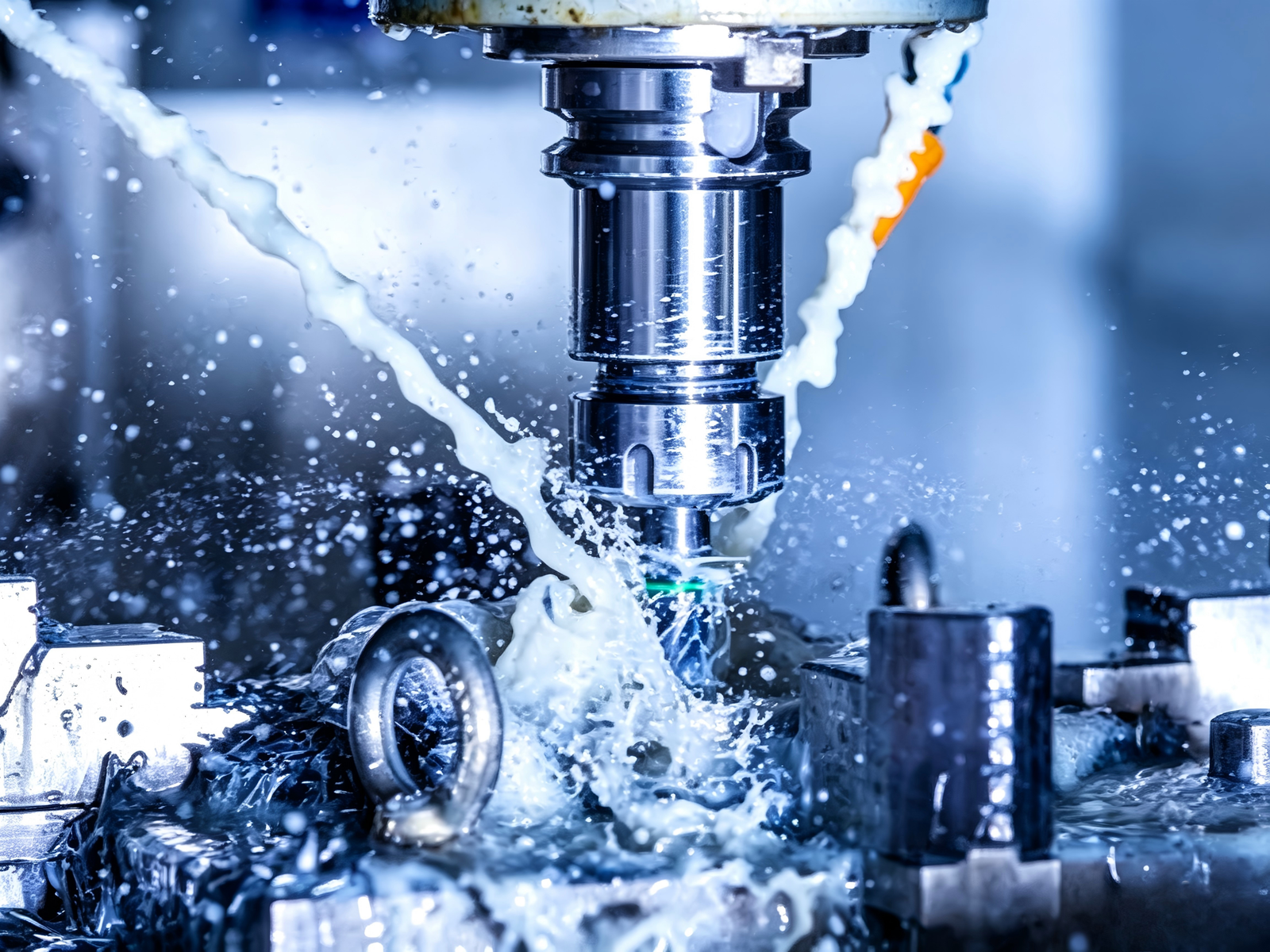
The medical industry places exceptional demands on manufacturing quality. A dimensional error in a consumer product may be inconvenient; in a medical component, it can affect assembly, desempenho mecânico, esterilização, or ultimately device safety.
CNC machining offers several advantages that address these challenges.
1. High Precision and Dimensional Accuracy
Precision is one of the most important reasons medical manufacturers use CNC machining.
Medical components may contain:
Precision bores
Tópicos
Mating surfaces
Small slots
Paredes finas
Contornos complexos
Tight positional tolerances
Modern CNC equipment can produce highly repeatable features when the machine, ferramentas, material, fixação de trabalho, programação, and inspection processes are properly controlled.
Por exemplo, a surgical instrument may require precise mating between multiple components. De forma similar, an orthopedic implant may require accurate dimensional control to achieve the intended fit.
No entanto, it is important to distinguish between machine capability and guaranteed part tolerance. A supplier should evaluate the drawing, material, geometria, tolerance stack-up, processo de usinagem, and inspection method before promising a specific tolerance.
2. Customization and Patient-Specific Manufacturing
Medical manufacturing increasingly requires customized products.
Patient-specific implants, prosthetic components, dispositivos dentários, and orthopedic products may be based on individual anatomical data.
A typical digital workflow can involve:
3D scan / medical imaging → digital model → CAD design → CAM programming → CNC machining → inspection
CNC machining can therefore connect digital design directly with physical manufacturing.
The source article identifies customization as one of CNC machining’s major advantages because patient-specific data can be translated into customized medical components.
3. Complex Shapes and Internal Features
Some medical components require geometries that are difficult to produce using conventional manufacturing.
CNC machining can create:
Superfícies curvas
Bolsos
Caça-níqueis
Internal cavities
Furos de precisão
Canais
Multi-level features
Complex 3D contours
5-axis machining can be particularly valuable when several surfaces or orientations must be machined without repeatedly repositioning the component.
No entanto, highly complex geometry should be evaluated during Design para fabricação (DFM). Cavidades profundas, inaccessible internal features, extreme aspect ratios, and undercuts may require specialized tooling or additional processes.
4. Prototipagem Rápida
Medical device development often involves multiple engineering iterations.
CNC machining allows designers to manufacture functional prototypes directly from CAD data.
A typical development cycle may be:
Create the initial CAD model.
Review the design for manufacturability.
Manufacture the prototype.
Inspect dimensions.
Test fit and function.
Identify design improvements.
Update the CAD model.
Manufacture the next revision.
This shortens the distance between design concept and physical validation.
The original article highlights rapid prototyping as an important CNC advantage because engineers can evaluate design, ajustar, and function before committing to full production.
5. Flexible Material Selection
Medical components may require very different material properties.
Dependendo da aplicação, engineers may consider:
Força
Dureza
Resistência à corrosão
Peso
Resistência ao desgaste
Resistência química
Estabilidade térmica
Biocompatibilidade
Sterilization compatibility
CNC machining supports a broad range of materials, allowing engineers to select materials according to the functional requirements of the component rather than being restricted to one manufacturing process.
6. Production Flexibility and Cost Control
CNC machining can be economically attractive for:
Protótipos
Amostras de engenharia
Produção de baixo volume
Componentes personalizados
Medium-volume production
Componentes de substituição
Unlike processes that require expensive dedicated tooling, CNC machining can often move from one component to another simply by changing the CNC program, ferramentas, and workholding arrangement.
This flexibility can reduce tooling investment during early-stage medical device development.
Applications of CNC Machining in Medical Devices
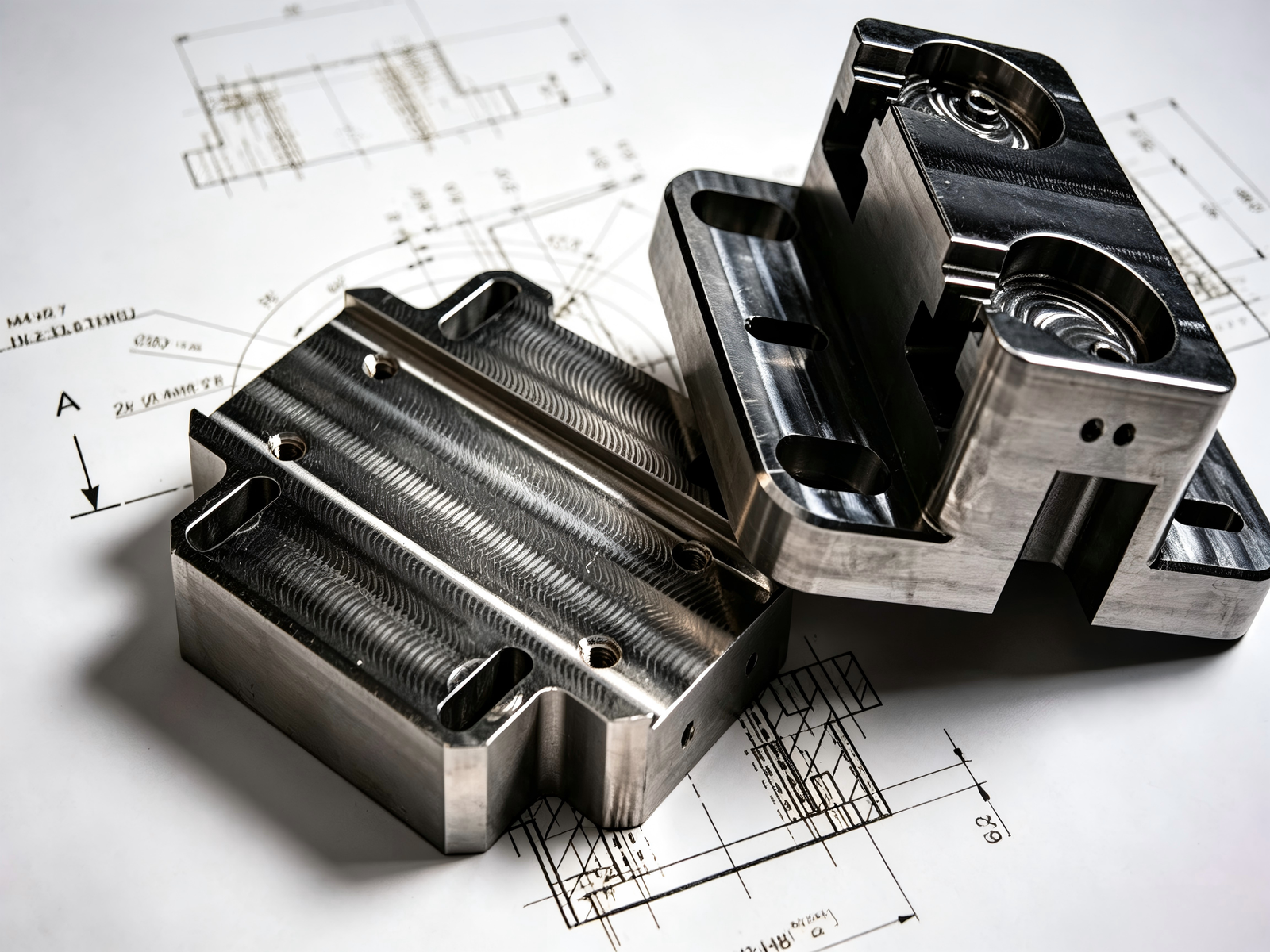
CNC machining is used across many areas of medical manufacturing.
1. CNC Machined Surgical Instruments
Surgical instruments require precise dimensions, reliable mechanical performance, and appropriate surface characteristics.
Exemplos incluem:
Surgical handles
Fórceps
Retractors
Scalpel components
Grampos
Surgical instrument bodies
Robotic surgical components
Complex contours can also be produced using multi-axis CNC machining.
The original source identifies surgical tools as one of the major medical applications of CNC machining because these components often require complex geometries and high dimensional precision.
2. CNC Machined Medical Implants
Medical implants represent one of the most demanding applications.
Exemplos incluem:
Componentes ortopédicos
Hip implant components
Knee implant components
Implantes dentários
Spinal components
Patient-specific implants
These parts can require precise dimensional control, controlled surface characteristics, and carefully selected materials.
Ligas de titânio, por exemplo, are frequently considered for applications where high strength-to-weight ratio and corrosion resistance are important.
Because implant applications are highly regulated, the machining process should be considered part of a broader controlled manufacturing system rather than simply a machining operation.
3. Prosthetics and Orthotics
CNC machining can manufacture customized:
Prosthetic components
Orthotic supports
Suportes
Conectores
Componentes estruturais
Mobility-device components
Patient-specific digital models can be converted into customized mechanical components.
This makes CNC machining particularly useful when the geometry differs from one patient or product to another.
4. Micro Medical Devices
Medical technology is becoming increasingly miniaturized.
CNC machining can be used to manufacture small components for:
Biosensors
Diagnostic systems
Microfluidic devices
Drug delivery systems
Minimally invasive instruments
Small components require careful control of tooling, machine accuracy, fixação de trabalho, parâmetros de corte, burr formation, e inspeção.
For miniature components, the manufacturing process must be designed around the smallest critical feature rather than simply the overall part dimensions.
5. Medical Device Enclosures and Housings
CNC machining is also widely applicable to non-implantable medical equipment.
Examples include housings for:
Diagnostic equipment
Monitoring systems
Portable medical devices
Equipamento de laboratório
Electronic medical instruments
These components may require:
Precise mounting holes
Threaded inserts
Internal pockets
Connector openings
Heat dissipation features
Tight assembly tolerances
Aluminum CNC machining is often attractive for such applications because it combines low weight with good machinability.
6. Diagnostic Equipment Components
Diagnostic equipment depends on precise mechanical components.
CNC machining can produce parts used in:
Imaging systems
Laboratory analyzers
Testing equipment
Sample-handling mechanisms
Point-of-care devices
Dimensional consistency is particularly important when multiple mechanical or electronic components must work together.
7. Minimally Invasive Surgical Instruments
Minimally invasive surgery requires increasingly small and sophisticated instruments.
CNC machining can produce components for:
Laparoscopic instruments
Endoscopic instruments
Robotic surgery systems
Surgical articulation mechanisms
Precision instrument tips
These parts often combine small dimensions, geometria complexa, tolerâncias apertadas, and demanding surface requirements.
8. Rehabilitation and Assistive Devices
CNC machining can also support rehabilitation products and assistive equipment.
As aplicações incluem:
Suportes
Supports
Prosthetic mechanisms
Mobility components
Custom orthopedic devices
The ability to customize geometry makes CNC machining useful for products that must accommodate different users.
Materials Used for CNC Machining Medical Parts
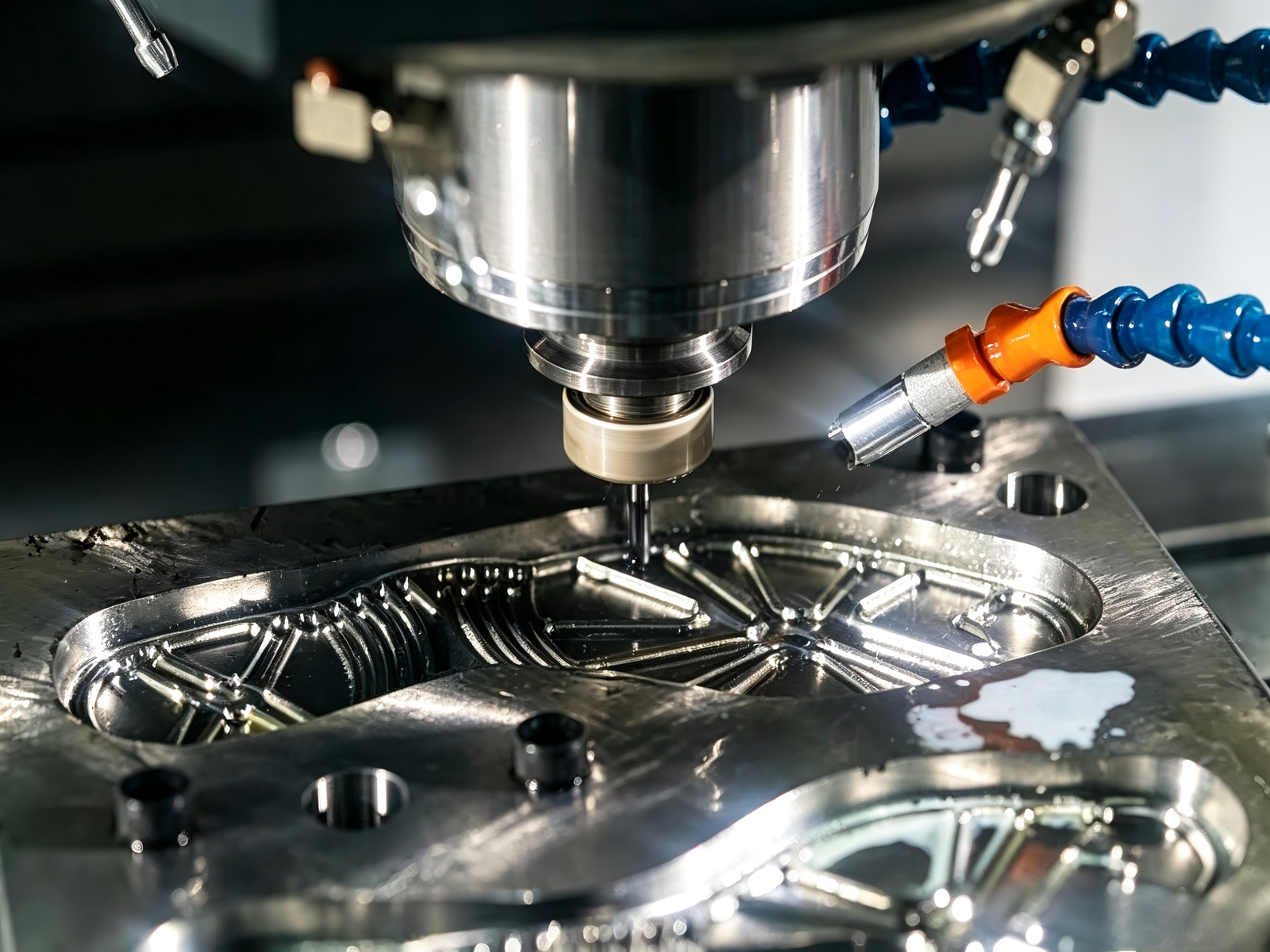
Material selection should be based on the actual application rather than simply machinability.
Aço inoxidável
Stainless steel is widely used where strength, resistência à corrosão, durabilidade, and cleanability are important.
As aplicações potenciais incluem:
Instrumentos cirúrgicos
Componentes mecânicos
Peças de equipamentos médicos
Montagens de precisão
The exact grade should be selected according to mechanical, químico, esterilização, e requisitos regulatórios.
Titânio
Titanium is particularly important for demanding medical applications.
Its characteristics can include:
Alta relação resistência-peso
Resistência à corrosão
Baixa densidade
Good performance in demanding environments
Titanium can be more challenging to machine than aluminum, making tool selection, parâmetros de corte, heat management, and process control important.
Alumínio
Aluminum is useful when low weight and machinability are priorities.
Aplicações comuns incluem:
Carcaças de equipamentos
Componentes estruturais
Jogos
Diagnostic equipment parts
Non-implantable device components
Different aluminum alloys provide different combinations of strength, maquinabilidade, e resistência à corrosão.
Medical-Grade Engineering Plastics
Engineering polymers can be used when electrical insulation, baixo peso, resistência química, or other specific properties are required.
Materiais potenciais incluem:
Other engineering polymers
For medical applications, no entanto, the phrase “medical-grade plastic” should not be treated as a universal material qualification. The material grade, intended application, regulatory requirements, and sterilization environment should all be verified.
CNC Machining Requirements for Medical Components
Medical machining requires more than simply producing dimensions that appear correct on a drawing.
Tight Tolerances and Repeatability
O fornecedor deve compreender:
Tolerâncias dimensionais
Tolerâncias geométricas
GD&T
Datum structures
Position tolerances
Concentricity/runout requirements
Assembly tolerances
Not every dimension needs an extremely tight tolerance. Applying unnecessarily tight tolerances can increase machining costs without improving product performance.
A good CNC supplier should therefore review the drawing and identify critical-to-function dimensions.
Acabamento de superfície
Surface finish can affect:
Atrito
Vestir
Cleanability
Resistência à corrosão
Conjunto
Aparência
Functional performance
CNC machining can produce good surface finishes, but some applications may require additional processes such as:
Polimento
Esmerilhamento
Deburrendo
Anodização
Passivação
Eletropolismo
Other specified surface treatments
The appropriate process depends on the material and intended application.
Burr and Edge Control
Burrs can create significant problems in precision medical components.
Dependendo da aplicação, burrs can:
Interfere with assembly
Affect moving mechanisms
Damage mating parts
Create contamination risks
Affect dimensional accuracy
Medical CNC manufacturing should therefore define deburring and edge-break requirements rather than relying on an unspecified “standard” process.
Inspeção dimensional
Inspection methods should correspond to the drawing requirements.
Possible equipment includes:
CMM
Optical measurement systems
Micrômetros
Vernier calipers
Medidores de altura
Pin gauges
Medidores de linha
Testadores de rugosidade da superfície
For complex medical components, CMM inspection can be particularly useful for verifying multiple geometric characteristics against the CAD model or drawing.
Rastreabilidade de Materiais
Material traceability becomes especially important when the material itself is part of the product specification.
Depending on customer and regulatory requirements, documentation may include:
Certificados de materiais
Heat/lot numbers
Supplier records
Production batch information
Inspection records
Certificate of Conformance
The exact documentation package should be agreed upon before production.
Usinagem CNC vs.. Other Medical Manufacturing Processes
CNC machining is powerful, but it is not the best manufacturing method for every medical component.
|
Processo |
Best Suited For |
Principal vantagem |
|
Usinagem CNC |
Precision metal/plastic parts |
Flexibility and accuracy |
|
Moldagem por injeção |
High-volume plastic components |
Low unit cost at scale |
|
Fundição sob pressão |
High-volume metal components |
Alta eficiência de produção |
|
3Impressão D |
Complex prototypes and customized geometries |
Design freedom |
|
Estampagem |
High-volume sheet-metal components |
Alta velocidade de produção |
The correct process depends on:
Annual volume
Geometria da peça
Material
Tolerância
Acabamento superficial
Tooling budget
Development stage
Production schedule
Por exemplo, CNC machining may be ideal for 20 prototypes but inefficient for several million identical plastic components. Por outro lado, injection molding may require substantial tooling investment that is difficult to justify during early-stage product development.
A hybrid manufacturing strategy can sometimes provide the best result.
Limitations of CNC Machining in the Medical Industry
CNC machining offers significant advantages, but it also has limitations.
Geometria Complexa
Very deep cavities, inaccessible internal features, and severe undercuts may require specialized tooling, usinagem multieixos, Música eletrônica, or alternative manufacturing processes.
The source article specifically identifies undercuts, cavidades profundas, and inaccessible internal features as potential CNC machining challenges.
Difficult-to-Machine Materials
Certain materials may require:
Specialized cutting tools
Lower cutting speeds
Advanced coolant strategies
Multiple operations
Special workholding
Heat-sensitive materials can also experience deformation if machining parameters are not properly controlled.
Velocidade de produção
CNC machining can be slower than dedicated high-volume manufacturing processes.
This is particularly relevant when:
Production volumes are very high
The component requires many machining operations
Cycle times are long
Extensive inspection is required
The source article also identifies production speed as one of CNC machining’s limitations for large-volume medical manufacturing.
Tamanho da máquina
Every CNC machine has a maximum work envelope.
Large medical equipment components may require:
Large-format machining centers
Multiple setups
Specialized fixtures
Alternative manufacturing processes
Requisitos de acabamento de superfície
Machining alone may not always achieve the required surface condition.
Additional finishing processes can increase:
Tempo de espera
Custo
Handling requirements
Quality-control requirements
Skilled Engineering and Machining Expertise
Medical CNC machining requires more than machine operation.
The supplier may need expertise in:
DFM
GD&T
Programação CAM
Tool selection
Holding de trabalho
Otimização de processos
Inspeção
Documentação
The original article also identifies operator skill and training as a limitation of CNC machining.
Future Trends in CNC Machining for Medical Devices
The future of medical CNC machining will be influenced by digitalization, automação, miniaturization, advanced materials, and increasingly customized products.
Automation and AI
Robótica, automated material handling, tool monitoring, and data analysis can reduce manual intervention and improve manufacturing consistency.
The source article identifies automation, Ai, aprendizado de máquina, CAD/CAM, simulação, and real-time monitoring as important future trends.
Digital Manufacturing
The integration of:
cafajeste + Cam + CNC + Inspeção + production data
can create a more connected manufacturing workflow.
Digital manufacturing can help reduce manual data transfer and improve revision control.
Patient-Specific Devices
As medical imaging and 3D scanning become more integrated with product development, customized medical devices will become increasingly important.
CNC machining can provide the manufacturing flexibility required for these applications.
Miniaturization
Medical devices are becoming smaller and more sophisticated.
Future applications may require:
Smaller components
Smaller channels
Finer features
Microusinagem
Maior precisão dimensional
This trend will increase the importance of precision tooling, machine stability, controle de processo, and advanced inspection.
Materiais avançados
New medical materials will create new machining challenges.
Suppliers will need to continuously improve:
Tool technology
Cutting strategies
Coolant management
Acabamento superficial
Inspection methods
Usinagem CNC + 3Impressão D
CNC machining and additive manufacturing are increasingly complementary rather than competing technologies.
3D printing can produce complex near-net-shape structures, while CNC machining can finish critical interfaces, buracos, superfícies de contato, and precision features.
This hybrid approach can be particularly valuable for customized medical components.
Frequently Asked Questions About CNC Machining for Medical Devices
What medical parts can be CNC machined?
CNC machining can manufacture surgical instruments, implant components, prosthetic components, diagnostic equipment parts, medical device housings, minimally invasive surgical components, and many other precision mechanical parts.
What materials are commonly used for medical CNC machining?
Common choices include stainless steels, ligas de titânio, ligas de alumínio, OLHADINHA, PTFE, POM, and other engineering materials. The appropriate material depends on the device’s functional, ambiental, esterilização, e requisitos regulatórios.
How accurate is CNC machining for medical components?
A precisão depende da máquina, material, geometria, tolerance specification, ferramentas, processo, e método de inspeção. Instead of assuming one universal tolerance, manufacturers should review the actual engineering drawing and identify critical dimensions.
Is CNC machining suitable for medical prototypes?
Sim. CNC machining is particularly useful for prototypes because it can produce functional parts directly from CAD data without requiring dedicated production tooling.
Can CNC machining produce customized medical devices?
Sim. CNC machining is well suited to customized components because the geometry can be changed digitally and manufactured without creating a new mold for every design.
What CNC machines are used for medical parts?
Dependendo do componente, manufacturers may use 3-axis, 4-eixo, or 5-axis machining centers, CNC turning centers, Swiss-type machines, grinding machines, e equipamentos especializados.
Does a CNC machining supplier need ISO 13485 certificação?
The answer depends on the supplier’s role, the customer’s quality requirements, and the applicable regulatory framework. FDA’s QMSR, effective February 2, 2026, incorporates ISO 13485:2016 into the U.S. medical-device quality framework. (NÓS. Food and Drug Administration)
Portanto, medical-device manufacturers should determine the appropriate supplier qualification and quality-system requirements for each project rather than treating certification as a simple checkbox.
What should I provide when requesting a quote for medical CNC parts?
For an accurate quotation, fornecer:
2D engineering drawing
3D CAD model
Material specification
Annual or order quantity
Acabamento superficial
Tolerâncias
Required certifications
Inspection requirements
Requisitos de embalagem
Target delivery schedule
Providing complete technical information allows the supplier to evaluate manufacturability and quote more accurately.
Conclusão: Choosing the Right CNC Partner for Medical Manufacturing
For medical device engineers and procurement teams, the best supplier is therefore not necessarily the company offering the lowest CNC machining price. The stronger choice is a manufacturing partner that can demonstrate a controlled process from DFM review and prototyping through inspection, produção, documentação, E entrega.
Se você estiver fornecendo personalizado CNC machined medical components, providing your 2D drawing, 3Arquivo CAD D, material, quantidade, tolerância, and surface-finish requirements will allow Precisão máxima to evaluate the project and provide a more accurate quotation.


