



Selecting nickel for an engineering component is not simply a matter of choosing a material with a high nickel percentage. The correct material depends on the exact alloy grade, composição química, material condition, formulário do produto, ambiente operacional, processo de fabricação, and required inspection criteria.
Para fabricantes e engenheiros, these distinctions become especially important when producing precision nickel components through CNC machining, girando, fresagem, moagem, soldagem, formação, or nickel plating.
This guide explains what nickel is, how nickel alloys are classified, which properties matter in engineering, where nickel is used, how to select the right grade, how nickel alloys are machined, and what information should be included in a nickel machining RFQ.
What Is Nickel?
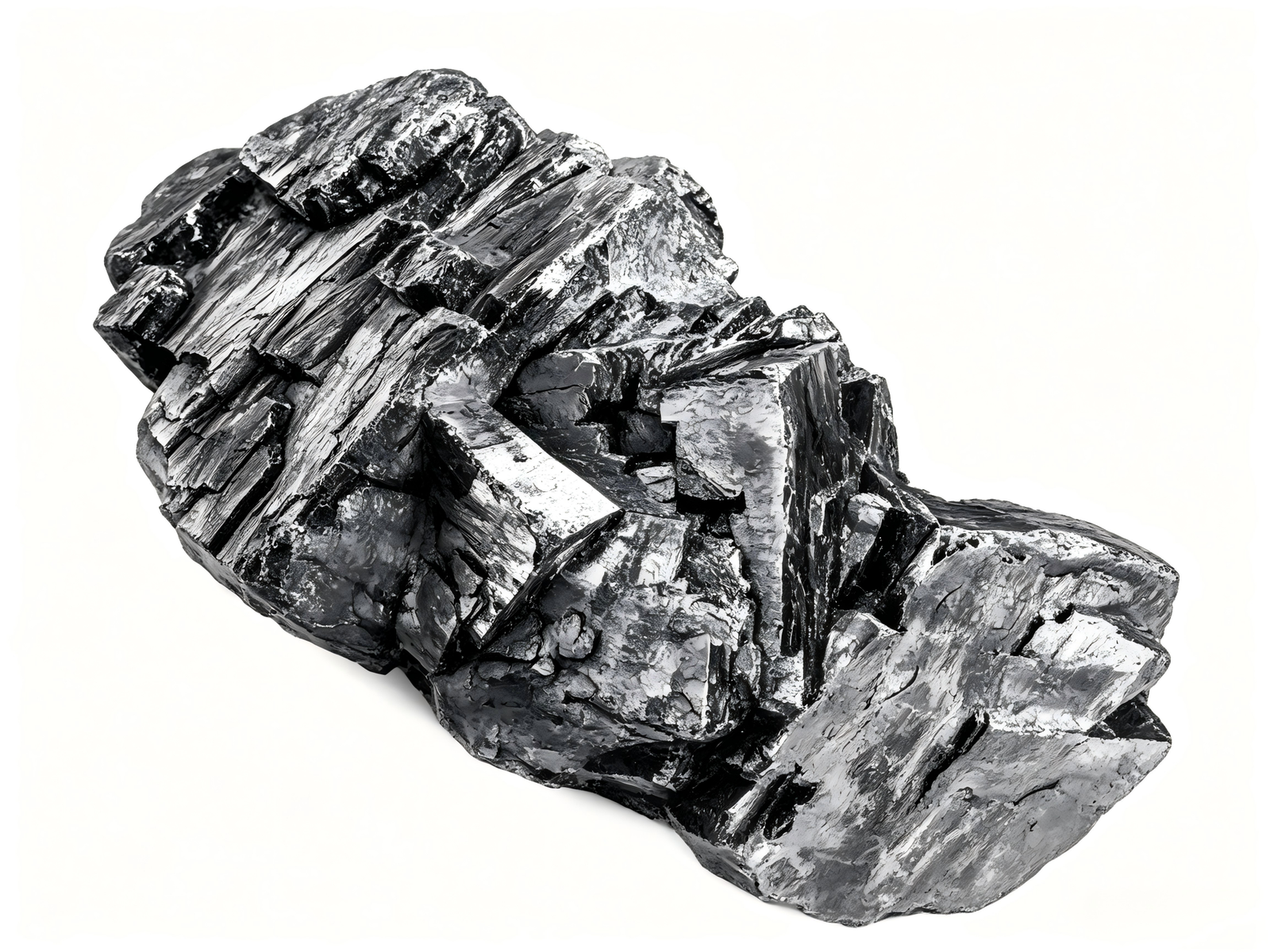
Nickel is a metallic element with the atomic number 28. Pure nickel has a silvery appearance and is ferromagnetic near room temperature. Its greatest industrial value, no entanto, comes from the way nickel modifies the properties of alloy systems.
Nickel can contribute to corrosion resistance, desempenho em alta temperatura, dureza, and structural stability. These characteristics make it valuable in chemical processing, aeroespacial, geração de energia, Equipamento marítimo, eletrônicos, energy systems, and other demanding applications.
The important point for engineers is that nickel content alone does not define a usable engineering material.
A drawing or purchase specification should identify the complete material designation, applicable standard, formulário do produto, and condition. The same general nickel family can contain materials with substantially different mechanical, térmico, corrosão, and machining characteristics.
Por exemplo, commercially pure Nickel 200 and Nickel 201 are closely related materials, but Nickel 201 has a controlled lower carbon content that makes it more suitable for certain elevated-temperature applications.
Common Nickel Material Routes
Nickel materials used in manufacturing can generally be divided into several groups:
|
Família de materiais |
Typical Purpose |
Key Selection Consideration |
|
Commercially pure nickel |
Corrosion-resistant components and chemical equipment |
Nota, carbon level, service temperature |
|
Nickel-containing stainless steel |
General corrosion-resistant structures |
Complete stainless designation |
|
Nickel-base alloys |
High-temperature, alta resistência, or severe-corrosion applications |
Exact alloy and heat-treatment condition |
|
Copper-nickel alloys |
Marine and heat-transfer systems |
Water chemistry and operating conditions |
|
Nickel coatings |
Surface protection and wear/corrosion resistance |
Coating system, grossura, substrato |
The material route should therefore be established before a manufacturer prepares a quotation.
Nickel Properties That Matter in Engineering
Understanding nickel’s engineering properties is essential when deciding whether it is appropriate for a specific component.
Densidade
Pure nickel has a density of approximately 8.90 g/cm³. This relatively high density can affect component weight, consumo de materiais, inertia, and shipping cost.
Para componentes de precisão, no entanto, the density of the exact alloy should be used rather than automatically applying the value for pure nickel.
Melting Point and Thermal Performance
Pure nickel melts at approximately 1,455°C (2,651°F).
This value is useful for understanding the general thermal characteristics of nickel, but it should not be used as the service-temperature limit of a nickel alloy.
Nickel-base alloys are specifically engineered for different combinations of high-temperature strength, Resistência a oxidação, resistência à fluência, e resistência à corrosão. Their solidus and liquidus temperatures can differ substantially from pure nickel.
Portanto:
Do not use the melting point of pure nickel as the maximum operating temperature of a nickel alloy component.
Material selection should always be based on the certified data for the exact alloy and condition.
Resistência à corrosão
Corrosion resistance is one of nickel’s most important engineering advantages.
Nickel and nickel-based alloys are used in environments involving:
· Processamento químico
· Caustic solutions
· Ambientes marinhos
· High-temperature gases
· Petrochemical processes
· Power-generation equipment
· Food-processing systems
· Salt production
· Certain acidic or alkaline environments
No entanto, it is incorrect to say that nickel is resistant to every corrosive environment.
O desempenho contra corrosão depende:
· Composição química
· Alloy grade
· Temperatura
· Concentração
· Flow velocity
· Pressão
· Exposure time
· Contaminantes
· Welding condition
· Condição da superfície
Níquel 200 and Nickel 201, por exemplo, are known for corrosion resistance in a range of environments, particularly caustic service, but the correct grade still needs to be selected according to the actual operating conditions.
Propriedades Magnéticas
Pure nickel is ferromagnetic near room temperature.
This can be important in:
· Sensores
· Electromagnetic assemblies
· Electrical equipment
· Scientific instruments
· Precision devices
No entanto, nickel-containing alloys do not necessarily have the same magnetic behavior as pure nickel.
Cold working, tratamento térmico, alloy chemistry, temperatura, and finished material condition can all influence magnetic response.
If non-magnetic performance is a design requirement, the exact alloy and finished condition should be specified and verified.
Thermal and Mechanical Performance
Nickel-base alloys are particularly valuable because many retain useful strength at temperatures where conventional engineering metals lose significant mechanical performance.
This makes them attractive for:
· Componentes da turbina
· Sistemas de escape
· High-temperature valves
· Combustion components
· Equipamento de processamento químico
· Equipamentos de petróleo e gás
· Aerospace hardware
The specific mechanical properties depend on alloy grade, tratamento térmico, formulário do produto, and test condition.
Por esta razão, engineering drawings should not simply state “nickel alloy.” They should identify the exact specification.
Nickel Material Forms and Alloy Families
Nickel is available in several material families and product forms, Incluindo:
· Folha
· Placa
· Bar
· Rod
· Tube
· Pipe
· Wire
· Forjados
· Powder
· Machined blanks
The manufacturing process can change depending on the form of the supplied material.
Commercially Pure Nickel
Níquel 200 and Nickel 201 are two important commercially pure nickel grades.
Níquel 200 provides good mechanical properties and corrosion resistance over a broad range of temperatures.
Níquel 201 has a lower carbon limit than Nickel 200. This difference becomes particularly important at elevated temperatures because excessive carbon can contribute to embrittlement mechanisms in certain service conditions.
As aplicações típicas incluem:
· Processamento químico
· Caustic handling
· Equipamento de processamento de alimentos
· Equipamento marítimo
· Eletrônicos
· Electroplating equipment
· High-purity processing equipment
Nickel in Stainless Steel
Nickel is also an important alloying element in many austenitic stainless steels.
Its role can include stabilizing the austenitic structure and contributing to corrosion resistance and toughness.
No entanto, nickel content by itself does not guarantee corrosion resistance.
Por exemplo, stainless steel selection for chloride-containing environments must consider the complete alloy chemistry and actual exposure mechanism.
Nickel-Base Alloys
Nickel-base alloys use nickel as the primary matrix and add elements such as:
· Cromo
· Molibdênio
· Ferro
· Cobalto
· Titânio
· Alumínio
· Tungstênio
· Nióbio
Different combinations are designed for different engineering requirements.
Common nickel-based alloy families include:
· Inconel
· Hastelloy
· Monel
· Incoloy
· Níquel 200/201
These materials are often selected for high-temperature strength, resistência à corrosão, Resistência a oxidação, or a combination of these properties.
Copper-Nickel Alloys
Copper-nickel alloys are commonly associated with marine and heat-transfer applications.
They can be used in:
· Seawater systems
· Trocadores de calor
· Condensers
· Tubulação marítima
· Desalination equipment
The actual water chemistry, velocity, temperatura, and commissioning conditions should be considered when selecting the alloy.
Nickel Coatings
Nickel can also be applied as a coating rather than used as the bulk material.
Nickel plating can provide:
· Proteção à corrosão
· Resistência ao desgaste
· Surface hardness
· Improved surface characteristics
· Dimensional restoration in selected applications
The coating does not transform the substrate into bulk nickel.
The drawing should therefore specify both the substrate and coating requirements.
Industrial Applications of Nickel
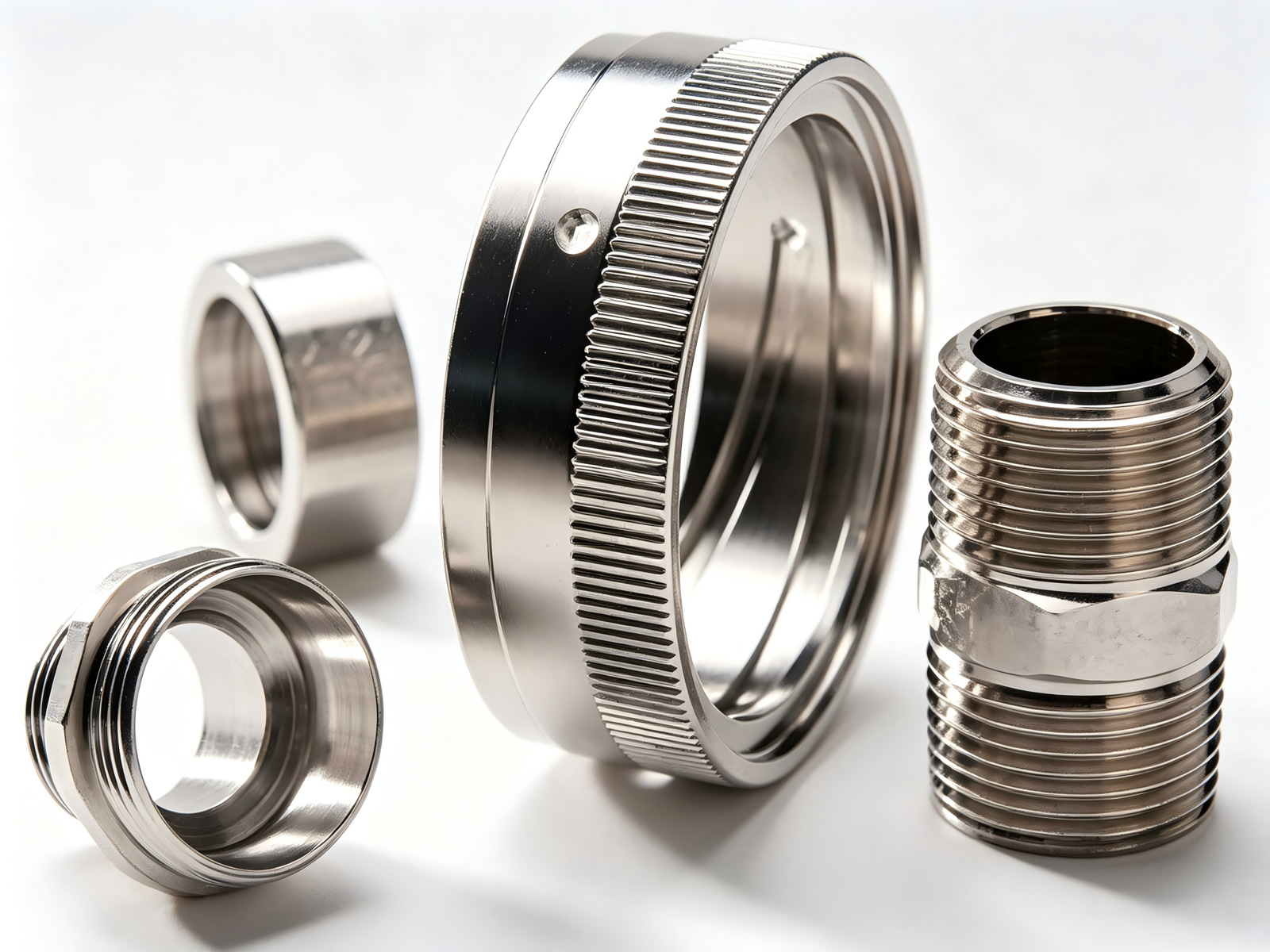
Nickel is used across many industries because it can solve several different engineering problems.
Processamento químico
Nickel and nickel-base alloys are widely considered when equipment must withstand aggressive chemicals, temperaturas elevadas, or caustic solutions.
Typical components include:
· Válvulas
· Bombas
· Acessórios
· Bocais
· Componentes do reator
· Fixadores
· Trocadores de calor
The material should be selected according to the actual chemical environment rather than simply choosing the highest available nickel content.
Aeroespacial
Nickel-base superalloys are important in aerospace because many retain strength at elevated temperatures.
As aplicações típicas incluem:
· Componentes da turbina
· Engine hardware
· Combustion components
· High-temperature fasteners
· Precision aerospace fittings
The machining requirements can be demanding because the properties that make nickel superalloys valuable in service also make them difficult to cut.
Petróleo e Gás
Nickel alloys are used in selected oil and gas applications where components face combinations of:
· Alta pressão
· Alta temperatura
· Corrosive fluids
· Sour environments
· Long service requirements
Material selection must be based on the actual process fluid and applicable industry specifications.
Aplicações Marinhas
Nickel and copper-nickel alloys can be used for:
· Tubulação marítima
· Trocadores de calor
· Bombas
· Válvulas
· Offshore equipment
· Seawater systems
The exact alloy should be selected according to the marine environment and expected operating conditions.
Geração de energia e energia
Nickel-base alloys are used in demanding power-generation environments where components may experience high temperature, ciclagem térmica, pressão, e corrosão.
As aplicações potenciais incluem:
· Componentes da turbina
· Boiler-related equipment
· Trocadores de calor
· Válvulas
· High-temperature fasteners
Electronics and Electrical Equipment
Commercially pure nickel can also be used where electrical, térmico, corrosão, or magnetic characteristics are important.
Os aplicativos podem incluir:
· Contatos elétricos
· Battery-related components
· Electronic hardware
· Electroplating equipment
· Precision conductive components
How to Select the Right Nickel Material
Choosing the correct nickel alloy should follow a systematic engineering process.
Etapa 1: Define the Service Environment
Start by identifying:
· Temperatura operacional
· Pressão
· Exposição química
· Umidade
· Corrosive media
· Carga mecânica
· Vibração
· Number of operating cycles
· Vida útil necessária
A material that works well in one environment may fail in another.
Etapa 2: Identify the Primary Failure Mode
Ask what could cause the component to fail.
Possible failure modes include:
· Corrosão
· Vestir
· Fadiga
· Degradação térmica
· Rachadura
· Distorção
· Dimensional instability
· Magnetic interference
This approach is more reliable than selecting material based solely on price or nickel percentage.
Etapa 3: Select the Material Family
Determine whether the component requires:
· Commercially pure nickel
· Nickel-base alloy
· Aço inoxidável
· Copper-nickel alloy
· Nickel coating
The goal is to select the least expensive material that provides adequate performance, rather than automatically selecting the most expensive alloy.
Etapa 4: Considere o processo de fabricação
The material and manufacturing process must be evaluated together.
Possible processes include:
· Fresamento CNC
· Torneamento CNC
· Usinagem CNC suíça
· Esmerilhamento
· Música eletrônica
· Formando
· Soldagem
· Tratamento térmico
· Niquelagem
A material may meet the service requirement but still be difficult or expensive to manufacture.
Etapa 5: Define Acceptance Criteria
The purchasing specification should identify what evidence is required.
This can include:
· Certificados de materiais
· Composição química
· PMI
· Dureza
· Tensile testing
· Inspeção dimensional
· Rugosidade da superfície
· Ndt
· Espessura do revestimento
· Primeiro artigo Inspeção
Etapa 6: Evaluate Total Cost
The lowest material price does not necessarily produce the lowest total cost.
Considerar:
Material + usinagem + ferramentas + Inspeção + acabamento + sucata + manutenção + service life
For high-value industrial components, lifecycle cost can be more important than initial purchase price.
CNC Machining Nickel and Nickel Alloys
Nickel alloys can be significantly more difficult to machine than common materials such as aluminum and mild steel.
The main challenges include:
· Endurecimento por trabalho
· High cutting temperatures
· Baixa condutividade térmica
· Desgaste da ferramenta
· Tough chip formation
· Difficult surface finishing
· Dimensional instability
Technical literature and current machining guidance consistently identify work hardening and heat concentration as major factors in nickel-alloy machining.
Why Nickel Alloys Work-Harden
Many nickel alloys harden rapidly when subjected to mechanical deformation.
If a cutting tool rubs against the material rather than removing material efficiently, the surface can become harder.
The next cutting pass then encounters a hardened layer.
Isso pode levar a:
· Accelerated tool wear
· Chipping
· Notching
· Mau acabamento superficial
· Variação dimensional
Portanto, machining strategy must minimize rubbing and unnecessary dwell.
Heat Management During CNC Machining
Nickel alloys generally have relatively low thermal conductivity compared with many conventional machining materials.
Como resultado, more heat can remain concentrated near the cutting zone and tool edge.
Current machining references identify heat concentration as a major contributor to tool wear when machining nickel alloys.
A professional machining process therefore needs to control:
· Velocidade de corte
· Taxa de alimentação
· Depth of cut
· Geometria da ferramenta
· Entrega de líquido de arrefecimento
· Tool engagement
· Workholding rigidity
Exact cutting parameters should be developed for the specific alloy, ferramenta, máquina, and component geometry rather than copied from a generic nickel machining table.
Tooling Considerations
Tool selection is critical when machining nickel alloys.
Depending on the alloy and application, manufacturers may evaluate:
· Carbide tooling
· Coated carbide
· Ceramic tooling
· Specialized high-performance inserts
The correct tool geometry should provide a stable cutting action while controlling heat and avoiding excessive rubbing.
Tool wear should also be monitored during production.
Workholding and Machine Rigidity
Rigid workholding is particularly important for nickel machining.
A flexible setup can produce:
· Conversa
· Vibração
· Mau acabamento superficial
· Dimensional errors
· Quebra de ferramenta
Thin-wall nickel components require additional attention because the workpiece itself can become the limiting factor.
The machining strategy should therefore be designed around the final component geometry rather than only the raw material.
Nickel CNC Machining for Tight-Tolerance Components
For precision nickel components, a manufacturing plan should consider:
1. Raw material certification
2. Material condition
3. Holding de trabalho
4. Usinagem áspera
5. Stress and thermal control
6. Semiacabamento
7. Acabamento
8. Inspeção dimensional
9. Inspeção de superfície
10. Final documentation
Quanto mais apertada a tolerância, the more important process stability becomes.
Common Nickel CNC Machining Problems
Problema 1: Trabalho endurecendo
Causa: Tool rubbing, habitação, or repeated cutting over an already hardened surface.
Solução: Maintain effective cutting engagement and use alloy-specific cutting parameters.
Problema 2: Excessive Tool Wear
Causa: Heat concentration, abrasive alloy constituents, or unsuitable tooling.
Solução: Optimize tooling, parâmetros de corte, and coolant delivery.
Problema 3: Acabamento superficial ruim
Causa: Conversa, worn tools, unstable workholding, or unsuitable finishing parameters.
Solução: Improve machine rigidity, tooling condition, e estratégia de acabamento.
Problema 4: Dimensional Variation
Causa: Expansão térmica, Desgaste da ferramenta, workpiece movement, or unstable machining conditions.
Solução: Control process temperature, fixação de trabalho, condição da ferramenta, and inspection intervals.
Problema 5: Thin-Wall Distortion
Causa: Excessive cutting force or insufficient support.
Solução: Optimize material removal strategy and provide adequate workpiece support.
Welding and Fabrication of Nickel
Nickel and nickel alloys can be welded, but weldability depends heavily on the specific alloy.
A qualified welding process should consider:
· Material base
· Filler material
· Joint geometry
· Pre-cleaning
· Welding parameters
· Heat input
· Interpass conditions
· Post-weld requirements
· Inspection method
Cleanliness is especially important.
Óleo, sulfur-containing contamination, and other foreign materials can negatively affect weld quality.
Para aplicações críticas, the welding procedure should be qualified according to the applicable code or specification.
Nickel Plating and Surface Engineering
Nickel plating is used when engineers need surface properties without manufacturing the entire component from solid nickel.
Two common approaches are:
Electrolytic Nickel Plating
Electrolytic nickel plating uses electrical current to deposit nickel onto the substrate.
Pode ser usado para:
· Proteção à corrosão
· Acabamentos decorativos
· Resistência ao desgaste
· Dimensional control
Niquelagem eletrolítica
Electroless nickel uses a chemical reduction process rather than direct electrical current.
It can be useful for components with complex geometries where relatively uniform deposition is required.
Does Nickel Plating Affect Tolerances?
Sim.
A nickel coating adds material to the finished surface.
This can affect:
· Hole diameter
· Shaft diameter
· Thread fit
· Assentos de rolamento
· Mating surfaces
· Vedação de superfícies
Portanto, a precision drawing should clearly state whether dimensions are:
· Antes de plantar
· Depois de revestir
· Or controlled at both stages
The original source correctly emphasizes that coating thickness must be incorporated into dimensional control rather than treated as an afterthought.
Nickel Quality Control and Inspection
A reliable nickel manufacturing process requires more than final dimensional inspection.
Verificação do material
Important documents may include:
· Mill Test Certificate
· Certificate of Conformance
· Heat number
· Grau do material
· Composição química
· Propriedades mecânicas
· Product form
· Heat-treatment condition
Positive Material Identification
PMI can be useful for verifying that the supplied alloy is consistent with the required material family.
No entanto, PMI does not automatically replace a material certificate when the governing specification requires certified chemical or mechanical data.
The inspection method should therefore be matched to the acceptance requirement.
Inspeção dimensional
Dependendo do componente, dimensional inspection may include:
· Inspeção CMM
· Micrômetros
· Pinças
· Bore gauges
· Optical measurement
· Medidores de linha
· Medição de rugosidade superficial
For tight-tolerance nickel components, inspection should be integrated into the manufacturing process rather than performed only at final shipment.
Additional Testing
Depending on application requirements, testing may include:
· Hardness testing
· Tensile testing
· Chemical analysis
· PMI
· Ndt
· Teste de corrosão
· Coating thickness testing
· Teste de adesão
· Surface roughness inspection
How to Reduce the Cost of Nickel CNC Machined Parts
Nickel is often more expensive to process than conventional metals, so design and manufacturing optimization can make a significant difference.
Reduce Unnecessary Tight Tolerances
Do not specify ±0.005 mm when ±0.02 mm is functionally acceptable.
Extremely tight tolerances can increase:
· Tempo de usinagem
· Inspection requirements
· Tooling cost
· Scrap risk
Use tight tolerances only where required for function.
Avoid Excessive Thin Walls
Thin sections can increase machining difficulty and distortion risk.
If the design allows it, use adequate wall thickness and structural support.
Minimize Unnecessary Complex Features
Cavidades profundas, narrow slots, small internal radii, and difficult-to-access features can substantially increase machining time.
A DFM review before production can identify opportunities to simplify the design.
Consolidate Manufacturing Operations
Where appropriate, a multi-axis CNC machine may reduce:
· Number of setups
· Repositioning errors
· Fixture requirements
· Handling time
No entanto, the best manufacturing route depends on the geometry, tolerância, quantidade, and equipment available.
Nickel Material Selection: Common Mistakes to Avoid

Erro 1: Specifying Only “Nickel”
The word “nickel” does not identify a complete engineering material.
Melhorar: Specify the exact grade, padrão, forma, and condition.
Erro 2: Selecting the Grade Based Only on Nickel Percentage
A higher nickel percentage does not automatically mean better performance.
Melhorar: Select the alloy based on the actual failure mode and service environment.
Erro 3: Ignoring Material Condition
Heat treatment and cold work can affect mechanical and machining properties.
Melhorar: Include the required material condition in the specification.
Erro 4: Treating All Nickel Alloys the Same During CNC Machining
Níquel 200, Inconel, Hastelloy, and other nickel alloys can have very different machining behavior.
Melhorar: Develop the process around the exact alloy.
Erro 5: Ignoring Plating Thickness
A coating changes finished dimensions.
Melhorar: Define dimensions and inspection requirements relative to the coating process.
Erro 6: Comparing Supplier Quotes Without Comparing Scope
A lower unit price may exclude:
· Certificados de materiais
· Special inspection
· Tratamento térmico
· Tratamento de superfície
· Embalagem
· Teste
Melhorar: Compare quotations on an identical technical basis.
Frequently Asked Questions About Nickel
What is nickel mainly used for?
Nickel is mainly used in alloy systems and engineered materials where corrosion resistance, desempenho em alta temperatura, dureza, or other specialized properties are required. Major applications include chemical processing, aeroespacial, Equipamento marítimo, geração de energia, eletrônicos, and energy systems.
Is nickel a good material for CNC machining?
Nickel can be CNC machined, but many nickel alloys are considerably more challenging to machine than aluminum or mild steel. Endurecimento por trabalho, heat concentration, Desgaste da ferramenta, and material toughness require carefully controlled machining strategies.
Why are nickel alloys difficult to machine?
The main reasons include rapid work hardening, força elevada, baixa condutividade térmica, heat concentration at the cutting edge, e desgaste da ferramenta. These characteristics require rigid setups, appropriate tooling, controlled cutting parameters, and effective coolant management.
What is Nickel 200?
Níquel 200 is a commercially pure wrought nickel alloy known for corrosion resistance and useful mechanical properties across a broad temperature range. It is used in chemical processing, caustic handling, processamento de alimentos, Aplicações marítimas, and other specialized environments.
What is the difference between Nickel 200 and Nickel 201?
Níquel 201 has a lower carbon limit than Nickel 200. This makes Nickel 201 better suited to certain elevated-temperature applications where carbon-related embrittlement needs to be controlled.
Is nickel corrosion resistant?
Sim, nickel and many nickel alloys provide excellent corrosion resistance in selected environments. No entanto, no nickel grade is universally resistant to every chemical environment. The correct grade must be selected according to the actual medium, concentration, temperatura, and operating conditions.
Is nickel magnetic?
Pure nickel is ferromagnetic near room temperature. No entanto, the magnetic behavior of nickel-containing alloys can vary according to alloy chemistry, tratamento térmico, cold work, e temperatura.
Does nickel plating change dimensions?
Sim. Nickel plating adds material to the coated surface and can affect dimensional fits, buracos, veios, tópicos, and mating components.
What information should I provide when requesting a nickel machining quotation?
At minimum, fornecer:
· 2D desenho
· 3D CAD model if available
· Exact material grade
· Material standard
· Material condition
· Quantidade
· Tolerâncias
· Acabamento superficial
· Tratamento de superfície
· Inspection requirements
· Certification requirements
· Delivery requirements
A complete RFQ allows the manufacturer to evaluate both technical feasibility and production cost more accurately.
Can nickel alloys be used for high-temperature applications?
Sim. Many nickel-base alloys are specifically engineered for elevated-temperature service and retain useful mechanical properties at temperatures where conventional materials may lose strength. The exact operating temperature and alloy grade must be evaluated together.
How can I reduce the cost of nickel machined parts?
Start with the drawing and manufacturing process rather than simply negotiating the material price. Appropriate tolerances, simplified geometry, suitable raw material size, optimized machining operations, and realistic inspection requirements can all reduce total manufacturing cost.
Conclusão: Choosing and Manufacturing Nickel Components Correctly
The right material selection process starts with the service environment and failure mode, then moves through material family, exact grade, material condition, processo de fabricação, requisitos de inspeção, and lifecycle cost.
Para Usinagem CNC, nickel alloys require particular attention to work hardening, geração de calor, ferramentas, estratégia de refrigeração, fixação de trabalho, and dimensional control. The exact machining parameters should always be established according to the specific alloy and component geometry rather than treating all nickel materials as equivalent.
For purchasing teams and engineers, a good RFQ should clearly define the material grade, applicable standard, drawing revision, tolerâncias, quantidade, acabamento superficial, requisitos de inspeção, certificação, and delivery expectations.
Em última análise, the goal is not simply to find a supplier offering the lowest nickel component price. The better objective is to identify a manufacturing partner(Precisão máxima) that can provide the correct material, repeatable machining process, controlled quality, complete documentation, and competitive total cost.


