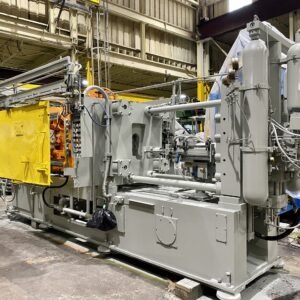


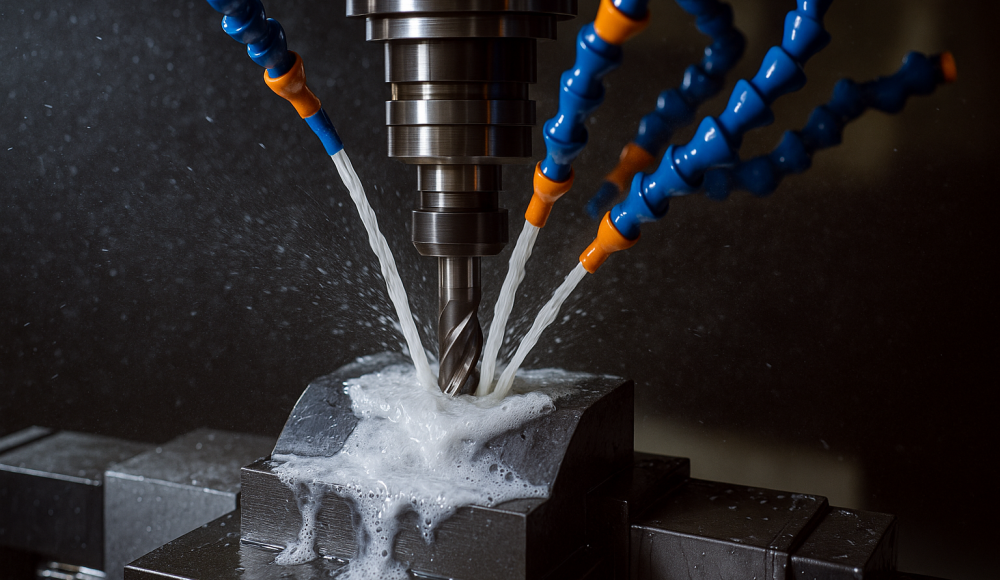
O magnésio é conhecido por suas propriedades leves, Máquina excepcional, e alta proporção de força / peso. Isso o torna ideal para inúmeras indústrias, incluindo aeroespacial, automotivo, eletrônicos, e aplicações médicas. No entanto, usinar magnésio apresenta riscos únicos, particularmente a sua inflamabilidade. Adotar medidas de segurança adequadas é essencial para aproveitar as vantagens do magnésio de forma segura e eficiente.
Riscos da usinagem de magnésio
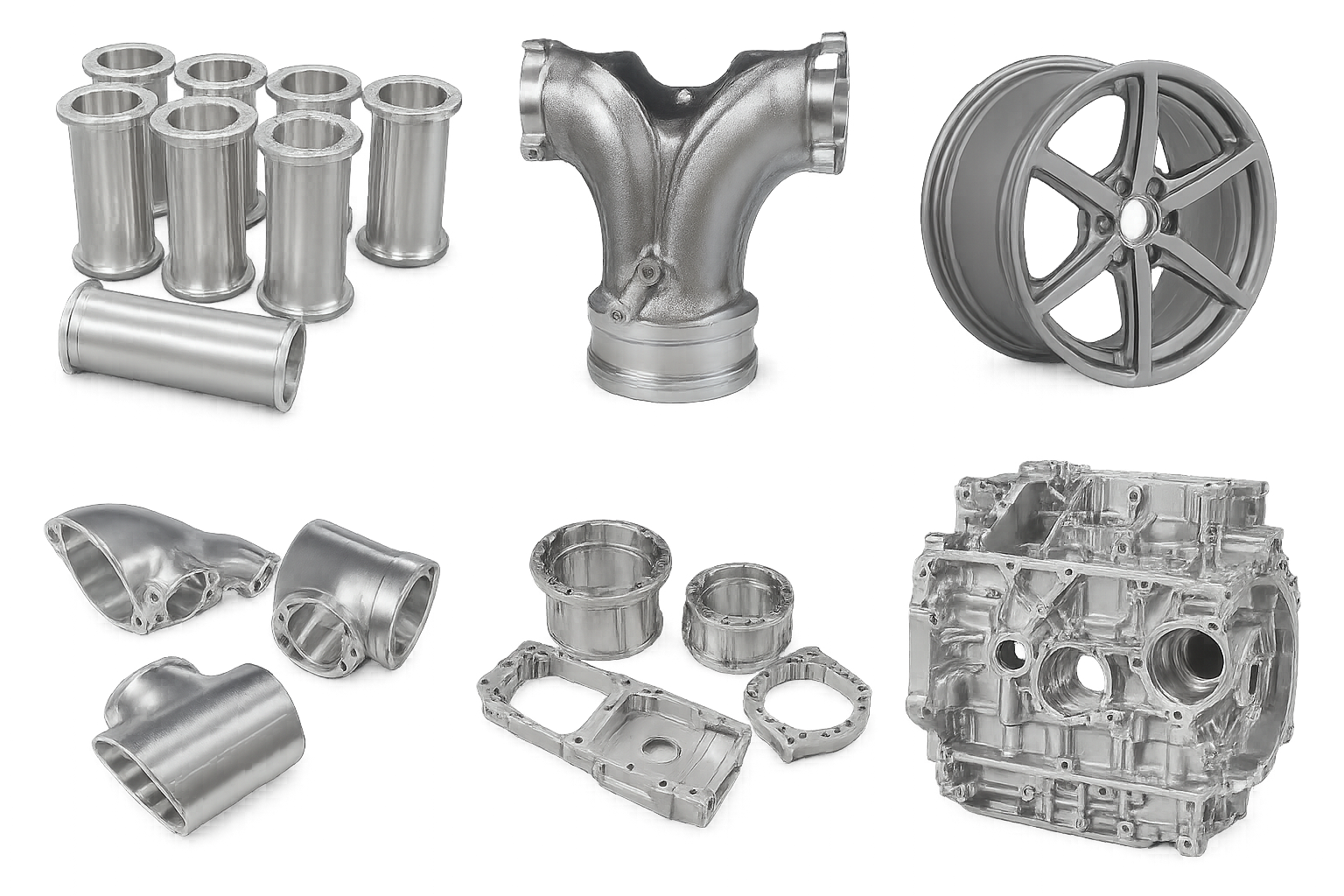
Compreender os perigos potenciais durante a usinagem de ligas de magnésio ajuda a garantir a segurança no local de trabalho e resultados ideais de usinagem. Os principais riscos incluem:
Perigo de incêndio
A usinagem de magnésio gera cavacos finos e poeira, que são altamente inflamáveis. Eles podem inflamar devido a faíscas ou calor excessivo produzido durante as operações CNC, levando a sérios riscos de incêndio.
Desgaste da ferramenta
As ligas de magnésio são macias, mas abrasivas, levando ao rápido desgaste da ferramenta. O aumento do desgaste da ferramenta afeta a eficiência da usinagem e aumenta significativamente os custos de ferramentas devido a substituições frequentes.
Geração de Calor
A baixa condutividade térmica do magnésio resulta em acúmulo concentrado de calor dentro da zona de corte, reduzindo a vida útil da ferramenta e potencialmente deformando a peça de trabalho.
Problemas de acabamento superficial
A usinagem de ligas de magnésio geralmente causa rebarbas e deformação superficial. Alcançando precisão, acabamentos de alta qualidade requerem, portanto, ferramentas especializadas e controle cuidadoso do processo.
Dicas importantes para usinar magnésio com segurança
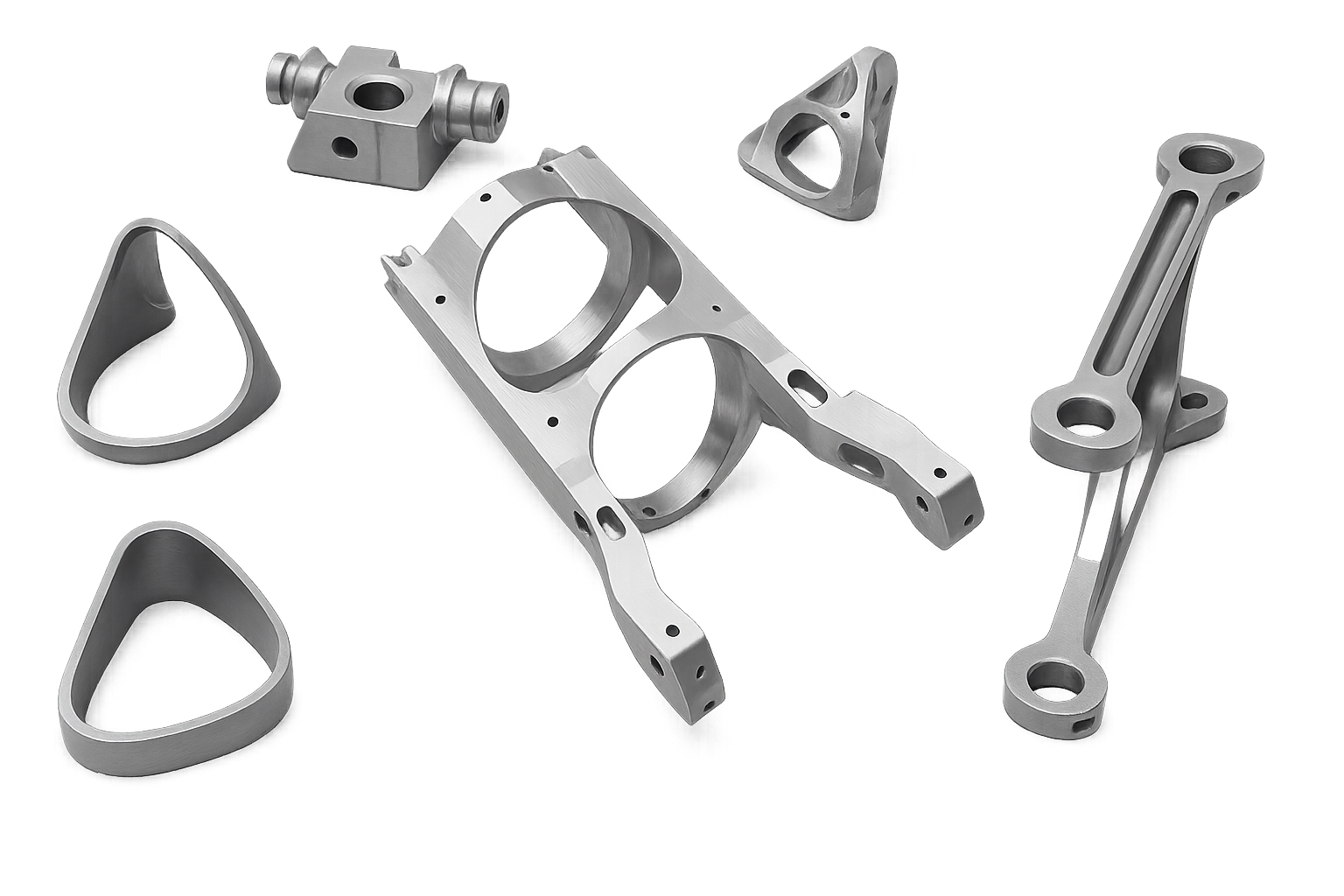
Para usinar magnésio com segurança e mitigar os riscos acima, observe as seguintes medidas críticas de segurança:
Mantenha a condição adequada das ferramentas
Sempre use afiado, ferramentas de corte com ponta de metal duro. Ferramentas afiadas minimizam a geração de calor por fricção, reduzindo assim os riscos de ignição.
Evite ângulos de folga apertados
Use ângulos de folga maiores. Folgas apertadas criam longos, cavacos inteiros que podem envolver ferramentas de corte, aumentando significativamente os riscos de incêndio ao gerar calor excessivo.
Produzir chips descontínuos
Programe máquinas CNC para produzir curtos, chips descontínuos. Isto pode ser alcançado por:
Usando pequenos ângulos de inclinação traseiros.
Ajustando as taxas de alimentação adequadamente.
Aplicando velocidades de corte moderadas a altas.
Os chips descontínuos dissipam o calor com eficiência e reduzem os riscos de ignição.
Evite refrigerantes à base de água
Nunca use refrigerantes à base de água. O magnésio reage com fluidos à base de água para produzir gás hidrogênio inflamável. Em vez de, refrigerantes de óleo mineral dissipam efetivamente o calor, reduzir riscos de ignição, e melhorar a qualidade do acabamento superficial.
Utilize sistemas de vácuo à prova de explosão
Empregue sistemas de vácuo à prova de explosão para remover com segurança poeira e lascas de magnésio, minimizando o risco de ignição durante os processos de limpeza.
Segurança contra incêndio
Em caso de incêndio, nunca use água para extinguir incêndios de magnésio. Água intensifica incêndios de magnésio, causando reações explosivas. Em vez de, utilizar extintores de incêndio Classe D ou areia seca.
Vantagens de escolher magnésio para usinagem CNC
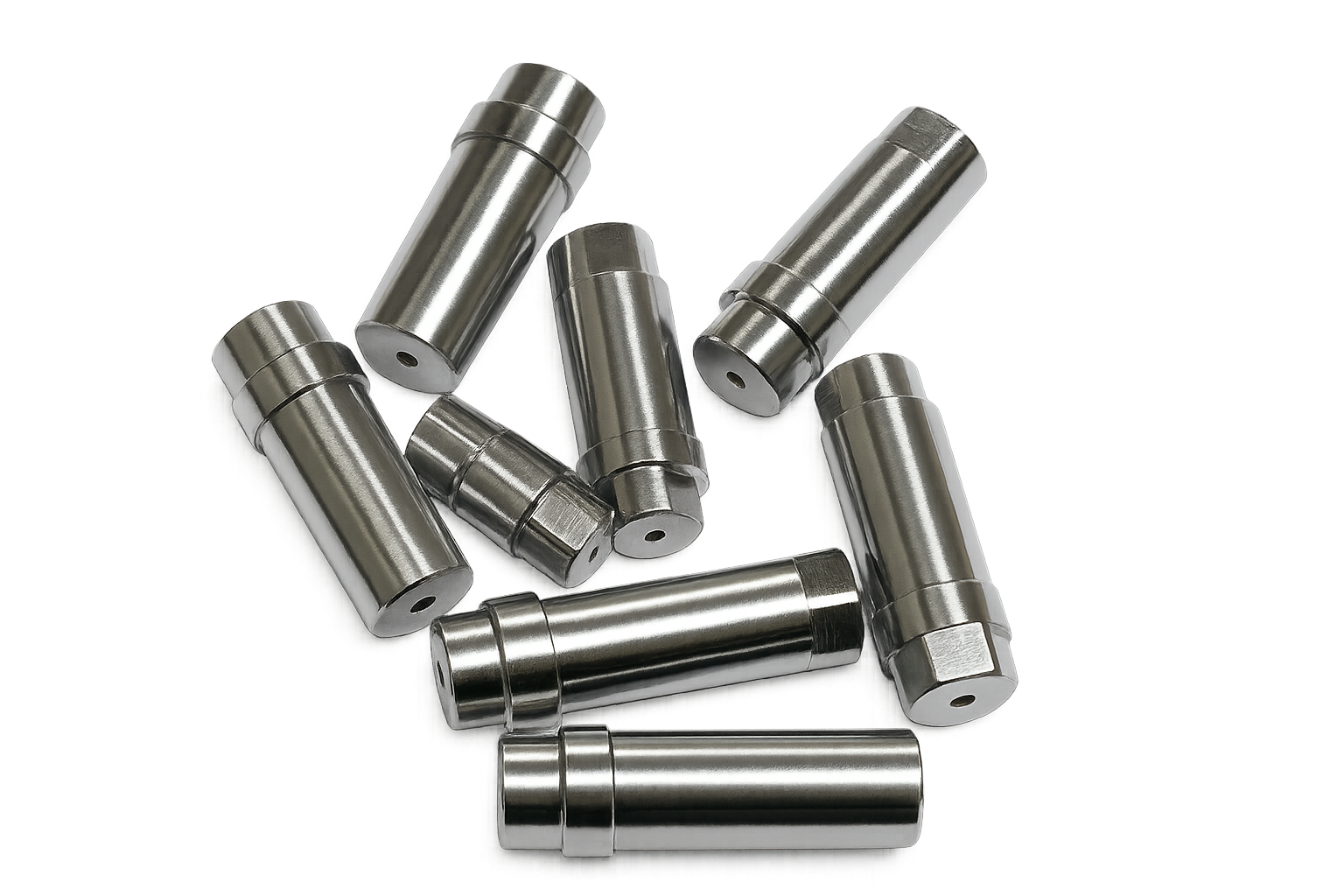
Apesar dos riscos inerentes, ligas de magnésio oferecem excelentes benefícios para usinagem CNC, Incluindo:
Excelente usinabilidade
Ligas de magnésio têm baixa resistência ao corte, permitindo velocidades de corte mais rápidas e redução do estresse da ferramenta, resultando em menores custos gerais de usinagem.
Capacidade de produzir geometrias complexas
A usinagem CNC pode facilmente moldar ligas de magnésio em formas complexas, geometrias complexas com alta precisão dimensional. A usinagem multieixos aumenta ainda mais a capacidade de produzir peças complicadas com precisão.
Reciclabilidade e Sustentabilidade
As ligas de magnésio são ecologicamente corretas devido à sua alta reciclabilidade. Processos de usinagem CNC também geram resíduos recicláveis, promovendo práticas de fabricação sustentáveis.
Ligas de magnésio populares que você pode usar para usinagem CNC
AZ31
Por que escolher? É leve, fácil de usinar, e acessível, tornando-o perfeito para peças que precisam de resistência sem peso extra. Tem boa flexibilidade, tornando-o fácil de moldar.
Usos típicos: Invólucros eletrônicos, capas para laptop, peças de aeronaves, e componentes automotivos.
AZ91
Por que escolher? AZ91 é mais resistente e ligeiramente mais forte que AZ31, tornando-o adequado para peças que devem suportar maiores tensões. É um pouco mais difícil, para que suas peças mantenham sua forma e dimensões muito bem após a usinagem.
Usos típicos: Corpos de câmera, ferramentas elétricas, carcaças automotivas, e peças de equipamentos mecânicos.
Estas duas ligas são as mais populares, mas lembre-se, a melhor liga para o seu projeto depende de suas necessidades específicas - seja resistência, flexibilidade, maquinabilidade, ou custo.
Seleção de ferramentas para usinagem de liga de magnésio
A seleção de ferramentas de corte apropriadas é crucial para uma eficiência, seguro, e usinagem de magnésio de alta qualidade. Ferramentas populares incluem:
Aço de alta velocidade (HSS) Ferramentas
Os cortadores HSS são econômicos, durável, e adequado para operações de usinagem de magnésio menos exigentes ou de baixo volume devido à sua menor resistência térmica.
Ferramentas sólidas de metal duro
Ferramentas de metal duro (fresas finais, exercícios, Amerizadores) proporcionam excelente dureza, resistência ao desgaste, e tolerância ao calor, ideal para usinagem de alto desempenho de magnésio.
Ferramentas de Metal Duro Revestido
Ferramentas de metal duro revestidas com TiAlN ou TiN reduzem significativamente o atrito, melhorar a estabilidade térmica, e minimizar o desgaste da ferramenta ao usinar ligas de magnésio.
Diamante policristalino (PCD) Ferramentas
As ferramentas PCD oferecem durabilidade superior e acabamento superficial excepcional, tornando-os ideais para usinagem de magnésio de alta precisão, especialmente para ligas abrasivas.
Métodos de usinagem CNC para magnésio
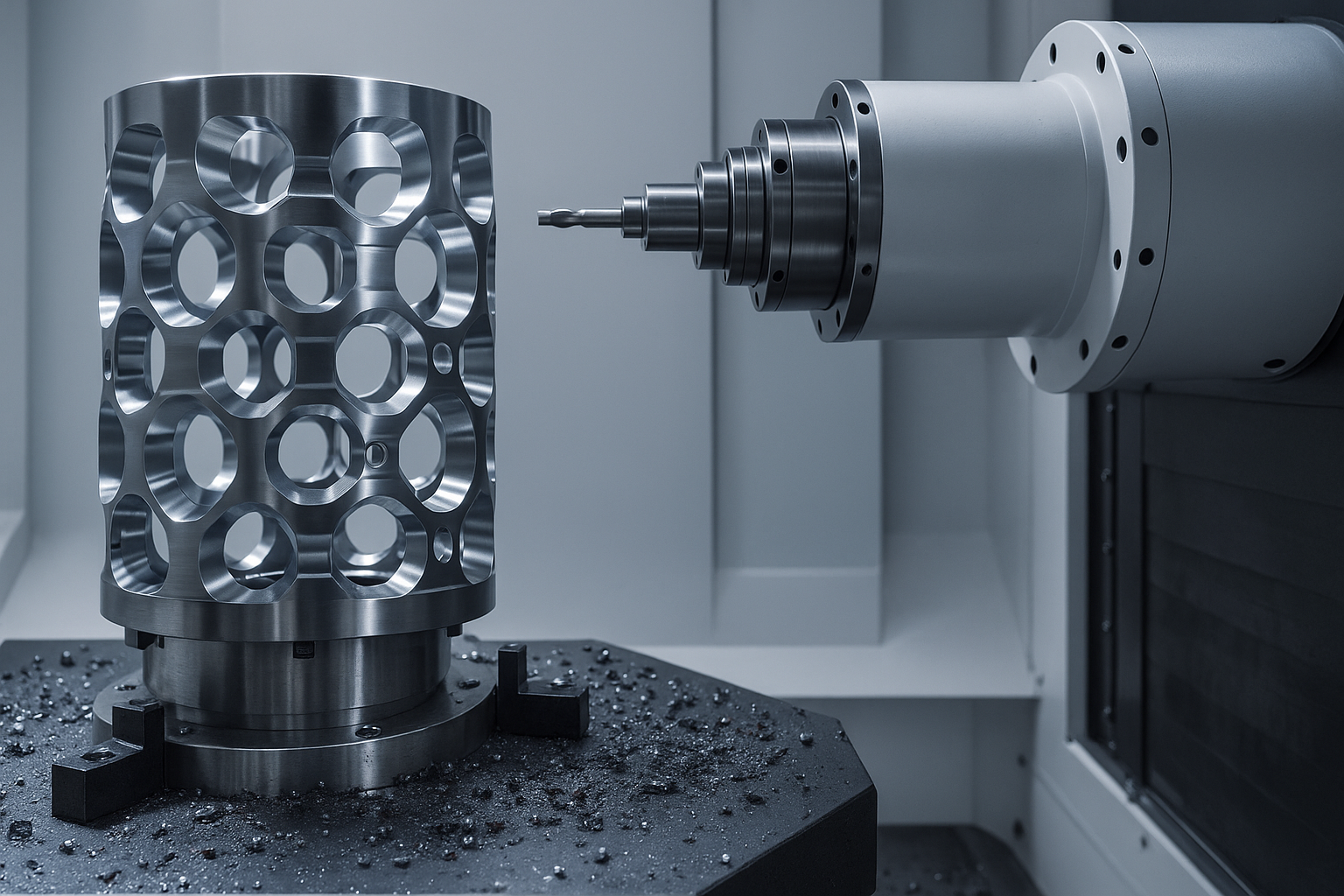
Diferentes métodos de usinagem CNC atendem a diversas aplicações de usinagem de liga de magnésio:
Perfuração CNC
Ideal para criar furos precisos e padrões de furos detalhados em componentes de magnésio com precisão excepcional.
Fresagem CNC
Altamente versátil para moldar magnésio em geometrias simples ou complexas. Este processo produz eficientemente detalhes, preciso, e peças de magnésio de alta qualidade.
Torneamento CNC
Adequado para criar componentes cilíndricos (veios, alfinetes, peças roscadas). A usinabilidade do magnésio torna o torneamento mais rápido, preciso, e econômico.
Corte a laser
Eficaz para corte preciso de folhas ou placas finas de magnésio. O corte a laser proporciona limpeza, preciso, e resultados eficientes.
Tocando
Rosqueamento CNC automatizado garante rosqueamento interno preciso, fornecendo precisão e consistência confiáveis em componentes de liga de magnésio.
Usos práticos para peças de magnésio usinadas em CNC
Eletrônicos e gadgets
Por que magnésio? Leve, durável, e ótimo para dissipar calor.
Produtos comuns: Molduras para laptop, invólucros de smartphones, corpos de câmera, e comprimidos.
Partes automotivas
Por que magnésio? Reduz o peso do veículo, melhorando a eficiência de combustível e o manuseio.
Produtos comuns: Volantes, Caixas da caixa de velocidades, tampas do motor, e armações de assento.
Componentes Aeroespaciais
Por que magnésio? A alta relação resistência/peso é ideal para aplicações de voo.
Produtos comuns: Carcaças de motores de aeronaves, painéis da cabine, peças de trem de pouso, e suportes estruturais.
Dispositivos médicos
Por que magnésio? Leve, preciso, e facilmente esterilizado.
Produtos comuns: Cabos para instrumentos cirúrgicos, caixas de dispositivos médicos portáteis, e equipamentos de imagem.
Equipamentos esportivos
Por que magnésio? Fornece força sem adicionar peso desnecessário.
Produtos comuns: Quadros de bicicleta, quadros de raquete de tênis, clubes de golfe, e equipamentos de proteção.
Serviços de usinagem de magnésio em TOPOS
A escolha de um fornecedor experiente de usinagem CNC como a TOPS garante a usinagem bem-sucedida de componentes de magnésio. TOPS possui mais de uma década de experiência em usinagem CNC de precisão de ligas de magnésio, alumínio, titânio, e vários plásticos. Com recursos abrangentes e protocolos de segurança rigorosos, TOPS garante que seus projetos de usinagem de magnésio sejam executados com segurança, eficientemente, e com boa relação custo-benefício.
Conclusão
O magnésio oferece usinabilidade excepcional, alta relação resistência-peso, e excelente reciclabilidade. No entanto, A usinagem CNC de magnésio requer consideração cuidadosa e adesão estrita às diretrizes de segurança devido aos riscos inerentes, incluindo inflamabilidade e desgaste rápido da ferramenta. Ao implementar as ferramentas adequadas, procedimentos de segurança, e métodos de usinagem, os fabricantes podem efetivamente aproveitar os muitos benefícios do magnésio para obter produtos de alta qualidade, preciso, e operações de usinagem seguras.
Perguntas frequentes
1º trimestre: Qual liga de magnésio é melhor para usinagem CNC?
AZ91 e AZ31 são ligas de magnésio usinadas mais comumente, com AZ91 oferecendo maior dureza (A dureza de Knoop 76.2 em comparação com o AZ31 51.1 Hong Kong).
2º trimestre: Quais desvantagens estão associadas à usinagem de ligas de magnésio?
Ligas de magnésio podem ser difíceis de obter, apresentam resistência à corrosão relativamente baixa, e sua menor densidade pode limitar certas aplicações estruturais.
3º trimestre: Quais são os usos comuns das ligas de magnésio?
As ligas de magnésio são amplamente utilizadas em componentes leves em dispositivos eletrônicos (por exemplo., telefones, notebooks), peças automotivas e aeroespaciais, dispositivos médicos, e caixas de câmeras
4º trimestre: As ligas de magnésio podem ser soldadas?
Sim, ligas de magnésio são soldáveis por soldagem a arco, soldagem por resistência, e técnicas de soldagem a gás oxicombustível, dado manuseio adequado e medidas de segurança.
Links internos
Fundição sob pressão de magnésio?