

Em design e fabricação mecânicos, os filés geralmente ficam em uma área cinzenta. Algumas partes são totalmente desprovidas de filetes, com cada borda bem definida, enquanto outros apresentam cantos arredondados em quase todas as arestas possíveis.
Os filetes são mais do que apenas detalhes cosméticos — eles podem melhorar significativamente o desempenho mecânico, reduzindo a concentração de tensão, evitando rachaduras, e melhorando a ergonomia. No entanto, filetes desnecessários podem aumentar o tempo de programação CNC, custo de usinagem, e até complicar a montagem.
A engenharia de filetes tem dois componentes principais:
Projeto de geometria de filé – Criando a transição arredondada entre duas superfícies em um modelo CAD.
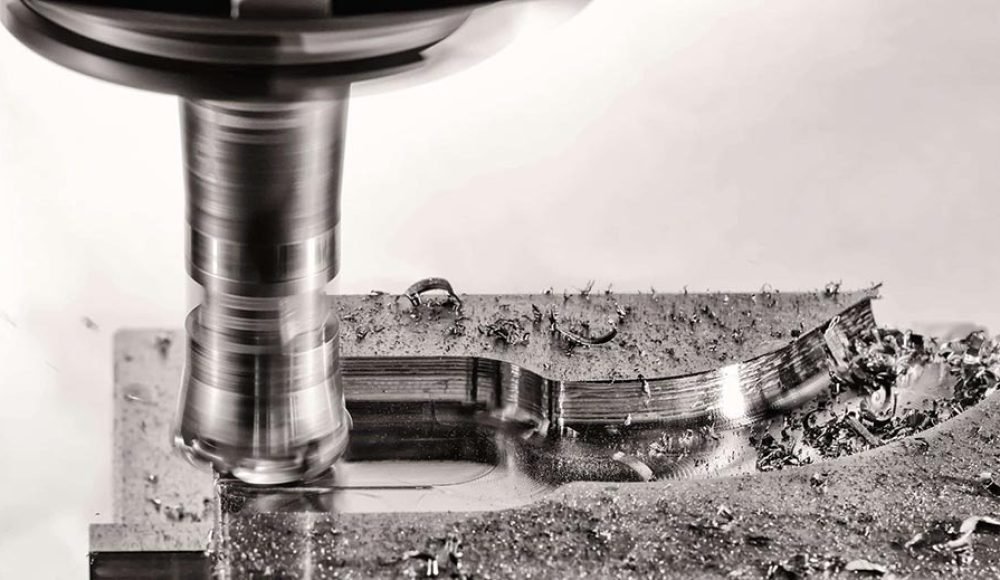
Usinagem de Filé – Produzindo o filete na peça física utilizando ferramentas CNC, mais comumente uma fresa de topo para arredondamento de canto ou fresa de topo esférico.
Neste guia, exploraremos quando os filetes são essenciais, quando devem ser evitados, e como projetá-los para máximo desempenho e capacidade de fabricação.
Filetes vs.. Outros tratamentos de borda
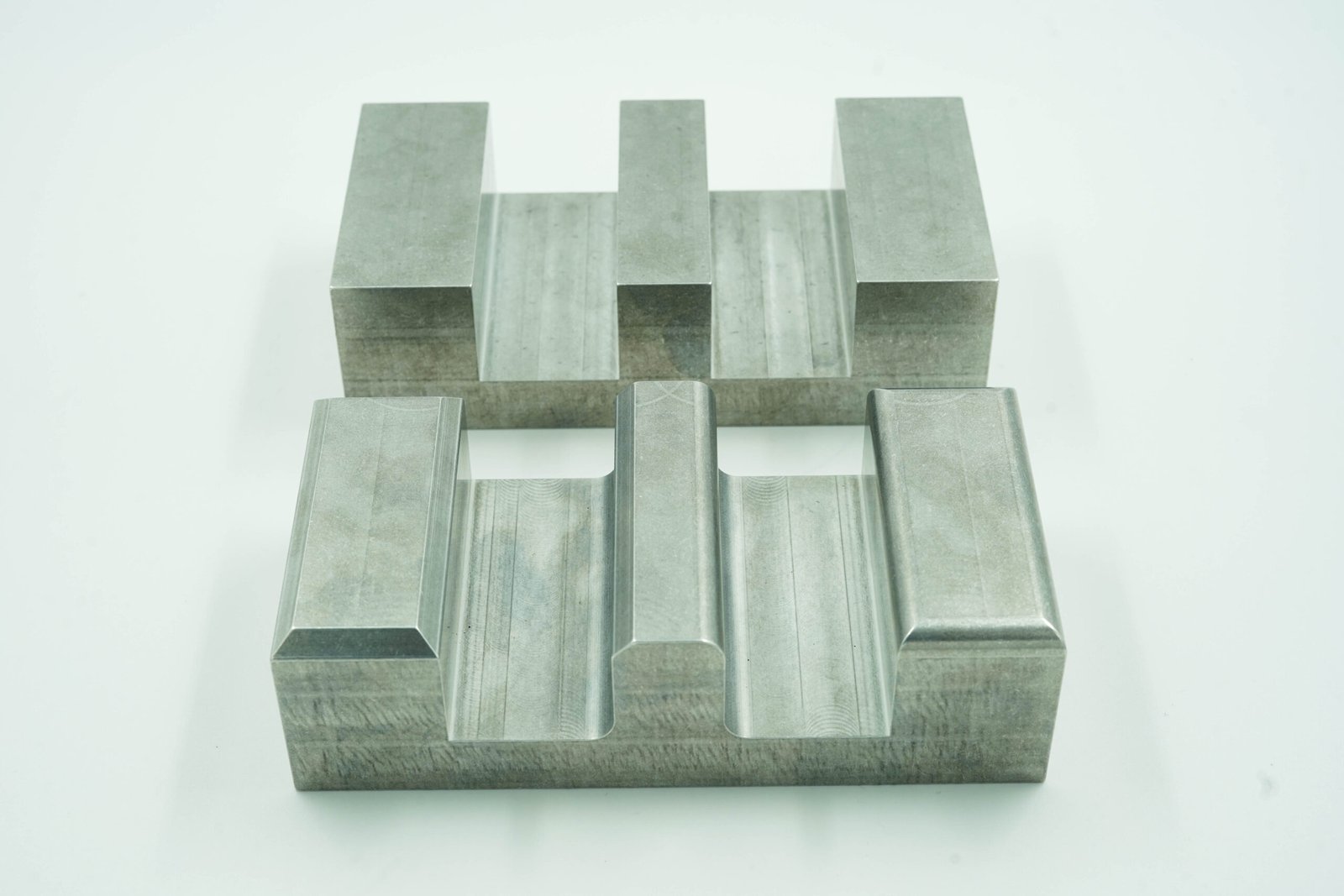
Às vezes, os filetes são confundidos com outros recursos de design, como chanfros., raios de canto, e chanfros. Embora todos eles modifiquem arestas vivas, eles diferem em geometria e função:
Filé – Uma suave, transição curva entre duas superfícies, definido por um raio. Pode ser interno (côncavo) ou externo (convexo).
Raio de canto – Arredonda especificamente um externo borda de uma peça.
Chanfro – Um apartamento, corte angular (frequentemente 45°) que remove um canto afiado.
Bisel – Uma superfície inclinada que se estende a partir de uma borda horizontal ou vertical, não necessariamente a 45°.
Distinção principal: Os filetes têm uma curva de raio verdadeiro, enquanto chanfros e chanfros não. Chanfros são frequentemente preferidos para recursos de montagem (por exemplo., inserção de parafuso ou pino), enquanto os filés são melhores na redução das concentrações de tensão.
Quando os filés devem ser evitados
Nem todas as partes se beneficiam dos filetes. Adicioná-los nos lugares errados pode aumentar os custos sem melhorar a funcionalidade.
3D Peças Impressas
Na fabricação aditiva, não há nenhuma ferramenta que precise de autorização para cortar recursos, cantos internos tão afiados são totalmente viáveis. Os filetes só podem ser necessários em designs impressos em 3D para alívio do estresse em áreas de alta carga ou para fins estéticos.
No entanto, se você planeja fazer a transição da impressão 3D para a usinagem CNC posteriormente, incorporar tamanhos de filé fabricáveis desde o início para evitar custos de reprojeto.
Bordas inferiores de cavidades e furos
Filetagem das bordas inferiores dos bolsos, paredes, ou furos cegos requerem caminhos de usinagem 3D e fresas de topo esféricas, qual:
Retardar a remoção de material em comparação com fresas de topo planas.
Aumenta o desgaste da ferramenta e o risco de quebra.
Requer mais tempo de configuração e programação.
Em muitos casos, a tensão na parte inferior dos furos pode ser reduzida de forma mais eficaz alterando profundidade do orifício, espessura da parede, ou posicionamento de recursos — muito mais barato do que adicionar filetes de fundo complexos.
Considerações sobre usinagem CNC para filetes
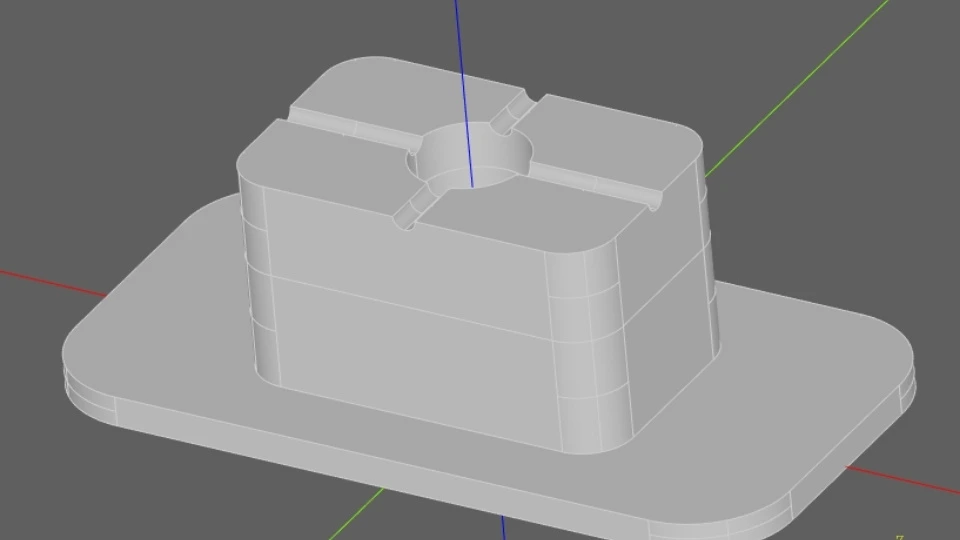
O tamanho mínimo do filete é limitado pela ferramenta
Os cortadores CNC são redondos, e eles só podem cortar curvas tão pequenas quanto seu próprio raio.
A menor ferramenta padrão que a maioria das lojas mantém em estoque é 1/32″ (~0,8 mm de diâmetro), o que significa que o menor raio de filete que eles podem fazer sem ferramentas especiais é sobre 0.4 milímetros.
Se você projetar um filete menor que isso, a loja pode precisar solicitar um cortador personalizado - e isso significa prazos de entrega mais longos e custos mais elevados.
Dica: Atenha-se aos tamanhos de cortadores comuns para manter os custos baixos e evitar atrasos.
A profundidade do corte afeta o tamanho do filé
Quanto mais fundo uma ferramenta deve alcançar, mais ele vai flexionar (desviar) e vibrar. Isso limita a profundidade que uma fresa de pequeno diâmetro pode atingir sem quebrar ou deixar um acabamento ruim.
Aqui está uma regra prática que a maioria dos maquinistas segue:
| Material | Profundidade máxima de corte | Limite de tamanho de filete equivalente |
| Aço | 5× diâmetro da ferramenta | 10× raio do filete |
| Alumínio/Plásticos | 10× diâmetro da ferramenta | 20× raio do filete |
Exemplo: Se você usar um 1 cortador de filete com raio mm em alumínio, você pode cortar 20 mm de profundidade máxima antes que você tenha problemas.
Raios maiores são geralmente mais fáceis
Os maquinistas adoram filetes maiores porque permitem que usem filetes mais fortes, cortadores maiores que removem material mais rapidamente e duram mais.
Um pequeno raio pode parecer elegante em CAD, mas poderia dobrar o tempo de usinagem na realidade.
Evite filetes cosméticos desnecessários
Se o filé for apenas para aparência (cosmético), Pergunte a si mesmo: vale a pena o tempo extra da máquina?
Às vezes, apenas quebrar a aresta com um chanfro rápido ou um pequeno raio feito manualmente após a usinagem é mais rápido e barato.
Combine os tamanhos dos filetes com as ferramentas padrão
Raios de filé comuns - como 1 milímetros, 2 milímetros, 3 milímetros, 6 mm — compatível com cortadores padrão.
Tamanhos estranhos como 2.37 mm significa que o maquinista terá que interpolar (fresar em múltiplas passagens), o que leva mais tempo.
Considere métodos alternativos
Se você só precisa de uma borda arredondada para maior resistência (como em juntas soldadas), talvez você não precise usinar CNC.
Soldagem de filete pode criar uma junta arredondada após a montagem das peças, ignorando completamente a usinagem extra.
Casos de uso opcionais para filetes
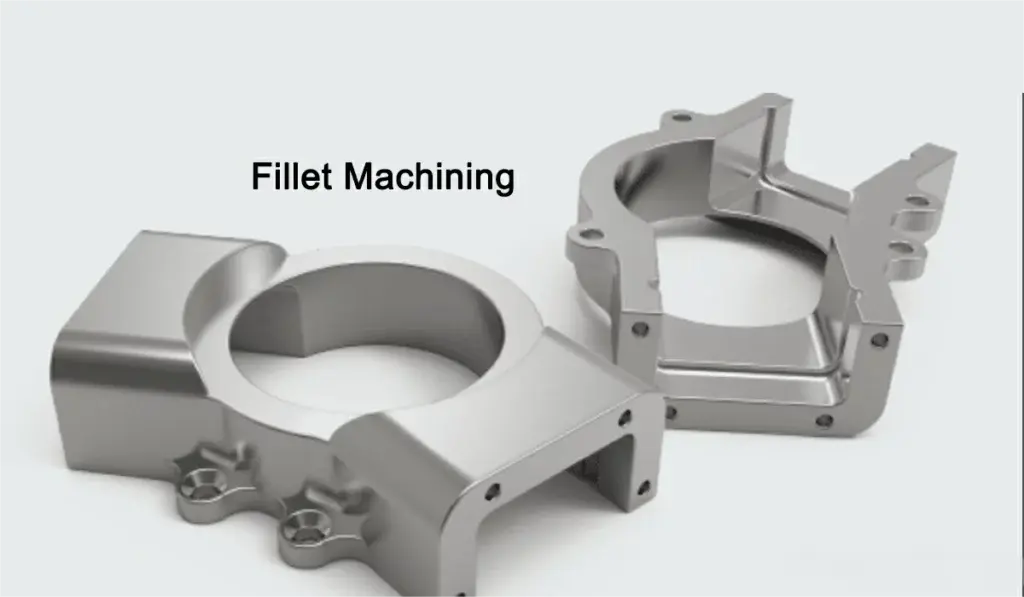
Embora nem sempre seja necessário, filetes podem melhorar certos aspectos do design da peça.
Bordas faciais cosméticas
Um raio pequeno pode fazer com que as transições de superfície pareçam perfeitas e melhorar a qualidade percebida. Use-os somente após finalizar a geometria funcional, à medida que aumentam o tempo de usinagem.
Segurança e Ergonomia
Peças com arestas vivas podem causar ferimentos durante o manuseio, especialmente em componentes metálicos. Os maquinistas normalmente “quebram” as bordas por padrão, mas se você precisar de um raio preciso para conforto (por exemplo., punhos ergonômicos), especifique claramente no desenho.
Assistência de montagem
Filetes podem guiar pinos, veios, ou fixadores no lugar, mas chanfros são geralmente preferidos para peças correspondentes porque fornecem melhor entrada sem adicionar custos significativos.
Quando os filetes são necessários
Cantos internos entre duas paredes verticais
As ferramentas de corte CNC são redondas, então eles não podem fazer um canto interno de 90° perfeitamente nítido.
Se o seu projeto tiver duas paredes verticais que se encontram em um canto interno, você ter para adicionar um filete que corresponda (ou é maior que) o raio da ferramenta de corte.
Por que? Sem o filé, a ferramenta deixaria material extra no canto, e sua peça não caberia nas peças correspondentes.
Exemplo: Pense em um bolsão quadrado em uma placa de metal – os cantos sempre serão levemente arredondados porque a fresa é redonda.
Arestas internas entre superfícies angulares ou curvas
Quando duas superfícies angulares ou curvas se encontram, especialmente em formas orgânicas ou de forma livre, eles geralmente são usinados com uma fresa de topo esférica.
O menor filete que você pode ter será o raio daquela fresa esférica.
Por que? Se você tentar tornar a curva mais estreita que o raio da ferramenta, o cortador simplesmente não consegue alcançar o canto sem deixar material não cortado.
Exemplo: Em uma peça de motor de carro com fluxo, superfícies esculpidas, todas as transições internas entre curvas terão filetes integrados com base no tamanho da ferramenta.
Onde uma parede vertical encontra uma superfície inclinada ou curva
Este é um pouco mais complicado de visualizar – imagine uma parede vertical alta, e na sua base, em vez de um piso plano, há uma inclinação ou uma curva.
Se você tentar cortar a parede e a curva sem filete, o cortador deixará uma pequena tira de material não cortado bem na junção.
Adicionar um filete aqui garante uma transição suave e evita sobras de material.
Exemplo: Em uma cavidade de molde para uma peça de plástico, a transição de um lado vertical para uma base curva quase sempre tem um filete para que a fresa possa se mover livremente.
Benefícios de Engenharia de Filetes
Eles reduzem o acúmulo de estresse
Cantos agudos agem como ímãs de tensão – quando uma peça está sob carga, a força se concentra naquela borda afiada, o que pode causar rachaduras.
Um filé se espalha suavemente, para que a peça possa suportar mais carga sem quebrar.
Exemplo: Pense em dobrar um pedaço de metal – ele quase sempre quebra na curva acentuada, não no meio. Uma curva suave resolve esse problema.
Eles ajudam as peças a durar mais
Em partes que apresentam cargas e descargas repetidas (como braços de máquinas ou suportes), cantos afiados podem causar rachaduras por fadiga ao longo do tempo.
Os filés reduzem esse “efeito de fadiga,”O que significa que suas peças duram mais ciclos antes de se desgastarem.
Exemplo: Os componentes da aeronave quase sempre possuem filetes em áreas de alta tensão para evitar falhas por fadiga..
Eles tornam as peças mais seguras de manusear
Se sua peça for tocada ou montada por pessoas, cantos afiados podem cortar mãos ou prender roupas.
Um filete remove aquela aresta afiada e torna a peça mais confortável e segura para trabalhar.
Exemplo: Alças, capas, e os painéis de controle geralmente têm filetes generosos para que fiquem macios na sua mão.
Eles podem melhorar o fluxo
Em projetos onde líquidos ou ar se movem em uma esquina, bordas afiadas podem causar turbulência ou bloquear o fluxo.
Um filete permite que o fluido mude de direção com mais suavidade, melhorando a eficiência.
Exemplo: Em sistemas de tubulação, filetes internos reduzem a queda de pressão e melhoram o movimento do fluido.
Eles parecem melhores
Uma borda arredondada e suave geralmente dá ao produto uma aparência mais “acabada” e profissional.
Embora se trate mais de estética do que de função, pode ser importante para produtos voltados para o consumidor.
Exemplo: Os cantos arredondados do seu smartphone não são apenas para conforto – eles também fazem o dispositivo parecer elegante.
Eles podem tornar a usinagem mais fácil
Na usinagem CNC, alguns cantos internos afiados simplesmente não podem ser cortados porque as ferramentas são redondas.
Adicionando um filete, você está projetando a peça de uma forma que corresponda ao formato da ferramenta, o que pode tornar a usinagem mais rápida e barata.
Principais fatos sobre filetes
Um filete é apenas uma borda arredondada
Na sua essência, um filete é simplesmente arredondar um canto agudo onde duas superfícies se encontram.
Pode ser dentro um canto (côncavo) ou fora em uma borda (convexo).
Exemplo: A curva interna onde a lâmina encontra o cabo de uma faca de cozinha é um filete interno.
Ferramentas CNC fazem filetes com cortadores especiais
A maioria dos filetes CNC são feitos usando um ferramenta de arredondamento de canto ou a fresa de topo esférica.
Essas ferramentas são moldadas para deixar naturalmente uma curva suave à medida que cortam, então você obtém um raio consistente sempre.
Filetes são curvados, Chanfros são planos
É fácil misturá-los, mas a diferença é simples: diferença nos detalhes de filete e chanfro
Filé = curva
Chanfro = ângulo plano
Se você passar o dedo pela borda, um filé parece macio e arredondado, enquanto um chanfro parece uma inclinação reta.
Filetes são melhores para aliviar o estresse
Quando uma peça está sob pressão ou dobrada, cantos afiados podem criar “pontos quentes” de estresse que podem rachar com o tempo.
Os filetes suavizam a transição e espalham o estresse por uma área maior, tornando a parte mais forte.
Exemplo: É por isso que os cantos das janelas dos aviões são arredondados – os pontiagudos quebrariam sob os ciclos de pressão do ar.
Eles não adicionam muito material, Mas eles adicionam muita força
Adicionar um filete quase não altera a área da seção transversal da peça, mas pode reduzir drasticamente a concentração de estresse.
Isso significa que você pode melhorar a resistência e a durabilidade sem tornar a peça mais pesada ou volumosa.
Eles podem economizar ou custar dinheiro
Se um filete corresponder a um tamanho de ferramenta padrão, pode realmente tornar a usinagem mais fácil.
Mas se for de um tamanho estranho ou em um local complicado, pode aumentar o tempo e o custo de usinagem.
O truque é saber onde para colocá-los e quão grande para fazê-los.
Conclusão
Filetes em Usinagem CNC são recursos de design poderosos - mas apenas quando usados estrategicamente. Ao compreender quando eles forem exigidos, quando eles podem ser ignorados, e como dimensioná-los adequadamente, você pode reduzir custos de usinagem, melhorar o desempenho da peça, e simplificar a fabricação.
Em caso de dúvida, consulte seu parceiro de usinagem no início do processo de projeto. Filetes bem planejados podem ser a diferença entre uma refeição cara, peça supercomplicada e otimizada, projeto fabricável.
Perguntas frequentes
1. Qual é a diferença fundamental de função entre um filete e um chanfro?
A diferença está na geometria e no alívio de tensões:
-
Filé: A transição curva (definido por um raio, R). Sua função principal é alívio do estresse distribuindo suavemente a força longe dos cantos afiados, o que é crítico para peças sob carga dinâmica ou de fadiga.
-
Chanfro: A plano, corte angular (geralmente 45°). Sua principal função é quebrar uma ponta afiada para segurança e facilidade de montagem (fornecendo entrada para pinos ou parafusos), mas é menos eficaz do que um filete para redução da concentração de tensão.
2. Por que uma fresa de topo quadrada padrão não consegue criar uma fresa perfeita? 90° canto interno?
Uma fresa de topo padrão tem um circunferência redonda. Quando corta, o centro da ferramenta pode alcançar a interseção do canto, mas o raio da ferramenta não pode; sempre deixa uma pequena quantidade de material para trás, criando um canto interno arredondado. Portanto, cada canto interno em um bolsão ou ranhura usinado com uma fresa de topo padrão deve ter um raio igual ou maior que o raio da ferramenta de corte utilizada.
3. Qual é a regra prática para projetar o tamanho mínimo do filete interno para usinagem CNC?
O raio do filete (R) deve ser igual ou ligeiramente maior que o raio da menor fresa de topo que pode alcançar o recurso. Um padrão comum da indústria é projetar o raio do filete R ser 1.2 Raio da ferramenta X ou 0.6 Diâmetro da ferramenta X. Este pequeno buffer ajuda a garantir que a ferramenta possa se mover suavemente sem ser sobrecarregada, e permite o uso de padrões, cortadores prontos para uso, o que mantém os custos baixos.
4. Por que filetes desnecessariamente grandes ou de tamanhos ímpares aumentam os custos de usinagem?
-
Filetes Grandes: Requer o uso de uma ferramenta muito grande ou múltiplos passes com uma ferramenta menor, aumentando o tempo da máquina.
-
Filetes de tamanho ímpar (por exemplo., R2,37 mm): Forçar o maquinista a usar interpolação (cortando a curva com múltiplas passagens lineares curtas) em vez de usar um padrão ferramenta de arredondamento de canto. A interpolação leva mais tempo e é mais complexa de programar do que simplesmente usar uma ferramenta que já corresponda a um tamanho padrão (por exemplo., R3mm).
5. O que a proporção entre “Profundidade máxima de corte” e “Diâmetro da ferramenta” indica para filetes?
Esta relação está relacionada com a ferramenta proporção e rigidez. Quanto mais fundo uma ferramenta deve alcançar para cortar um filete, quanto maior for o seu stick-out e maior o risco de deflexão e vibração da ferramenta. O artigo sugere diretrizes aproximadas (por exemplo., 5 Diâmetro da ferramenta X para aço) para limitar a profundidade que um cortador de pequeno diâmetro pode alcançar com segurança sem quebrar, flexão, ou criando um acabamento ruim devido a vibração.
6. Quando é melhor usar um Chanfro em vez de um Filete para auxiliar na montagem?
A Chanfro geralmente é preferido quando o objetivo é fornecer um bom introdução para uma parte de acasalamento, como um alfinete, haste, ou fixador. Os chanfros são mais rápidos e mais baratos de usinar do que os filetes e são altamente eficazes na orientação de componentes durante a montagem porque o plano, superfície angular direciona a peça correspondente para o centro com mais precisão do que uma curva completa.
7. Quais são os principais benefícios de engenharia ao adicionar filetes em áreas de alta tensão?
O principal benefício é a redução de Concentração de estresse. Cantos internos agudos atuam como elevadores de estresse, onde cargas externas são amplificadas, levando a falha localizada. Um filete faz a transição suave da carga através de uma área maior, reduzindo o pico de tensão e aumentando significativamente a resistência da peça vida de fadiga e força final. Isso é vital para colchetes, braços de carga, e qualquer coisa sujeita a carregamento cíclico.