



A carcaça do termostato é muito importante nos sistemas de motores e refrigeração de máquinas industriais, automóveis, e sistemas HVAC. Este componente aparentemente pequeno ajuda a regular a temperatura e evitar o superaquecimento, garantindo que o motor funcione de forma eficiente. Neste guia, vamos nos aprofundar nos fatores que influenciam a seleção da caixa do termostato, os diferentes tipos disponíveis, e como escolher o caminho certo com base em suas necessidades.
1. O que é caixa do termostato?
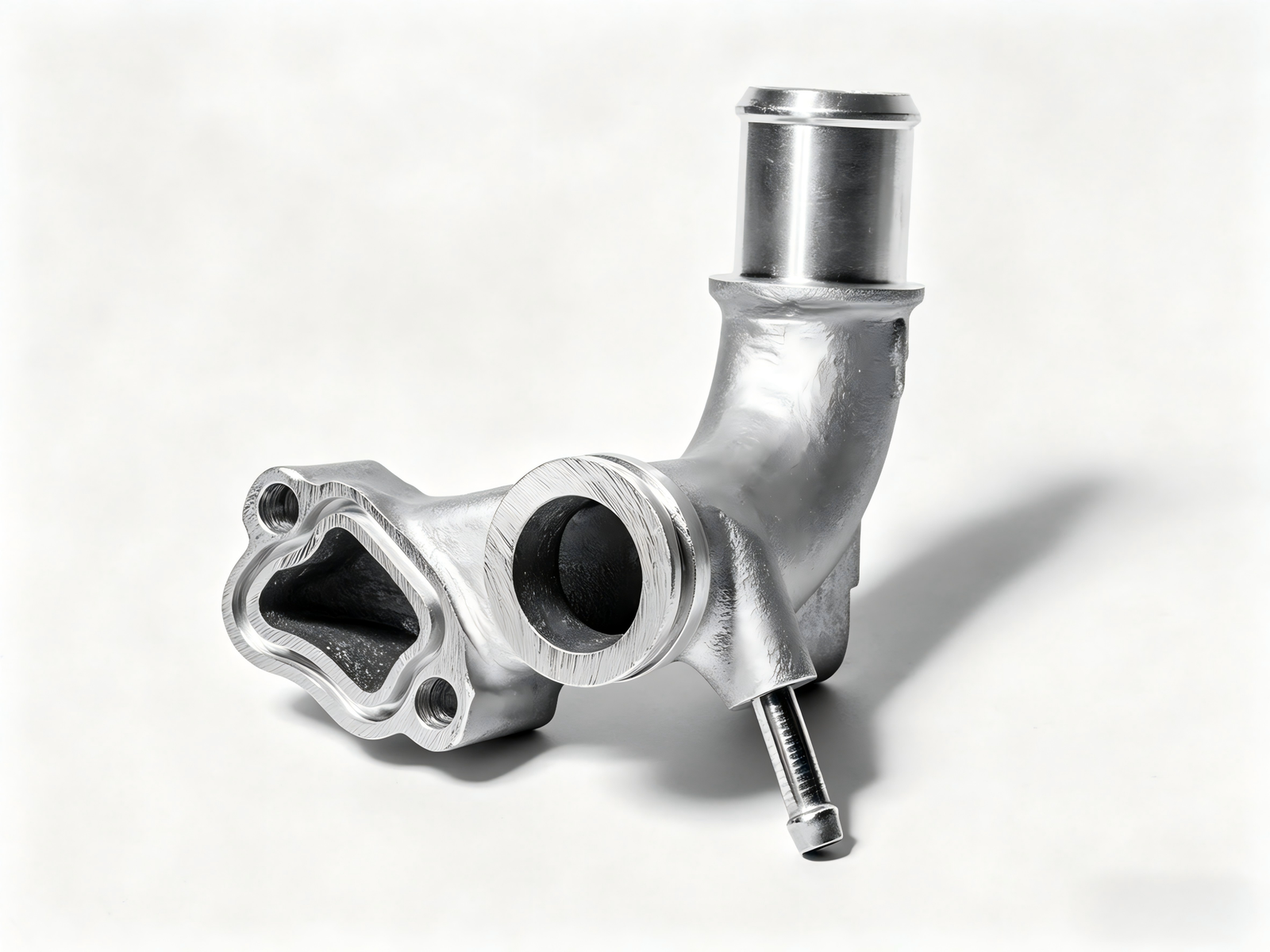
A carcaça do termostato é uma estrutura protetora que envolve o termostato em um sistema de motor, como em carros, maquinaria industrial, e sistemas HVAC. Ele é projetado para regular o fluxo de líquido refrigerante entre o motor e o radiador, garantindo que o motor mantenha uma temperatura operacional estável.
A carcaça do termostato normalmente está localizada na parte superior ou frontal do motor, onde ele se conecta às mangueiras do radiador. Atua como uma vedação para evitar vazamentos de líquido refrigerante e garantir uma regulação eficiente da temperatura. Uma caixa do termostato que funcione bem garante que o termostato funcione de maneira ideal, evitando o superaquecimento do motor e melhorando a longevidade do sistema.
2. Fatores a serem considerados ao escolher a caixa do termostato
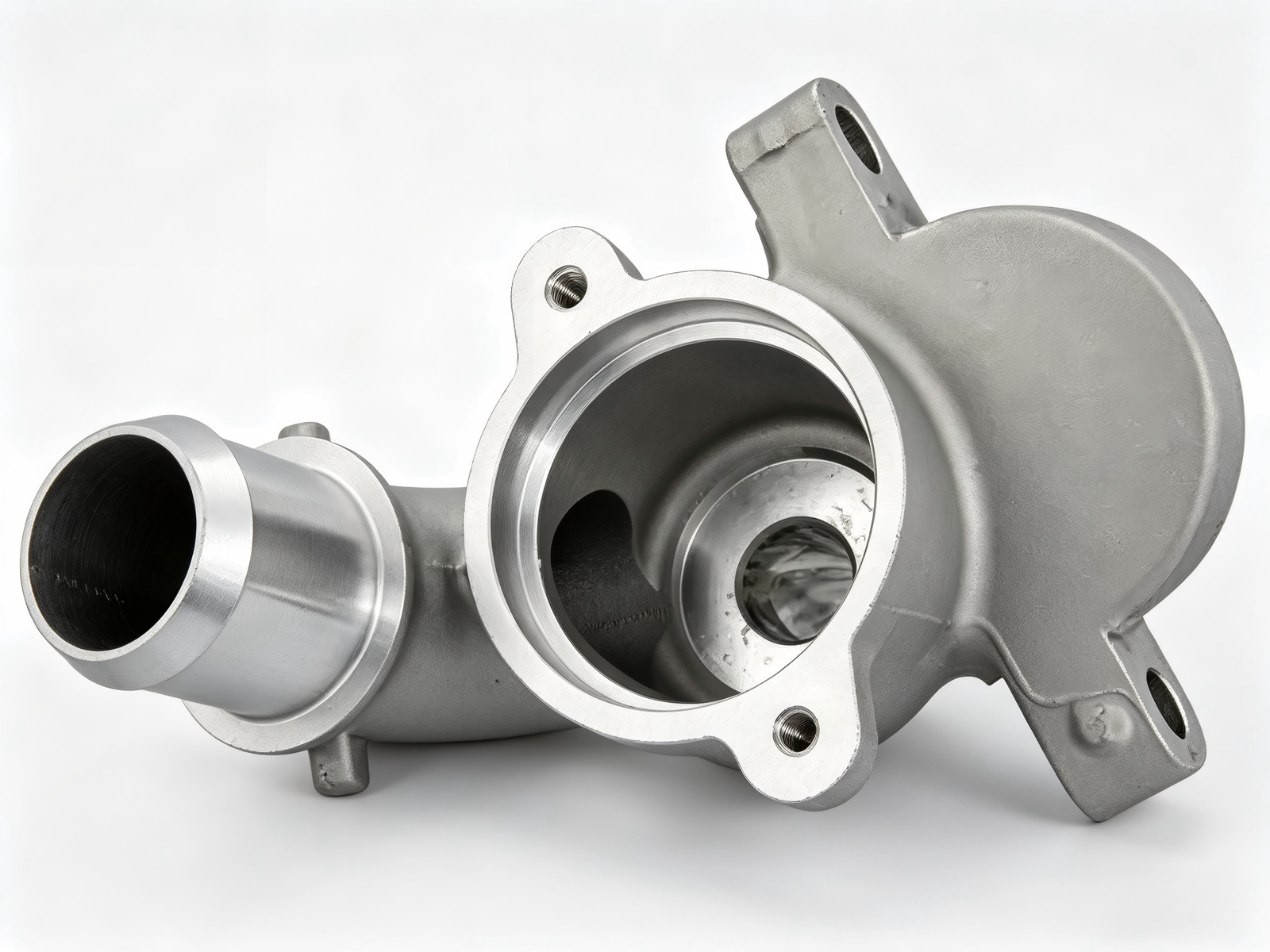
A escolha da caixa do termostato certa requer um conhecimento profundo de sua função, tipos, materiais, e compatibilidade de instalação. Aqui estão os principais fatores a serem considerados ao selecionar a caixa do termostato perfeita para suas necessidades.
2.1 Entenda a função da caixa do termostato
A carcaça do termostato serve como um elo vital entre o motor e o radiador. Ele mantém o termostato no lugar, permitindo-lhe regular o fluxo de refrigerante. Quando o motor atinge uma temperatura baixa, o termostato permanece fechado, restringindo o fluxo do líquido refrigerante para permitir que o motor aqueça. Assim que o motor atingir a temperatura ideal, o termostato abre, permitindo que o líquido refrigerante circule pelo motor e radiador, mantendo uma temperatura constante.
É essencial compreender o papel da carcaça na regulação do fluxo do líquido refrigerante e na proteção do termostato contra calor e possíveis danos..
2.2 Tipos de caixa do termostato
Existem vários tipos de caixas de termostato disponíveis, cada um projetado para atender a diferentes requisitos de desempenho, considerações materiais, e condições ambientais.
Carcaça de termostato de plástico: Leve, acessível, e resistente à corrosão, caixas de plástico são comumente usadas em veículos de passageiros e sistemas HVAC. No entanto, eles são mais propensos a rachar sob calor extremo, tornando-os inadequados para aplicações de alto desempenho ou máquinas pesadas.
Carcaça do termostato de alumínio: O alumínio é uma escolha popular para carcaças de termostatos devido à sua durabilidade e resistência ao calor. Carcaças de alumínio são ideais para máquinas pesadas, veículos de construção, e aplicações industriais em geral onde altas temperaturas são comuns.
Carcaça de termostato de aço: O aço oferece excelente durabilidade e resistência, tornando-o adequado para sistemas industriais pesados e máquinas de construção. As caixas de aço podem resistir a ambientes agressivos e fornecer confiabilidade a longo prazo.
Peça única vs.. Habitação de duas peças: As caixas de peça única oferecem um design mais simples com menos chances de vazamento. Eles são normalmente mais duráveis e fornecem melhor vedação. Por outro lado, carcaças de duas peças oferecem desmontagem mais fácil para manutenção, mas podem exigir vedação extra para evitar vazamentos.
Aparafusado vs.. Alojamento Press-Fit: As caixas aparafusadas usam parafusos e juntas para fixar a caixa no lugar, garantindo um aperto, ajuste estável. Caixas de encaixe por pressão não necessitam de parafusos e facilitam a instalação, mas pode não oferecer o mesmo nível de estabilidade.
Compreender os diferentes tipos de carcaças de termostato ajudará você a escolher o correto para suas necessidades específicas, seja para indústria, automotivo, ou aplicações HVAC.
2.3 Projeto e Construção
A qualidade do projeto e da construção da caixa do termostato é crucial para garantir seu funcionamento adequado e longevidade. Uma caixa mal projetada pode causar vazamentos, ineficiências, e falha prematura. Ao selecionar uma caixa de termostato, procure recursos como:
Alinhamento adequado dos pontos de montagem: Os pontos de montagem devem estar alinhados com o motor ou sistema para garantir a vedação adequada.
Construção Reforçada: Projetos reforçados ajudam a evitar empenamentos, rachaduras, e outras formas de danos devido a temperaturas ou pressões extremas.
Recursos de prevenção de vazamentos: Certifique-se de que a carcaça tenha recursos que evitem vazamento de líquido refrigerante, como juntas de alta qualidade e vedações confiáveis.
2.4 Considerações materiais
O material usado na carcaça do termostato desempenha um papel crítico em sua durabilidade, resistência ao calor, e desempenho geral. Embora o plástico possa ser econômico, nem sempre é a melhor escolha para aplicações industriais ou de alto desempenho devido à sua suscetibilidade a rachaduras sob o calor. Alumínio e aço são alternativas superiores devido à sua resistência, resistência à corrosão, e capacidade de lidar com altas temperaturas.
Alumínio: Ideal para aplicações de alto desempenho, caixas de alumínio são leves, resistente à corrosão, e pode lidar com o calor melhor do que o plástico.
Aço: As caixas de aço são as mais duráveis e adequadas para aplicações pesadas. Eles oferecem resistência superior ao desgaste, aquecer, e corrosão, tornando-os perfeitos para máquinas industriais.
2.5 Onde instalar o termostato
A localização do termostato no sistema de refrigeração é crucial para um desempenho ideal. Existem dois locais de instalação principais:
Porta de saída: O local de instalação mais comum. Aqui, o termostato regula o fluxo do líquido refrigerante do motor para o radiador.
Porta de entrada: Menos comum, onde o termostato regula o fluxo de líquido refrigerante do radiador para o motor.
É essencial escolher uma carcaça do termostato que se encaixe na porta designada para o sistema de refrigeração do seu motor..
2.6 Ajuste e compatibilidade
A compatibilidade com seu motor ou maquinário é uma prioridade máxima ao escolher a carcaça do termostato. Você pode escolher entre Fabricante de Equipamento Original (OEM) caixas e opções de reposição. As carcaças OEM têm garantia de adaptação ao seu motor, enquanto as opções de pós-venda podem fornecer mais flexibilidade ou melhores preços, mas exigem verificação extra de compatibilidade.
Antes de comprar, certifique-se de que a caixa do termostato seja adequada às especificações do seu veículo ou máquina.
2.7 Padrões de qualidade & Especificações
As caixas do termostato devem atender aos padrões relevantes da indústria para garantir confiabilidade e desempenho. Procure certificações como:
ISO 9001: Garante que o produto atenda aos padrões de fabricação de alta qualidade.
Padrões ASTM: Fornece especificações para propriedades e desempenho do material.
Padrões OEM: Garante compatibilidade com seu motor ou sistema específico.
Sociedade de engenheiros automotivos (SAE) Padrões: Oferece diretrizes para o design e funcionalidade de componentes automotivos.
Essas certificações garantem que o invólucro do termostato escolhido atenda aos requisitos de segurança e qualidade necessários.
3. Marca e Modelo
Marcas respeitáveis geralmente fornecem caixas de termostatos de alta qualidade projetadas para durar. Ao comprar uma caixa de termostato, considere optar por marcas conhecidas com um histórico de fornecimento de produtos duráveis e confiáveis. Por exemplo, Precisão máxima oferece especificações personalizadas, resistência à corrosão, e carcaças de termostatos de alta qualidade adequadas para uma variedade de aplicações industriais e automotivas.
4. Perguntas frequentes
4.1 Quais são as indicações de que você tem uma caixa de termostato ruim?
Os sinais de uma carcaça do termostato com defeito incluem superaquecimento do motor, vazamentos de refrigerante, mau desempenho do aquecedor, e redução da eficiência de combustível. Inspeções regulares podem ajudar a detectar problemas precocemente.
4.2 O que causa vazamento na caixa do termostato?
Vazamentos geralmente são causados por desgaste, corrosão, rachaduras, juntas defeituosas, ou exposição a temperaturas extremas.
4.3 Quais são os sinais de que você precisa para substituir a caixa do termostato?
Substitua a caixa do termostato se notar vazamentos, rachaduras, ou sinais de degradação do líquido refrigerante. Inspeções e manutenção regulares são essenciais para evitar falhas prematuras.
5. Conclusão
Selecionar a carcaça do termostato correta é crucial para manter a eficiência do motor e evitar o superaquecimento. Entendendo a função, tipos, materiais, e as especificações da caixa do termostato ajudarão você a tomar uma decisão informada. Optando por um produto de alta qualidade, a carcaça confiável do termostato é essencial para garantir o desempenho a longo prazo.
Se você precisar de ajuda com a instalação ou aquisição de caixas de termostato de alta qualidade, entre em contato com a Tops Precision. Nossa equipe de especialistas está pronta para ajudá-lo a escolher a caixa do termostato perfeita para suas necessidades.


