



Você sempre se preocupou com a eficiência de usinagem e a vida útil das ferramentas das ligas de níquel?? Nickel alloy are very popular used in aerospace engines, dispositivos médicos, energy systems, and precision electrical components such as custom terminals . While these superalloys offer incredible strength and corrosion resistance, they are notoriously difficult to machine.
This guide provides step-by-step strategies to improve machining efficiency, prolongar a vida útil da ferramenta, and achieve precision finishes for nickel alloy components. Whether you’re a CNC machinist, process engineer, or production manager, this guide will help you optimize your operations and reduce costs.
Quick Inquiry: Contact us for nickel alloy machining solutions
1. Understanding Nickel Alloys: Properties and Challenges
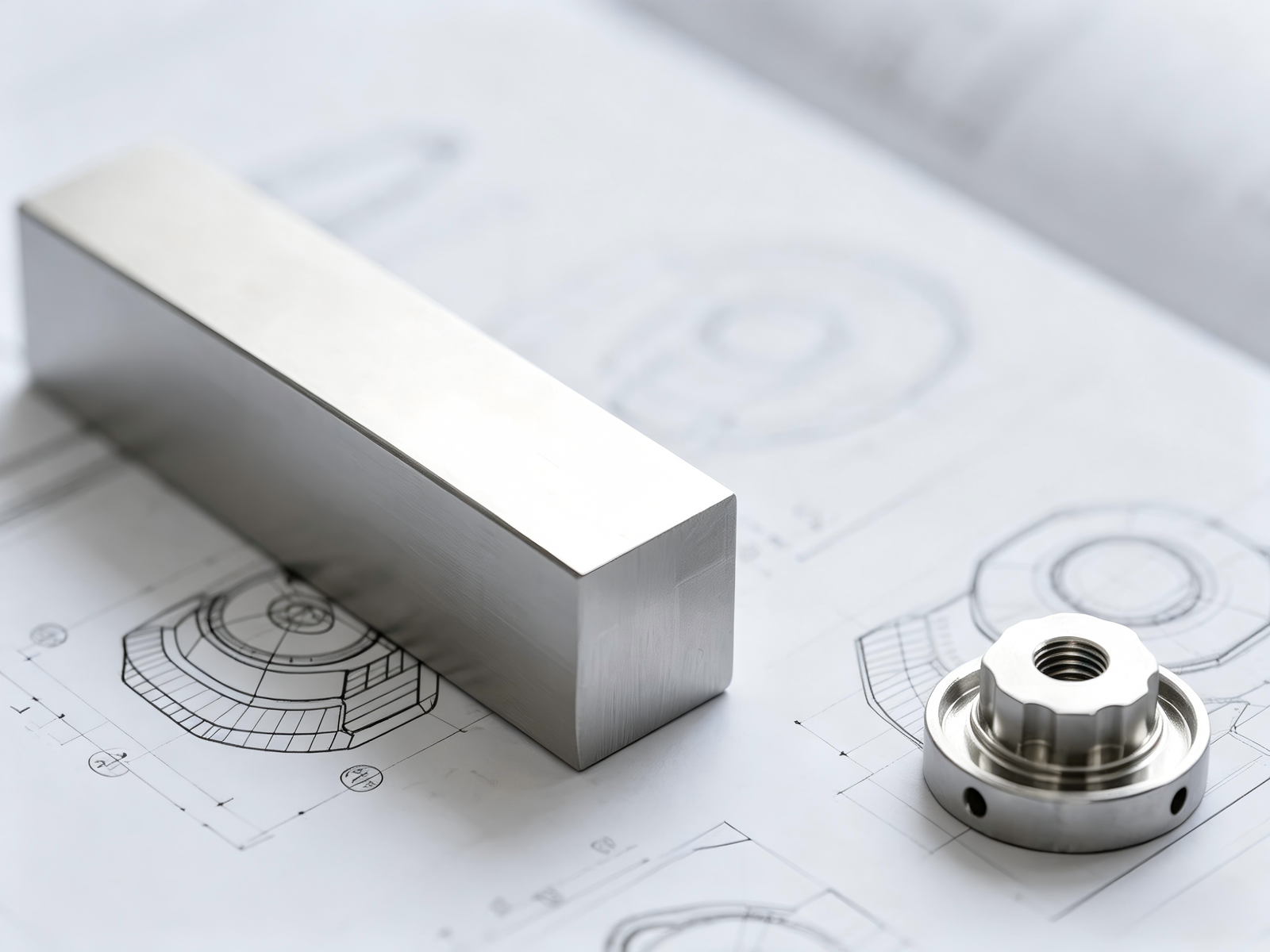
Nickel alloys are engineered for extreme conditions. While their durability is ideal for high-temperature applications, it also introduces unique machining challenges.
1.1 Key Material Properties
High Temperature Retention: Maintains structural integrity up to 2000°F (1093°C).
Trabalho endurecendo: Becomes tougher during cutting, increasing tool wear.
Poor Thermal Conductivity: Heat accumulates at the cutting edge, risking damage.
1.2 Major Machining Challenges
Rapid Tool Wear: Tools wear 5–8x faster than standard steels.
Built-Up Edge (ARCO): Material adheres to the tool, affecting surface finish.
Geração excessiva de calor: Cutting zones can exceed 2000°F.
Hard Surface Layers: Work-hardened zones require sharp, resilient tools.
2. Optimized Techniques for Nickel Alloy Machining
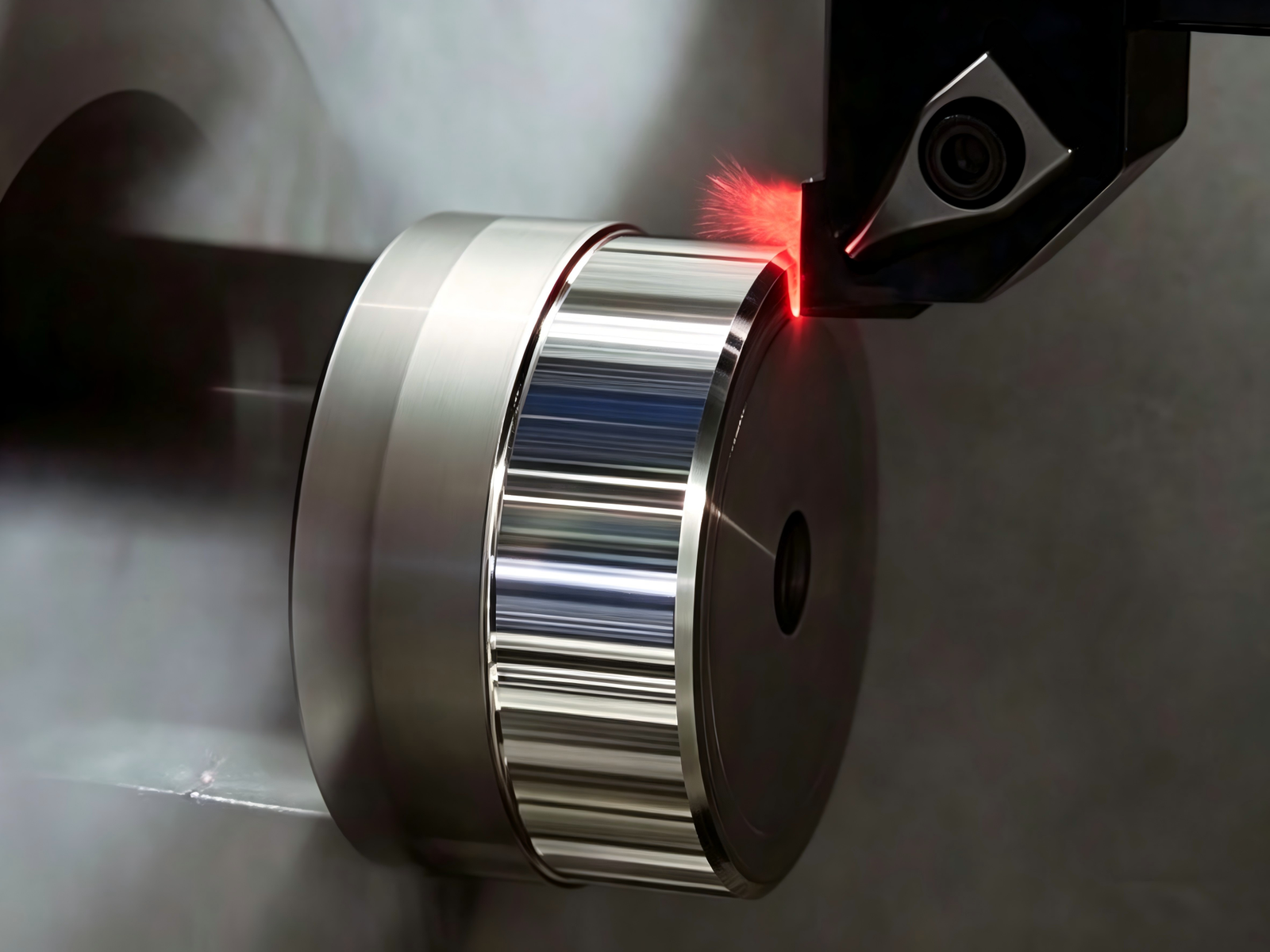
Mastering nickel alloy machining requires careful process control and precision.
2.1 Cutting Speed Management
Start roughing at 150–200 SFM.
Continuous chip formation indicates optimal cutting speed.
Use lower speeds than steel to reduce heat and tool wear.
2.2 CNC Machining Setup
Escalar moagem: Reduces work hardening and improves finish.
Taxa de alimentação: 0.004–0.008 inches per tooth ensures precision.
Tool Holding: Rigid holders prevent vibration that ruins the surface.
2.3 Aplicação de refrigerante
High-pressure delivery (1000+ PSI) é essencial.
Oil-based coolants provide superior lubrication and heat management.
Maintain continuous flow to avoid thermal shock.
2.4 Workholding Solutions
Use multiple clamping points for stability.
Vibration-dampening pads improve high-speed machining.
2.5 Process Monitoring
Inspect tools frequently for wear.
Monitor dimensional changes for thermal growth.
Listen for abnormal cutting sounds as early indicators of problems.
3. Selecting the Best Tools and Equipment
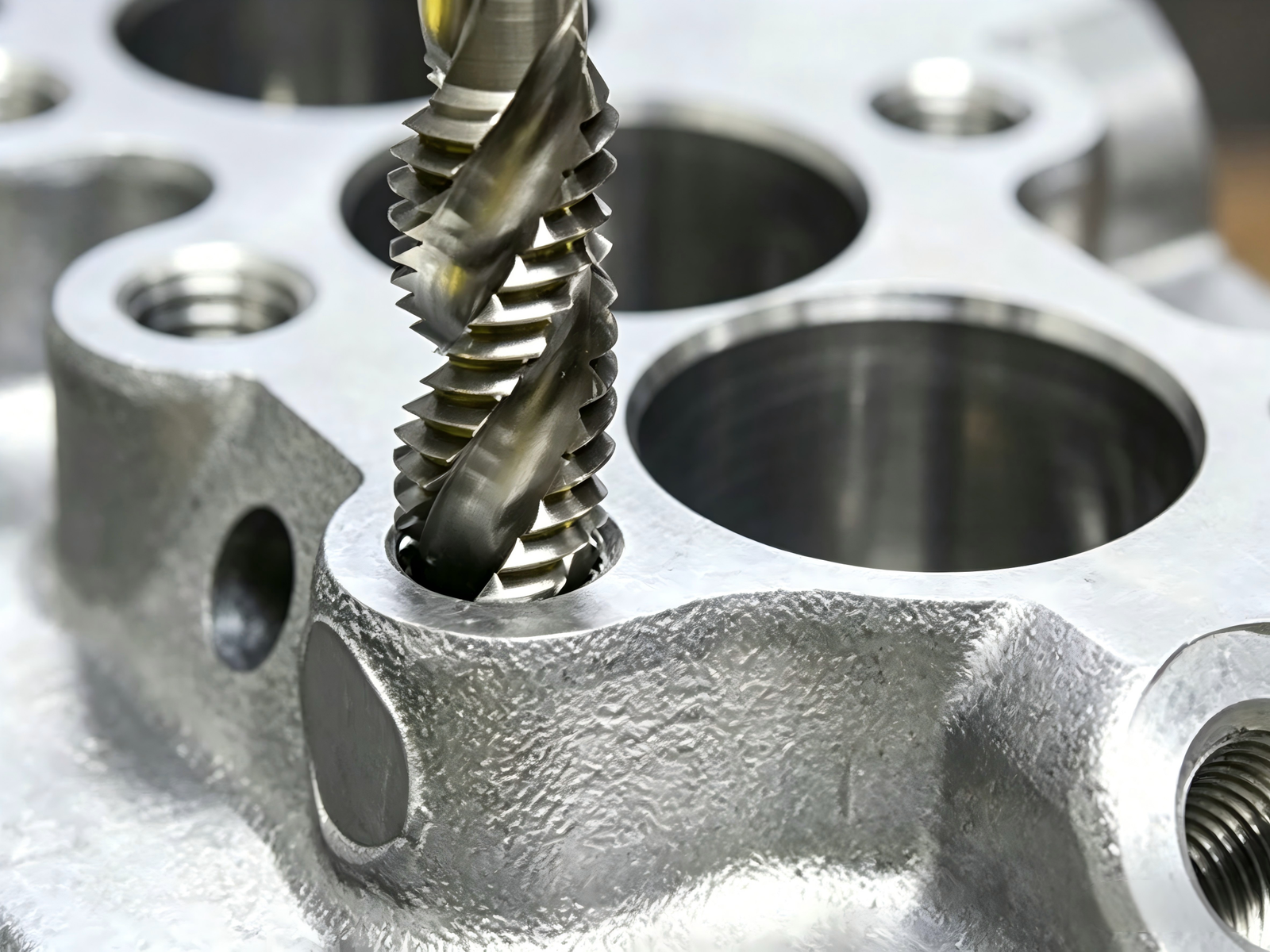
Tool choice directly impacts productivity, qualidade da superfície, e vida da ferramenta.
3.1 Cutting Tool Materials
Ferramentas de Metal Duro Revestido: AlCrN or TiAlN coatings resist heat up to 800°C.
Ferramentas cerâmicas: Silicon nitride ceramic tools excel in high-speed finishing and thermal shock resistance.
3.2 Tool Geometry Features
Positive rake angles (6–12°) reduce cutting forces and heat.
Chip breakers control chip formation and prevent damage.
3.3 Tool Holder Requirements
Shrink-fit or hydraulic holders reduce vibration and extend tool life.
Multi-port holders improve coolant delivery to the cutting zone.
4. Troubleshooting Common Issues
4.1 Desgaste da ferramenta
Use coated tools and maintain steady coolant flow.
Keep surfaces clean to prevent premature wear.
4.2 Precisão dimensional
Ensure proper workholding and tool offsets.
Cut incrementally for better control.
4.3 Acabamento de superfície
Adjust feed rates and tool angles.
Ensure coolant reaches the cutting zone.
4.4 Controle de chip
Optimize chip breaker design.
Use high-pressure coolant and periodically lift tools.
4.5 Trabalho endurecendo
Use climb milling and sharp tools.
Maintain consistent feed rates to reduce hardening.
5. Tips for Improving Productivity and Reducing Costs
5.1 Choosing and Managing Tools
Invest in high-quality carbide tools with coatings.
Track tool life with software and automated monitoring.
5.2 Finding the Right Cutting Parameters
Test cuts to determine optimal speeds and feeds.
Use adaptive machining for real-time adjustments.
5.3 Process Planning
Design fixtures for multiple-part machining.
Optimize tool paths and group similar jobs.
5.4 Managing Coolants
Use high-pressure, through-tool delivery.
Maintain proper concentration and cleanliness.
5.5 Ensuring Quality Control
Use in-process measuring to catch errors early.
Apply statistical process control to prevent recurring issues.
Record settings for repeatability and consistency.
6. Conclusão
Successfully machining nickel alloys depends on understanding material challenges, optimizing cutting techniques, selecting the right tools, and monitoring the process. Following these strategies reduces costs, improves productivity, and ensures high-quality parts for demanding applications.
Ready to Improve Your Nickel Alloy Machining? Request a Free Consultation
7. perguntas frequentes (Perguntas frequentes)
1º trimestre: What cutting speeds are recommended for nickel alloys?
A: Desbaste: 150–200 SFM; adjust based on chip formation.
2º trimestre: How can I prevent work hardening?
A: Use climb milling, ferramentas afiadas, and consistent feed rates.
3º trimestre: Which tool materials are best for nickel alloys?
A: PVD-coated carbide or silicon nitride ceramic tools.
4º trimestre: How should coolant be applied?
A: High-pressure, oil-based coolant delivered directly at the cutting edge.
Q5: How can tool life be extended?
A: Proper coolant, optimal cutting parameters, and high-quality coated tools.
Our other services:
Boost Your Nickel Alloy Machining Efficiency Today!
Get expert guidance, optimized tool selection, and CNC process setup for high-performance nickel alloys.
Request Your Free Consultation Now