


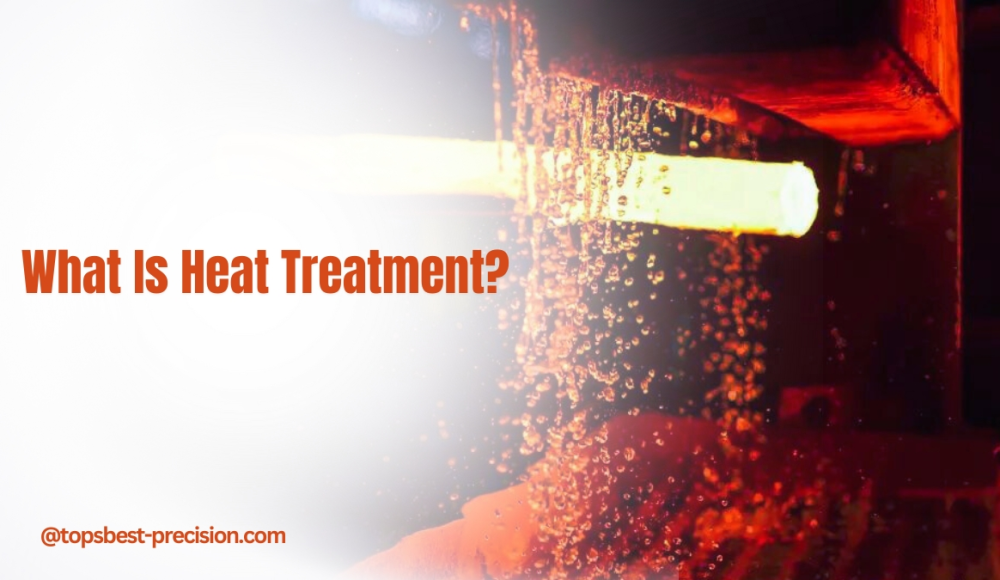
O que é tratamento térmico?
Os tratamentos térmicos são utilizados de forma ideal nas linhas de produção, como forma de melhorar metais ou liga propriedades. Existem diversas maneiras de alterar as características do material através de aquecimento e resfriamento controlados.: eles podem ser dificultados, mais forte, mais dúctil, e resistente ao desgaste, e rasgar, de acordo com um trabalho específico. Às vezes nas oficinas de fabricação, o termo 'tratamento térmico' refere-se amplamente ao processo de alívio de tensão de soldas, flexão, ou formando. O alívio do estresse ajuda a eliminar o estresse interno, produzido durante a fabricação. Então, isso torna o material forte e estável sob tensão.
Tratamento térmico: Por que é importante?
O tratamento térmico melhora a resistência, dureza, bem como resistência geral do metal, especialmente aço. Sem isso, a peça de metal usada em automóveis, aviões, e as ferramentas mecânicas não seriam tão fortes ou tão duradouras. Geralmente, Metais que são tratados termicamente são mais resistentes ao desgaste e à corrosão do que aqueles que não são tratados termicamente..
O tratamento térmico é preferido porque melhora a resistência e a resistência dos metais e, como resultado, as frequências de substituição e manutenção são minimizadas. Isto faz com que as máquinas funcionem de forma eficiente e reduz os custos e isto é muito crucial em áreas como a indústria aeroespacial e automóvel, onde a segurança é um factor importante..
Tipos comuns de tratamento térmico
Os tratamentos térmicos mais comumente empregados incluem:
- Carburismo
- Nitretagem
- Endurecimento & Temperamento
- anelamento
- Criogenia
- Normalização
Principais etapas do processo de tratamento térmico
Geralmente há três etapas envolvidas no tratamento térmico:
- Aquecimento: Os metais são reaquecidos a uma determinada temperatura dependendo do que se deseja alcançar. Esta temperatura pode diferir dependendo do metal utilizado, bem como do processo envolvido e pode ir até 2.400°F (1300°C) em alguns casos.
- Tempo de imersão: O metal é mantido na temperatura alvo por um determinado tempo para alterar sua estrutura interna.. Afrouxar o controle do tempo de imersão resulta em alterações na microestrutura do metal.
- Resfriamento: O resfriamento pode ser rápido (têmpera) ou lento dependendo das características que o material a ser resfriado precisa possuir. A têmpera pode transformar o metal ao seu estado endurecido, enquanto o resfriamento lento pode aumentar a tenacidade ou diminuir a medida da fragilidade..
Quais metais podem ser tratados termicamente?
O tratamento térmico é comumente usado para melhorar as propriedades superficiais de vários metais, como força, dureza, e resistência à corrosão. Abaixo está uma lista de metais frequentemente submetidos a processos de tratamento térmico:
Considerações para tratamento térmico
Vamos destacar os fatores que garantem o sucesso do tratamento térmico e as propriedades desejadas do material.
- Rugosidade Superficial: Algumas operações de tratamento térmico, como têmpera e revenido, podem aumentar a rugosidade da superfície., e, portanto, as peças podem precisar ser polidas de acordo com o padrão exigido (por exemplo., moagem).
- Custos: O custo do tratamento térmico é influenciado pelo processo adotado, o material a ser tratado, e o volume de produção. Por exemplo, o recozimento é mais barato que o endurecimento, pois o processo de resfriamento é mais lento e o equipamento necessário não é tão grande.
- Temperaturas Específicas do Material: Cada material tem a temperatura certa para aquecimento e resfriamento. As curvas de aquecimento e resfriamento de metais são fornecidas por metalúrgicos, o que fornece os requisitos exatos para temperar os metais. Nesse caso, os fabricantes dependem de processos precisos de tratamento térmico para que possam fornecer produtos que funcionem conforme o esperado em diferentes ambientes. Um tipo de tratamento é usado para aumentar a dureza do metal ou liga para atender a certos requisitos operacionais, enquanto outro é usado para refinar a flexibilidade do metal ou liga. liga.
Perguntas frequentes – Tratamento térmico
1º trimestre. Tratamento térmico de metais – todos os metais podem ser tratados termicamente?
Não, os metais têm reações diferentes dependendo de sua estrutura química e da estrutura do grão. Geralmente, espera-se que metais ferrosos, como o aço, apresentem bom comportamento, Considerando que alguns metais não ferrosos podem necessitar de tratamentos de superfície.
2º trimestre. O tratamento térmico é caro?
O custo varia de acordo com o método, o tipo de forno a ser usado, e o material a ser revestido. Although such processes as vacuum or induction hardening could be rather costly, the improvement of the mechanical properties leads to effective cost-effectiveness in the long run.
3º trimestre. Is it possible to do heat treatment from home?
Industrial heat treatments involve accurate control of temperature which may range above 1000°F and require a specific atmosphere to prevent oxidation. Some of these could be undertaken without the necessary gear leading to a destruction of property or pose serious risks.
4º trimestre. What should be taken into consideration when selecting the proper heat treatment?
No entanto, it is dependent on the mechanical properties. These include hard, dúctil, or tensile strength as well as the type of alloy under treatment. Referring to material standards or carrying out phase diagram analysis enables one to make a decision.
Q5. Is heat treatment reversible?
Não, heat treatment is not reversible. Once a material undergoes heat treatment, its internal structure and properties are permanently altered.
Notas finais
While some heat treatments such as annealing or tempering may reverse the previous hardening process by changing the grain structure, some other heat treatments may permanently alter the properties of the metal, and therefore selection must be done carefully.
Heat treatments are widely used in different branches of industry, as they play an important role in the characteristics of metal products. From the cars we drive to the buildings we depend on, heat treatment improves the characteristics of the materials, tornando -os mais fortes, more resistant, and more durable. Portanto, it’s important to understand the specific parameters necessary to accomplish goals related to processes such as annealing, hardening, and tempering among others.
We hope this discussion provided useful information on the role of heat treatment in today’s manufacturing. If you have any questions or if you need professional advice, you can ask us at www.topsbest-precision.com.


3 pensamentos "O que é tratamento térmico?”