


Ao comparar materiais metálicos para joias, Ferramentas médicas, peças industriais, ou produtos de consumo, uma pergunta comum aparece repetidamente:
Qual é a diferença entre aço cirúrgico e aço inoxidável?
Muitas pessoas usam esses dois termos como se significassem a mesma coisa. Na realidade, o aço cirúrgico é um tipo específico de aço inoxidável, mas nem todo tipo de aço inoxidável se qualifica como aço cirúrgico.
Compreender a diferença é importante quando você escolhe materiais para joias corporais, Instrumentos médicos, Peças usinadas do CNC, Equipamento de alimentos, fabricação personalizada, ou componentes resistentes à corrosão.
Neste guia, explicamos as reais diferenças entre o aço cirúrgico e o aço inoxidável, incluindo notas, resistência à corrosão, aplicações, custo, e como escolher o melhor material para o seu projeto.
O que é aço inoxidável?
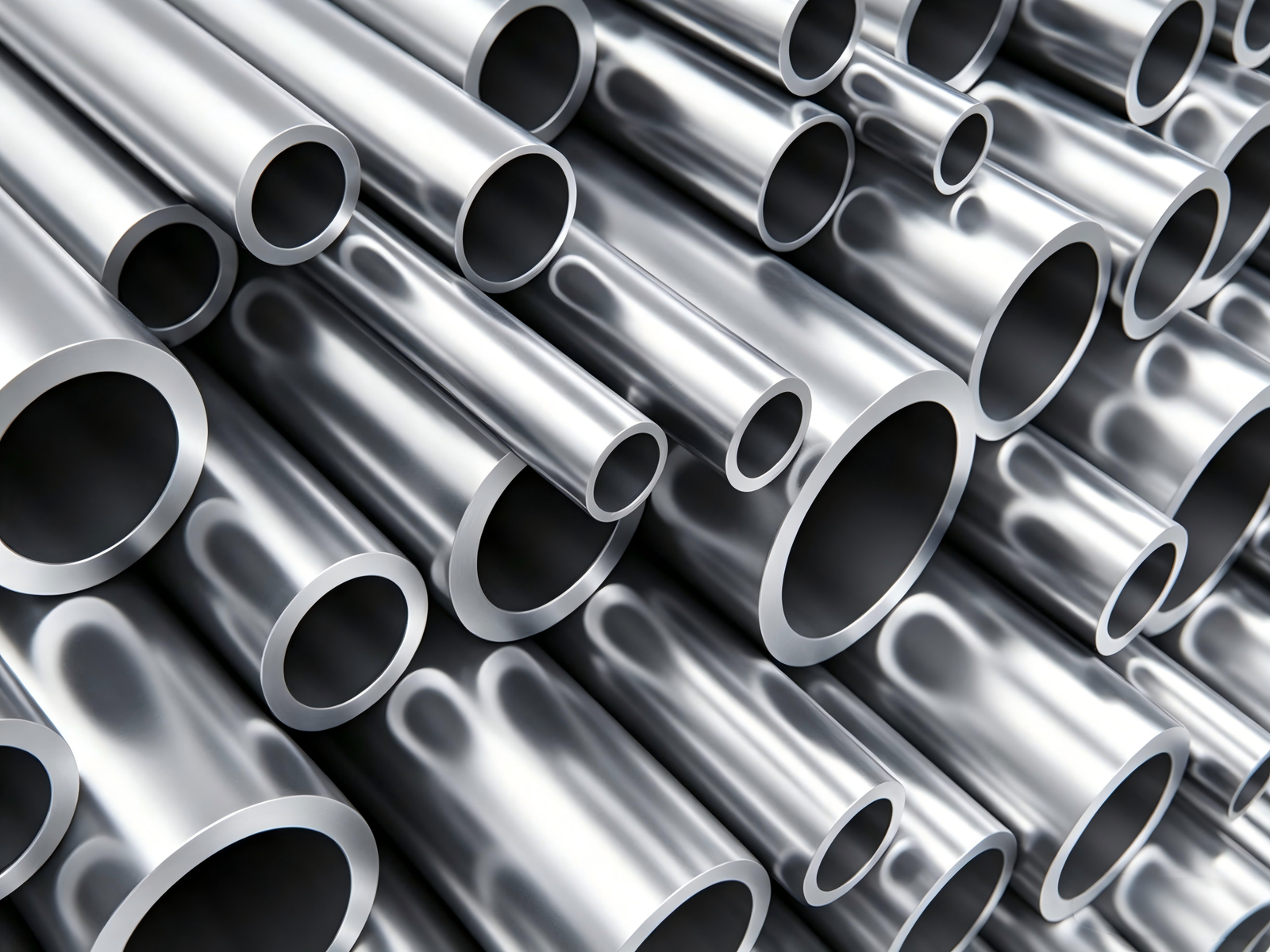
Aço inoxidável é uma família de ligas à base de ferro contendo pelo menos 10.5% cromo, que cria uma camada protetora de óxido na superfície. Esta camada passiva ajuda a resistir à ferrugem, oxidação, e corrosão.
Dependendo da nota, o aço inoxidável também pode conter:
Níquel
Molibdênio
Carbono
Manganês
Titânio
Azoto
Esses elementos adicionados melhoram a força, resistência à corrosão, soldabilidade, resistência ao calor, ou usinabilidade.
Classes comuns de aço inoxidável
Algumas das classes de aço inoxidável mais utilizadas incluem:
201 Aço inoxidável – econômico, uso interno
304 Aço inoxidável – versátil e popular
316 Aço inoxidável – maior resistência à corrosão
430 Aço inoxidável – magnético, menor custo
420 Aço inoxidável – alta dureza
440 Aço inoxidável – muito difícil, resistente ao desgaste
Usos comuns de aço inoxidável
O aço inoxidável é usado em:
Pias de cozinha e utensílios de cozinha
Fixadores e ferragens
Componentes automotivos
Materiais de construção
Equipamento de processamento de alimentos
Peças de máquinas industriais
Produtos decorativos
Porque existem muitas notas disponíveis, o aço inoxidável pode ser otimizado para preço, força, aparência, ou resistência à corrosão.
O que é aço cirúrgico?

Aço cirúrgico não é uma categoria de metal separada. Refere-se a classes específicas de aço inoxidável escolhidas para uso médico, cirúrgico, higiênico, ou aplicações de contato corporal.
Esses materiais são selecionados porque oferecem:
Excelente resistência à corrosão
Boa durabilidade
Superfícies lisas e polidas
Capacidade de resistir à esterilização
Melhor adequação para contato com a pele ou corpo
Classes de aço cirúrgico comuns
Os materiais de aço cirúrgico mais comuns incluem:
316L Aço Inoxidável
316Aço Inoxidável LVM (vácuo derretido, qualidade de implantes médicos)
420 Aço inoxidável
440 Aço inoxidável
Notas diferentes servem a propósitos diferentes.
Por exemplo:
316eu é comum em joias e implantes
420 / 440 são usados em bisturis, tesoura, e instrumentos de corte devido à dureza
Aço Cirúrgico vs Aço Inoxidável: Principais diferenças
1. Categoria de materiais
Esta é a distinção mais importante.
Aço inoxidável = uma ampla família de ligas
Aço cirúrgico = classes de aço inoxidável selecionadas com padrões mais elevados
Então, tecnicamente:
Todo o aço cirúrgico é de aço inoxidável, mas nem todo aço inoxidável é aço cirúrgico.
2. Resistência à corrosão
O aço inoxidável geral oferece boa resistência à corrosão, mas o desempenho varia de acordo com a série.
Por exemplo:
201 = menor resistência à corrosão
304 = resistência geral muito boa
316L = excelente resistência, especialmente em umidade e produtos químicos
O aço cirúrgico geralmente usa qualidades premium como 316eu, tornando-o mais resistente:
Suor
Água salgada
Produtos químicos de limpeza
Fluidos corporais
Ambientes úmidos
É por isso que o aço cirúrgico é preferido em aplicações médicas e joalheiras.
3. Biocompatibilidade e segurança da pele
A maior parte do aço inoxidável padrão é projetada para uso estrutural ou industrial.
O aço cirúrgico é frequentemente selecionado para:
Brincos
Piercings corporais
Ferramentas cirúrgicas
Ferramentas dentárias
Dispositivos ortopédicos
Especialmente 316L aço cirúrgico, que é amplamente utilizado devido ao menor teor de carbono e melhor comportamento à corrosão.
Para produtos que envolvem contato humano direto, o aço cirúrgico é geralmente a opção mais segura.
4. Acabamento e limpeza de superfície
O aço cirúrgico muitas vezes requer:
Polimento mais suave
Superfícies mais limpas
Menos defeitos superficiais
Esterilização mais fácil
Isso é importante porque superfícies ásperas podem reter bactérias, umidade, ou contaminantes.
O aço inoxidável industrial pode não exigir a mesma qualidade de acabamento.
5. Força e Dureza
Nem todo aço cirúrgico é mais macio ou mais duro – o resultado depende do grau.
Exemplos:
316eu = boa resistência, resistente à corrosão
420 = mais difícil, usado em facas e ferramentas
440C = muito difícil, excelente retenção de borda
Se o desempenho de corte é importante, graus cirúrgicos como 420 ou 440 são frequentemente selecionados.
6. Diferença de preço
O aço cirúrgico geralmente custa mais devido:
Maior teor de liga
Melhor resistência à corrosão
Padrões de qualidade mais rígidos
Mais polimento/processamento
Requisitos de nível médico
Se o seu aplicativo não precisa de desempenho premium, aço inoxidável padrão pode ser mais econômico.
Tabela de comparação rápida
| Recurso | Aço inoxidável | Aço Cirúrgico |
| Definição | Grande família de ligas | Classes inoxidáveis premium selecionadas |
| Resistência à corrosão | Bom a excelente | Mais alto |
| Uso de contato humano | Depende da nota | Preferido |
| Acabamento de superfície | Padrão para premium | Geralmente mais suave |
| Uso Médico | Notas limitadas | Comum |
| Custo | Baixo a moderado | Mais alto |
| Graus comuns | 201, 304, 430 | 316eu, 420, 440 |
Aplicativos comuns
Aplicações em aço inoxidável
Usado para:
Aparelhos de cozinha
Ferragens para móveis
Aparelho automotivo
Tanques e tubulações
Fixadores
Partes estruturais
Produtos de consumo
Aplicações de aço cirúrgico
Usado para:
Tesoura cirúrgica
Fórceps
Cabos de bisturi
Ferramentas dentárias
Implantes
Joias perfurantes
Relógios premium
Instrumentos higiênicos
Qual você deve escolher?
Escolha aço inoxidável se precisar:
Menor custo de material
Resistência geral à corrosão
Produtos domésticos
Componentes estruturais
Usinagem CNC para peças industriais
Produção em grande volume
Escolha aço cirúrgico se precisar:
Produtos seguros para a pele
Ferramentas médicas
Joias e piercings
Melhor resistência à corrosão
Aparência premium
Superfícies higiênicas
Durabilidade a longo prazo
Dica importante de compra: Peça a nota exata
O termo “aço cirúrgico” às vezes é usado livremente em marketing.
Sempre pergunte aos fornecedores a qualidade exata do material:
316eu
316LVM
420
440A / 440C
Isso lhe dá clareza técnica real.
Para compradores industriais, também solicite:
Certificado de material
Rohs / Conformidade com REACH
Relatório de acabamento superficial
Dados de dureza
Teste de névoa salina, se necessário
Aço Cirúrgico para Usinagem e Fabricação CNC
Se você precisar de peças personalizadas, o aço cirúrgico pode ser usinado em:
Caixas médicas de precisão
Componentes ortopédicos
Peças de joias personalizadas
Acessórios higiênicos
Fixadores resistentes à corrosão
No entanto, algumas classes como 316eu pode ser mais difícil de usinar do que o padrão 304 aço devido à tenacidade.
Trabalhando com um experiente Fornecedor de usinagem CNC ajuda a reduzir o desgaste da ferramenta e a manter a precisão da tolerância.
Por que os compradores globais escolhem peças de aço cirúrgico
Os compradores OEM geralmente escolhem o aço cirúrgico porque ele ajuda a criar produtos que oferecem:
Melhor posicionamento no mercado
Imagem de qualidade premium
Menores reclamações de corrosão
Melhor durabilidade
Experiência mais segura do cliente
Para marcas que vendem joias, ferramentas de beleza, acessórios médicos, ou hardware de luxo, isso pode justificar o maior custo do material.
Conclusão
A diferença entre aço cirúrgico e aço inoxidável é simples:
Aço inoxidável é uma ampla família de materiais usada em muitas indústrias.
Aço cirúrgico é um subconjunto premium selecionado para aplicações mais rigorosas.
Se sua prioridade for acessibilidade e uso geral, aço inoxidável é excelente.
Se a sua prioridade é a resistência à corrosão, segurança de contato corporal, higiene, e desempenho premium, aço cirúrgico é a melhor escolha.
O melhor material sempre depende dos requisitos do seu produto, ambiente, e orçamento.
Precisa de peças personalizadas de aço inoxidável ou aço cirúrgico?
Se você precisar Componentes usinados CNC, fabricação de metal personalizado, peças de grau cirúrgico, ou fabricação de aço inoxidável OEM, trabalhar com um fornecedor que possa fornecer:
Classes exatas de materiais
Tolerâncias apertadas
Opções de acabamento de superfície
Pequenos lotes ou produção em massa
Relatórios de inspeção de qualidade
Envie-nos seus desenhos hoje para um orçamento rápido.
Perguntas frequentes
1.O aço cirúrgico é melhor que o aço inoxidável?
Para medicina, joia, ou uso em contato com a pele, sim. Para uso industrial geral, aço inoxidável padrão pode ser suficiente.
2.O aço cirúrgico enferruja?
Possui excelente resistência à corrosão, mas não é 100% à prova de ferrugem em todas as condições.
3.O 316L é considerado aço cirúrgico??
Sim. 316L é um dos tipos de aço cirúrgico mais comuns.
4.O aço cirúrgico pode ser usado para joias?
Sim. É amplamente utilizado para brincos, relógios, anéis, e joias para piercings.
5.Por que o aço cirúrgico é mais caro?
Porque muitas vezes usa ligas melhores, padrões mais rígidos, e mais trabalhos de acabamento.
6.É 304 em aço inoxidável em aço cirúrgico?
Geralmente não. 304 é excelente aço inoxidável, mas o 316L é mais comumente classificado como aço cirúrgico.
7.O que é melhor para uso externo?
316O aço cirúrgico L geralmente funciona melhor em ambientes úmidos ou salgados.