


Desde carcaças de motores automotivos e caixas de transmissão até eletrônicos de consumo e equipamentos industriais, ADC12 oferece um equilíbrio ideal de desempenho, eficiência de fabricação, e custo-efetividade.
Quer você seja um engenheiro selecionando materiais para um novo projeto, um gerente de compras que fornece peças fundidas de alumínio, ou um designer de produto comparando diferentes ligas de alumínio, compreender as características do ADC12 pode ajudá-lo a tomar decisões informadas.
Neste guia abrangente, vamos explorar:
- O que é liga de alumínio ADC12
- Composição química
- Propriedades físicas e mecânicas
- Principais vantagens e limitações
- Processos de fabricação
- Aplicações industriais comuns
- ADC12 versus. outras ligas de alumínio
- Perguntas frequentes
O que é liga de alumínio ADC12?
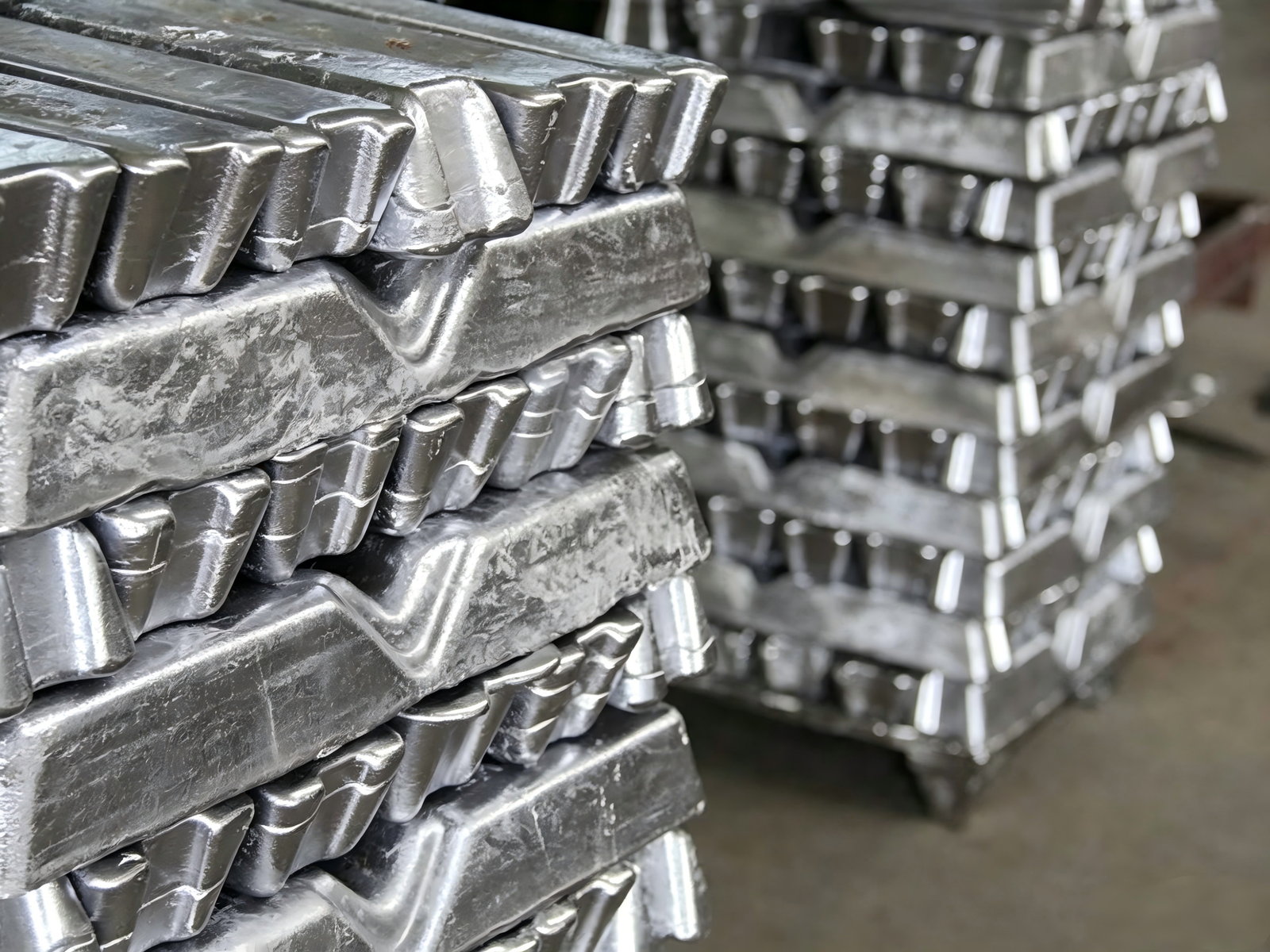
ADC12 é um padrão industrial japonês (Ele é) liga de fundição de alumínio-silício-cobre desenvolvida especificamente para fundição sob pressão (HPDC). Pertence à família de ligas de alumínio Al-Si-Cu e é reconhecida mundialmente por seu excelente desempenho de fundição.
A liga contém aproximadamente 10% silício e 2–3% de cobre, proporcionando excelente fluidez durante a fundição, mantendo alta resistência mecânica após a solidificação.
Por causa dessas características, ADC12 é um dos materiais mais comumente especificados para a fabricação de peças fundidas sob pressão complexas de alumínio com paredes finas e tolerâncias dimensionais restritas.
Internacionalmente, ADC12 é comparável a vários tipos de alumínio equivalentes.
| Padrão | Grau equivalente |
| Ele é | ADC12 |
| ASTM | A383 |
| GB (China) | YL113 |
| EM | PT AC-46000 (semelhante) |
Embora existam pequenas diferenças químicas entre esses padrões, seu desempenho geral de fundição e propriedades mecânicas são muito semelhantes.
Composição química da liga de alumínio ADC12
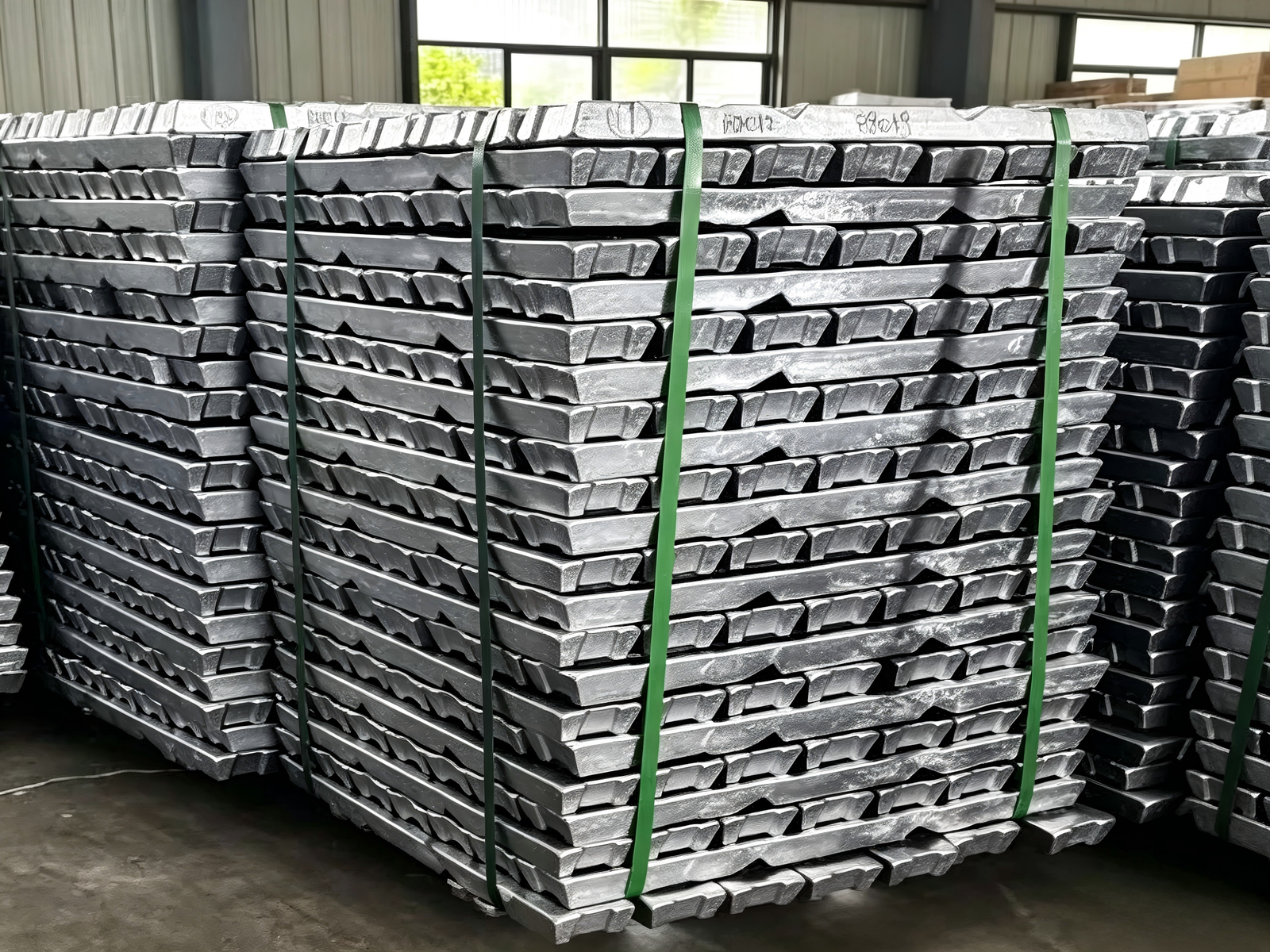
O desempenho excepcional do ADC12 vem da sua composição química cuidadosamente equilibrada. Cada elemento de liga contribui para propriedades mecânicas específicas, térmico, ou características de fabricação.
| Elemento | Conteúdo típico (%) | Função |
| Silício (E) | 9.5–11,5 | Melhora a fluidez e a resistência ao desgaste |
| Cobre (Cu) | 2.0–3,0 | Aumenta a força e a dureza |
| Ferro (Fé) | ≤1,3 | Evita a aderência da matriz durante a fundição |
| Zinco (Zn) | ≤3,0 | Melhora a força |
| Magnésio (mg) | 0.1–0,3 | Melhora a dureza |
| Manganês (Mn) | ≤0,5 | Melhora a estabilidade estrutural |
| Níquel (Em) | ≤0,5 | Melhora a resistência ao calor |
| Estanho (Sn) | ≤0,15 | Impureza controlada |
| Alumínio (Al) | Equilíbrio | Material base |
Por que o silício é importante
O silício é o elemento de liga mais importante no ADC12. Seu conteúdo relativamente alto melhora significativamente a fluidez do metal fundido, permitindo que os fabricantes produzam geometrias complexas com paredes finas e defeitos mínimos de fundição.
Isso torna o ADC12 especialmente adequado para produção de fundição sob pressão de alto volume.
O papel do cobre
O cobre aumenta a resistência à tração, dureza, e resistência à fadiga. Comparado com ligas de alumínio com alto teor de silício contendo pouco cobre, ADC12 oferece desempenho mecânico superior, tornando-o ideal para componentes estruturais sujeitos a carregamento contínuo.
Propriedades físicas da liga de alumínio ADC12
As características físicas do ADC12 contribuem diretamente para o seu desempenho em ambientes industriais exigentes.
| Propriedade | Valor típico |
| Densidade | 2.68–2,74g/cm³ |
| Faixa de fusão | 515–580ºC |
| Condutividade térmica | Aproximadamente 96 S/m·K |
| Condutividade elétrica | Aproximadamente 22% SIGC |
| Capacidade Específica de Calor | 963 J/kg·K |
| Expansão térmica | 21 ×10⁻⁶ /K |
Design leve
Com uma densidade de aproximadamente um terço da do aço, O ADC12 permite que os fabricantes reduzam o peso dos componentes sem sacrificar a integridade estrutural. Isto é particularmente valioso em aplicações automotivas e aeroespaciais, onde a redução de peso melhora diretamente a eficiência de combustível e o desempenho do sistema.
Excelente transferência de calor
ADC12 fornece condutividade térmica relativamente alta, tornando-o adequado para produtos que exigem dissipação de calor eficiente, como:
- Carcaças de motor
- Afotos de calor
- Componentes de iluminação LED
- Gabinetes elétricos
- Sistemas de refrigeração eletrônica
Propriedades mecânicas da liga de alumínio ADC12
As propriedades mecânicas determinam o desempenho de um material sob carga, impacto, e condições de serviço a longo prazo.
Valores típicos incluem:
| Propriedade | Valor típico |
| Resistência à tracção | 280–330 MPa |
| Força de rendimento | 160–220MPa |
| Dureza | 75–90 HB |
| Alongamento | 2–4% |
| Módulo Elástico | Aproximadamente 71 GPa |
Os valores reais variam dependendo do processo de fundição, espessura da parede, projeto de molde, e operações de pós-processamento.
Alta relação resistência/peso
Uma das maiores vantagens do ADC12 é a sua capacidade de oferecer excelente resistência mecânica, mantendo baixo peso. Isso o torna um material ideal para componentes que devem suportar vibrações, pressão, e carregamento repetitivo sem adicionar massa desnecessária.
Principais vantagens da liga de alumínio ADC12
1. Excelente desempenho de fundição sob pressão
ADC12 foi projetado especificamente para fundição sob pressão.
Sua excelente fluidez de metal fundido permite que os fabricantes produzam:
- Componentes de parede fina
- Geometrias complexas
- Cavidades internas complexas
- Peças de precisão de alto volume
A liga preenche moldes de forma eficiente, minimizando defeitos de contração, resultando em excelente precisão dimensional e repetibilidade.
2. Excelente usinabilidade
Embora o ADC12 seja principalmente uma liga de fundição sob pressão, também funciona bem durante operações de usinagem secundárias.
Os processos de usinagem típicos incluem:
- Fresamento CNC
- Torneamento CNC
- Perfuração
- Tocando
- Alargamento
- Usinagem de rosca
Seu conteúdo balanceado de silício reduz a resistência ao corte e ajuda a obter acabamentos superficiais lisos, ao mesmo tempo em que prolonga a vida útil da ferramenta.
3. Estabilidade Dimensional Superior
Os fabricantes preferem o ADC12 porque mantém excelente precisão dimensional após a fundição.
Os benefícios incluem:
- Taxas de rejeição mais baixas
- Melhor consistência de montagem
- Pós-processamento reduzido
- Melhor intercambialidade entre lotes de produção
Esta estabilidade é particularmente importante para mancais de precisão e montagens mecânicas com tolerâncias restritas.
4. Boa resistência à corrosão
O ADC12 forma naturalmente uma fina camada de óxido que protege o material da corrosão ambiental.
Ele tem um bom desempenho em:
- Ambientes externos
- Instalações industriais
- Climas úmidos
- Condições atmosféricas gerais
Para aplicações mais exigentes, tratamentos de superfície adicionais, como revestimento em pó, pintura, ou a conversão de cromato pode melhorar ainda mais a resistência à corrosão e a durabilidade.
5. Excelente eficiência de custos
Comparado com muitas ligas de alumínio alternativas, ADC12 oferece custos de produção mais baixos, mantendo excelente desempenho mecânico.
Sua alta moldabilidade reduz:
- Tempo de usinagem
- Desperdício de materiais
- Defeitos de produção
- Custos de fabricação
Isso torna o ADC12 uma das opções mais econômicas para projetos de fundição sob pressão de alumínio em grande escala..
Limitações da liga de alumínio ADC12
Embora ADC12 seja uma das ligas de fundição de alumínio mais versáteis, compreender suas limitações é tão importante quanto conhecer seus pontos fortes. A seleção do material certo requer a avaliação das vantagens e compensações para sua aplicação específica.
Menor ductilidade em comparação com alumínio forjado
ADC12 oferece excelente resistência e dureza, mas seu alongamento é relativamente baixo, normalmente entre 2% e 4%. Isso significa que o material é menos adequado para aplicações que exigem flexão significativa, alongamento, ou deformação plástica após a fundição.
Para produtos que exigem conformação extensa ou alta resistência ao impacto, ligas de alumínio forjado, como 6061 ou 5052 pode ser mais apropriado.
Não recomendado para soldagem
Devido ao seu alto teor de silício e cobre, ADC12 é geralmente considerado difícil de soldar. A soldagem pode causar:
- Aumento da porosidade
- Rachadura quente
- Resistência mecânica reduzida
- Aparência ruim da solda
Se a soldagem for inevitável, materiais de enchimento especializados e técnicas de soldagem experientes são necessários. No entanto, a maioria dos fabricantes prefere projetar componentes ADC12 como peças fundidas em peça única para eliminar a necessidade de soldagem.
Desempenho de anodização limitado
Diferente 6061 alumínio, ADC12 não produz um acabamento anodizado decorativo atraente. O teor relativamente alto de silício geralmente resulta em uma cor mais escura, superfície irregular após anodização.
Por esta razão, os fabricantes geralmente escolhem métodos de acabamento alternativos, Incluindo:
- Revestimento em pó
- Pintura molhada
- Revestimento de conversão de cromato
- Revestimento eletroforético (Revestimento eletrônico)
- Jateamento de areia
- Tiro
- Polimento
Esses acabamentos proporcionam excelente proteção contra corrosão, ao mesmo tempo que melhoram a aparência do produto final..
Desempenho moderado em alta temperatura
Embora o ADC12 tenha um bom desempenho em condições normais de operação, a exposição prolongada a temperaturas acima de aproximadamente 200°C pode reduzir gradualmente sua resistência mecânica.
Aplicações que envolvem serviço contínuo em alta temperatura podem exigir ligas de alumínio especializadas e resistentes ao calor..
Processos comuns de fabricação para liga de alumínio ADC12
Uma das principais razões pelas quais o ADC12 se tornou a liga de fundição sob pressão preferida da indústria é a sua excelente capacidade de fabricação.. Apresenta um desempenho excepcionalmente bom durante todo o processo de produção, desde a fundição até o acabamento final.
Fundição sob pressão de alta pressão (HPDC)
A fundição sob pressão de alta pressão é o principal método de fabricação de componentes ADC12.
Durante esse processo, alumínio fundido é injetado em um molde de aço endurecido a pressão extremamente alta. O metal preenche rapidamente todas as cavidades dentro do molde antes de solidificar em segundos.
Este método de fabricação oferece diversas vantagens:
- Alta eficiência de produção
- Excelente repetibilidade
- Tolerâncias dimensionais rigorosas
- Acabamento superficial liso
- Desperdício mínimo de material
- Custos de produção mais baixos para fabricação de alto volume
Os produtos típicos fabricados com fundição sob pressão ADC12 incluem:
- Carcaças de transmissão automotiva
- Tampas do motor
- Carcaças de motores elétricos
- Carcaças de caixa de velocidades
- Corpos da bomba
- Luminárias
- Gabinetes eletrônicos
Porque o custo do ferramental é distribuído por grandes volumes de produção, HPDC é particularmente econômico para médios- para projetos de fabricação de alto volume.
Usinagem CNC
Embora a fundição sob pressão produza componentes com formato quase perfeito, muitas peças de precisão requerem usinagem adicional para atingir dimensões críticas.
Comum Usinagem CNC operações incluem:
- Fresamento frontal
- Perfuração de precisão
- Tedioso
- Rosqueamento
- Fresamento de bolso
- Alargamento
- Acabamento superficial
A excelente usinabilidade do ADC12 permite que os fabricantes mantenham tolerâncias restritas enquanto reduzem o tempo de usinagem e o desgaste da ferramenta.
A usinagem secundária é comumente usada para produzir:
- Assentos de rolamento
- Furos roscados
- Superfícies de montagem de precisão
- Vedação de faces
- Recursos de alinhamento
A combinação de fundição sob pressão com usinagem CNC proporciona um equilíbrio ideal entre eficiência de produção e precisão.
Opções de acabamento superficial
O tratamento de superfície não só melhora a aparência, mas também aumenta a resistência à corrosão, resistência ao desgaste, e vida útil do produto.
As opções de acabamento populares para ADC12 incluem:
Revestimento em pó
O revestimento em pó cria uma camada protetora durável com excelente resistência a arranhões, Exposição UV, e produtos químicos. É amplamente utilizado para equipamentos externos e componentes automotivos.
Pintura
A pintura industrial fornece acabamentos decorativos e protetores, permitindo que os fabricantes atendam aos requisitos de cores específicos do cliente.
Revestimento de conversão de cromato
Frequentemente usado como pré-tratamento antes da pintura, o revestimento de conversão de cromato melhora significativamente a resistência à corrosão, ao mesmo tempo que melhora a adesão da tinta.
Tiro
O jateamento remove resíduos de fundição, melhora a consistência da superfície, e cria uma aparência fosca uniforme.
Explosão de areia
O jateamento de areia produz uma limpeza, superfície texturizada que melhora a adesão do revestimento e confere ao produto um acabamento premium.
Revestimento Eletroforético (Revestimento eletrônico)
O revestimento eletrônico fornece excelente proteção contra corrosão ao aplicar um revestimento uniforme por meio de um processo eletroquímico, tornando-o ideal para aplicações automotivas e industriais.
Aplicações comuns da liga de alumínio ADC12
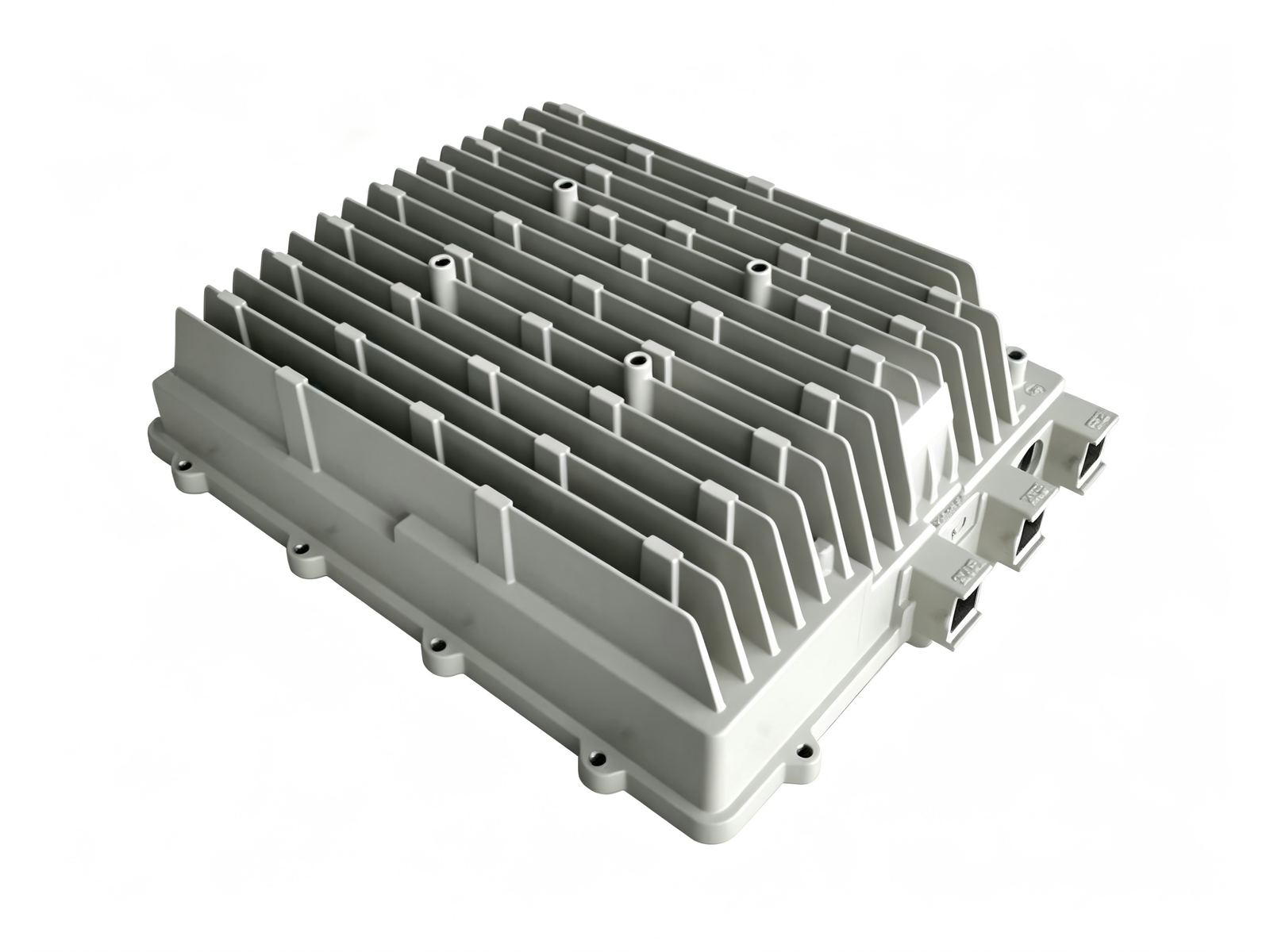
Graças à sua excelente combinação de força, desempenho leve, e excelente moldabilidade, ADC12 é usado em vários setores.
Indústria automobilística
O setor automotivo é o maior consumidor da liga de alumínio ADC12.
Os fabricantes automotivos substituem cada vez mais componentes de aço por alumínio para reduzir o peso dos veículos, melhorar a eficiência do combustível, e atender a rigorosas regulamentações de emissões.
Common automotive components include:
- Blocos de motor
- Cabeças de cilindro
- Oil pans
- Carcaças de transmissão
- Clutch housings
- Corpos de bombas de água
- Carcaças do alternador
- Motor brackets
- Componentes de suspensão
- Electric vehicle battery housings
The alloy’s ability to withstand vibration, ciclagem térmica, and mechanical stress makes it particularly suitable for demanding automotive applications.
Eletrônicos de consumo
As electronic devices become smaller and more powerful, efficient heat dissipation becomes increasingly important.
ADC12 offers excellent thermal conductivity while maintaining lightweight construction.
As aplicações eletrônicas típicas incluem:
- Laptop chassis
- Tablet housings
- Molduras para smartphones
- Caixas de iluminação LED
- Afotos de calor
- Gabinetes de fonte de alimentação
- Caixas de equipamentos de comunicação
Its superior dimensional stability also ensures precise assembly of electronic components.
Maquinaria industrial
Industrial equipment often operates under heavy loads and continuous use.
ADC12 provides sufficient strength and wear resistance for many mechanical components, Incluindo:
- Carcaças de bomba
- Compressor bodies
- Carcaças de caixa de velocidades
- Corpos de válvulas hidráulicas
- Bearing supports
- Machine frames
- Pneumatic equipment housings
Sua resistência à corrosão também o torna adequado para equipamentos que operam em ambientes úmidos ou quimicamente expostos..
Eletrodomésticos
Muitos eletrodomésticos modernos contam com componentes fundidos sob pressão ADC12 porque combinam durabilidade com aparência atraente.
Exemplos incluem:
- Carcaças do motor da máquina de lavar
- Componentes do aspirador
- Peças de compressor de geladeira
- Carcaças de compressores de ar condicionado
- Quadros de ventiladores elétricos
- Bases para eletrodomésticos
Esses produtos se beneficiam da excelente precisão dimensional e da eficiência de fabricação em alto volume do ADC12.
Equipamentos de Telecomunicações
A infraestrutura de comunicação requer gabinetes leves, porém duráveis, capazes de proteger componentes eletrônicos sensíveis.
ADC12 é comumente usado para:
- Caixas de estação base
- Gabinetes amplificadores de sinal
- Armários de comunicação externa
- Suportes de antena
- Componentes de comunicação óptica
Sua condutividade térmica também ajuda a dissipar o calor gerado por sistemas eletrônicos.
Equipamento médico
Although not typically used for implantable devices, ADC12 is widely employed in medical equipment housings and support structures.
Typical examples include:
- Diagnostic instrument housings
- Medical imaging equipment frames
- Laboratory equipment enclosures
- Monitoring device casings
The alloy’s precision casting capability enables manufacturers to produce complex medical components with consistent quality.
ADC12 versus. Outras ligas de alumínio populares
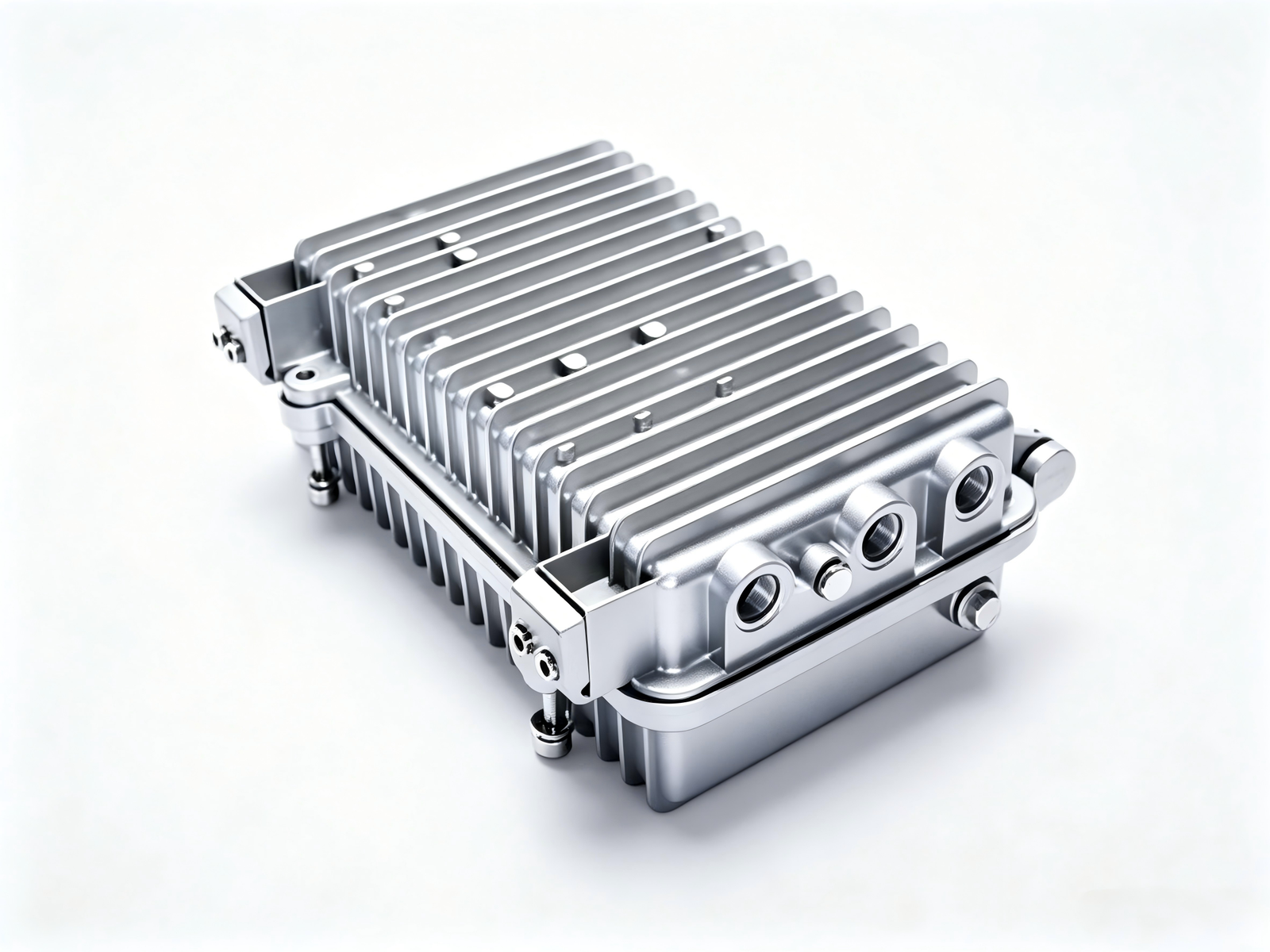
Selecting the right aluminum alloy often involves comparing ADC12 with other commonly used die casting materials.
| Propriedade | ADC12 | A380 | A383 | ADC10 |
| Castabilidade | Excelente | Excelente | Excelente | Muito bom |
| Força | Alto | Médio-alto | Alto | Muito alto |
| Fluidez | Excelente | Bom | Excelente | Bom |
| Maquinabilidade | Excelente | Bom | Excelente | Bom |
| Resistência à corrosão | Bom | Bom | Bom | Moderado |
| Estabilidade dimensional | Excelente | Bom | Excelente | Bom |
| Custo | Competitivo | Competitivo | Um pouco mais alto | Semelhante |
Quando você deve escolher ADC12?
ADC12 is often the preferred choice when your project requires:
- Complex die cast geometries
- Altos volumes de produção
- Boa resistência mecânica
- Excelente precisão dimensional
- Reliable machining performance
- Cost-effective manufacturing
If your design prioritizes structural performance, eficiência de fabricação, e confiabilidade a longo prazo, ADC12 offers one of the best overall value propositions among aluminum die casting alloys.
Como escolher a liga de alumínio ADC12 para o seu projeto
Selecting the right aluminum alloy is critical to ensuring product performance, eficiência de fabricação, e confiabilidade a longo prazo. While ADC12 is one of the most widely used die casting alloys, it’s important to evaluate whether it aligns with your project’s technical and commercial requirements.
Below are the key factors to consider when specifying ADC12 for your next project.
1. Avalie os requisitos de desempenho mecânico
Start by identifying the mechanical properties your component must achieve.
ADC12 is an excellent choice when your application requires:
- Alta relação resistência-peso
- Good hardness and wear resistance
- Moderate impact resistance
- Excelente estabilidade dimensional
If your design requires significant bending, alongamento, or post-forming operations, a wrought aluminum alloy such as 6061 pode ser mais apropriado.
2. Considere o processo de fabricação
ADC12 is specifically designed for fundição sob pressão de alta pressão (HPDC). It performs exceptionally well in large-volume production where consistency and efficiency are priorities.
ADC12 is ideal if your project requires:
- Componentes de parede fina
- Geometrias complexas
- Tolerâncias dimensionais rigorosas
- Repeatable high-volume production
- Low per-unit manufacturing costs
If your production volume is relatively low, sand casting, elenco de gravidade, or CNC machining from wrought aluminum may offer a more economical solution.
3. Revise os requisitos de acabamento de superfície
Surface treatment can significantly influence both the appearance and durability of the finished product.
ADC12 supports a wide range of finishing processes, Incluindo:
- Revestimento em pó
- Pintura molhada
- Revestimento de conversão de cromato
- Revestimento eletroforético (Revestimento eletrônico)
- Tiro
- Jateamento de areia
If a decorative anodized finish is a key requirement, another aluminum alloy with lower silicon content may provide better cosmetic results.
4. Considere o ambiente operacional
Environmental conditions directly affect material selection.
ADC12 performs well in:
- Indoor industrial environments
- Equipamento ao ar livre
- Aplicações automotivas
- Moderate humidity
- Condições atmosféricas gerais
For applications exposed to seawater, highly acidic chemicals, or continuous high-temperature service, additional protective coatings or alternative aluminum alloys may be recommended.
5. Trabalhe com um parceiro de fabricação experiente
Even the best alloy cannot compensate for poor manufacturing practices.
An experienced die casting supplier can help optimize:
- Part design
- Espessura da parede
- Ângulos de rascunho
- Rib structure
- Gate design
- Mold flow
- Machining allowance
- Surface finish selection
Early design collaboration often reduces tooling costs, diminui os tempos de entrega, and improves overall product quality.
Perguntas frequentes
1.O ADC12 é adequado para usinagem CNC??
Sim. ADC12 offers excellent machinability and is commonly used for secondary CNC operations such as drilling, fresagem, tedioso, tocando, and precision finishing. Its balanced silicon content contributes to stable cutting performance and good surface quality.
2.O ADC12 pode ser anodizado?
ADC12 can be anodized, but it is generally not recommended for decorative anodizing. The high silicon content often results in a darker and less uniform appearance compared to alloys such as 6061.
For most commercial applications, revestimento em pó, pintura, or chromate conversion coating are preferred.
3.O ADC12 é mais forte que o A380?
In many applications, ADC12 provides slightly higher hardness and mechanical strength than A380 while maintaining similar casting performance.
No entanto, the best choice depends on the component’s design, required mechanical properties, e processo de fabricação.
4.Qual é a dureza da liga de alumínio ADC12?
The typical Brinell hardness of ADC12 ranges from approximately 75 para 90 HB, depending on the casting process and heat treatment.
5.O ADC12 pode ser soldado?
ADC12 is generally considered difficult to weld due to its relatively high silicon and copper content. Most manufacturers avoid welding by designing one-piece die cast components or using mechanical fastening methods.
6.O ADC12 é resistente à corrosão?
Sim. ADC12 naturally forms a protective oxide layer that provides good resistance to atmospheric corrosion.
Additional surface treatments such as powder coating or E-coating can further improve corrosion protection in harsh environments.
7.Quais indústrias comumente usam ADC12?
ADC12 is widely used in:
- Fabricação automotiva
- Eletrônica de consumo
- Máquinas industriais
- Telecomunicações
- Aparelhos domésticos
- Equipamento médico
- Ferramentas elétricas
- Renewable energy systems
Its versatility makes it one of the most commonly specified die casting alloys worldwide.
8.Qual é a densidade da liga de alumínio ADC12?
The density of ADC12 is typically 2.68–2,74g/cm³, making it significantly lighter than steel while maintaining excellent structural strength.
9.Por que o ADC12 é ideal para fundição sob pressão?
ADC12 combines several characteristics that are essential for high-pressure die casting:
- Excellent molten metal fluidity
- Low casting shrinkage
- Alta precisão dimensional
- Boa resistência mecânica
- Excelente usinabilidade
- Alta eficiência de produção
These advantages enable manufacturers to produce complex, high-quality components with consistent repeatability.
10.Quais acabamentos de superfície estão disponíveis para peças ADC12?
As opções de acabamento comuns incluem:
- Revestimento em pó
- Pintura molhada
- Jateamento de areia
- Tiro
- Revestimento de conversão de cromato
- Revestimento eletroforético
- Polimento
- CNC-machined finishes
The appropriate finish depends on the intended application, requisitos de aparência, e condições ambientais.
11.O ADC12 pode substituir componentes de aço?
In many applications, sim.
Because ADC12 offers a high strength-to-weight ratio, many manufacturers replace steel parts with ADC12 die castings to reduce weight, improve energy efficiency, e simplificar a fabricação.
This is particularly common in the automotive and electronics industries.
12.Quanto tempo duram os componentes fundidos sob pressão ADC12?
When properly designed, fabricado, and finished, ADC12 components can provide many years of reliable service.
Their durability depends on factors such as:
- Ambiente operacional
- Carregamento mecânico
- Tratamento de superfície
- Manutenção
- Product design
For many industrial and automotive applications, ADC12 delivers excellent long-term performance.
Conclusão
Its excellent fluidity allows manufacturers to produce complex components with tight tolerances, while its high strength-to-weight ratio makes it an ideal choice for industries ranging from automotive and electronics to industrial machinery and telecommunications.
Although ADC12 has certain limitations—such as lower ductility and limited decorative anodizing performance—its overall advantages make it the preferred material for countless die-cast products worldwide.
If you’re developing a new aluminum component, selecting the right alloy and manufacturing partner can significantly impact product quality, eficiência de produção, and long-term costs.
No Precisão máxima, nós nos especializamos em custom aluminum die casting e Serviços de usinagem CNC for customers worldwide. From material selection and mold design to precision machining, acabamento da superfície, e inspeção final, our experienced engineering team provides complete manufacturing solutions tailored to your specifications.
Contate-nos hoje para discutir seu projeto, request a quotation, or learn how our custom manufacturing capabilities can help bring your designs to life.