


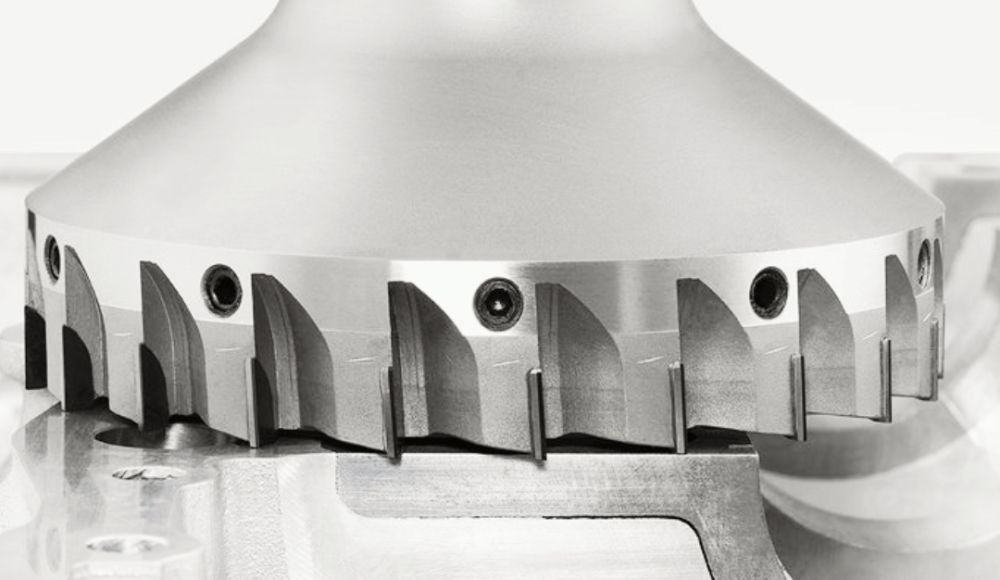
Формовъчното фрезоване използва фреза с предварително зададен профил за обработка на съвпадаща или допълваща се форма в детайла. Простите форми често могат да бъдат произведени с едно преминаване, докато по-дълбоките или по-широки елементи може да изискват груби и довършителни проходи. Това ръководство обхваща процеса, резачки, приложения, предимства, и граници на фрезоване на формата.
Какво е фрезоване на форми?
Фрезоването на формата е процес на фрезоване, който използва фреза с предварително дефиниран профил за създаване на съответстваща или допълваща се форма в детайла.
Режещите ръбове се шлифоват до геометрия, която генерира необходимия профил на детайла. В зависимост от дизайна на ножа и геометрията на рязане, профилът на ножа може да бъде точно представяне на характеристиката или компенсирана геометрия, предназначена да произведе определената завършена форма.
Как работи фрезоването на формата?
Фрезоването на формата прехвърля профил на фреза чрез контролиране на дълбочината, фураж, и подравняване.
- Изберете стандартен или персонализиран нож с правилния профил.
- Задайте скорост на шпиндела и подаване за материала на детайла.
- Подравнете фрезата, за да контролирате аксиалното и радиалното биене.
- Изрежете формата на едно минаване, или грубо след това завършете.
- Огледайте с профилен проектор, компаратор, или CMM.
Какво представляват фрезите за форма?
Фрезоването на форми използва профилни фрези, които копират форма. Някои ножове произвеждат специфична функция чрез програмирано движение.
Изпъкнали фрези
Изпъкналите фрези обработват външен радиус. Те заобикалят шефове, ръбове, и раменете.
Вдлъбнати фрези
Вдлъбнатите фрези обработват вътрешно филе или полукръгъл канал. Подходящи са за канали и жлебове на О-пръстени.
Фрези за заобляне на ъгли
Фрезите за заобляне на ъгли обработват заоблен ъгъл на ръба. Те заместват ръчното изпиляване или премахване на ръбове.
Фрези за зъбни колела и шлици
Фрезите за зъбни колела и шлици могат да обработват специфични профили на зъбите или шлиците, но геометрията на ножа трябва да съответства на изискваната спецификация на зъбно колело или шлиц. Формата на зъбите зависи от модула, ъгъл на натиск, и броя на зъбите.
Фреза за персонализирани форми
Фрезите за персонализирани форми се шлифоват според вашия конкретен профил. Те отговарят на повтарящи се или труднодостъпни елементи, които стандартните ножове не могат да произведат.
Смилане на резби, Т-образен слот, ключодържател, Dovetail, и фрезите за скосяване са инструменти, специфични за профила, но те обикновено се третират като отделни операции. Смилане на резби, например, генерира нишката чрез програмирано спирално движение, вместо просто да копира форма. Вижте фрезоване на резба срещу нарязване на резба за това отличие.
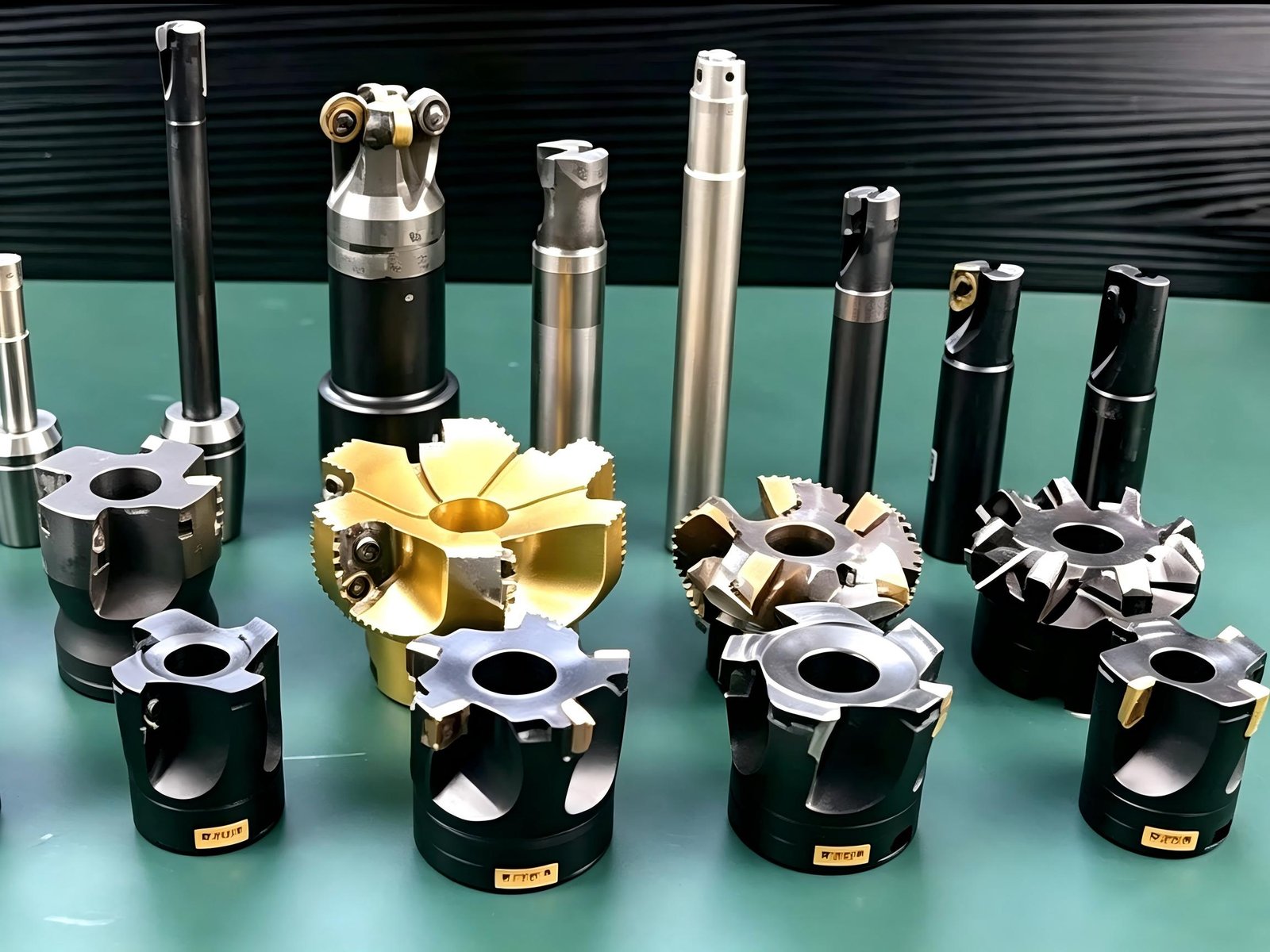
Как да изберем фреза за фреза
Изберете фреза за форма въз основа на геометрията на профила, материал на детайла, толерантност, повърхностно покритие, Машинна твърдост, и обем на производството.
- Съпоставете профила на ножа с необходимата характеристика.
- Проверете дали съществува стандартен нож, преди да поръчате такъв по поръчка.
- Изберете HSS или карбид въз основа на материала и обема на детайла.
- Съобразете покритието с материала и условията на рязане.
- Уверете се, че ножът може да издържи необходимото повърхностно покритие.
- Уверете се, че машината има достатъчна твърдост за диаметъра на ножа и дълбочината на рязане.
- Уверете се, че диаметърът на ножа и дълбочината на рязане отговарят на работния захват.
За подробности за инструментите, виж CNC фрезови инструменти.
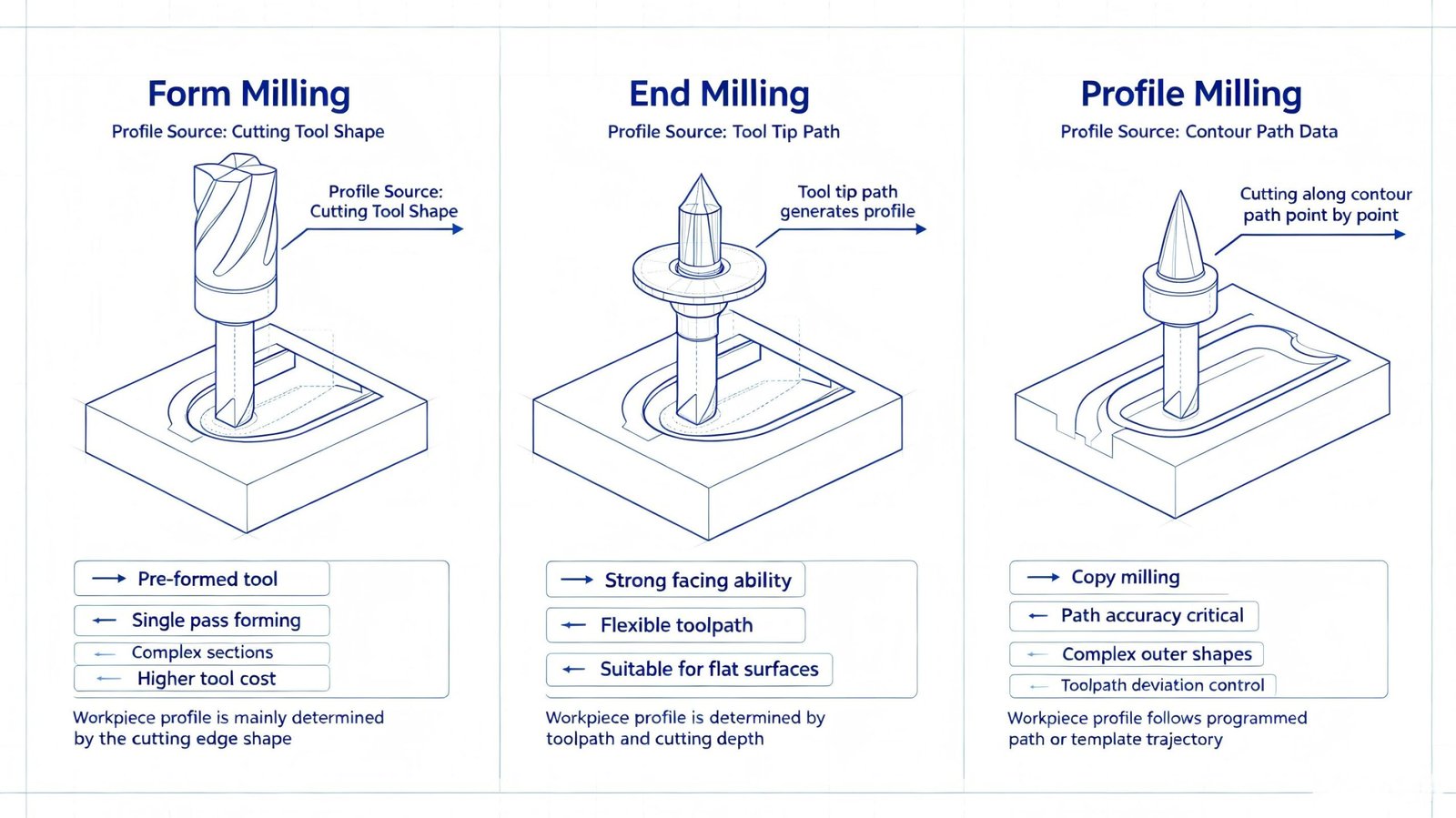
Фрезоване на форми срещу крайно фрезоване срещу фрезоване на профили
Фрезоването на форми използва специален профилен нож. Крайно фрезоване и фрезоване на профили изграждат форми с програмирани траектории на инструмента.
| Фактор | Фрезоване на форми | Крайно фрезоване | Фрезоване на профили |
| Източник на профила | Геометрия на фрезата | Траектория на инструмента и фреза | Траектория на инструмента и фреза |
| Зависимост от пътя на инструмента | Разчита в голяма степен на геометрията на ножа | Разчита на програмиран път на инструмента | Разчита на програмиран контур |
| Типична употреба | Повтарящи се специални профили | Общо отстраняване на материал и характеристики | 2D и 3D контури |
| Гъвкавост | ниско | високо | високо |
| Инструментална екипировка | Специална профилна фреза | Стандартен фреза | Обикновено стандартен нож |
| Програмиране | Сравнително просто | Умерен | По-ангажирани |
| Най -доброто за | Повтарящи се профили | Машинна обработка с общо предназначение | Променящи се или сложни контури |
Фрезоването на формата печели, когато един и същ профил се повтаря в частите. Профилното фрезоване печели, когато контурът се променя често. Вижте крайно фрезоване и профилно фрезоване за алтернативите.
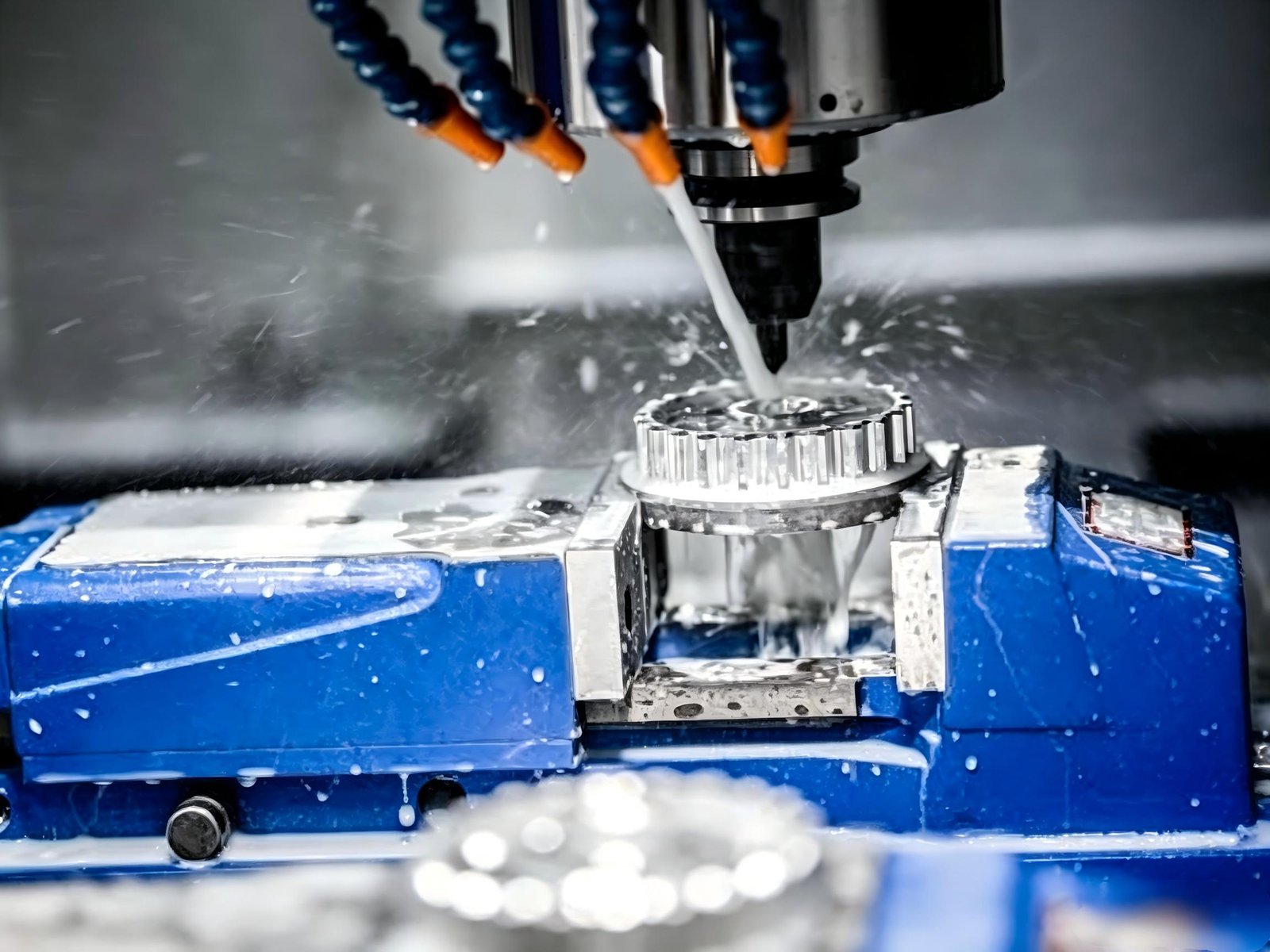
Какви са предимствата на фрезоването на форми?
Формовъчното фрезоване реже сложни профили бързо и многократно.
- Форморезът може да произведе профил с по-малко проходи от конвенционалната челна фреза.
- Дава последователен профил от част до част.
- Може да осигури постоянен завършек на повърхността, когато ножът и условията на рязане са правилно избрани.
- Нуждае се от по-малко програмиране, отколкото 3D повърхност.
- Той достига профили като лястовича опашка и шпонкови канали, които стандартните фрези не могат.
Какви са ограниченията на фрезоването на формата?
Фрезоването на формата не винаги е правилният избор.
- Резачките по поръчка струват повече и изискват време за изпълнение.
- Специалният фреза е оптимизиран за конкретен профил и има ограничена гъвкавост при промяна на геометрията.
- Износването на инструмента променя профила, и презаточването измества размерите.
- Лошо е за еднократни или постоянно променящи се профили.
- Големите форми може да се нуждаят от груба обработка и довършителни работи.
Кога трябва да използвате фрезоване на форми?
Използвайте формовъчно фрезоване, когато повтаряте един и същ профил в части или се нуждаете от форма, която стандартните фрези не могат да достигнат.
- Повтарящи се жлебове, радиуси, Каца, шпонкови канали, лястовича опашка, предавки, или сплайни.
- Характеристики, които се нуждаят от висока повторяемост.
- Профили като подрязвания, които стандартните челни фрези не могат да произведат.
Това е особено привлекателно, когато производственият обем е достатъчно голям, за да оправдае специалното оборудване.
Какви материали могат да бъдат фрезовани?
Формофрезови работи върху метали и пластмаси, но животът на ножа зависи от твърдостта на материала.
- Алуминият и месингът се режат лесно.
- Карбидът и подходящите покрития често се предпочитат за производствена обработка на стомана и легирана стомана.
- Неръждаемата стомана и титанът могат да увеличат силите на рязане и износването на инструмента, така режещ материал, геометрия, и параметрите на рязане изискват внимателен подбор.
- Пластмасите се обработват лесно, но се нуждаят от грижи с топлина и грапавини.
Изберете материала рано. Вижте Материали за CNC обработка.
CNC фрезоване на форми: 3-ос, 4-ос, И 5-ос
Фрезоването на CNC форми работи по 3 оси, 4-ос, и 5-осни машини.
- 3-ос машини прости профили и жлебове.
- 4-осовата обработка може да индексира детайла около ротационна ос, което го прави полезен за елементи, разпределени около валове и цилиндрични компоненти.
- 5-ос достига ъглови и сложни профили с по-малко настройки.
Нашите Услуги за обработка на ЦПУ капак 3-ос, 4-ос, и 5-ос CNC фрезоване.
Често срещани проблеми и решения при фрезоване на форми
Повечето проблеми с фрезоването на формата идват от износването на инструмента, бърборене, или грешни условия на рязане.
| Проблем | Вероятна причина | Поправете |
| Изместване на профила или грешен размер | Износване на инструмента или грешен нож | Проверете, заточвам отново, или замени и компенсирай |
| Бърморене или лош завършек | Слаба настройка или грешни скорости | Използвайте твърдо работно захващане и регулирайте скоростта и подаването |
| Бърс | Неправилно подаване или тъп ръб | Регулирайте подаването и отстраняването на грапавиците |
| Кратък живот на инструмента | Прекалено агресивно рязане или лоша охлаждаща течност | Намалете дълбочината и добавете охлаждаща течност |
| Undercut или overcut | Изтичане или разминаване | Проверете биенето и подравнете отново фрезата |
| Профилна вариация между частите | Износване на ножа, изтичане, или непоследователна настройка | Наблюдавайте живота на инструмента и проверете изтичането и настройката |
Съвети за фрезоване на форми DFM
Проектирайте функцията за ножа, не резачката за функцията.
- Посочете точен профил и толеранс.
- Използвайте стандартни размери на ножа, когато дизайнът го позволява.
- Избягвайте ненужно строги толеранси върху некритичните характеристики на профила.
- Поддържайте плитка дълбочина на формата, където е възможно.
- Оставете свободно място за влизане и излизане на ножа.
- Съобразете материала с живота на ножа. Твърдите материали износват профилите по-бързо.
Какво влияе на разходите за фрезоване на формата?
Цената на фрезоване на формата зависи от фрезата, материал, дълбочина на характеристиките, и обем.
- Стандартните ножове струват по-малко. Персонализираните ножове добавят предварителни разходи.
- Персонализираните инструменти се изплащат при голям обем или за повтарящи се профили.
- Фрезата по поръчка също се отплаща, когато елиминира по-бавната многоходова операция.
- За прототипи с малък обем, стандартното крайно фрезоване може да бъде по-икономично, защото избягва разходите за специални инструменти.
- По-твърдите материали увеличават износването на инструмента и времето за цикъл.
За пълна картина, виж CNC фрезови разходи.
Приложения за фрезоване на форми
Фрезоването на формата отговаря на зъбни колела, шлици, бразди, Каца, радиуси, лястовича опашка, и шпонкови канали.
| Приложение | Функция на формуляра |
| Предавки | Профил на зъбите на предавката |
| Шлицови валове | Сплайн профил |
| Шпонкови канали | Профил на ключалката |
| жлебове за О-пръстен | Полукръгъл жлеб |
| Плъзгачи тип лястовича опашка | Подрязване тип лястовича опашка |
| Т-образни маси | Т-образен слот |
| Довършителни ръбове | Скосяване или радиус на ъгъла |
често задавани въпроси
За какво се използва формоване?
Предавки, шлици, бразди, Каца, радиуси, лястовича опашка, и шпонкови канали.
Какво е резачка за форми?
Фреза, шлифована до профил, който генерира съответстваща или допълваща се форма в детайла.
Каква е разликата между формоване и профилно фрезоване?
Фрезоването на формата използва профила на фрезата. Профилното фрезоване изгражда контур със страната на стандартна челна фреза и програмиран път.
Може да формира фрезови зъбни колела и шлици?
да. Фрезите за зъби и шлици обработват тези профили директно, но геометрията на ножа трябва да съответства на спецификацията на зъбното колело или шлица.
Може ли фрезоването на формата да се използва за прототипи?
да, но стандартната челна фреза може да бъде по-икономична за еднократни прототипи. Фрезоването на формата се изплаща, когато профилът се повтаря.
Могат ли да се изработят фрези по поръчка?
да. Фрезите по поръчка могат да бъдат шлифовани до нестандартни профили, когато стандартният нож не отговаря на изискванията за чертеж. Те са полезни за повтарящи се производствени характеристики, при които разходите за инструментална екипировка могат да бъдат амортизирани за различните части.
Фрезоването на формата е скъпо?
Зависи. Стандартните ножове са евтини. Персонализираните ножове увеличават разходите, но обемът разпределя тази цена между части.
Как да намалите износването на фрезата?
Използвайте покрития, правилни скорости и емисии, охлаждаща течност, и твърда настройка.
Получете оферта за фрезоване на CNC форми
Обработваме профили по 3 оси, 4-ос, и 5-осно CNC фрезоване оборудване по ISO 9001:2015 система за качество.
Изпратете ни вашата рисунка, 3D модел, материал, количество, размери на профила, и изисквания за толерантност. Нашите инженери могат да прегледат геометрията, определи дали стандартните или персонализирани инструменти са по-икономични, и препоръчайте подход за обработка преди оферта.


1 мисъл за "Фрезоване на форми: Процес, Фрези, Приложения, И предимства”