



За продуктови дизайнери, инженери, OEM екипи за закупуване, и производители, обаче, ключовият въпрос не е просто „Какво е леене под налягане?” Това е:
„Дали леенето под налягане е правилният производствен процес от моя страна?”
Отговорът зависи от фактори като геометрията на частта, материал, обем на производството, изисквания към размерите, Инвестиция в инструменти, повърхностно покритие, и целеви единични разходи.
Това ръководство обяснява основните предимства на леенето под налягане, сравнява леенето под налягане с други производствени методи, и обяснява кога има смисъл да работите с персонализиран производител на леене под налягане.
Какво е леене под налягане?
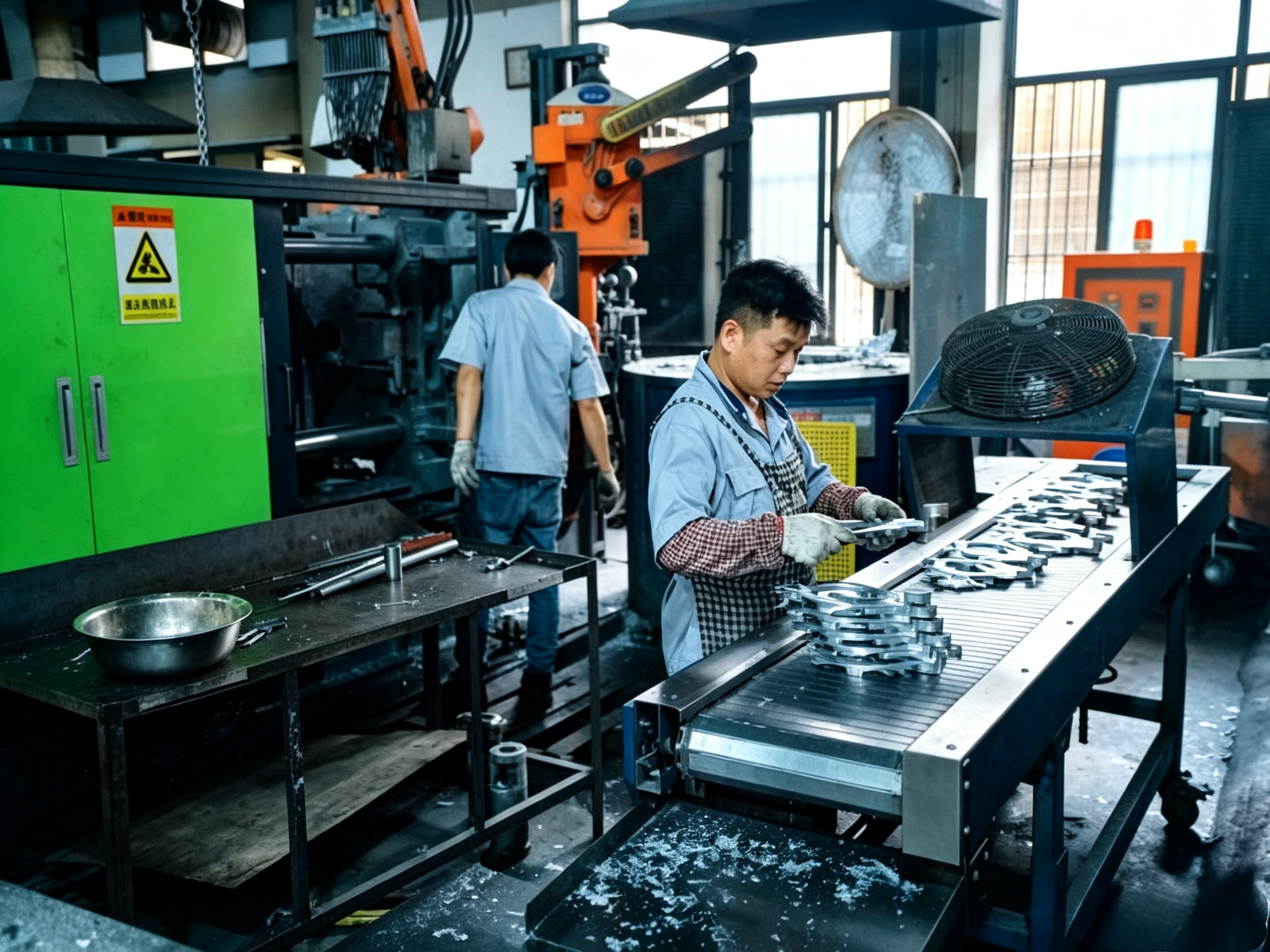
Кастинг е процес на производство на метал, при който разтопен цветен метал се инжектира в стоманена форма за многократна употреба, обикновено се нарича a Умира, под натиск. След като металът се втвърди, матрицата се отваря и готовият компонент се изхвърля.
Основният процес обикновено включва:
- Приготвяне и топене на избраната сплав.
- Инжектиране на разтопен метал в кухината на матрицата.
- Запълване на кухината под контролирано налягане.
- Оставяне на метала да се втвърди.
- Отваряне на матрицата и изваждане на детайла.
- Премахване на бегачи, порти, светкавица, и други излишни материали.
- Извършване на вторична обработка, довършителни работи, или проверка, когато е необходимо.
Леенето под високо налягане е особено ефективно за производство на сложни компоненти при големи производствени обеми. Обичайните отлети сплави включват алуминий, цинк, и магнезий, всеки предлага различни комбинации от тегло, сила, термична производителност, стабилност на размерите, и леярство.
Процесът е фундаментално различен от обработката с ЦПУ. CNC обработката премахва материал от плътен блок, докато леенето под налягане формира компонента чрез запълване на кухина на матрицата. В резултат на това, леенето под налягане може да стане значително по-икономично, когато производствените количества са големи и геометрията на компонентите е подходяща.
10 Основни предимства на леенето под налягане
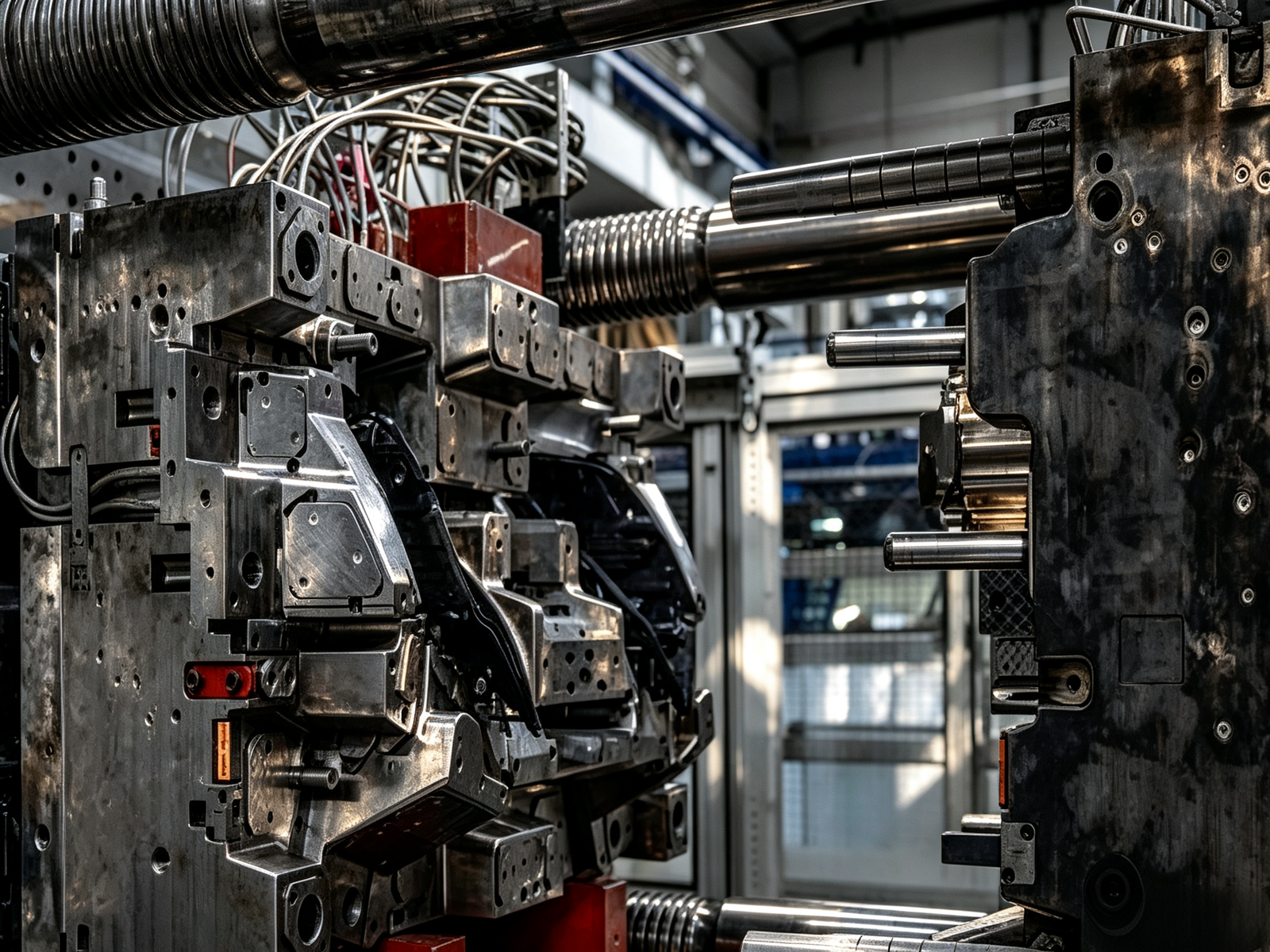
1. Отливането под налягане може да произвежда сложни и детайлни части
Едно от най-важните предимства на леенето под налягане е способността му да произвежда сложни геометрии в повтарящ се производствен процес.
Инжектирането под високо налягане позволява на разтопения метал да тече бързо в подробни кухини на формата. Това прави възможно създаването на функции като:
- Тънки стени
- Ребра
- Шефове
- Вдлъбнатини
- Слотове
- Криви повърхности
- Вътрешни кухини
- Характеристики на монтаж
- Комплексни външни профили
За продуктови дизайнери, това може да създаде възможности за консолидиране на няколко компонента в една лята част.
например, алуминиев лят корпус на мотор може да включва точки за монтаж, Ребра, отвори, и структурни характеристики в един компонент, вместо да се изискват няколко отделно обработени и сглобени части.
Тази гъвкавост на дизайна е особено ценна в индустрии като:
- Автомобилна
- Електрически превозни средства
- Индустриално оборудване
- Потребителска електроника
- Електрическо оборудване
- Телекомуникации
- LED осветление
- Медицинско оборудване
- Силова електроника
Следователно леенето под налягане може да помогне на инженерите да преминат отвъд простите геометрични дизайни, като същевременно поддържат практичен път към производство в голям обем.
Защо сложната геометрия има значение за вашия проект
Част, която изглежда трудна за машинна обработка, може да бъде сравнително ефективна за производство чрез леене под налягане, след като бъде разработен правилният дизайн на формата.
въпреки това, не всяка сложна геометрия автоматично е подходяща за леене под налягане. Ъгли на чернова, дебелина на стената, линии за разделяне, ядра, Ребра, порти, места за ежектори, и потенциалната порьозност трябва да се вземат предвид по време на DFM (Дизайн за производство).
Ето защо опитен производител на леене под налягане трябва да прегледа 3D модела, преди да започне инструменталната обработка.
2. Формоването от една част може да намали сложността на сглобяването
Друго основно предимство е възможността за интегриране на множество функции или компоненти в една отлята под налягане част.
Вместо да произвеждате няколко малки компонента отделно и след това да ги свързвате:
- Заваряване
- Винтове
- Нитове
- Прес монтаж
- Лепила
- Ръчно сглобяване
дизайнерите може да успеят да консолидират някои от тези функции в един съставен компонент.
Това може да осигури няколко предимства.
По-малко компоненти
Намаляването на броя на отделните компоненти опростява сметката за материали и управлението на инвентара.
По-малко монтажен труд
Ако няколко части могат да бъдат заменени с една интегрирана отливка, времето за монтаж и изискванията за труд могат да намалеят.
По-малко точки на свързване
Елиминиране на заварки, стави, или крепежни елементи могат да подобрят структурната последователност и да намалят потенциалните точки на повреда.
По-добър контрол на размерите
Когато множество компоненти са сглобени заедно, вариация в размерите може да се натрупа в комплекта. Един консолидиран отлят под налягане компонент може да елиминира част от това натрупване на толеранси.
За OEM и производители на продукти, следователно консолидирането на компоненти може да повлияе не само на производствените разходи, но също така:
проектиране → доставка → монтаж → контрол на качеството → логистика.
Това е една от причините леенето под налягане да се оценява на ниво продукт-система, а не само чрез сравняване на цената на една отделна част.
3. Излятите под налягане части предлагат добро механично представяне
Излятите под налягане компоненти могат да осигурят полезна комбинация от здравина, скованост, стабилност на размерите, и устойчивост на износване, в зависимост от избраната сплав и приложението.
По време на кастинг, разтопеният метал се инжектира и бързо се втвърдява във формата. Полученият компонент може да има относително плътна структура и постоянна геометрия.
Крайната механична ефективност зависи от няколко фактора, включително:
- Избор на сплав
- Геометрия на детайла
- Дебелина на стената
- Параметри на инжектиране
- Условия на охлаждане
- Дизайн на мухъл
- Контрол на порьозността
- Топлинна обработка, където е приложимо
- Вторична обработка
например, Алуминиевото леене под налягане се използва широко при ниско тегло, сила, устойчивост на корозия, и топлинните характеристики са важни.
Леенето под налягане на цинк е особено привлекателно за по-малки прецизни компоненти, тъй като цинковите сплави предлагат отлична леярска способност, стабилност на размерите, сила, и довършителни характеристики. Цинковите сплави могат също така да поддържат дизайни с тънки стени и намалени операции по обработка или сглобяване.
Следователно, изборът на материал не трябва да се третира като закъснение. Най-добрата сплав зависи от това какво всъщност трябва да направи готовата част.
4. Леенето под налягане е изключително подходящо за производство в големи количества
Леенето под налягане става особено привлекателно, когато производствените обеми нарастват.
Първоначалната инвестиция в инструменти за матрици може да бъде значителна, но правилно проектирана матрица може да се използва многократно за големи производствени серии. Тъй като разходите за инструменти се разпределят между повече части, ефективните разходи за инструментална екипировка за компонент намаляват.
Това създава важен икономически принцип:
По-големият производствен обем обикновено прави икономиката на леенето под налягане по-привлекателна.
например, да предположим, че клиент изисква:
- 500 прототипни части
- 10,000 производствени части
- 100,000 производствени части
- 1,000,000 производствени части
Подходящата производствена стратегия може да бъде напълно различна за всяко количество.
За прототип с малък обем, CNC обработката може да избегне необходимостта от производствени инструменти.
За десетки или стотици хиляди компоненти, обаче, комбинацията от инструменти за многократна употреба, Бързи времена на цикъл, автоматизация, и ниската вторична обработка може да направи леенето под налягане значително по-конкурентоспособно.
Ето защо леенето под налягане се използва широко за OEM и приложения за масово производство.
Какъв производствен обем е подходящ за леене под налягане?
Няма универсално минимално количество за поръчка, което да се прилага за всеки проект.
Правилното решение зависи от:
- Размер на частта
- Сложност на инструмента
- Материал
- Изисквания към машината
- Годишно търсене
- Целева единична цена
- Очакван живот на продукта
- Разходи за алтернативни производствени процеси
Следователно професионален доставчик трябва да направи оценка обща цена над очаквания производствен обем, вместо да гледате само на първоначалните разходи за инструменти.
5. Отливането под налягане осигурява отлично покритие на повърхността
Качеството на повърхността на излят под налягане компонент е друго важно предимство.
Тъй като металът е оформен срещу прецизно обработена стоманена матрица, повърхността на формата може да възпроизвежда детайлни характеристики последователно през производствените цикли.
Един добър дизайн на матрицата и правилно контролиран процес могат да произвеждат компоненти с:
- Гладки повърхности
- Фини детайли
- Постоянен външен вид
- Намалени изисквания за обработка
- Добри основи за вторично довършване
В зависимост от приложението, излятите под налягане компоненти могат впоследствие да претърпят процеси като напр:
- Прахово покритие
- Рисуване
- Покритие
- Анодиране
- Полиране
- Конверсионно покритие
- Други декоративни или функционални покрития
Това е особено важно за видимите корпуси, потребителски продукти, електрически заграждения, дръжки, автомобилни компоненти, и електронно оборудване.
въпреки това, крайният вид се влияе от избора на сплав, състояние на мухъл, освобождаващи агенти, параметри на процеса, Дизайн на част, и след обработката. Следователно изискванията за покритие на повърхността трябва да бъдат съобщени преди началото на инструменталната обработка.
6. Отливането под налягане поддържа няколко важни метални сплави
Леенето под налягане обикновено се свързва с три основни семейства сплави:
Алуминиево леене под налягане
Алуминиевите сплави са широко избрани за приложения, изискващи:
- Ниско тегло
- Добро съотношение сила-тегло
- Устойчивост на корозия
- Топлопроводимост
- Електрическа проводимост
- Стабилност на размерите
Алуминиевото леене под налягане е често срещано в автомобилните компоненти, корпуси на мотори, радиатори, електрически заграждения, индустриално оборудване, и електронни продукти.
Леене под налягане на цинк
Цинкът е особено подходящ за по-малки и много детайлни компоненти.
Типичните предимства включват:
- Отлична течливост
- Добра точност на размерите
- Висока якост
- Добро въздействие
- Отлична способност за обработка на повърхността
- Намалени изисквания за обработка
- Дълъг живот на инструмента
Леенето под налягане на цинк често се използва за хардуер, автомобилни компоненти, потребителски продукти, електрически компоненти, и декоративни части.
Магнезиево леене под налягане
Магнезият осигурява отлично съотношение сила-тегло и е привлекателен, когато намаляването на теглото е основна цел на дизайна.
Може да се има предвид за приложения, при които леките структурни компоненти са важни.
Как трябва да изберете правилната сплав?
Не избирайте сплав само въз основа на цената на материала.
Вместо това, оценка:
Механични изисквания + тегло + топлинни изисквания + устойчивост на корозия + изисквания към размерите + повърхностно покритие + обем на производството + обща производствена цена.
Квалифициран доставчик на леене под налягане може да ви помогне да сравните подходящи сплави по време на етапа на DFM и оферта.
7. Леенето под налягане може да съкрати производствените цикли
Леенето под налягане е в състояние да формира много елементи в една производствена операция.
След като формата е проектирана, произведени, тестван, и одобрен, автоматизираното производство може да повтори един и същ цикъл на процес ефективно.
В сравнение с процесите, изискващи обширна машинна обработка, леенето под налягане може да намали необходимото количество отнемане на материал и вторична обработка.
Типичният производствен процес може да изглежда така:
Дизайн на матрици → Производство на инструменти → Пробно леене → DFM/оптимизиране на процеса → Производство → Подстригване → Вторична обработка → Повърхностна обработка → Инспекция → Опаковка
Точният работен процес зависи от компонента.
За някои части, все още може да е необходима допълнителна CNC обработка за прецизни отвори, нишки, уплътнителни повърхности, или критични базови характеристики.
Важното е, че леенето под налягане може да намали количеството материал, който трябва да бъде отстранен по-късно, потенциално съкращаване на общия производствен цикъл.
8. Автоматизираното леене под налягане осигурява постоянно качество на частите
За OEM купувачи, повторяемостта често е също толкова важна, колкото и единичната цена.
Един проект за леене под налягане не е успешен, ако доставчикът може да произведе една добра проба, но не може да поддържа същото качество 100,000 производствени части.
Последователността на производството зависи от контролиращи променливи, като напр:
- Температура на метала
- Скорост на инжектиране
- Налягане на впръскване
- Време за пълнене
- Условия на охлаждане
- Температура на матрицата
- Време на цикъл
- Изтласкване
- Подстригване
- Вторична механична обработка
Модерното автоматизирано оборудване може да помогне за намаляване на зависещите от оператора вариации и поддържане на стабилни производствени параметри.
Ето защо една добре управлявана производствена система за леене под налягане може да осигури последователност:
- Размери
- Тегло
- Външен вид на повърхността
- Механични характеристики
- Сглобяване
- Производствена продукция
За критични компоненти, проверката трябва да бъде подкрепена от подходящо измервателно оборудване и процедури за контрол на качеството.
В зависимост от приложението, това може да включва:
- Проверка на размерите
- CMM измерване
- Визуална проверка
- Материална проверка
- Проверка на порьозността
- Тест за течове
- Функционално тестване
- Проверка на повърхността
За дългосрочна доставка на OEM, последователността от партида до партида често е по-важна от постигането на ниска цена при първата поръчка.
9. Отливането под налягане може да намали общите производствени разходи
Леенето под налягане не е непременно най-евтиният процес в началото на един проект.
Инструменталната обработка въвежда предварителна инвестиция, която не съществува по същия начин като обработката с ЦПУ.
въпреки това, правилното сравнение трябва да бъде обща цена на притежание, не просто разходи за инструменти.
Леенето под налягане може да намали общите производствени разходи чрез няколко механизма.
Намален разход на материали
Тъй като компонентът е оформен близо до крайната си геометрия, може да се наложи да се отстрани по-малко материал в сравнение с обработката от голям масивен блок.
Намалена механична обработка
Много функции могат да бъдат произведени по време на кастинг, оставяйки само критични зони за вторична CNC обработка.
Намален монтаж
Консолидацията на части може да елиминира отделни компоненти и операции по сглобяване.
По-ниски изисквания за труд
Автоматизираното производство в голям обем може да намали ръчната обработка.
По-ниска единична цена при обем
Инвестициите в инструменти могат да бъдат разпределени в хиляди или милиони части.
Намален скрап и преработка
Стабилният контрол на процеса и повтаряемата инструментална екипировка могат да помогнат за намаляване на вариациите и загубите, свързани с качеството.
Ето защо правилният въпрос не е:
„Колко струва матрицата?”
По-добър въпрос е:
„Каква е общата цена на готова част спрямо очаквания производствен обем?”
10. Модерното леене под налягане интегрира модерни производствени технологии
Съвременното леене под налягане вече не е просто инжектиране на разтопен метал в матрица.
Инженерен софтуер и цифрови производствени технологии могат да се използват преди и по време на производството, за да се идентифицират по-рано потенциални проблеми.
CAE и симулация на потока на матрицата
Симулацията може да помогне на инженерите да оценят:
- Поведение при запълване на метал
- Въздушно улавяне
- Потенциална порьозност
- Втвърдяване
- Разпределение на температурата
- Дисбаланс на пълнене
- Потенциална деформация
Откриването на тези проблеми по време на етапа на проектиране може да намали скъпите опити и грешки по време на инструменталната обработка.
Усъвършенстван дизайн на матрицата
Сложните структури на формите могат да включват:
- Слайдове
- Вложки
- Ядра
- Охлаждащи канали
- Системи за изхвърляне
- Специализирани вентилационни системи
Тези характеристики могат да направят сложните компоненти производителни, като същевременно поддържат ефективността на производството.
CNC обработка след отливане
Леене под налягане и CNC обработка не винаги са конкуриращи се процеси.
В много проекти от реалния свят, те работят заедно.
например:
Леене под налягане → подрязване → CNC обработка → повърхностна обработка → инспекция
Отливането под налягане създава цялостната форма ефективно, докато CNC обработката осигурява прецизността, необходима за избрани критични характеристики.
Този хибриден подход може да предложи по-добър баланс между производствените разходи и точността на размерите.
Умираща кастинг срещу. Други производствени процеси
Изборът на правилния метод на производство е едно от най-важните решения по време на разработването на продукта.
Умираща кастинг срещу. CNC обработка
| Фактор | Леене под налягане | CNC обработка |
| Инструментална екипировка | Изисква специални инструменти | Не се изисква производствена форма |
| Първоначална инвестиция | По-високо | По-ниска |
| Най -доброто за | Средно/високосерийно производство | Прототипи и малки/средни обеми |
| Сложна геометрия | Отлично | добре, но зависи от геометрията |
| Използване на материала | Като цяло ефикасен | Отстранен е още материал |
| Единична цена при голям обем | ниско | Обикновено по-висока |
| Промени в дизайна | По-скъпо след инструментална обработка | По-лесен за изпълнение |
| Повърхностно покритие | Добър завършен вид | Зависи от параметрите на обработка |
| Скорост на производство | Много високо след обработка | Зависи от цикъла на обработка |
За прототипи или производство в малък обем, CNC обработката може да е по-доброто решение.
За големи количества сложни компоненти, леенето под налягане може да осигури значителни икономически предимства.
Най-доброто решение може също да бъде комбинация от двете:
CNC обработка за прототипи → леене под налягане за масово производство → CNC обработка за критични характеристики.
Умираща кастинг срещу. Леене на пясък
Пясъчното леене обикновено изисква по-ниска първоначална инвестиция в инструменти и може да бъде подходящо за по-малки производствени количества и по-големи, по-дебели компоненти.
Кастинг, За разлика от тях, изисква по-сложни инструменти, но предлага:
- Консистенция на по-високи размери
- По -добър повърхностно покритие
- По-бързо производство
- По-голяма повторяемост
- По-добра пригодност за сложни части с голям обем
Следователно, правилният процес зависи от геометрията на частта, сплав, количество, толерантност, повърхностни изисквания, и общ бюджет на проекта.
Кога трябва да изберете леене под налягане?
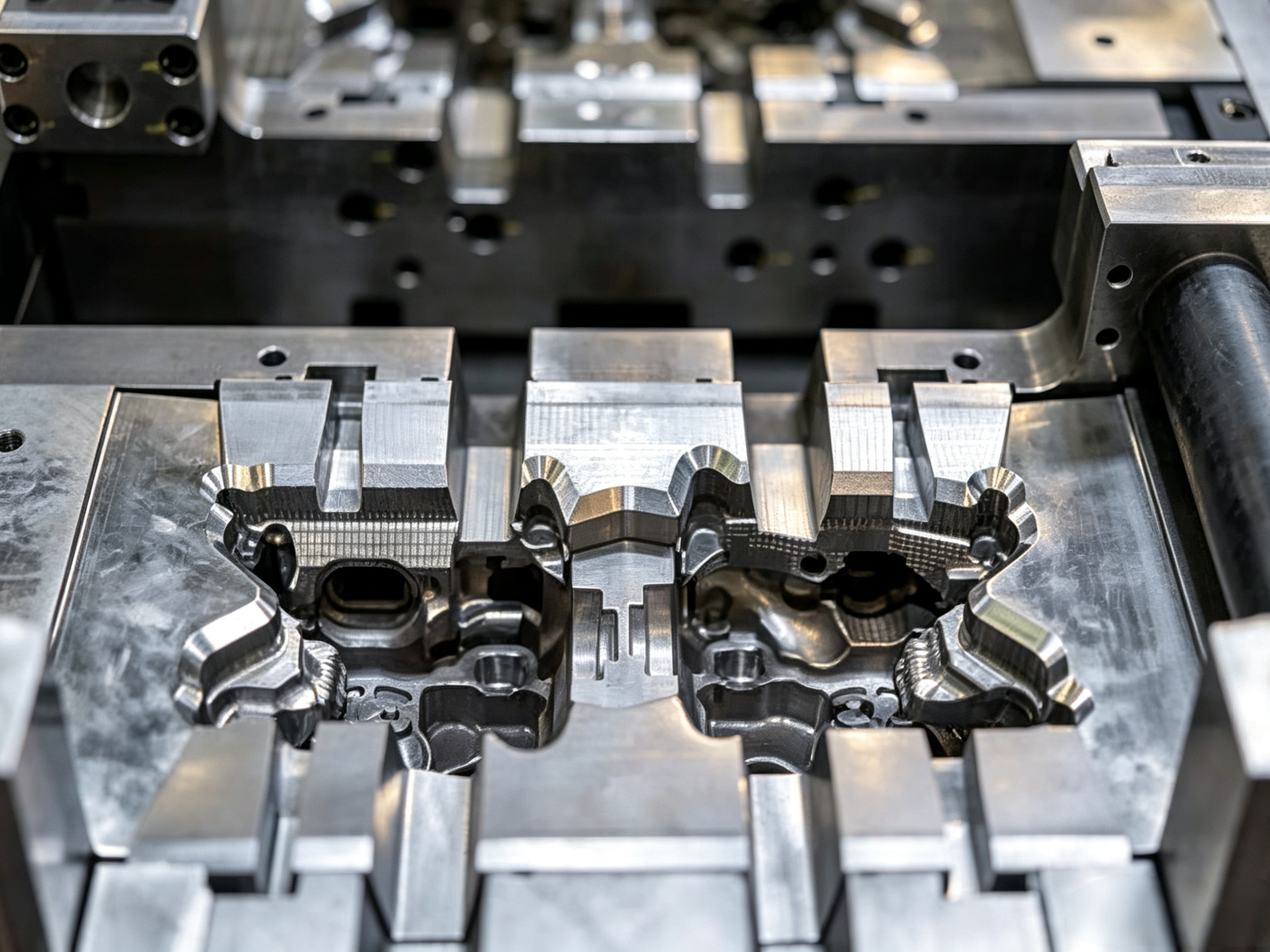
Леенето под налягане често е силен избор, когато вашият проект има няколко от следните характеристики:
- Висок годишен обем на производство
- Сложна геометрия
- Изисквания за тънкостенни
- Строги изисквания към размерите
- Постоянна повторяемост
- Изисквания за добро покритие на повърхността
- Необходимост от консолидация на компоненти
- Алуминий, цинк, или изисквания за магнезиева сплав
- Натиск за намаляване на единичните разходи
- Дългосрочни производствени планове
Може да е по-малко привлекателно, когато:
- Количеството е изключително малко.
- Дизайнът все още се променя често.
- Частта е много голяма или неподходяща за наличната техника.
- Инвестицията в инструменти не може да бъде оправдана.
- Геометрията е по-подходяща за друг производствен процес.
Следователно правилното решение трябва да се основава на цялостния проект, а не на един отделен фактор.
Колко струва леенето под налягане?
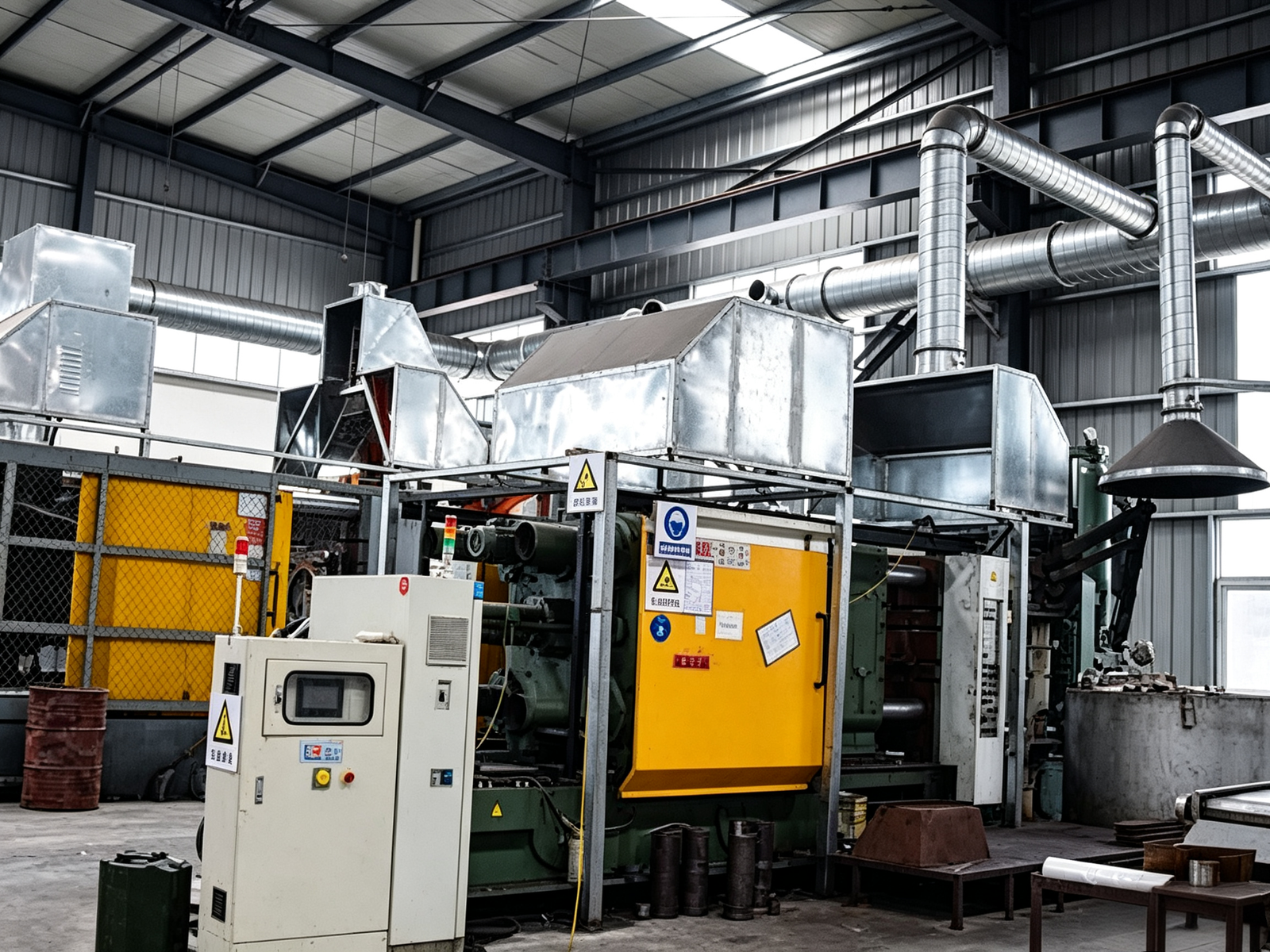
Няма универсална цена за леене под налягане, защото всеки проект има различни инструменти, материал, геометрия, обем на производството, и изисквания за довършителни работи.
Основните разходни фактори включват:
Разходи за инструменти
Сложност на мухъл, брой кухини, размер на формата, избор на стомана, слайдове, ядра, Охлаждащи канали, и очакваният живот на инструмента може да повлияе на цената на инструмента.
Материални разходи
Сплавта и теглото на детайла пряко влияят на разхода на материал.
Сложност на частта
По-сложните геометрии може да изискват по-сложни инструменти и допълнително инженерство.
Обем на производство
По-високите количества обикновено позволяват разходите за инструменти да бъдат разпределени между повече части.
Вторична обработка
Критични дупки, нишки, уплътнителни повърхности, и областите с тесен толеранс може да изискват CNC обработка след отливане.
Повърхностна обработка
Рисуване, прахово боядисване, обшивка, анодиране, и други довършителни процеси добавят разходи.
Изисквания за инспекция
Допълнителни размери, материал, функционални, или лабораторно изследване също може да повлияе на общата цена.
По тази причина, надеждният доставчик трябва да предоставя нещо повече от обикновена цена на бройка. Офертата трябва да съставлява проекта инструментална екипировка + производство + довършителни работи + логистика + изисквания за качество разбираемо.
Леенето под налягане подходящо ли е за производство на малки партиди?
Не винаги.
Тъй като леенето под налягане изисква специални инструменти, първоначалната инвестиция може да бъде трудно оправдаема за много малки количества.
За прототипи с малък обем, CNC обработката често може да бъде по-практична, тъй като производителят може да произведе частта директно от CAD модел, без първо да произвежда производствена матрица.
въпреки това, леенето под налягане в малък обем все още може да има смисъл, когато:
- Геометрията е изключително сложна.
- Характеристиките на материала или отливката са критични.
- Прототипът трябва да представлява крайния производствен процес.
- Малко след това ще е необходима производствена матрица.
- Клиентът трябва да потвърди действителния отлят под налягане материал и поведение при производство.
Най-добрият подход е да се сравняват цена на прототипа + бъдещи производствени разходи, вместо да разглеждаме само първата партида.
Как да намалим разходите за леене под налягане
Ако целта ви е да постигнете конкурентна единична цена, помислете за оптимизиране на разходите по време на етапа на проектиране.
Оптимизирайте дебелината на стената
Избягвайте ненужно дебелите участъци, където дизайнът не ги изисква.
Минимизирайте ненужната сложност на формата
Слайдове, повдигачи, ядра, и сложните разделителни линии могат да увеличат разходите за инструменти.
Дизайн за отливане
Един добър преглед на DFM може да идентифицира потенциални проблеми, преди да започне производството на матрицата.
Намалете вторичната обработка
Където е подходящо, интегрирайте отливките директно в матрицата, вместо да обработвате всичко след това.
Изберете правилната сплав
Най-ниската цена на материала не винаги води до най-ниските общи производствени разходи.
Оптимизиране на производствения обем
Икономиката на леенето под налягане става по-благоприятна с увеличаване на производственото количество.
Помислете за частична консолидация
Ако няколко компонента могат да бъдат комбинирани в една отливка, общата цена на монтажа може да намалее.
Често задавани въпроси относно леенето под налягане
Какви са основните предимства на леенето под налягане?
Основните предимства включват сложно производство на части, висока повторяемост, Добро покритие на повърхността, висока ефективност на производството, намален монтаж, намалена механична обработка, материална ефективност, и по-ниски единични разходи при по-големи производствени обеми.
Леенето под налягане по-добро ли е от обработката с ЦПУ?
Нито един процес не е универсално по-добър.
CNC обработката често е изгодна за прототипи, производство в малък обем, и дизайни, които се променят често. Леенето под налягане обикновено е по-привлекателно за сложни компоненти, произведени в по-големи количества.
За много проекти, най-икономичната стратегия е да се използва CNC обработка за прототипи и преминаване към леене под налягане за масово производство.
Какви метали могат да бъдат отлети под налягане?
Алуминий, цинк, и магнезият са сред най-широко използваните сплави за леене под налягане. Изборът на материал трябва да се основава на механичните характеристики на компонента, топлинна, размер, тегло, корозия, и изисквания за довършителни работи.
Колко време издържа една форма за леене под налягане?
Животът на инструмента зависи от фактори, включително сплав, формовъчна стомана, Геометрия на част, условия на цикъл, поддръжка, и производствени параметри. Цинковото леене под налягане може да предложи особено дълъг живот на инструмента при подходящи условия.
Доставчикът трябва да предостави реалистичен очакван живот на инструмента въз основа на конкретното приложение, вместо да цитира общ номер.
Могат ли отлятите части да бъдат обработвани с ЦПУ?
да.
Леенето под налягане и обработката с ЦПУ могат да се допълват взаимно. Процесът на леене може ефективно да създаде основната геометрия, докато CNC обработката може да се използва за критични отвори, нишки, уплътнителни повърхности, и други прецизни функции.
Могат ли отлятите под налягане части да бъдат повърхностно обработени?
да. В зависимост от сплавта и приложението, отлятите под налягане компоненти могат да бъдат завършени чрез процеси като прахово покритие, живопис, обшивка, полиране, и други повърхностни обработки.
Каква информация трябва да изпратя за оферта за леене под налягане?
За най-бърза и точна оферта, осигурете:
- 2D рисунка
- 3D CAD модел
- Материал/сплав
- Необходимо количество
- Повърхностно покритие
- Вторични изисквания за обработка
- Критични толеранси
- Изисквания за качество
- Целево приложение, ако е уместно
След това доставчикът може да оцени изискванията за инструменти, осъществимост на производството, вторични операции, и производствени разходи.
Последни мисли: Леенето под налягане подходящо ли е за вашия проект?
въпреки това, изборът на леене под налягане не трябва да се основава единствено на производствения обем.
Правилният производствен процес зависи от пълната комбинация от:
Геометрия на детайла + материал + толерантност + обем на производството + Инвестиция в инструменти + вторична механична обработка + повърхностно покритие + целеви разходи.
За някои проекти, CNC обработката е по-добрият избор. За другите, леенето под налягане осигурява значително по-икономичен производствен път. В много случаи, комбинирането на леене под налягане с CNC обработка осигурява най-добрия баланс между производителност и прецизност.
Ако оценявате нов отлят под налягане компонент, най-ефективната следваща стъпка е дизайнът да бъде прегледан, преди да се ангажирате с инструментите.


