



Сизборът на никел за инженерен компонент не е просто въпрос на избор на материал с висок процент на никел. Правилният материал зависи от точна марка сплав, химически състав, материално състояние, форма на продукта, работна среда, Процес на производство, и изискваните критерии за проверка.
За производители и инженери, тези разграничения стават особено важни при производството на прецизни никелови компоненти чрез CNC обработка, обръщане, фрезоване, смилане, заваряване, формиране, или никелиране.
Това ръководство обяснява какво е никел, как се класифицират никеловите сплави, кои свойства имат значение в инженерството, където се използва никел, как да изберете правилната оценка, как се обработват никеловите сплави, и каква информация трябва да бъде включена в RFQ за обработка на никел.
Какво е никел?
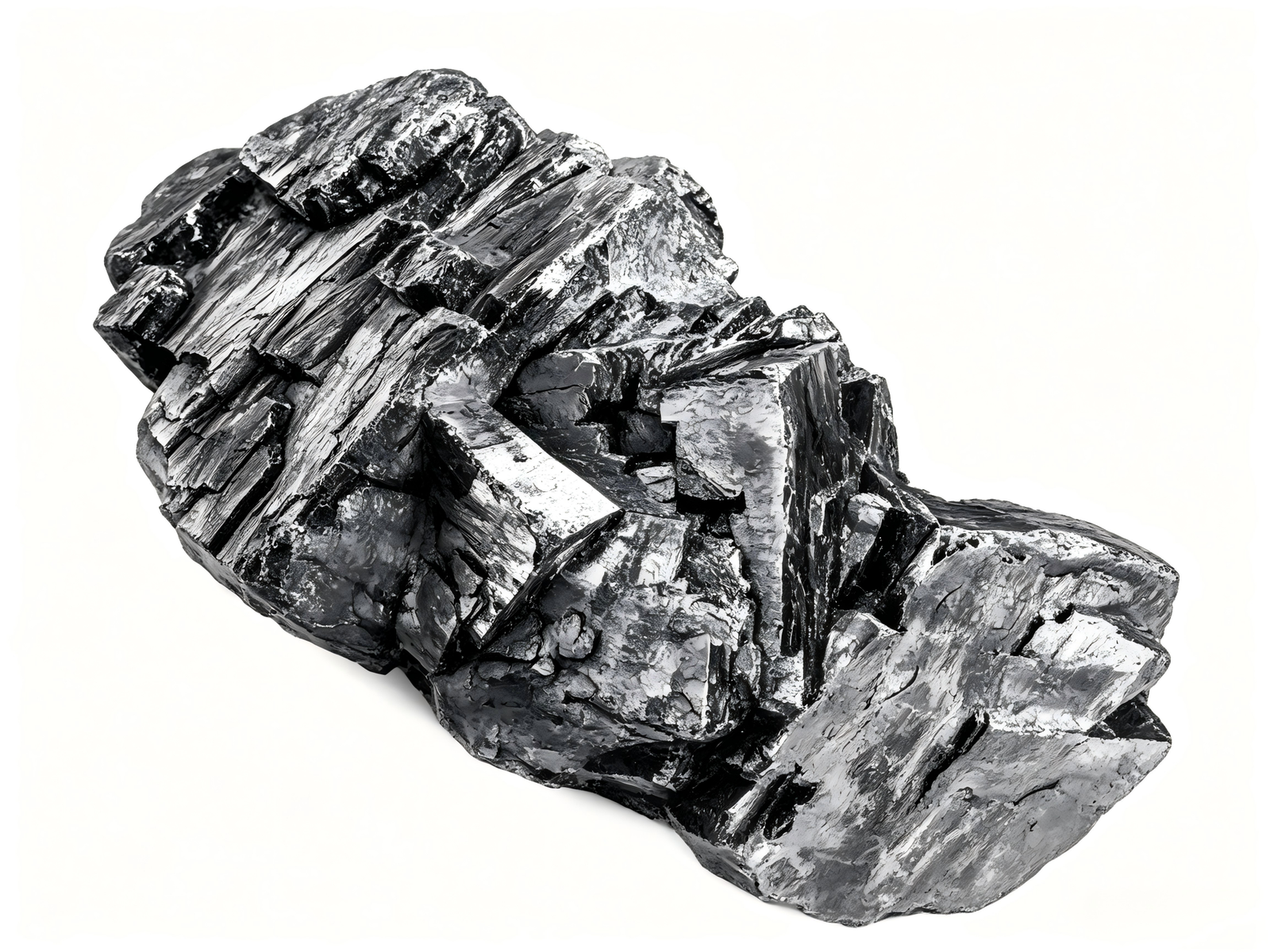
Никелът е метален елемент с атомен номер 28. Чистият никел има сребрист вид и е феромагнитен близо до стайна температура. Най-голямата му индустриална стойност, обаче, идва от начина, по който никелът модифицира свойствата на системите от сплави.
Никелът може да допринесе за устойчивостта на корозия, работа при висока температура, издръжливост, и структурна стабилност. Тези характеристики го правят ценен при химическа обработка, космическото пространство, Генериране на електроенергия, морско оборудване, електроника, енергийни системи, и други взискателни приложения.
Важното за инженерите е, че съдържанието на никел само по себе си не определя използваем инженерен материал.
Чертежът или спецификацията за закупуване трябва да идентифицират пълното обозначение на материала, приложим стандарт, форма на продукта, и състояние. Едно и също общо семейство никел може да съдържа материали със значително различна механика, топлинна, корозия, и характеристики на обработка.
например, търговски чист никел 200 и никел 201 са тясно свързани материали, но никел 201 има контролирано по-ниско съдържание на въглерод, което го прави по-подходящ за определени приложения при повишена температура.
Общи маршрути за никелови материали
Никеловите материали, използвани в производството, могат да бъдат разделени на няколко групи:
|
Материално семейство |
Типично предназначение |
Съображение за избор на ключ |
|
Търговски чист никел |
Устойчиви на корозия компоненти и химическо оборудване |
Степен, въглеродно ниво, работна температура |
|
Неръждаема стомана, съдържаща никел |
Общи конструкции, устойчиви на корозия |
Пълно неръждаемо обозначение |
|
Сплави на базата на никел |
Високотемпературен, Висока якост, или приложения със силна корозия |
Точна сплав и състояние на термична обработка |
|
Медно-никелови сплави |
Морски и топлопреносни системи |
Водохимия и работни условия |
|
Никелови покрития |
Защита на повърхността и устойчивост на износване/корозия |
Система за покритие, дебелина, субстрат |
Следователно маршрутът на материала трябва да бъде установен, преди производителят да подготви оферта.
Свойства на никела, които имат значение в инженерството
Разбирането на инженерните свойства на никела е от съществено значение, когато се решава дали е подходящ за конкретен компонент.
Плътност
Чистият никел има плътност приблизително 8.90 g/cm³. Тази относително висока плътност може да повлияе на теглото на компонента, разход на материал, инерция, и разходите за доставка.
За прецизни компоненти, обаче, трябва да се използва плътността на точната сплав, вместо автоматично да се прилага стойността за чист никел.
Точка на топене и термични характеристики
Чистият никел се топи при приблизително 1,455°C (2,651°F).
Тази стойност е полезна за разбиране на общите топлинни характеристики на никела, но не трябва да се използва като граница на работната температура на никелова сплав.
Сплавите на основата на никел са специално проектирани за различни комбинации от якост при висока температура, Окислително устойчивост, устойчивост на пълзене, и устойчивост на корозия. Техните температури на солидус и ликвидус могат да се различават значително от тези на чистия никел.
Следователно:
Не използвайте точката на топене на чист никел като максимална работна температура на компонент от никелова сплав.
Изборът на материал винаги трябва да се основава на сертифицираните данни за точната сплав и състояние.
Устойчивост на корозия
Устойчивостта на корозия е едно от най-важните инженерни предимства на никела.
Никелът и сплавите на основата на никел се използват в среди, включващи:
· Химическа обработка
· Каустични разтвори
· Морска среда
· Високотемпературни газове
· Нефтохимични процеси
· Оборудване за производство на енергия
· Системи за обработка на храни
· Производство на сол
· Определени киселинни или алкални среди
въпреки това, неправилно е да се каже, че никелът е устойчив на всяка корозивна среда.
Ефективността на корозия зависи от:
· Химичен състав
· Степен на сплав
· температура
· Концентрация
· Скорост на потока
· налягане
· Време на излагане
· Замърсители
· Състояние на заваряване
· Състояние на повърхността
никел 200 и никел 201, например, са известни с устойчивост на корозия в редица среди, особено каустично обслужване, но правилният клас все още трябва да бъде избран според действителните условия на работа.
Магнитни свойства
Чистият никел е феромагнитен близо до стайна температура.
Това може да бъде важно в:
· Сензори
· Електромагнитни възли
· Електрическо оборудване
· Научни инструменти
· Прецизни устройства
въпреки това, никел-съдържащите сплави не е задължително да имат същото магнитно поведение като чистия никел.
Студена работа, топлинна обработка, химия на сплавта, температура, и състоянието на готовия материал могат да повлияят на магнитната реакция.
Ако немагнитните характеристики са изискване за дизайн, точната сплав и крайното състояние трябва да бъдат посочени и проверени.
Термична и механична производителност
Сплавите на основата на никел са особено ценни, тъй като много от тях запазват полезна якост при температури, при които конвенционалните инженерни метали губят значителни механични характеристики.
Това ги прави привлекателни за:
· Турбинни компоненти
· Изпускателни системи
· Високотемпературни вентили
· Горивни компоненти
· Оборудване за химическа обработка
· Нефтено и газово оборудване
· Аерокосмически хардуер
Специфичните механични свойства зависят от марката на сплавта, топлинна обработка, форма на продукта, и тестово състояние.
По тази причина, инженерните чертежи не трябва просто да посочват „никелова сплав“. Те трябва да идентифицират точната спецификация.
Форми на никелови материали и семейства сплави
Никелът се предлага в няколко групи материали и продуктови форми, включително:
· Лист
· Плоча
· Бар
· прът
· тръба
· тръба
· Тел
· Изковки
· Прах
· Обработени заготовки
Производственият процес може да се променя в зависимост от формата на доставения материал.
Търговски чист никел
никел 200 и никел 201 са два важни търговски класа чист никел.
никел 200 осигурява добри механични свойства и устойчивост на корозия в широк диапазон от температури.
никел 201 има по-ниска въглеродна граница от никела 200. Тази разлика става особено важна при повишени температури, тъй като прекомерният въглерод може да допринесе за механизми на крехкост при определени условия на експлоатация.
Типичните приложения включват:
· Химическа обработка
· Боравене с каустик
· Оборудване за обработка на храни
· Морско оборудване
· електроника
· Оборудване за галванопластика
· Оборудване за обработка с висока чистота
Никел в неръждаема стомана
Никелът също е важен легиращ елемент в много аустенитни неръждаеми стомани.
Неговата роля може да включва стабилизиране на аустенитната структура и допринасяне за устойчивост на корозия и издръжливост.
въпреки това, съдържанието на никел само по себе си не гарантира устойчивост на корозия.
например, изборът на неръждаема стомана за среда, съдържаща хлорид, трябва да вземе предвид пълната химия на сплавта и действителния механизъм на експозиция.
Сплави на базата на никел
Сплавите на основата на никел използват никел като основна матрица и добавят елементи като:
· хром
· Молибден
· Желязо
· Кобалт
· Титан
· Алуминий
· Волфрам
· Ниобий
Различни комбинации са проектирани за различни инженерни изисквания.
Обичайните семейства сплави на основата на никел включват:
· Инконел
· Хастелой
· Монел
· Incoloy
· никел 200/201
Тези материали често се избират за устойчивост при висока температура, устойчивост на корозия, Окислително устойчивост, или комбинация от тези свойства.
Медно-никелови сплави
Медно-никеловите сплави обикновено се свързват с морски приложения и приложения за пренос на топлина.
Могат да се използват в:
· Системи за морска вода
· Топлообменници
· Кондензатори
· Морски тръби
· Оборудване за обезсоляване
Действителната химия на водата, скорост, температура, и условията за пускане в експлоатация трябва да се имат предвид при избора на сплавта.
Никелови покрития
Никелът може също да се нанася като покритие, вместо да се използва като насипен материал.
Никелирането може да осигури:
· Защита на корозия
· Устойчивост на износване
· Твърдост на повърхността
· Подобрени повърхностни характеристики
· Възстановяване на размери в избрани приложения
Покритието не превръща субстрата в насипен никел.
Следователно чертежът трябва да уточнява както изискванията за субстрата, така и за покритието.
Индустриални приложения на никел
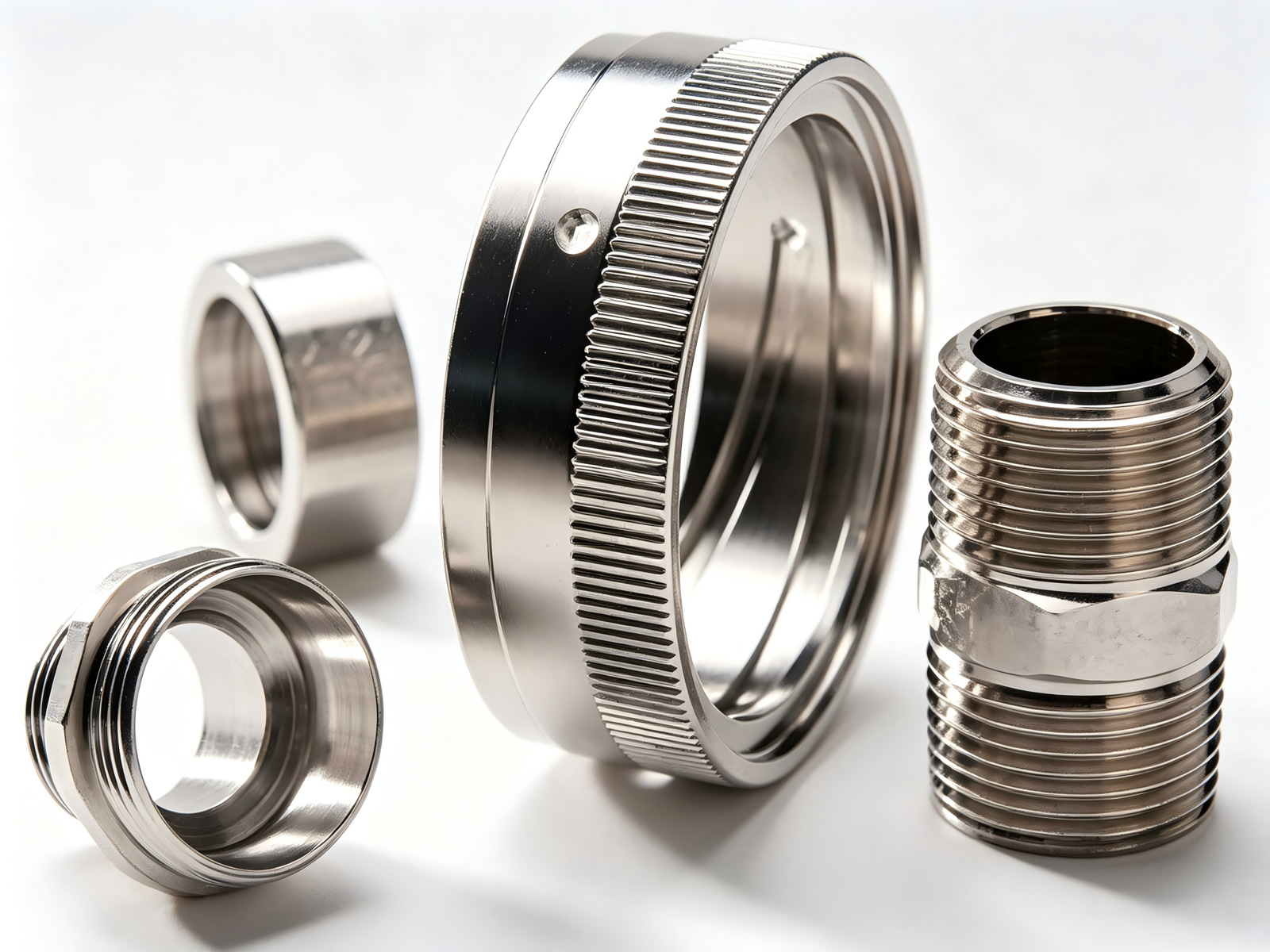
Никелът се използва в много индустрии, защото може да реши няколко различни инженерни проблема.
Химическа обработка
Никелът и сплавите на базата на никел се разглеждат широко, когато оборудването трябва да издържа на агресивни химикали, повишени температури, или каустични разтвори.
Типичните компоненти включват:
· Клапани
· Помпи
· Фитинги
· Дюзи
· Компоненти на реактора
· Крепежни елементи
· Топлообменници
Материалът трябва да бъде избран според действителната химическа среда, а не просто да се избере най-високото налично съдържание на никел.
Космонавтика
Свръхсплавите на базата на никел са важни в космическото пространство, тъй като много от тях запазват здравина при повишени температури.
Типичните приложения включват:
· Турбинни компоненти
· Хардуер на двигателя
· Горивни компоненти
· Високотемпературни крепежни елементи
· Прецизни аерокосмически фитинги
Изискванията за машинна обработка могат да бъдат взискателни, тъй като свойствата, които правят никеловите суперсплави ценни при експлоатация, също ги правят трудни за рязане.
Нефт и газ
Никеловите сплави се използват в избрани приложения за нефт и газ, където компонентите са изправени пред комбинации от:
· Високо налягане
· Висока температура
· Корозивни течности
· Кисели среди
· Изисквания за дълго обслужване
Изборът на материал трябва да се основава на действителната технологична течност и приложимите индустриални спецификации.
Морски приложения
Могат да се използват никелови и медно-никелови сплави:
· Морски тръби
· Топлообменници
· Помпи
· Клапани
· Офшорно оборудване
· Системи за морска вода
Точната сплав трябва да бъде избрана според морската среда и очакваните работни условия.
Енергия и производство на електроенергия
Сплавите на основата на никел се използват в взискателни среди за производство на електроенергия, където компонентите могат да изпитат висока температура, термичен цикъл, налягане, и корозия.
Потенциалните приложения включват:
· Турбинни компоненти
· Оборудване, свързано с котли
· Топлообменници
· Клапани
· Високотемпературни крепежни елементи
Електроника и електротехника
Търговски чистият никел може да се използва и за електричество, топлинна, корозия, или магнитните характеристики са важни.
Приложенията могат да включват:
· Електрически контакти
· Компоненти, свързани с батерията
· Електронен хардуер
· Оборудване за галванопластика
· Прецизни проводими компоненти
Как да изберете правилния никелов материал
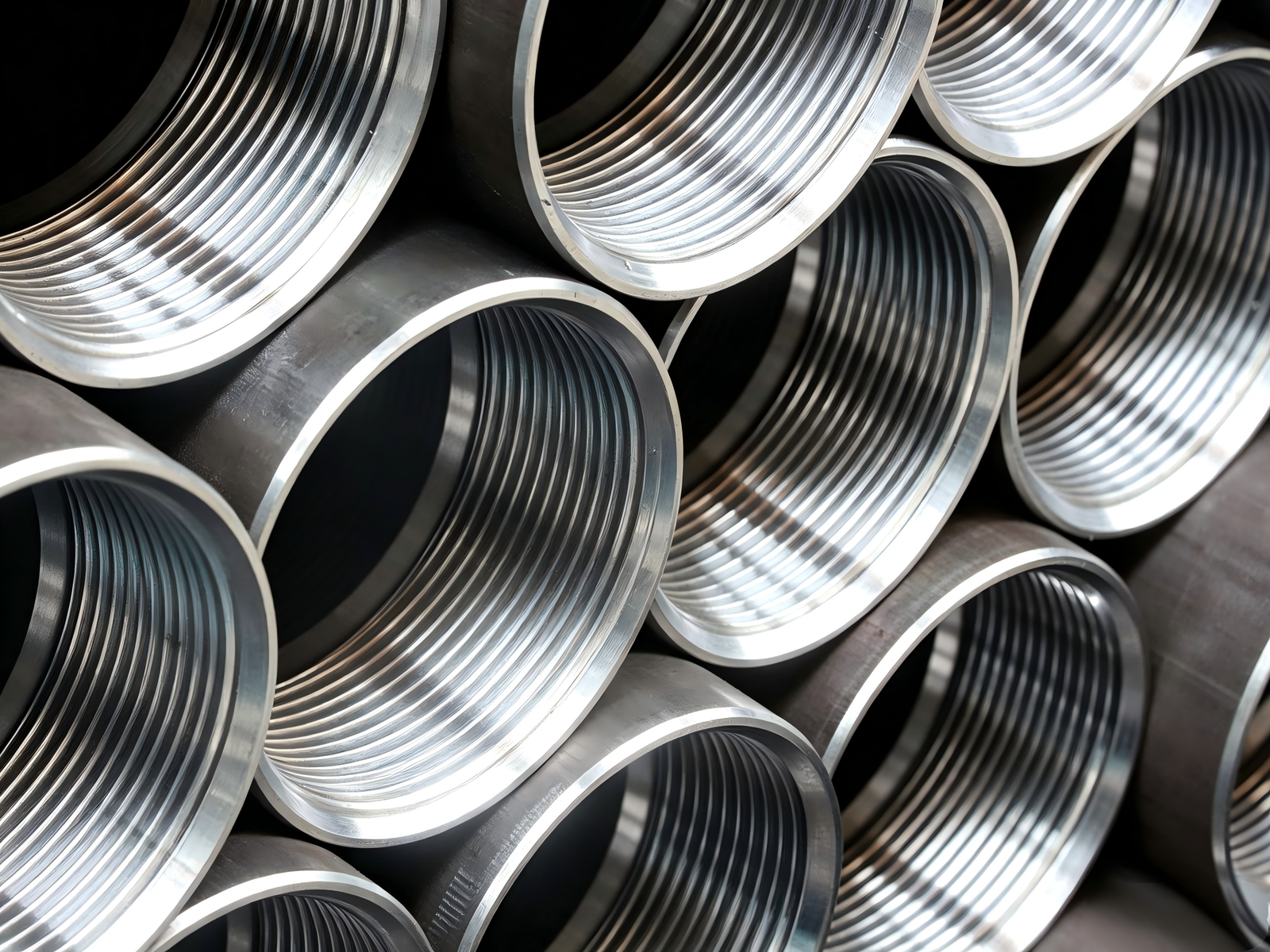
Изборът на правилната никелова сплав трябва да следва систематичен инженерен процес.
стъпка 1: Определете сервизната среда
Започнете с идентифициране:
· Работна температура
· налягане
· Химическо излагане
· Влажност
· Корозивни среди
· Механично натоварване
· Вибрация
· Брой работни цикли
· Необходим експлоатационен живот
Материал, който работи добре в една среда, може да се провали в друга.
стъпка 2: Идентифицирайте основния режим на повреда
Попитайте какво може да причини повреда на компонента.
Възможните режими на повреда включват:
· Корозия
· Износване
· Умора
· Термично разграждане
· Напукване
· Изкривяване
· Нестабилност на размерите
· Магнитни смущения
Този подход е по-надежден от избора на материал въз основа единствено на цена или процентно съдържание на никел.
стъпка 3: Изберете семейството на материалите
Определете дали компонентът изисква:
· Търговски чист никел
· Сплав на базата на никел
· Неръждаема стомана
· Медно-никелова сплав
· Никелово покритие
Целта е да се избере най-евтиният материал, който осигурява адекватна производителност, вместо автоматично избиране на най-скъпата сплав.
стъпка 4: Помислете за производствения процес
Материалът и производственият процес трябва да се оценяват заедно.
Възможните процеси включват:
· CNC фрезоване
· CNC струговане
· Швейцарска CNC обработка
· Смилане
· EDM
· Формиране
· Заваряване
· Топлинна обработка
· Никелово покритие
Един материал може да отговаря на изискванията за обслужване, но въпреки това да бъде труден или скъп за производство.
стъпка 5: Определете критериите за приемане
Спецификацията за закупуване трябва да идентифицира какви доказателства се изискват.
Това може да включва:
· Сертификати за материали
· Химичен състав
· PMI
· твърдост
· Изпитване на опън
· Проверка на размерите
· Грапавост на повърхността
· Ndt
· Дебелина на покритието
· Първа проверка на статията
стъпка 6: Оценете общите разходи
Най-ниската цена на материала не води непременно до най-ниските общи разходи.
Помислете:
Материал + механична обработка + инструментална екипировка + проверка + довършителни работи + скрап + поддръжка + експлоатационен живот
За индустриални компоненти с висока стойност, разходите за жизнен цикъл могат да бъдат по-важни от първоначалната покупна цена.
CNC обработка на никел и никелови сплави
Никеловите сплави могат да бъдат значително по-трудни за обработка от обикновени материали като алуминий и мека стомана.
Основните предизвикателства включват:
· Работно закаляване
· Високи температури на рязане
· Ниска топлопроводимост
· Износване на инструмента
· Трудно образуване на стружки
· Трудна повърхностна обработка
· Нестабилност на размерите
Техническата литература и текущите насоки за машинна обработка последователно идентифицират работното втвърдяване и концентрацията на топлина като основни фактори при машинната обработка на никелова сплав.
Защо никеловите сплави се втвърдяват
Много никелови сплави се втвърдяват бързо, когато са подложени на механична деформация.
Ако режещ инструмент се търка в материала, вместо да отстранява ефективно материала, повърхността може да стане по-твърда.
Следващият проход на рязане се натъква на втвърден слой.
Това може да доведе до:
· Ускорено износване на инструмента
· Чипване
· Нарязване
· Лошо покритие на повърхността
· Размерена вариация
Следователно, Стратегията за обработка трябва да минимизира триенето и ненужното задържане.
Управление на топлината по време на CNC обработка
Никеловите сплави обикновено имат относително ниска топлопроводимост в сравнение с много конвенционални материали за машинна обработка.
В резултат на това, повече топлина може да остане концентрирана близо до зоната на рязане и ръба на инструмента.
Настоящите референции за машинна обработка идентифицират концентрацията на топлина като основен фактор за износването на инструмента при обработка на никелови сплави.
Следователно процесът на професионална обработка трябва да бъде контролиран:
· Скорост на рязане
· Скорост на подаване
· Дълбочина на рязане
· Геометрия на инструмента
· Доставка на охлаждаща течност
· Ангажиране на инструмента
· Работна твърдост
Трябва да се разработят точни параметри на рязане за конкретната сплав, инструмент, машина, и геометрия на компонента, а не копирана от обща таблица за обработка на никел.
Съображения за инструментална екипировка
Изборът на инструмент е критичен при обработката на никелови сплави.
В зависимост от сплавта и приложението, производителите могат да оценят:
· Твърдосплавна инструментална екипировка
· Карбид с покритие
· Керамични инструменти
· Специализирани вложки с висока производителност
Правилната геометрия на инструмента трябва да осигурява стабилно режещо действие, като същевременно контролира топлината и избягва прекомерното триене.
Износването на инструмента също трябва да се следи по време на производството.
Захващане и твърдост на машината
Твърдото захващане е особено важно за обработката на никел.
Гъвкавата настройка може да доведе до:
· Бърборене
· Вибрация
· Лошо покритие на повърхността
· Грешки в размерите
· Счупване на инструмента
Тънкостенните никелови компоненти изискват допълнително внимание, тъй като самият детайл може да се превърне в ограничаващ фактор.
Следователно стратегията за обработка трябва да бъде проектирана около крайната геометрия на компонента, а не само върху суровината.
CNC обработка на никел за компоненти с тесен толеранс
За прецизни никелови компоненти, трябва да се вземе предвид планът за производство:
1. Сертифициране на суровини
2. Материално състояние
3. Работно държане
4. Груба обработка
5. Стрес и термичен контрол
6. Полуобработка
7. Довършителни работи
8. Проверка на размерите
9. Проверка на повърхността
10. Окончателна документация
Колкото по -строг е толерантността, толкова по-важна става стабилността на процеса.
Често срещани проблеми с CNC обработка на никел
Проблем 1: Втвърдяване на работата
причина: Триене на инструменти, жилище, или повторно рязане върху вече втвърдена повърхност.
Решение: Поддържайте ефективно срязване и използвайте специфични за сплавта параметри на рязане.
Проблем 2: Прекомерно износване на инструмента
причина: Концентрация на топлина, съставки на абразивни сплави, или неподходящ инструмент.
Решение: Оптимизирайте инструментите, параметри на рязане, и доставка на охлаждаща течност.
Проблем 3: Лошо покритие на повърхността
причина: Бърборене, износени инструменти, нестабилна работна хватка, или неподходящи довършителни параметри.
Решение: Подобрете твърдостта на машината, състояние на инструменталната екипировка, и довършителна стратегия.
Проблем 4: Вариация на размерите
причина: Термично разширение, износване на инструмента, движение на детайла, или нестабилни условия на обработка.
Решение: Контрол на температурата на процеса, работно държане, състояние на инструмента, и интервали на проверка.
Проблем 5: Тънкостенно изкривяване
причина: Прекомерна сила на рязане или недостатъчна опора.
Решение: Оптимизирайте стратегията за отстраняване на материал и осигурете адекватна поддръжка на детайла.
Заваряване и производство на никел
Никел и никелови сплави могат да бъдат заварени, но заваряемостта зависи силно от конкретната сплав.
Трябва да се има предвид квалифициран процес на заваряване:
· Основен материал
· Пълнежен материал
· Геометрия на ставите
· Предварително почистване
· Параметри на заваряване
· Внасяне на топлина
· Междупроходни условия
· Изисквания след заваряване
· Метод на проверка
Чистотата е особено важна.
Масло, замърсяване, съдържащо сяра, и други чужди материали могат да повлияят отрицателно на качеството на заваръчния шев.
За критични приложения, процедурата по заваряване трябва да бъде квалифицирана съгласно приложимия код или спецификация.
Никелиране и повърхностно инженерство
Покритието с никел се използва, когато инженерите се нуждаят от повърхностни свойства, без да произвеждат целия компонент от твърд никел.
Два често срещани подхода са:
Електролитно никелиране
Електролитното никелиране използва електрически ток за отлагане на никел върху субстрата.
Може да се използва за:
· Защита на корозия
· Декоративни облицовки
· Устойчивост на износване
· Контрол на размерите
Безелектрическо никелиране
Безелектрическият никел използва процес на химична редукция, а не постоянен електрически ток.
Може да бъде полезно за компоненти със сложна геометрия, където се изисква относително равномерно отлагане.
Влияе ли никелирането на допустимите отклонения?
да.
Никеловото покритие добавя материал към завършената повърхност.
Това може да повлияе:
· Диаметър на отвора
· Диаметър на вала
· Напасване на резбата
· Лагерни седалки
· Сдвоени повърхности
· Уплътнителни повърхности
Следователно, прецизният чертеж трябва ясно да посочва дали размерите са:
· Преди покриване
· След покритие
· Или се контролира и на двата етапа
Оригиналният източник правилно подчертава, че дебелината на покритието трябва да бъде включена в контрола на размерите, а не да се третира като последваща мисъл.
Контрол и инспекция на качеството на никела
Надеждният производствен процес на никел изисква повече от окончателна проверка на размерите.
Материална проверка
Важни документи може да включват:
· Сертификат за изпитване на мелница
· Сертификат за съответствие
· Топлинно число
· Клас на материала
· Химичен състав
· Механични свойства
· Продуктова форма
· Състояние на топлинна обработка
Положителна идентификация на материала
PMI може да бъде полезен за проверка дали доставената сплав е в съответствие с изискваното семейство материали.
въпреки това, PMI не замества автоматично сертификат за материал, когато управляващата спецификация изисква сертифицирани химически или механични данни.
Следователно методът на проверка трябва да бъде съобразен с изискването за приемане.
Размерна проверка
В зависимост от компонента, проверката на размерите може да включва:
· CMM инспекция
· Микрометри
· Калиперс
· Уреди за измерване на отворите
· Оптично измерване
· Резбомери
· Измерване на грапавостта на повърхността
За никелови компоненти с ниска толерантност, проверката трябва да бъде интегрирана в производствения процес, а не да се извършва само при крайната доставка.
Допълнително тестване
В зависимост от изискванията на приложението, тестването може да включва:
· Изпитване на твърдост
· Изпитване на опън
· Химичен анализ
· PMI
· Ndt
· Изпитване на корозия
· Изпитване на дебелината на покритието
· Изпитване на адхезия
· Проверка на грапавостта на повърхността
Как да намалим цената на никелови CNC машинни части
Никелът често е по-скъп за обработка от конвенционалните метали, така че оптимизирането на дизайна и производството може да направи значителна разлика.
Намалете ненужните тесни толеранси
Не уточнявайте ±0,005 mm, когато ±0,02 mm е функционално приемливо.
Изключително строги толеранси могат да се увеличат:
· Време за обработка
· Изисквания за инспекция
· Разходи за инструментална екипировка
· Риск от скрап
Използвайте тесни допуски само когато това е необходимо за функциониране.
Избягвайте прекалено тънките стени
Тънките участъци могат да увеличат трудността на машинната обработка и риска от изкривяване.
Ако дизайнът го позволява, използвайте подходяща дебелина на стената и структурна опора.
Минимизирайте ненужните сложни функции
Дълбоки кухини, тесни слотове, малки вътрешни радиуси, и трудни за достъп функции могат значително да увеличат времето за обработка.
Прегледът на DFM преди производството може да идентифицира възможности за опростяване на дизайна.
Консолидиране на производствените операции
Където е подходящо, многоосна CNC машина може да намали:
· Брой настройки
· Грешки при препозициониране
· Изисквания за закрепване
· Време за обработка
въпреки това, най-добрият начин на производство зависи от геометрията, толерантност, количество, и налично оборудване.
Избор на никелов материал: Често срещани грешки, които трябва да избягвате

Грешка 1: Посочване само на „никел“
Думата „никел“ не идентифицира пълен инженерен материал.
По -добре: Посочете точната оценка, стандарт, форма, и състояние.
Грешка 2: Избор на клас въз основа само на процент никел
По-високият процент на никел не означава автоматично по-добро представяне.
По -добре: Изберете сплавта въз основа на действителния режим на повреда и работната среда.
Грешка 3: Пренебрегване на материалното състояние
Топлинната обработка и студената работа могат да повлияят на механичните и машинните свойства.
По -добре: Включете необходимото материално състояние в спецификацията.
Грешка 4: Третиране на всички никелови сплави еднакво по време на CNC обработка
никел 200, Инконел, Хастелой, и други никелови сплави могат да имат много различно поведение при обработка.
По -добре: Разработете процеса около точната сплав.
Грешка 5: Пренебрегване на дебелината на покритието
Покритието променя готовите размери.
По -добре: Определете размерите и изискванията за проверка по отношение на процеса на нанасяне на покритие.
Грешка 6: Сравняване на оферти на доставчици без сравняване на обхват
По-ниска единична цена може да изключи:
· Сертификати за материали
· Специална проверка
· Топлинна обработка
· Повърхностна обработка
· Опаковка
· Тестване
По -добре: Сравнете офертите на една и съща техническа основа.
Често задавани въпроси за никела
За какво се използва основно никелът?
Никелът се използва главно в системи от сплави и инженерни материали, които са устойчиви на корозия, работа при висока температура, издръжливост, или са необходими други специализирани свойства. Основните приложения включват химическа обработка, космическото пространство, морско оборудване, Генериране на електроенергия, електроника, и енергийни системи.
Дали никелът е добър материал за CNC обработка?
Никелът може да се обработва с ЦПУ, но много никелови сплави са значително по-трудни за обработка от алуминий или мека стомана. Работно закаляване, концентрация на топлина, износване на инструмента, и здравината на материала изискват внимателно контролирани стратегии за обработка.
Защо никеловите сплави са трудни за обработка?
Основните причини включват бързо втвърдяване при работа, висока якост, ниска топлопроводимост, концентрация на топлина в режещия ръб, и износване на инструменти. Тези характеристики изискват строги настройки, подходящ инструментариум, контролирани параметри на рязане, и ефективно управление на охлаждащата течност.
Какво е никел 200?
никел 200 е комерсиално чиста кована никелова сплав, известна с устойчивост на корозия и полезни механични свойства в широк температурен диапазон. Използва се в химическата обработка, боравене с каустик, преработка на храни, морски приложения, и други специализирани среди.
Каква е разликата между никел 200 и никел 201?
никел 201 има по-ниска въглеродна граница от никела 200. Това прави никел 201 по-подходящ за определени приложения при повишена температура, където свързаната с въглерода крехкост трябва да се контролира.
Устойчив е на корозия на никел?
да, никелът и много никелови сплави осигуряват отлична устойчивост на корозия в избрани среди. въпреки това, никоя марка никел не е универсално устойчива на всяка химическа среда. Правилната степен трябва да бъде избрана според действителната среда, концентрация, температура, и условия на работа.
Никелови магнити?
Чистият никел е феромагнитен близо до стайна температура. въпреки това, магнитното поведение на никел-съдържащите сплави може да варира в зависимост от химията на сплавта, топлинна обработка, студена работа, и температура.
Променя ли размерите никелирането?
да. Покритието с никел добавя материал към повърхността с покритие и може да повлияе на размерите, дупки, валове, нишки, и свързващи компоненти.
Каква информация трябва да предоставя, когато искам оферта за обработка на никел?
Като минимум, осигурете:
· 2D рисунка
· 3D CAD модел, ако е наличен
· Точен клас на материала
· Стандарт на материала
· Материално състояние
· Количество
· Допустими отклонения
· Повърхностно покритие
· Повърхностна обработка
· Изисквания за инспекция
· Изисквания за сертифициране
· Изисквания за доставка
Пълният RFQ позволява на производителя да оцени и двете техническа осъществимост и производствени разходи по-точно.
Могат ли никелови сплави да се използват за приложения при високи температури?
да. Много сплави на базата на никел са специално проектирани за работа при повишени температури и запазват полезни механични свойства при температури, при които конвенционалните материали могат да загубят здравина. Точната работна температура и класът на сплавта трябва да бъдат оценени заедно.
Как мога да намаля разходите за машинно обработени с никел части?
Започнете с процеса на чертане и производство, вместо просто да преговаряте за цената на материала. Подходящи допустими отклонения, опростена геометрия, подходящ размер на суровината, оптимизирани операции по обработка, и реалистичните изисквания за проверка могат да намалят общите производствени разходи.
Заключение: Избор и производство на никелови компоненти правилно
Правилният процес на избор на материал започва с обслужваща среда и режим на повреда, след това преминава през материалното семейство, точна оценка, материално състояние, Процес на производство, изисквания за проверка, и разходи за жизнен цикъл.
За CNC обработка, никеловите сплави изискват специално внимание при закаляване при работа, генериране на топлина, инструментална екипировка, стратегия за охлаждащата течност, работно държане, и контрол на размерите. Точните параметри на обработка винаги трябва да се установяват според специфичната сплав и геометрията на компонента, вместо да се третират всички никелови материали като еквивалентни.
За закупуване на екипи и инженери, добрата RFQ трябва ясно да дефинира степента на материала, приложим стандарт, ревизия на чертежа, допустими отклонения, количество, повърхностно покритие, изисквания за проверка, сертифициране, и очаквания за доставка.
В крайна сметка, целта не е просто да се намери доставчик, предлагащ най-ниската цена на никеловите компоненти. По-добрата цел е да се идентифицира производствен партньор(Най-висока точност) които могат да осигурят правилен материал, повтарящ се процес на обработка, контролирано качество, пълна документация, и конкурентна обща цена.


