



В сравнение със стандарта 304 неръждаема стомана, 321 неръждаемата стомана предлага по-добра устойчивост на междукристална корозия след излагане на повишени температури. Това го прави популярен материал за аерокосмически компоненти, изпускателни системи, оборудване за химическа обработка, топлообменници, съдове под налягане, и други високотемпературни приложения.
За производители и инженери, обаче, изборът на правилния клас неръждаема стомана е само първата стъпка. Финалното изпълнение на a 321 компонент от неръждаема стомана също зависи от производствения процес, включително CNC обработка, заваряване, формиране, топлинна обработка, и повърхностно завършване.
Това ръководство обяснява 321 свойства на неръждаема стомана, химически състав, предимства, приложения, съображения за обработка, и методи на производство за да помогне на инженерите и екипите за закупуване да определят дали този материал е подходящ за следващия им проект.
Какво е 321 Неръждаема стомана?
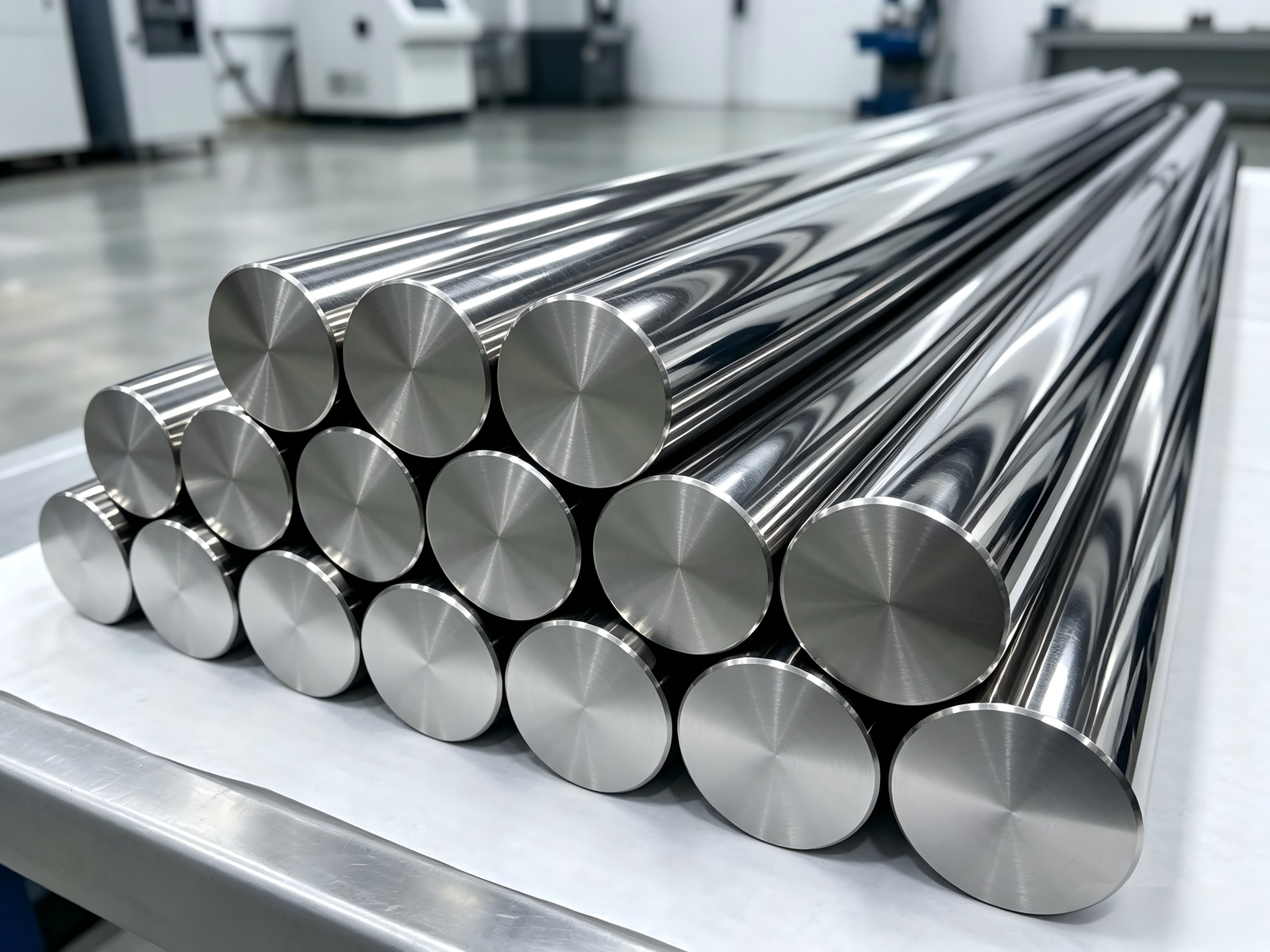
321 неръждаема стомана, Известен също като САЩ S32100, е аустенитна неръждаема стомана, съдържаща хром и никел, с добавен титан като стабилизиращ елемент.
Добавянето на титан е определящата характеристика на Grade 321. По време на излагане на високи температури, въглеродът в неръждаемата стомана може да се комбинира с хром, за да образува хромни карбиди, особено по границите на зърната. Това явление може да намали устойчивостта на корозия в определени среди и да увеличи риска от междукристална корозия.
Титанът има по-силен афинитет към въглерода от хрома. Чрез преференциално комбиниране с въглерод, титанът помага за намаляване на образуването на хромни карбиди по границите на зърната.
Това прави 321 неръждаема стомана, особено полезна за компоненти, които:
- Работете непрекъснато при повишени температури
- Изпитайте повтарящи се цикли на нагряване и охлаждане
- Изискват добра устойчивост на окисление и котлен камък
- Необходима е устойчивост на корозия след заваряване
- Изискват добра механична якост и стабилност на размерите
- Изложени са на термичен стрес
Комбинацията от работа при висока температура, устойчивост на корозия, Заваряване, и издръжливост прави 321 неръждаема стомана важен инженерен материал за взискателни промишлени приложения.
321 Химически състав на неръждаема стомана
Точният химичен състав може леко да варира в зависимост от приложимия стандарт за материал и формата на продукта, но типичен клас 321 неръждаема стомана съдържа:
| елемент | Типична роля |
| хром | Осигурява устойчивост на корозия и окисление |
| никел | Стабилизира аустенитната структура и подобрява якостта |
| Титан | Стабилизира въглерода и намалява утаяването на хромен карбид |
| въглерод | Допринася за силата, но трябва да се контролира |
| Манган | Подобрява обработката и допринася за здравината |
| Силиций | Помага при дезоксидация и устойчивост на окисление |
| Желязо | Първичен баланс на сплавта |
Стабилизацията на титан е особено важна, когато материалът е подложен на повишени температури или заваряване.
За критични приложения, купувачите трябва винаги да посочват необходимия стандарт за материал и сертификат. В зависимост от проекта, това може да включва изисквания за ASTM, ASME, IN, или други приложими спецификации.
321 Свойства на неръждаема стомана
Разбиране на физичните и механичните свойства на 321 неръждаемата стомана е от съществено значение, когато я избирате за CNC обработка или производство по поръчка.
Типичните свойства включват:
| Имот | Типична стойност |
| Тип материал | Аустенитна неръждаема стомана |
| Плътност | Приблизително 7.9 g/cm³ |
| Минимална граница на провлачване | Приблизително 205 MPa |
| Минимална якост на опън | Приблизително 515 MPa |
| Удължение | Приблизително 40% |
| твърдост | Обикновено до приблизително 217 HB |
| Топлопроводимост | Приблизително 16 W/m·K при 100°C |
| Магнитно поведение | Като цяло не е магнитен в закалено състояние |
Действителните механични свойства зависят от приложимата спецификация, форма на продукта, топлинна обработка, и производствено състояние.
За прецизна CNC обработка, състоянието на материала също може да повлияе на ефективността на рязане и стабилността на размерите. Следователно, производителите трябва да вземат предвид не само класа неръждаема стомана, но и материална сертификация, твърдост, складово състояние, и необходими крайни допустими отклонения.
Защо е 321 Неръждаема стомана, подходяща за приложения при високи температури?
Най-голямото предимство на 321 неръждаемата стомана е способността й да поддържа надеждна работа в среда с повишена температура.
Когато конвенционалните аустенитни неръждаеми стомани са изложени на определени температурни диапазони за продължителни периоди, утаяването на хромов карбид може да възникне по границите на зърната. Това може да намали концентрацията на хром около тези граници и потенциално да направи материала по-податлив на междукристална корозия.
321 неръждаемата стомана се справя с този проблем чрез титанова стабилизация.
Титанът се комбинира за предпочитане с въглерод, помага за предотвратяване на изчерпването на хрома по границите на зърната. В резултат на това, 321 неръждаемата стомана осигурява подобрена устойчивост на междукристална корозия след излагане на повишени температури.
Тази характеристика е особено ценна за:
- Заварени възли
- Изпускателни компоненти
- Топлообменници
- Пещно оборудване
- Аерокосмически компоненти
- Високотемпературен тръбопровод
- Оборудване за химическа обработка
321 следователно неръждаемата стомана често се избира, когато даден компонент трябва да поддържа устойчивост на корозия и структурна цялост по време на продължително излагане на топлина.
Основни предимства на 321 Неръждаема стомана
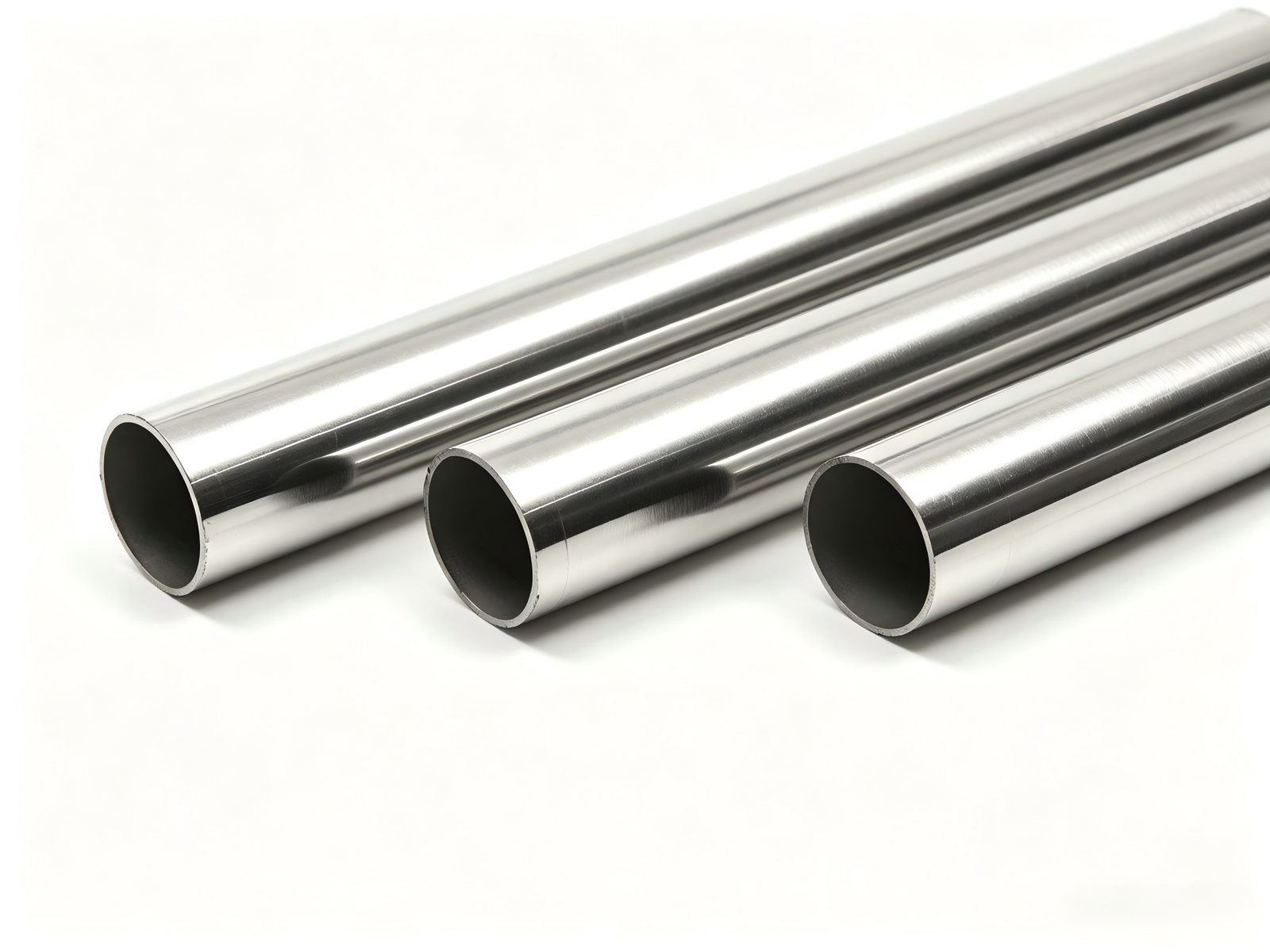
1. Отлично представяне при висока температура
321 неръждаемата стомана е предназначена за приложения, при които компонентите са изложени на повишени температури и термичен цикъл.
Предлага добра устойчивост на окисляване и поддържа полезни механични свойства при взискателни термични условия. Това го прави подходящ за компоненти като изпускателни системи, приспособления за пещ, части за самолетни двигатели, и оборудване за високотемпературна обработка.
За инженери, основното предимство не е просто способността да издържат на висока температура за кратък период от време. По-важното съображение е как се представя материалът по време дълготрайна експозиция, повтарящи се топлинни цикли, и термичен стрес.
2. Добра устойчивост на корозия
321 неръждаемата стомана осигурява добра обща устойчивост на корозия в много индустриални среди.
Неговата стабилизирана с титан структура също подобрява устойчивостта на междукристална корозия след излагане на определени повишени температури.
въпреки това, 321 неръждаемата стомана не е универсално най-добрият избор за всяка корозивна среда. За приложения, включващи силно излагане на хлориди или силно агресивни химически среди, други видове неръждаема стомана или устойчиви на корозия сплави може да са по-подходящи.
Следователно изборът на материал трябва да се обмисли:
- Химическа концентрация
- Работна температура
- Излагане на хлорид
- Влага
- налягане
- Почистващи химикали
- Изисквания за експлоатационен живот
3. Отлична издръжливост
321 неръждаемата стомана съчетава устойчивост на корозия, сила, издръжливост, и термична стабилност.
Това го прави подходящ за компоненти, които трябва да работят надеждно за дълги периоди при тежки условия.
За индустриални купувачи, подобрената издръжливост може да осигури няколко практически предимства:
- По-дълъг живот на компонентите
- Намалена поддръжка
- По-ниска честота на смяна
- Подобрена надеждност на оборудването
- Намалено време на престой
Крайният срок на експлоатация, обаче, зависи от действителната работна среда и качеството на производство.
4. Добра заваряемост
321 неръждаемата стомана обикновено има добра заваряемост и може да бъде произведена чрез обичайни процеси за заваряване на неръждаема стомана.
Неговата стабилизация с титан го прави особено полезен за заварени компоненти, изложени на повишени температури.
Типичните процеси на заваряване могат да включват:
- TIG заваряване
- MIG заваряване
- Заваряване с газова волфрамова дъга
- Газова електродъгова заварка
- Съпротивително заваряване
За критични приложения, заваръчните процедури трябва да се контролират внимателно, за да се избегне изкривяване, замърсяване, и дефекти.
След заваряване, може също да се наложи подходящо почистване и пасивиране за възстановяване на устойчивостта на корозия на повърхността.
5. Добра формоспособност
Като аустенитна неръждаема стомана, 321 неръждаемата стомана предлага добра пластичност и може да се формира в различни форми.
Може да се използва за:
- Тръби
- Тръби
- Компоненти от ламарина
- Скоби
- Покрития
- Изработени по поръчка възли
въпреки това, като другите аустенитни неръждаеми стомани, може да претърпи работно втвърдяване по време на формоване и машинна обработка. Следователно производствените параметри трябва да се избират внимателно.
6. Устойчивост на окисление и нагар
321 неръждаемата стомана предлага добра устойчивост на окисление и нагар при повишени температури.
Това свойство е особено полезно при:
- Компоненти на пещта
- Оборудване за термична обработка
- Изпускателни системи
- Високотемпературни канали
- Оборудване за термична обработка
Стабилната повърхност помага да се запази целостта на компонентите и намалява риска от преждевременна деградация.
321 Приложения от неръждаема стомана
Поради своята комбинация от устойчивост на корозия, термична стабилност, и механични характеристики, 321 неръждаемата стомана се използва в няколко взискателни индустрии.
1. Аерокосмическа индустрия
Аерокосмическите приложения често изискват материали, които могат да издържат на високи температури, термичен цикъл, вибрация, и корозивни среди.
321 може да се използва неръждаема стомана:
- Компоненти на ауспуха на самолета
- Компоненти на двигателя
- Компоненти, свързани с горенето
- Изпускателни колектори
- Високотемпературни канали
- Структурни компоненти, изложени на повишени температури
Високотемпературната способност на материала и устойчивостта на междукристална корозия го правят привлекателен за космически приложения.
За аерокосмически проекти, обаче, проследимостта на материала и сертифицирането са особено важни. Производителите трябва да могат да предоставят подходящи сертификати за материали и документация за качество, когато се изисква.
2. Оборудване за химическа обработка
Оборудването за химическа обработка често работи при комбинация от топлина, налягане, и корозивни химикали.
321 може да се използва неръждаема стомана:
- Топлообменници
- Компоненти на реактора
- Съдове под налягане
- Тръбопровод
- Процесно оборудване
- Високотемпературни резервоари
Неговата устойчивост на междукристална корозия може да бъде особено полезна за заварено оборудване, изложено на повишени температури.
Пригодността на Grade 321 винаги трябва да се проверява спрямо специфичната химическа среда, тъй като устойчивостта на корозия варира значително в зависимост от химическата среда и работните условия.
3. Нефтена и газова промишленост
Петролният и газовият сектор използва компоненти от неръждаема стомана в оборудване, изложено на високи температури и взискателни работни условия.
Потенциалните приложения включват:
- Оборудване за рафинерии
- Компоненти на пещта
- Високотемпературен тръбопровод
- Топлообменници
- Процесно оборудване
- Изпускателни и горивни системи
Способността на материала да поддържа производителност по време на термично излагане го прави полезна опция за избрани приложения за рафиниране и обработка.
4. Автомобилна индустрия
321 неръждаемата стомана често се свързва с високотемпературни автомобилни компоненти, особено системи, свързани с отработените газове.
Приложенията могат да включват:
- Изпускателни колектори
- Изпускателни тръби
- Компоненти на ауспуха
- Компоненти, свързани с турбокомпресора
- Компоненти на каталитичен конвертор
- Високотемпературни скоби и опори
В сравнение с конвенционалните материали, 321 неръждаемата стомана може да осигури подобрена устойчивост на окисляване и термичен цикъл.
Това може да помогне за удължаване на експлоатационния живот на компонентите в среда с взискателни изгорели газове.
5. Оборудване за термична обработка
Оборудването за термична обработка изисква материали, способни да работят при повишени температури без прекомерна деформация, окисляване, или деградация.
321 може да се използва неръждаема стомана:
- Компоненти на пещта
- Покрития за отгряване
- Приспособления за термична обработка
- Компоненти за защита на термодвойки
- Тави с висока температура
- Подпори и скоби
Неговата устойчивост на котлен камък и термичен стрес го прави подходящ за избрани приложения за термична обработка.
6. Генериране на електроенергия и промишлено оборудване
Допълнителни приложения могат да включват избрани системи за производство на електроенергия и индустриални системи, където компонентите са подложени на повишени температури и корозивни среди.
Примерите включват:
- Компоненти, свързани с бойлера
- Системи за оползотворяване на топлина
- Оборудване за термична обработка
- Индустриални отоплителни системи
- Високотемпературни тръбопроводни компоненти
Точната годност зависи от температурата, налягане, условия на корозия, и приложимите индустриални стандарти.
321 Неръждаема стомана срещу. 304: Каква е разликата?
Сравнението между 321 и 304 неръждаемата стомана е един от най-честите въпроси за избор на материал.
И двете са аустенитни неръждаеми стомани и предлагат добра устойчивост на корозия, оформяемост, и заваряемост. Основната разлика е, че 321 неръждаема стомана е стабилизиран с титан, докато 304 не е.
| Особеност | 304 Неръждаема стомана | 321 Неръждаема стомана |
| Основна структура | Аустенитни | Аустенитни |
| Титанова стабилизация | не | да |
| Обща устойчивост на корозия | Отлично | Отлично |
| Приложения при високи температури | добре | По-подходящо |
| Устойчивост на междукристална корозия след термично излагане | По-ниска | Подобрен |
| Заваряемост | Отлично | Отлично |
| Оформяемост | Отлично | добре |
| Типична цена | Като цяло по-ниски | Като цяло по-високи |
| Общи приложения | Обща изработка, храна, архитектурен | Високотемпературни и термични приложения |
Кога трябва да изберете 304?
Изберете 304 неръждаема стомана при:
- Приложението работи при умерени температури
- Общата устойчивост на корозия е основното изискване
- Цената е важно съображение
- Необходими са отлични характеристики на формоване
- Не е необходима стабилизация при висока температура
Кога трябва да изберете 321?
321 неръждаемата стомана може да бъде по-добър избор, когато:
- Компонентът работи при повишени температури
- Компонентът претърпява повтарящи се топлинни цикли
- Компонентът се заварява и впоследствие се излага на високи температури
- Устойчивостта на междукристална корозия е важна
- Изисква се дългосрочна термична стабилност
Най-добрият материал зависи от действителните условия на работа, а не просто от избора на по-скъпия клас.
321 Неръждаема стомана срещу. 316
316 неръждаема стомана е широко признат за отличната си устойчивост на корозия, предизвикана от хлориди, поради добавянето на молибден.
321 неръждаема стомана, от друга страна, е избран предимно заради титаниевата си стабилизация и висока температура.
Едно опростено сравнение е:
- 321:По-подходящ за много високотемпературни приложения и термични цикли
- 316:Често се предпочита за богати на хлориди и морски среди
- 304:Ценово ефективен избор за много приложения с общо предназначение
Ако основното предизвикателство е висока температура, 321 може да е по-добрият вариант.
Ако основното предизвикателство е хлоридна корозия, 316 може да е по-подходящо.
За взискателни проекти, инженерите трябва да оценят както работната среда, така и температурата, преди да изберат материала.
321 Неръждаема стомана срещу. 347
321 и 347 неръждаемите стомани са стабилизирани аустенитни неръждаеми стомани, предназначени за приложения, където устойчивостта на междукристална корозия след излагане на повишена температура е важна.
Основната разлика е стабилизиращият елемент:
- 321 използва неръждаема стомана титан
- 347 използва неръждаема стомана ниобий (колумбий)
И двата вида могат да се използват в среда с висока температура, но тяхното специфично изпълнение, наличност, и изискванията за производство може да се различават.
Изборът на материал трябва да се вземе предвид:
- Работна температура
- Изисквания за заваряване
- Материална наличност
- Корозионна среда
- Индустриални спецификации
- Цена на проекта
Е 321 Лесна за обработка неръждаема стомана?
321 неръждаемата стомана може да се обработва с ЦПУ, но обикновено се счита за по-предизвикателно за машинно обработване от материалите със свободна обработка.
Като много аустенитни неръждаеми стомани, може да изпита работно закаляване по време на обработка.
Ако условията на рязане не се контролират правилно, обработената повърхност може да стане по-твърда, затруднявайки последващото рязане.
Често срещаните предизвикателства при обработката включват:
- Работно закаляване
- Генериране на топлина
- Износване на инструмента
- Контрол на чипове
- Повърхностно увреждане
- Нестабилност на размерите, причинена от термично разширение
За прецизна CNC обработка, следователно изборът на правилните параметри на рязане е от решаващо значение.
CNC обработка 321 Неръждаема стомана: Основни съображения
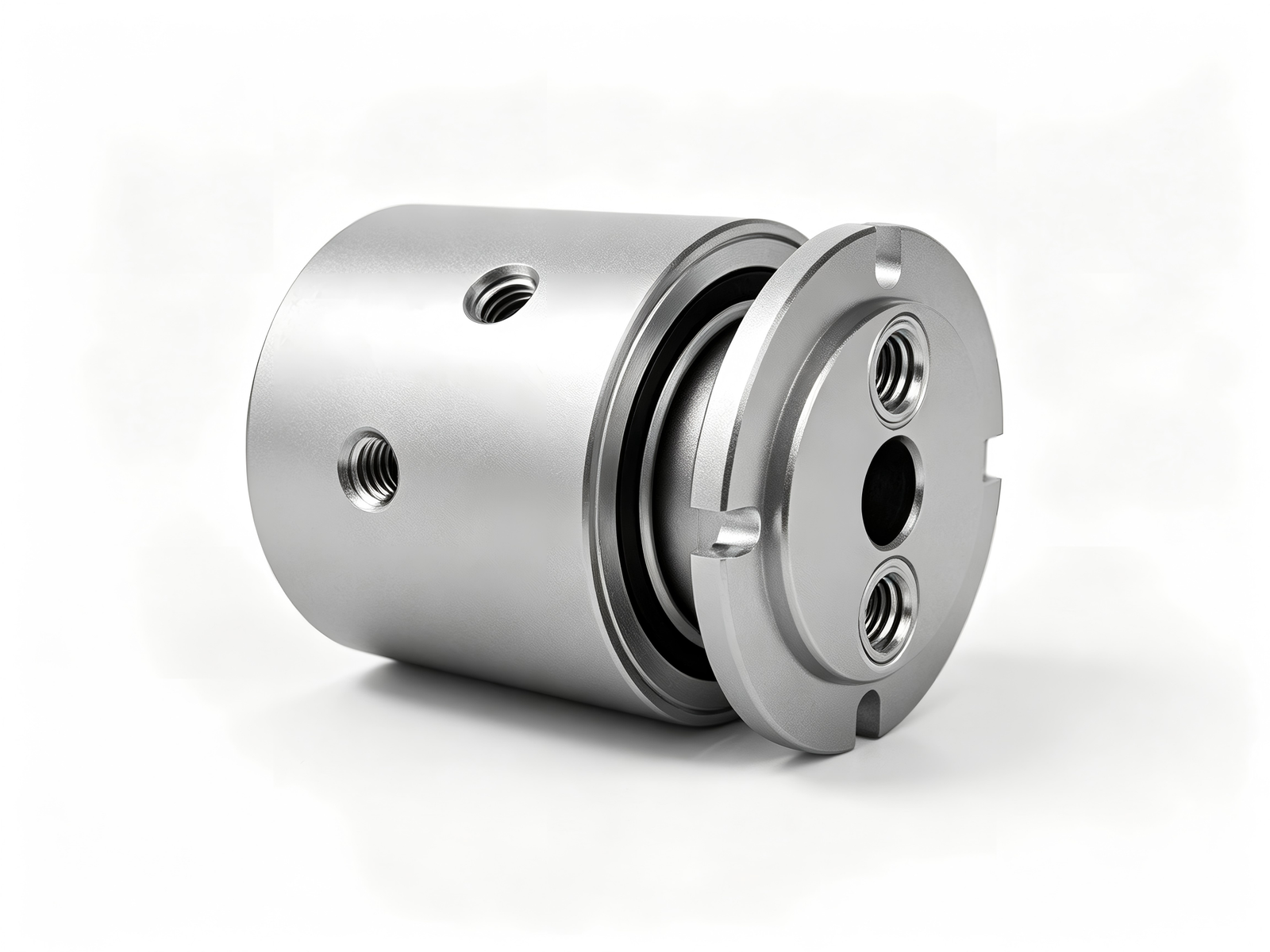
При механична обработка 321 неръждаема стомана, целта е ефективно отстраняване на материала, като същевременно се контролира топлината, работно закаляване, износване на инструмента, и вариация на размерите.
1. Използвайте остри режещи инструменти
Острите режещи ръбове помагат за намаляване на ненужното триене и генериране на топлина.
Твърдосплавните инструменти обикновено се считат за производствена машинна обработка, тъй като осигуряват добра устойчивост на износване и могат да поддържат ефективността на рязане при подходящи условия.
Правилната геометрия на инструмента зависи от операцията, Геометрия на част, и необходимо покритие на повърхността.
2. Избягвайте прекомерното задържане на инструмента
Оставянето на режещия инструмент да остане неподвижен, докато контактува с материала, може да генерира прекомерна топлина и да насърчи втвърдяването при работа.
Обикновено се предпочита стабилен процес на рязане с постоянно подаване и зацепване.
3. Поддържайте подходящи условия на рязане
Скоростта на рязане и скоростта на подаване трябва да се оптимизират въз основа на:
- Инструментален материал
- Диаметър на инструмента
- Твърдост на машината
- Геометрия на детайла
- Материално състояние
- Дълбочина на рязане
- Стратегия за охлаждащата течност
Няма нито един параметър на рязане, който да работи за всеки 321 проект за CNC обработка на неръждаема стомана.
Опитните машинисти обикновено оптимизират параметрите чрез препоръки за инструменти и производствени изпитания.
4. Използвайте ефективна охлаждаща течност и смазване
Охлаждащата течност може да помогне за контролиране на топлината и да подобри живота на инструмента.
За прецизни компоненти, правилното подаване на охлаждаща течност също може да помогне за подобряване на евакуацията на стружките и да намали риска от повреда на стружките на готовата повърхност.
Точният тип охлаждаща течност трябва да е съвместим с процеса на обработка и последващите изисквания за повърхностна обработка.
5. Контролна работа Втвърдяване
Закаляването при работа е едно от основните предизвикателства при обработката 321 неръждаема стомана.
За да намалите риска:
- Поддържайте постоянна храна
- Избягвайте триене на инструмента в материала
- Използвайте остри инструменти
- Избягвайте ненужното задържане на инструмента
- Поддържайте достатъчна дълбочина на рязане, когато е подходящо
- Оптимизирайте траекториите на инструмента
Една стабилна стратегия за обработка може значително да подобри производителността и качеството на детайлите.
CNC обработващи процеси за 321 Неръждаема стомана
321 неръждаемата стомана може да се обработва с помощта на различни производствени методи с ЦПУ.
CNC струговане
CNC струговане е подходящ за производство:
- Валове
- Втулки
- Ръкави
- Карфици
- Фитинги
- Фланци
- Цилиндрични компоненти
CNC струговане от швейцарски тип може да се обмисли за малки, дълго, или високо прецизни компоненти.
CNC фрезоване
CNC фрезоване е подходящ за сложни геометрии, включително:
- Корпуси
- Скоби
- Монтажни компоненти
- Аерокосмически части
- Персонализирани тела
- Прецизни индустриални компоненти
3-ос, 4-ос, и 5-осна CNC обработка може да бъде избрана в зависимост от изискванията за геометрия и толеранс.
CNC пробиване и резбоване
321 неръждаема стомана може да се пробива и нарязва, но изборът на инструменти и условията на рязане трябва да бъдат внимателно контролирани.
Лошите условия на обработка могат да доведат до:
- Счупване на инструмента
- Работно закаляване
- Лошо качество на конеца
- Прекомерна топлина
- Неточности в размерите
CNC шлайфане
Шлайфането може да се използва, когато са необходими изключително тесни толеранси на размерите или специфични повърхностни покрития.
Параметрите на смилане трябва да бъдат внимателно подбрани, за да се контролира генерирането на топлина и да се предотврати увреждане на повърхността.
321 Опции за обработка на повърхността от неръждаема стомана
След CNC обработка или изработка, 321 Компонентите от неръждаема стомана могат да бъдат обработени с помощта на различни довършителни методи.
Четкано покритие
Матираното покритие създава насочена повърхностна текстура и обикновено се използва, когато външният вид и еднородността на повърхността са важни.
Може също така да помогне за намаляване на визуалното въздействие на незначителни повърхностни петна.
Полиран финал
Полирането създава по-гладка и отразяваща повърхност.
Може да бъде избран за:
- Декоративни компоненти
- Оборудване, изискващо гладки повърхности
- Определени санитарни приложения
- Компоненти, при които външният вид на повърхността е важен
Матово покритие
Матовите покрития осигуряват неотразяващ външен вид и често са предпочитани за индустриални приложения.
В зависимост от желания резултат, могат да се обмислят процеси като бластиране.
Пасивация
Пасивирането обикновено се използва за компоненти от неръждаема стомана за подобряване на чистотата и устойчивостта на корозия на повърхността чрез премахване на свободното желязо и други замърсители, въведени по време на производството.
За прецизни компоненти от неръждаема стомана, пасивирането може да бъде важен процес след машинната обработка, когато устойчивостта на корозия и чистотата на повърхността са критични.
Електрополиране
Електрополирането премахва контролирано количество материал от повърхността и може да подобри гладкостта и чистотата на повърхността.
Може да се вземе предвид за приложения, където:
- Необходима е ниска грапавост на повърхността
- Възможността за почистване е важна
- Повърхностното замърсяване трябва да бъде сведено до минимум
- Изисква се висококачествено покритие на повърхността
Подходящият метод за довършване трябва да бъде избран въз основа на функцията на компонента, а не само на външния вид.
Често задавани въпроси относно 321 Неръждаема стомана
Какво е 321 неръждаема стомана?
321 неръждаемата стомана е стабилизирана с титан аустенитна неръждаема стомана, предназначена за приложения, изискващи добра устойчивост на корозия и надеждна работа при повишени температури.
Е 321 неръждаема стомана, подходяща за приложения при високи температури?
да. 321 неръждаемата стомана се използва широко при високотемпературни приложения поради нейната титанова стабилизация, устойчивост на междукристална корозия след термично излагане, и добра устойчивост на окисление и котлен камък.
Каква е разликата между 304 и 321 неръждаема стомана?
Основната разлика е титанова стабилизация. 321 неръждаемата стомана е стабилизирана с титан, което го прави особено подходящ за определени високотемпературни приложения и термични цикли. 304 неръждаемата стомана обикновено е по-икономична и се използва широко за приложения с общо предназначение, устойчиви на корозия.
Е 321 неръждаема стомана, лесна за обработка?
321 неръждаемата стомана може да се обработва с ЦПУ, но изисква внимателен контрол на процеса. Склонността му да се втвърдява може да увеличи износването на инструмента и трудността при обработката. Остри инструменти, стабилни условия на рязане, ефективна охлаждаща течност, и подходящите параметри на обработка са важни.
Е 321 неръждаема стомана, подходяща за заваряване?
да. 321 неръждаемата стомана обикновено има добра заваряемост и се използва широко в заварени компоненти, които работят при повишени температури.
Е 321 магнит от неръждаема стомана?
321 неръждаемата стомана обикновено е немагнитна в закалено състояние. въпреки това, студената обработка може да увеличи до известна степен нейния магнитен отговор.
За какви повърхностни покрития се предлагат 321 неръждаема стомана?
Общите опции включват четка, полиран, матова, обработен с мъниста, земята, пасивиран, и електрополирани покрития. Подходящото покритие зависи от функционалните и естетически изисквания на компонента.
Е 321 неръждаема стомана устойчива на корозия?
да. 321 неръждаемата стомана осигурява добра устойчивост на корозия в много среди. Неговата титанова стабилизация също така подобрява устойчивостта на междукристална корозия след определени експозиции на висока температура. въпреки това, точната среда винаги трябва да се оценява преди избора на материал.
Какви индустрии използват 321 неръждаема стомана?
321 неръждаемата стомана обикновено се използва в космическото пространство, автомобилен, химическа обработка, нефт и газ, Генериране на електроенергия, топлинна обработка, и приложения за индустриално оборудване.
Как да избера между 321, 304, 316, и 347 неръждаема стомана?
Изборът зависи от приложението. 304 е универсален клас с общо предназначение, 316 често се избира за подобрена устойчивост на хлорид, 321 е много подходящ за много високотемпературни приложения, и 347 е друга стабилизирана аустенитна степен, използвана в определени среди с висока температура.
Последни мисли: Е 321 Неръждаема стомана, подходяща за вашия проект?
Неговият стабилизиран с титан състав го прави особено ценен за компоненти, изложени на повишени температури и термичен цикъл. Ето защо е широко разглеждан за аерокосмически компоненти, изпускателни системи, оборудване за химическа обработка, топлообменници, компоненти на пещта, и други взискателни индустриални приложения.
въпреки това, изборът на правилния материал е само част от инженерния процес. Качеството на крайния компонент също зависи от метода на производство, стратегия за обработка, допустими отклонения, повърхностно покритие, изисквания за проверка, и контрол на качеството.
Нуждаете се от обичай 321 части от неръждаема стомана? Изпратете вашите 2D рисунка, 3D CAD модел, необходимо количество, спецификация на материала, и изисквания за толерантност за професионален DFM преглед и оферта. Нашият инженерен екип може да оцени вашия проект и да препоръча най-подходящия CNC обработка или производствен процес за вашето приложение.


