



Най-важният момент за разбиране е, че 925 неръждаемата стомана обикновено не е стандартен клас неръждаема стомана. Обозначението 925 традиционно се отнася за 925 стерлингово сребро, сплав, съдържаща 92.5% сребро по маса. Неръждаема стомана, За разлика от тях, е семейство от сплави на основата на желязо, идентифицирани чрез степени като 304, 316, 316Л, 410, и 17-4 PH.
Това разграничение има значение при избора на материал за обработен компонент, изработена част, бижутериен продукт, медицинско изделие, или индустриално приложение. Изборът на грешен материал въз основа на неправилно име на клас може да повлияе на устойчивостта на корозия, сила, обработваемост, повърхностно покритие, цена, и експлоатационен живот.
В това ръководство, ние обясняваме какво означава „неръждаема стомана 925“., как 925 стерлинговото сребро се различава от неръждаемата стомана, свойствата и приложенията на двата материала, и как да изберете правилния клас неръждаема стомана за персонализирани части.
Какво е 925 Неръждаема стомана?
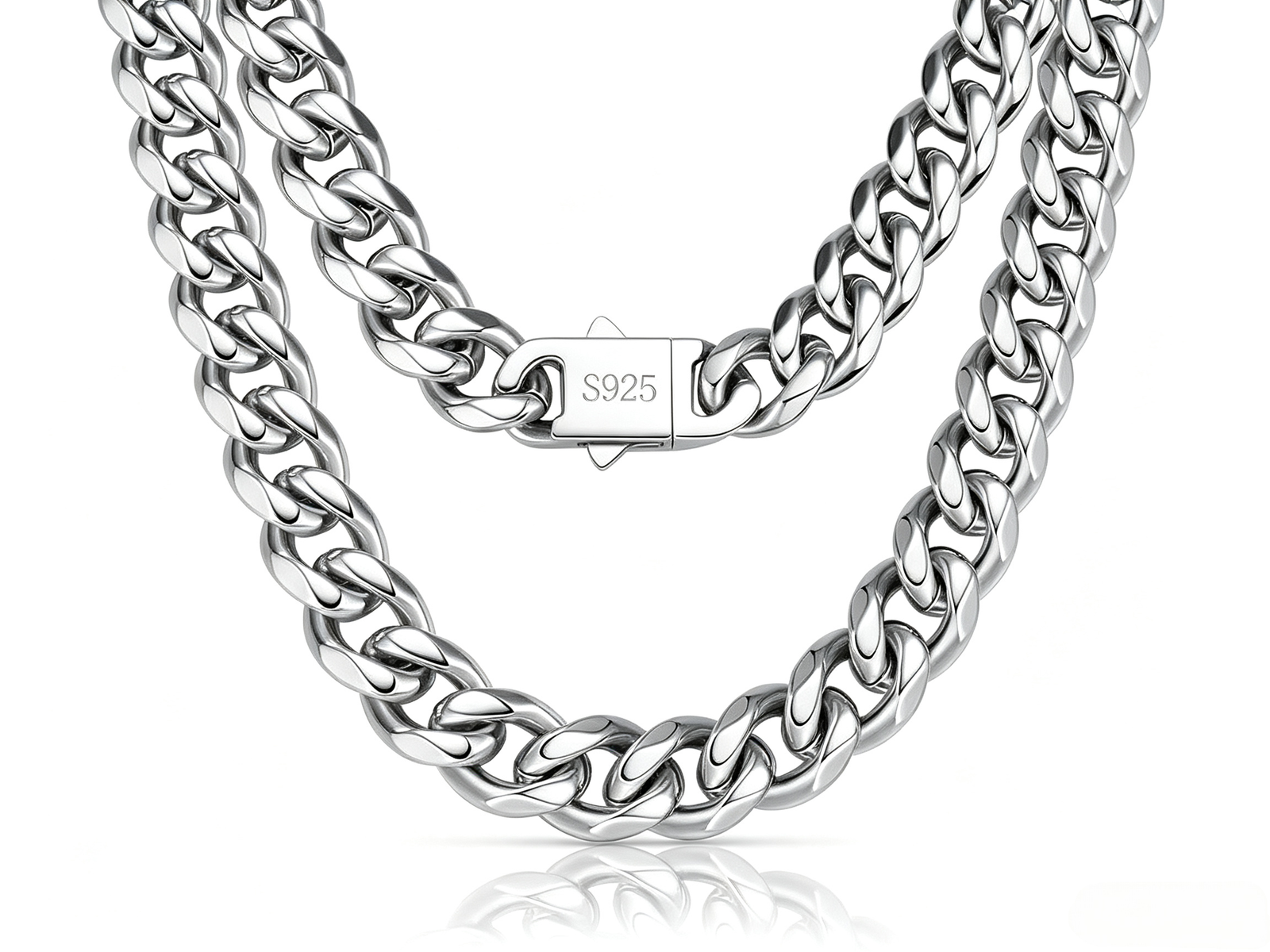
Е 925 Неръждаема стомана - истински клас неръждаема стомана?
Строго погледнато, „925 неръждаема стомана“ не е общопризнат стандартен клас неръждаема стомана.
Числото 925 се свързва предимно с стерлингово сребро. А 925 стерлингова сребърна сплав съдържа приблизително:
- 5% сребро
- 5% други легиращи елементи, обикновено мед
Целта на добавянето на легиращи елементи е да се подобри твърдостта и издръжливостта на чистото сребро, който е относително мек.
Неръждаемата стомана е напълно различно семейство материали. Неръждаемите стомани са сплави на основата на желязо, съдържащи поне приблизително 10.5% хром, което дава възможност за образуване на тънък, богат на хром пасивен слой, който осигурява устойчивост на корозия. След това различни видове неръждаема стомана добавят елементи като никел, молибден, манган, азот, въглерод, или други легиращи елементи за постигане на специфични свойства.
Следователно, ако е доставчик, продуктов списък, рисунка, или онлайн статия се отнася за „925 неръждаема стомана,” важно е да се потвърди какъв материал всъщност е предназначен.
Може да се отнася за:
- 925 стерлингово сребро
- Продукт от неръждаема стомана, неправилно описан като „925 неръждаема стомана“
- Патентовано или търговско наименование, което не е признат клас неръждаема стомана
- Продукт, съчетаващ неръждаема стомана с a 925 сребърен компонент или покритие
За инженерни и производствени приложения, винаги посочвайте признат клас на материала и приложим стандарт вместо да разчита само на термина „925 неръждаема стомана“.
Какво е 925 Стерлингово сребро?
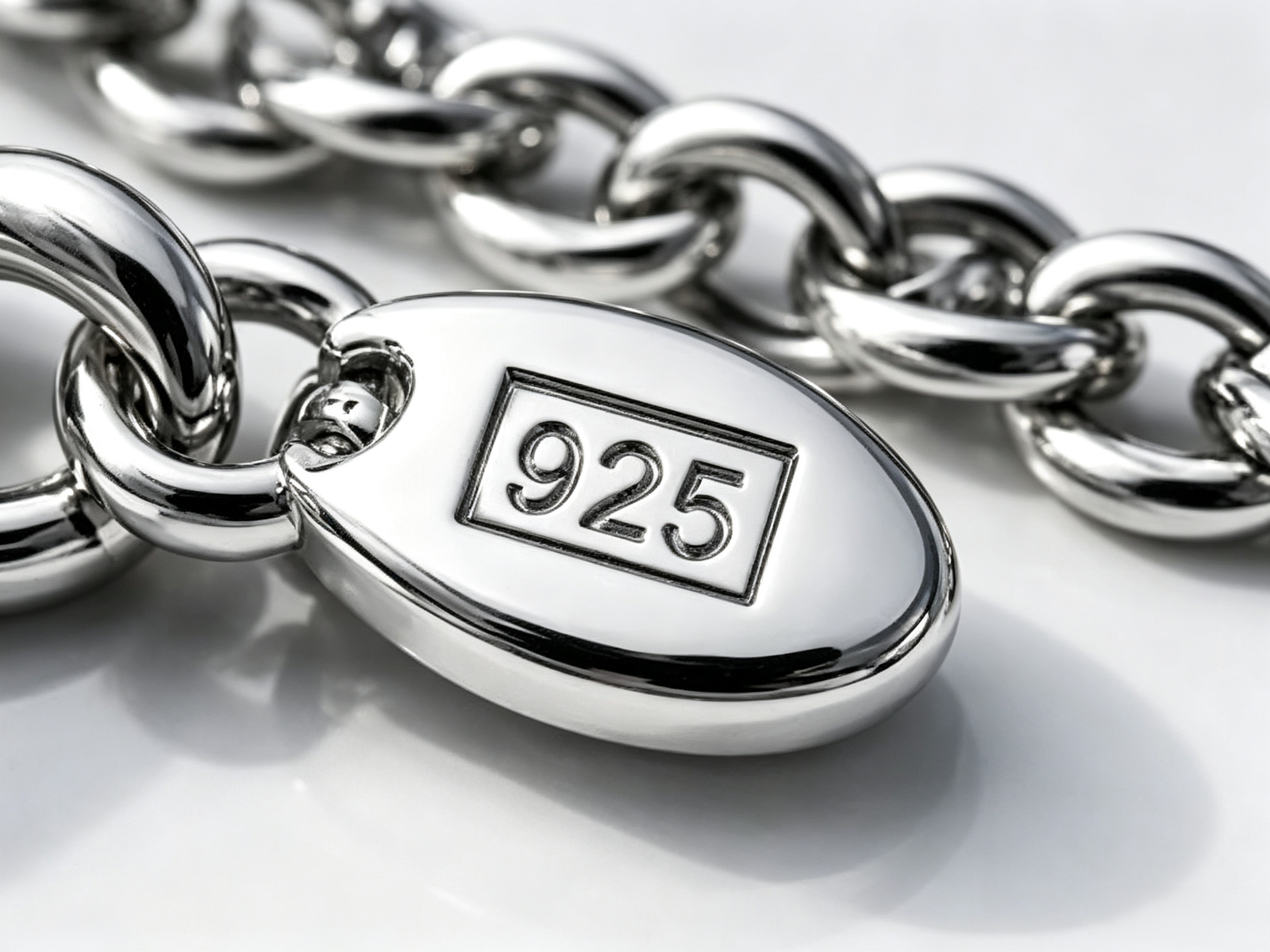
925 стерлинговото сребро е сплав от благороден метал, съдържаща 92.5% сребро и приблизително 7.5% други метали.
Чистото сребро има отлична електрическа и топлопроводимост и атрактивен външен вид, но е сравнително меко. Легирането на сребро с други метали увеличава неговата твърдост и го прави по-практичен за продукти, които трябва да издържат на ежедневна работа.
Типични характеристики на 925 Стерлингово сребро
- Високо съдържание на сребро
- Ярък метален външен вид
- Добра електропроводимост
- Отлична топлопроводимост
- Сравнително добра пластичност
- По-лесен за формоване от много неръждаеми стомани
- Може да се полира до висок блясък
- Може да потъмнее с течение на времето
Стерлинговото сребро е особено разпространено в:
- Пръстени
- Колиета
- Гривни
- Обеци
- Декоративни предмети
- Посуда за хранене
- Колекционерски предмети
- Специални електрически компоненти
925 Стерлингово сребро срещу неръждаема стомана
Най-голямата разлика е техният фундаментален състав.
| Имот | 925 Стерлингово сребро | Неръждаема стомана |
| Материално семейство | Сребърна сплав | Сплав на основата на желязо |
| Основен елемент | 92.5% сребро | Желязо |
| хром | Обикновено не е определящият елемент | Най-малко ~10,5% в неръждаема стомана |
| Типични степени/назначения | 925 | 304, 316, 316Л, 410, 17-4 PH, и т.н. |
| Корозионно поведение | Може да опетни | Като цяло отлична устойчивост на корозия |
| Сила | Сравнително умерено | Варира значително според степента |
| твърдост | Сравнително мека | Като цяло по-високи |
| Външен вид | Ярко сребристо | Сребро/металик |
| Поддръжка | Може да е необходимо редовно почистване | Като цяло ниска поддръжка |
| цена | По-високо поради съдържанието на сребро | Като цяло по-икономичен |
| Типични приложения | Бижута и декоративни изделия | Индустриален, медицински, автомобилен, архитектурни и потребителски продукти |
Неръждаемата стомана не трябва да се третира като един материал. Различните степени имат значително различни механични и корозионни свойства. например, аустенитни класове като 304 имат отлична формоспособност и устойчивост на корозия, докато 316 осигурява подобрена устойчивост в по-взискателни среди, съдържащи хлорид, поради съдържанието на молибден.
Свойства на 925 Стерлингово сребро
Ако вашият проект действително изисква 925 стерлингово сребро, следните свойства са уместни.
Физически свойства
925 стерлинговото сребро има ярка, атрактивен метален външен вид и може да се полира до гланцово покритие.
Високото му съдържание на сребро също му осигурява отлична електрическа и топлопроводимост в сравнение с повечето видове неръждаема стомана.
Това прави стерлинговото сребро особено ценно, когато електрическата или топлопроводимостта е важна в допълнение към външния вид.
Механични свойства
Чистото сребро е относително меко, така 925 стерлинговото сребро е легирано за подобряване на твърдостта и издръжливостта.
В сравнение с неръждаема стомана, обаче, стерлинговото сребро обикновено е по-малко подходящо за компоненти, изложени на високи механични натоварвания, силно ожулване, или повторно въздействие.
По тази причина, неръждаемата стомана обикновено е по-добрият инженерен избор, когато здравината и дългият експлоатационен живот са основните изисквания.
Потъмняване и корозия
Едно често срещано погрешно схващане е, че стерлинговото сребро „ръждясва“.
Среброто не ръждясва по същия начин, както стоманата на основата на желязо. Вместо това, стерлингова сребърна кутия опетнявам, което води до по-тъмна или обезцветена повърхност.
Потъмняването може да се ускори чрез излагане на:
- Съдържащи сяра съединения
- Влажност
- Козметика
- изпотяване
- Домакински химикали
- Замърсени среди
Редовното почистване и подходящото съхранение могат да помогнат за поддържане на външния му вид.
Свойства на неръждаемата стомана
Неръждаемата стомана предлага различна комбинация от свойства и се използва широко за инженерни компоненти.
1. Устойчивост на корозия
Устойчивостта на корозия е една от определящите характеристики на неръждаемата стомана.
Хромът реагира с кислорода, за да образува изключително тънък, богат на хром пасивен слой на повърхността. Този слой защитава основния метал и може да се преобразува, когато се повреди, при наличие на подходящи условия на околната среда.
въпреки това, неръждаемата стомана не е напълно устойчива на корозия.
Ефективността на корозия зависи от:
- Клас неръждаема стомана
- Концентрация на хлорид
- температура
- Химическо излагане
- Състояние на повърхността
- Пукнатини и стави
- Производствено замърсяване
- Почистващи процедури
например, 316 неръждаемата стомана обикновено е по-подходяща от 304 когато експозицията на хлорид е сериозно безпокойство.
2. Сила и издръжливост
Класовете неръждаема стомана предлагат широка гама от механични свойства.
В зависимост от степента и състоянието, неръждаема стомана може да осигури:
- Висока якост на опън
- Добра граница на провлачване
- Добра здравина
- Устойчивост на износване
- Устойчивост на въздействие
- Дълъг експлоатационен живот
Това прави неръждаемата стомана подходяща за структурни компоненти, както и за малки прецизно обработени части.
3. Топлоустойчивост
Някои видове неръждаема стомана поддържат полезни механични и корозионни свойства при повишени температури.
въпреки това, температурните показатели варират значително между класовете.
Ако вашият компонент ще работи непрекъснато при повишени температури, материалът трябва да бъде избран според:
- Работна температура
- Термичен цикъл
- Механично натоварване
- Условия на окисление
- Необходим експлоатационен живот
4. Производство и обработваемост
Неръждаемата стомана може да се обработва с помощта на много производствени методи, включително:
- CNC фрезоване
- CNC струговане
- Швейцарска CNC обработка
- Лазерно рязане
- Изработка на ламарина
- Щамповане
- Огъване
- Заваряване
- Смилане
- Полиране
- Пасивация
- Електрополиране
въпреки това, не всички видове неръждаема стомана се обработват по един и същи начин.
например, някои аустенитни неръждаеми стомани могат да се втвърдят при обработката. Това прави параметрите на рязане, инструментална екипировка, стратегия за охлаждащата течност, работно държане, и контролът на чиповете е особено важен.
За прецизни CNC компоненти, следователно изборът на материал трябва да се разглежда заедно с производствения процес.
Общи приложения на 925 Стерлингово сребро
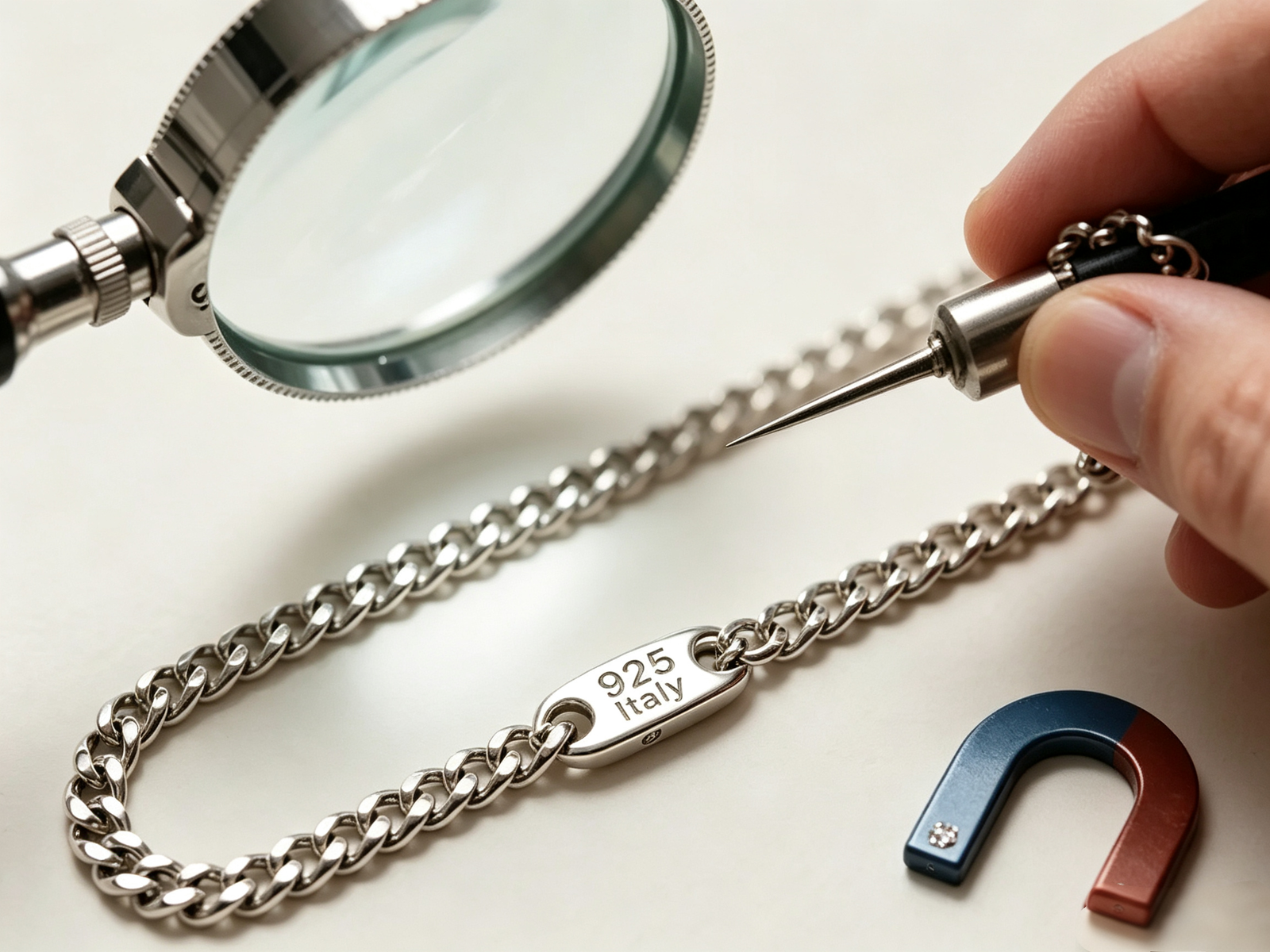
Бижута
Бижутата са най-разпознаваемото приложение на 925 стерлингово сребро.
Обикновено се използва за:
- Пръстени
- Обеци
- Гривни
- Колиета
- Висулки
- Талисмани
- Декоративни аксесоари
Неговата комбинация от външен вид, работоспособност, и съдържанието на благородни метали го прави особено подходящ за производство на бижута.
Декоративни продукти
925 стерлинговото сребро се използва и за декоративни предмети, където външният вид и материалната стойност са важни.
Примерите включват:
- Орнаменти
- Колекционерски предмети
- Декоративни компоненти
- Луксозни аксесоари
Електрически приложения
Среброто има много висока електропроводимост, така че сребърните сплави могат да се използват в специализирани електрически и електронни приложения.
въпреки това, изборът на материал зависи от необходимата проводимост, механични свойства, контактно поведение, работна среда, и цена.
Общи приложения на неръждаема стомана
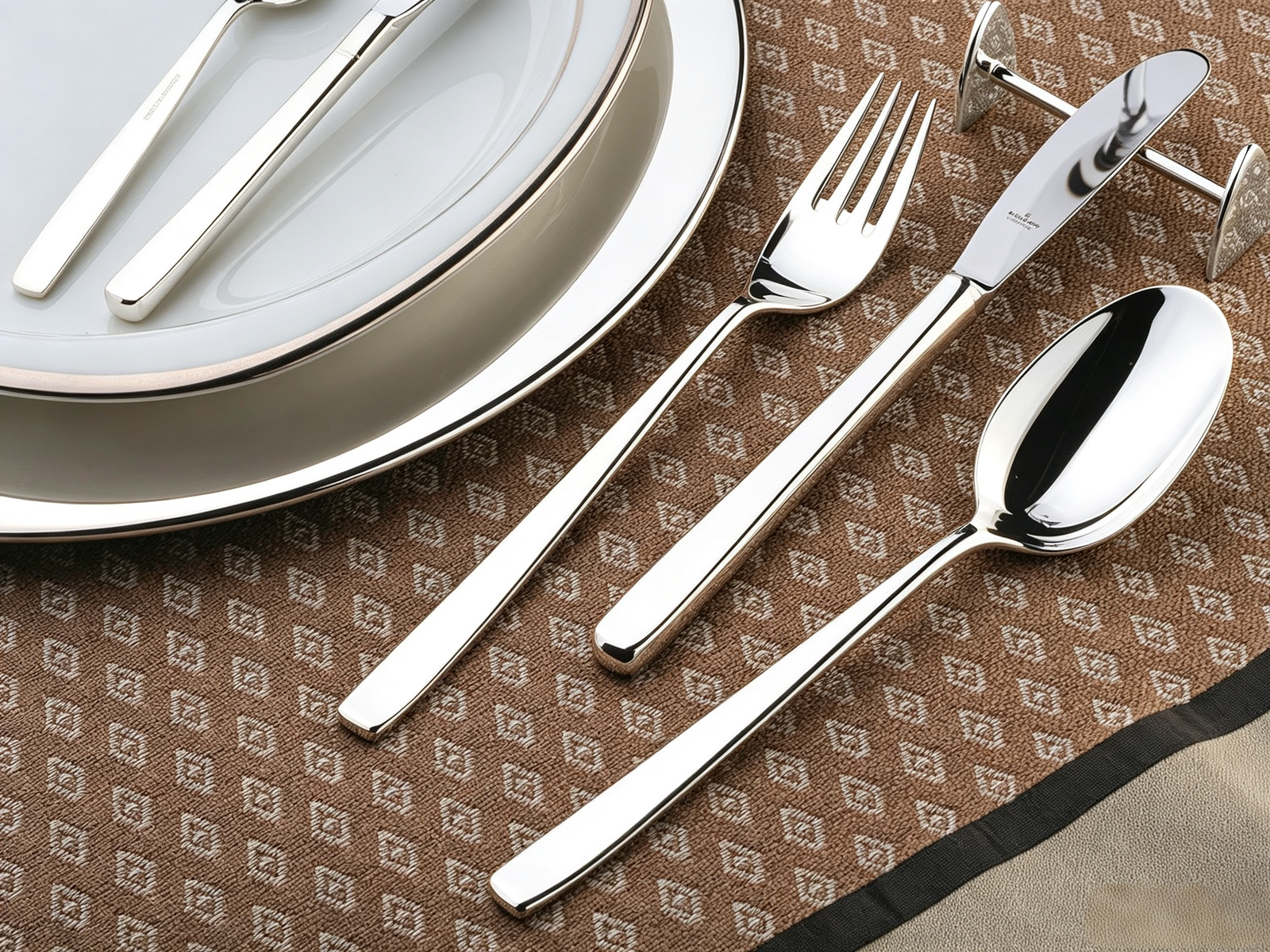
Неръждаемата стомана има много по-широк диапазон на инженерно приложение.
Кухненска посуда и оборудване за храна
304 неръждаемата стомана се използва често в много приложения, свързани с храни и домакинства, поради своята устойчивост на корозия, почистваемост, и издръжливост.
Типичните продукти включват:
- Кухненско оборудване
- Компоненти за преработка на храни
- Потъва
- Контейнери
- Уреди
- Търговско кетъринг оборудване
Медицинско оборудване
Неръждаемата стомана се използва широко в медицинско и здравно оборудване, тъй като подходящите класове могат да осигурят устойчивост на корозия, издръжливост, почистваемост, и съвместимост с процесите на стерилизация.
Приложенията включват:
- Хирургически инструменти
- Медицинско оборудване
- Зъбни инструменти
- Хирургически тави
- Медицинско оборудване
Точният клас и състояние на повърхността трябва да бъдат избрани според нормативните и функционални изисквания на устройството.
Автомобилни компоненти
Може да се използва неръждаема стомана:
- Изпускателни компоненти
- Скоби
- Крепежни елементи
- Подстригване на компоненти
- Прецизни механични части
- Топлоустойчиви компоненти
Класът трябва да бъде избран въз основа на температурата, излагане на корозия, механични натоварвания, и производствени изисквания.
Строителство и архитектура
Неръждаемата стомана се използва широко в:
- Парапети
- Архитектурни пана
- Облицовка
- Структурни компоненти
- Крепежни елементи
- Декоративни елементи
Неговата устойчивост на корозия и външен вид на повърхността го правят особено привлекателен за архитектурни приложения.
Индустриално оборудване
Индустриалните приложения включват:
- Машинни компоненти
- Валове
- Втулки
- Приспособления
- Крепежни елементи
- Компоненти на помпата
- Клапани
- Оборудване за химическа обработка
- Персонализирани CNC машинни части
За взискателни приложения, изборът между 304, 316, 17-4 PH, дуплекс от неръждаема стомана, и други степени могат значително да повлияят на ефективността на продукта.
925 Стерлингово сребро срещу 304 Неръждаема стомана
304 неръждаемата стомана е един от най-широко използваните видове аустенитна неръждаема стомана.
Обикновено се свързва с приблизително 18% хром и 8% никел, въпреки че действителният състав зависи от приложимата спецификация. Предлага добра устойчивост на корозия, пластичност, оформяемост, и заваряемост.
| Особеност | 925 Стерлингово сребро | 304 Неръждаема стомана |
| Основен материал | Сребърна сплав | Сплав на основата на желязо |
| Устойчивост на корозия | Добър, но може да опетни | Отличен за много среди |
| Сила | Умерен | Като цяло по-високи |
| твърдост | Сравнително ниско | По-високо |
| Външен вид | Ярко сребристо | Металик, полиран или изчеткан |
| Електрическа проводимост | Много високо | Много по-ниско |
| цена | По-високо | Като цяло по-ниски |
| Машинна обработка | Относително работещ | Изисква подходящи инструменти и параметри |
| Общи приложения | Бижута, декоративни продукти | Промишлени и потребителски продукти |
Изберете 925 стерлингово сребро при съдържание на благороден метал, външен вид, и електрическата проводимост са важни.
Изберете 304 неръждаема стомана когато силата, устойчивост на корозия, издръжливост, и ефективността на разходите са по-важни.
316 Неръждаема стомана срещу 925 Стерлингово сребро
316 неръждаема стомана е друг важен инженерен материал.
Съдържанието му на молибден подобрява устойчивостта на корозия, особено в среди, където хлоридите и агресивните химикали са опасни.
| Особеност | 925 Стерлингово сребро | 316 Неръждаема стомана |
| Материално семейство | Сребърна сплав | Аустенитна неръждаема стомана |
| Основна цел | Външен вид и приложения от благородни метали | Инженерно изпълнение |
| Устойчивост на корозия | Добър, но може да опетни | Отлично, особено в сравнение с много стандартни степени |
| Сила | Умерен | високо |
| Устойчивост на хлорид | Не е основното му предимство | По-подходящ за богати на хлориди условия |
| Индустриални приложения | Ограничен | Обширен |
| Типичен разход | По-високо | Умерен |
| Общи приложения | Бижута | морски, медицински, химически, хранително и промишлено оборудване |
За индустриални компоненти, изложени на влага, химикали, или среди, съдържащи хлорид, 316 неръждаемата стомана обикновено е много по-подходящ инженерен материал от 925 стерлингово сребро.
316L Неръждаема стомана срещу 925 Стерлингово сребро
316L е нисковъглеродната версия на 316 неръждаема стомана.
По-ниското съдържание на въглерод спомага за намаляване на риска от сенсибилизация, свързана със заваряването, и прави 316L особено полезен за произведени компоненти, изискващи заварени съединения.
Типичните приложения включват:
- Медицинско оборудване
- Фармацевтично оборудване
- Оборудване за обработка на храни
- Оборудване за химическа обработка
- Морски компоненти
- Прецизни компоненти
- Бижута и компоненти за часовници
Решението между 316L и 925 следователно стерлинговото сребро трябва да се основава на функционалните изисквания на приложението, а не просто на външен вид.
Как да изберем правилния клас неръждаема стомана
Ако разработвате персонализирана метална част, избирането на общ материал от „неръждаема стомана“ обикновено не е достатъчно.
Помислете за следните фактори.
1. Корозионна среда
Попитайте:
- Ще контактува ли компонентът с вода?
- Изложено ли е на солена вода?
- Ще влезе ли в контакт с химикали?
- Използва ли се на открито?
- Очаква ли се експозиция на хлорид?
За по-агресивни среди, 316 или други специализирани степени може да са по-подходящи от 304.
2. Механични изисквания
Помислете:
- Якост на опън
- Граница на провлачване
- твърдост
- Устойчивост на въздействие
- Устойчивост на износване
- Изисквания за умора
Компонент, носещ механични натоварвания, може да изисква неръждаема стомана с по-висока якост, а не клас с общо предназначение.
3. Производствен процес
Изборът на материал трябва да е съвместим с метода на производство.
например:
- CNC обработка
- CNC струговане
- Фрезоване
- Щамповане
- Дълбоко изтегляне
- Заваряване
- Лазерно рязане
- Смилане
- Полиране
Материал, който се представя добре в експлоатация, може да не е непременно най-лесният материал за производство.
4. Повърхностно покритие
За видими компоненти, преценете дали имате нужда:
- Матирано покритие
- Огледален лак
- Сатенено покритие
- Пасивация
- Електрополиране
- Взривяване на мъниста
- Повърхностна обработка по поръчка
Изискванията за повърхността трябва да бъдат съобщени преди производството, тъй като те могат да повлияят на допуските за обработка, допустими отклонения, и окончателна проверка.
5. Толерантност към размерите
За прецизни компоненти, дефинирам:
- Критични размери
- Общи допустими отклонения
- GD&T изисквания
- Грапавост на повърхността
- Плоскост
- Концентричност
- Изисквания към нишката
Изборът на материал и стратегията за обработка трябва да се оценяват заедно.
6. Обем на производство
Най-икономичният процес може да се различава в зависимост от производствения обем.
например:
- Прототип → CNC обработка
- Малък обем → CNC обработка или производство на ламарина
- Среден обем → CNC обработка, щамповане, или формиране
- Голям обем → Щамповане, формиране, кастинг, или специални инструменти
Партньор в производството може да помогне при определянето на най-рентабилния производствен метод.
Производство на неръждаема стомана и части по поръчка
За фирми, закупуващи персонализирани компоненти от неръждаема стомана, изборът на материал е само една част от производствения процес.
Един способен производител също трябва да може да оцени:
CNC обработка
Подходящ за прецизни компоненти със сложни геометрии и тесни допуски.
Общите операции включват:
- CNC фрезоване
- CNC струговане
- Многооси обработка
- Пробиване
- Нарязване на резба
- Разширяване
- скучно
- Повърхностно завършване
Производство на ламарина
Подходящ за:
- Заграждения
- Скоби
- Панели
- Покрития
- Рамки
- Структурни компоненти
Типичните процеси включват лазерно рязане, огъване, заваряване, смилане, и довършителни.
Щамповане
За производство в голям обем, щамповането може да осигури:
- Висока скорост на производство
- Съвместими размери
- Повтаряемост
- По-ниска единична цена при достатъчни обеми
Повърхностна обработка
В зависимост от приложението, може да са необходими части от неръждаема стомана:
- Полиране
- Четкане
- Пасивация
- Електрополиране
- Киселина
- Взривяване на мъниста
Декапирането и пасивирането могат да помогнат за отстраняване на замърсителите и да подпомогнат образуването на непрекъснат пасивен филм, богат на хром.
Плюсове и минуси на 925 Стерлингово сребро
Предимства
Атрактивен външен вид
925 стерлинговото сребро има ярка, първокласен външен вид, който е особено подходящ за бижута и декоративни продукти.
Високо съдържание на сребро
Това 92.5% съдържанието на сребро осигурява на материала характеристиките, очаквани от сплав от благороден метал.
Отлична проводимост
Среброто осигурява изключително висока електрическа и топлопроводимост.
Добра обработваемост
Може да се формира стерлингово сребро, полиран, и изработени в детайлни проекти.
Недостатъци
Може да опетни
За разлика от неръждаемата стомана, стерлинговото сребро може да потъмнее с течение на времето.
По-ниска сила
Като цяло е по-малко подходящ от инженерната неръждаема стомана за тежко натоварени механични компоненти.
По-високи разходи за материали
Тъй като съдържа висок процент сребро, неговата материална цена обикновено е много по-висока от обикновените класове неръждаема стомана.
Изисква повече поддръжка
Декоративните продукти от стерлингово сребро може да изискват редовно почистване и полиране, за да запазят външния си вид.
Плюсове и минуси на неръждаемата стомана
Предимства
Отлична устойчивост на корозия
Хромът създава защитен пасивен слой, който осигурява на неръждаемата стомана нейната характерна устойчивост на корозия.
Висока издръжливост
Много видове неръждаема стомана осигуряват отлична здравина, издръжливост, и устойчивост на износване.
Широко избиране на материали
Има много видове неръждаема стомана, предназначени за различни изисквания.
Ниска поддръжка
Правилно избраната неръждаема стомана обикновено изисква относително малко поддръжка в сравнение с много алтернативни материали.
Отлични възможности за изработка
Неръждаемата стомана може да се обработва машинно, подпечатан, образувани, заварени, полиран, и завършен за голямо разнообразие от приложения.
Дълъг служебен живот
Когато е избран правилният клас за сервизната среда, неръждаемата стомана може да осигури дълъг експлоатационен живот.
Недостатъци
По-висока цена от въглеродна стомана
Неръждаемата стомана обикновено е по-скъпа от обикновената въглеродна стомана.
Машинната обработка може да бъде предизвикателство
Някои степени могат да се втвърдят при работа или да генерират значителна топлина при рязане, нарастваща трудност при обработката.
Изборът на степен е критичен
304 може да е отлично за едно приложение, но неподходящо за друго. По-взискателните среди може да изискват 316, дуплекс, валежно-втвърдяване, или други специализирани степени.
Не е напълно устойчив на корозия
Неръждаемата стомана все още може да има хлътване, цепнатина корозия, корозионно напукване под напрежение, или други форми на корозия при неблагоприятни условия.
925 Неръждаема стомана: Какъв материал всъщност трябва да изберете?
Ако обмисляте „925 неръждаема стомана“ за продукт или инженерен проект, първо определете какъв материал всъщност ви е необходим.
Изберете 925 Стерлингово сребро Когато:
- Произвеждате бижута
- Съдържанието на благородни метали е важно
- Външният вид е основен приоритет
- Високата електрическа проводимост е от полза
- Приложението не изисква висока механична якост
Изберете 304 Неръждаема стомана Когато:
- Имате нужда от неръждаема стомана с общо предназначение
- Изисква се добра устойчивост на корозия
- Силата и издръжливостта имат значение
- Продуктът е за промишлена или потребителска употреба
- Имате нужда от рентабилно решение от неръждаема стомана
Изберете 316 Неръждаема стомана Когато:
- Очаква се експозиция на хлорид
- Компонентът се използва в близост до морска вода
- Химическата устойчивост е важна
- Изисква се по-висока устойчивост на корозия
Изберете 316L Когато:
- Заваряването е включено
- Предпочита се нисковъглеродна неръждаема стомана
- медицински, фармацевтични, или са включени хигиенни приложения
- Устойчивостта на корозия и производителността са важни
Изберете специализиран клас неръждаема стомана, когато:
- Необходима е висока якост
- Устойчивостта на износване е критична
- Високите температури са включени
- Компонентът работи в силно корозивна среда
- Специфични магнитни, механичен, или се изискват химични свойства
Често задавани въпроси относно 925 Неръждаема стомана
Е 925 неръждаема стомана истински клас неръждаема стомана?
Общо взето, не. 925 е основно обозначение за съдържание на стерлингово сребро 92.5% сребро. Неръждаемата стомана обикновено се идентифицира с признати класове като 304, 316, 316Л, 410, или 17-4 PH.
Какво прави 925 означава върху метал?
The 925 обозначението обикновено означава, че дадена сплав съдържа 92.5% сребро по маса, с останалото 7.5% състоящ се от други легиращи елементи.
Е 925 сребро същото като неръждаема стомана?
не. 925 стерлинговото сребро е сплав на сребърна основа, докато неръждаемата стомана е сплав на желязна основа, съдържаща поне приблизително 10.5% хром.
прави 925 стерлингово сребро ръжда?
не, стерлинговото сребро не ръждясва по същия начин, както стоманата на основата на желязо. въпреки това, може потъмняват и обезцветяват поради химични реакции със съединения в околната среда.
Потъмнява неръждаемата стомана?
Неръждаемата стомана обикновено не потъмнява по същия начин като стерлинговото сребро. Неговата устойчивост на корозия идва от богат на хром пасивен слой. въпреки това, неръждаемата стомана може да остави петна или да корозира в агресивна среда.
Е 316 неръждаема стомана по-добра от 925 сребро?
Нито един материал не е универсално „по-добър“. Те са предназначени за различни цели.
За бижута и декоративни приложения, 925 стерлинговото сребро може да е за предпочитане.
За промишлени компоненти, изискващи здравина, издръжливост, и устойчивост на корозия, 316 неръждаемата стомана обикновено е по-подходяща.
Е 304 или 316 неръждаема стомана по-добре?
Зависи от приложението.
304 е отлична неръждаема стомана с общо предназначение.
316 обикновено се предпочита, когато се изисква подобрена устойчивост на хлорид-съдържащи или по-агресивни среди.
Може ли неръждаема стомана да се обработва с ЦПУ?
да. Неръждаемата стомана се използва широко за CNC машинни компоненти. въпреки това, различните степени имат различни характеристики на обработка, така режещи инструменти, емисии, скорости, охлаждаща течност, работно държане, и довършителните процеси трябва да бъдат избрани според конкретния клас.
Коя неръждаема стомана е най-добра за персонализирани машинни части?
Няма единична „най-добра“ оценка.
Обичайните избори включват:
- 304за компоненти с общо предназначение
- 316/316Лза подобрена устойчивост на корозия
- 17-4 PHза приложения с висока якост
- 410/420където твърдостта и устойчивостта на износване са важни
- Други специализирани класове за висока температура, морски, химически, или много взискателни приложения
Най-добрата оценка зависи от действителната работна среда и изискванията за производителност.
Заключение: 925 Неръждаема стомана срещу. 925 Стерлингово сребро
Терминът „925 неръждаема стомана“ може да бъде подвеждаща.
Ако видите „925“, първият въпрос трябва да бъде дали продуктът всъщност се отнася за 925 стерлингово сребро. Стерлинговото сребро съдържа 92.5% сребро, докато неръждаемата стомана е семейство сплави на основата на желязо, дефинирани от съдържанието на хром и специфичните степени на материала.
За бижута и декоративни приложения, 925 стерлингово сребро предлага атрактивен външен вид и високо съдържание на благородни метали.
За инженерни и индустриални приложения, 304, 316, 316Л, 17-4 PH, и други видове неръждаема стомана осигуряват много по-широк диапазон на сила, устойчивост на корозия, обработваемост, и характеристики на услугата.
За части по поръчка, не избирайте материал само въз основа на име на продукт като „неръждаема стомана 925“. Вместо това, посочете точен клас на материала, среда за приложение, механични изисквания, допустими отклонения, повърхностно покритие, обем на производството, и производствения процес.
Ако имате 2D рисунка, 3D CAD файл, материално изискване, или примерна част, Най-висока точност-квалифициран прецизен производител може да оцени приложението и да препоръча подходящия клас неръждаема стомана и производствения процес преди производството.
Ключови изводи
- 925 неръждаемата стомана обикновено не е стандартен клас неръждаема стомана.
- 925 обикновено се отнася за съдържание на стерлингово сребро 92.5% сребро.
- Класовете неръждаема стомана включват 304, 316, 316Л, 410, 420, и 17-4 PH, сред много други.
- Устойчивостта на неръждаема стомана на корозия идва предимно от богатия на хром пасивен слой.
- 304е обикновена неръждаема стомана с общо предназначение.
- 316/316Лса по-подходящи за много богати на хлориди или по-агресивни среди.
- Неръждаемата стомана може да се обработва CNC обработка, обръщане, фрезоване, щамповане, изработка на ламарина, заваряване, полиране, и пасивация.
- За части от неръждаема стомана по поръчка, изборът на материал трябва да се основава на приложение, Околна среда, механични изисквания, допустими отклонения, повърхностно покритие, и обем на производството.


