



Няма един „най-добър“ материал за 3D печат за всеки проект. PLA може да бъде отличен избор за евтин визуален прототип, докато PA12 може да е по-добър за функционален механичен компонент. TPU е подходящ за гъвкави части, PEEK за взискателни среди с висока температура, и титан или инконел за специализирани метални приложения.
Следователно правилният избор зависи от приложение, необходими свойства на материала, 3D процес на печат, обем на производството, изисквания към размерите, последваща обработка, и обща цена.
Това ръководство обяснява основните типове материали за 3D печат, техните свойства и приложения, как се сравняват, и как инженерите и екипите за закупуване могат да изберат най-подходящия материал за конкретен проект.
Бърз отговор: Кой е най-добрият материал за 3D печат?
Няма универсален най-добър материал. Подходящият материал зависи от приложението.
- PLA:Най-доброто за евтини прототипи, модели, и визуални концепции.
- коремни мускули:Подходящ за устойчиви на удар функционални прототипи и корпуси.
- PETG:Добър материал с общо предназначение, когато здравината и химическата устойчивост са важни.
- PA11/PA12 Найлон:Отличен за функционални механични компоненти, заграждения, скоби, предавки, и дребносерийно производство.
- TPU:Най-добър за гъвкави и ударопоглъщащи компоненти.
- настолен компютър:Подходящ за силни, удароустойчиви технически части.
- ASA:Препоръчва се за външни приложения, изискващи UV и устойчивост на атмосферни влияния.
- PEEK:Проектиран за взискателни приложения, включващи висока температура, химикали, и механични натоварвания.
- Инженерни смоли:Подходящ за прототипи с висока детайлност, инструментална екипировка, и специализирани функционални части.
- Алуминий:Силен, олекотен вариант за метални компоненти.
- Титан:Подходящ за приложения с висока производителност, където съотношението якост към тегло и устойчивостта на корозия са критични.
- Инконел:Подходящ за екстремни температури и силно корозивни среди.
Важният момент е, че изборът на материал трябва да започне с изискванията за приложение, а не само с популярността на материала или цената.
1. Защо изборът на правилния материал за 3D печат е важен
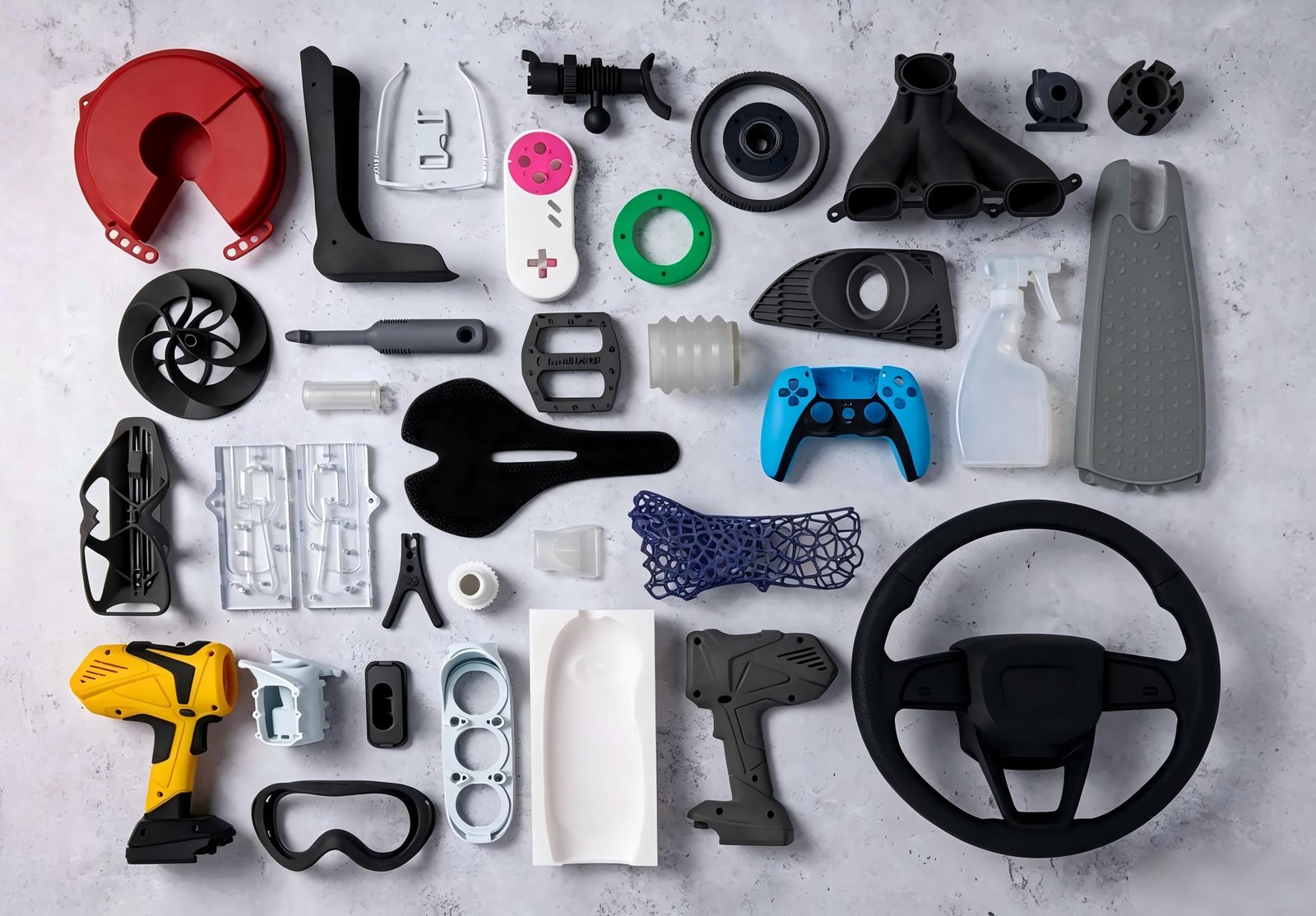
3D печатът прави възможно производството на компоненти с широка гама от материали. въпреки това, различните материали се държат много различно по време на печат и действително обслужване.
Материал, който работи перфектно за прототип, може да се провали, когато е изложен на продължителна топлина, механични натоварвания, химикали, UV радиация, или повторно въздействие.
Свойства на материала като якост на опън, модул, удължаване, химическа устойчивост, термична производителност, следователно оптичните характеристики трябва да се оценяват спрямо действителната работна среда.
1.1 Материалът определя производителността на частта
Важните свойства включват:
- Якост на опън
- Модул на опън
- Устойчивост на въздействие
- Удължение
- твърдост
- Гъвкавост
- Устойчивост на умора
- Устойчивост на износване
- Температурна устойчивост
- Химическа устойчивост
- UV съпротива
- Устойчивост на влага
- Електрически свойства
например, твърд материал може да е подходящ за структурна скоба, но неподходящ за компонент, който трябва многократно да се огъва.
По същия начин, материал с висока якост на опън не е автоматично най-добрият избор, ако компонентът изисква висока устойчивост на удар или устойчивост на умора.
1.2 Материалът влияе върху производствените разходи
Изборът на материал също влияе върху икономиката на производството.
Общата цена на 3D отпечатан компонент може да включва:
- Суровина
- Машинно време
- Консумация на енергия
- Подпорни конструкции
- Използване на прах или смола
- Труд
- Постобработка
- CNC обработка
- Повърхностно завършване
- инспекция
- Опаковка
Следователно, изборът на нишка или смола с най-ниска цена не води непременно до крайния компонент с най-ниска цена.
1.3 Материалът влияе върху живота на продукта
Компонент, използван за пет минути по време на преглед на дизайна, има много различни изисквания от компонент, за който се очаква да работи непрекъснато няколко години.
Преди да изберете материал, определям:
- Какво ще направи частта?
- Какви натоварвания ще изпитва?
- Каква температура ще види?
- Какви химикали или условия на околната среда ще срещне?
- Колко време трябва да остане функционален?
- Каква точност на размерите се изисква?
Тези въпроси определят критериите за избор на материал.
2. Основни категории материали за 3D печат
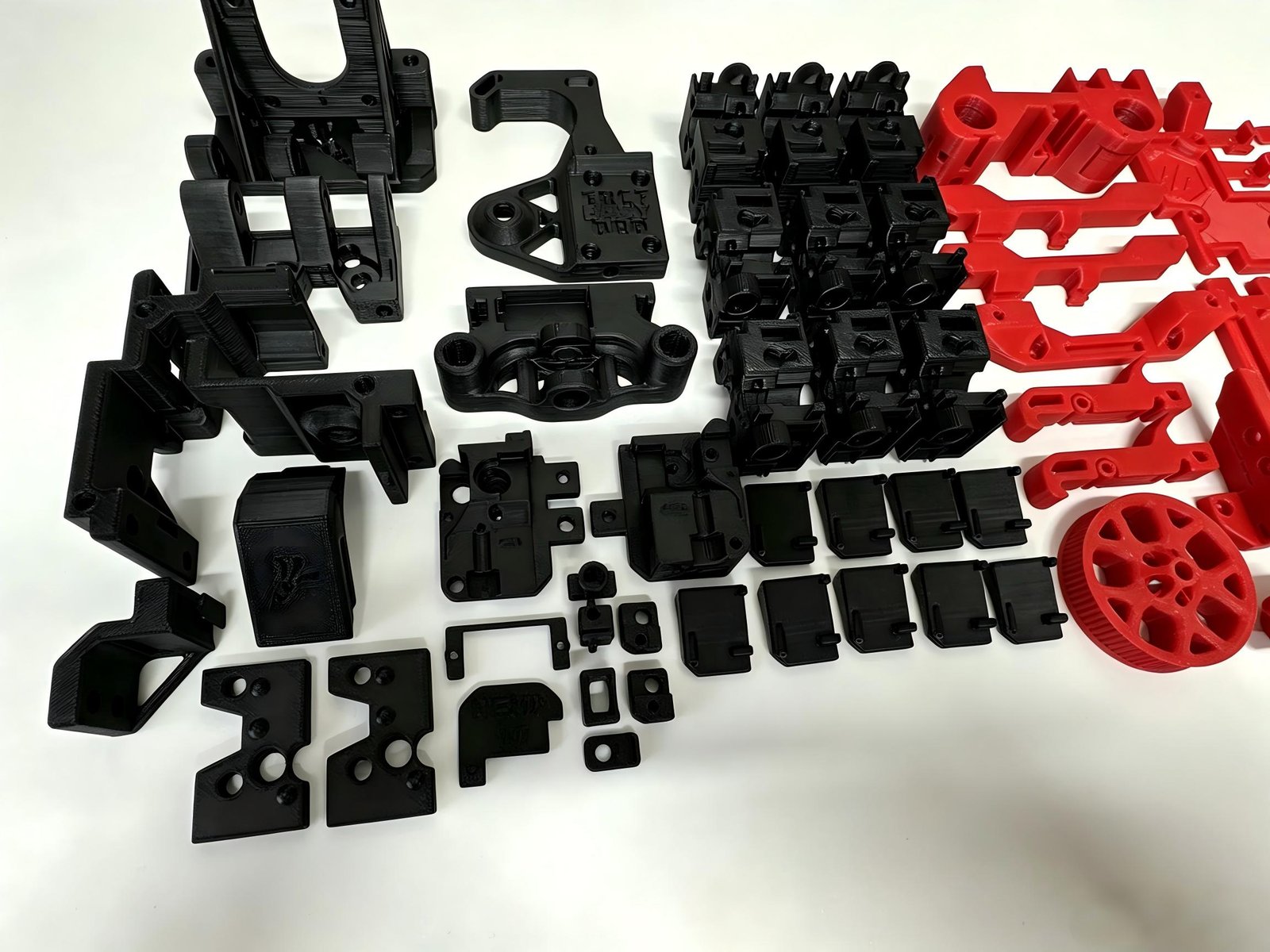
3Материалите за печат могат да бъдат разделени на няколко групи:
- Термопластика
- Фотополимерни смоли
- Метални материали
- Керамични материали
- Композитни материали
Различните технологии за адитивно производство използват различни форми на тези материали.
например, FDM/FFF обработва предимно термопластични нишки, SLA и DLP използват течни фотополимерни смоли, докато SLS и MJF обикновено обработват полимерни прахове.
3. Термопластични 3D печатни материали
Термопластите са сред най-широко използваните материали в 3D печата.
Могат да се нагряват, образувани, и отново се втвърди, което ги прави подходящи за процеси като FDM/FFF и, под формата на прах, SLS и MJF.
3.1 PLA
PLA (полимлечна киселина) е един от най-лесните материали за печат.
Ключови свойства
- Лесен за обработка
- Добра точност на размерите
- Висока твърдост
- Ниска трудност при печат
- Добро визуално качество
- Сравнително ниска цена на материала
Типични приложения
- Концептуални модели
- Дизайн прототипи
- Показване на модели
- Образователни модели
- Корпуси за ниско натоварване
- Визуални прототипи
Ограничения
PLA обикновено не е първият избор за взискателни функционални компоненти, изложени на повишени температури, устойчиви натоварвания, или сурови среди.
Най-добрият избор, когато: ниска цена, лекота на печат, външен вид, и бързото създаване на прототипи са по-важни от дългосрочните механични характеристики.
3.2 коремни мускули
коремни мускули (акрилонитрил бутадиен стирен) е утвърден инженерен термопласт.
Осигурява полезна комбинация от издръжливост, Устойчивост на въздействие, и температурни характеристики.
Типични приложения
- Функционални прототипи
- Корпуси
- Автомобилни компоненти
- Потребителски продукти
- Механични прототипи
В сравнение с PLA, ABS обикновено е по-подходящ за функционални приложения, където устойчивостта на удар и температурните характеристики са важни.
въпреки това, Печатането на ABS може да бъде по-трудно, тъй като термичното свиване и изкривяването трябва да се контролират.
3.3 PETG
PETG (модифициран с полиетилен терефталат гликол) съчетава относително лесна обработка с добра якост и химическа устойчивост.
Предимства
- Добра устойчивост на удар
- Добра здравина
- Химическа устойчивост
- Разумна стабилност на размерите
- Сравнително лесна обработка
Приложения
- Контейнери
- Защитни компоненти
- Функционални прототипи
- Механични части
- Дисплеи
- Промишлени компоненти с общо предназначение
PETG често е практично средно място между лесни за печат материали и по-взискателни инженерни полимери.
3.4 Найлон / PA
Полиамид (PA), обикновено се нарича найлон, е един от най-важните инженерни материали за функционални 3D отпечатани компоненти.
Найлонът предлага полезна комбинация от здравина, издръжливост, устойчивост на износване, и устойчивост на околната среда.
PA11 и PA12 са особено често срещани в процеси, базирани на прах, като SLS. Найлон 11 и найлон 12 може също да бъде подсилен със стъклени или въглеродни влакна, когато се изисква по-голяма твърдост или здравина.
Типични приложения
- Предавки
- Скоби
- Панти
- Механични корпуси
- Функционални възли
- Клипове
- Приспособления
- Компоненти за крайна употреба
Важно съображение: влага
Найлонът абсорбира влагата, което може да повлияе на обработката и крайните свойства. Ето защо е важно правилното съхранение и подготовка на материала.
Най-добрият избор, когато: имате нужда от издръжлив инженерен полимер за механично натоварени компоненти.
3.5 TPU
TPU (термопластичен полиуретан) е гъвкав еластомерен материал.
За разлика от твърдите термопласти, TPU може да се деформира значително и да се върне към първоначалната си форма.
Имоти
- Висока гъвкавост
- Еластичност
- Устойчивост на абразия
- Шок абсорбция
- Добра устойчивост на удар
Приложения
- Уплътнения
- Уплътнения
- Гъвкави корици
- Защитни калъфи
- Амортисьори на вибрации
- Гъвкави конектори
- Компоненти за носене
TPU е особено полезен, когато даден компонент трябва да се държи повече като гума, отколкото като конвенционална твърда пластмаса.
3.6 Поликарбонат (настолен компютър)
Поликарбонат е силен, здрав инженерен термопласт, известен с висока устойчивост на удар.
Може да се използва за:
- Машинни компоненти
- Защитни капаци
- Структурни прототипи
- Технически корпуси
- Приспособления
Компютърът обикновено е по-взискателен за печат от PLA или PETG, така че подходящият капацитет на машината и контролът на процеса са важни.
3.7 ASA
ASA (акрилонитрил стирен акрилат) често се избира за външни приложения поради своята устойчивост на UV и атмосферни влияния.
Приложения
- Външни корпуси
- Автомобилни екстериорни компоненти
- Индустриални капаци
- Външно оборудване
- Изложени на атмосферни влияния прототипи
Ако даден компонент ще прекара значително време на открито, ASA може да бъде по-добър вариант от материалите, които са по-податливи на UV разграждане.
3.8 PEEK
PEEK (полиетер етер кетон) е високоефективен инженерен термопласт.
Използва се, когато конвенционалните полимери не могат да отговорят на изискванията за температура, химическа устойчивост, механично изпълнение, или стабилност на размерите.
Приложения
- Космонавтика
- Медицинско оборудване
- Полупроводниково оборудване
- Нефт и газ
- Химическа обработка
- Високотемпературни машини
PEEK е значително по-скъп и по-труден за обработка от обикновените материали за 3D печат.
Следователно той трябва да бъде избран, защото неговата производителност е необходима, а не просто защото е първокласен материал.
4. Материали за 3D печат от смола
Сла, DLP, и свързаните с тях базирани на смоли технологии използват течни фотополимерни материали, които се втвърдяват селективно с помощта на светлина.
3D печатът със смола е особено привлекателен, когато фин детайл, размерна точност, и качество на повърхността са приоритети. SLA може да произведе по-гладки повърхности и фини характеристики от много FDM процеси.
4.1 Стандартна смола
Подходящ за:
- Концептуални модели
- Визуални прототипи
- Детайлни модели
- Валидиране на дизайна на продукта
4.2 Твърда смола
Проектиран да осигури по-добра устойчивост на удар и издръжливост от стандартната смола.
Приложенията включват:
- Функционални прототипи
- Компоненти за щракване
- Заграждения
- Механични прототипи
4.3 Гъвкава смола
Използва се за:
- Гъвкави компоненти
- Меки на допир прототипи
- Уплътнения
- Уплътнения
- Еластомерни части
4.4 Високотемпературна смола
Полезно за приложения, изискващи стабилност на размерите при повишени температури.
4.5 Инженерна смола
Инженерните смоли са формулирани, за да осигурят по-специфични механични, топлинна, или химически характеристики.
Някои специализирани системи от смоли могат да се насочат към свойства като забавяне на горенето, електрическо разсейване, биосъвместимост, или висока твърдост.
5. Метални материали за 3D печат
Производството с метални добавки се използва все повече за сложни инженерни компоненти, производство в малък обем, леки конструкции, и приложения, при които конвенционалното производство може да бъде трудно или скъпо.
Обикновените метални материали за 3D печат включват:
- Неръждаема стомана
- Алуминий
- Титан
- Инконел
- Инструментална стомана
- Медни и медни сплави
5.1 Неръждаема стомана
Неръждаемата стомана предлага комбинация от:
- Сила
- Устойчивост на корозия
- Издръжливост
- Температурни характеристики
Приложенията включват:
- Индустриални компоненти
- Приспособления
- Функционални прототипи
- Механични части
- Медицински компоненти
5.2 Алуминий
Алуминият е привлекателен, когато се изисква ниско тегло и добри механични характеристики.
Приложения
- Автомобилна
- Космонавтика
- роботика
- Компоненти за управление на топлината
- Леки структурни части
5.3 Титан
Титанът осигурява отлично съотношение на якост към тегло и силна устойчивост на корозия.
Обикновено се счита за:
- Космонавтика
- Медицински компоненти
- Високоефективен инженеринг
- Леки структурни компоненти
5.4 Инконел
Базираните на никел сплави Inconel са предназначени за взискателни среди, включващи високи температури, корозия, и механичен стрес.
Типичните приложения включват:
- Космонавтика
- Турбомашини
- енергия
- Химическа обработка
- Високотемпературни компоненти
5.5 Инструментална стомана
Инструменталните стомани могат да се използват за:
- умира
- плесени
- Инструментална екипировка
- Компоненти, устойчиви на износване
6. Композитни 3D печатни материали
Композитните материали съчетават полимерна матрица с подсилващи влакна.
Най-често срещаните материали за подсилване включват:
- Въглеродни влакна
- Стъклени влакна
- Кевлар и други специални влакна
6.1 Материали, подсилени с въглеродни влакна
Въглеродните влакна могат значително да увеличат твърдостта и да намалят деформацията в сравнение с еквивалентен неусилен полимер.
Приложенията включват:
- Леки тела
- роботика
- Автомобилни прототипи
- Структурни скоби
- Индустриална инструментална екипировка
6.2 Материали, подсилени със стъклени влакна
Стъклените влакна са друга често срещана опция за армиране.
Той може да осигури повишена твърдост и стабилност на размерите, като същевременно често е по-икономичен от въглеродните влакна.
Кога трябва да изберете композит?
Помислете за материали, подсилени с влакна, когато:
- Необходима е висока твърдост
- Теглото трябва да бъде сведено до минимум
- Стабилността на размерите е важна
- Компонентът трябва да издържа на механични натоварвания
въпреки това, ориентацията на влакната и параметрите на печат могат да повлияят на крайните механични свойства, така че изборът на материал трябва да се оценява заедно с процеса на печат.
7. 3D Материали за печат чрез технология за печат
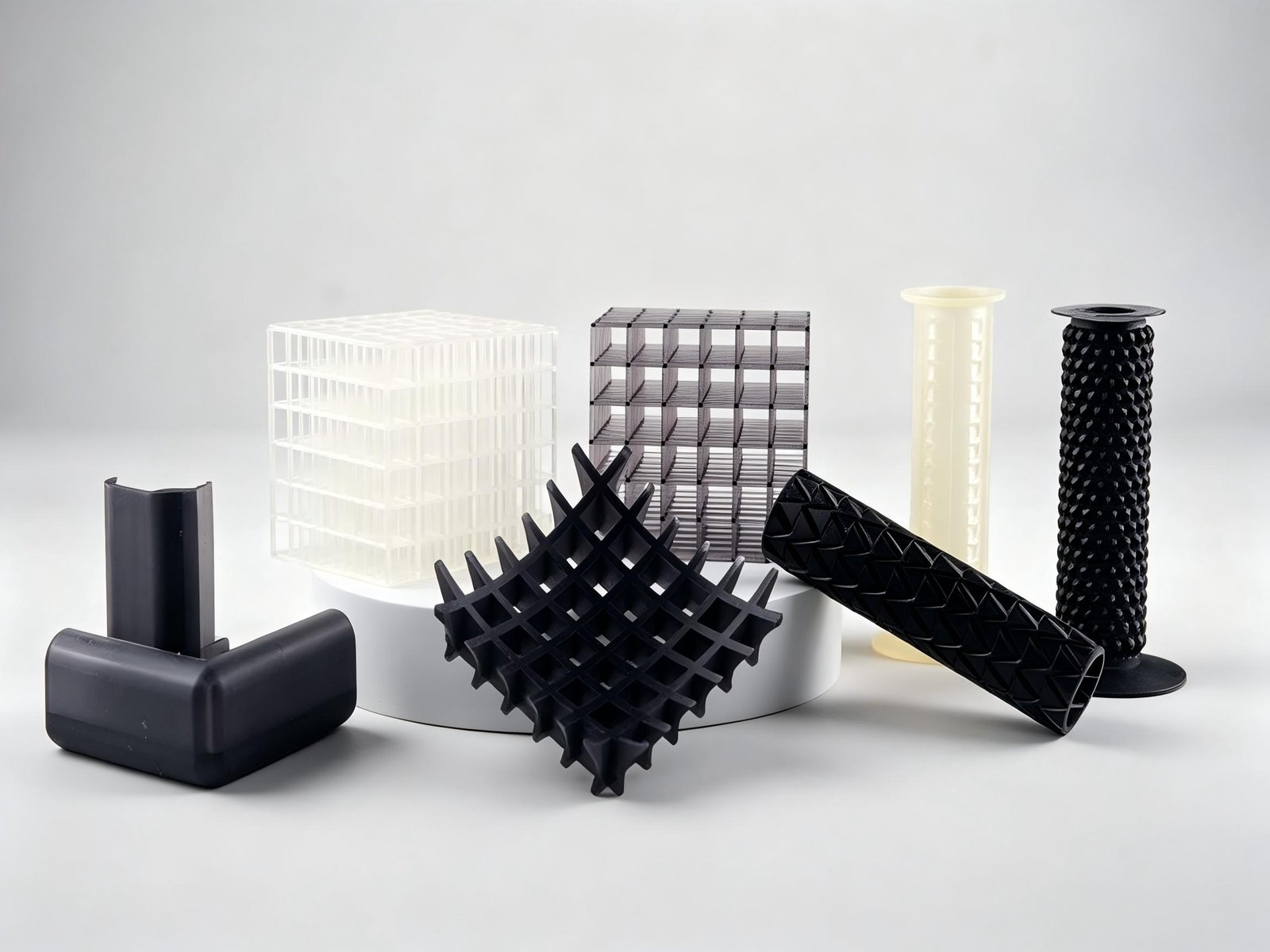
Изборът на материал не може да бъде отделен от избора на процес.
Едно и също основно полимерно семейство може да се държи различно в зависимост от това дали се обработва като нишка, смола, или прах. Следователно, инженерите трябва да изберат комбинация материал-процес, не просто името на материала.
| 3D Процес на печат | Типични материали | Типични приложения |
| FDM / FFF | PLA, коремни мускули, PETG, TPU, PA, настолен компютър, PEEK | Прототипи, приспособления, функционални части |
| Сла / DLP | Стандартен, жилав, гъвкави и инженерни смоли | Прототипи с висока детайлност и специализирани компоненти |
| SLS | PA11, PA12, TPU, подсилен найлон | Функционални части и сложни геометрии |
| mjf | PA11, PA12, TPU и подобни прахове | Функционални прототипи и дребносерийно производство |
| Метален LPBF / SLM / DMLS | Алуминий, неръждаема стомана, титан, Инконел | Метални компоненти с висока производителност |
| Струйно свързване | Метали, керамика, пясък | Производство и специализирани приложения |
| PolyJet / MJM | Фотополимери | Подробни и многоматериални прототипи |
| ДЕД | Титан, неръждаема стомана, Инконел, алуминий | Големи компоненти и приложения за ремонт |
FDM / FFF
FDM е привлекателен със своя относително прост работен процес, широка материална наличност, и възможност за евтини прототипи.
Сла / DLP
Процесите, базирани на смола, са силен избор при качеството на повърхността, фини детайли, и точността на размерите са важни.
SLS
SLS използва прах за създаване на самоносещи части, позволяващи сложни геометрии, вътрешни характеристики, подбивания, и тънки стени без конвенционални носещи конструкции. Найлонът е един от най-утвърдените SLS материали.
mjf
MJF се използва широко за функционални полимерни компоненти и може да бъде привлекателен за производство на малки партиди.
8. Как да изберете правилния материал за 3D печат
Най-надеждният начин за избор на материал е систематизирането на изискванията за приложение.
стъпка 1: Дефинирайте приложението
Първо определете какво трябва да прави компонентът.
дали е:
- Визуален прототип?
- Функционален прототип?
- Производствен компонент?
- Приспособление?
- Жилище?
- Печат?
- Инструментален компонент?
- Конструктивна част?
Един визуален прототип може да изисква само добър външен вид, докато компонент за крайна употреба може да изисква валидирани механични и екологични характеристики.
стъпка 2: Идентифицирайте механичните изисквания
Помислете:
- Якост на опън
- Скованост
- Устойчивост на въздействие
- Удължение
- твърдост
- Устойчивост на износване
- Устойчивост на умора
например, предавката може да се нуждае от устойчивост на износване и стабилност на размерите, докато защитното покритие може да даде приоритет на устойчивостта на удар.
стъпка 3: Оценете температурата
Определете както минималната, така и максималната работна температура.
Също така помислете:
- Постоянна температура
- Краткотрайни температурни пикове
- Механично натоварване при температура
- Термичен цикъл
Не избирайте материал само въз основа на публикуваната му точка на топене. Ефективността в реалния свят също зависи от фактори като температурата на встъкляване, кристалност, приложено натоварване, и продължителност на експозицията.
стъпка 4: Помислете за работната среда
Попитайте дали компонентът ще срещне:
- Вода
- Влажност
- Масла
- Разтворители
- Киселини
- Алкали
- UV радиация
- Прах
- Солен спрей
- Вакуум
Материал с отлични механични свойства все още може да бъде неподходящ, ако е химически несъвместим с работната среда.
стъпка 5: Определете изискванията за размери
Определете:
- Необходима толерантност
- Грапавост на повърхността
- Размер на функцията
- Дебелина на стената
- Стабилност на размерите
- Визуални изисквания
SLA може да бъде изгодно, когато много фините детайли и гладките повърхности са важни, докато SLS е привлекателен за сложни функционални геометрии.
стъпка 6: Помислете за обема на производството
Идеалният процес и материал могат да се променят значително с обема.
1– 10 части
FDM, Сла, или други процеси за бързо създаване на прототипи могат да бъдат подходящи.
10– 1000 части
SLS, mjf, печат със смола, или индустриалният FDM може да стане привлекателен в зависимост от компонента.
По-високи обеми
Сравнете адитивното производство с леенето под налягане, CNC обработка, леене под налягане, или други конвенционални процеси.
3D печатът е особено ценен при производство в малък обем, гъвкавост на дизайна, или сложната геометрия прави традиционното производство с интензивно използване на инструменти по-малко привлекателно. SLS, например, може да поддържа нискосерийно и мостово производство без специални шприцформи.
9. 3D Сравнение на печатащия материал
Следващата таблица предоставя практическа отправна точка за избор на материал.
| Материал | Сила | Топлоустойчивост | Гъвкавост | Химическа устойчивост | Типични приложения | Относителна цена |
| PLA | Среден | ниско | ниско | Среден | Визуални прототипи | ниско |
| коремни мускули | Средно-високо | Среден | Ниска средна | Среден | Функционални прототипи | Ниска средна |
| PETG | Среден | Среден | Среден | добре | Общи функционални части | Ниска средна |
| PA12 | високо | Среден | Среден | добре | Механични компоненти | Среден |
| PA11 | високо | Среден | По-висока якост | добре | Удароустойчиви части | Среден |
| TPU | Среден | Среден | Много високо | добре | Гъвкави части | Среден |
| настолен компютър | високо | високо | Среден | Среден | Технически компоненти | Средно-високо |
| ASA | Средно-високо | Средно-високо | Ниска средна | добре | Външни компоненти | Среден |
| PEEK | Много високо | Много високо | Среден | Отлично | Високопроизводителни приложения | Много високо |
| Инженерна смола | Зависи от приложението | Зависи от приложението | Зависи от приложението | Зависи от приложението | Специализирани прототипи | Средно-високо |
| Алуминий | високо | високо | ниско | добре | Леки метални части | високо |
| Неръждаема стомана | Много високо | Много високо | ниско | Отлично | Индустриални части | високо |
| Титан | Много високо | Много високо | ниско | Отлично | Аерокосмически и медицински | Много високо |
| Инконел | Много високо | Отлично | ниско | Отлично | Екстремни среди | Много високо |
Важно: Това са общи сравнения, не сертификати за материали или допустими проекти. Действителните свойства зависят от конкретния клас, принтер, параметри на процеса, изграждане на ориентация, топлинна обработка, и след обработката.
10. Избор на материали за 3D печат по приложение
Понякога най-бързият начин да изберете материал е да започнете с приложението, а не с фамилията материали.
Най-добрите материали за прототипи
Помислете:
- PLA
- коремни мускули
- PETG
- Стандартна смола
Изберете въз основа на външния вид, сила, цена, или точността на размерите е основното изискване.
Най-добрите материали за функционални механични части
Помислете:
- PA11
- PA12
- настолен компютър
- Подсилен найлон
- Други технически полимери
Найлонът е особено утвърден за функционални SLS приложения поради своята комбинация от здравина, издръжливост, издръжливост, и екологична съпротива.
Най-добрите материали за гъвкави компоненти
Помислете:
- TPU
- Гъвкава смола
- Еластомерни материали
Най-добрите материали за приложения на открито
Помислете:
- ASA
- UV-устойчиви инженерни полимери
- Подходящи смоли, устойчиви на атмосферни влияния
Най-добрите материали за приложения при високи температури
Помислете:
- PEEK
- PEI
- Високотемпературни технически полимери
- Специализирани високотемпературни смоли
- Inconel за взискателни метални приложения
Най-добрите материали за леки компоненти
Помислете:
- Алуминий
- Титан
- Полимери, подсилени с въглеродни влакна
Правилният избор зависи от това дали приоритетът е ниската маса, скованост, сила, термична производителност, или комбинация от тези фактори.
11. Последваща обработка за различни материали за 3D печат
Отпечатването не е непременно крайната производствена стъпка.
Постобработката може да се подобри:
- Повърхностно покритие
- Размерна точност
- Механични характеристики
- Външен вид
- Устойчивост на корозия
- Устойчивост на износване
- Функционално представяне
Пластмасови части
Възможните процеси включват:
- Шлифоване
- Машинна обработка
- Химическо изглаждане
- Рисуване
- Покритие
- Полиране
Части от смола
Типичните процеси включват:
- Измиване
- UV последващо втвърдяване
- Шлифоване
- Полиране
- Рисуване
- Покритие
Метални части
Общите процеси включват:
- Топлинна обработка
- CNC фрезоване
- CNC струговане
- Смилане
- Полиране
- Пясъкоструене
- Взривяване на мъниста
- Анодиране
- Покритие
За прецизни компоненти, CNC обработката след 3D печат може да се използва за постигане на по-строги изисквания за размерите на избрани повърхности.
Керамични части
Може да се наложи производството на керамични добавки:
- Освобождаване
- Агломериране
- Смилане
- Полиране
Пътят на последваща обработка трябва да се вземе предвид преди избора на материал, тъй като може да повлияе както на крайната производителност, така и на общите производствени разходи.
12. Често срещани грешки при избора на материали за 3D печат
Грешка 1: Избор само по цена
Един евтин материал може да стане скъп, ако създава повреди, прекомерна последваща обработка, или преждевременна подмяна на компоненти.
Грешка 2: Използване на PLA за всеки прототип
PLA е отличен за много визуални прототипи, но не е автоматично подходящ за функционално тестване.
Грешка 3: Пренебрегване на работната температура
Компонент, който работи при стайна температура, може да се деформира или да загуби производителност при повишени температури.
Грешка 4: Пренебрегване на влагата
Някои полимери, особено найлон, са чувствителни към влага по време на обработка и съхранение.
Грешка 5: Избор на материал без съобразяване с процеса на печат
Материалът и процесът трябва да се оценяват заедно.
Материал, наличен за FDM, може да има различни експлоатационни характеристики, когато се обработва с друга технология.
Грешка 6: Игнориране на последващата обработка
Отпечатана част може да изисква механична обработка, топлинна обработка, покритие, или други довършителни операции за постигане на крайната му спецификация.
Грешка 7: Прекомерно уточняване на материала
Не всяко приложение изисква PEEK, титан, или инконел.
Ако PETG или PA12 отговарят на действителните изисквания, използването на много по-скъп материал може ненужно да увеличи цената на проекта.
13. 3D Печат срещу. CNC обработка срещу. Инжекционно формоване
3D печатът не е автоматично по-добър от традиционното производство.
Правилната технология зависи от геометрията, количество, толерантност, материал, повърхностно покритие, и икономика.
| Изискване | 3D Печат | CNC обработка | Инжекционно формоване |
| Прототипи | Отлично | Отлично | беден |
| Нисък обем | Отлично | добре | Често скъпо |
| Сложна геометрия | Отлично | добре | Зависи от дизайна |
| Много строги толеранси | Зависи от процеса | Отлично | добре |
| Повърхностно покритие | Зависи от процеса | Отлично | Отлично |
| Масово производство на пластмаса | Ограничен | Ограничено/скъпо | Отлично |
| Не са необходими инструменти | да | да | не |
| Промени в дизайна | Лесно | Умерен | Скъпо след обработка |
| Вътрешни канали | Отличен за подходящи процеси | трудно | Зависи от дизайна |
Изберете 3D печат Когато:
- Имате нужда от прототипи бързо.
- Обемът на производство е малък.
- Геометрията е сложна.
- Разходите за инструменти са трудни за оправдаване.
- Промените в дизайна са чести.
- Необходими са вътрешни структури или канали.
- Имате нужда от персонализирани или силно индивидуализирани части.
Помислете за CNC обработка, когато:
- Тесните толеранси са критични.
- Изисква се отлично покритие на повърхността.
- Компонентът е изработен от метал, който може да се обработва.
- Свойствата на материала трябва да съответстват точно на масивна заготовка или прът.
Помислете за леене под налягане, когато:
- Обемът на продукцията е голям.
- Единичната цена е основно съображение.
- Геометрията е подходяща за формоване.
- Инвестицията в инструменти може да се амортизира при голямо количество продукция.
В много реални проекти, тези технологии се допълват, а не се конкурират.
14. Често задавани въпроси относно материалите за 3D печат
Кой е най-добрият материал за 3D печат?
Няма универсален най-добър материал. PLA е подходящ за много визуални прототипи, PA12 за функционални компоненти, TPU за гъвкави части, PEEK за приложения с висока производителност, и метали като алуминий или титан за взискателни структурни компоненти.
Кой е най-здравият материал за 3D печат?
Отговорът зависи от това дали имате предвид якост на опън, скованост, Устойчивост на въздействие, температурни показатели, или съотношение якост към тегло. Високоефективни полимери, материали, подсилени с влакна, и всички метални сплави могат да осигурят много висока производителност по различни начини.
PLA е по-здрав от ABS?
Не е задължително. Силата зависи от конкретния клас, процес на печат, ориентация, и имот, който се измерва. ABS често се предпочита, когато здравината и устойчивостта на удар са по-важни.
PETG по-добър ли е от PLA?
Нито едно от двете не е универсално по-добро. PLA често е по-лесен за печат и осигурява отличен външен вид и твърдост, докато PETG често се предпочита за приложения, изискващи по-голяма якост и химическа устойчивост.
Кой е най-добрият материал за функционални 3D отпечатани части?
PA11 и PA12 се използват широко за функционални полимерни части, особено с прахообразни технологии като SLS. Инженерни полимери, подсилени материали, и металните сплави може да са по-подходящи, когато приложението изисква по-висока температура или механични характеристики.
Кой е най-добрият материал за 3D печат на открито?
ASA е често срещан избор за външни компоненти поради своята устойчивост на UV и атмосферни влияния. Специфичното излагане на околната среда трябва да бъде оценено преди окончателния избор на материал.
Кой е най-добрият материал за гъвкави 3D отпечатани части?
TPU и гъвкавите фотополимерни смоли са обичаен избор. Необходимата твърдост, удължаване, устойчивост на абразия, и химическата среда трябва да определят крайния материал.
Кой е най-добрият материал за високотемпературен 3D печат?
За полимерни приложения, материали като PEEK и PEI могат да бъдат подходящи, когато процесът и изискванията за дизайн ги поддържат. За екстремни метални приложения, могат да се имат предвид сплави на основата на никел като Inconel.
Каква е разликата между PA11 и PA12?
И двата са инженерни полиамиди, използвани за функционални 3D отпечатани компоненти. Тяхното механично поведение, издръжливост, скованост, характеристики на обработка, и пригодността за приложение се различават, така че изборът трябва да се основава на специфичните изисквания за ефективност.
3D принтирането по-евтино ли е от CNC обработката?
Зависи от частта. 3D печатът често е привлекателен за прототипи, производство в малък обем, сложни геометрии, и части, които биха изисквали значителна механична обработка или инструментална екипировка. CNC обработката може да бъде по-икономична при тесни допуски, отлично покритие на повърхността, или сравнително проста геометрия.
Как да избера между FDM, Сла, SLS, и метален 3D печат?
Започнете с изискванията за кандидатстване:
- Изберете FDMза икономични прототипи и избрани функционални части.
- Изберете SLA/DLPза фини детайли и гладки повърхности.
- Изберете SLS/MJFза издръжливи функционални полимерни части и сложни геометрии.
- Изберете производство на метални добавкикогато приложението изисква метални характеристики или геометрии, които оправдават метален AM.
Материалът и процесът в крайна сметка трябва да бъдат избрани заедно.
Окончателна храна за вкъщи
Правилният материал за 3D печат се определя от приложението, а не само от популярността или цената на материала.
Най-ефективният подход е да се оцени материал + печатна технология + геометрия + обем на производството + последваща обработка + общите разходи като едно производствено решение.
За инженерни и производствени проекти, целта не е да се намери най-модерният материал. Това е да намерите най-евтин материал, който надеждно отговаря на изискваната производителност и производствени спецификации.


