



Вътрешната структура на 3D отпечатан компонент - по-специално неговата плътност на запълване и модел на запълване— може значително да повлияе на здравината му, тегло, разход на материал, време за печат, и цялостно представяне.
По-високият процент на запълване не означава автоматично по-добра част. За много приложения, увеличаването на пълнежа над определена точка води до намаляваща възвръщаемост, като същевременно увеличава използването на материал и времето за производство. В някои случаи, увеличаването на броя на външните стени може да осигури по-ефективно подобряване на здравината, отколкото просто увеличаване на плътността на пълнежа.
Така, каква е най-добрата плътност на запълване за силен 3D печат? Кой е най-силният модел на запълване? Какъв пълнеж трябва да използвате за PLA, PETG, коремни мускули, или найлон?
Отговорът зависи от материал, Геометрия на част, условия на натоварване, дебелина на стената, ориентация на печат, и изисквания за кандидатстване.
Това ръководство обяснява как да изберете правилната плътност и модел на запълване за 3D печат, докато балансирате механично изпълнение, ефективност на печат, цена, и производствени изисквания.
Какво е запълване при 3D печат?
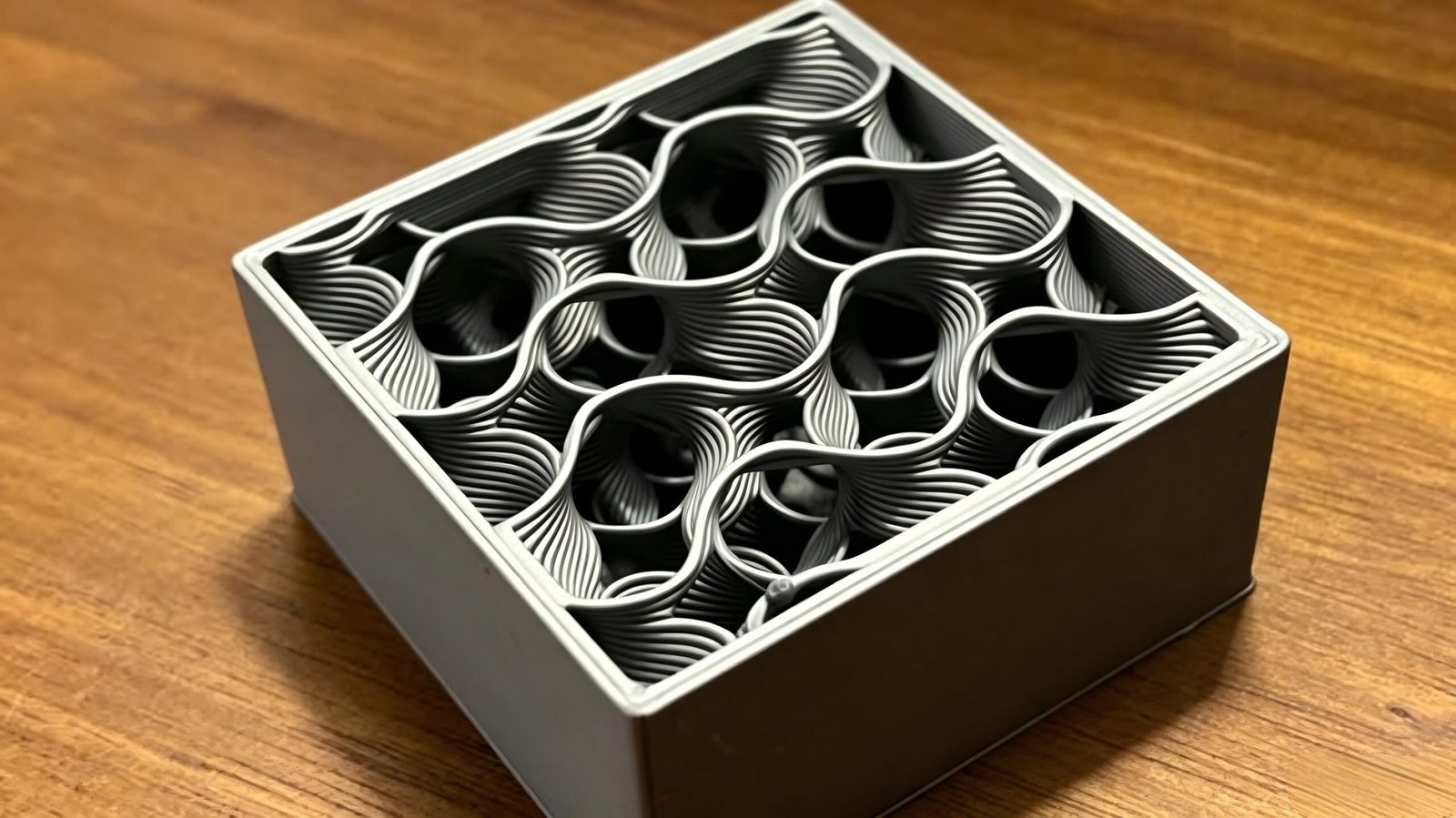
Запълване е вътрешната структура, отпечатана във външните стени на 3D отпечатан компонент.
Вместо да отпечатвате повечето FDM части като напълно твърди обекти, софтуерът за нарязване може да създаде лека вътрешна решетка или шарка между външните стени. Това намалява консумацията на материал и времето за печат, като същевременно осигурява вътрешна опора за горните слоеве на детайла.
Пълнежът също допринася за цялостното механично поведение на компонента, особено неговата устойчивост на компресия и деформация.
Основните параметри, свързани с пълнежа, включват:
Плътност на пълнежа
Модел на пълнеж
Ориентация на пълнежа
Връзка пълнеж към стена
Брой външни стени или периметри
Горен и долен плътен слой
Какво означава плътност на пълнежа?
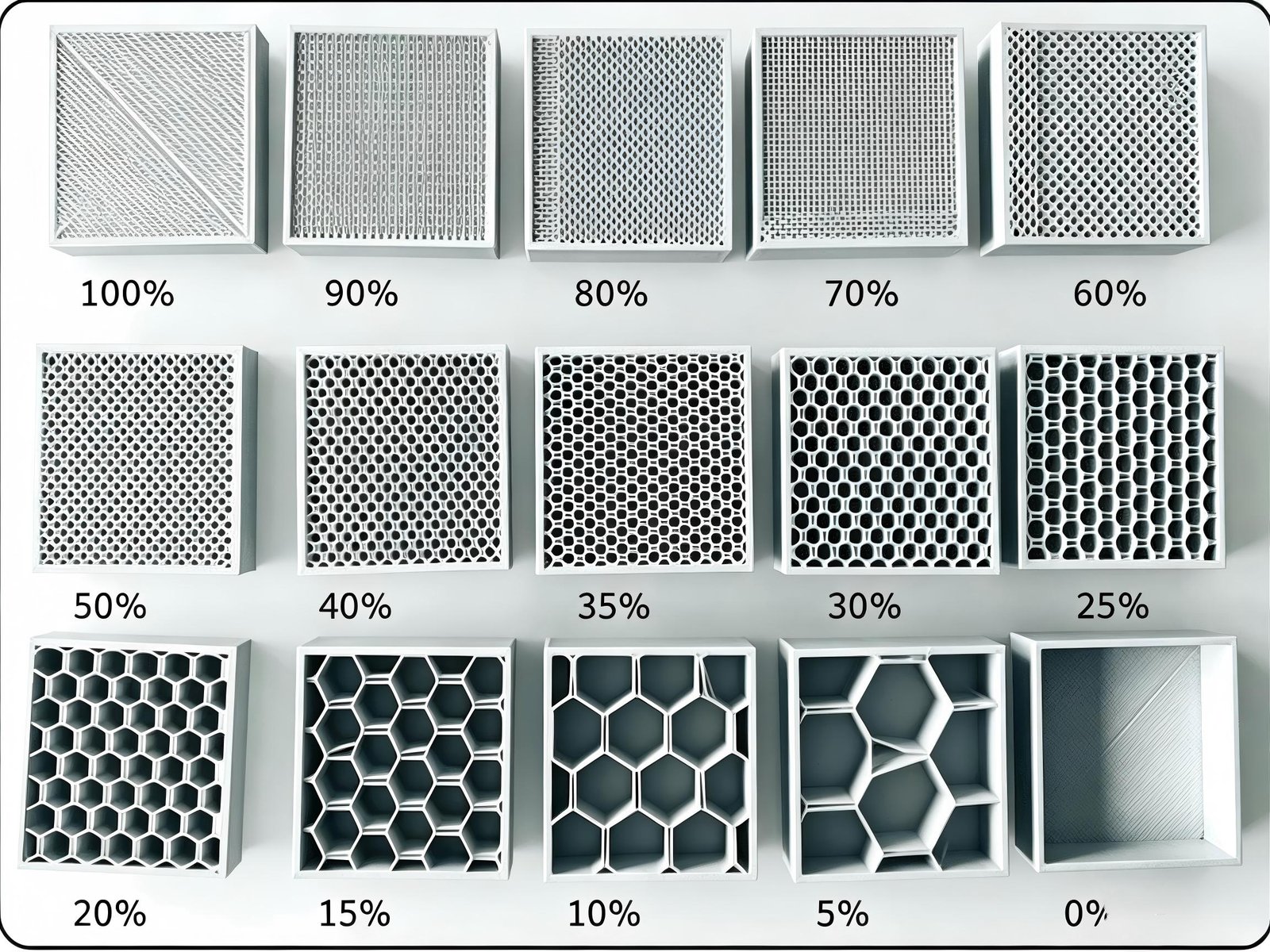
Плътност на пълнежа описва каква част от вътрешния обем на дадена част е запълнена с материал.
например:
0% запълване: по същество кухи
10–15%: лека вътрешна структура
20–30%: общ диапазон за много функционални части
40–60%: по-висока структурна опора
100%: солидна вътрешна структура
въпреки това, тези проценти не трябва да се третират като универсални инженерни спецификации.
Prusa отбелязва, че много модели могат да бъдат отпечатани успешно с приблизително 10–15% пълнеж и този пълнеж отгоре 30% рядко е необходимо за много части с общо предназначение. За приложения, изискващи по-голяма твърдост, тегло, или устойчивост на компресия, по-висока плътност може да е подходяща.
Как плътността на пълнежа влияе върху 3D отпечатаните части?
Промяната на плътността на пълнежа засяга няколко характеристики едновременно.
1. Сила и твърдост
Увеличаването на пълнежа обикновено увеличава количеството вътрешен материал, наличен за устойчивост на деформация и компресия.
въпреки това, якостта не нараства линейно с процента на запълване.
Преместване от 10% да се 20% запълването може да доведе до значително подобрение, докато се движите от 70% да се 80% може да осигури много по-малка полза в сравнение с допълнителния материал и време за печат.
2. Тегло
По-ниският пълнеж произвежда по-леки компоненти.
Това е особено важно за:
роботика
Дронове
Автомобилни компоненти
Аерокосмически прототипи
Леки тела
Подвижни механични възли
Ергономични продукти
Една добре проектирана вътрешна структура може да намали теглото без просто произволно отстраняване на материала.
3. Консумация на материали
По-високият пълнеж изисква повече нишка.
Това пряко засяга:
Материални разходи
Частично тегло
Производствена цена
Боравене с материали
Въздействие върху околната среда
За голямо производство или широкоформатни компоненти, дори малко намаляване на пълнежа може да генерира значителни спестявания на материали.
4. Време за печат
Повече вътрешен материал означава повече екструзия и следователно като цяло по-дълго време за печат.
Ако даден компонент не изисква висока вътрешна плътност, използването на ненужен пълнеж може да увеличи времето за производство, без да осигури значима допълнителна производителност.
Това става особено важно, когато се използва 3D печат:
Бързо прототипиране
Производство с малки партиди
Производство на мостове
Персонализирани компоненти
Части за крайна употреба в малък обем
Как изборът на материал влияе върху идеалната плътност на пълнежа?
Няма единичен най-добър процент на запълване за всяка нишка.
Различните полимери имат различни механични и термични характеристики, така че подходящата комбинация от материал + запълване + дебелина на стената + ориентация на печат трябва да бъдат избрани според приложението.
PLA
PLA е лесен за печат и често се използва за прототипи, приспособления, модели, и компоненти с общо предназначение.
Типичните съображения включват:
Лесна обработка
Добра твърдост
Сравнително крехко поведение
Ограничена производителност при високи температури
За много некритични PLA компоненти, умерено запълване е достатъчно.
PETG
PETG осигурява полезна комбинация от издръжливост, гъвкавост, и относително добра температурна устойчивост.
Често се счита за:
Функционални прототипи
Скоби
Корпуси
Механични капаци
Компоненти за работилница
PETG може да се възползва от подходящи настройки за пълнеж и периметър, когато устойчивостта на удар и издръжливостта са важни.
коремни мускули
ABS е полезен, когато се изисква по-висока температурна устойчивост и издръжливост.
въпреки това, Поради ABS може да бъде по-трудно да се печата:
Изкривяване
Свиване
Температурна чувствителност
Необходимост от контролирани условия на печат
Увеличаването на запълването не премахва тези проблеми. Настройката на принтера и термичното управление остават важни.
Найлон
Найлонът е много подходящ за приложения, изискващи:
Висока устойчивост на удар
Издръжливост
Механична издръжливост
Устойчивост на износване
въпреки това, найлонът е хигроскопичен, което означава, че абсорбира влагата от околната среда. Следователно правилното сушене и съхранение на нишките са важни за постоянно качество на печат.
Подсилени с въглеродни влакна нишки
PLA, изпълнен с въглеродни влакна, PETG, найлон, и други инженерни материали могат да осигурят значително по-висока твърдост от техните колеги без пълнеж.
Това създава важна възможност за проектиране:
По-твърдият материал може да позволи по-ниска плътност на пълнежа, като същевременно поддържа необходимите структурни характеристики.
Следователно, промяната на материала понякога може да бъде по-ефективна от простото увеличаване на пълнежа.
Кой е най-добрият шаблон за пълнене за 3D печат?
Плътността на пълнежа е само една част от уравнението.
The модел на пълнеж определя как материалът се разпределя вътре в компонента.
Различните модели са оптимизирани за различни приоритети, включително:
Сила
Скорост на печат
Материална ефективност
Гъвкавост
Поддръжка на горния слой
Многопосочно натоварване
Текущата документация на Prusa специално подчертава скоростта на печат, материална ефективност, поддръжка на горния слой, външен вид, и гъвкавостта като важни фактори при избора на модел на запълване.
Праволинеен пълнеж
Праволинейният пълнеж използва прави линии, които променят посоката между слоевете.
Предимства
Проста геометрия
Бърз печат
Ефективно използване на материала
Лесен за обработка
Подходящ за много части с общо предназначение
Това е особено полезно, когато скоростта на производство е по-важна от максималната механична производителност.
Prusa идентифицира праволинейния като един от най-бързите типове пълнеж и го препоръчва за 100% запълващ печат.
Жироиден пълнеж
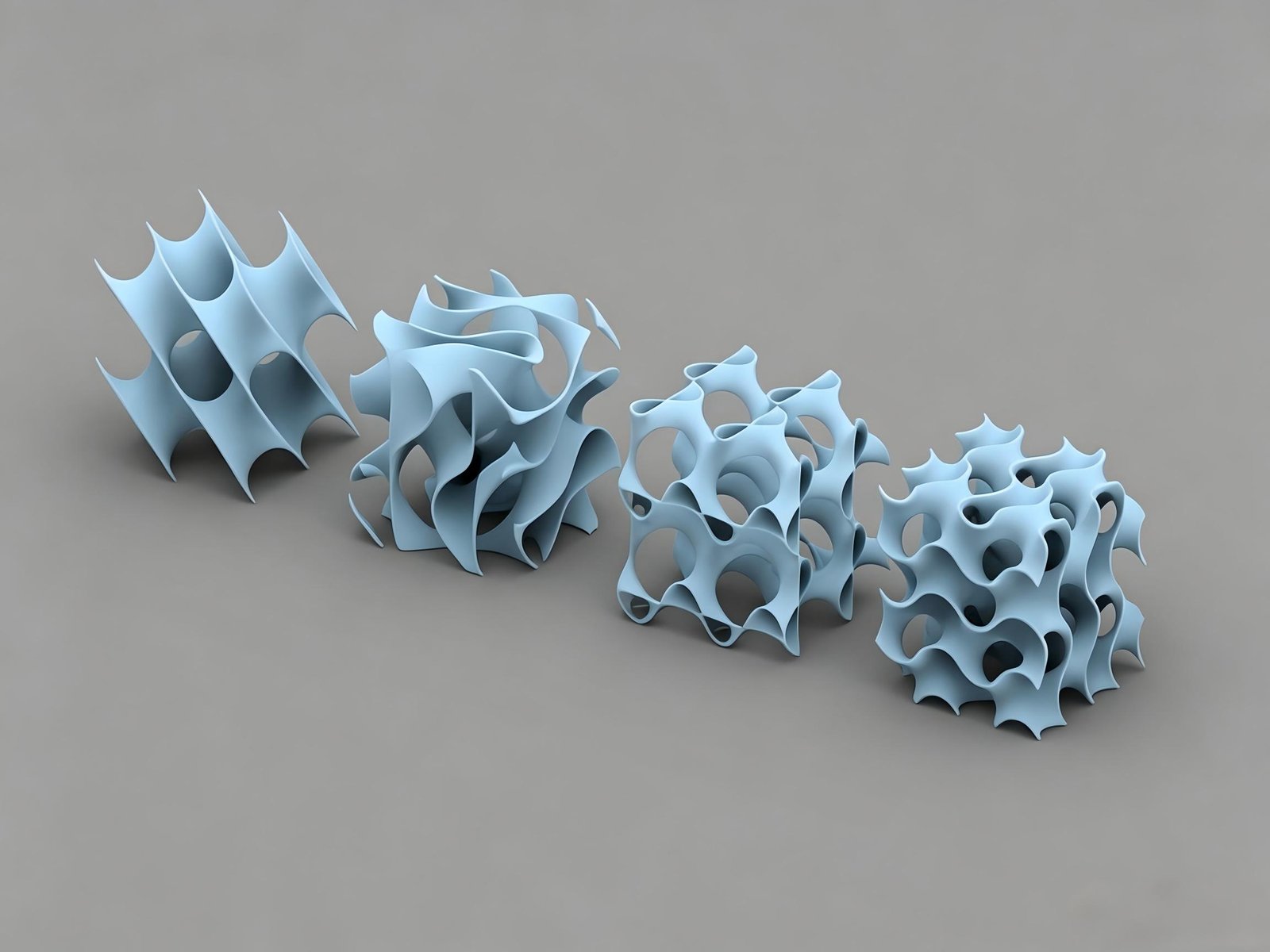
Жироидът е триизмерен, непрекъснато извита структура.
Основното му предимство е способността му да осигурява относително еднаква опора и механично поведение в множество посоки.
Предимства
Добро съотношение сила-тегло
Многопосочно структурно поведение
Ефективно използване на материала
Сравнително гладки пътища на екструдиране
Подходящ за функционални компоненти
За механични части, подложени на натоварвания от различни посоки, жироидът може да бъде отличен вариант. Prusa описва жироида като 3D структура, осигуряваща опора във всяка посока с добро съотношение сила-тегло.
Кубичен пълнеж
Кубичният пълнеж създава триизмерна решетъчна структура.
Може да бъде особено полезно за функционални компоненти, подложени на сложно натоварване.
Подходящите приложения включват:
Механични скоби
Приспособления
Инструментална екипировка
Функционални прототипи
Структурни компоненти
Prusa също така препоръчва 3D типове пълнеж като кубичен и жироиден за механични части.
Концентричен пълнеж
Концентричният пълнеж следва формата на външния периметър.
Може да бъде полезно за:
Цилиндрични компоненти
Извити части
Гъвкави компоненти
Прозрачни модели
Части, където гъвкавостта на посоката е желателна
например, концентричният пълнеж може да бъде полезен в определени гъвкави или подобни на гуми печатни компоненти.
Светкавичен пълнеж
Светкавичният пълнеж използва разклонена вътрешна структура, която концентрира материала там, където е необходимо, за да поддържа горните повърхности.
Основната му цел е намаляване на материалите и времето, а не максимална сила.
Следователно е по-подходящ за:
Показване на модели
Концептуални модели
Визуални прототипи
Нефункционални компоненти
Кой е най-силният модел на запълване?
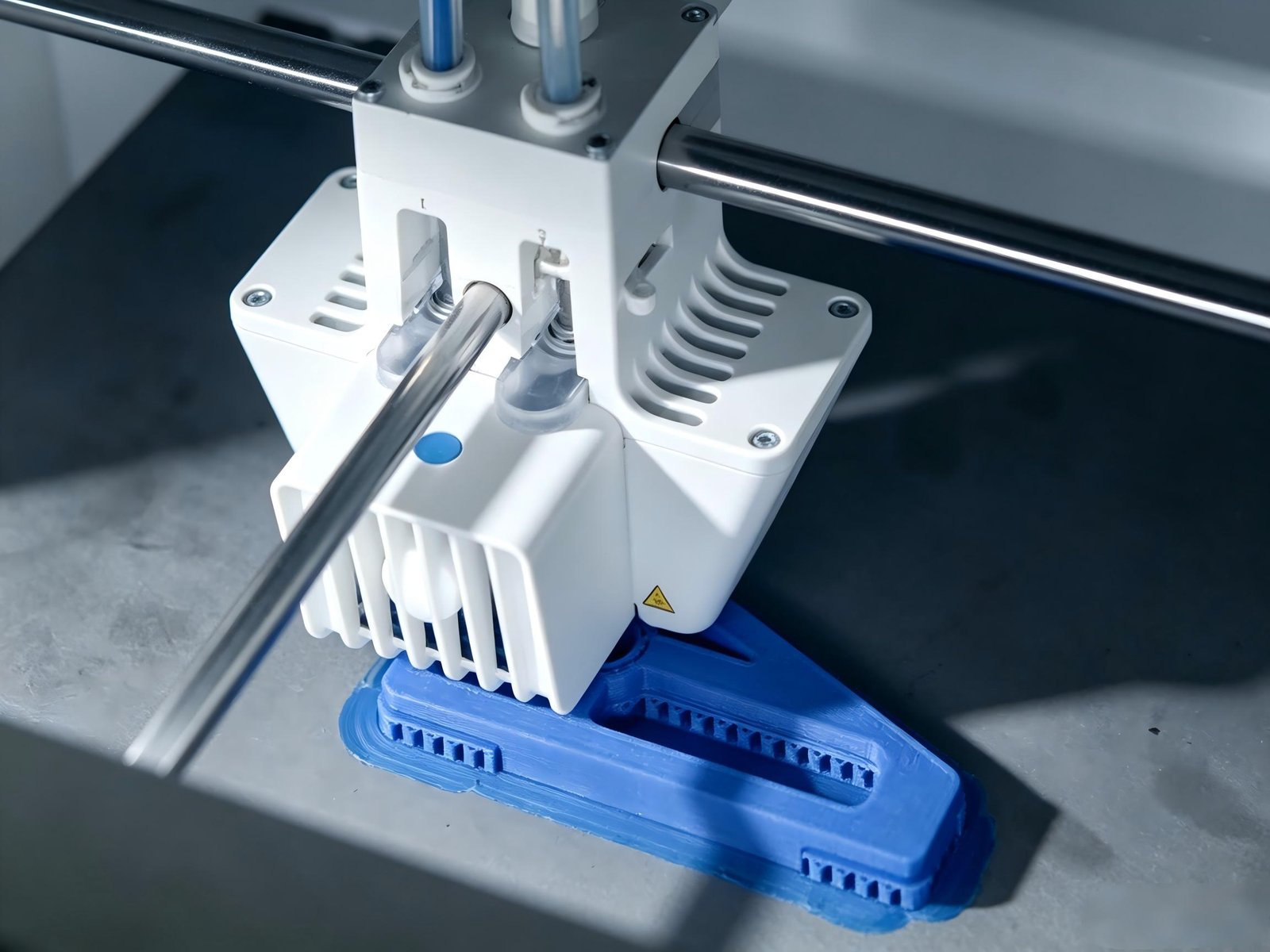
Няма универсален отговор на въпроса „Кой е най-силният шаблон за запълване на 3D печат?”
Отговорът зависи от вида и посоката на натоварване.
например:
Многопосочно натоварване: Жироид или куб
Общи механични приложения: Кубичен или жироиден
Леки конструкции на конструкцията: Адаптивни кубични или други структури с променлива плътност
Прости некритични части: Праволинеен
Максимална ефективност на материала: Леки/разклонени шарки
Ключовият момент е, че силата трябва да се оценява като система, вместо да гледате само модела на запълване.
Компонент с 30% жироиден пълнеж и четири силни периметъра могат да надминат компонент с 70% пълнеж, но неадекватна дебелина на стената или лоша ориентация на печат.
Плътност на пълнежа срещу. Дебелина на стената: Което е по-важно?
Това е едно от най-важните съображения за функционални 3D отпечатани части.
Много начинаещи приемат, че увеличаването на пълнежа е най-лесният начин да направите детайла по-здрав.
В реалността, външните стени или периметри често имат голямо влияние върху структурните характеристики на компонента.
Prusa изрично заявява, че силата на модела се определя най-вече от броя на периметрите, а не от пълнежа, докато пълнежът е особено полезен за увеличаване на устойчивостта на компресия.
Пример
Да предположим, че имате компонент, отпечатан на:
20% запълване
2 периметри
Вместо незабавно увеличаване на пълнежа до 50%, you may first evaluate:
3 или 4 периметри
Better print orientation
Appropriate material
Improved layer adhesion
A more suitable infill pattern
This can produce a better strength-to-weight ratio.
Практически принцип на проектиране
Use the outer shell to carry major loads and use infill to support the internal structure and manage compression.
This principle is particularly important when designing brackets, корпуси, приспособления, инструментална екипировка, and other functional components.
Каква плътност на запълване трябва да използвате?
There is no universal percentage, but the following framework can be used as a starting point:
| Приложение | Typical Starting Point | Recommended Approach |
| Decorative model | 0–15% | Prioritize speed and material savings |
| Визуален прототип | 10–20% | Lightweight infill |
| General prototype | 15–25% | Balance strength and speed |
| Функционален прототип | 20–40% | Combine suitable infill with sufficient walls |
| Mechanical component | 25–50%+ | Evaluate load conditions and print orientation |
| High-load component | Application-specific | Engineering validation recommended |
These values are starting points rather than guaranteed engineering specifications. Actual performance depends heavily on geometry, материал, ориентация на печат, дебелина на стената, адхезия на слоя, and printer settings.
For many general-purpose parts, Prusa indicates that 10–15% is often sufficient and that infill above 30% is rarely needed, while higher values can be appropriate when greater stiffness, тегло, or compression resistance is required.
Кой е най-бързият модел за запълване?
If printing speed is the priority, simple patterns are usually preferable.
Линии / Праволинеен
These patterns use relatively straightforward extrusion paths.
Светкавица
Lightning infill can reduce material and printing time even further by concentrating material near areas that require support.
въпреки това, the trade-off is lower structural performance.
зигзаг
Zigzag-style paths can provide continuous extrusion while maintaining reasonable speed.
For rapid prototyping, най-доброто решение често не е възможно най-здравият пълнеж, Но най-нисък пълнеж, който осигурява достатъчна функционалност.
Как да балансирате плътността на пълнежа, Сила, и качество на печат
Избирането на процент е само началото.
Крайното качество на 3D отпечатана част зависи от това как пълнежът взаимодейства с останалите параметри на печат.
Припокриване на пълнежа и закрепване
Вътрешният пълнеж трябва да се свързва ефективно с външните стени.
Ако връзката е твърде слаба, вътрешната структура може да не поддържа ефективно черупката.
Съвременните слайсери също използват анкери за пълнеж, за да подобрят връзката между пълнежа и периметрите.
Качество на повърхността
Ниският пълнеж понякога може да допринесе за лошо качество на горната повърхност, тъй като горните слоеве имат по-малко вътрешна опора под тях.
Увеличаването на запълването може да помогне при някои геометрии, но друго решение може да бъде оптимизиране:
Дебелина на горния слой
Брой на горния слой
Модел на пълнеж
Температура на печат
Охлаждане
Ориентация на печат
Усъвършенствани техники за запълване на 3D печат
За инженерни приложения, пълнежът с фиксирана плътност не винаги е най-ефективният подход.
Усъвършенстваните стратегии за рязане позволяват вътрешната структура да бъде оптимизирана според геометрията и очакваните натоварвания.
Променлива плътност на пълнежа
Вместо да използвате една и съща плътност в цялата част, различните региони могат да използват различна плътност.
Това може да намали теглото и консумацията на материали, без ненужно да намалява структурните характеристики.
Адаптивен пълнеж
Адаптивният пълнеж автоматично променя вътрешната структура според геометрията.
Адаптивният кубичен пълнеж на Prusa, например, автоматично променя плътността според разстоянието от стените и може да намали консумацията на материал в сравнение с конвенционалния праволинеен пълнеж.
3D Печат на попълване за прототипи срещу. Производствени части
Оптималната стратегия за запълване може драстично да се промени в зависимост от предназначението на частта.
За бързи прототипи
Приоритетите обикновено са:
Скорост → Ниска цена → Приемлива сила
Следователно може да е подходящ по-нисък процент на запълване и по-бърз модел.
За функционални прототипи
Приоритетите стават:
Якост → Стабилност на размерите → Ефективност на материала → Скорост
Среден пълнеж, комбиниран с подходящи стени и подходящ инженерен материал, често е по-подходящ.
За части за крайна употреба
Изискванията са по-взискателни.
Може да се наложи да помислите:
Механични натоварвания
Условия на околната среда
температура
Химическо излагане
Умора
Стабилност на размерите
Нормативни изисквания
Повтаряемост
В тези приложения, запълването трябва да се третира като един компонент от цялостния инженерен дизайн, а не като изолирана настройка на слайсер.
Често срещани грешки при 3D печат при запълване
Грешка 1: Ако приемем 100% Пълнежът винаги е най-здравият
Повече материал не решава автоматично всеки структурен проблем.
Лоша ориентация, слаба адхезия на слоя, недостатъчни стени, или неподходящ материал все още може да причини повреда.
Грешка 2: Увеличаване на пълнежа вместо увеличаване на дебелината на стената
Ако повредата възникне във външната обвивка, увеличаването на вътрешното запълване може да има ограничена полза.
Грешка 3: Избор на модела само по името му
“Gyroid” or “cubic” does not automatically mean stronger for every application.
The actual loading condition matters.
Грешка 4: Игнориране на ориентацията на печат
FDM parts are anisotropic. Their mechanical behavior can differ significantly depending on the direction of the applied load relative to the printed layers.
Грешка 5: Използване на комплексен пълнеж с гъвкави нишки
Complex internal structures can be more difficult to print with flexible materials. Prusa specifically recommends simpler patterns such as Grid for flexible filaments when infill problems occur.
Грешка 6: Оптимизиране само за сила
A component that is unnecessarily heavy and expensive is not necessarily a better engineering solution.
The goal should be sufficient performance with efficient material usage and production time.
Често задавани въпроси относно пълнежа за 3D печат
Каква е най-добрата плътност на запълване за силни 3D разпечатки?
There is no universal best percentage. A moderate density combined with sufficient wall thickness, appropriate material, and correct print orientation is often more effective than simply maximizing infill.
Е 20% достатъчно силен пълнеж?
For many prototypes and general-purpose parts, 20% can be a useful starting point. въпреки това, the required density depends on geometry, материал, loading, и дебелина на стената.
Кой е най-силният шаблон за запълване на 3D печат?
For many functional applications, Gyroid and Cubic are strong candidates because they create three-dimensional internal structures. въпреки това, the best pattern depends on the direction and type of loading.
Gyroid е по-силен от Cubic?
Not universally. Both can provide good mechanical performance, but the appropriate choice depends on geometry, материал, loading conditions, and printer settings.
Кой е най-бързият модел за запълване?
Simple patterns such as Rectilinear/Lines are generally among the fastest options because their toolpaths are relatively straightforward.
По-голямото запълване прави ли 3D печат по-силен?
Общо взето, increasing infill can improve certain aspects of strength, especially compression resistance, but the relationship is not linear. Дебелина на стената, ориентация на печат, материал, and layer adhesion can be more important.
Е 100% пълнеж, необходим за функционални части?
Usually not. Many functional parts can achieve adequate performance with significantly less than 100% запълване. Prusa notes that many models can use 10–15% and that infill above 30% is rarely required for general applications, although demanding parts may require more.
Дебелината на стената по-важна ли е от пълнежа?
For many FDM components, да. The outer perimeters often have a greater influence on overall strength than simply increasing infill.
Как мога да намаля разходите за 3D печат, без да жертвам здравината?
Consider optimizing the combination of:
Материал
Дебелина на стената
Плътност на пълнежа
Модел на пълнеж
Ориентация на печат
Variable/adaptive infill
Геометрия на детайла
The objective should be to remove unnecessary material rather than simply reducing the infill percentage.
Заключение: Изберете правилния пълнеж, Не е най-високото запълване
3D printing infill density is an engineering optimization problem, not simply a percentage setting.
The best result comes from balancing:
Сила + Тегло + Използване на материал + Print Time + цена + Изисквания за кандидатстване
For general prototypes, relatively low infill may be sufficient. For functional mechanical components, a combination of appropriate wall thickness, материал, ориентация на печат, and a 3D infill pattern such as Gyroid or Cubic can provide better performance.
For larger or more complex parts, variable and adaptive infill can further improve material efficiency.
най-важното, do not assume that increasing infill from 20% да се 50% или 100% is always the best solution. Start with the load case and functional requirements, then optimize the complete print strategy around them.
If you are developing a custom 3D printed component and are unsure which material, infill density, дебелина на стената, or printing strategy is appropriate, providing the 3D CAD файл, 2D рисунка, материално изискване, количество, и приложение allows Най-висока точност to evaluate the design and recommend a practical production solution.


