



CNC състезателни части играят критична роля. Съвременната CNC технология за обработка позволява на производителите да произвеждат леки изделия, високоякостни компоненти с изключителна точност на размерите и повторяемост. В сравнение с традиционните методи на производство, CNC обработка предлага превъзходно качество, по-бързо създаване на прототипи, и по -голяма гъвкавост на дизайна, което го прави предпочитано решение както за професионални състезателни отбори, така и за производители на превозни средства по поръчка.
В това ръководство, ще научите всичко за CNC състезателните части, включително техните материали, Производствени процеси, приложения, ползи, и как да изберете правилния партньор за машинна обработка с ЦПУ за вашия следващ проект в моторните спортове.
Какво представляват CNC състезателните части?
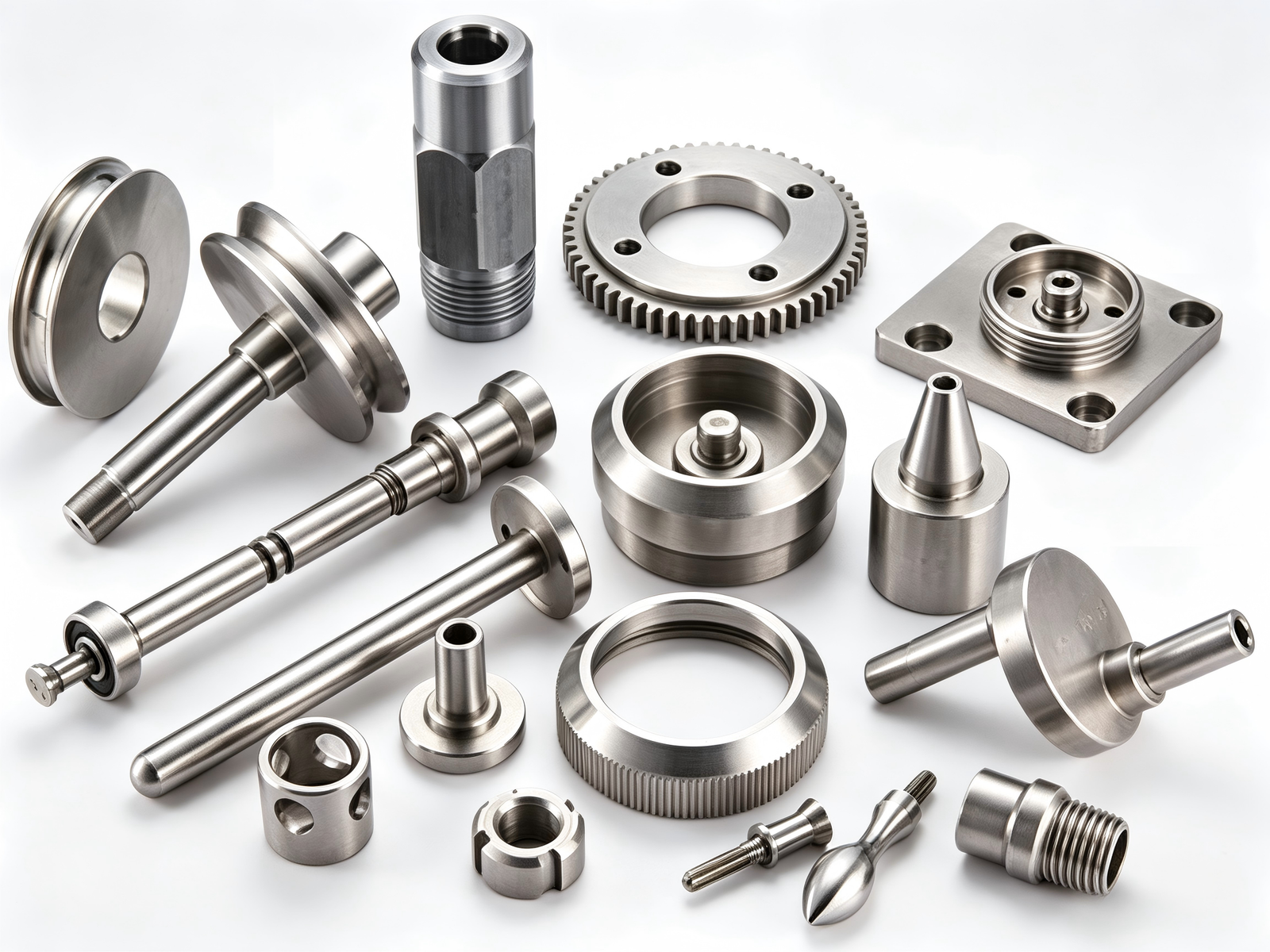
CNC състезателните части са прецизно проектирани автомобилни компоненти, произведени с помощта на Компютърно цифрово управление (ЦПУ) механична обработка. За разлика от лятите или щампованите части, Компонентите, обработени с ЦПУ, се произвеждат чрез отстраняване на материал от солидна метална или пластмасова заготовка съгласно високоточни цифрови CAD/CAM програми.
Тези части са специално проектирани за високопроизводителни превозни средства с прецизност, сила, намаляване на теглото, и надеждността са от съществено значение. Тъй като състезателните превозни средства работят при значително по-високи натоварвания, температури, и нива на вибрации в сравнение със стандартните пътни автомобили, всеки компонент трябва да отговаря на строги инженерни изисквания.
Обичайни материали, използвани за CNC състезателни части
Изборът на материал пряко влияе върху производителността, издръжливост, и теглото на състезателните компоненти. Различните приложения изискват различни комбинации от сила, устойчивост на корозия, обработваемост, и термична стабилност.
Алуминиеви сплави
Алуминият остава най-популярният материал за CNC състезателни части, защото предлага отличен баланс между теглото, сила, и цена.
Популярните оценки включват:
6061 Алуминий
Предимства:
Отлична обработваемост
Добра устойчивост на корозия
Достъпна цена
Лесно анодиране
Приложения:
Скоби
Всмукателни колектори
Капаци на двигателя
Стойки за окачване
7075 Алуминий
Често наричан аерокосмически алуминий, 7075 предлага значително по-висока якост от 6061.
Предимства:
Изключително съотношение сила-тегло
Отлична устойчивост на умора
Лек
Висока твърдост
Приложения:
Рамена за окачване
Кормилни накрайници
Състезателни педали
Главини на колелата
Компоненти на шасито
Титанови сплави
Титанът се използва широко в професионалните моторни спортове поради изключителната си здравина и ниско тегло.
Най-често срещаната степен е Ti-6Al-4V (Степен 5 Титан).
Ползите включват:
Изключително висока якост
Ниска плътност
Отлична устойчивост на корозия
Висока температурна съпротивление
Дълъг живот на умора
Типичните приложения включват:
Свързващи пръти
Изпускателни компоненти
Крепежни елементи
Хардуер за окачване
Спирачни бутала
Въпреки че титанът е по-скъп за обработка от алуминия, неговите предимства в производителността често оправдават инвестицията в конкурентни състезания.
Неръждаема стомана
Неръждаемата стомана е избрана за компоненти, изискващи отлична устойчивост на износване и защита от корозия.
Популярните оценки включват:
304
316
17-4PH
Приложенията включват:
Валове
Спирачни фитинги
Съединители на горивната система
Хидравлични компоненти
Крепежни елементи
17-4Неръждаемата стомана PH е особено ценена, защото съчетава отлична устойчивост на корозия с висока механична якост след термична обработка.
Стомана
Легираните стомани с висока якост обикновено се използват за задвижване и двигателни компоненти, подложени на големи натоварвания.
Примерите включват:
4140
4340
8620
Тези материали осигуряват:
Отлична твърдост
Сила с висока умора
Превъзходна устойчивост на удар
Типичните приложения включват:
Предавки
Задвижващи валове
Оси
Диференциални компоненти
Коляни
Инженерна пластмаса
Не всеки състезателен компонент трябва да бъде направен от метал.
Усъвършенстваните инженерни пластмаси се използват широко, защото намаляват теглото, като същевременно предлагат отлична устойчивост на износване.
Популярните материали включват:
PEEK
Висока температурна съпротивление
Химическа устойчивост
Ниско триене
Делрин (POM)
Отлична стабилност на размерите
Лесна механична обработка
Добра устойчивост на износване
Найлон
Лек
Рентабилно
Добра устойчивост на удар
Типичните приложения включват:
Втулки
Дистанционери
Водачи за кабели
Фиксатори на лагери
Електроизолационни компоненти
Сравнение на материалите
| Материал | Тегло | Сила | Устойчивост на корозия | Типични състезателни приложения |
| 6061 Алуминий | Много светлина | Среден | Отлично | Скоби, капаци на двигателя |
| 7075 Алуминий | Много светлина | Много високо | добре | Окачване, управление |
| Клас титан 5 | Ултра лек | Изключително високо | Отлично | Двигател, окачване, крепежни елементи |
| Неръждаема стомана | Среден | високо | Отлично | Валове, фитинги, спирачни части |
| 4140 Стомана | Тежък | Много високо | Умерен | Предавки, оси, колянови валове |
| PEEK | Ултра лек | Среден | Отлично | Втулки, изолатори |
Изборът на правилния материал зависи от няколко фактора, включително цели за теглото на превозното средство, механични натоварвания, работни температури, излагане на корозия, и бюджет. Опитен доставчик на обработка с ЦПУ може да препоръча най-подходящия материал въз основа на вашите цели за производителност и изисквания за приложение.
Видове CNC състезателни части
Състезателните превозни средства съдържат стотици прецизно обработени компоненти. въпреки това, няколко категории имат най-голямо влияние върху представянето, надеждност, и боравене.
Компоненти на двигателя
Двигателят е сърцето на всеки състезателен автомобил, и CNC обработката се използва широко за производство на критични части на двигателя с изключително тесни допуски.
Често срещаните CNC машинни компоненти на двигателя включват:
Цилиндрични глави
Бутала
Свързващи пръти
Дроселни тела
Всмукателни колектори
Капаци на клапани
Опори на разпределителния вал
Прецизната обработка подобрява ефективността на горенето, намалява триенето, и подобрява доставката на енергия. В състезателни двигатели с турбокомпресор, Обработените с CNC всмукателни и изпускателни компоненти също помагат за оптимизиране на въздушния поток и управление на топлината.
Компоненти на трансмисията
Ефективното предаване на мощност е от съществено значение за ускорението и времето за обиколка. CNC обработката позволява производството на високоточни компоненти на задвижването.
Типичните части за предаване включват:
Комплекти съоръжения
Превключване на вилки
Главини на съединителя
Маховици
Корпуси на диференциали
Тези компоненти трябва да издържат на повтарящи се ударни натоварвания, като същевременно поддържат прецизно зацепване на предавката при екстремни условия на обороти.
Компоненти на окачването
Геометрията на окачването пряко влияе върху представянето в завой и контакта с гумите. CNC обработката позволява на производителите да произвеждат леки, но твърди части за окачване.
Често срещаните примери включват:
Контролни оръжия
Кормилни накрайници
Стойки
Дистанционери за колела
Стойки за амортисьори
Алуминиеви сплави с висока якост като напр 7075 често се използват за минимизиране на неподрессорното тегло, като същевременно се запази структурната цялост.
Спирачни компоненти
Спирачните системи изпитват огромна топлина и натиск по време на състезание. CNC обработката осигурява прецизно подравняване и постоянна производителност.
Типичните спирачни компоненти включват:
Спирачни апарати
Спирачни шапки
Роторни адаптери
Педални възли
Скоби за главен цилиндър
Прецизната механична обработка помага за поддържане на равномерен контакт с накладките и подобрява усещането и стабилността при спиране.
Шаси и структурни компоненти
Състезателните автомобили изискват множество персонализирани скоби и усилващи части, които често се произвеждат в малки партиди.
Примерите включват:
Стойки на двигателя
Стойки за трансмисия
Съединители за ролкови клетки
Укрепващи плочи
Скоби за монтаж на сензори
CNC обработката е идеална за тези малки обеми, високопрецизни компоненти, тъй като разходите за инструменти остават относително ниски в сравнение с леенето или коването.
Компоненти на охладителната и горивната система
Управлението на топлината става все по-важно с нарастването на мощността на двигателя. Обработените с CNC фитинги и корпуси осигуряват надеждно уплътнение и характеристики на потока.
Общите части включват:
Корпуси на водни помпи
Адаптери за маслен охладител
Радиаторна арматура
Горивни релси
Дистанционери за инжектори
AN фитинги
Аеродинамичен хардуер
Съвременните моторни спортове разчитат в голяма степен на аеродинамичната ефективност. Обработеният с CNC хардуер поддържа аеродинамични компоненти, като същевременно минимизира теглото.
Типичните части включват:
Стойки за крило
Сплитерни скоби
Подпори за дифузьор
Стойки за въздуховоди
CNC машинни процеси, използвани за състезателни части
Различните състезателни компоненти изискват различни технологии за обработка в зависимост от тяхната геометрия, Изисквания за толерантност, и обем на производството.
CNC фрезоване
CNC фрезоването е най-често срещаният процес за състезателни части. Въртящите се режещи инструменти премахват материал от неподвижен детайл, за да създадат сложни форми.
Най-подходящ за:
Двигателни блокове
Рамена за окачване
Спирачни апарати
Монтажни скоби
CNC струговане
CNC струговането се използва за цилиндрични компоненти, при които детайлът се върти, докато режещият инструмент остава неподвижен.
Типични приложения:
Валове
Главини на колелата
Дистанционери
Фитинги
5-Axis CNC обработка
Усъвършенстваните състезателни компоненти често съдържат сложни криви и подрязвания, които не могат да бъдат произведени ефективно със стандартни 3-осни машини.
Предимства на 5-осната обработка:
По-малко настройки
По -висока точност
По -добър повърхностно покритие
Намалено време за производство
5-механичната обработка на осите се използва широко за цилиндрови глави, всмукателни колектори, корпуси на турбини, и компоненти на окачването в аерокосмически стил.
Телен EDM
Електроразрядна обработка с тел се използва за изключително прецизни профили и твърди материали.
Обичайните приложения включват:
Профили на зъбни колела
Прецизни слотове
Компоненти от закалена стомана
Шлайфане и Хонинговане
След първична механична обработка, критичните повърхности могат да бъдат шлифовани или шлифовани, за да се постигнат изключително строги допуски и превъзходно качество на повърхността.
Използва се за:
Шийки на коляновия вал
Лобове на разпределителния вал
Носещи повърхности
Отвори на цилиндри
Повърхностни покрития за CNC състезателни части
Повърхностната обработка подобрява издръжливостта, устойчивост на корозия, и външен вид.
| Завършете | Основна полза |
| Анодиране | Устойчивост на корозия и цветови опции |
| Твърдо анодиране | Подобрена устойчивост на износване |
| Електрическа никел | Еднаква твърдост и защита от корозия |
| Черен оксид | Защитно покритие със слаб отблясък |
| Прахово покритие | Устойчиво декоративно покритие |
| Полиране | Намалено триене и подобрен външен вид |
| Взривяване на мъниста | Еднородна матова текстура |
| Церакоте | Устойчивост на високи температури и химикали |
За приложения в моторните спортове, твърдото анодиране и безелектрическият никел са особено популярни, защото осигуряват отлична устойчивост на износване, без да добавят значително тегло.
В следващия раздел, ще проучим приложенията на CNC състезателни части във Формула, Рали, Drag Racing, MotoGP, и EV Motorsport, заедно с ползите от производителността, Дизайнерски съображения, и стандарти за контрол на качеството, които състезателните отбори търсят, когато избират доставчик на машини с ЦПУ.
Приложения на CNC състезателни части
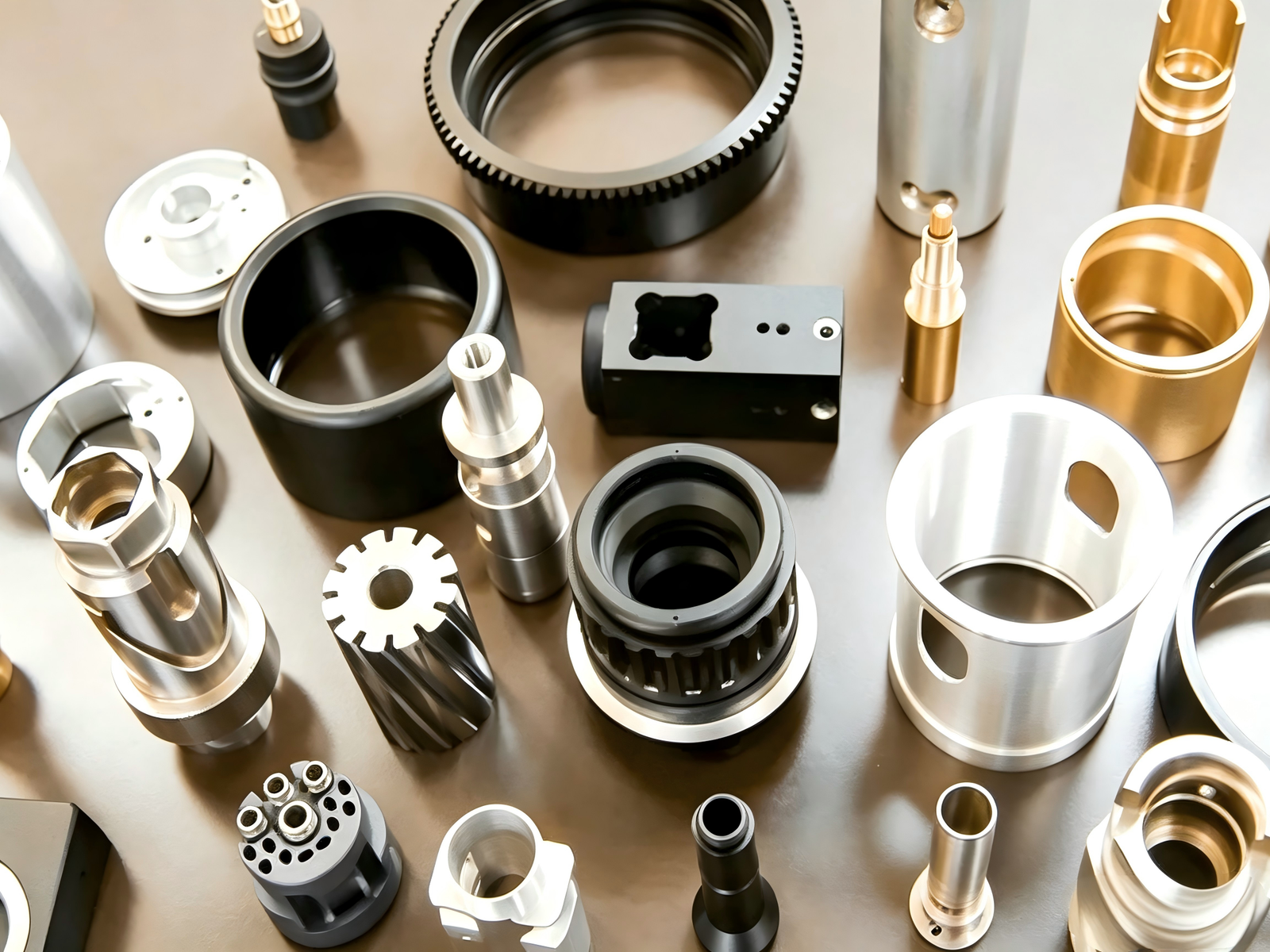
CNC състезателните части се използват в почти всяка форма на моторен спорт, където прецизното инженерство влияе пряко върху скоростта, боравене, издръжливост, и безопасност. С напредването на състезателните технологии, производителите продължават да разработват леки, компоненти с висока якост, съобразени със специфичните изисквания на всяка състезателна дисциплина.
Формула състезания
Формула състезания представлява най-високото ниво на автомобилното инженерство, където дори и най-малкото подобрение може да направи значителна разлика във времената за обиколка.
CNC обработката се използва широко за производството:
Стойки за окачване
Кормилни компоненти
Корпуси на скоростната кутия
Спирачни апарати
Скоби на двигателя
Компоненти на охладителната система
Аеродинамичен монтажен хардуер
Тъй като състезателните коли на Formula дават приоритет на леката конструкция и аеродинамичната ефективност, повечето компоненти са изработени от аерокосмически алуминий или титан. Петосната CNC обработка позволява на инженерите да произвеждат много сложни геометрии, които увеличават максимално здравината, като същевременно минимизират теглото.
Състезания с GT и туристически автомобили
GT състезателните превозни средства са проектирани за издръжливост, изискващи компоненти, които могат да издържат дълги часове на високоскоростна работа.
Често срещаните CNC машинни части включват:
Всмукателни колектори
Спирачни шапки
Главини на колелата
Корпуси на диференциали
Регулируеми компоненти на окачването
Олекотени ролки на двигателя
Прецизно обработените части подобряват надеждността на автомобила, като същевременно намаляват поддръжката по време на състезания за издръжливост.
Рали състезания
Рали колите се натъкват на неравен терен, чести въздействия, кал, чакъл, и екстремни температурни промени.
В резултат на това, състезателните компоненти трябва да балансират лек дизайн с изключителна издръжливост.
Типичните CNC състезателни части включват:
Подсилени рамена на окачването
Кормилни накрайници
Стойки за плъзгащи плочи
Диференциални компоненти
Устойчиви спирачни скоби
Хардуер за защита на двигателя
Производителите често избират високоякостни алуминиеви сплави или хромолидна стомана, за да гарантират, че тези части оцеляват при взискателни условия извън пътя.
Drag Racing
Drag racing се фокусира върху максимално ускорение на кратко разстояние. Всеки компонент трябва да издържа на огромен въртящ момент и мощност на двигателя.
Често обработваните компоненти включват:
Заготовки на цилиндрови глави
Бутала по поръчка
Свързващи пръти
Маховици
Трансмисионни предавки
Главини на съединителя
Ходове на задвижващия вал
CNC обработката позволява на тези компоненти да постигнат перфектен баланс, намаляване на вибрациите при изключително високи обороти на двигателя.
Мотоциклетни състезания
Ефективните мотоциклети изискват леки компоненти, без да се жертва силата.
Често срещаните CNC мотоциклетни състезателни части включват:
Тройни скоби
Пренастройки
Спирачни лостове
Лостове за съединител
Колчета за крака
Регулатори на вериги
Скоби за кормилото
Много части за вторичния пазар на мотоциклети са обработени с ЦПУ, защото водачите изискват подобрена ергономичност, издръжливост, и естетика.
Офроуд и състезания в пустинята
Офроуд състезанията поставят огромен стрес върху компонентите на окачването и шасито.
Производителите произвеждат CNC части като:
Суспензионни скоби
Дистанционери за колела
Възли на главини
Амортисьори
Подсилени кормилни рамена
Тези компоненти трябва да издържат на повтарящи се удари, като същевременно поддържат прецизно подравняване по време на състезанието.
Електрически състезателни превозни средства (EV Motorsport)
Електрическите състезания са един от най-бързо развиващите се сектори в моторните спортове. Въпреки че електрическите превозни средства премахват много традиционни компоненти на двигателя, те въвеждат нови инженерни предизвикателства.
CNC обработката поддържа EV състезания чрез прецизно производство на:
Компоненти на корпуса на батерията
Корпуси на двигатели
Охлаждащи плочи
Топлоотводи
Инверторни корпуси
Леки компоненти на шасито
Тъй като технологията на батериите продължава да се развива, CNC обработката ще остане от съществено значение за производството на леки, термично ефективни компоненти, които максимизират производителността на автомобила.
Предимства на CNC състезателни части
Изборът на CNC машинни състезателни компоненти осигурява значителни предимства пред отливките, подпечатан, или конвенционално произведени алтернативи.
Изключителна прецизност
Превозните средства с висока производителност изискват компоненти, които пасват идеално.
CNC обработката рутинно постига вътрешни допуски ± 0,005 mm, намаляване на грешките при сглобяване и осигуряване на гладка механична работа.
Точните части също се подобряват:
Зацепване на предавките
Центровка на лагерите
Ефективност на спирачката
Ефективност на двигателя
Намалено тегло на превозното средство
Намаляването на теглото остава един от най-ефективните начини за подобряване на състезателните постижения.
CNC обработката позволява на инженерите да премахнат ненужния материал, като същевременно поддържат здравината на конструкцията.
Ползите включват:
По-бързо ускорение
По-къс спирачен път
Подобрено завиване
По-добра горивна ефективност
Намалено износване на гумите
Подобрена механична якост
Машинно обработените компоненти често превъзхождат отливките, тъй като са произведени от твърд материал с по-равномерна зърнеста структура.
Предимствата включват:
По-висока якост на опън
По-добра устойчивост на умора
Повишена устойчивост на удар
По-дълъг експлоатационен живот
Това е особено ценно за задвижването, окачване, и компоненти на двигателя, подложени на повтарящи се цикли на натоварване.
По-добро управление на топлината
Много състезателни приложения генерират екстремни температури.
CNC машинната обработка позволява на инженерите да включат:
Охлаждащи канали
Топлоотводи
Оптимизирани проходи на въздушния поток
Леки структури на перките
Тези конструктивни характеристики подобряват топлинните характеристики, без да увеличават общото тегло на компонента.
По-голяма гъвкавост на дизайна
За разлика от традиционните методи на производство, които изискват скъпи инструменти, CNC обработката позволява на инженерите бързо да променят дигиталните дизайни.
Тази гъвкавост е особено ценна за:
Разработка на прототип
Изграждания на състезания по избор
Производство с нисък обем
Надстройки на производителността
Промените в дизайна често могат да бъдат приложени без инвестиране в нови форми или матрици.
Последователно качество
Всяка CNC програма произвежда идентични компоненти, осигуряване на последователност в производствените партиди.
Тази повторяемост опростява:
Сглобяване на превозно средство
Подмяна на резервни части
Планиране на поддръжката
Настройка на производителността
За състезателни екипи, управляващи множество превозни средства, постоянното качество на компонентите е от съществено значение.
Съображения за проектиране на CNC състезателни компоненти
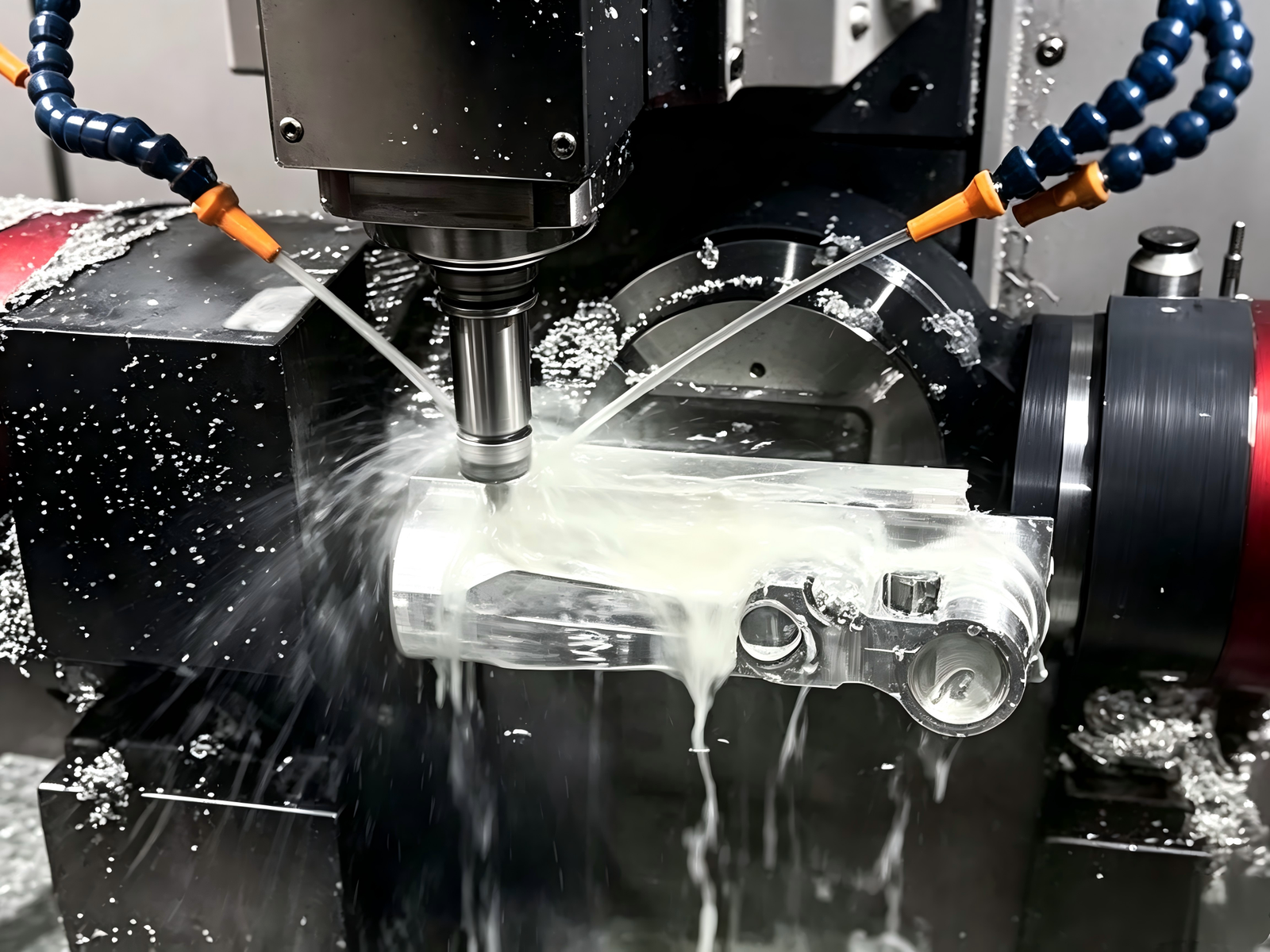
Производството на високопроизводителна състезателна част включва повече от просто машинна обработка на метал. Инженерите трябва внимателно да балансират силата, тегло, технологичност, и цена.
Леко инженерство
Намаляването на теглото никога не трябва да компрометира структурната цялост.
Инженерите често използват:
Обработка на джобове
Усилване на ребрата
Кухи профили
Оптимизация на топологията
Тези техники намаляват масата, като същевременно запазват твърдостта.
Устойчивост на умора
За разлика от статичните индустриални компоненти, състезателните части изпитват непрекъснати вибрации и повтарящи се цикли на натоварване.
Дизайнерите внимателно елиминират:
Остри вътрешни ъгли
Точки на концентрация на напрежение
Внезапни промени в дебелината
Заоблените преходи и оптимизираните фили спомагат за подобряване на живота при умора.
Термично разширение
Компонентите на двигателя редовно се нагряват до няколкостотин градуса по Целзий.
Дизайнерите трябва да вземат предвид:
Скорости на разширяване на материала
Изисквания за разрешение
Разсейване на топлината
Пътища за смазване
Правилният термичен дизайн гарантира надеждна работа по време на състезанието.
Лесно сглобяване
Добре проектираните CNC части опростяват поддръжката и намаляват времето за спиране в бокса.
Важните съображения включват:
Стандартни размери на крепежни елементи
Достъпност на инструмента
Функции за подравняване
Модулен компонентен дизайн
Изисквания за покритие на повърхността
Различните приложения изискват различно покритие на повърхността.
Примерите включват:
Полирани всмукателни канали за подобрен въздушен поток
Прецизно шлайфани опорни повърхности
Козметични части, обработени с мъниста
Твърдо анодизирани компоненти на окачването
Избирането на подходящо покритие подобрява както производителността, така и издръжливостта.
Контрол на качеството за CNC състезателни части
Прецизната обработка сама по себе си не гарантира качество. Цялостната проверка и тестване гарантират, че всеки компонент отговаря на инженерните спецификации преди монтажа.
Координатна измервателна машина (CMM) инспекция
CMM оборудването проверява критичните размери с микронна точност.
Измерванията обикновено включват:
Местоположение на дупки
Повърхностни профили
Плоскост
Паралелизъм
Концентричност
Първа проверка на статията (Фай)
Преди да започне пълното производство, производителите проверяват първоначалния компонент спрямо инженерните чертежи.
FAI потвърждава:
Размери
Съответствие на материала
Повърхностно покритие
Възможност за производствен процес
Сертификация на материалите
Надеждните производители предоставят сертификати за проверка:
Клас на материала
Химичен състав
Механични свойства
Състояние на топлинна обработка
Проследимостта на материала е особено важна за алуминиеви и титанови състезателни компоненти от аерокосмически клас.
Тестване на грапавостта на повърхността
Някои компоненти на двигателя и трансмисията изискват специфични стойности на грапавостта на повърхността, за да се намали триенето и да се подобри ефективността на уплътняване.
Повърхностното покритие се измерва с помощта на специализирани тестери за грапавост, за да се гарантира съответствие с проектните спецификации.
Тестване на твърдост
Термично обработените стоманени компоненти се подлагат на тест за твърдост, за да се проверят техните механични свойства.
Обичайните методи включват:
Твърдост по Рокуел (HRC)
Твърдост по Бринел (HB)
Твърдост по Викерс (HV)
Функционално тестване
В зависимост от приложението, производителите също могат да изпълняват:
Изпитване под налягане
Тест за течове
Динамично балансиране
Проверка на резбата
Проверка на сглобяването
Тези проверки помагат за предотвратяване на повреди по време на работа с висока скорост и гарантират, че всеки компонент работи надеждно при състезателни условия.
CNC състезателни части срещу. Cast Racing части
Както CNC обработката, така и леенето се използват широко в автомобилното производство, но всеки процес предлага различни предимства в зависимост от приложението.
| Особеност | CNC машинно обработени части | Ляти части |
| Прецизност | Отлично (Възможно е ±0,005 mm) | Умерен |
| Сила | високо (материал за заготовки) | По-ниска поради потенциална порьозност |
| Повърхностно покритие | Превъзходен | Често изисква допълнителна механична обработка |
| Разходи за инструменти | ниско | Висока цена на мухъл |
| Скорост на прототипа | бързо | По-бавно поради инструментите |
| Гъвкавост на дизайна | Отлично | Ограничено, след като формите бъдат произведени |
| Обем на производство | Ниско до средни | Масово производство |
| Материални отпадъци | По-високо | По-ниска |
| Единична цена | По-високо за малки партиди | По-ниска за големи обеми |
Кога да изберете CNC обработка
CNC обработката е идеална за:
Разработка на прототип
Персонализирани състезателни части
Производство с нисък обем
Високопроизводителни приложения
Сложни геометрии
Компоненти със строга толерантност
Когато кастингът е по-подходящ
Кастингът става рентабилен за:
Много големи производствени обеми
По-малко сложни геометрии
Компоненти с по-ниски изисквания за точност
Много производители комбинират двата процеса, като отливат основната форма и след това извършват обработка с ЦПУ на критични повърхности, за да постигнат необходимата точност.
Фактори на разходите за CNC състезателни части
Цената на CNC състезателните части зависи от няколко променливи, освен цената на материала.
Избор на материал
Първокласните материали като титан или алуминий от аерокосмически клас увеличават разходите за суровини, но предлагат превъзходна производителност.
Сложност на частта
Характеристики като дълбоки джобове, тънки стени, сложни криви, и подрязванията увеличават времето за обработка и сложността на програмирането.
Изисквания за толерантност
Постигането на свръхтесни допуски изисква допълнителни операции по обработка, Прецизно инструменти, и по-строги проверки.
Повърхностни обработки
Процеси като твърдо анодиране, никелово покритие, или прецизното полиране добавя време и разходи, но значително подобрява производителността и издръжливостта.
Размер на партидата
Прототипите и производството в малък обем обикновено имат по-високи разходи за единица, тъй като разходите за настройка и програмиране се разпределят между по-малко части. По-големите производствени серии намаляват единичните разходи чрез икономии от мащаба.
Изисквания за инспекция
Цялостни проверки на качеството, размерни отчети, и сертификатите за материали добавят стойност, но също така допринасят за общите производствени разходи.
Разбирането на тези фактори в началото на фазата на проектиране помага за оптимизиране както на производителността, така и на бюджета.
Заключение
В сравнение с традиционните методи на производство, CNC обработката предлага превъзходна точност на размерите, по-бързо развитие на продукта, по-голяма гъвкавост на дизайна, и повторяемо качество. Независимо дали създавате състезателна кола по поръчка, надграждане на мотоциклет, или разработване на компоненти за професионални моторни спортове, прецизно обработените части осигуряват необходимото предимство в производителността, за да останете конкурентоспособни.
Партньорство с Най-висока точност-опитен производител на CNC обработка е също толкова важен. Най-висока прецизност с модерно оборудване, Материална експертиза, Строг контрол на качеството, и инженерната поддръжка може да помогне за превръщането на вашите концепции в надеждни, готови за състезания компоненти.
ЕAQs
1. Какво представляват CNC състезателните части?
CNC състезателните части са компоненти с висока точност, произведени с помощта на компютърно цифрово управление (ЦПУ) механична обработка. Те са предназначени за приложения в моторните спортове, където толерансите са тесни, олекотена конструкция, и изключителната издръжливост са критични.
2. Защо състезателните части, изработени с ЦПУ, са по-добри от лятите?
Частите, обработени с ЦПУ, обикновено се произвеждат от твърди заготовки, предлагащи по-голяма здравина, по -висока точност, подобрено покритие на повърхността, и по-добра консистенция на размерите от повечето отлети компоненти.
3. Коя алуминиева сплав е най-добра за състезателни части?
7075 алуминий е широко предпочитан за състезателни приложения с висок стрес поради отличното си съотношение здравина към тегло. 6061 алуминий е рентабилна алтернатива за компоненти, изискващи добра устойчивост на корозия и обработваемост.
4. Заслужава ли си титанът допълнителните разходи?
За компоненти с критична производителност, където намаляването на теглото и здравината са основни приоритети, титанът често е инвестиция, която си заслужава. Обикновено се използва в професионалните моторни спортове въпреки по-високите разходи за обработка.
5. Какви допуски може да постигне обработката с ЦПУ?
Съвременните обработващи центрове с ЦПУ могат рутинно да постигат толеранси от ± 0,005 mm, в зависимост от материала, геометрия, и процес на обработка.
6. Могат ли CNC състезателни части да бъдат персонализирани?
да. CNC обработката е идеална за персонализирани дизайни, което позволява на производителите да произвеждат еднократни прототипи, производствени серии в малък обем, или напълно персонализирани компоненти, базирани на клиентски чертежи или CAD модели.
7. Какво повърхностно покритие е най-добро за CNC състезателни части?
Идеалното покритие зависи от приложението. Твърдото анодиране е популярно за алуминиеви компоненти на окачването, докато безелектрическото никелиране осигурява отлична устойчивост на износване и корозия за стоманени части.
8. Колко време отнема производството на персонализирани CNC състезателни части?
Сроковете за доставка варират в зависимост от сложността на частта и количеството на поръчката. Прототипните компоненти често се завършват вътре 1– 3 седмици, докато производствените поръчки може да изискват допълнително време въз основа на изискванията за обработка и довършителни работи.
9. CNC състезателни части подходящи ли са за електрически състезателни автомобили?
Абсолютно. CNC обработката се използва широко за производството на корпуси за батерии, опори за двигатели, охлаждащи плочи, инверторни кутии, и леки структурни компоненти за електрически състезателни превозни средства.
10. Може ли CNC обработката да се справи с малки производствени серии?
да. За разлика от кастинга, CNC обработката изисква минимални инструменти, което го прави много рентабилен за прототипи, Персонализирани части, и производство в малък обем.
11. Кои индустрии освен моторните спортове използват CNC състезателни технологии?
Същите високопрецизни техники за обработка се използват широко в космическото пространство, защита, медицински изделия, роботика, производителност автомобилни, и индустриално оборудване от висок клас.
12. Как CNC обработката може да намали теглото на автомобила?
Инженерите използват усъвършенстван CAD софтуер и оптимизация на топологията, за да премахнат ненужния материал, като същевременно поддържат структурната цялост, производство на леки части без компромис със здравината.
13. Какви сертификати трябва да има производителят на CNC състезателни части?
Потърсете производители, сертифицирани за ISO 9001 за управление на качеството. Ако служат и на автомобилната индустрия, IATF 16949 сертифицирането е допълнителен индикатор за стабилни производствени и качествени процеси.
14. Какви файлове са необходими за персонализирана оферта за CNC състезателни части?
Повечето производители приемат СТЪПКА, IGES, Пасолид, SOLIDWORKS, или AutoCAD файлове. Предоставяне на 2D инженерни чертежи с толеранс, материал, и изискванията за повърхностно покритие помагат да се осигури точна оферта.
15. Как да избера правилния доставчик на CNC състезателни части?
Изберете доставчик с доказан опит в моторните спортове, усъвършенствано CNC оборудване, възможности за цялостна проверка, инженерна поддръжка, и гъвкави производствени услуги. Надежден партньор трябва също така да предоставя бързи оферти, прозрачна комуникация, и последователна навременна доставка в подкрепа на вашия проект от прототип до пълномащабно производство.


