



Поцинковането е ефективен и икономичен метод за защита на стоманата от корозия. Чрез покриване на стомана или желязо със слой цинк, производителите могат значително да удължат експлоатационния живот на металните компоненти, като същевременно намалят разходите за поддръжка. Днес, поцинкованата стомана се използва широко в строителството, автомобилен, селско стопанство, предаване на мощност, телекомуникации, и промишлено производство поради изключителната си издръжливост и рентабилност.
Това ръководство обяснява как работи поцинковането, различните методи на поцинковане, техните предимства и ограничения, индустриални стандарти, и как да изберете правилния процес за вашия проект.
1. Какво е поцинковане?
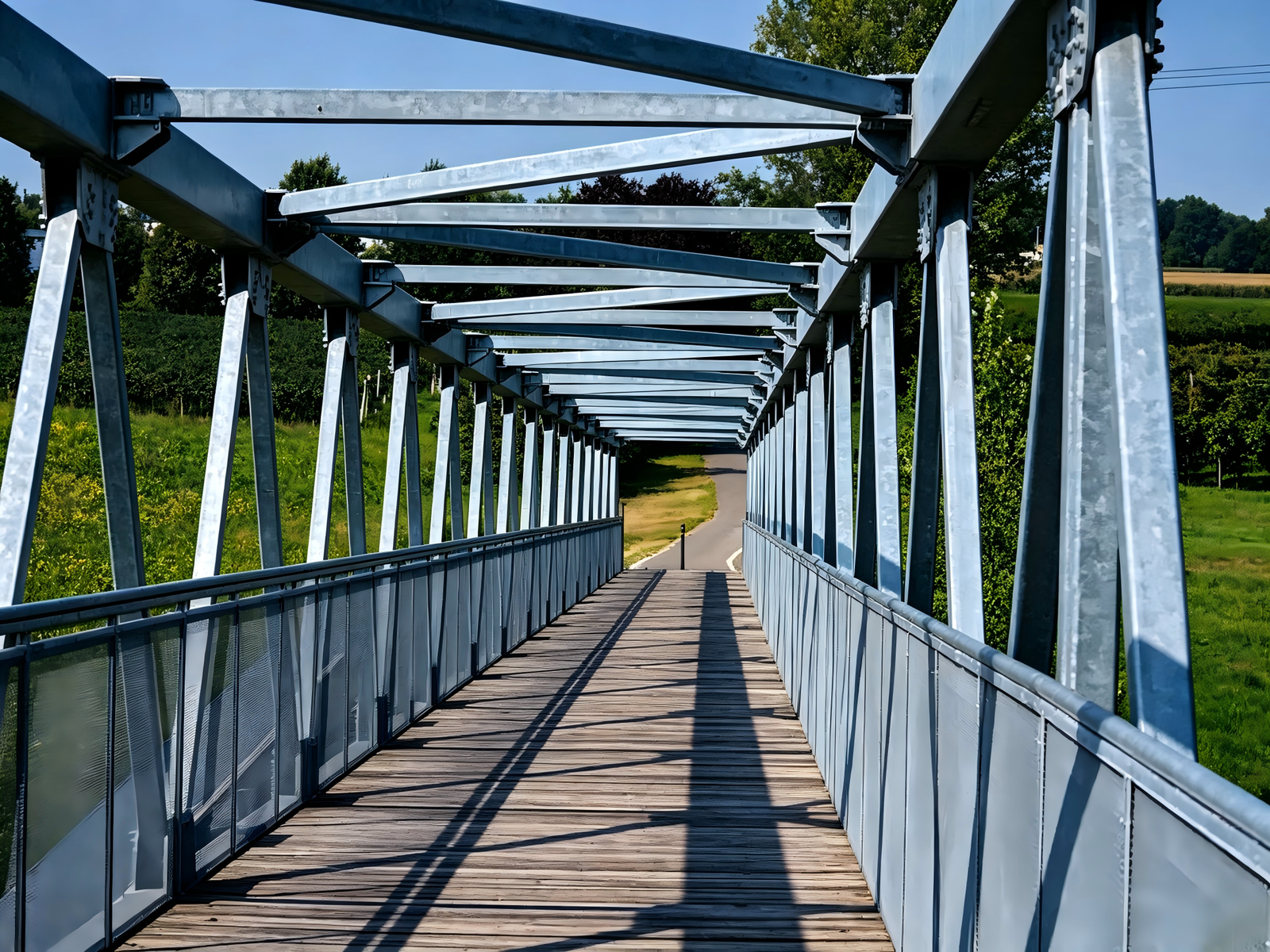
За разлика от боя, който просто покрива повърхността, поцинковането образува металургична връзка с основния метал, което прави покритието много издръжливо и устойчиво на лющене или начупване.
Основните предимства включват:
- Отлична устойчивост на корозия
- По-дълъг живот на продукта
- Намалена поддръжка
- По-ниски разходи през жизнения цикъл
- Подобрена механична издръжливост
2. Защо е важно поцинковането?
Стоманата естествено ръждясва, когато е изложена на влага и кислород. Корозията може да отслаби конструкциите, увеличаване на разходите за поддръжка, и съкращават живота на продукта.
Поцинковането решава тези проблеми, като предоставя:
- Превъзходна защита от корозиявъв външна и индустриална среда.
- Дългосрочна издръжливост, често продължават десетилетия в зависимост от обслужващата среда.
- По-ниски разходи за поддръжкатъй като поцинкованите компоненти изискват минимална поддръжка.
- Надеждна работадори при тежки климатични условия.
- Устойчива защита, намаляване на необходимостта от често пребоядисване или подмяна.
За много индустриални приложения, поцинковането предлага едни от най-ниските общи разходи за притежание в сравнение с алтернативните защитни покрития.
3. Как работи поцинковането?
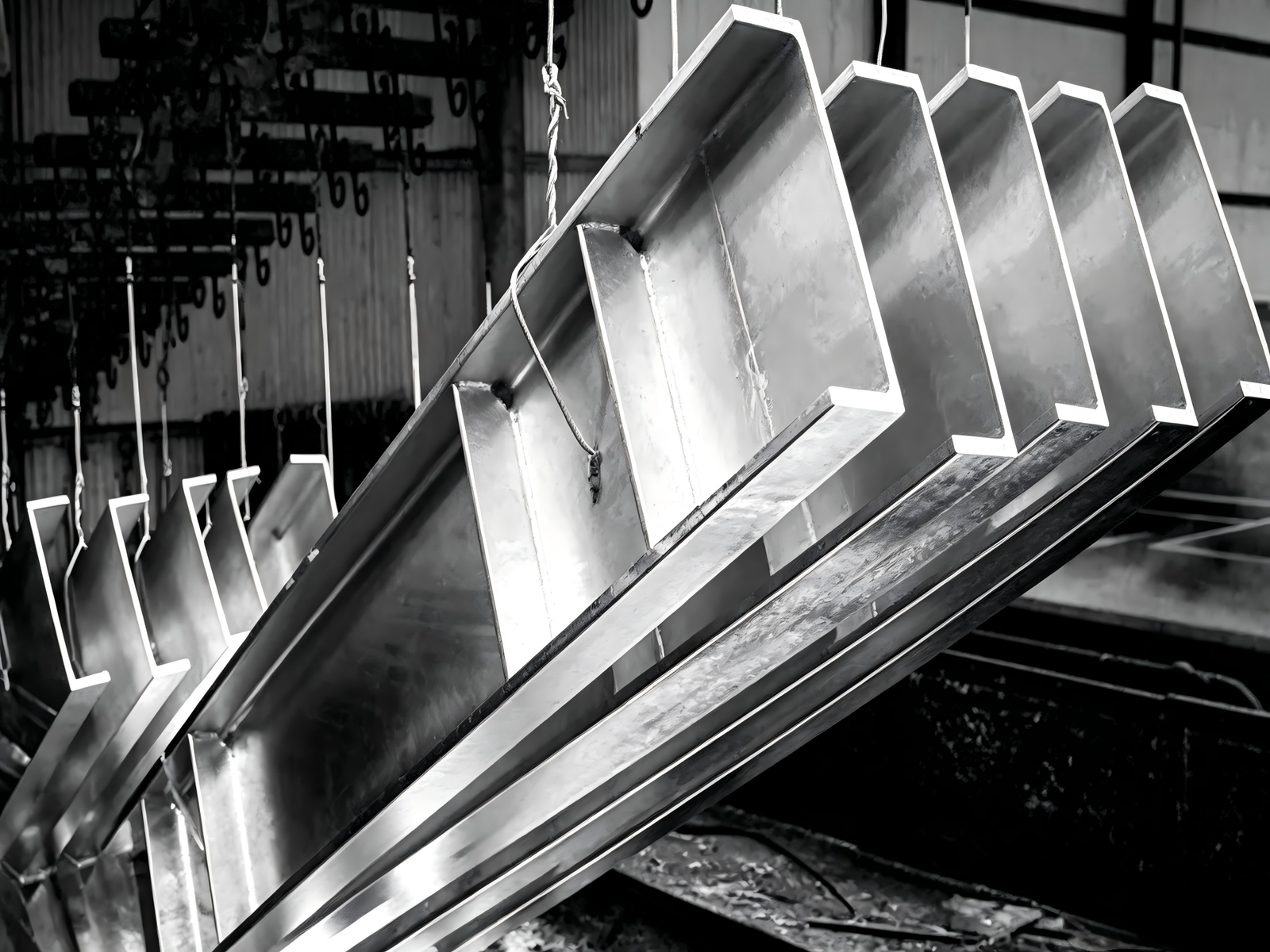
Ефективността на поцинковането идва от два защитни механизма.
Бариерна защита
Поцинковото покритие изолира стоманата от въздух и влага, предотвратяване на окисляване и образуване на ръжда.
Жертвена защита
Цинкът е по-химически активен от стоманата. Дори ако покритието е надраскано, околният цинк корозира първо, защита на откритата стомана чрез катодно действие.
Тази двойна защита е една от основните причини галванизираната стомана да се представя изключително добре в взискателни среди.
4. Видове поцинковане
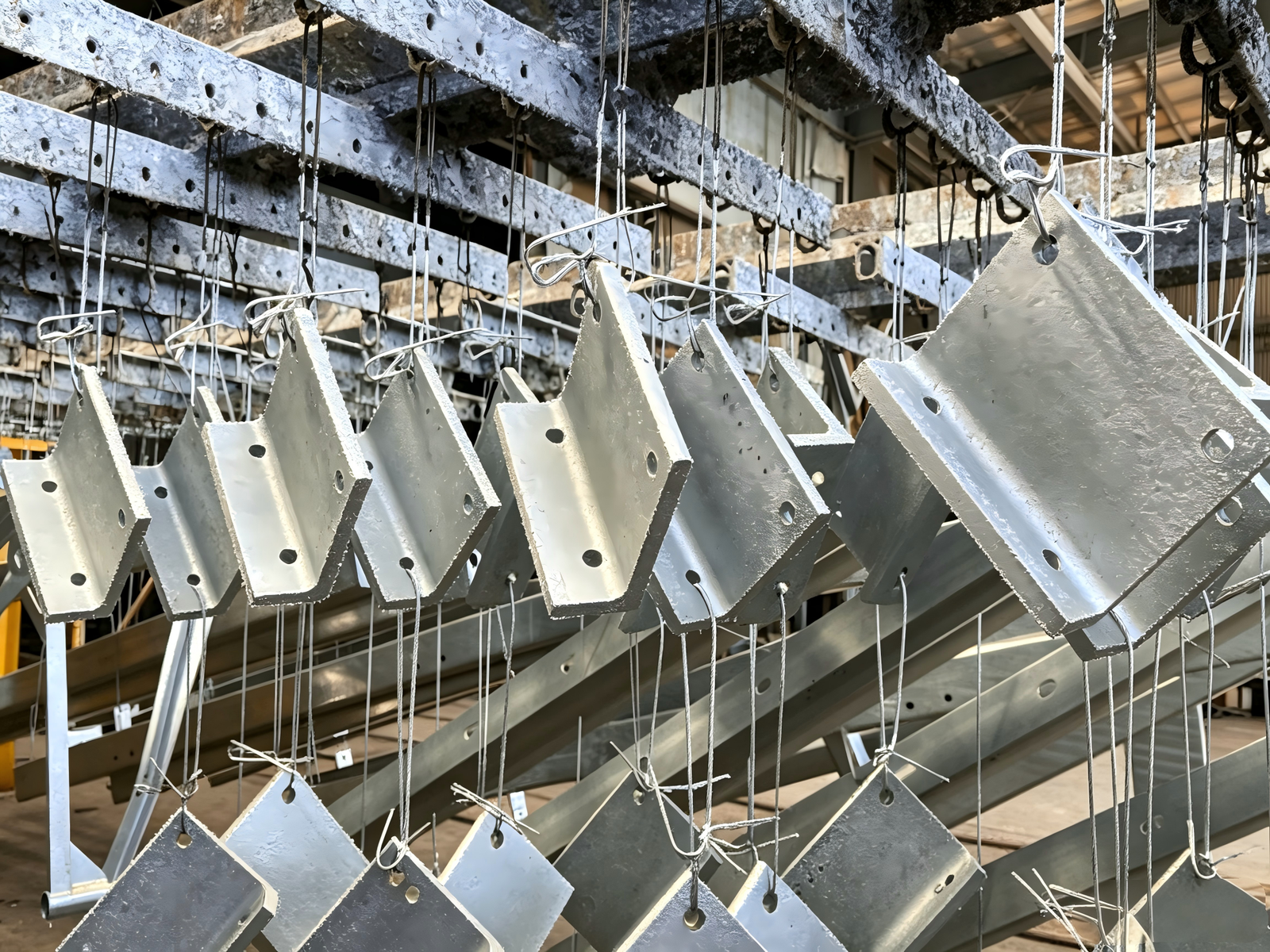
Горещо поцинковане
Стоманените компоненти се потапят в разтопен цинк при приблизително 450°C, създавайки плътно и трайно покритие.
Предимства
- Отлична устойчивост на корозия
- Дълъг експлоатационен живот
- Подходящ за големи структурни части
Приложения
Мостове, преносни кули, конструкционна стомана, фехтовка, и мантинели.
Електропоцинковане
Известен също като галванопластика с цинк, този процес отлага цинк с помощта на електрически ток.
Предимства
- Гладко покритие на повърхността
- Прецизна дебелина на покритието
- Идеален за декоративни части
Приложения
Автомобилни компоненти, уреди, и електронен хардуер.
Шерардайзинг
Стоманените части се нагряват с цинков прах, позволявайки на цинка да дифундира в повърхността.
Предимства
- Еднообразно покритие
- Отлично покритие на конеца
- Намален риск от водородна крехкост
Приложения
Крепежни елементи, предавки, и прецизни компоненти.
Предварително поцинковане
Стоманеният лист преминава през непрекъсната баня с разтопен цинк преди производството.
Предимства
- Висока производствена ефективност
- Еднообразно покритие
- Рентабилен за листови продукти
Приложения
Покривни панели, ОВК канали, и стоманени тръби.
Механично поцинковане
Цинковият прах се свързва механично с малки части без топлина.
Приложения
Болтове, винтове, шайби, и други крепежни елементи.
5. Процес на горещо поцинковане стъпка по стъпка
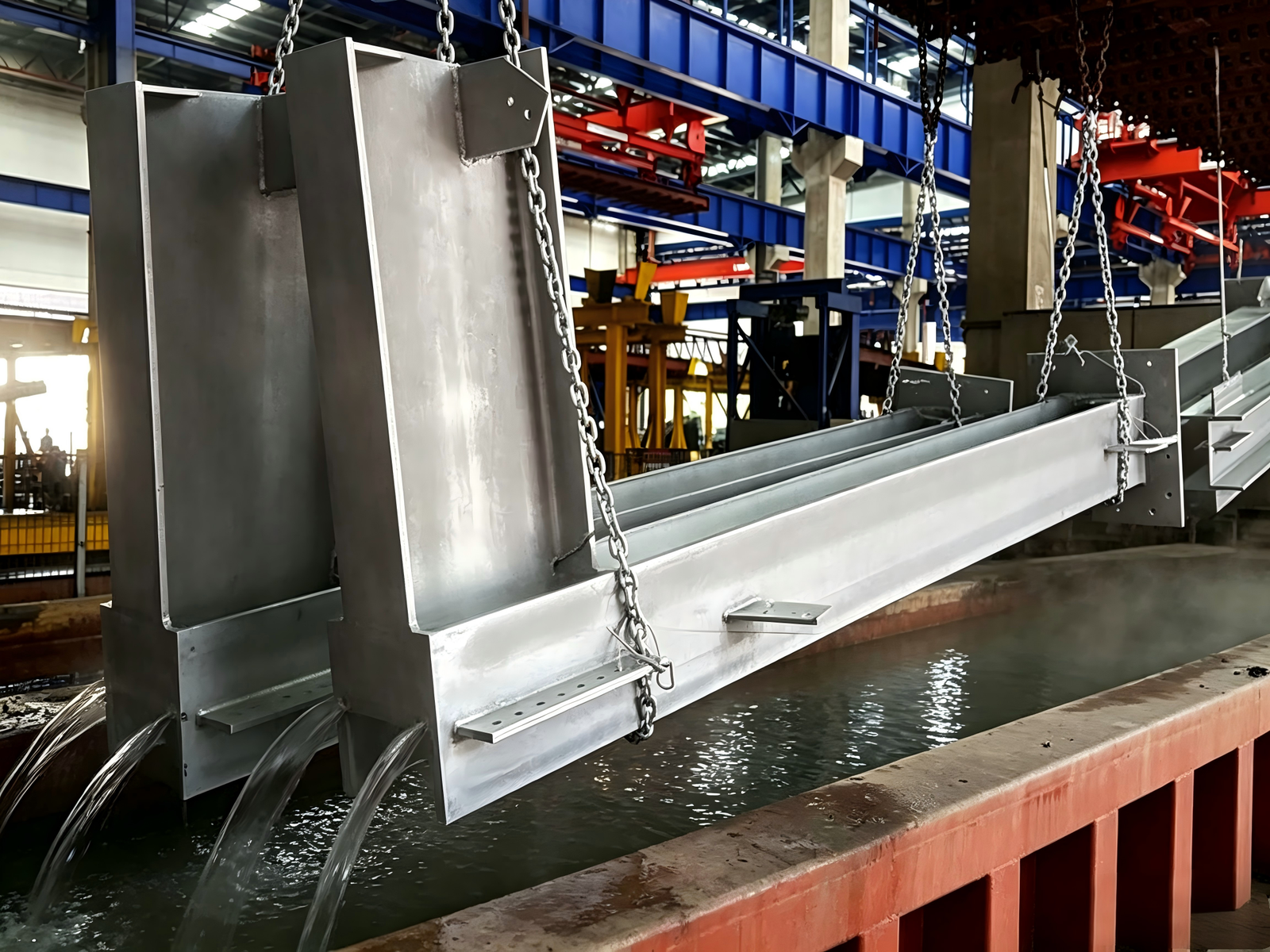
Типичният процес на горещо поцинковане се състои от следните етапи:
- инспекция– Проверете стоманената повърхност за дефекти.
- Обезмасляване– Отстранете маслото, грес, и замърсители.
- Киселина– Отстранете ръждата и котления камък с помощта на киселина.
- Изплакване– Почистете остатъчните химикали.
- Поток– Нанесете флюс за подобряване на адхезията на цинка.
- Сушене– Подгответе повърхността за потапяне.
- Цинкова баня– Потопете детайла в разтопен цинк.
- Охлаждане– Закалете или охладете с въздух покрития компонент.
- инспекция– Проверете дебелината на покритието, адхезия, и външен вид.
6. Стандарти за дебелина на цинковото покритие
Необходимата дебелина на покритието зависи от приложението и приложимите стандарти.
Общите международни стандарти включват:
- ASTM A123
- ASTM A153
- ISO 1461
- В ISO 14713
По-дебелите покрития обикновено осигуряват по-дълга защита от корозия, но могат да увеличат разходите за обработка. Изборът на подходящ стандарт гарантира постоянно качество и производителност.
7. Поцинковане срещу други повърхностни покрития
| Повърхностно покритие | Устойчивост на корозия | цена | Външен вид | Типична употреба |
| Горещо поцинковане | Отлично | Среден | Индустриален | Конструкционна стомана |
| Прахово боядисване | добре | Среден | Декоративна | Потребителски продукти |
| Рисуване | Умерен | ниско | Персонализирани цветове | Приложения на закрито |
| Галванопластика | Умерен | Среден | Гладко покритие | Прецизни части |
| Неръждаема стомана | Отлично | високо | Премиум | Храна и медицинско оборудване |
Изборът на правилното покритие зависи от условията на околната среда, бюджет, и естетически изисквания.
8. Предимства на поцинковане
Основните предимства включват:
- Изключителна устойчивост на корозия
- Дълъг експлоатационен живот
- Ниска поддръжка
- Силна металургична връзка
- Пълно повърхностно покритие
- Отлична устойчивост на удар
- Рентабилно изпълнение на жизнения цикъл
- Екологична защита
Тези предимства правят поцинковането предпочитано решение за дългосрочни приложения на открито.
9. Ограничения при поцинковане
Въпреки своите предимства, поцинковането има някои ограничения:
- По-високи първоначални разходи от боядисване
- При продължително излагане на влага може да се образува бяла ръжда
- Външният вид на повърхността може да варира
- Не е идеален за определени прецизно обработени части
- Заваряването на поцинкована стомана изисква допълнителни предпазни мерки
Разбирането на тези ограничения помага на инженерите да изберат най-подходящата повърхностна обработка.
10. Индустрии, които използват поцинкована стомана
Поцинкованата стомана се използва широко в:
- Строителство
- Автомобилна
- Земеделие
- Електрическа инфраструктура
- Възобновяема енергия
- Телекомуникации
- Транспорт
- Морско инженерство
Неговата комбинация от сила, издръжливост, и устойчивостта на корозия го прави подходящ за взискателни среди.
11. Общи галванизирани продукти
Типичните поцинковани продукти включват:
- Конструктивни греди
- Стоманени тръби
- Крепежни елементи
- Мантинели
- Кабелни скари
- Стълбове за комунални услуги
- Стоманени огради
- Телена мрежа
- Покривни листове
- Индустриално оборудване
12. Стандарти и сертификати за поцинковане
Качественото поцинковане следва международно признати стандарти, включително ASTM A123, ASTM A153, ISO 1461, и EN ISO 14713. Тези спецификации определят дебелината на покритието, методи за проверка, и изисквания за качество, за да се гарантира постоянно представяне.
13. Как да проверявате поцинковани покрития
Общите методи за проверка включват:
- Визуална проверка
- Измерване на дебелината на покритието
- Изпитване на адхезия
- Оценка на еднородността
- Оценка на повърхностни дефекти
Редовната проверка гарантира съответствие със спецификациите на проекта.
14. Често срещани дефекти при поцинковане и решения
Типичните дефекти включват:
- Бяла ръжда
- Голи петна
- Излишък от цинк
- Грапави повърхности
- Тече и капе
- Пепелни включвания
Повечето дефекти могат да бъдат сведени до минимум чрез правилна подготовка на повърхността, контрол на процеса, и последващо лечение.
15. Колко дълго издържа поцинкованата стомана?
Продължителността на живота на поцинкованата стомана зависи от работната среда.
- Селски райони: 50– 100 години
- Градски райони: 30–50 години
- Крайбрежни среди: 20–30 години
- Индустриални среди: Варира в зависимост от замърсяването и влажността
Рутинната проверка допълнително удължава експлоатационния живот.
16. Колко струва поцинковане?
Цената зависи от няколко фактора:
- Размер на компонента
- Дебелина на стоманата
- Спецификация на покритието
- Обем на производство
- Подготовка на повърхността
- Транспорт
- Необходими стандарти за качество
Въпреки че първоначалната инвестиция може да е по-висока от боядисването, поцинковането често осигурява по-ниски разходи през целия живот поради намалена поддръжка.
17. Съвети за дизайн за поцинковане
За най-добри резултати, инженерите трябва:
- Включете подходящи вентилационни и дренажни отвори.
- Избягвайте затворени кухини.
- Помислете за дебелината на покритието по време на проектирането.
- Защитете зоните с резби, когато е необходимо.
- Следвайте указанията за проектиране на поцинковане, за да намалите изкривяването.
Правилният дизайн подобрява качеството на покритието и ефективността на производството.
Заключение
Независимо дали се използва горещо поцинковане, електропоцинковане, или други процеси на цинково покритие, изборът на подходящ метод може значително да подобри издръжливостта на продукта, намалете поддръжката, и по-ниски разходи през жизнения цикъл.
Ако вашият проект изисква висококачествени поцинковани стоманени компоненти или производство на метал по поръчка, работа с Най-висока точност-опитен производствен партньор гарантира съответствие с международните стандарти, постоянно качество на покритието, и надеждна дългосрочна работа.
Често задавани въпроси
1. Каква е разликата между поцинковане и поцинковане?
Въпреки че и двата процеса нанасят цинково покритие върху стоманата, галванизирането обикновено създава много по-дебел и по-издръжлив защитен слой. Горещото поцинковане е идеално за външни и структурни приложения, докато поцинковане (електропоцинковане) осигурява разредител, по-гладко покритие, подходящо за вътрешни продукти и прецизни компоненти.
2. Може ли поцинкована стомана да се реже или пробива след поцинковане?
да. Поцинкована стомана може да се реже, пробит, или машинно обработени след процеса на нанасяне на покритие. въпреки това, всяка открита стомана, създадена по време на производството, трябва да бъде поправена с богато на цинк покритие или друг одобрен метод за ремонт, за да се поддържа защита от корозия.
3. Горещото поцинковане е подходящо за всички видове стомана?
Повечето въглеродни стомани могат да бъдат успешно горещо поцинковани. въпреки това, химичният състав на стоманата - особено нейното съдържание на силиций и фосфор - може да повлияе на дебелината и външния вид на покритието. Препоръчва се да се консултирате с вашия доставчик на поцинковане преди производство.
4. Влияе ли поцинковането на механичните свойства на стоманата?
В повечето случаи, поцинковането има малко или никакво влияние върху здравината, твърдост, или структурна цялост на стоманата. Правилно контролираните температури на обработка гарантират, че основният материал запазва първоначалните си механични свойства.
5. Може ли да се заварява поцинкована стомана?
да, може да се заварява поцинкована стомана. въпреки това, цинковото покритие в близост до заваръчната зона трябва да се отстрани предварително, и трябва да се използва подходяща вентилация, тъй като цинковите изпарения могат да бъдат опасни. След заваряване, засегнатата зона трябва да се поправи с покритие, богато на цинк, за да се възстанови устойчивостта на корозия.
6. Как трябва да се съхранява поцинкована стомана преди монтаж?
Поцинкованите продукти трябва да се съхраняват на сухо място, добре вентилирана среда. Избягвайте да подреждате мокри компоненти заедно за продължителни периоди, тъй като задържаната влага може да причини образуването на бяла ръжда върху цинковата повърхност.
7. Какви фактори влияят върху продължителността на живота на поцинкованата стомана?
Устойчивостта на поцинкованата стомана зависи от няколко фактора, включително дебелина на покритието, условия на околната среда, влажност, излагане на сол, индустриални замърсители, и редовна поддръжка. По-дебелите цинкови покрития обикновено осигуряват по-дълга защита от корозия.
8. Екологично поцинковане?
да. Цинкът е естествен материал, който може да се рециклира. Поцинкованата стомана има дълъг експлоатационен живот, изисква минимална поддръжка, и е напълно рециклируем в края на своя жизнен цикъл, което го прави устойчиво решение за защита от корозия.
9. Как да избера правилния метод на поцинковане за моя проект?
Най-добрият метод за поцинковане зависи от вашето приложение, размер на компонента, необходимата дебелина на покритието, външен вид, работна среда, и бюджет. Горещото поцинковане обикновено се предпочита за структурни и външни приложения, докато електропоцинковането е по-подходящо за декоративни или прецизни части.
10. Как мога да осигуря висококачествени поцинковани компоненти?
Работете с опитен производител, който следва международни стандарти като ISO 1461 или ASTM A123. Надежден доставчик трябва да осигури подходяща подготовка на повърхността, последователен контрол на процеса, проверка на дебелината на покритието, и цялостно осигуряване на качеството за осигуряване на дълготрайна защита от корозия.


