


Независимо дали проектирате нов проект за леене под налягане или набавяте прецизни алуминиеви компоненти, разбирането на характеристиките на алуминия A380 може да ви помогне да изберете правилния материал, като същевременно намалите производствените разходи и подобрите производителността на продукта.
В това цялостно ръководство, ще научите всичко за алуминиевата сплав A380, включително неговия химичен състав, механични и физични свойства, предимства, ограничения, Производствени процеси, и как се сравнява с други популярни сплави за леене под налягане.
Какво е алуминиева сплав A380?
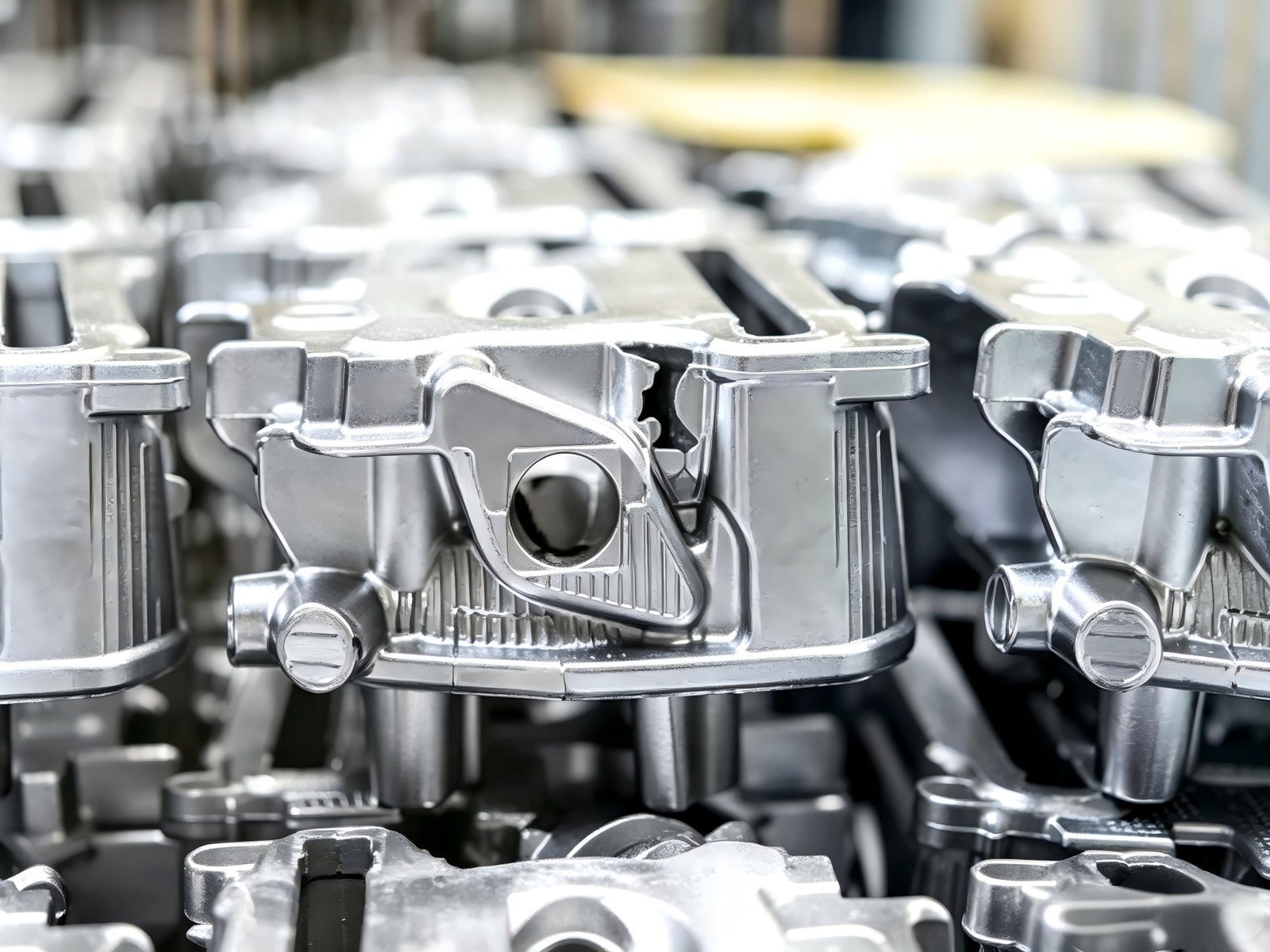
Алуминиевата сплав A380 е с висока производителност алуминий-силиций-мед (Al-Si-Cu) леярска сплав, специално разработена за леене под високо налягане (HPDC). Той е определен към Асоциацията на алуминия (АА) стандарт и се превърна в индустриален еталон за производство на сложни алуминиеви компоненти с отлична точност на размерите.
Производителите използват A380 за производство на компоненти с тънки стени, сложни геометрии, и тесни допуски, като същевременно се поддържа отлична производствена ефективност. Сплавта запълва бързо сложните кухини на формата по време на леене под налягане, намаляване на дефекти като свиване, порьозност, и непълно запълване.
Днес, Алуминият A380 се използва широко в индустриите, включително:
Автомобилна
Електрически превозни средства (електромобили)
Потребителска електроника
Телекомуникации
Индустриална автоматизация
Медицинско оборудване
Домашни уреди
роботика
LED осветление
Електроинструменти
Неговата гъвкавост го прави един от първите избори на материали за инженерите, разработващи леки, но издръжливи алуминиеви компоненти.
Химичен състав на алуминий A380
Типичният химически състав е показан по-долу.
| елемент | Типично съдържание | Основна функция |
| Алуминий (Ал) | Баланс | Лек неблагороден метал с устойчивост на корозия |
| Силиций (и) | 7.5–9,5% | Подобрява течливостта, устойчивост на износване, и леярство |
| Мед (Cu) | 3.0–4,0% | Увеличава здравината и твърдостта |
| Желязо (Fe) | До 1.3% | Намалява залепването на матрицата и подобрява отделянето на матрицата |
| Цинк (Zn) | До 3.0% | Допринася за силата |
| Магнезий (Mg) | До 0.10% | Подобрява твърдостта и механичната якост |
| Манган (Мн) | До 0.50% | Повишава здравината и намалява чупливостта |
| никел, Калай, Титан & други | Проследяване | Подобрете характеристиките на специализираната производителност |
Алуминий (Ал)
Алуминият служи като основен елемент, което представлява приблизително 80–90% от сплавта. Той осигурява леки характеристики, които правят алуминия идеален за замяна на стомана в много инженерни приложения.
Естествено образуващият се слой от алуминиев оксид също осигурява добра устойчивост на корозия в много работни среди.
Силиций (и)
Силицият е най-важният легиращ елемент в A380.
Основните му предимства включват:
Подобрен поток на разтопен метал
По-добро запълване на матрицата
Намалено свиване на отливката
По-висока устойчивост на износване
Подобрена стабилност на размерите
Относително високото съдържание на силиций позволява на производителите да произвеждат високо детайлни компоненти, отлети под налягане с тънки стени и сложни вътрешни характеристики.
Мед (Cu)
Медта значително повишава механичната якост на сплавта.
Ползите включват:
По-висока якост на опън
Повишена твърдост
По-добра устойчивост на умора
Подобрена производителност при високи температури
Въпреки че по-високото съдържание на мед може леко да намали устойчивостта на корозия в сравнение с някои сплави с ниско съдържание на мед, компромисът осигурява много по-силни структурни характеристики.
Желязо (Fe)
Желязото умишлено се контролира в определен диапазон.
Основната му функция е да намали запояването между разтопен алуминий и стоманени матрици по време на леене под налягане.
Прекомерно желязо, обаче, може да намали пластичността и да увеличи крехкостта, което прави прецизния контрол на състава важен.
Магнезий (Mg)
Въпреки че магнезият присъства в относително малки количества, допринася за:
Повишена твърдост
По-добра здравина
Подобрена устойчивост на износване
Неговият ефект допълва укрепването, осигурено от медта.
Цинк (Zn)
Цинкът осигурява допълнително укрепване, като същевременно поддържа добра способност за отливане.
Производителите внимателно контролират съдържанието на цинк, тъй като прекомерните количества могат да повлияят отрицателно върху корозионните характеристики в дългосрочен план.
Манган (Мн)
Манганът спомага за подобряване на здравината и усъвършенства вътрешната зърнеста структура.
Той също така минимизира вредните ефекти от прекомерното желязо чрез модифициране на интерметалните фази в сплавта.
Механични свойства на алуминий A380
| Имот | Типична стойност |
| Издръжливост на опън | 310–345 MPa |
| Сила на провлачване | 140–170 MPa |
| Удължение | 1–3% |
| Твърдост по Бринел | 80–95 HB |
| Плътност | 2.71 g/cm³ |
| Модул на еластичност | Приблизително 71 GPa |
| Якост на срязване | Приблизително 180 MPa |
| Сила на умора | Наоколо 140 MPa |
Тези свойства правят A380 подходящ за структурни приложения, които изискват надеждна механична работа, като същевременно минимизират общото тегло.
Физически свойства на алуминиева сплав A380
В допълнение към отличните си механични характеристики, Алуминиевата сплав A380 предлага добре балансиран набор от физически свойства, които я правят подходяща за взискателни инженерни приложения. Тези характеристики допринасят за ефективно управление на топлината, стабилност на размерите, и дългосрочна издръжливост в широк диапазон от работни среди.
| Имот | Типична стойност |
| Плътност | 2.71 g/cm³ |
| Диапазон на топене | 555–595°C (1,031–1103°F) |
| Топлопроводимост | 96–105 W/m·K |
| Електропроводимост | Приблизително 23–28% IACS |
| Коефициент на термично разширение | 21–22 × 10⁻⁶ /°C |
| Специфичен топлинен капацитет | Приблизително 960 J/kg·K |
Тези покрития значително подобряват устойчивостта на корозия във влага, крайбрежен, или химически агресивни среди.
Защо A380 е предпочитаната алуминиева сплав за леене под налягане
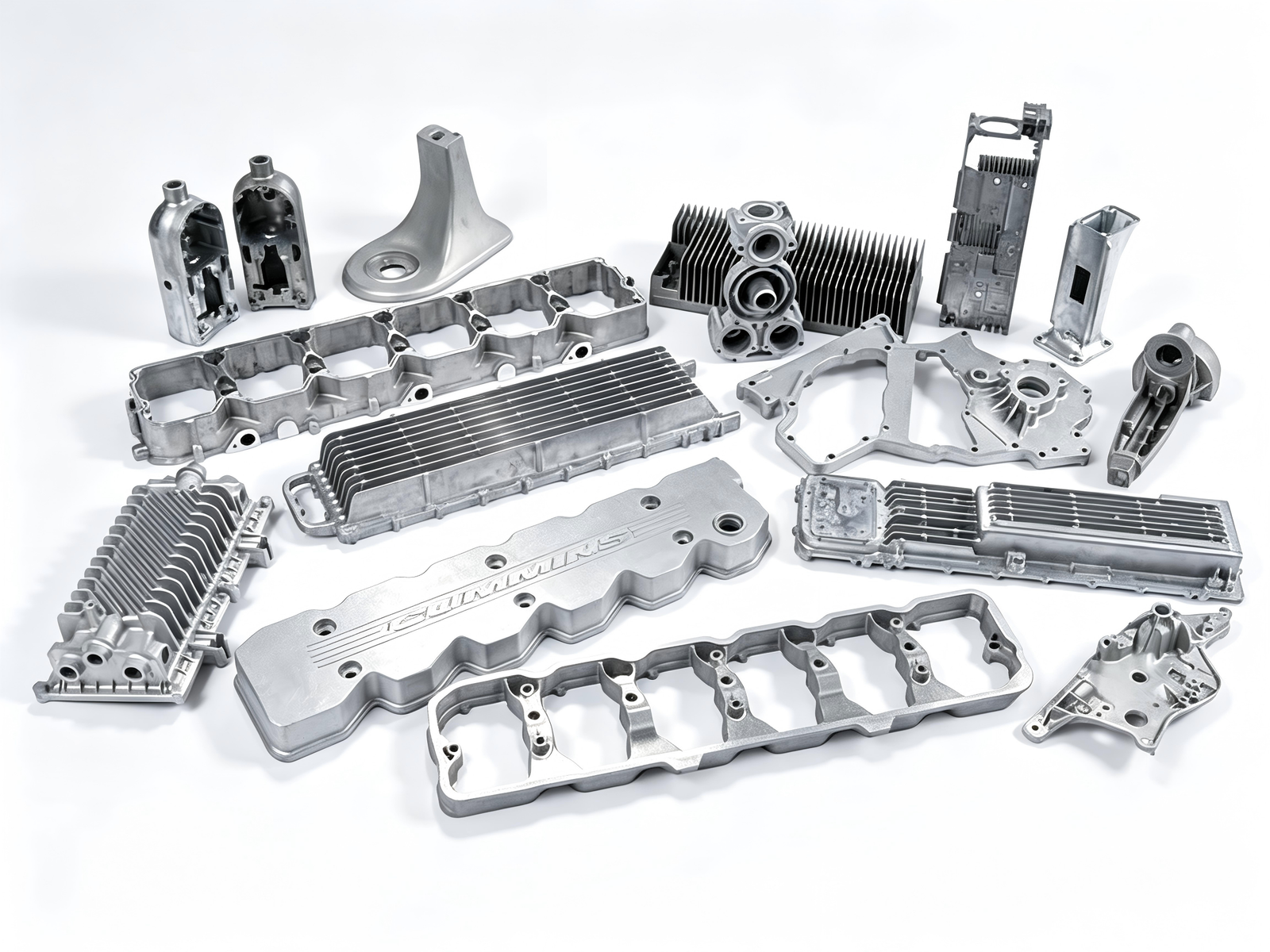
Сред стотиците налични днес алуминиеви сплави, A380 остава индустриалният стандарт за леене под високо налягане.
Популярността му не е случайна. Сплавта предлага изключителен баланс между производствена ефективност, механично изпълнение, и производствени разходи.
Изключителна плавност на леене
Една от най-силните страни на A380 е неговата отлична течливост в разтопено състояние.
По време на леене под високо налягане, стопеният алуминий трябва бързо да запълни сложните кухини на формата, преди да започне втвърдяването.
Високото съдържание на силиций в A380 му позволява:
Напълнете изключително тънки секции
Възпроизвеждайте сложни геометрии
Оформете сложни ребра и издатини
Минимизирайте студените затваряния
Намаляване на грешките
Това позволява на дизайнерите по-голяма свобода при разработването на леки и силно интегрирани компоненти.
Отлична производителност при пълнене на матрицата
Леенето под високо налягане често включва компоненти с:
Тънки стени
Дълбоки кухини
Множество функции за монтаж
Вътрешни канали за охлаждане
Сложни структурни ребра
A380 тече гладко под налягане на впръскване, осигуряване на пълно запълване на формата дори при сложни матрици.
В резултат на това, производителите постигат:
По-високи нива на добив
По -добър повърхностно покритие
По-ниски нива на дефекти
Повишена производствена ефективност
Ниско свиване по време на втвърдяване
Свиването при отливката е основен източник на дефекти в металните компоненти.
Тъй като A380 показва относително ниско свиване при втвърдяване, производителите изпитват по-малко проблеми като напр:
Вътрешна порьозност
Следи от мивка на повърхността
Изкривяване
Размерена вариация
Тази характеристика допринася пряко за подобряване на качеството на детайлите и по-ниски нива на скрап.
Отлична обработваемост
Въпреки че много отляти под налягане компоненти изискват минимална последваща обработка, някои характеристики все още се нуждаят от вторична обработка.
Примерите включват:
Прецизни отвори
Лагерни седалки
Отвори с резба
Уплътнителни повърхности
Критични монтажни повърхности
A380 машини лесно с помощта на конвенционално CNC оборудване.
Добрата му обработваемост предлага няколко предимства:
По-бързи скорости на рязане
По-дълъг живот на инструмента
По -добър повърхностно покритие
По-ниски разходи за обработка
Това го прави отличен избор за прецизни компоненти, изискващи строги допуски.
Висока ефективност на производството
За масово производство, малко материали съответстват на производителността на A380.
Леенето под високо налягане в комбинация с A380 позволява:
Време на цикъл от само секунди на част
Отлична повторяемост
Минимални материални отпадъци
Висока способност за автоматизация
По-ниски разходи за труд
Тези предимства правят A380 идеален за производство на стотици хиляди — или дори милиони — идентични компоненти всяка година.
Предимства на алуминиева сплав A380
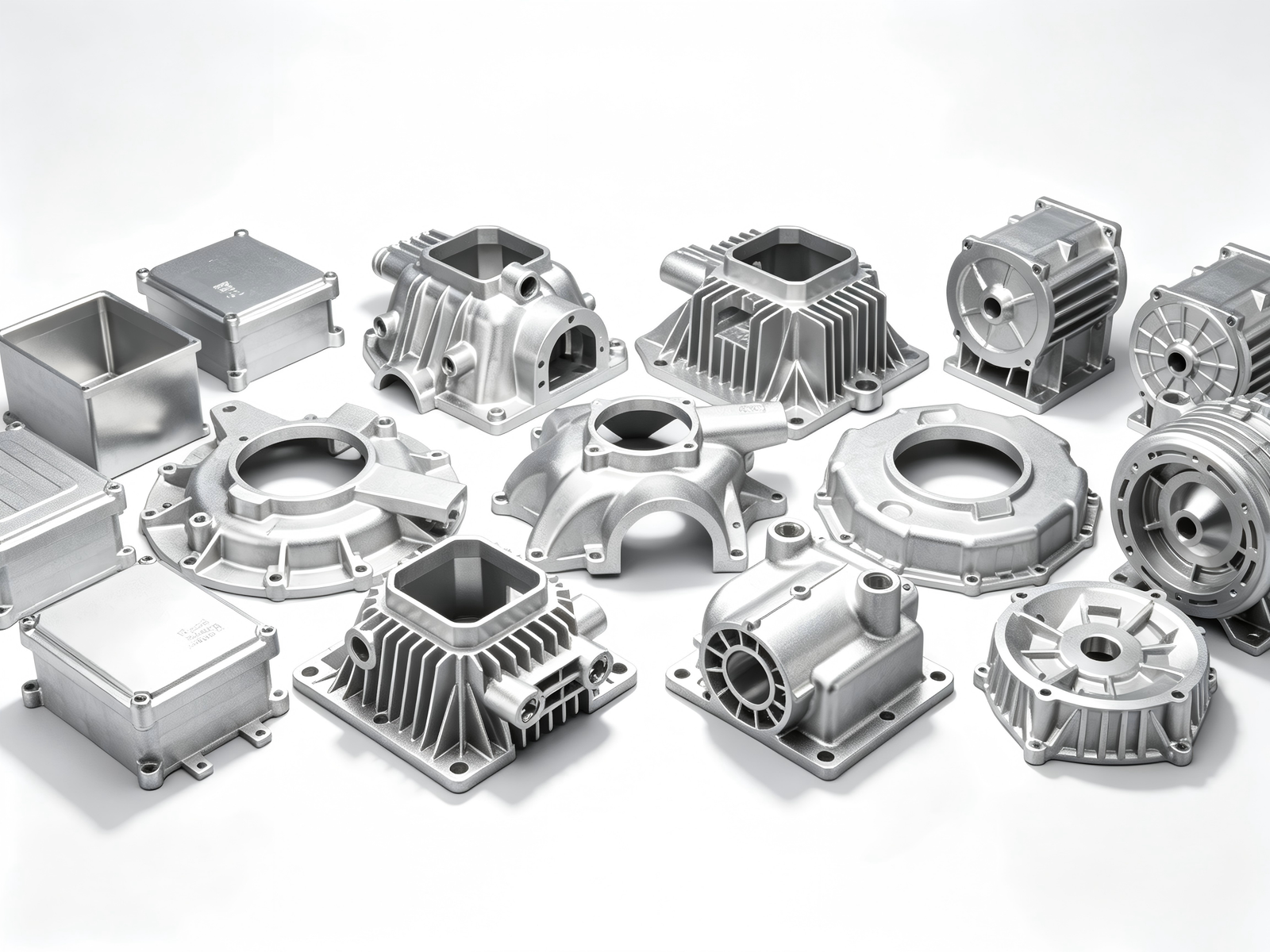
Комбинацията от отлични характеристики на леене и надеждни механични свойства направи A380 предпочитан материал за много индустрии.
1. Отлично съотношение сила-тегло
A380 осигурява впечатляваща механична здравина, като същевременно остава лек.
В сравнение със стоманени компоненти, алуминиевите ляти части могат значително да намалят общото тегло на продукта, без да се нарушава структурната цялост.
Ползите включват:
Подобрена икономия на гориво
Намалени транспортни разходи
По-лесен монтаж
По-добра ефективност на оборудването
2. Превъзходна леярска способност
A380 е специално проектиран за леене под високо налягане.
Неговите отлични характеристики на потока позволяват на производителите да произвеждат:
Тънкостенни компоненти
Сложни геометрии
Сложни вътрешни структури
Гладки повърхности
Висока точност на размерите
Това намалява изискванията за обработка и съкращава времето за производство.
3. Отлично покритие на повърхността
Сплавта произвежда гладки леярски повърхности директно от матрицата.
В резултат на това, много компоненти изискват малко или никакво допълнително довършване преди боядисване или покритие.
По-доброто покритие на повърхността също подобрява външния вид на продукта и подобрява адхезията на покритието.
4. Добра устойчивост на износване
Благодарение на съдържанието на силиций, A380 предлага по-добра устойчивост на износване от много други алуминиеви сплави.
Това го прави подходящ за компоненти, изложени на триене или повтарящ се механичен контакт, като например:
Корпуси на предавките
Тела на помпата
Моторни капаци
Индустриално оборудване
5. Надеждно разсейване на топлината
Съвременните електронни устройства генерират значителни количества топлина.
A380 ефективно отвежда топлината от чувствителните компоненти, което го прави идеален за:
LED осветление
Батерийни пакети
Силова електроника
Моторни контролери
Топлоотводи
6. Рентабилно производство
A380 е един от най-икономичните налични материали за леене под налягане.
Спестяването на разходи идва от няколко фактора:
Висока производствена ефективност
Отлично запълване на формата
Ниска степен на скрап
Намалена механична обработка
Дълъг умрял живот
Рециклируем материал
За производство в голям обем, тези предимства могат значително да намалят общата цена на част.
7. Отлична точност на размерите
Прецизността е от съществено значение в индустрии като автомобилостроенето, роботика, и електроника.
A380 последователно произвежда компоненти с:
Тесни допустими отклонения
Отлична плоскост
Стабилни размери
Повторяемо качество
Това минимизира проблемите с монтажа и подобрява цялостната надеждност на продукта.
8. Силно рециклируем
Като повечето алуминиеви сплави, A380 е напълно рециклируем.
Рециклираният алуминий изисква само малка част от енергията, необходима за производството на първичен алуминий, което го прави екологичен избор за устойчиво производство.
Ограничения на алуминиева сплав A380
Въпреки че A380 е много гъвкав, никой материал не е идеален. Разбирането на неговите ограничения помага на инженерите да изберат най-подходящата сплав за всяко приложение.
Ограничена пластичност
В сравнение с кованите алуминиеви сплави, A380 има относително ниско удължение.
Работи добре при статични натоварвания, но е по-малко подходящ за приложения, изискващи значителна деформация или устойчивост на удар.
Не е идеален за заваряване
Благодарение на съдържанието на силиций и мед, A380 обикновено не се препоръчва за структурно заваряване.
Възможно е заварени съединения:
Намалена сила
Повишена порьозност
Напукване
По-ниска производителност на умора
За заварени конструкции, кованите алуминиеви сплави като серията 5xxx или 6xxx често са по-добър избор.
Умерена устойчивост на корозия
Въпреки че A380 издържа добре на корозия в повечето индустриални среди, това не е най-добрият вариант за продължително излагане на морска вода или силно корозивни химикали.
В такива условия, силно се препоръчват защитни повърхностни покрития.
Ограничена възможност за термична обработка
За разлика от някои леярски сплави, A380 се използва предимно в излято състояние.
Въпреки че са възможни определени топлинни обработки, сплавта не реагира толкова ефективно, колкото сплави като A356, които са специално предназначени за топлинна обработка.
Следваща част: A380 срещу. A360 срещу. A383 срещу. ADC12, Производствени процеси, Опции за довършване на повърхността, Приложения, Съвети за дизайн, Често задавани въпроси, и Заключение.
A380 срещу. A360 срещу. A383 срещу. ADC12
Изборът на правилната алуминиева сплав е едно от най-важните решения в проект за леене под налягане. Докато A380 често се счита за индустриален стандарт, други сплави като A360, A383, и ADC12 имат уникални предимства в зависимост от приложението.
Следното сравнение може да помогне на инженерите и мениджърите по покупки да изберат най-подходящата сплав въз основа на производителността, технологичност, и цена.
| Имот | A380 | A360 | A383 | ADC12 |
| Основен стандарт | ASTM | ASTM | ASTM | Той |
| Леене | Отлично | добре | Отлично | Отлично |
| Течливост | Отлично | добре | Изключителен | Отлично |
| Механична якост | високо | високо | Средно-високо | Средно-високо |
| Устойчивост на корозия | добре | Отлично | добре | добре |
| Херметичност под налягане | Отлично | Отлично | много добре | добре |
| Обработваемост | Отлично | добре | Отлично | Отлично |
| Топлинно разсейване | добре | добре | добре | добре |
| Типични приложения | Автомобилна, електроника, машини | морски, космическото пространство, устойчиви на натиск части | Тънкостенни отливки | Потребителска електроника, автомобилен |
Производствени процеси за алуминиеви части A380
Една от причините A380 да остане толкова популярен е неговата съвместимост с множество производствени процеси. Докато леенето под високо налягане е основният производствен метод, няколко вторични операции обикновено се извършват за постигане на крайни спецификации.
Леене под високо налягане
Кастинг с високо налягане (HPDC) е предпочитаният производствен процес за алуминиева сплав A380.
По време на този процес:
Алуминият се топи в пещ.
Разтопеният метал се инжектира в матрица от закалена стомана под високо налягане.
Металът бързо се втвърдява във формата.
Отливката се изхвърля.
Порти, бегачи, и светкавицата са изрязани.
Частта преминава към вторична обработка или довършителни работи, ако е необходимо.
Предимства на HPDC
Висока скорост на производство
Отлична точност на размерите
Гладко покритие на повърхността
Възможност за тънкостенни
Ниски разходи за част при масово производство
Отлична повторяемост
Тези предимства правят HPDC идеален за производство на големи количества прецизни алуминиеви компоненти.
CNC обработка
Въпреки че леенето под налягане произвежда части с почти мрежова форма, много компоненти все още изискват прецизна обработка.
Обичайните машинни операции включват:
Фрезоване
Обръщане
Пробиване
Разширяване
скучно
Нарязване на резба
Критични характеристики като лагерни гнезда, отвори с резба, уплътнителни повърхности, и прецизните монтажни повърхности обикновено се завършват с помощта на CNC обработка.
Пробиване и подслушване
Много компоненти на A380 изискват отвори с резба за сглобяване.
Благодарение на отличната си обработваемост, A380 позволява:
Точно позициониране на отвора
Чисто образуване на нишка
Намалено износване на инструмента
Висока ефективност на обработка
Това прави сплавта особено подходяща за компоненти, сглобени с винтове, болтове, или вложки.
Повърхностно шлайфане
Повърхностното шлайфане се използва, когато са необходими изключително плоски уплътнителни или монтажни повърхности.
Типичните приложения включват:
Корпуси на помпи
Корпуса на хидравлични клапани
Компресорни компоненти
Прецизно оборудване
Шлифоването подобрява плоскостта и осигурява правилното запечатване.
Опции за повърхностно покритие за алуминий A380
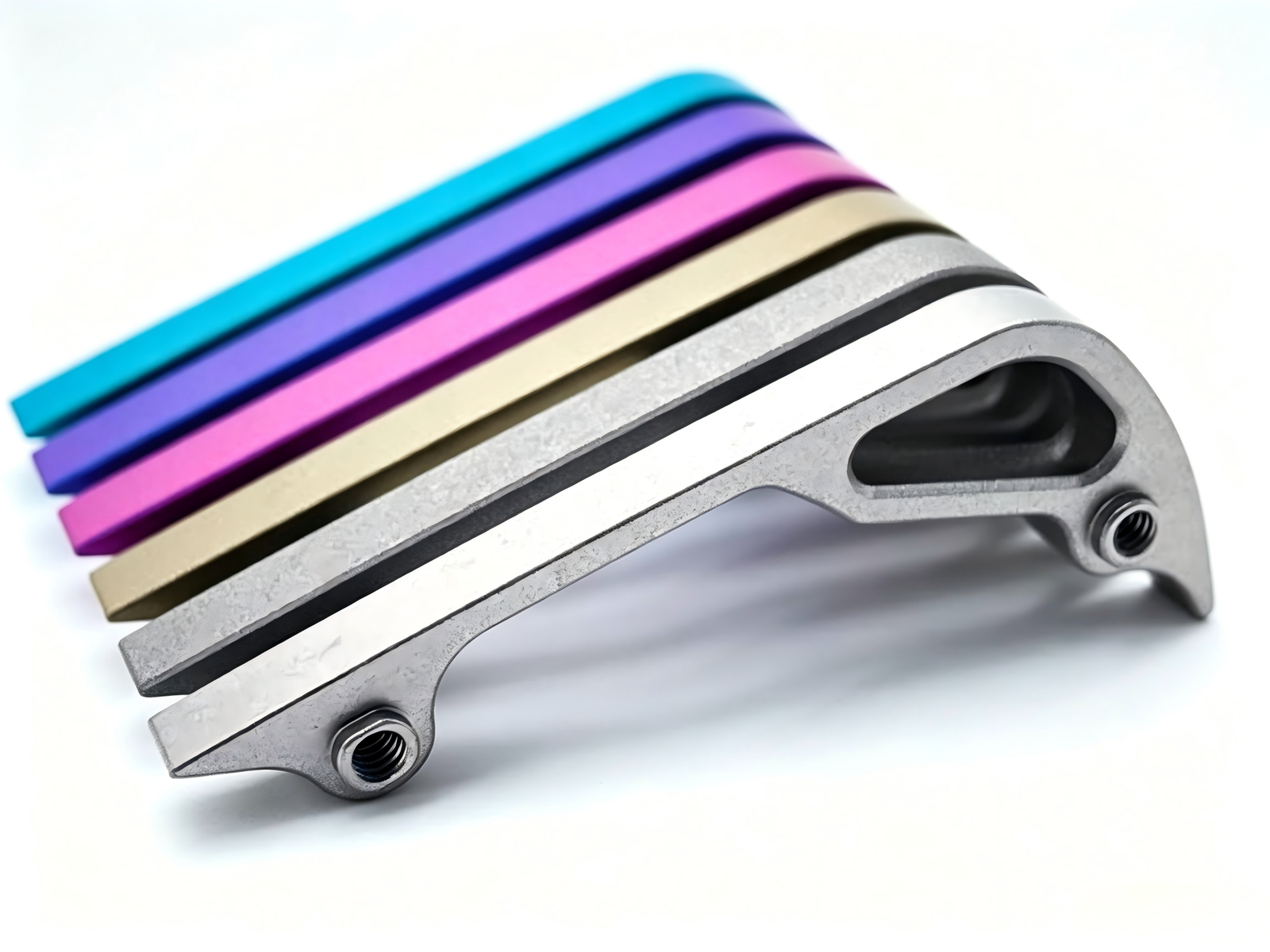
Въпреки че A380 естествено издържа на корозия, много продукти изискват допълнителна повърхностна обработка за подобряване на външния вид, издръжливост, или устойчивост на околната среда.
Прахово боядисване
Праховото боядисване е един от най-разпространените методи за довършителни работи.
Предимствата включват:
Отлична устойчивост на корозия
Атрактивен външен вид
Висока издръжливост
Богата гама от цветове
Добра устойчивост на удар
Използва се широко за автомобилни части, индустриално оборудване, и продукти за открито.
Рисуване
Течното боядисване осигурява декоративни и защитни покрития, като същевременно позволява на производителите да отговарят на специфичните за клиента изисквания за цвят.
Приложенията включват:
Корпуси за уреди
Потребителски продукти
Индустриално оборудване
Автомобилни компоненти
Електрофоретично покритие (Е-покритие)
Е-покритието създава силно равномерен защитен слой, дори на сложни геометрии.
Предимствата му включват:
Отлична защита от корозия
Еднообразна дебелина на покритието
Силна адхезия
Екологичен процес
Обикновено се използва за автомобилни и индустриални приложения.
Химическо преобразуващо покритие
Известно също като хроматно или тривалентно преходно покритие, този завършек:
Подобрява устойчивостта на корозия
Подобрява адхезията на боята
Осигурява електрическа проводимост за заземителни приложения
Използва се широко за Електронни заграждения and communication equipment.
Безелектрическо никелиране
Никелирането осигурява:
Превъзходна устойчивост на износване
Подобрена устойчивост на корозия
Повишена твърдост
Атрактивен метален външен вид
Често се избира за прецизни индустриални компоненти, подложени на многократно износване.
Изстрелване
Дробеструйната обработка премахва повърхностните несъвършенства, като същевременно създава равномерна матова текстура.
Ползите включват:
Подобрен външен вид
По-добра адхезия на покритието
Отстраняване на светкавици и оксиди
Постоянно качество на повърхността
Полиране
За декоративни приложения, полирането създава по-гладка и по-привлекателна повърхност.
Въпреки че A380 не може да постигне огледалното покритие на някои ковани алуминиеви сплави, полирането значително подобрява естетиката на продукта преди боядисване или покритие.
В заключителна част, ние ще покрием:
Общи приложения на алуминиева сплав A380
Съвети за проектиране на отляти под налягане части на A380
15 ЧЗВ, оптимизирани за SEO
Заключение със силен B2B призив за действие за преобразуване на запитване
Общи приложения на алуминиева сплав A380
Автомобилни компоненти
Автомобилната индустрия е най-големият потребител на алуминиева сплав A380. Тъй като производителите на превозни средства продължават да намаляват теглото, за да подобрят горивната ефективност и да разширят обхвата на движение на електрическите превозни средства (електромобили), алуминиевите отливки заместват традиционните компоненти от стомана и желязо.
Типичните автомобилни приложения включват:
Скоби на двигателя
Корпути на предаване
Капаци за скоростна кутия
Корпуси на маслена помпа
Корпуси на двигатели
Корпуси на алтернатори
Компоненти на кормилната система
ECU (Електронен контролен блок) корпуси
Кутии за батерии
Крайни капаци на двигателя на електрически превозни средства
Отличното съотношение на здравина към тегло на A380 позволява на производителите да намалят теглото на автомобила, без да компрометират структурните характеристики.
Потребителска електроника
Съвременните електронни устройства генерират значителна топлина, като същевременно изискват компактност, леки корпуси. Алуминият A380 предлага отлична топлопроводимост и точност на размерите, което го прави идеален за прецизни електронни компоненти.
Обичайните приложения включват:
Топлоотводи
Корпуси за LED осветление
Корпуси за захранване
Корпуси за комуникационно оборудване
Корпуси на мрежови устройства
Компютърни хардуерни компоненти
Кутии за аудио оборудване
Способността му да разсейва топлината ефективно спомага за подобряване на надеждността и продължителността на живота на електронните продукти.
Индустриални машини
Индустриалното оборудване често работи при тежки условия, включващи вибрации, механични натоварвания, и повишени температури. Алуминият A380 осигурява издръжливостта и стабилността, необходими за тези среди.
Типичните индустриални приложения включват:
Корпуси на помпи
Тела на клапаните
Компресорни компоненти
Хидравлично оборудване
Корпуси на предавките
Части на пневматичната система
Рамки за оборудване за автоматизация
Индустриални корпуси на двигатели
Отличната обработваемост на сплавта също така улеснява производството на прецизни монтажни повърхности и резбови елементи.
Електрически превозни средства (електромобили)
Тъй като пазарът на EV се разширява, Алуминият A380 става все по-важен за леки структурни и термични компоненти за управление.
Обичайните EV приложения включват:
Компоненти на корпуса на батерията
Инверторни корпуси
Корпуси на системата за зареждане
Корпуси на електродвигатели
Компоненти на охладителната система
Енергоразпределителни блокове
Корпуси на DC/DC преобразуватели
Неговата комбинация от лека конструкция и ефективно разсейване на топлината спомага за подобряване на производителността на автомобила и ефективността на батерията.
Домакински уреди
Много домакински уреди съдържат части от лят под налягане алуминий, защото съчетават издръжливост с привлекателен външен вид.
Примерите включват:
Рамки за пералня
Корпуси за компресори на климатици
Компресорни части за хладилник
Компоненти за кафе машина
Корпуси за прахосмукачки
Рамки за кухненски уреди
A380 позволява на производителите да произвеждат сложни части с отлична консистенция при производство в голям обем.
Роботика и автоматизация
Индустриалните роботи изискват леки, но твърди структурни компоненти, за да постигнат висока скорост, прецизно движение.
Типичните приложения включват:
Стави на ръцете на робота
Корпуси за серво мотори
Крайни скоби
Рамки за оборудване за автоматизация
Корпуси на системата за зрение
Стабилността на размерите на сплавта осигурява постоянна точност на позициониране по време на продължителна работа.
Съвети за проектиране на отляти под налягане части на A380
Изборът на правилната сплав е само част от успешния проект за леене под налягане. Добрият дизайн на частта играе също толкова важна роля за постигане на висококачествени отливки, минимизиране на дефектите, и намаляване на производствените разходи.
По-долу са дадени няколко основни препоръки за дизайн при работа с алуминиева сплав A380.
Поддържайте еднаква дебелина на стената
Равномерната дебелина на стената спомага за равномерно протичане на метала и постоянно охлаждане по време на втвърдяване.
Големите разлики в дебелината на стените могат да доведат до:
Порьозност на свиване
Следи от мивка
Изкривяване
Остатъчно напрежение
Когато е възможно, дизайнерите трябва да поддържат постоянна дебелина на стената в цялата част.
Добавете подходящи ъгли на наклон
Ъглите на теглене позволяват отливката да бъде изхвърлена плавно от матрицата, без да се повреди компонентът или формата.
Типичните проекти на препоръки са:
Външни повърхности: 1–2°
Вътрешни повърхности: 2–3°
Подходящата тяга също така удължава живота на матрицата и намалява разходите за поддръжка.
Използвайте щедри радиуси на филе
Острите вътрешни ъгли концентрират напрежението и ограничават потока на разтопен метал.
Добавянето на филета помага:
Подобрете потока на метала
Намалете напукването
Увеличете якостта на умора
Удължете живота на смъртта
Заоблените преходи обикновено произвеждат по-здрави и по-надеждни отливки.
Укрепване с ребра вместо дебели стени
Увеличаването на дебелината на стената не винаги е най-добрият начин за подобряване на здравината.
Вместо това, дизайнерите често използват подсилващи ребра, които предоставят:
По-висока твърдост
По-нисък разход на материал
Намалено тегло
По-добро качество на кастинг
Този подход също минимизира дефектите при свиване.
Проектирайте шефовете внимателно
Главите обикновено се използват за винтове, вложки, и крепежни елементи.
Правилният дизайн на шефа трябва да включва:
Адекватна опора на стената
Плавни преходи
Подходящи ъгли на газене
Достатъчно разстояние от външните стени
Това помага за предотвратяване на напукване и подобрява запълването на матрицата.
Минимизиране на вторичната обработка
Отливането под налягане A380 може да постигне отлична точност на размерите. Когато е възможно, инженерите трябва да проектират части, които минимизират операциите след машинна обработка.
Намаляването на обработката помага за по-ниско:
Производствени разходи
Време за изработка
Износване на инструмента
Материални отпадъци
Ранното сътрудничество между дизайнерския екип и производителя на отливки под налягане може да оптимизира геометрията на детайлите както за отливане, така и за машинна обработка.
ЕAQs
1. Какво е алуминиева сплав A380?
A380 е алуминиево-силициево-медна сплав, специално разработена за леене под високо налягане. Предлага отлична комбинация от здравина, леене, устойчивост на корозия, и обработка.
2. Защо A380 е най-популярната сплав за леене под налягане?
A380 осигурява изключителен баланс на механични свойства, ефективност на производството, и цена, което го прави подходящ за голямо разнообразие от индустрии и приложения.
3. A380 по-силен ли е от A383?
Общо взето, да. A380 обикновено предлага по-висока механична якост, докато A383 осигурява по-добра течливост за тънкостенни и много сложни отливки.
4. Какъв е еквивалентът на алуминий A380?
Общите еквиваленти включват:
ADC10 (Японски JIS стандарт)
LM24 (британски стандарт)
Макар и подобни, точният химичен състав и характеристиките на работа може да варират в зависимост от приложимия стандарт.
5. Може ли алуминий A380 да се обработва с ЦПУ?
да. A380 има отлична обработваемост и обикновено се обработва след отливане за получаване на прецизни отвори, нишки, уплътнителни повърхности, и функции за монтаж.
6. Може ли да се заварява алуминий A380?
Общо взето, A380 не се препоръчва за структурно заваряване поради сравнително високото си съдържание на силиций и мед, което може да увеличи риска от порьозност и напукване.
7. Може ли алуминий A380 да бъде анодизиран?
A380 може да бъде анодизиран, но поради относително високото съдържание на силиций, покритието обикновено е по-тъмно и по-малко декоративно от анодизираните ковани сплави като напр 6061 или 6063. Когато външният вид е важен, често се предпочита прахово боядисване или никелиране без електричество.
8. Подходящ ли е A380 за външни приложения?
да. A380 предлага добра устойчивост на корозия на открито. За продължително излагане на влага, солен спрей, или химикали, препоръчва се прилагането на подходящо повърхностно покритие за максимална издръжливост.
9. Кои индустрии използват алуминиева сплав A380?
A380 се използва широко в:
Автомобилна
Електрически превозни средства
електроника
Индустриални машини
Телекомуникации
Медицинско оборудване
Потребителски уреди
роботика
LED осветление
10. Дали алуминий A380 може да се рециклира?
да. Като повечето алуминиеви сплави, A380 е 100% рециклируеми. Рециклирането на алуминий изразходва значително по-малко енергия от производството на първичен алуминий, което го прави екологично отговорен избор на материал.
Заключение
Ако планирате нов проект за леене под налягане, Партньорството с опитен производител е също толкова важно, колкото и изборът на правилната сплав. Опитен доставчик може да осигури поддръжка с оптимизация на дизайна, развитие на мухъл, леене под налягане, CNC обработка, повърхностна обработка, и проверка на качеството, помагайки ви да намалите разходите, съкратете времето за изпълнение, и гарантират постоянно качество на продукта.
Търсите надежден персонализиран производител на отливки на алуминий A380? Свържете се с нашия инженерен екип днес да обсъдим вашия проект. Ние предлагаме решения за производство на едно гише, от преглед на дизайна и инструментална екипировка до прецизна обработка и довършителни работи, гарантирайки, че вашите компоненти отговарят на най-високите стандарти за качество и производителност.


