


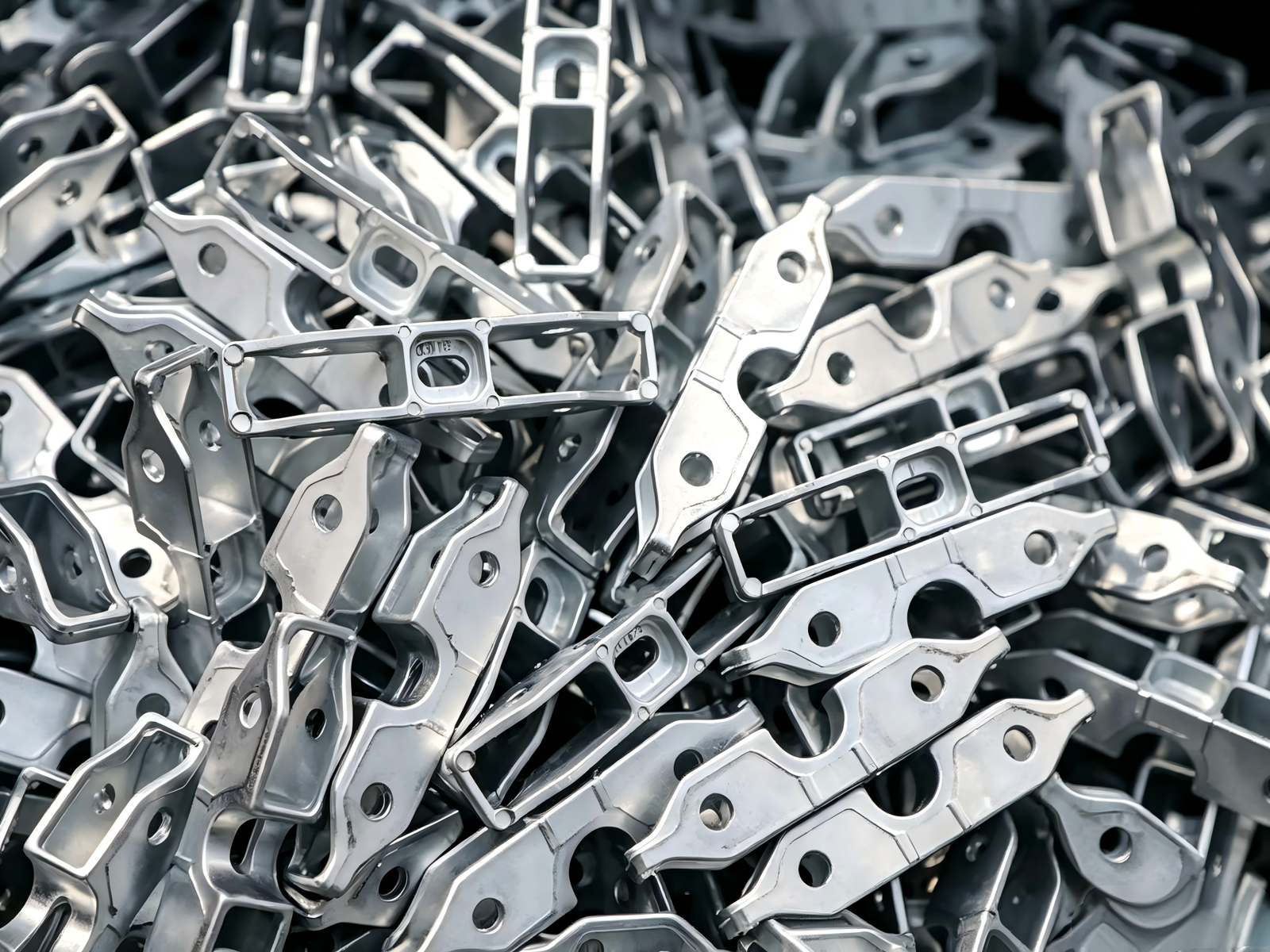
В сравнение с алуминий, месинг, и стомана, Zamak предлага уникален баланс на здравина, Качество на повърхността, и ефективност на производството. Ниската му точка на топене позволява бързи производствени цикли, което го прави идеален за леене под налягане с голям обем, без да се жертва прецизността или издръжливостта.
В това ръководство, ще научите какво е сплав Zamak, неговия химичен състав, разликите между обичайните класове Zamak, ключови механични свойства, производствени предимства, приложения, и как да изберете правилната сплав за следващия си проект.
Какво е сплав Zamak?
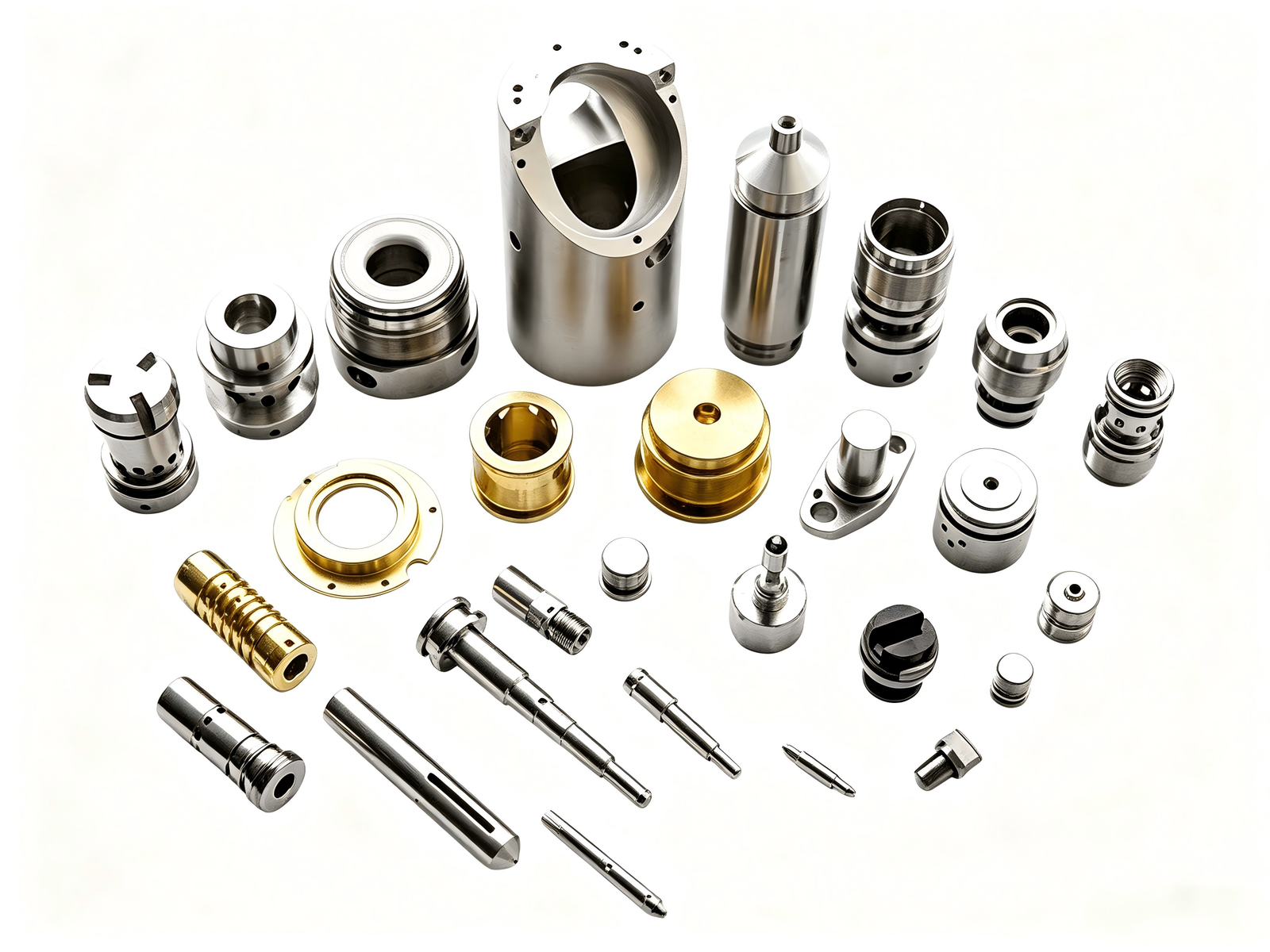
Zamak е семейство сплави на основата на цинк, съставени предимно от цинк, алуминий, магнезий, и мед. Името “Замак” произлиза от немските наименования на легиращите елементи:
- З– Цинк (Цинк)
- А– Алуминий
- MA– Магнезий
- К– Мед (Мед)
Разработен през 20-те години на ХХ век, Zamak бързо се превърна в индустриален стандарт за цинково леене под налягане поради отличните си характеристики на леене и надеждни механични характеристики.
За разлика от чистия цинк, който е относително мек и неподходящ за структурни приложения, Сплавите Zamak предлагат значително подобрена якост, твърдост, и устойчивост на корозия. Тези свойства позволяват на производителите да произвеждат сложни части с тънки стени, сложни геометрии, и тесни допуски, като същевременно се минимизира вторичната обработка.
Днес, Сплавите Zamak се използват в широк спектър от индустрии, включително автомобилни, електроника, медицински изделия, мебелен обков, индустриално оборудване, и потребителски продукти.
Химичен състав и общи класове замак
Въпреки че всички сплави на Zamak са на цинкова основа, малки промени в алуминия, мед, и съдържанието на магнезий води до различни механични свойства и приложения.
Типичен химичен състав
| елемент | Типично съдържание | Основна функция |
| Цинк (Zn) | 95–96% | Неблагороден метал, осигуряващ отлична леярска способност |
| Алуминий (Ал) | 3.5–4,3% | Подобрява силата, твърдост, и устойчивост на корозия |
| Магнезий (Mg) | 0.03–0,06% | Подобрява стабилността на размерите и намалява чупливостта |
| Мед (Cu) | 0–1,25% | Увеличава якостта на опън и устойчивостта на износване |
| Желязо, Водя & Кадмий | Следи | Строго контролиран за поддържане на качеството и отговаряне на екологичните стандарти |
Сравнение на обичайните класове замак
| Сплав | Основна характеристика | Типични приложения |
| тежестите 2 | Най-висока здравина и твърдост | Индустриални компоненти, предавки, износоустойчиви части |
| тежестите 3 | Най-добрият общ баланс между производителност и цена | Общи компоненти, отлети под налягане, автомобилен, електроника |
| тежестите 5 | По-висока якост от Zamak 3 | Автомобилен хардуер, Механични части, ключалки |
| тежестите 7 | Превъзходна течливост и повърхностно покритие | Тънкостенни компоненти и декоративни продукти |
тежестите 3
тежестите 3 е най-широко използваната цинкова сплав за леене под налягане в световен мащаб. Осигурява отлична стабилност на размерите, устойчивост на корозия, и повърхностно покритие, като същевременно остава лесен за отливане и обработка. Подходящ е за повечето търговски и индустриални приложения.
тежестите 5
тежестите 5 съдържа повече мед от Zamak 3, което води до по-голяма здравина, твърдост, и устойчивост на износване. Обикновено се избира за автомобилни компоненти и механични части, подложени на по-високи натоварвания.
тежестите 2
С най-високо съдържание на мед сред стандартните класове, тежестите 2 предлага изключителна твърдост и устойчивост на пълзене. Често се използва за инструментална екипировка, предавки, и прецизни индустриални компоненти.
тежестите 7
тежестите 7 подобрява течливостта на отливката и външния вид на повърхността, което го прави идеален за дизайни с тънки стени и декоративни продукти, изискващи първокласни покрития.
Механични и физични свойства
Популярността на сплавите Zamak идва от техния отличен баланс на механична якост и производствени характеристики.
| Имот | Типична стойност |
| Издръжливост на опън | 280–410 MPa |
| Сила на провлачване | 210–330 MPa |
| твърдост | 82–120 HB |
| Плътност | 6.6–6,8 g/cm³ |
| Точка на топене | 380–390°C |
| Топлопроводимост | Прибл. 110 W/m·K |
| Електропроводимост | Прибл. 27% ИСАК |
| Устойчивост на корозия | Отличен в закрити и умерено влажни среди |
Тези свойства позволяват на компонентите на Zamak да издържат на повтарящи се механични натоварвания, като същевременно поддържат точност на размерите. Сплавта също предлага отлично гасене на вибрации и устойчивост на удар, което го прави подходящ за механични възли и автомобилен хардуер.
Неговата относително ниска температура на топене намалява консумацията на енергия по време на производството и удължава живота на матрицата, намаляване на производствените разходи.
Защо Zamak е идеален за леене под налягане
Сплавите Zamak са специално проектирани за леене под високо налягане, което ги прави един от най-ефективните материали за масово производство.
Отлична течливост
Разтопеният замак запълва бързо сложни форми, което позволява на производителите да произвеждат сложни форми с тънки стени и фини детайли.
Висока точност на размерите
Отлятите под налягане части от Zamak постигат тесни допуски, намаляване или елиминиране на вторични операции по обработка.
Изключително повърхностно покритие
Гладката повърхност, получена чрез леене под налягане, е подходяща за полиране, хромиране, прахово боядисване, живопис, или електроплаване, подобряване на външния вид и устойчивостта на корозия.
Висока ефективност на производството
Тъй като Zamak се топи при относително ниска температура, производствените цикли са по-кратки от много други леярски материали. Това позволява на производителите да произвеждат големи количества части бързо, като същевременно намаляват разходите за енергия.
Отлична обработваемост
Въпреки че много компоненти на Zamak изискват малко последваща обработка, пробиване, фрезоване, потупване, и CNC обработката може да се извърши ефективно, когато са необходими по-строги толеранси или допълнителни функции.
устойчивост
Замак сплавите са 100% рециклируеми. Скрапът, генериран по време на производството, може да бъде претопен и използван повторно без значителна загуба на свойствата на материала, намаляване на отпадъците и подкрепа на устойчивото производство.
Предимства и ограничения на сплавите Zamak
Предимства
Рентабилно производство
Комбинацията от ниска температура на топене, Бързи времена на цикъл, и минималната машинна обработка прави Zamak един от най-икономичните материали за леене под налягане.
Изключителна прецизност
Сложни геометрии, тънки стени, и подробни характеристики могат да бъдат произведени със забележителна точност, намаляване на проблемите с монтажа и подобряване на качеството на продукта.
Отлично качество на повърхността
Частите от Zamak са много подходящи за декоративни покрития като хромиране, никелово покритие, живопис, и прахово боядисване.
Добра механична якост
Въпреки че не е толкова здрав като стоманата, Zamak осигурява достатъчна здравина за много структурни и механични приложения.
Устойчивост на корозия
Съдържанието на алуминий повишава устойчивостта на корозия, което прави Zamak подходящ за вътрешна среда и много външни приложения с подходяща повърхностна обработка.
Екологично чист
Неговата пълна възможност за рециклиране поддържа устойчиво производство, като същевременно намалява разходите за суровини.
Ограничения
Въпреки своите предимства, Zamak не е подходящ за всяко приложение.
- Не се препоръчва за продължителна работа над приблизително 100–120°C, тъй като механичните свойства се влошават при повишени температури.
- Zamak е по-тежък от алуминия, което го прави по-малко подходящ за приложения, където лекият дизайн е от решаващо значение.
- Не може да достигне структурната здравина на стоманата за силно натоварени компоненти.
- За силно корозивни морски или химически среди, препоръчва се допълнителна повърхностна защита.
Изборът на правилния материал зависи от механиката на вашето приложение, околната среда, и изисквания за разходите.
Често срещани приложения на сплави Zamak
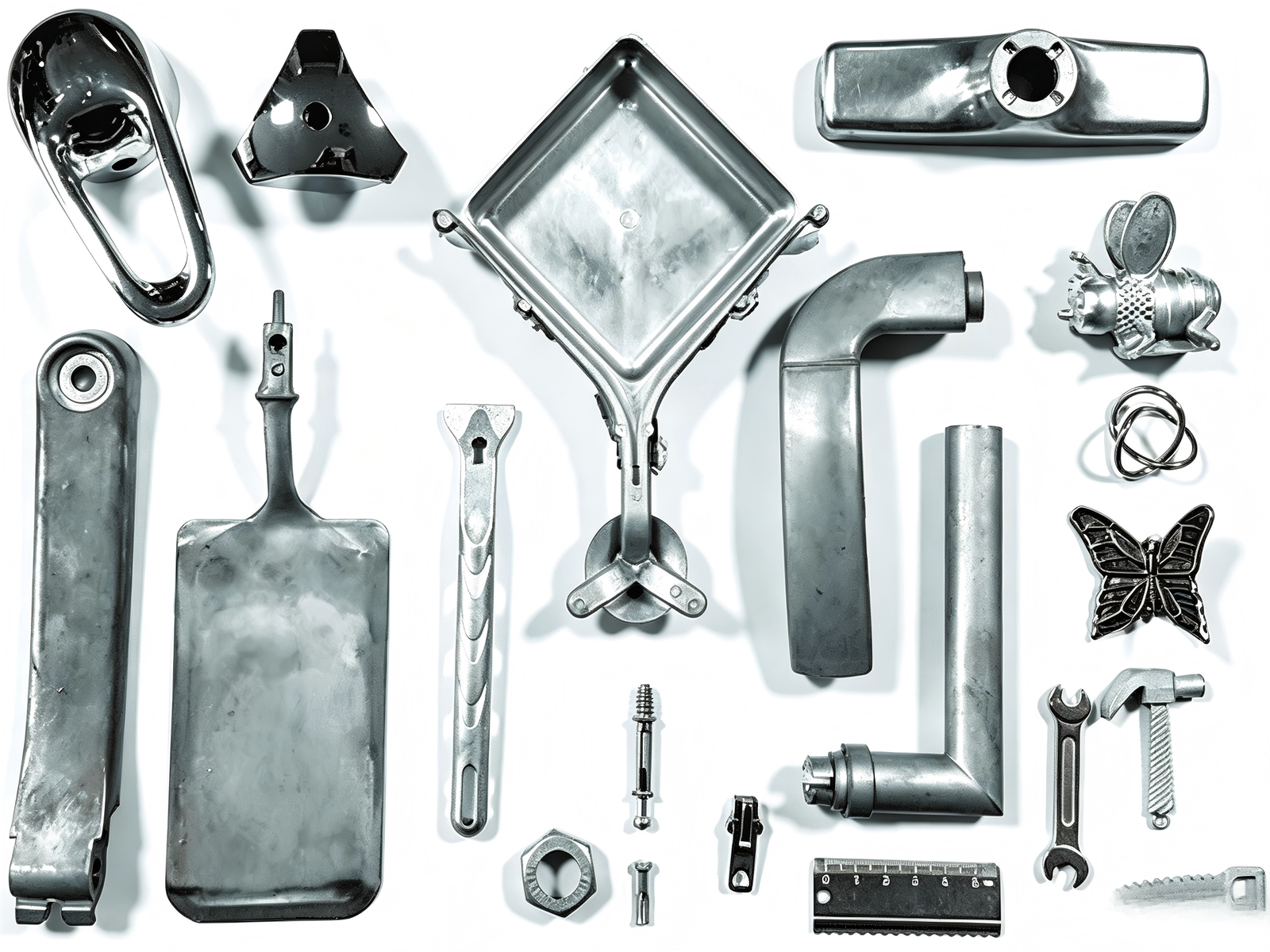
Универсалността на Zamak го прави подходящ за голямо разнообразие от индустрии.
Автомобилна индустрия
Автомобилните производители използват Zamak за дръжки на вратите, компоненти за заключване, скоби, емблеми, корпуси за огледала, и интериорен обков заради здравината му, прецизност, и отлично покритие на повърхността.
Потребителска електроника
Електронните продукти често използват Zamak за корпуси на съединители, компоненти на камерата, части за високоговорители, и екраниращи заграждения благодарение на стабилността на размерите и привлекателния външен вид.
Мебели и архитектурен обков
Дръжки за шкафове, панти, ключалки, дърпа чекмеджета, аксесоари за баня, и декоративния хардуер често използват Zamak поради неговата издръжливост и способността да приема първокласни повърхностни покрития.
Индустриално оборудване
Прецизни корпуси, машинни компоненти, контролни копчета, предавки, и системите за закрепване се възползват от устойчивостта на износване и точността на размерите на Zamak.
Потребителски продукти
Zamak обикновено се среща в електрически инструменти, осветителни тела, кухненски уреди, спортни стоки, и декоративни продукти, които изискват както здравина, така и естетическа привлекателност.
Как да изберем правилната сплав Zamak
Изборът на подходяща сплав зависи от изискванията за производителност на вашия продукт.
| Изискване | Препоръчителна сплав |
| Най-добро цялостно представяне | тежестите 3 |
| По-висока якост и устойчивост на износване | тежестите 5 |
| Максимална твърдост | тежестите 2 |
| Тънкостенни или декоративни части | тежестите 7 |
При избора на материал, инженерите трябва да обмислят:
- Механично натоварване
- Работна температура
- Корозионна среда
- Изисквания за покритие на повърхността
- Обем на производство
- Производствени разходи
Консултирането с опитен производител на леене под налягане по време на етапа на проектиране може да помогне за оптимизиране на избора на материал и намаляване на производствените разходи.
Защо да изберете TOPS Precision за персонализирани части от Zamak?
При TOPS Прецизност, ние предоставяме цялостни производствени решения за персонализирани компоненти от сплав Zamak, от разработването на прототип до производство в голям обем.
Нашите възможности включват:
- Персонализирано цинково леене
- Прецизен дизайн и производство на матрици
- CNC обработка за вторични операции
- Нарязване на резба, пробиване, фрезоване, и обръщане
- Повърхностни обработки, включително прахово боядисване, живопис, анодиране, и галванопластика
- Строга проверка на размерите и контрол на качеството
- Монтаж и персонализирана опаковка
- Глобална поддръжка за доставка
Нашият инженерен екип работи в тясно сътрудничество с клиентите, за да оптимизира дизайна за технологичност, подобряване на производствената ефективност, и намаляване на общите разходи по проекта. Независимо дали имате нужда от малка партида прототип или мащабно производство, ние можем да доставим прецизни компоненти, които отговарят на вашите очаквания за качество и производителност.
Ако имате чертежи или 3D CAD файлове, свържете се с нас днес за безплатен инженерен преглед и конкурентна оферта.
често задавани въпроси
1. Какво е сплав Zamak?
Zamak е сплав на цинкова основа, съдържаща алуминий, магнезий, и мед, широко използван за леене под високо налягане поради своята здравина, прецизност, и отлична леярска способност.
2. Каква е разликата между Zamak 3 и замак 5?
тежестите 5 съдържа повече мед, което му придава по-висока якост и твърдост, докато Замак 3 предлага по-добра способност за отливане и е най-често използваният клас.
3. Замак по-здрав ли е от алуминий?
Не е задължително. Някои алуминиеви сплави имат по-високи съотношения на якост към тегло, но Zamak като цяло осигурява по-добра точност на размерите, превъзходно покритие на повърхността, и по-ниски производствени разходи за отлети под налягане компоненти.
4. Могат ли части от Zamak да бъдат обработени с ЦПУ?
да. Zamak предлага отлична обработваемост и може да бъде пробиван, смлян, подслушван, или обърнати за постигане на по-строги допуски или допълнителни функции.
5. Замак ръждясва ли?
не. Тъй като Zamak е на цинкова основа, не ръждясва като стоманата. въпреки това, защитните покрития могат допълнително да подобрят устойчивостта на корозия в взискателни среди.
6. Замак може да бъде хромиран?
да. Zamak приема хромиране, никелово покритие, прахово боядисване, и рисува изключително добре, което го прави популярен за декоративни приложения.
7. Замак е екологичен?
да. Zamak е напълно рециклируем и може да се претопява многократно без значителна загуба на качество, което го прави устойчив материал за производство.
8. Кои индустрии използват сплави Zamak?
Замак се използва широко в автомобилостроенето, електроника, мебелен обков, индустриални машини, медицински изделия, осветление, потребителски продукти, и архитектурен хардуер.
9. Каква е точката на топене на Zamak?
Повечето сплави на Zamak се топят между 380°C и 390 °C, което ги прави идеални за леене под налягане в гореща камера.
10. Защо да изберете Zamak за леене под налягане?
Zamak предлага отлична комбинация от прецизност, сила, устойчивост на корозия, бързи производствени цикли, изключителна повърхностна обработка, и ефективност на разходите, което го прави един от най-добрите материали за производство на сложни отляти под налягане компоненти.


