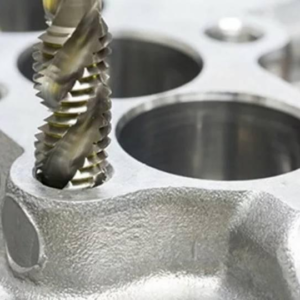
Тестът за твърдост осигурява бързо, надежден, и рентабилен начин за оценка на устойчивостта на материала на вдлъбнатина, надраскване, и повърхностна деформация. Производителите използват тестове за твърдост по време на производствения цикъл - от проверката на входящия материал и проверката на термичната обработка до окончателния контрол на качеството.
В това ръководство, ще проучим всичко, което трябва да знаете за тестването на твърдостта на метала, включително общи методи за тестване, международни стандарти, тестови процедури, индустриални приложения, и най-добри практики за постигане на точни резултати.
Какво е твърдост на метала?
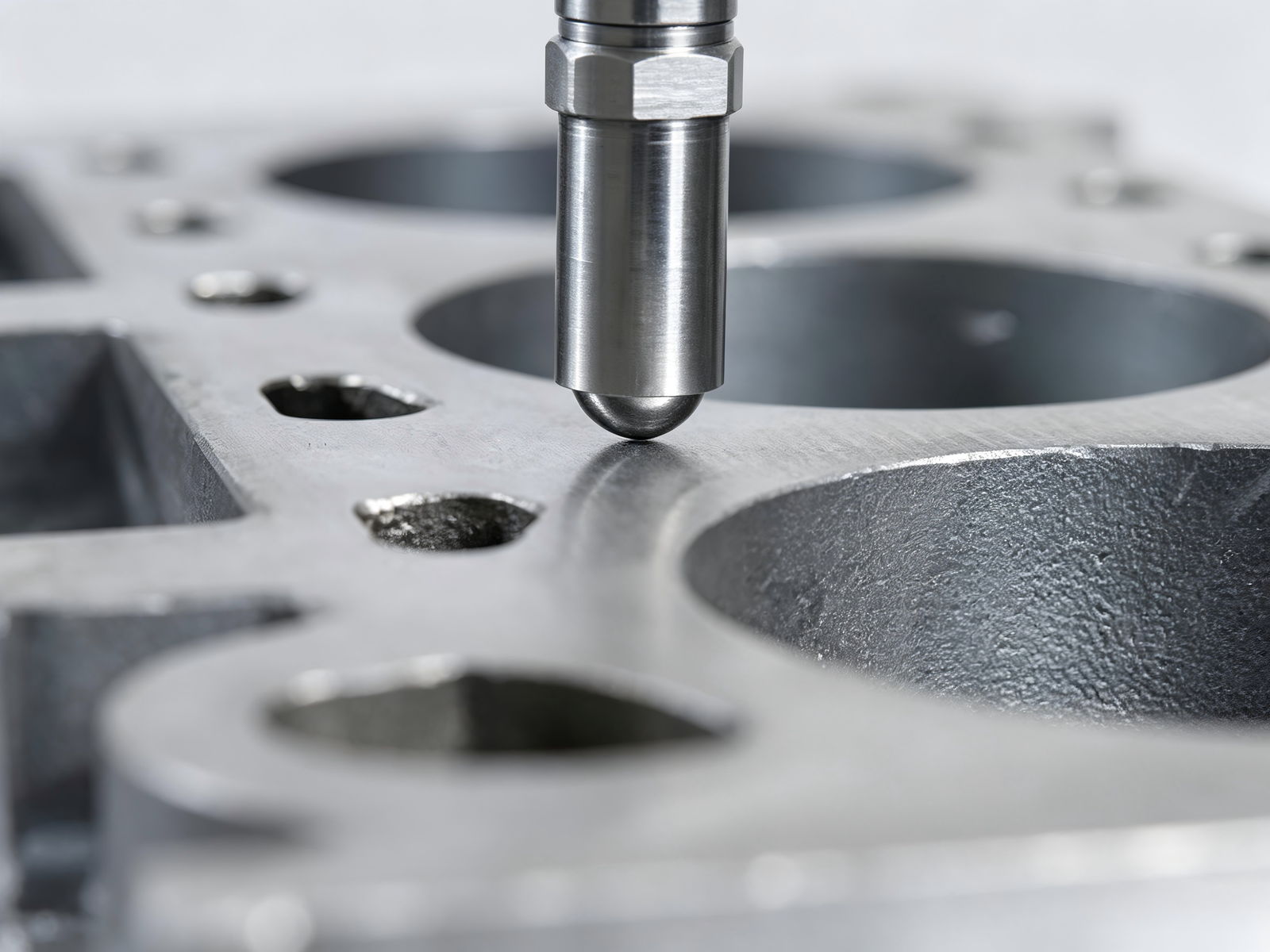
Твърдостта на метала се отнася до способността на материала да устои на постоянна деформация, когато е подложен на външна сила.
В практически план, твърдостта измерва колко устойчив е металът:
- Вдлъбнатина
- Драскане
- Абразия
- Износване
- Повърхностна деформация
Колкото по-твърд е даден материал, толкова по-устойчив ще бъде на механични повреди по време на работа.
Защо твърдостта има значение
Твърдостта влияе пряко:
- Устойчивост на износване
- Срок на експлоатация
- Товароносимост
- Изпълнение на умора
- Обработваемост
- Устойчивост на корозия (в някои приложения)
например, зъбно колело от закалена стомана, използвано в трансмисионна система, трябва да поддържа достатъчна твърдост, за да устои на износване по време на милиони работни цикли. По същия начин, аерокосмическите крепежни елементи изискват внимателно контролирани нива на твърдост, за да се осигури структурна цялост.
Твърдост срещу сила срещу издръжливост
Тези термини често се бъркат, но те представляват различни свойства на материала.
| Имот | Определение |
| твърдост | Устойчивост на вдлъбнатини и повърхностна деформация |
| Сила | Способност да издържа на приложен стрес без провал |
| Издръжливост | Способност за абсорбиране на енергия преди счупване |
Един материал може да е изключително твърд, но крехък. И обратно, материалът може да бъде много здрав, докато има относително ниска твърдост.
Разбирането на тези разлики е от решаващо значение при избора на материали за инженерни приложения.
Защо тестването на твърдостта е от съществено значение в производството
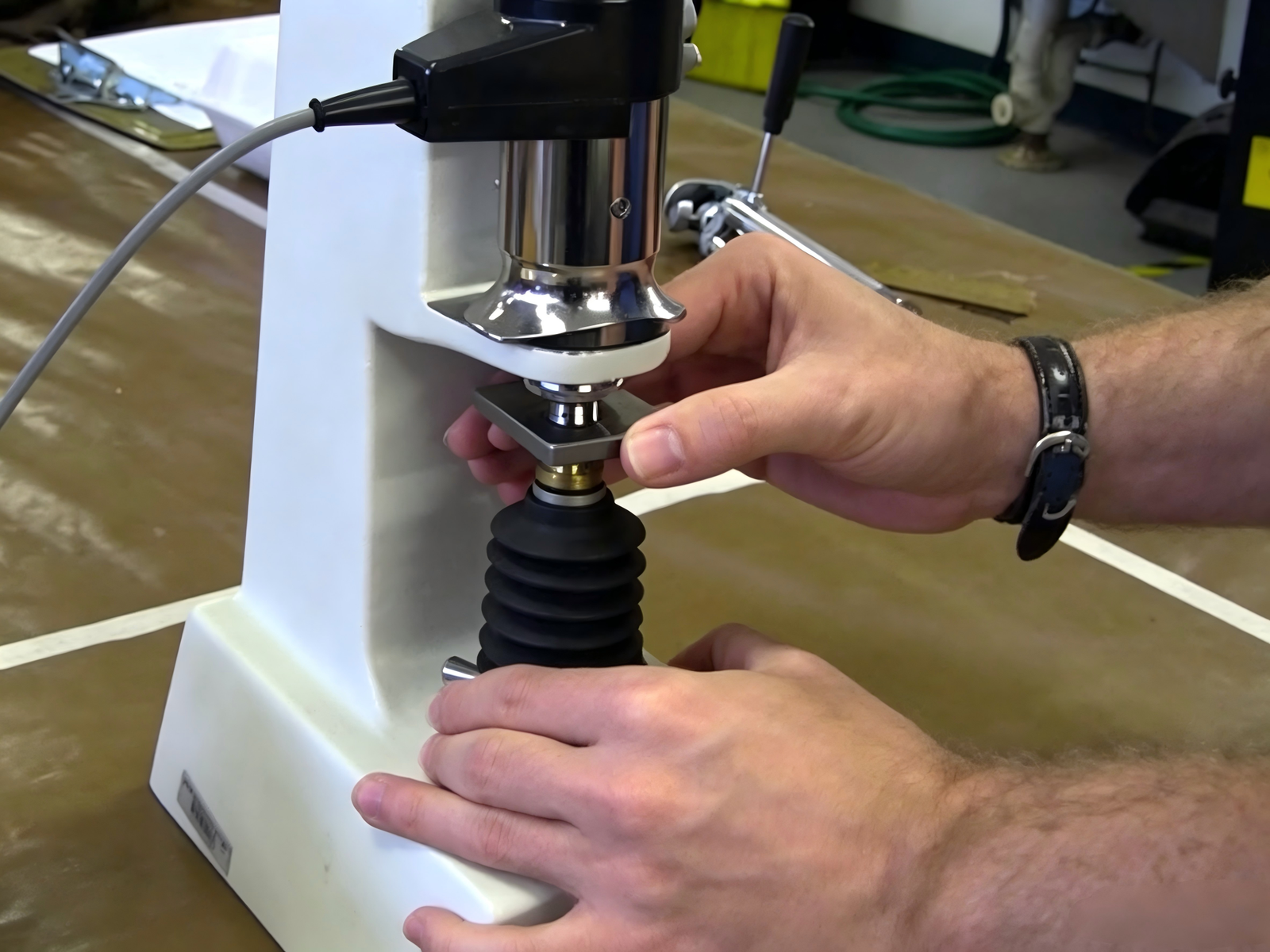
Контрол на качеството
Производителите използват тестове за твърдост, за да проверят дали суровините отговарят на спецификациите, преди да започне производството.
Тестването помага за идентифициране:
- Неправилни класове на материала
- Неправилна термична обработка
- Несъответствия на доставчика
- Материални дефекти
Проверка на топлинна обработка
Тестът за твърдост е един от най-ефективните методи за потвърждаване на успешни процеси на термична обработка, включително:
- Отгряване
- Нормализиране
- Закаляване
- Закаляване
- Закаляване на корпуса
- Азотиране
например, ако компонент от закалена стомана не успее да достигне своя целеви диапазон на твърдост, процесът на топлинна обработка може да се нуждае от корекция.
Оценка на ефективността на продукта
Твърдостта влияе пряко:
- Устойчивост на износване
- Устойчивост на абразия
- Живот на умора
- Издръжливост на конструкцията
Производителите използват стойности на твърдостта, за да предвидят как компонентите ще се представят при реални работни условия.
Спазване на регулаторното спазване
Индустрии като аерокосмическото пространство, автомобилен, защита, енергия, и медицинското производство често изисква тестване на твърдостта, за да отговарят на строгите стандарти за качество.
Общи методи за изпитване на твърдостта
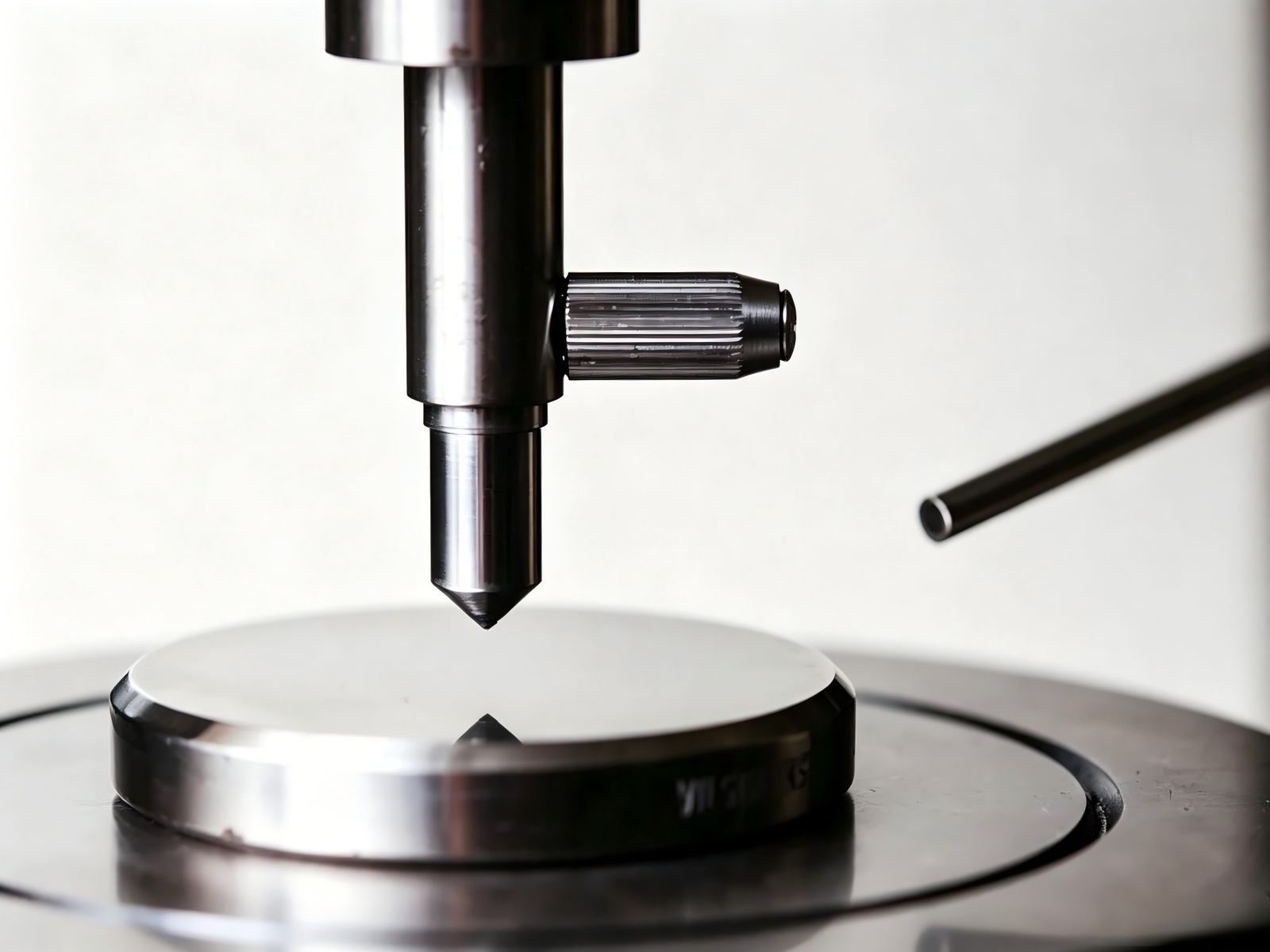
В световен мащаб се използват няколко метода за тестване на твърдостта. Всеки има предимства в зависимост от вида на материала, дебелина, и изисквания за кандидатстване.
Тест за твърдост по Рокуел
Тестът на Рокуел е най-често използваният метод за изпитване на твърдостта в производството.
Как работи
Индентор с диамантен конус или топка от закалена стомана се притиска в материала под определено натоварване.
Машината измерва дълбочината на проникване и автоматично изчислява стойността на твърдостта.
Общите везни включват:
- HRC (Рокуел С)
- HRB (Рокуел Б)
- HRA (Рокуел А)
Предимства
- Бързо тестване
- Директно отчитане на твърдостта
- Минимално влияние на оператора
- Подходящ за производствени среди
Приложения
- Закалена стомана
- Инструментална стомана
- Неръждаема стомана
- Термично обработени компоненти
Тест за твърдост по Бринел
Методът на Бринел използва топка от волфрамов карбид за създаване на вдлъбнатина върху повърхността на материала.
Предимства
- Отличен за големи компоненти
- Подходящ за отливки и изковки
- Ефективен за едрозърнести материали
Ограничения
- По-голям размер на вдлъбнатината
- Не е подходящ за тънки материали
Приложения
- Чугун
- Алуминиеви отливки
- Конструкционна стомана
- Компоненти за тежки машини
Тест за твърдост по Викерс
Тестът на Vickers използва индентор с диамантена пирамида.
Предимства
- Изключително точен
- Широк диапазон на тестване
- Подходящ както за твърди, така и за меки материали
Приложения
- Аерокосмически компоненти
- Медицински импланти
- Прецизни инженерни части
- Изследователски лаборатории
Поради своята универсалност, методът на Vickers често се счита за най-прецизната техника за тестване на твърдостта.
Тест за твърдост по Кнуп
Методът на Knoop е специално предназначен за тестване на микротвърдост.
Най-добрите приложения
- Тънки покрития
- Електронни компоненти
- Керамични материали
- Повърхностни обработки
Неговият удължен диамантен индентор минимизира материалните щети, като същевременно осигурява много точни измервания.
Тест за твърдост на Leeb
Тестът за твърдост на Leeb е преносим метод за изпитване.
Как работи
Пружинно натоварено ударно тяло удря тестовата повърхност.
Скоростта на отскок се измерва и преобразува в стойност на твърдост.
Предимства
- Преносим
- бързо
- Идеален за полеви проверки
Общи употреби
- Големи машини
- Тръбопроводи
- Съдове под налягане
- Тежка техника
Сравнение на методите за изпитване на твърдостта
| Метод | точност | Скорост | Най -доброто за |
| Рокуел | високо | Много бързо | Тестване на производството |
| Бринел | високо | Умерен | Отливки & Изковки |
| Викерс | Много високо | Умерен | Прецизни компоненти |
| Бутон | Много високо | Бавно | Тънки материали |
| Лий | Умерен | Много бързо | Полеви тестове |
Стандарти за изпитване на твърдост
Следването на международно признати стандарти гарантира последователност и надеждност.
Стандарти ASTM
ASTM E18
Тест за твърдост по Рокуел.
ASTM E10
Изпитване на твърдост по Бринел.
ASTM E92
Изпитване на твърдост по Викерс.
ASTM E384
Процедури за изпитване на микротвърдост.
ISO стандарти
ISO 6508
Тестване по Рокуел.
ISO 6506
Тестване по Бринел.
ISO 6507
Тестване на Викерс.
ISO 4545
Тестване на бутони.
Спазването на тези стандарти помага на производителите да отговарят на изискванията на клиентите и регулаторните изисквания по целия свят.
Фактори, влияещи върху точността на теста за твърдост
Няколко фактора могат да повлияят на резултатите.
Повърхностно покритие
Грапавите повърхности могат да дадат неточни показания.
Правилното шлайфане и полиране подобряват надеждността на измерването.
Дебелина на пробата
Тънките материали могат да се деформират прекомерно по време на тестването.
Винаги осигурявайте подходяща дебелина спрямо дълбочината на вдлъбнатината.
Избор на натоварване
Избирането на грешно тестово натоварване може да изкриви резултатите.
Тестовите товари трябва да отговарят на приложимите стандарти ASTM или ISO.
Разстояние между отстъпите
Вдлъбнатините, поставени твърде близо една до друга, могат да пречат една на друга.
Правилното разстояние гарантира точни показания.
Калибриране на оборудването
Редовното калибриране е от съществено значение за поддържане на точността на теста.
Процедура за тестване на твърдост стъпка по стъпка
стъпка 1: Изберете подходящия метод за тестване
Изберете Рокуел, Бринел, Викерс, Бутон, или Leeb въз основа на материала и приложението.
стъпка 2: Подгответе пробата
Уверете се, че повърхността е:
- Чисти
- Плосък
- Без котлен камък
- Без замърсяване
стъпка 3: Приложете тестовото натоварване
Приложете необходимата сила с помощта на калибрирана машина за тестване на твърдост.
стъпка 4: Измерете вдлъбнатината
В зависимост от метода, мярка:
- Дълбочина на вдлъбнатината
- Диаметър на вдлъбнатината
- Дължина на диагонала на отстъпа
стъпка 5: Изчислете твърдостта
Преобразувайте измерванията в стойности на твърдостта, като използвате приложимия стандарт.
стъпка 6: Записване на резултати
Документ:
- Идентификация на материала
- Метод на изпитване
- Приложено натоварване
- Стойност на твърдостта
- Тестово местоположение
Тестване на твърдост за различни метални материали
Въглеродна стомана
Обикновено се тества с помощта на методите на Рокуел и Бринел.
Типичните диапазони на твърдост варират значително в зависимост от термичната обработка.
Неръждаема стомана
Често се използват методите на Рокуел и Викерс.
Алуминиеви сплави
Обикновено се предпочитат тестовете по Бринел и Викерс.
Титанови сплави
Тестването на Vickers дава много точни резултати.
Излято желязо
Тестването по Бринел остава индустриален стандарт.
Изпитване на твърдост при обработка с ЦПУ и прецизно производство
Тестът за твърдост играе решаваща роля в прецизното производство.
Преди да започне обработката, производителите проверяват свойствата на материала, за да осигурят съответствие със спецификациите на клиента.
След топлинна обработка, тестът за твърдост потвърждава, че компонентите са постигнали необходимите механични характеристики.
Фирми, предоставящи CNC обработка по поръчка услугите често интегрират тестване на твърдостта в своите системи за управление на качеството, за да гарантират точност на размерите, устойчивост на износване, и дългосрочна надеждност на продукта.
За индустрии като космическата, медицински, автомобилен, и индустриална автоматизация, проверката на твърдостта често е задължително изискване за проверка.
Често срещани предизвикателства при тестване на твърдост
Непоследователни показания
Причинени от:
- Лоша подготовка на повърхността
- Операторска грешка
- Проблеми с калибрирането на оборудването
Криви повърхности
Много тестове за твърдост са предназначени за плоски повърхности.
Може да са необходими специални приспособления или корекционни фактори.
Тънки материали
Избирането на неподходящ товар може да причини изкривяване.
Методите за изпитване на микротвърдост често дават по-добри резултати.
Бъдещи тенденции в тестването на твърдостта
Бъдещето на тестването на твърдостта е все по-автоматизирано.
Нововъзникващите технологии включват:
- Автоматизирано картографиране на твърдостта
- Анализ на изображения, задвижван от AI
- Цифрово измерване на отстъпа
- Индустрия 4.0 интеграция
- Интелигентни системи за контрол на качеството
Тези технологии подобряват точността, намаляване на зависимостта от оператора, и повишаване на ефективността на проверката.
Често задавани въпроси
1.Какъв е най-често срещаният тест за твърдост?
Тестът за твърдост по Рокуел е най-широко използваният поради своята бързина и простота.
2.Кой тест за твърдост е най-точен?
Тестът за твърдост по Vickers обикновено се счита за най-прецизният и универсален.
3.Може ли твърдостта да показва здравината на материала?
В много метали, твърдостта и якостта на опън са тясно свързани, въпреки че не са идентични свойства.
4.Колко често трябва да се калибрират твърдомерите?
Интервалите на калибриране трябва да следват препоръките на производителя и приложимите стандарти ASTM или ISO.
5.Кой тест за твърдост е най-подходящ за тънки материали?
Методите на Knoop и Vickers обикновено се предпочитат за тънки профили и покрития.
Заключение
Като изберете правилния метод за тестване, следвайки стандартите ASTM и ISO, и прилагане на подходящи процедури за тестване, производителите могат да подобрят качеството на продукта, проверете ефективността на термичната обработка, намаляване на неуспехите, и гарантира съответствие с изискванията на клиента.
За компании, занимаващи се с прецизна обработка, измислица, и усъвършенствано производство, тестването на твърдостта не е просто процес на инспекция – то е ключов елемент за осигуряване на надеждност, високопроизводителни продукти, които отговарят на изискванията на днешните индустриални пазари.