



Сред всичките му материални свойства, на точка на топене на полипропилен е един от най-важните фактори, влияещи върху дизайна на продукта, Производствени процеси, термична производителност, и дългосрочна надеждност. Инженери, Продуктови дизайнери, и производителите трябва да разберат как полипропиленът се държи при повишени температури, за да осигурят оптимална производителност и ефективно производство.
В това цялостно ръководство, ще изследваме температурата на топене на полипропилена, фактори, които му влияят, методи за изпитване, препоръки за обработка, и индустриални приложения.
Каква е точката на топене на полипропилена?
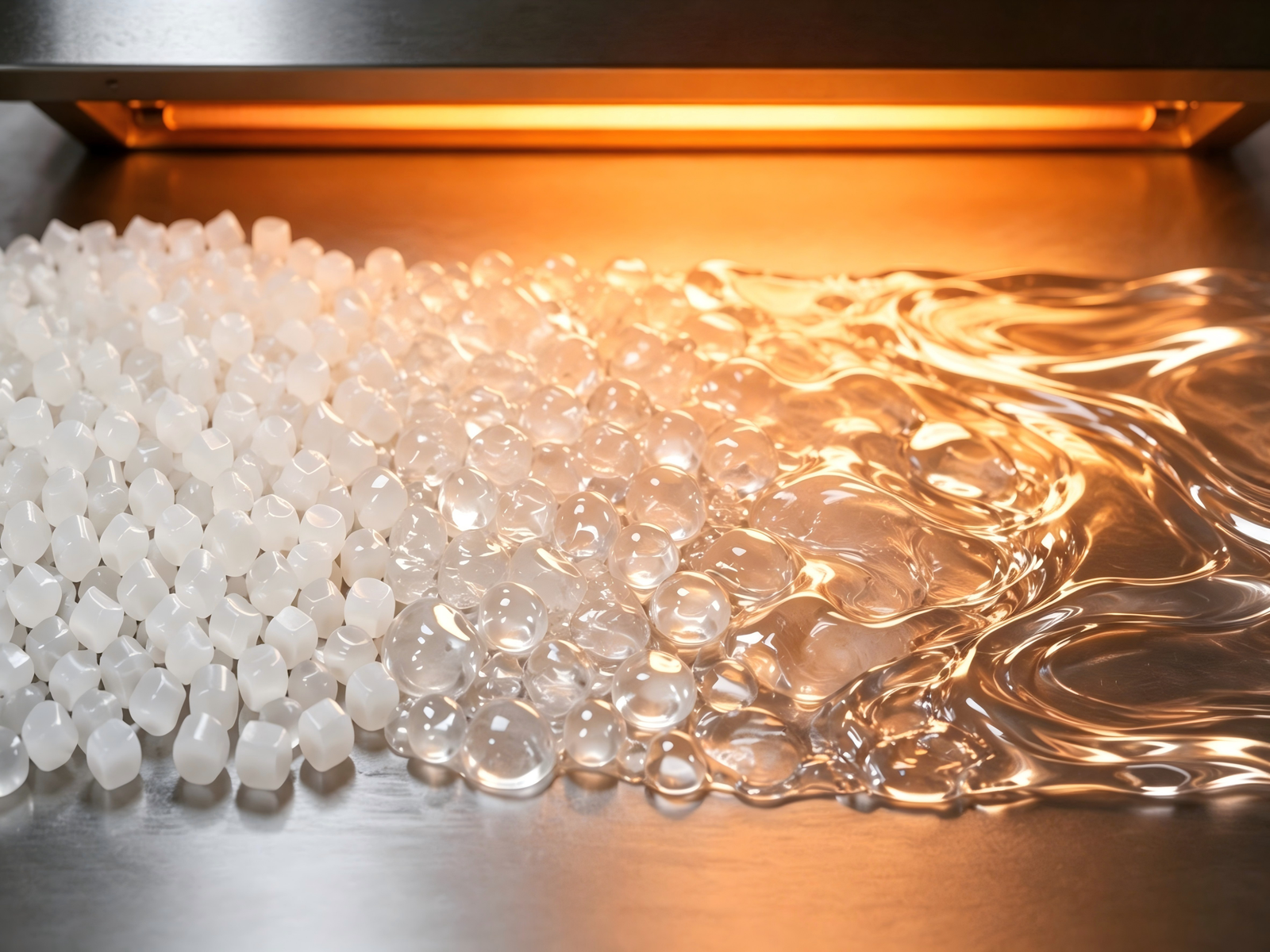
Типичната точка на топене на полипропилена варира между:
160°C до 170 °C (320°F до 338 °F)
въпреки това, точната температура на топене зависи от няколко фактора, включително:
Полимерна структура
Ниво на кристалност
Молекулно тегло
Добавки и пълнители
Съполимерен състав
История на обработката
За разлика от аморфните пластмаси, които постепенно се размекват в широк температурен диапазон, полипропиленът е полукристален полимер. Това означава, че има относително добре дефинирана точка на топене, където неговите кристални области преминават от твърдо към течно.
Типични температури на топене на различни типове полипропилен
| Тип полипропилен | Точка на топене |
| Хомополимер PP | 165°C – 170°C |
| Произволен съполимер PP | 140°C – 160°C |
| Блок съполимер PP | 150°C – 165 °C |
| Стъклен PP | 165°C – 175 °C |
Точка на топене срещу. Точка на омекване
Много хора погрешно използват точката на топене и точката на омекване като взаимозаменяеми.
въпреки това, те описват различни топлинни поведения.
Точка на топене
Температурата, при която кристалните области на полипропилена се стопяват напълно и стават течни.
Точка на омекване
Температурата, при която материалът започва да губи твърдост и започва да се деформира под натоварване.
За полипропилен:
Температура на омекване: 120°C–150°C
Температура на топене: 160°C–170°C
Разбирането на това разграничение е от съществено значение при проектирането на продукти, изложени на топлина.
Основни термични свойства на полипропилена
| Имот | Типична стойност |
| Точка на топене | 160–170°C |
| Температура на встъкляване | -10°C до 0°C |
| Температура на топлинна деформация | 90–120°C |
| Непрекъсната работна температура | 80–100°C |
| Топлопроводимост | 0.1–0,22 W/m·K |
| Специфичен топлинен капацитет | 1.8–2,0 kJ/kg·K |
Тези термични свойства правят полипропилена подходящ за приложения, изискващи умерена топлоустойчивост, като същевременно поддържа леки характеристики.
Защо точката на топене на полипропилена има значение
Производствена ефективност
Точката на топене влияе пряко:
Параметри на леене под налягане
Температури на екструдиране
Операции по формоване чрез раздуване
Заваръчни процеси
Условия за термоформоване
Неправилните температурни настройки могат да причинят:
Лошо запълване на матрицата
Повърхностни дефекти
Изкривяване
Термично разграждане
Надеждност на продукта
Продуктите, работещи близо до високи температури, трябва да поддържат структурна цялост.
Примерите включват:
Компоненти на двигателното отделение на автомобила
Електрически корпуси
Индустриални контейнери
Медицински тави за стерилизация
Познаването на поведението на полипропилена при топене помага на инженерите да предотвратят преждевременната повреда на продукта.
Избор на материал
Точката на топене помага да се определи дали полипропиленът е правилният материал в сравнение с алтернативи като:
Полиетилен (PE)
коремни мускули
Найлон (PA)
PVC
Поликарбонат (настолен компютър)
За много приложения, полипропиленът осигурява идеалния баланс между цена и топлинни характеристики.
Фактори, които влияят на точката на топене на полипропилена
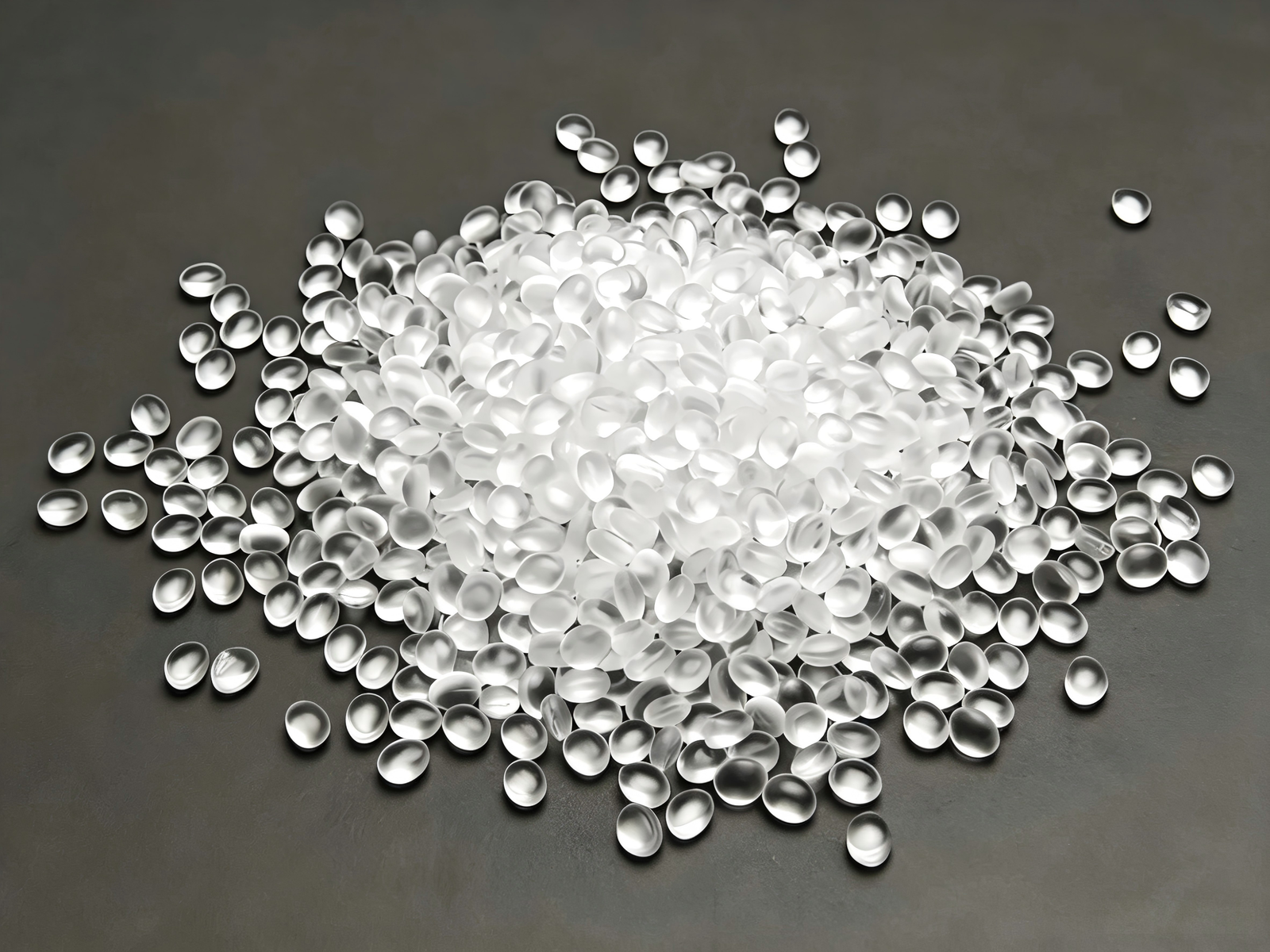
Кристалност
Кристалността е най-важният фактор, влияещ върху температурата на топене на полипропилена.
Полипропиленът съдържа и двете:
Кристални области
Аморфни области
Кристалните области изискват повече енергия, за да се стопят.
По-високата кристалност води до:
По-висока точка на топене
Повишена твърдост
По-добра химическа устойчивост
Подобрена стабилност на размерите
По-ниската кристалност води до:
По-ниска точка на топене
Повишена гъвкавост
По-добра прозрачност
Намалена твърдост
Производителите често регулират кристалността, за да постигнат конкретни цели за ефективност.
Молекулно тегло
Молекулното тегло се отнася до дължината на полимерните вериги.
Създават по-дълги полимерни вериги:
По-силно междумолекулно свързване
Повишена термична стабилност
По-високи температури на топене
Типовете полипропилен с по-високо молекулно тегло обикновено предлагат:
По-добра устойчивост на удар
Подобрена издръжливост
Подобрена устойчивост на топлина
въпреки това, те също могат да изискват по-високи температури на обработка.
Термична история
Начинът, по който полипропиленът е бил нагряван и охлаждан преди това значително влияе върху неговата кристална структура.
Бързо охлаждане
Бързото охлаждане създава:
По-малки кристали
Повече аморфни региони
По-ниски температури на топене
Бавно охлаждане
Бавното охлаждане насърчава:
По-големи кристални структури
По-висока кристалност
По-високи температури на топене
Това е особено важно при леене под налягане и екструдиране.
Добавки и модификатори
Производителите често модифицират полипропиленовите състави, като използват добавки.
Обичайните добавки включват:
Пластификатори
Антиоксиданти
UV стабилизатори
Забавители на горенето
Модификатори на въздействието
Някои добавки нарушават образуването на кристали и понижават точката на топене, докато други подобряват термичната стабилност.
Кополимерен състав
Не всички полипропиленови материали са идентични.
Хомополимер полипропилен
Оферти:
Най-висока точка на топене
Най-висока твърдост
Най-добра химическа устойчивост
Произволен съполимер полипропилен
Оферти:
Подобрена прозрачност
По-добра гъвкавост
По-ниска температура на топене
Блок съполимер полипропилен
Оферти:
Подобрена устойчивост на удар
По-добро представяне при ниски температури
Умерена температура на топене
Изборът на подходящ клас PP е от решаващо значение за постигане на желаните характеристики на продукта.
Как да измерим точката на топене на полипропилен
Диференциална сканираща калориметрия (DSC)
Най-широко използваната техника за измерване на температурата на топене на полипропилен е диференциалната сканираща калориметрия (DSC).
Как работи DSC
Малка проба от полипропилен се нагрява с контролирана скорост.
Инструментът измерва:
Топлинен поток
Термични преходи
Поведение при кристализация
Температура на топене
Пикът, наблюдаван на DSC кривата, показва точката на топене.
Предимства на DSC
Много точен
Повтарящи се резултати
Изисква се малък размер на извадката
Стандартен за индустрията метод за изпитване
Термомеханичен анализ (ТМА)
TMA измерва промените в размерите с повишаване на температурата.
Помага на инженерите да оценят:
Омекотяващо поведение
Характеристики на разширение
Термична деформация
Динамичен механичен анализ (DMA)
DMA предоставя представа за:
Коравина на материала
Амортизиращи свойства
Температурно зависимо механично поведение
Този метод е особено полезен за напреднали инженерни приложения.
Препоръчителни температури за обработка на полипропилен
Инжекционно формоване
Полипропиленът е един от най-често шприцованите термопласти.
Препоръчителни параметри
| Параметър | Типичен диапазон |
| Температура на топене | 200–260°C |
| Температура на мухъл | 20–80°C |
| Температура на цевта | 180–250 ° C. |
| Температура на дюзата | 200–250 ° C. |
Правилният контрол на температурата гарантира:
Отличен поток
Цялостно запълване на формата
Намалени времена на цикъла
Висококачествено покритие на повърхността
Преработка чрез екструдиране
Типичните температури на екструдиране включват:
| Зона | температура |
| Зона за хранене | 180–200°C |
| Зона на компресия | 200–220°C |
| Зона на измерване | 220–240°C |
| Умира | 220–250 ° C. |
Приложенията за екструдиране включват:
Тръби
Чаршафи
филми
Профили
Издухване
Издухването обикновено изисква:
Температури на топене между 200°C и 240°C
Равномерно разпределение на стопилката
Контролирани скорости на охлаждане
Този процес се използва широко за контейнери и индустриални опаковки.
Как да подобрим термоустойчивостта на полипропилен
Нуклеиращи агенти
Нуклеиращите агенти ускоряват образуването на кристали.
Ползите включват:
По-висока кристалност
Подобрена скованост
Повишена термична устойчивост
По-кратки цикли на формоване
Армировка със стъклени влакна
Стъкленият полипропилен може значително да се подобри:
Устойчивост на топлина
Структурна здравина
Стабилност на размерите
Приложенията включват:
Автомобилни компоненти
Електрически корпуси
Части за индустриални машини
Напълнен с талк полипропилен
Талкът подобрява:
Топлинна производителност
Скованост
Устойчивост на деформация
Много автомобилни интериорни части използват полипропиленови съединения, пълни с талк.
Съполимерно инженерство
Усъвършенстваните съполимерни технологии позволяват на производителите да се адаптират:
Устойчивост на топлина
Сила на удар
Обработваемост
Външен вид на повърхността
Тези специализирани материали често превъзхождат конвенционалните видове РР.
Полипропилен срещу други обичайни пластмаси
Сравнение на топлинната производителност
| Материал | Точка на топене |
| Полипропилен (ПП) | 160–170°C |
| HDPE | 120–130°C |
| LDPE | 105–115°C |
| Найлон 6 | 220°C |
| Поликарбонат | 230°C |
| коремни мускули | Няма истинска точка на топене |
| PVC | Започва да се разгражда преди да се стопи |
Защо да изберете полипропилен?
Предимствата включват:
По-ниска цена
Олекотена конструкция
Отлична химическа устойчивост
Добра термична стабилност
Лесна обработка
Тези предимства правят PP един от най-универсалните инженерни термопласти, налични днес.
Промишлени приложения на полипропилен въз основа на неговата точка на топене
Автомобилна индустрия
Обичайните приложения включват:
Калъфи за батерии
Вътрешни облицовъчни панели
Въздуховоди
Резервоари за течности
Термичната устойчивост на материала му позволява да работи надеждно при високи температури.
Опаковъчна индустрия
Полипропиленът се използва широко в:
Контейнери за храна
Капачки за бутилки
Гъвкави опаковъчни фолиа
Подходяща за микровълнова опаковка
Неговата точка на топене осигурява отлична устойчивост на топлина по време на обработка и съхранение на храни.
Медицинска индустрия
Използва се медицински полипропилен:
Спринцовки
Контейнери за проби
Лабораторно оборудване
Тави за стерилизация
Неговата термична стабилност поддържа различни методи за стерилизация.
Потребителски продукти
Примерите включват:
Кошчета за съхранение
Домакински уреди
Компоненти за мебели
Контейнери за многократна употреба
Електротехника и електроника
Приложенията включват:
Корпуси за конектори
Компоненти за изолация на кабели
Разклонителни кутии
Заграждения на батерията
Неговата комбинация от електрическа изолация и термична устойчивост го прави много ценен в електронните системи.
Често срещани проблеми при обработката, свързани с температурата на топене
Кратки снимки
причини
Температурата на топене е твърде ниска
Лош материален поток
Решения
Увеличете температурата на топене
Подобрете дизайна на портата
Изкривяване
причини
Неравномерно охлаждане
Прекомерно свиване
Решения
Оптимизирайте охлаждащите канали
Регулирайте температурата на формата
Марки от мивка
причини
Неадекватно налягане на опаковката
Дебели стени
Решения
Увеличете натиска при задържане
Подобрете дизайна на частта
Термично разграждане
причини
Прекомерни температури на обработка
Дълги времена на престой
Решения
По-ниска температура на цевта
Намалете времето на цикъла
Бъдещи тенденции във високотемпературните полипропиленови материали
Търсенето на модерни полипропиленови съединения продължава да расте.
Ключовите тенденции в индустрията включват:
Леки автомобилни компоненти
Производителите на превозни средства все повече заменят металните компоненти с подсилен полипропилен, за да намалят теглото и да подобрят горивната ефективност.
Приложения за електрически превозни средства
Батерийните системи изискват леки материали с отлични топлинни характеристики.
Модифицираните полипропиленови съединения стават все по-важни в дизайна на EV.
Устойчив полипропилен
Технологиите за рециклиран полипропилен се подобряват бързо, помагайки на производителите да постигнат екологични цели, като същевременно поддържат производителност.
Усъвършенствани подсилени композити
Нови поколения на:
Стъклофибър PP
РР с минерален пълнеж
PP, подсилен с дълги влакна
позволяват приложения, които преди са били запазени за инженерни пластмаси.
Заключение
Точката на топене на полипропилена, обикновено варира от 160°C до 170°C, е едно от най-важните свойства, влияещи върху избора на материал, продуктов дизайн, и производствена производителност. Фактори като кристалност, молекулно тегло, добавки, и историята на обработката допринасят за вариации в термичното поведение.
Чрез разбиране на характеристиките на топене на полипропилена и препоръчителните условия на обработка, производителите могат да подобрят качеството на продукта, намаляване на производствените дефекти, и максимизиране на дългосрочната ефективност.
Независимо дали проектирате автомобилни компоненти, опаковъчни продукти, медицински изделия, или индустриални части, изборът на правилния клас полипропилен и параметрите на обработка е от съществено значение за постигане на оптимални резултати. Свържете се с нас за повече информация.
ЕAQs
1.Каква е точната точка на топене на полипропилена?
Повечето видове полипропилен се топят между 160°C и 170°C, въпреки че специализираните формулировки могат леко да варират.
2.Може ли полипропиленът да издържи на вряща вода?
да. Полипропиленът обикновено може да издържи на кипяща вода при 100°C, без да се разтопи, въпреки че продължителното излагане може да повлияе на механичните свойства.
3.При каква температура полипропиленът започва да се размеква?
Полипропиленът обикновено започва да се размеква между 120°C и 150°C.
4.Полипропиленът е безопасен за микровълнова печка?
Много полипропиленови продукти от хранителен клас са безопасни за микровълнова фурна, тъй като тяхната точка на топене е значително по-висока от типичните температури на нагряване в микровълнова фурна.
5.Каква температура на обработка се използва за леене под налягане на полипропилен?
Повечето видове полипропилен се обработват между 200°C и 260°C по време на леене под налягане.
6.Коя марка полипропилен има най-висока устойчивост на топлина?
Хомополимерният полипропилен обикновено осигурява най-високата точка на топене и термична устойчивост сред стандартните степени на РР.
7.Пълнителите могат да увеличат топлоустойчивостта на полипропилена?
да. Стъклени влакна, талк, и други минерални пълнители могат значително да подобрят устойчивостта на топлина и стабилността на размерите.
8.Дали полипропиленът е подходящ за автомобилни приложения?
Абсолютно. Полипропиленът се използва широко в интериора на автомобилите, корпуси за батерии, въздуховоди, и различни компоненти под капака, благодарение на отличния баланс на теглото, сила, и топлинни характеристики.


