



Независимо дали произвежда гуми за леки автомобили, гуми за камиони, офроуд гуми, или високоефективни състезателни гуми, изборът на правилната технология за формоване на гуми е от съществено значение за постигане на консистенция на продукта, ефективност на производството, и дългосрочна издръжливост.
Докато глобалната автомобилна индустрия продължава да се развива към електрически превозни средства, автономно шофиране, и устойчив транспорт, производителите на гуми изискват по-модерни решения за форми с по-висока точност, по-бързи производствени цикли, и подобрено качество на повърхността.
В това цялостно ръководство, ще проучим основните видове форми за гуми, техните технологии за производство, материали, предимства, недостатъци, и приложения в различни категории гуми. Тази статия е предназначена за производители на гуми, формовчици, доставчици на автомобили, и екипи за доставки, които търсят професионални решения за формоване на гуми.
Какво представляват формите за гуми?
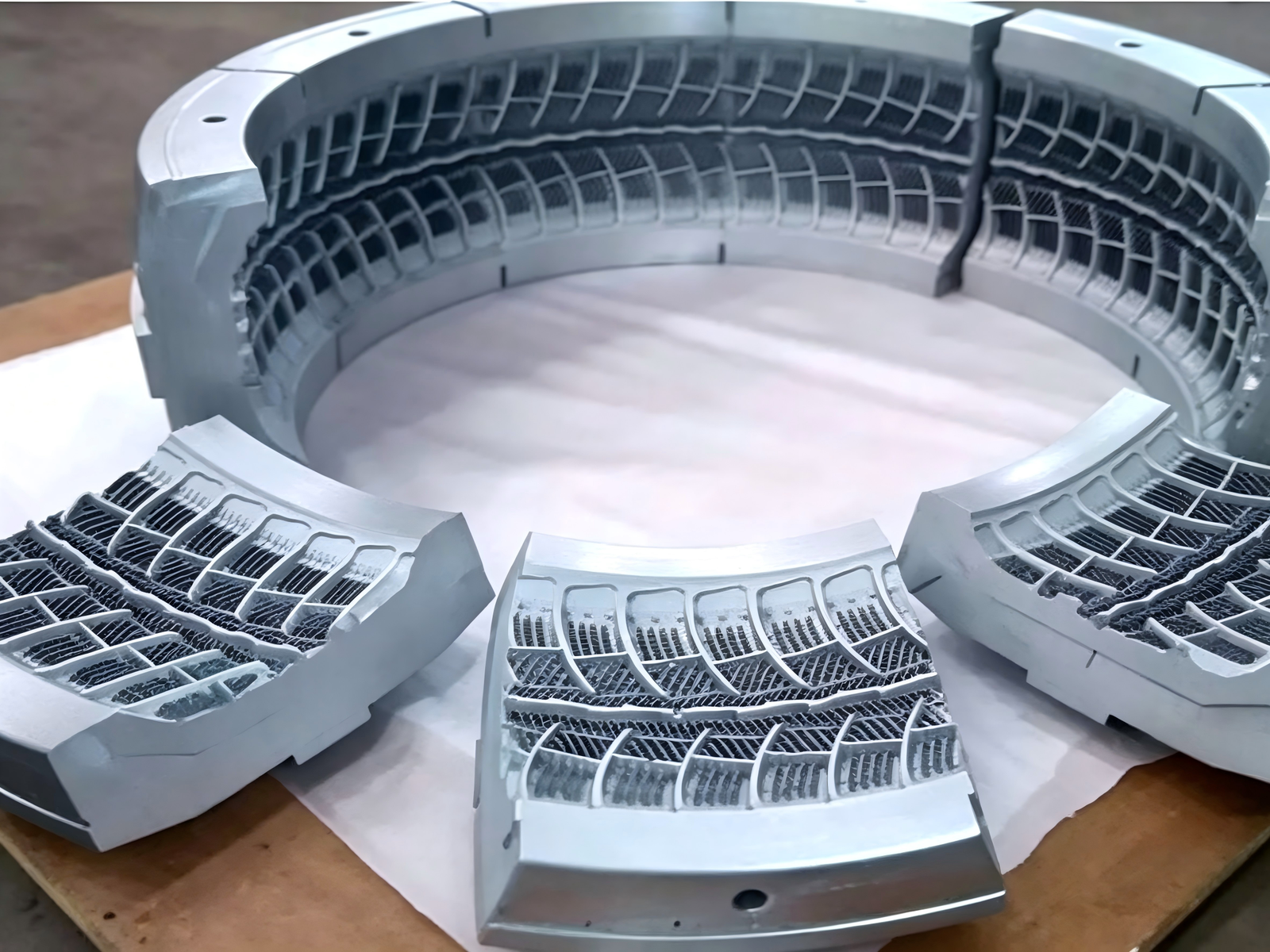
Формите за гуми са системи за прецизни инструменти, използвани по време на процеса на вулканизация на гуми за оформяне на зелени гуми в готови продукти. По време на втвърдяване, матрицата прилага топлина и натиск, за да оформи окончателната структура на гумата, шарка на протектора, маркировки на страничната стена, и подробности за марката.
Стандартната форма за гуми обикновено се състои от:
Сегменти на пръстена на протектора
Странични плочи
Системи за формовъчно ядро
Вентилационни канали
Системи за отопление и охлаждане
Формата определя няколко важни характеристики на гумата, включително:
Точност на шарката на протектора
Баланс и равномерност на гумите
Съпротивление при търкаляне
Сцепление
Намаляване на шума
Външен вид на страничната стена
Висококачествените форми за гуми помагат на производителите да подобрят ефективността на производството, като същевременно намаляват дефектите, като задържан въздух, светкавично образуване, и неравномерно втвърдяване.
Основни видове форми за гуми
Сегментирани форми
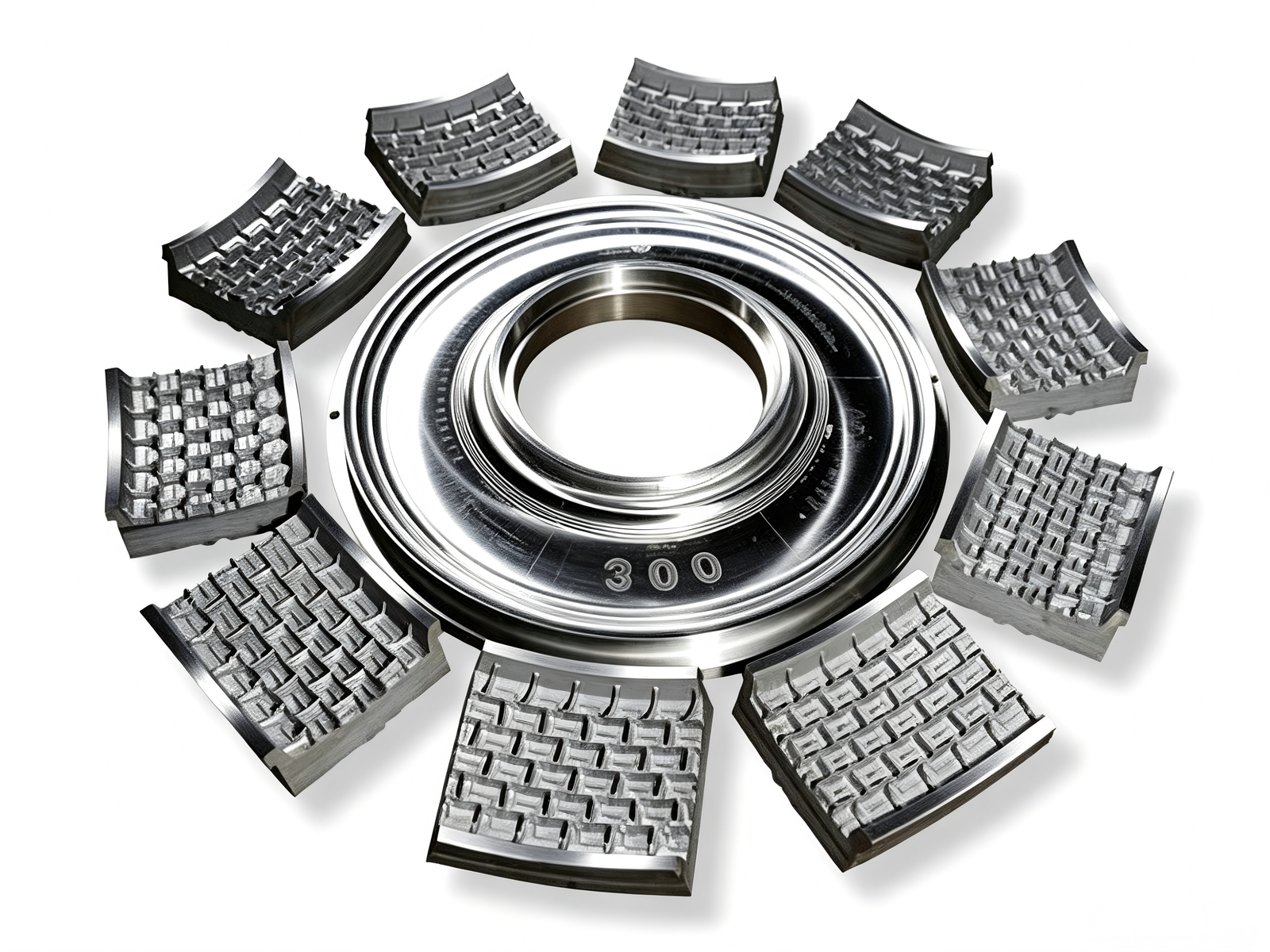
Сегментираните форми са сред най-широко използваните видове форми за гуми в съвременното производство на гуми. Формата е разделена на множество подвижни сегменти, които се отварят и затварят по време на процеса на втвърдяване.
Ключови характеристики
Обикновено се състои от 6-12 сегмента
Позволява лесно освобождаване на гумата след втвърдяване
Поддържа много сложни шарки на протектора
Осигурява отлична прецизност на размерите
Предимства
Идеален за сложен дизайн на протектора
Намалена деформация на гумата по време на деформиране
По-добра консистенция за производство в голям обем
Подходящ за автоматизирани производствени линии
Ограничения
По-високи производствени разходи
По-сложни изисквания за поддръжка
Приложения
Сегментираните форми обикновено се използват за:
Радиални гуми за леки автомобили
EV гуми
Гуми с ултрависока производителност
Джип гуми
Тъй като гумите за електрически превозни средства изискват ниско съпротивление при търкаляне и прецизна геометрия на протектора, сегментираните форми стават все по-важни в производството на EV гуми.
Форми от две части
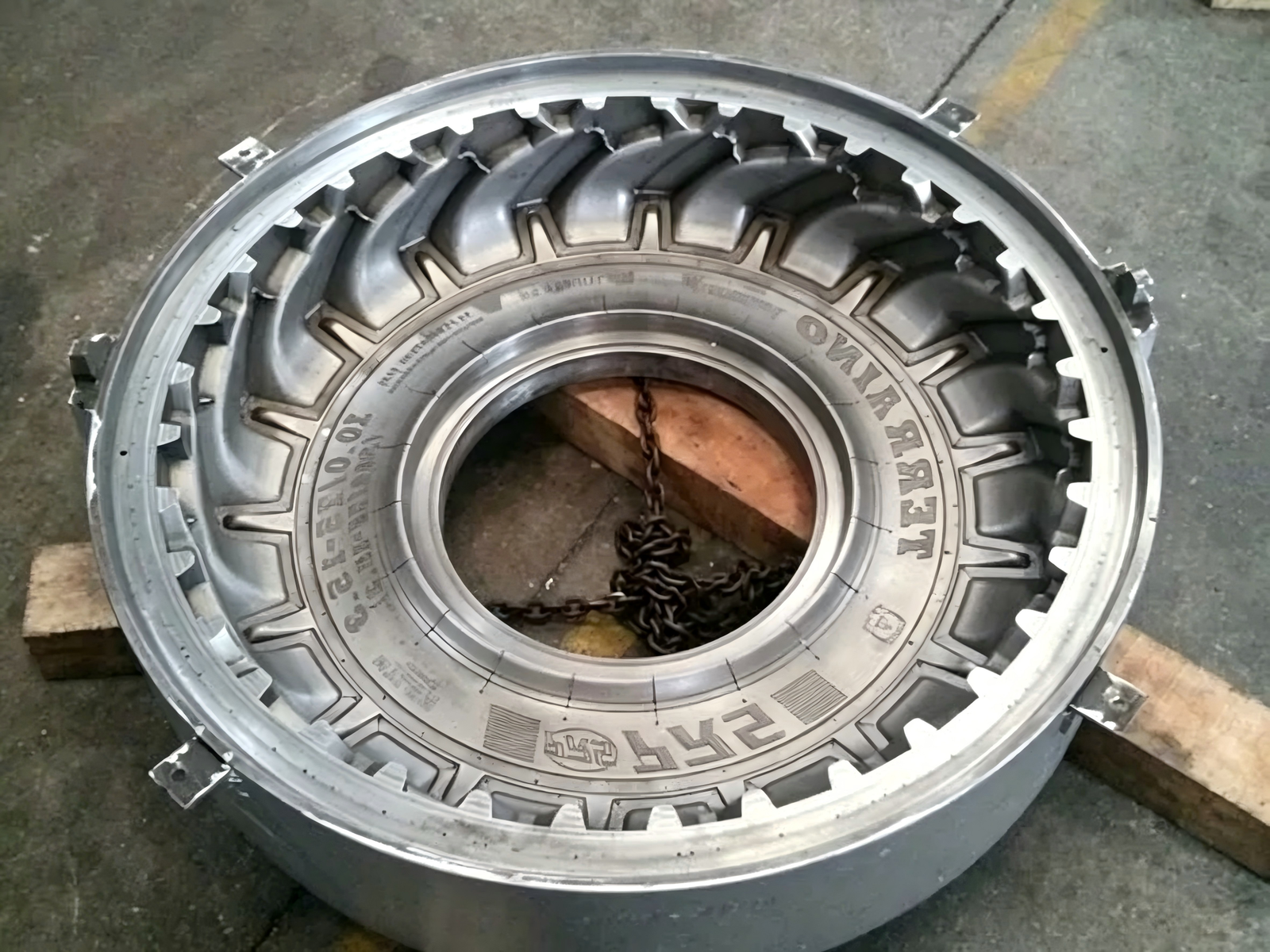
Формите от две части са традиционни форми за гуми, състоящи се от горна и долна половина на матрицата, разделени от една разделителна линия.
Ключови характеристики
Опростен структурен дизайн
По-ниски производствени разходи
По-лесна поддръжка в сравнение със сегментираните форми
Предимства
Рентабилно
Издръжлива конструкция
Лесна работа и поддръжка
Ограничения
Ограничени възможности за много сложни шарки на протектора
По-висок риск от светкавици при разделителните линии
Приложения
Тези форми обикновено се използват за:
Селскостопански гуми
Основни индустриални гуми
Офроуд гуми
Малки производствени тиражи
Формите от две части остават популярни за производителите, изискващи икономични решения за инструменти.
Форми за пъзели
Формите за пъзели са усъвършенствани форми за гуми, проектирани с технология за вентилиране с микропроцепи вместо традиционните вентилационни отвори.
Ключови характеристики
Въздухът излиза през микроскопични пролуки между сегментите
Създава по-чисти повърхности на гумите
Намалява задържаните въздушни дефекти
Предимства
Подобрен външен вид на гумата
По-добро качество на повърхността на протектора
Намалено изхвърляне на гумени вентилационни отвори
Подобрена консистенция на втвърдяване
Ограничения
Висока производствена сложност
Скъпи производствени разходи
Трудна поддръжка
Приложения
Формите за пъзели се използват широко за:
Премиум пътнически гуми
Гуми за спортни автомобили
Луксозни автомобилни гуми
Високоскоростни гуми
Те са особено ценни, когато качеството на външния вид и прецизността на протектора са критични.
Форми за разделяне на вълни
Вълнообразните разделителни форми използват специално проектирани вълнообразни разделителни линии между сегментите на формата.
Ключови характеристики
Усъвършенствана вълнова геометрия
Намалени видими линии на мухъл
Подобрена непрекъснатост на протектора
Предимства
Превъзходен трансфер на шарка на протектора
Намалено образуване на светкавици
Подобрена естетика на гумата
По-добра стабилност на модела
Технология на производство
Тези форми обикновено изискват:
5-ОСС ОБРАЗОВАНЕ НА CNC
Разширено CAD/CAM програмиране
Високопрецизна повърхностна обработка
Приложения
Формите за разделяне на вълни обикновено се използват за:
Състезателни гуми
Самолетни гуми
Гуми с висока производителност
Премиум EV гуми
Стоманени гравирани форми
Стоманените гравирани форми се произвеждат от закалена стомана чрез CNC технологии за гравиране.
Ключови характеристики
Отлична устойчивост на износване
Висока структурна стабилност
Дълъг експлоатационен живот
Предимства
Изключителна издръжливост
Висока прецизност
Отлична устойчивост на термична деформация
Подходящ за големи производствени обеми
Ограничения
По-тежки от алуминиевите форми
По-дълго време за обработка
Приложения
Стоманените гравирани форми са идеални за:
Гуми за камиони
Гуми за автобуси
Тежкотоварни индустриални гуми
Минни гуми
Много производители на тежкотоварни гуми предпочитат стоманени форми поради удължения им експлоатационен живот.
Алуминиеви ляти форми
Алуминиевите ляти форми са леки форми, произведени с помощта на алуминиеви сплави с висока проводимост.
Ключови характеристики
Отличен топлопренос
Олекотена конструкция
По-бързи цикли на втвърдяване
Предимства
Намалено време на производствения цикъл
По-лесно боравене
По-ниска консумация на енергия
По-добра топлопроводимост
Ограничения
По-ниска устойчивост на износване в сравнение със стоманата
По-податливи на деформация
Приложения
Алуминиевите форми обикновено се използват за:
Пътнически гуми
Мотоциклетни гуми
Велосипедни гуми
Производствени линии с голям обем
Леките им свойства спомагат за подобряване на оперативната ефективност в среди за масово производство.
Регенерирани форми
Формите за регенериране са предназначени за операции по регенериране на гуми, където износените гуми получават нова гума на протектора.
Два основни метода за регенериране
Регенериране на мухъл
Невтвърдената гума се нанася директно върху корпуса на гумата
Гумата се втвърдява във формата
Регенериране преди втвърдяване
Предварително вулканизираните ленти на протектора са залепени към корпуса
Необходими са по-ниски температури на втвърдяване
Предимства
По-ниски разходи за смяна на гуми
Удължен живот на гумата
Екологично решение
Приложения
Регенерираните форми обикновено се използват за:
Търговски камиони
Автобуси
Автомобили с висока проходимост
Операции по управление на флота
Регенерирането става все по-важно в индустриите на устойчивия транспорт.
Приложения за формовка за гуми по тип гума
Гуми за леки автомобили
Гумите за леки автомобили изискват:
Висока прецизност на протектора
Ниско съпротивление при търкаляне
Намалени нива на шум
Комфортно шофиране
Често срещани видове мухъл:
Сегментирани форми
Форми за пъзел
Алуминиеви ляти форми
Гуми за камиони и автобуси
Търсене на гуми за камиони и автобуси:
Капацитет на високо натоварване
Дълъг живот на протектора
Отлична термоустойчивост
Често срещани видове мухъл:
Стоманени гравирани форми
Сегментирани форми
Off-The-Road (OTR) Гуми
OTR гумите се използват в минното дело, строителство, и селскостопанска техника.
Изискванията включват:
Изключителна издръжливост
Дълбоки шарки на протектора
Големи размери на гумите
Често срещани видове мухъл:
Големи сегментирани форми
Стоманени форми
Алуминиеви ляти форми
Специални гуми
Специалните гуми включват:
Състезателни гуми
Самолетни гуми
Военни гуми
Специализирани индустриални гуми
Тези приложения изискват изключително висока точност и специализирани структури на протектора.
Често срещани видове мухъл:
Форми за разделяне на вълни
Форми за пъзел
Стоманени гравирани форми
Материали, използвани при производството на калъпи за гуми
Стомана
Оферти от стомана:
Висока издръжливост
Отлична устойчивост на износване
Дълъг живот на матрицата
въпреки това, стоманените форми са по-тежки и изискват по-дълго време за обработка.
Алуминиеви сплави
Алуминият осигурява:
По-бърз пренос на топлина
Намалено време на производствения цикъл
Леко управление
Но алуминиевите форми обикновено имат по-кратък експлоатационен живот.
Специализирани сплави
Напредналите производители на форми могат да използват системи от хибридни сплави за:
Подобрена топлопроводимост
Устойчивост на корозия
Подобрена стабилност на размерите
Технологии за производство на калъпи за гуми
Съвременното производство на форми за гуми разчита до голяма степен на модерни производствени технологии.
CNC обработка
Активира обработката на ЦПУ:
Прецизно гравиране на протектора
Постоянна точност на размерите
Сложни геометрии
5-Обработка на оси
5-ос CNC машини позволяват:
Многоъглова обработка
Генериране на модел с висока точност
Намалено време за настройка
CAD/CAM системи
CAD/CAM технологиите помагат за оптимизиране:
Дизайн на протектора
Поставяне на отдушника
Канали за охлаждане на матрицата
Ефективност на производството
Лазерно гравиране
Лазерните системи се подобряват:
Прецизност на буквите на страничната стена
Създаване на фини детайли на протектора
Качество на повърхностната обработка
Поддръжка и продължителност на живота на формата на гумата
Правилната поддръжка е от съществено значение за удължаване живота на формата и поддържане на качеството на гумата.
Препоръчителни практики за поддръжка
Редовно почистване след производствени цикли
Проверка на вентилационните отвори и разделителните линии
Полиране на повърхността
Предотвратяване на корозия
Проверки на размерите
Почистващи технологии
Съвременните производители все повече използват:
Лазерно почистване
Почистване със сух лед
Ултразвуково почистване
Тези методи минимизират увреждането на повърхността в сравнение с традиционното абразивно почистване.
Типичен живот на мухъл
Алуминиеви форми: 50,000–100 000 цикъла
Стоманени форми: 150,000–300 000 цикъла
Правилната поддръжка може значително да удължи експлоатационния живот.
Как да изберем правилната форма за гуми
При избор на форма за гуми, производителите трябва да вземат предвид:
Тип гума
Различните гуми изискват различни технологии за формоване.
Обем на производство
Производството в голям обем често предпочита сегментирани или алуминиеви форми.
Съображения за разходите
Първоначална инвестиция в матрица срещу. разходи за дългосрочна поддръжка.
Изисквания за качество на повърхността
Премиум гумите изискват по-прецизни формовъчни системи.
Изисквания за дълготрайност
Тежкотоварните гуми изискват по-здрави материали за формоване.
Бъдещи тенденции в технологията за формоване на гуми
Индустрията на формите за гуми се развива бързо.
Интелигентни форми за гуми
Интегрирани сензори за:
Следене на температурата
Мониторинг на налягането
Прогнозна поддръжка
Автоматизация
Подобрява се автоматизираната обработка на формата:
Ефективност на производството
Безопасност
Последователност
Устойчиво производство
Производителите се развиват:
Енергийно ефективни формовъчни системи
Рециклируеми материали за формите
Намалено производство на отпадъци
Иновация в формата за EV гуми
Гумите за електрически превозни средства изискват:
Безшумни шарки на протектора
Втвърдяване с висока точност
Подобрена оптимизация на съпротивлението при търкаляне
Това води до големи иновации в технологиите за проектиране на матрици.
Заключение
Формите за гуми играят жизненоважна роля при определянето на качеството на гумата, издръжливост, и ефективност на производството. От традиционни форми от две части до усъвършенствани форми за пъзел и разделяне на вълни, всеки тип форма предлага уникални предимства за специфични приложения на гуми.
Тъй като технологията за гуми продължава да напредва, производителите все повече изискват висока точност, издръжлив, и ефективни решения за мухъл, за да посрещнат нарастващите изисквания на пазара. Изборът на правилната технология за формоване на гуми може значително да подобри последователността на производството, производителност на гумата, и оперативна рентабилност.
За производители на гуми, които искат да подобрят качеството на продукцията и да намалят дългосрочните разходи, инвестирането в усъвършенствани технологии за формоване на гуми остава критично конкурентно предимство.
Често задавани въпроси
1.Кой е най-издръжливият материал за калъпи на гуми?
Стоманените форми обикновено са най-издръжливи поради тяхната отлична устойчивост на износване и термична стабилност.
2.Коя форма за гуми е най-добра за гуми с висока производителност?
Формите за пъзел и формите за разделяне на вълни обикновено се използват за високопроизводителни и състезателни гуми.
3.Колко време обикновено издържа една форма за гуми?
В зависимост от материала и поддръжката, формите за гуми могат да издържат от 50,000 до над 300,000 производствени цикли.
4.Защо сегментираните форми са популярни?
Сегментираните форми осигуряват отлична прецизност на протектора, лесно деформиране, и съвместимост със сложни конструкции на гуми.
5.Какви производствени технологии се използват за формите за гуми?
Модерните форми за гуми обикновено се произвеждат с помощта на CNC обработка, 5-Обас на ос, CAD/CAM системи, и технологии за лазерно гравиране.


