



Закаляването на стоманата е основен металургичен процес, използван за значително подобряване на механичните характеристики на стоманените компоненти. Чрез контролиране на циклите на отопление и охлаждане, стоманата може да се трансформира в материал с по-висока твърдост, подобрена устойчивост на износване, и повишена якост на умора.
Закаляването на стоманата не е задължително - то е от съществено значение. Индустрии като автомобилостроенето, космическото пространство, енергия, добив, и тежките машини разчитат на закалени стоманени части, за да осигурят безопасност, издръжливост, и дълъг експлоатационен живот при екстремни условия на работа.
Тази статия предоставя изчерпателен технически преглед на методите за закаляване на стоманата, принципи на материалознанието, критерии за избор на процес, и индустриални приложения в реалния свят, предназначени за инженери, купувачи, и намиране на професионалисти, търсещи надеждни производствени решения.
Какво е закаляване на стоманата?
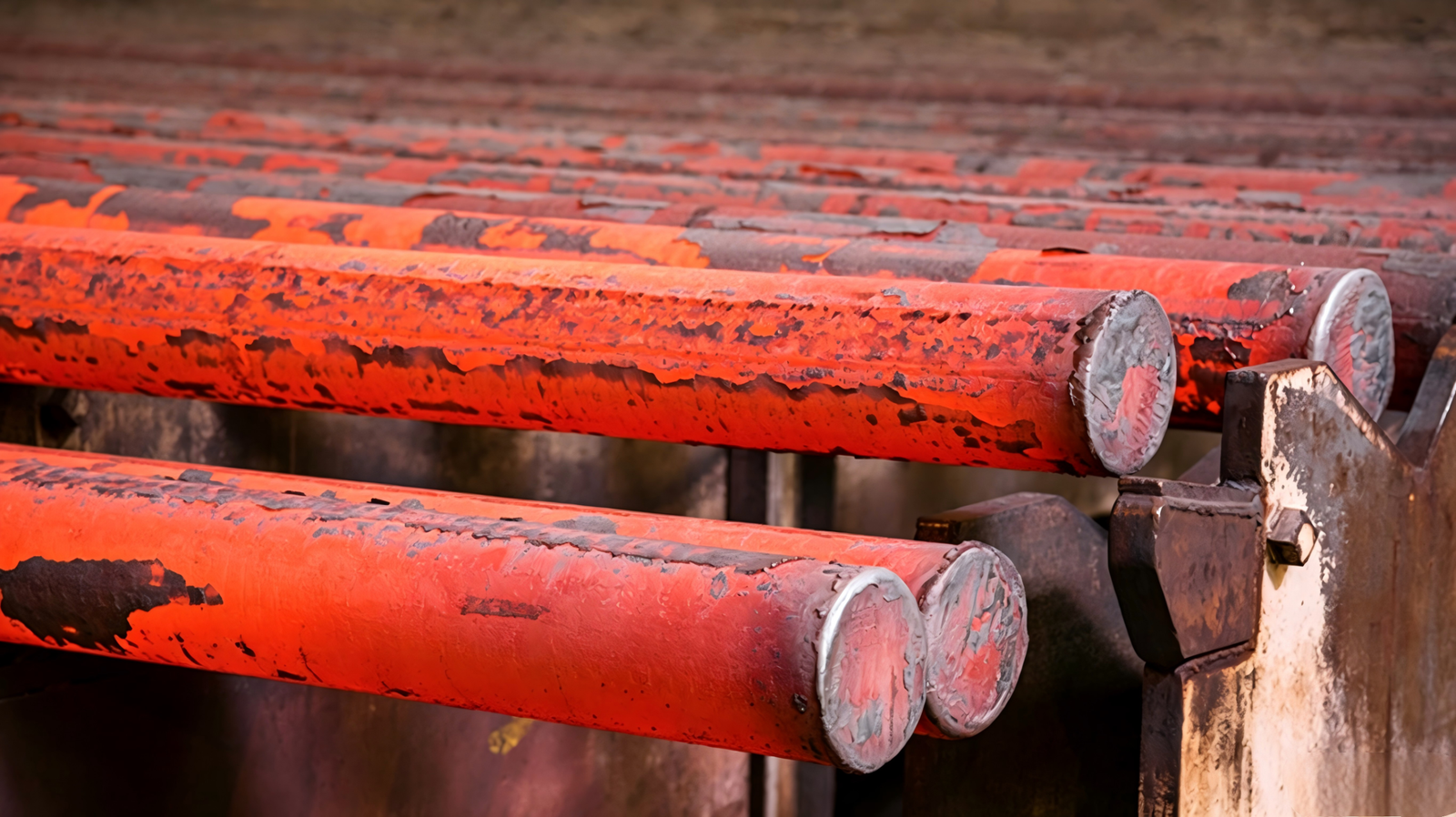
Закаляването на стоманата е процес на термична обработка, който увеличава твърдостта на стоманата чрез промяна на нейната вътрешна микроструктура. Това се постига чрез нагряване на стоманата до критична температура и след това охлаждане с контролирана скорост, за да се образува по-твърда фазова структура - обикновено мартензит.
Основни цели на закаляването на стоманата:
Увеличете твърдостта на повърхността и сърцевината (в зависимост от метода)
Подобрете устойчивостта на износване
Увеличете механичната якост
Увеличете живота на умора при циклично натоварване
Подобрете производителността в среди с висок стрес
Втвърдяването често е последвано от темпериране, за да се балансира твърдостта с издръжливостта, намаляване на чупливостта при запазване на здравината.
Металургични принципи зад закаляването на стоманата
Закаляването на стоманата се основава основно на фазова трансформация в желязо-въглеродни сплави.
Ключови микроструктури в стоманата:
Ферит: Мека и пластична фаза
Перлит: Умерена здравина и твърдост
Аустенитите: Високотемпературна фаза с FCC структура
Мартензит: Изключително трудно, крехка фаза, образувана при бързо охлаждане
Бейнит: Балансирана фаза на якост и издръжливост, образувана при контролирано охлаждане
Механизъм на фазова трансформация
Когато стоманата се нагрява над температурата на аустенизиране (обикновено 800–900°C), структурата му се трансформира в аустенит. Бързото охлаждане предотвратява равновесната трансформация и принуждава въглеродните атоми да се превърнат в изкривена решетъчна структура, образуване на мартензит.
Тази трансформация създава висока твърдост.
Фактори, влияещи върху закаляването
Крайната твърдост и производителност зависят от няколко металургични и технологични променливи:
1. Съдържание на въглерод
Ниско въглерод (<0.25%): Ограничена способност за втвърдяване
Среден въглерод (0.25%–0,6%): Идеален за общи инженерни компоненти
Високо въглероден (>0.6%): Висока твърдост, но повишена чупливост
2. Легиращи елементи
хром: Подобрява устойчивостта на износване и закаляването
никел: Подобрява издръжливостта
Манган: Увеличава втвърдяемостта
Молибден: Намалява чупливостта при темпериране
Ванадий: Усъвършенстване на зърното и подобряване на якостта
3. Скорост на охлаждане
По-бързото охлаждане увеличава твърдостта, но също така увеличава риска от напукване.
4. Геометрия на компонентите
По-дебелите части се охлаждат неравномерно, влияе върху равномерността на твърдостта.
Преглед на процеса на термична обработка на стомана
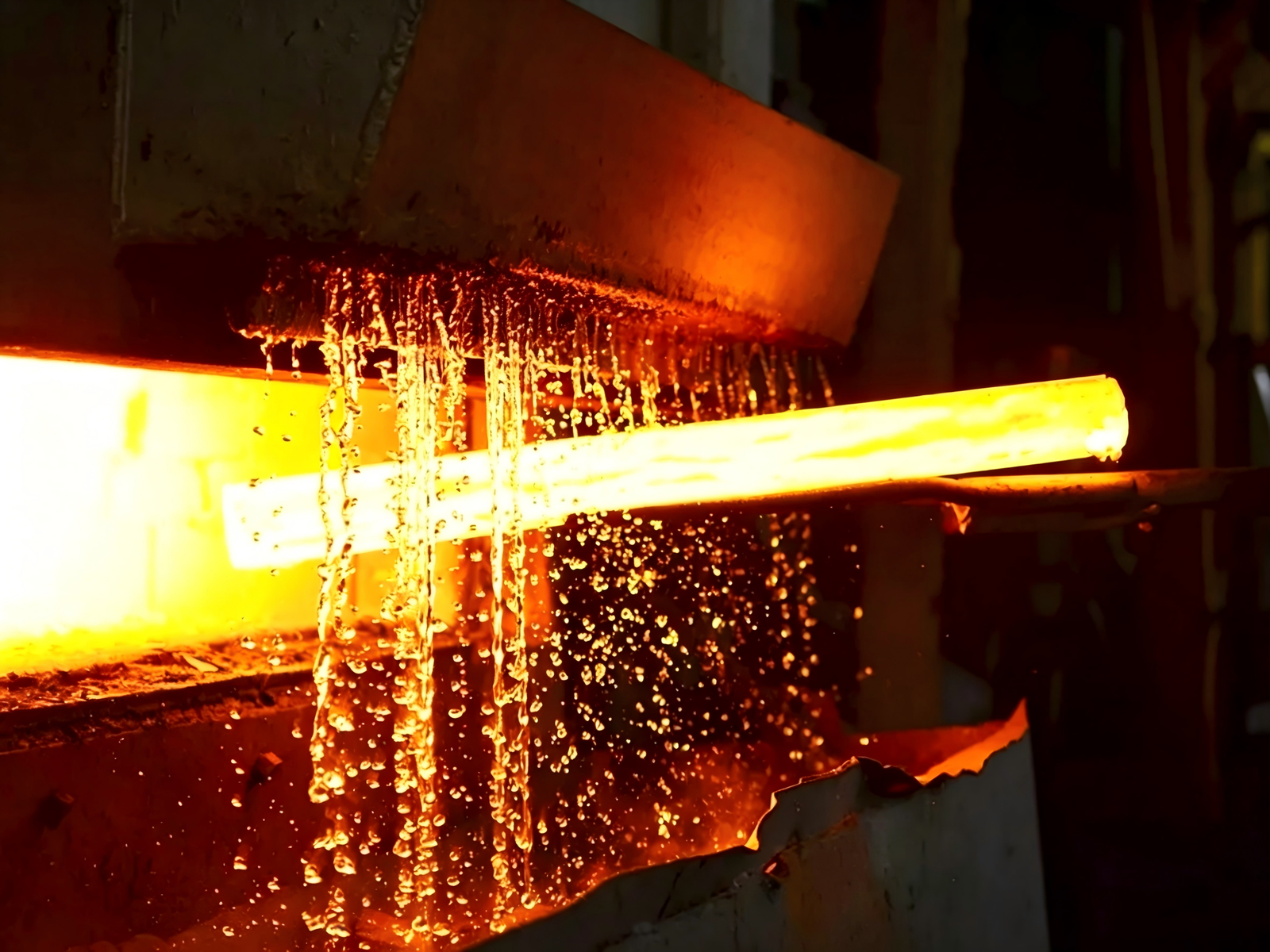
Закаляването на стоманата обикновено следва три контролирани етапа:
1. Отопление (Аустенизиране)
Стоманата се нагрява до 800–900°C в зависимост от състава.
2. Накисване
Материалът се поддържа при температура, за да се осигури равномерна трансформация на микроструктурата.
3. Охлаждане (Закаляване)
Стоманата се охлажда бързо с помощта на:
Вода (максимална твърдост, най-висок риск от напукване)
Масло (балансирано охлаждане и намален стрес)
Въздух или газ (ниско изкривяване, по-ниска твърдост)
Основни техники за закаляване на стомана
1. Закаляване и темпериране
Това е най-широко използваният индустриален метод на закаляване.
Поток на процеса:
Аустенизиране (800–900°C)
Бързо закаляване (вода/масло)
Закаляване (150–600°C в зависимост от необходимата якост)
Предимства:
Висок баланс на якост и издръжливост
Подходящ за структурни и механични части
Рентабилен и широко приложим
Приложения:
Валове и оси
Зъбни колела и зъбни колела
Коляни
Компоненти за тежки машини
2. Втвърдяване на случая (Повърхностно втвърдяване)
Втвърдяването на корпуса създава твърда външна повърхност, като същевременно поддържа пластично ядро.
Карбуризиране:
Въглеродът се разпространява в стоманена повърхност при 850–950°C
Създава дълбок втвърден слой
Азотиране:
Дифузия на азот при по-ниски температури (~500–550°C)
Минимално изкривяване, не се изисква закаляване
Предимства:
Твърда, устойчива на износване повърхност
Здрава вътрешна структура
Отлична устойчивост на умора
Приложения:
Компоненти на зъбни колела
Касферни валове
Прецизни механични части
3. Индукционно закаляване
Индукционното втвърдяване използва електромагнитно нагряване за селективно втвърдяване на повърхностни зони.
Процес:
Високочестотният ток нагрява повърхността бързо
Следва незабавно закаляване
Предимства:
Прецизно локализирано втвърдяване
Бърз цикъл на обработка
Минимална деформация
Приложения:
Зъбни колела
Лагери
Задвижващи валове
Автомобилни компоненти
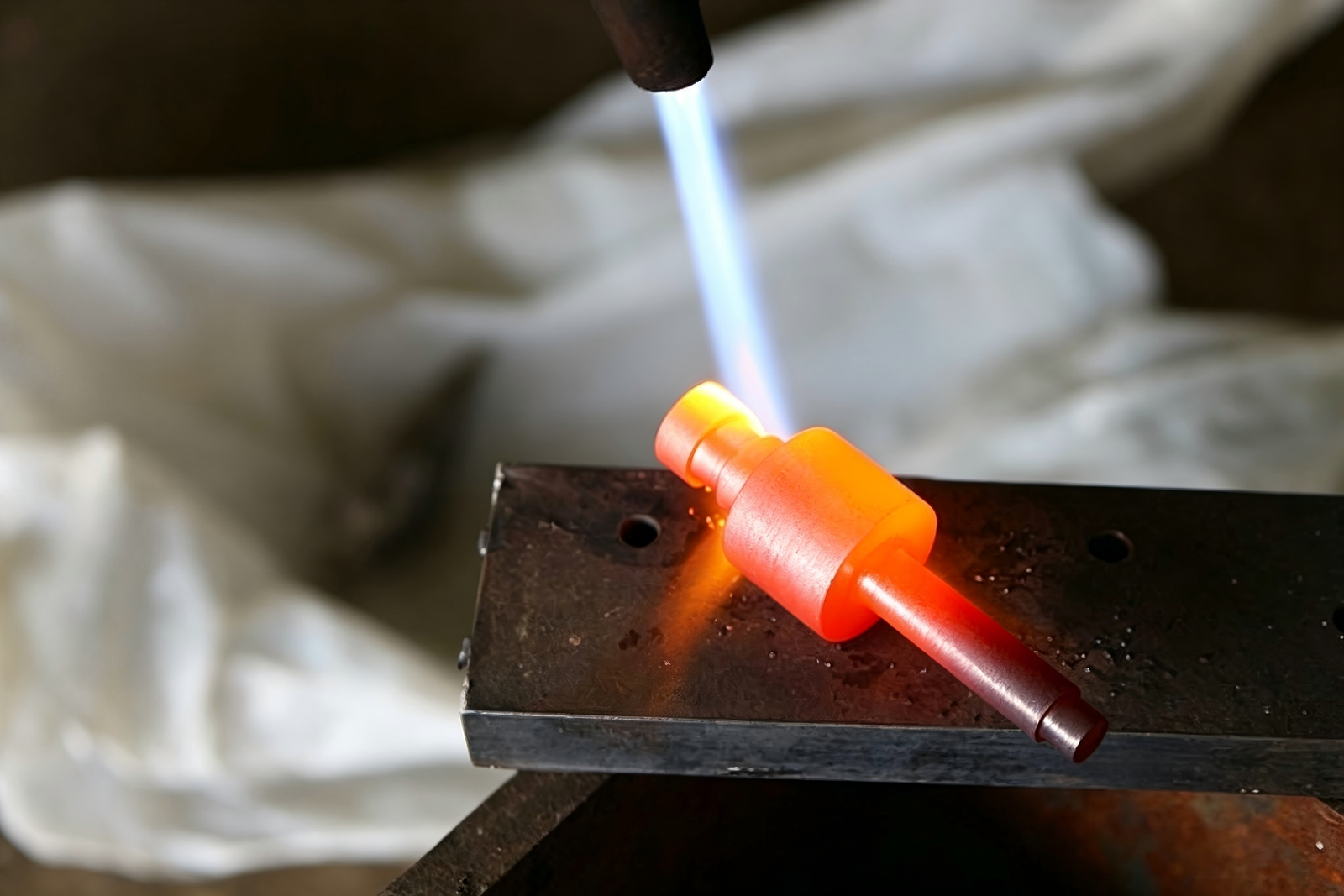
4. Пламъчно закаляване
Пламъчното закаляване използва пламък с кислородно гориво за нагряване на повърхностните площи преди охлаждане.
Предимства:
Подходящ за големи компоненти
Гъвкав и рентабилен
Възможно локално лечение
Ограничения:
По-малко прецизно от индукционното закаляване
Приложения:
Големи ролки
Машинни легла
Части за строителна техника
5. Остемпериране
Austempering е контролиран процес на охлаждане, който образува бейнит вместо мартензит.
Предимства:
Намалено изкривяване
Подобрена здравина
По-ниско остатъчно напрежение
Приложения:
пружини
Структурни компоненти
Автомобилни части, изискващи устойчивост на умора
6. Лазерно закаляване (Усъвършенстван метод)
Лазерното втвърдяване използва концентрирана лазерна енергия за прецизна повърхностна обработка.
Предимства:
Изключително прецизен
Минимално термично изкривяване
Идеален за сложни геометрии
Приложения:
Аерокосмически компоненти
Инструменти с висока стойност
Прецизни инженерни части
Сравнение на методите за втвърдяване
| Метод | Ниво на твърдост | Изкривяване | цена | Прецизност |
| Закаляване & Закаляване | високо | Среден | ниско | Среден |
| Карбуризиране | Много високо (повърхност) | Среден | Среден | Среден |
| Азотиране | високо (повърхност) | ниско | високо | високо |
| Индукционно закаляване | високо | ниско | Среден | високо |
| Пламъчно закаляване | Средно–високо | Среден | ниско | ниско |
| Лазерно закаляване | Много високо | Много ниско | високо | Много високо |
Промишлени приложения на закаляване на стомана
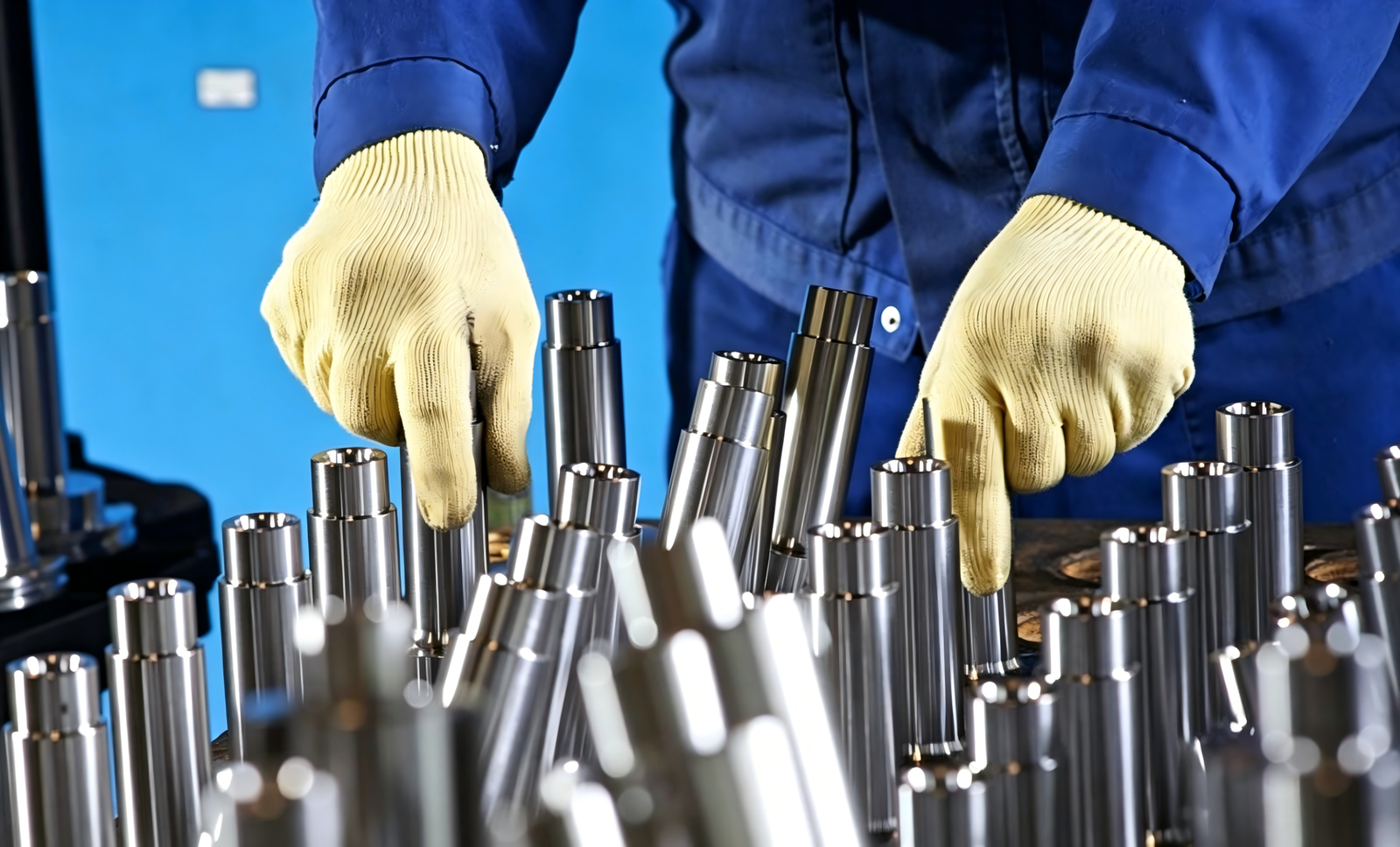
Автомобилна индустрия
Трансмисионни предавки
Коляни
Касферни валове
Лагерни компоненти
Аерокосмическа индустрия
Системи за колесник
Турбинни лопатки
Конструктивни крепежни елементи
Минна промишленост
Челюсти за трошачка
Свредла
Износващи се части на багер
Енергиен сектор
Турбинни шахти
Компоненти на клапана
Части за вятърни турбини
Строителна индустрия
Носещи конструкции
Компоненти за укрепване
Части за тежко оборудване
Железопътна индустрия
Релси
Колела
Оси
Инструмент & Die Manufacturing
Шприцформи
Режещи инструменти
Щампи за щамповане
Често срещани дефекти при закаляване на стоманата
1. Напукване
Причинено от бързо охлаждане или неправилен избор на материал.
2. Изкривяване
Възниква поради неравномерно термично разширение по време на охлаждане.
3. Обезвъглеродяване
Загубата на въглерод на повърхността по време на нагряване намалява твърдостта.
4. Меки петна
Причинени от неравномерно нагряване или недостатъчно закаляване.
Как да изберете правилния метод на втвърдяване
Изборът на правилния процес зависи от:
Тип материал (въглеродна стомана срещу легирана стомана)
Необходима дълбочина на твърдост (повърхност срещу закаляване)
Геометрия и размер на компонента
Обем на производство
Ограничения на разходите
Изисквано ниво на точност
например:
Зъбни колела → Карбуризиране или индукционно закаляване
Валове → Закаляване и отвръщане или индукционно закаляване
Високопрецизни части → Азотиране или лазерно закаляване
CNC обработени части и интеграция на закаляване на стомана
В съвременното производство, закаляването на стоманата често се комбинира с CNC обработка за производство на функционални компоненти с висока точност.
Типичните приложения включват:
Индустриални предавки
Инструментални компоненти
Аерокосмически скоби
Автомобилни части за задвижване
На този етап, работата с доставчик, който интегрира CNC обработка и възможности за топлинна обработка, е от решаващо значение за осигуряване на точност на размерите след закаляване.
(За индустриално снабдяване, много купувачи комбинират машинна обработка и термична обработка от един доставчик, като напр topsbest-precision.com за намаляване на разходите и времето за изпълнение.)
Заключение
Закаляването на стоманата е основен процес в съвременното инженерство, който директно определя производителността, надеждност, и експлоатационен живот на механичните компоненти. Всеки метод на закаляване - независимо дали закаляване и темпериране, закаляване на корпуса, или усъвършенствано лазерно втвърдяване—предлага уникални предимства в зависимост от изискванията на приложението.
За индустриални купувачи и инженери, изборът на правилния процес не е просто техническо решение, но стратегически, който оказва влияние върху издръжливостта на продукта, себестойност на производството, и дългосрочно изпълнение.
Ако набавяте компоненти от закалена стомана или се нуждаете от CNC машинно обработени части с контролирана топлинна обработка, Партньорството с опитен доставчик на прецизно производство е от съществено значение за осигуряване на постоянно качество и производителност.
Често задавани въпроси
1. Каква е основната цел на закаляването на стоманата?
Основната цел на закаляването на стоманата е да се подобри твърдостта, устойчивост на износване, и механична якост чрез промяна на микроструктурата на стоманата чрез контролирана топлинна обработка и охлаждане.
2. Каква е разликата между закаляване и темпериране?
Закаляването увеличава твърдостта на стоманата чрез образуване на мартензит чрез бързо охлаждане, докато темперирането загрява отново закалената стомана до по-ниска температура, за да намали крехкостта и да подобри якостта.
3. Коя стомана е най-добра за закаляване?
Средно въглеродни стомани (като например 1045, 4140, и 4340) и легираните стомани са най-подходящи за закаляване, тъй като осигуряват добър баланс между твърдост и издръжливост след топлинна обработка.
4. Може ли неръждаема стомана да бъде закалена?
да, но само някои видове. Мартензитните и втвърдяващите се неръждаеми стомани могат да бъдат закалени чрез термична обработка, докато аустенитните неръждаеми стомани обикновено не могат да бъдат закалени по същия начин.
5. За какво се използва закаляването?
Закаляването се използва за създаване на твърдост, устойчив на износване повърхностен слой, като същевременно поддържа здрава и пластична сърцевина. Обикновено се използва за зъбни колела, разпределителни валове, и други компоненти с висока степен на износване.
6. Защо при охлаждането се използва масло вместо вода?
Маслото се използва, защото охлажда стоманата по-бавно от водата, Намаляване на риска от напукване, изкривяване, и вътрешно напрежение, докато все още се постига достатъчна твърдост.
7. Какви проблеми могат да възникнат по време на закаляване на стоманата?
Често срещаните проблеми включват кракване, изкривяване, обезвъглеродяване, и меки петна. Те обикновено се причиняват от неправилен контрол на температурата, неправилна среда за охлаждане, или лош избор на материал.
8. Как закаляването на стоманата подобрява живота на продукта?
Чрез увеличаване на повърхностната твърдост и устойчивост на износване, закаляването на стоманата значително намалява абразията, увреждане от умора, и деформация, което води до по-дълъг експлоатационен живот на механичните компоненти.


