Lors de la sélection d'un matériau métallique pour la fabrication, les ingénieurs et les responsables des achats recherchent souvent un équilibre entre coût, usinabilité, soudabilité, et formabilité. Parmi les nombreux aciers doux disponibles, 1008 acier au carbone se distingue comme un matériau pratique et polyvalent utilisé dans des milliers d'applications industrielles.
En raison de son faible teneur en carbone et excellente ductilité, 1008 l'acier est largement utilisé dans composants automobiles, enclos électriques, tubes, attaches, pièces en tôle, et composants usinés avec précision. Les fabricants le privilégient pour les projets qui nécessitent formage complexe, soudage fiable, et une production rentable.
Dans ce guide, nous explorerons tout ce que vous devez savoir sur 1008 acier au carbone, y compris:
Composition chimique
Propriétés mécaniques
Avantages en fabrication
Applications industrielles typiques
Options de traitement de surface
Questions fréquemment posées
Si vous évaluez actuellement des matériaux pour usinage sur mesure, fabrication de tôle, ou production de composants industriels, cet article vous aidera à déterminer si 1008 l'acier au carbone est le bon choix pour votre projet.
Qu'est-ce que 1008 Acier au carbone?
1008 l'acier au carbone est un nuance d'acier doux à faible teneur en carbone défini par le Système de classification AISI/SAE. Il contient généralement environ 0,08 à 0,10 % de carbone, ce qui lui confère une excellente ductilité et formabilité par rapport au milieu- ou aciers à haute teneur en carbone.
En raison de cette faible teneur en carbone, 1008 l'acier est connu pour plusieurs caractéristiques importantes:
Excellent capacité de formage à froid
Bien soudabilité
Lisse état de surface
Bien usinabilité pour pièces légères
Faible coût de production
Ces propriétés font 1008 l'acier, l'un des matériaux les plus couramment utilisés dans fabrication de masse et fabrication de tôles.
Contrairement aux aciers plus durs conçus pour les charges structurelles, 1008 l'acier au carbone est généralement utilisé pour composants nécessitant une mise en forme, estampillage, pliant, ou usinage léger plutôt qu'une force extrême.
Formes courantes de 1008 l'acier comprend:
Tôle laminée à froid
Bande d'acier
Fil d'acier
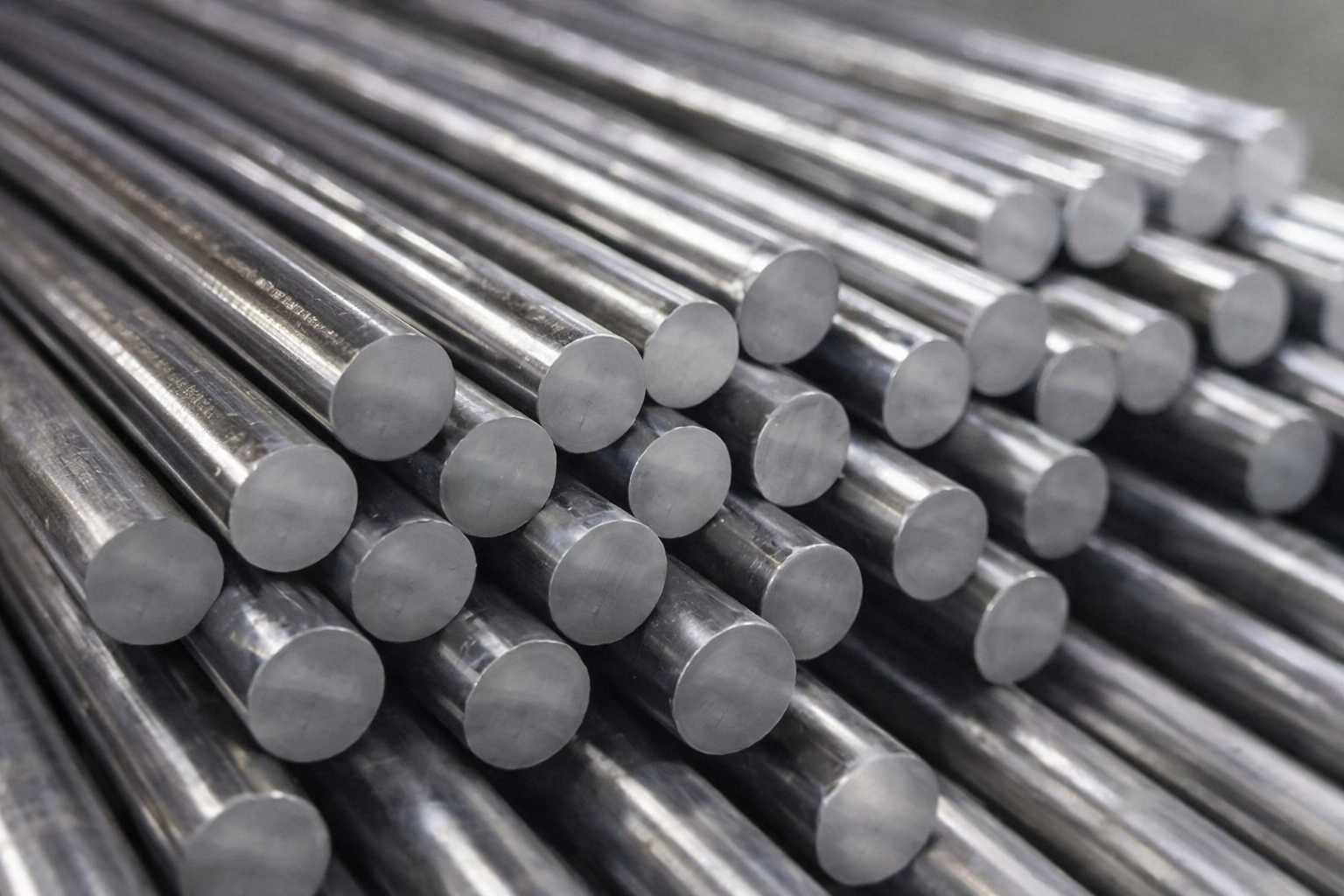
Tiges et barres
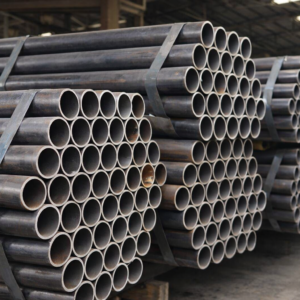
Tubes et tuyaux
En raison de sa flexibilité et de son prix abordable, les fabricants de tous les secteurs s'appuient sur 1008 acier pour production en grande série et pièces usinées sur mesure.
Composition chimique de 1008 Acier au carbone
La composition chimique de 1008 l'acier est relativement simple comparé aux aciers alliés. Sa structure est principalement constituée de fer avec de petites quantités de carbone et d'autres éléments qui influencent son comportement mécanique..
| Élément | Contenu (% en poids) | Rôle dans le matériel |
| Fer (Fe) | 99.31 – 99.7% | Métal de structure primaire offrant résistance et propriétés magnétiques |
| Carbone (C) | ≤ 0.10% | Améliore la ductilité et la soudabilité tout en conservant la douceur |
| Manganèse (Mn) | 0.30 – 0.50% | Améliore la résistance et agit comme désoxydant pendant la fabrication de l'acier |
| Phosphore (P.) | ≤ 0.04% | Peut augmenter la résistance mais réduit la ductilité à des niveaux plus élevés |
| Soufre (S) | ≤ 0.05% | Améliore l'usinabilité mais des quantités excessives peuvent provoquer une fragilité |
Fer (Fe)
Le fer forme le structure de base de l'acier, fournir de la force, propriétés magnétiques, et durabilité. La teneur élevée en fer rend également le matériau recyclable et respectueux de l'environnement.
Carbone (C)
La caractéristique déterminante de 1008 l'acier est son faible niveau de carbone. Moins de carbone signifie:
Une plus grande ductilité
Formage plus facile
Soudabilité améliorée
Dureté réduite
C'est pourquoi 1008 l'acier est fréquemment utilisé dans opérations d'emboutissage et d'emboutissage.
Manganèse (Mn)
Le manganèse améliore la résistance et ténacité de l'acier tout en aidant également à éliminer l'oxygène pendant le processus de fabrication de l'acier. Cela mène à des structures métalliques plus propres et plus solides.
Phosphore (P.)
Le phosphore augmente légèrement la résistance mais peut réduire la ductilité s'il est présent en grande quantité. Dans 1008 acier, il est soigneusement contrôlé pour maintenir la flexibilité.
Soufre (S)
Le soufre améliore l'usinabilité en aidant les copeaux à se briser plus facilement lors des opérations de coupe. Cependant, un excès de soufre peut conduire à une fragilité, il est donc maintenu dans des limites strictes.
Propriétés mécaniques de 1008 Acier au carbone
1008 l'acier offre un bon équilibre entre résistance et ductilité, ce qui le rend idéal pour de nombreuses applications de fabrication générales.
| Propriété | Valeur métrique | Valeur impériale |
| Résistance à la traction | ~340 MPa | ~49 300 psi |
| Limite d'élasticité | ~285 MPa | ~41 300 livres par pouce carré |
| Élongation | ~20% | ~20% |
| Réduction de la superficie | ~45% | ~45% |
| Dureté Brinell | ~95 HB | ~95 HB |
| Dureté Rockwell | ~55HRB | ~55HRB |
| Module de Young | 190–210 GPa | 27.6–30,5 × 10⁶psi |
| Module de cisaillement | ~80 GPa | ~11,6 × 10⁶psi |
| Coefficient de Poisson | 0.27–0,30 | 0.27–0,30 |
| Usinabilité | ~55% (contre. AISI 1212) | ~55% |
Ces propriétés montrent que 1008 l'acier fournit:
Bien capacité de déformation plastique
Modéré force
Haut ductilité
Écurie comportement mécanique lors du formage
Avantages de 1008 L'acier au carbone dans la fabrication
En raison de son équilibre unique de propriétés, 1008 l'acier au carbone offre plusieurs avantages pour la production industrielle.
1. Excellente formabilité
L'un des avantages les plus importants de 1008 l'acier est son formabilité exceptionnelle.
Sa faible teneur en carbone permet au métal d'être:
Courbé
Timbré
Roulé
Embouti profondément
Presse formée
sans craquer ni casser.
Cela le rend parfait pour produire formes complexes avec des tolérances serrées, tels que des panneaux automobiles ou des boîtiers électriques.
2. Soudabilité supérieure
Les aciers à faible teneur en carbone sont largement connus pour leur excellente soudabilité, et 1008 l'acier ne fait pas exception.
Il peut être soudé en utilisant des techniques courantes telles que:
Soudage MIG
Soudage TIG
Soudage par résistance
Soudage par points
Parce qu'il contient très peu de carbone, le risque de la fissuration ou la fragilité des soudures est minime, même sans préchauffage poussé.
3. Rentable pour la production de masse
Par rapport aux aciers alliés ou aux aciers à haute teneur en carbone, 1008 l'acier au carbone est extrêmement économique.
Les fabricants le préfèrent pour les projets impliquant:
Grands volumes de production
Fabrication de tôles
Produits de consommation
Composants automobiles
La combinaison de faible coût des matières premières et traitement facile contribue à réduire les coûts totaux de production.
4. Bonne usinabilité
Bien qu'il ne s'agisse pas d'un usinage aussi libre que certaines nuances spécialisées, 1008 l'acier offre toujours bonne usinabilité pour de nombreux composants.
Il peut être utilisé pour produire:
Bagues
Épingles
Arbres
Attaches
Pièces métalliques sur mesure
Avec un outillage et des paramètres de coupe appropriés, les fabricants peuvent réaliser finitions de surface lisses et tolérances précises.
5. Applications de fabrication polyvalentes
1008 l'acier est compatible avec un large éventail de procédés de fabrication, y compris:
Formage à froid
Pliant
Soudage
Roulement
Cette polyvalence permet aux fabricants de produire divers composants métalliques personnalisés à partir d'un seul type de matériau.
Applications de 1008 Acier au carbone
En raison de sa flexibilité et de son prix abordable, 1008 l'acier au carbone est utilisé dans de nombreuses industries à travers le monde.
1. Industrie automobile
Dans le secteur automobile, 1008 l'acier est fréquemment utilisé pour fabriquer:
Panneaux de carrosserie
Supports
Pièces de renfort
Charnières
Composants structurels intérieurs
Sa formabilité permet aux fabricants de créer formes complexes requises pour la conception de véhicules.
2. Composants électriques
1008 l'acier est largement utilisé dans boîtiers et coffrets pour équipements électriques, tel que:
Armoires de commutation
Boîtes de jonction
Panneaux électriques
Châssis d'équipement
Même s'il n'est pas très conducteur, sa solidité et sa durabilité le rendent adapté à structures de protection autour des systèmes électriques.
3. Tubes et tuyaux
Tubes en acier fabriqués à partir de 1008 l'acier est couramment utilisé pour:
Tubes mécaniques
Tuyaux structurels
Cadres de meubles
Tubes automobiles
Sa flexibilité permet aux tubes d'être plié et façonné sans se fissurer.
4. Produits en fil métallique
En raison de sa bonne capacité de formage à froid, 1008 l'acier est souvent utilisé dans la fabrication de fils.
Les produits filaires typiques comprennent:
Clous
Treillis en acier
Escrime
Composants de câbles métalliques
Attaches
5. Composants de construction
Dans le secteur du bâtiment, 1008 l'acier est utilisé pour structures non porteuses, y compris:
Feuilles de toiture
Panneaux muraux
Aménagements intérieurs
Composants métalliques décoratifs
6. Biens de consommation
De nombreux produits du quotidien contiennent des composants fabriqués à partir de 1008 acier, tel que:
Appareils de ménage
Cadres de meubles
Systèmes de stockage
Équipement de cuisine
Sa finition de surface lisse lui permet d'être peint, recouvert, ou plaqué facilement.
7. Équipement industriel
Les fabricants utilisent également 1008 acier pour pièces de machines légères, y compris:
Supports de montage
Boîtiers d'équipement
Composants CVC
Supports mécaniques
Options de traitement de surface pour 1008 Acier au carbone
Pour améliorer la résistance à la corrosion et l’apparence, 1008 l'acier subit souvent des processus de finition supplémentaires.
Les traitements de surface courants comprennent:
Galvanisation
Le revêtement en zinc protège l'acier de la rouille et de la corrosion.
Revêtement en poudre
Fournit des finitions de surface durables et attrayantes pour les produits de consommation.
Peinture
Améliore l'apparence et ajoute une protection contre la corrosion.
Galvanoplastie
Le nickelage ou le zinc améliorent la résistance à l’usure et l’esthétique.
Phosphation
Améliore l'adhérence de la peinture et la résistance à la corrosion.
Ces traitements permettent aux fabricants de adapter 1008 l'acier à différents environnements et exigences de produits.
Pourquoi les fabricants choisissent l'usinage sur mesure 1008 Pièces en acier
De nombreuses entreprises comptent sur services d'usinage sur mesure produire des composants à partir de 1008 acier.
Les pièces typiques usinées sur mesure comprennent:
Arbres de précision
Bagues
Supports
Épingles
Boîtiers mécaniques
Attaches personnalisées
Les fournisseurs d'usinage professionnels peuvent offrir:
Tournage et fraisage CNC
Usinage à tolérances serrées
Finition de surface
Traitement thermique
Services d'assemblage
Travailler avec un partenaire d'usinage expérimenté garantit qualité constante et production efficace.
Conclusion
1008 l'acier au carbone est l'un des plus pratiques et des plus largement utilisés aciers à faible teneur en carbone dans la fabrication moderne.
Ses principaux avantages comprennent:
Excellente formabilité
Soudabilité fiable
Production rentable
Bonne usinabilité
Large gamme d'applications industrielles
Depuis composants automobiles et boîtiers électriques pour produits de consommation et équipements industriels, 1008 l'acier offre une solution fiable pour de nombreux besoins de fabrication.
Si votre projet nécessite usinage sur mesure, fabrication de métaux, ou une fabrication de précision utilisant 1008 acier au carbone, travailler avec un fabricant expérimenté peut contribuer à garantir des pièces de haute qualité et une production efficace.
FQAs
1. Quelle est la cote d'usinabilité de 1008 acier au carbone?
1008 l'acier au carbone a un indice d'usinabilité d'environ 55% par rapport à l'AISI 1212 acier, ce qui le rend modérément facile à usiner pour de nombreuses applications industrielles.
2. Peut 1008 l'acier au carbone doit être cémenté?
Oui. Bien que 1008 l'acier est un matériau à faible teneur en carbone, il peut subir processus de cémentation tels que la cémentation pour augmenter la dureté de la surface tout en conservant un noyau résistant.
3. À quoi servent les traitements de surface couramment utilisés 1008 acier?
Les traitements de surface courants comprennent:
Galvanisation
Revêtement en poudre
Peinture
Placage de zinc
Phosphation
Ces processus améliorent résistance à la corrosion et durabilité.
4. Est 1008 magnétique en acier au carbone?
Oui. Parce qu'il contient un pourcentage élevé de fer, 1008 l'acier au carbone est magnétique.
5. Peut 1008 l'acier au carbone peut être utilisé dans les équipements électriques?
Oui. Même s'il n'est pas très conducteur, il est couramment utilisé pour enclos électriques, supports, et composants structurels qui prennent en charge les systèmes électriques.