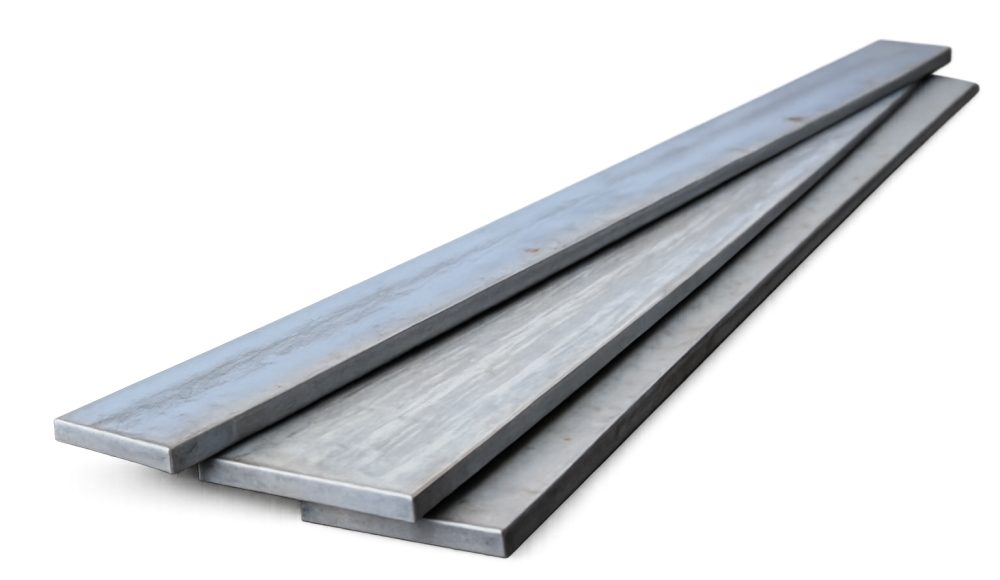
Connu pour son excellent équilibre de dureté, dureté, et l'abordabilité, 1075 l'acier au carbone est devenu un matériau privilégié pour des industries allant de fabrication de couteaux et production de ressorts pour machines automobiles et industrielles.
Contrairement aux aciers à très haute teneur en carbone qui privilégient la dureté au détriment de la ténacité, 1075 l'acier occupe une point idéal. Il offre suffisamment de dureté pour résister à l'usure tout en conservant la flexibilité requise pour résister aux contraintes et aux impacts répétés..
Cela le rend particulièrement attractif pour:
Les fabricants recherchent matériaux performants et économiques
Ingénieurs concevant dynamique, composants porteurs
Sourcing d'acheteurs pièces métalliques sur mesure aux propriétés mécaniques fiables
Dans ce guide complet, vous apprendrez tout ce que vous devez savoir 1075 l'acier au carbone : de sa composition et de ses propriétés à ses applications réelles et comment s'en procurer efficacement.
Composition chimique de 1075 Acier au carbone
La performance de 1075 l'acier au carbone est principalement déterminé par sa composition chimique. Vous trouverez ci-dessous une répartition détaillée:
| Élément | Contenu (%) | Fonction |
| Carbone (C) | 0.70–0,80 | Augmente la dureté et la résistance à l'usure |
| Manganèse (Mn) | 0.40–0,70 | Améliore la résistance et la trempabilité |
| Phosphore (P.) | ≤0,04 | Contrôlé pour maintenir la ductilité |
| Soufre (S) | ≤0,05 | Améliore l'usinabilité mais reste faible pour éviter la fragilité |
| Fer (Fe) | Équilibre | Métal de base assurant l’intégrité structurelle |
Perspicacité clé
Le teneur en carbone (≈0,75%) est ce qui définit 1075 acier. Il fournit:
Dureté supérieure à celle des aciers à faible teneur en carbone
Meilleure ténacité que les aciers à très haute teneur en carbone comme 1095
Cette balance est la raison pour laquelle elle est largement utilisée dans fonctionnel, applications résistantes aux chocs.
Propriétés mécaniques et physiques clés
Dureté et résistance
1075 l'acier au carbone peut atteindre une dureté d'environ 44–55 HRC après un traitement thermique approprié.
Haute résistance à la déformation
Convient aux applications de coupe et de portance
Maintient l’intégrité structurelle sous contrainte
Cela le rend idéal pour lames, ressorts, et pièces mécaniques qui doit supporter un usage répété.
Robustesse et flexibilité
L'une des caractéristiques déterminantes de 1075 l'acier est son ténacité exceptionnelle.
Absorbe les chocs sans se fissurer
Maintient la flexibilité sous des charges dynamiques
Moins sujet aux ruptures fragiles que 1095 acier
Cette propriété est essentielle dans des applications telles que:
Machettes
Épées
Ressorts automobiles
Résistance à l'usure
Grâce à sa teneur en carbone relativement élevée, 1075 offres d'acier:
Bonne résistance à l'abrasion
Durée de vie prolongée sous friction
Fréquence de maintenance réduite
Il fonctionne bien dans outils agricoles, équipement de coupe, et composants industriels exposé à une usure continue.
Usinabilité
1075 l'acier a machinabilité modérée (~50%), signification:
Peut être traité à l'aide d'outils CNC et d'usinage standard
Nécessite un peu plus d'effort que les aciers à faible teneur en carbone
Convient aux composants de précision avec un outillage approprié
Pour les fabricants, cela se traduit par un coût de production équilibré vs. rapport de performance.
Réactivité au traitement thermique
L'un des plus grands avantages de 1075 l'acier est son excellente réponse au traitement thermique.
Processus typique:
Austénitisant: ~899°C (1650°F)
Trempe: Trempe à l'huile
Trempe: 371–705°C (700–1300°F)
Cela permet aux fabricants de:
Ajuster la dureté et la ténacité
Personnaliser les performances pour des applications spécifiques
Obtenir une qualité de produit constante
Avantages de 1075 Acier au carbone
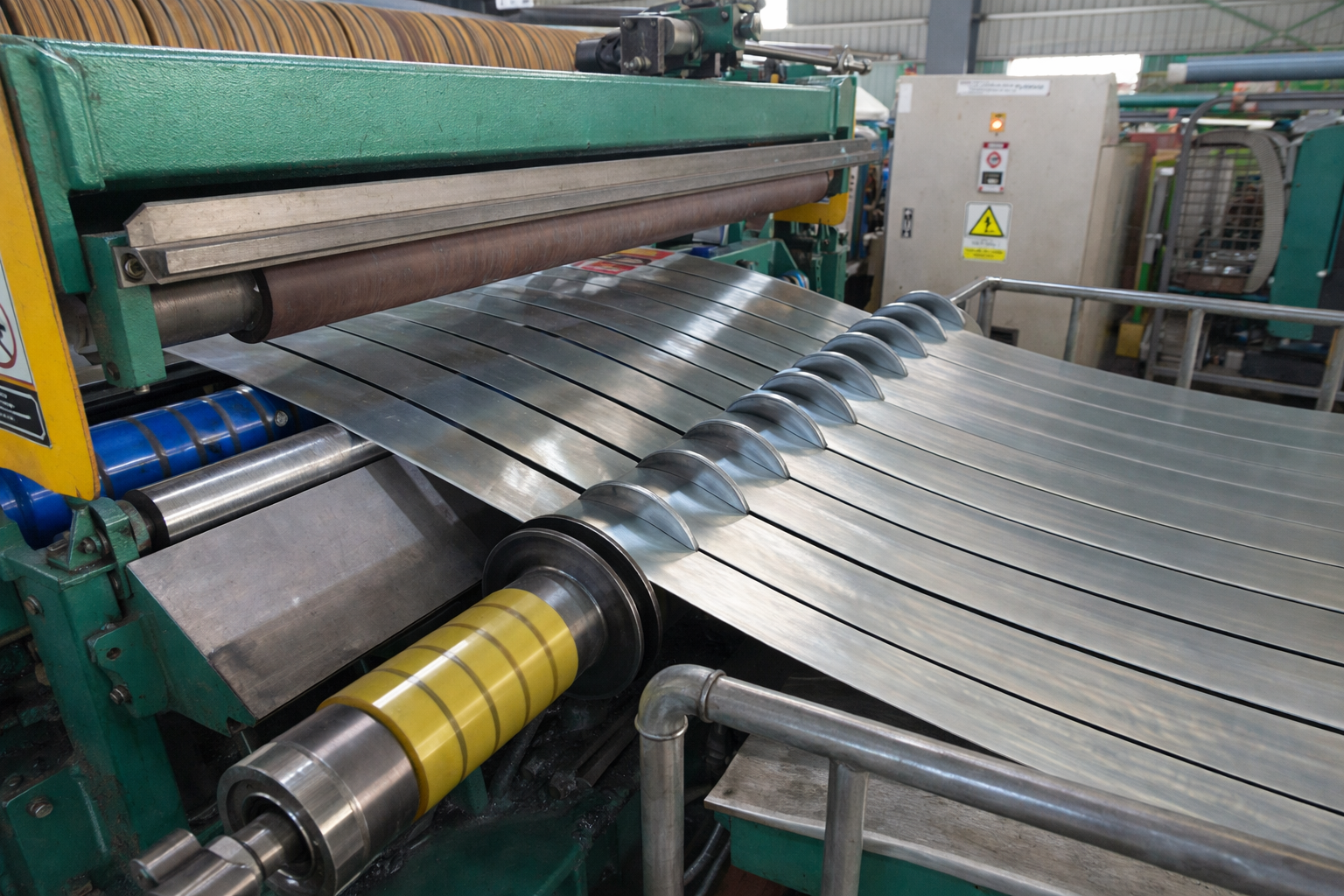
Excellent équilibre entre dureté et ténacité
Contrairement à de nombreux aciers qui privilégient une propriété, 1075 offre les deux, ce qui le rend adapté à applications dynamiques et à impact.
Affûtage facile
Par rapport aux aciers à plus haute teneur en carbone:
Nécessite moins d’effort pour affûter
Maintient efficacement un avantage fonctionnel
Idéal pour les outils nécessitant un entretien fréquent
Bonne résistance à l'usure
Sa durabilité assure:
Longue durée de vie
Temps d'arrêt réduits
Coûts de remplacement réduits
Polyvalence dans tous les secteurs
Des outils manuels aux machines industrielles, 1075 l'acier s'adapte bien à plusieurs cas d'utilisation.
Matériau économique
Coût inférieur à celui des aciers alliés et des aciers inoxydables
Exigences de traitement simples
Idéal pour la production à grande échelle
Guide de traitement thermique et de transformation
Forgeage
Plage de température: 927–1204°C (1700–2200°F)
Facile à forger et à façonner
Étapes du traitement thermique
Chauffage (Austénitisant)
Trempe (Huile recommandée)
Trempe (à la dureté souhaitée)
Considérations sur le soudage
1075 l'acier au carbone peut être soudé avec précautions:
Préchauffer: 260–315°C
Post-chauffage: 649–788°C
Refroidissement contrôlé requis
Sans manipulation appropriée, il y a un risque de fissuration due à une teneur élevée en carbone.
Conseils de traitement pour les acheteurs
Précisez toujours état du traitement thermique lors de la commande
Confirmer exigences de tolérance et d’état de surface
Travailler avec des fournisseurs offrant capacités de traitement personnalisé
Applications communes de 1075 Acier au carbone
Fabrication de couteaux et de lames
Excellentes performances de bord
Haute résistance aux chocs
Convient aux machettes et aux lames robustes
Production de printemps
Haute élasticité
Résistance à la fatigue
Largement utilisé dans les ressorts automobiles et industriels
Composants automobiles
Les pièces typiques comprennent:
Disques d'embrayage
Ressorts
Composants résistants à l'usure
Pièces de machines industrielles
Utilisé pour:
Arbres
Barres rectifiées avec précision
Composants structurels
Outils et matériel
Exemples courants:
Marteaux
Haches
Clés
Ces outils bénéficient de durabilité et résistance aux chocs répétés.
Comparaison avec d'autres nuances d'acier
1075 contre 1095 Acier au carbone
| Fonctionnalité | 1075 | 1095 |
| Teneur en carbone | ~0,75% | ~0,95% |
| Dureté | Modéré | Plus haut |
| Dureté | Mieux | Inférieur |
| Affûtage | Plus facile | Plus difficile |
Conclusion:
Choisir 1075 pour la ténacité; choisir 1095 pour une rétention maximale des bords.
1075 contre 5160 Acier à ressort
| Fonctionnalité | 1075 | 5160 |
| Dureté | Haut | Très élevé |
| La flexibilité | Bien | Maman |
| Éléments d'alliage | Faible | Contient du chrome |
Conclusion:
5160 c'est mieux en cas de stress extrême; 1075 est plus rentable.
1075 contre l'acier inoxydable
| Fonctionnalité | 1075 | Acier inoxydable |
| Résistance à la corrosion | Faible | Haut |
| Coût | Inférieur | Plus haut |
| Entretien | Nécessite des soins | Minimal |
Conclusion:
Utiliser 1075 pour la performance et le coût; acier inoxydable pour la résistance à la corrosion.
Limites de 1075 Acier au carbone
Bien que très polyvalent, 1075 l'acier a quelques inconvénients:
Mauvaise résistance à la corrosion (nécessite un revêtement ou un huilage)
Rétention modérée des bords par rapport aux aciers à plus haute teneur en carbone
Ne convient pas pour environnements très corrosifs
Comprendre ces limites aide les acheteurs à faire des décisions éclairées.
Comment choisir 1075 Acier au carbone pour votre application
Choisir 1075 Si vous avez besoin:
Dureté et ténacité équilibrées
Matériel économique
Performance fiable sous contrainte
Éviter 1075 Si vous avez besoin:
Résistance élevée à la corrosion
Dureté ultra élevée
Applications extérieures nécessitant peu d’entretien
Liste de contrôle de l'acheteur
Lors de l'approvisionnement 1075 acier, confirmer:
Certification des matériaux (composition chimique)
État du traitement thermique
Exigences en matière de propriétés mécaniques
Capacité de traitement des fournisseurs
Coutume 1075 Solutions en acier
Si vous êtes un fabricant ou un acheteur OEM, Trouver le bon fournisseur est essentiel.
Formulaires disponibles
Feuilles
Barres
Bobines
Composants découpés sur mesure
Services de traitement personnalisés
Estampage et formage
Traitement thermique
Finition de surface
Pourquoi travailler avec un fabricant spécialisé
Un fournisseur fiable peut fournir:
Contrôle de qualité cohérent
Délais de livraison rapides
Assistance technique
Optimisation des coûts pour les commandes groupées
Si vous cherchez coutume 1075 pièces ou composants en acier au carbone, travailler avec un fabricant expérimenté vous garantit d'obtenir:
La bonne qualité de matériau
Performances optimisées
Prix compétitif
👉 Contactez-nous aujourd'hui pour demander un devis ou une consultation technique.
Conclusion
1075 l'acier au carbone reste un choix privilégié pour les ingénieurs, fabricants, et artisans en raison de son:
Propriétés mécaniques équilibrées
Forte résistance à l'usure
Excellente ténacité
Rentabilité
Si vous produisez composants industriels, ressorts, ou outils de coupe, 1075 l'acier offre une solution fiable et polyvalente.
En comprenant ses propriétés, exigences de traitement, et applications idéales, tu peux faire des décisions d'approvisionnement plus intelligentes et améliorer les performances des produits.
FAQ
1. Quelle est la différence entre 1075 et 1095 acier?
1075 a une teneur en carbone plus faible, offrant une meilleure ténacité mais une dureté légèrement inférieure à celle 1095.
2. Quelle dureté peut 1075 acier atteindre?
Typiquement 44–55 HRC, en fonction du traitement thermique.
3. Peut 1075 l'acier au carbone doit être soudé?
Oui, Mais cela nécessite préchauffage et post-chauffage Pour éviter la fissuration.
4. Est 1075 acier bon pour les épées?
Oui, il offre un excellent équilibre entre rétention des bords et résistance aux chocs.
5. Est 1075 acier facile à forger?
Oui, ça se forge bien à 927–1204°C et répond efficacement au traitement thermique.