


Le véhicule aérien sans pilote mondial (Drone) l’industrie connaît une croissance rapide dans des secteurs tels que l’agriculture, inspection des infrastructures, arpentage, logistique, défense, et photographie aérienne. À mesure que la technologie des drones progresse, les fabricants sont confrontés à une demande croissante de briquets, plus fort, et des composants plus précis capables de résister à des conditions de fonctionnement difficiles.
La performance, fiabilité, et la durée de vie d'un drone dépendent en grande partie de la qualité de ses composants. Des cadres structurels et supports de moteur aux supports de caméra et boîtiers de capteurs, les pièces conçues avec précision sont essentielles pour obtenir des performances de vol optimales.
Parmi les différentes méthodes de fabrication disponibles aujourd'hui, L'usinage CNC est devenu l'une des solutions les plus fiables pour produire des composants de drones de haute précision. L'usinage CNC offre une précision exceptionnelle, flexibilité matérielle, répétabilité, et capacités de personnalisation, ce qui le rend idéal à la fois pour le développement de prototypes et les séries de production.
Dans ce guide complet, nous explorerons les pièces de drones usinées CNC, processus de fabrication, sélection des matériaux, Considérations de conception, applications industrielles, et comment choisir le bon partenaire d'usinage CNC pour votre projet de drone.
Que sont les pièces de drones CNC?
Les pièces de drones CNC sont des composants fabriqués à l'aide d'une commande numérique par ordinateur. (CNC) technologie d'usinage. Les machines CNC enlèvent de la matière à partir de blocs solides de métal ou de plastique à l'aide d'outils de coupe contrôlés par ordinateur., créer des pièces très précises et reproductibles.
Les composants courants des drones usinés CNC comprennent:
Cadres de drones
Supports moteur
Moyeux d'hélice
Train d'atterrissage
Cardans de caméra
Boîtiers de capteurs
Boîtiers électroniques
Supports de charge utile personnalisés
Contrairement aux composants moulés ou estampés, Les pièces usinées CNC peuvent atteindre des tolérances extrêmement serrées et des géométries complexes tout en conservant une excellente intégrité structurelle..
Pourquoi l'usinage CNC est utilisé pour la fabrication de drones
Les fabricants de drones choisissent Usinage CNC parce qu'il offre:
Précision exceptionnelle
Les équipements CNC haut de gamme peuvent atteindre des tolérances aussi strictes que ±0,005 mm, assurant un assemblage précis et une réduction des vibrations pendant le vol.
Résistance supérieure
Les composants sont usinés à partir de billettes solides plutôt que de matériaux en couches ou moulés, résultant en de meilleures propriétés mécaniques.
Développement de produits rapide
Les modifications de conception peuvent être mises en œuvre rapidement sans investir dans des outils coûteux.
Volumes de production flexibles
Qu'il s'agisse de produire un prototype ou des milliers de composants, L'usinage CNC offre une excellente évolutivité.
CNC Usining VS. 3Impression D pour pièces de drones
| Facteur | Usinage CNC | 3D Impression |
| Précision | Excellent | Modéré |
| Finition de surface | Supérieur | Nécessite souvent un post-traitement |
| Résistance au matériau | Haut | Inférieur |
| Vitesse de production | Rapide pour la production | Rapide pour le prototypage |
| Options matérielles | Extensif | Limité |
| Intégrité structurelle | Excellent | Dépend de la couche |
Si l’impression 3D est utile pour la validation de concepts, L'usinage CNC reste la solution privilégiée pour les composants fonctionnels de drones qui nécessitent de la solidité, durabilité, et précision.
Processus de fabrication CNC pour pièces de drones
Conception CAO
Chaque composant d'UAV commence par un modèle CAO 3D. Les ingénieurs définissent:
Dimensions
Tolérances
Interfaces de montage
Objectifs de poids
Exigences structurelles
Un logiciel de simulation moderne permet aux concepteurs d'optimiser la répartition du poids tout en préservant l'intégrité structurelle.
Analyse technique
Analyse par éléments finis (FEA) est souvent utilisé pour évaluer:
Concentration des contraintes
Résistance à la fatigue
Performances d'impact
Comportement vibratoire
Cette étape permet d'éliminer les pannes potentielles avant le début de la fabrication.
Programmation de came
Après approbation de la conception, le modèle CAO est importé dans le logiciel CAM.
Le logiciel génère:
Parcours d'outils
Paramètres de coupe
Sélections d'outils
Séquences d'usinage
Une programmation FAO efficace réduit les coûts de production tout en améliorant la qualité de l'usinage.
Fraisage et tournage CNC
L'équipement CNC de précision fonctionne:
3-Fraisage d'axe
Convient aux géométries simples et aux surfaces planes.
4-Usinage des axes
Permet l'usinage sur plusieurs côtés avec moins de configurations.
5-Usinage des axes
Idéal pour les composants complexes de drones de qualité aérospatiale nécessitant des fonctionnalités complexes et des tolérances serrées.
Tournage CNC
Utilisé pour les pièces cylindriques telles que:
Arbres
Bagues
Connecteurs
Adaptateurs d'hélice
Finition de surface
Le post-traitement améliore l'apparence et les performances.
Les finitions courantes incluent:
Anodisation
Anodisation dure
Revêtement en poudre
Microbillage
Polissage
Placage autocatalytique au nickel
Oxyde noir
Ces traitements améliorent la résistance à la corrosion, résistance à l'usure, et esthétique.
Inspection de qualité
Le contrôle qualité comprend:
Inspection MMT
Mesure optique
Test de rugosité de surface
Vérification du matériel
Tests fonctionnels
Cela garantit que chaque composant du drone répond aux spécifications de conception.
Types courants de pièces de drones CNC
Cadres de drones
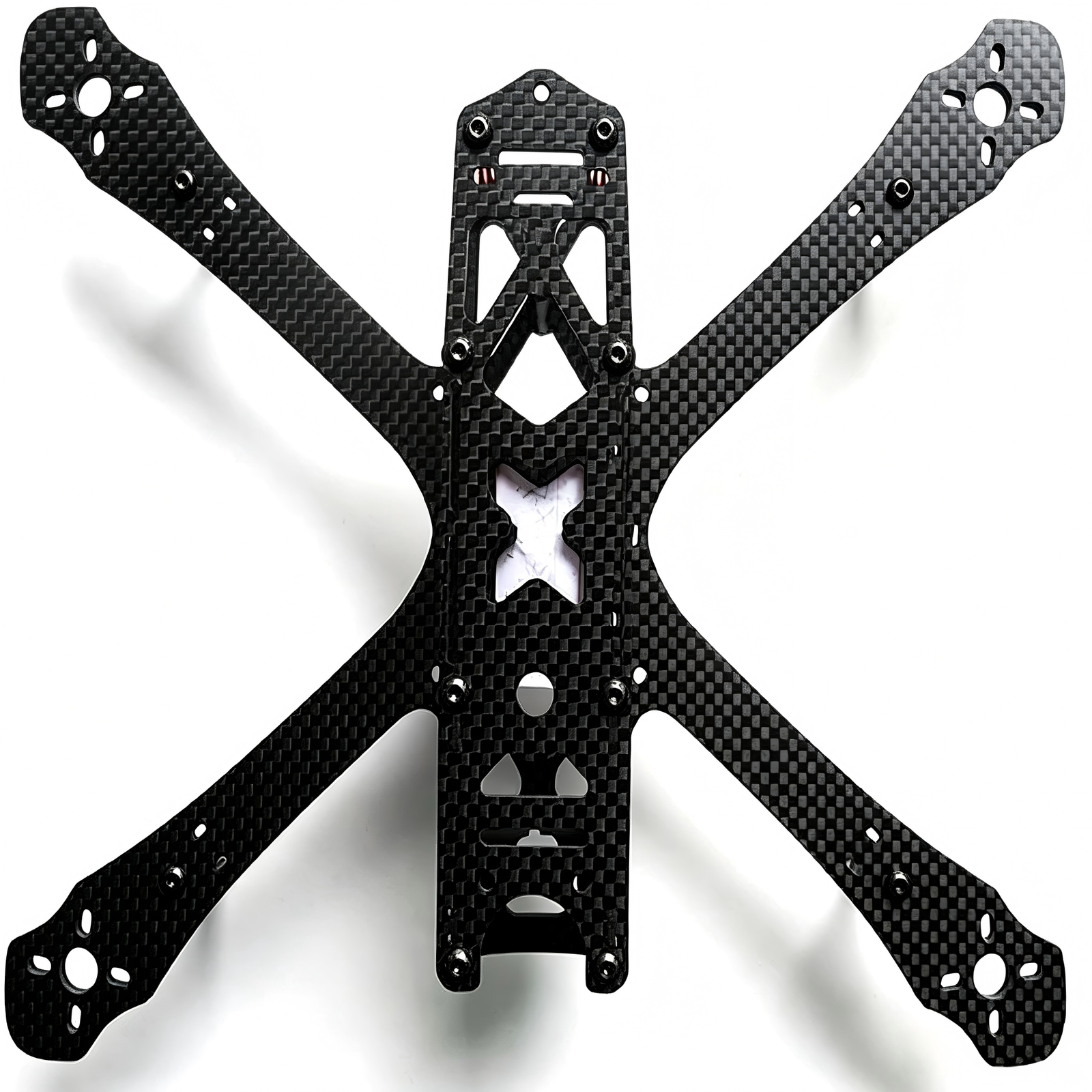
Le cadre sert de base structurelle au drone.
Les exigences incluent:
Construction légère
Haute rigidité
Résistance aux chocs
Durabilité à la fatigue
Aluminium 7075 et la fibre de carbone sont couramment utilisées.
Bras de drone
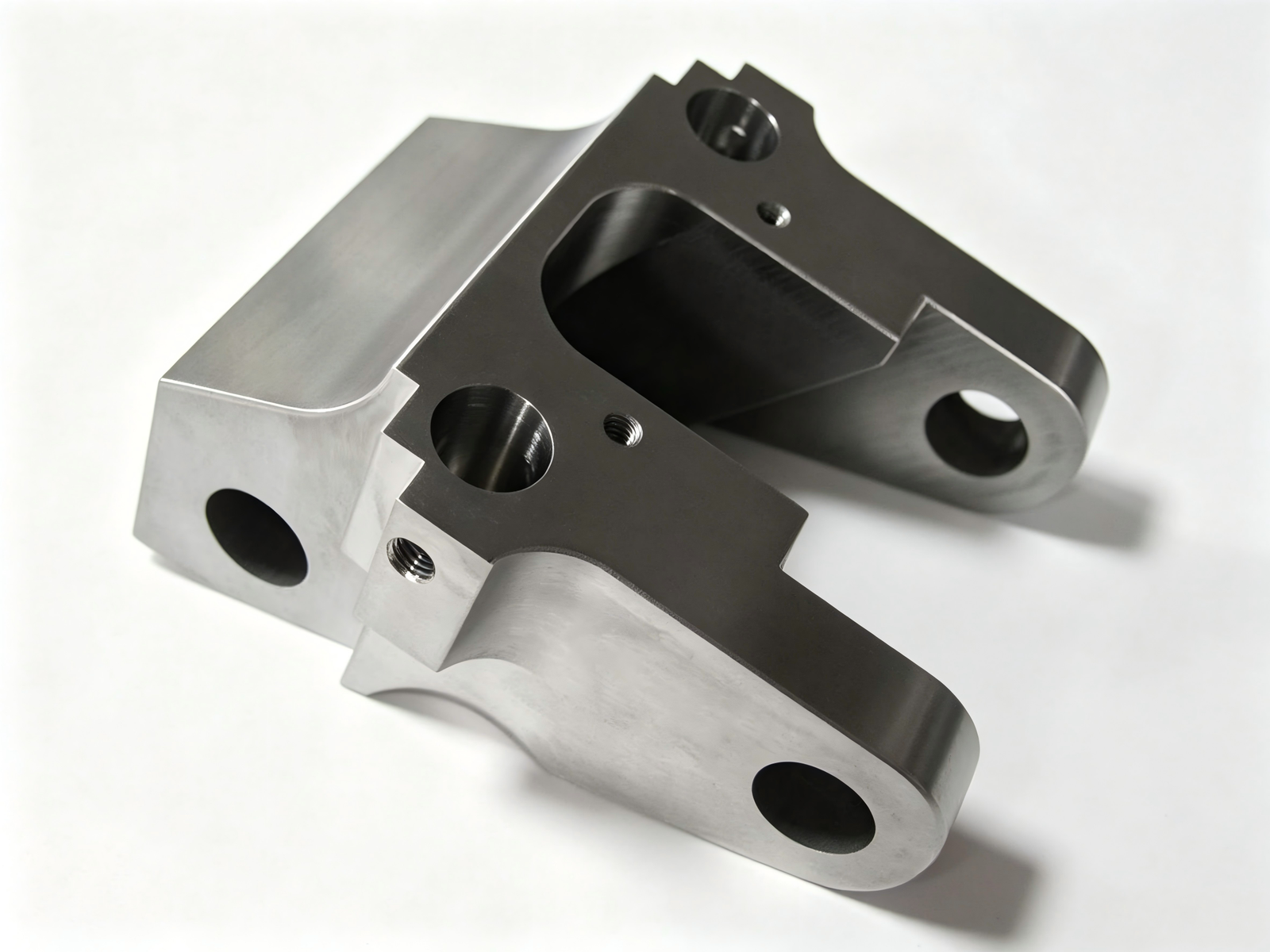
Les bras relient les moteurs au châssis principal et affectent directement la stabilité du vol.
L'usinage de précision aide:
Minimiser les vibrations
Améliorer la répartition du poids
Augmenter la résistance structurelle
Supports de moteur
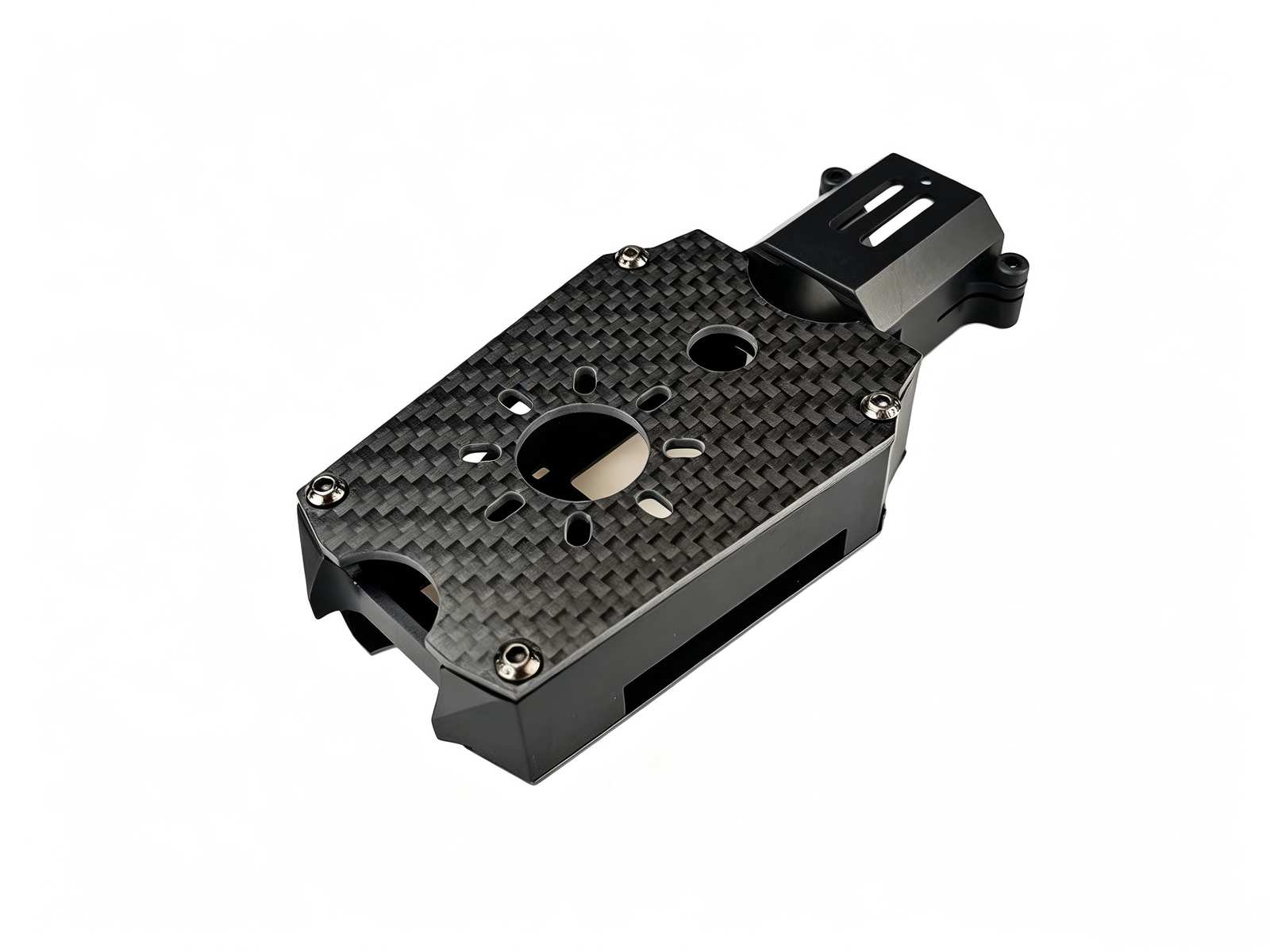
Les supports de moteur transfèrent les charges de poussée dans la structure du drone.
Les supports de moteur CNC de haute qualité offrent:
Alignement précis du moteur
Vibrations réduites
Efficacité de vol améliorée
Moyeux d'hélice
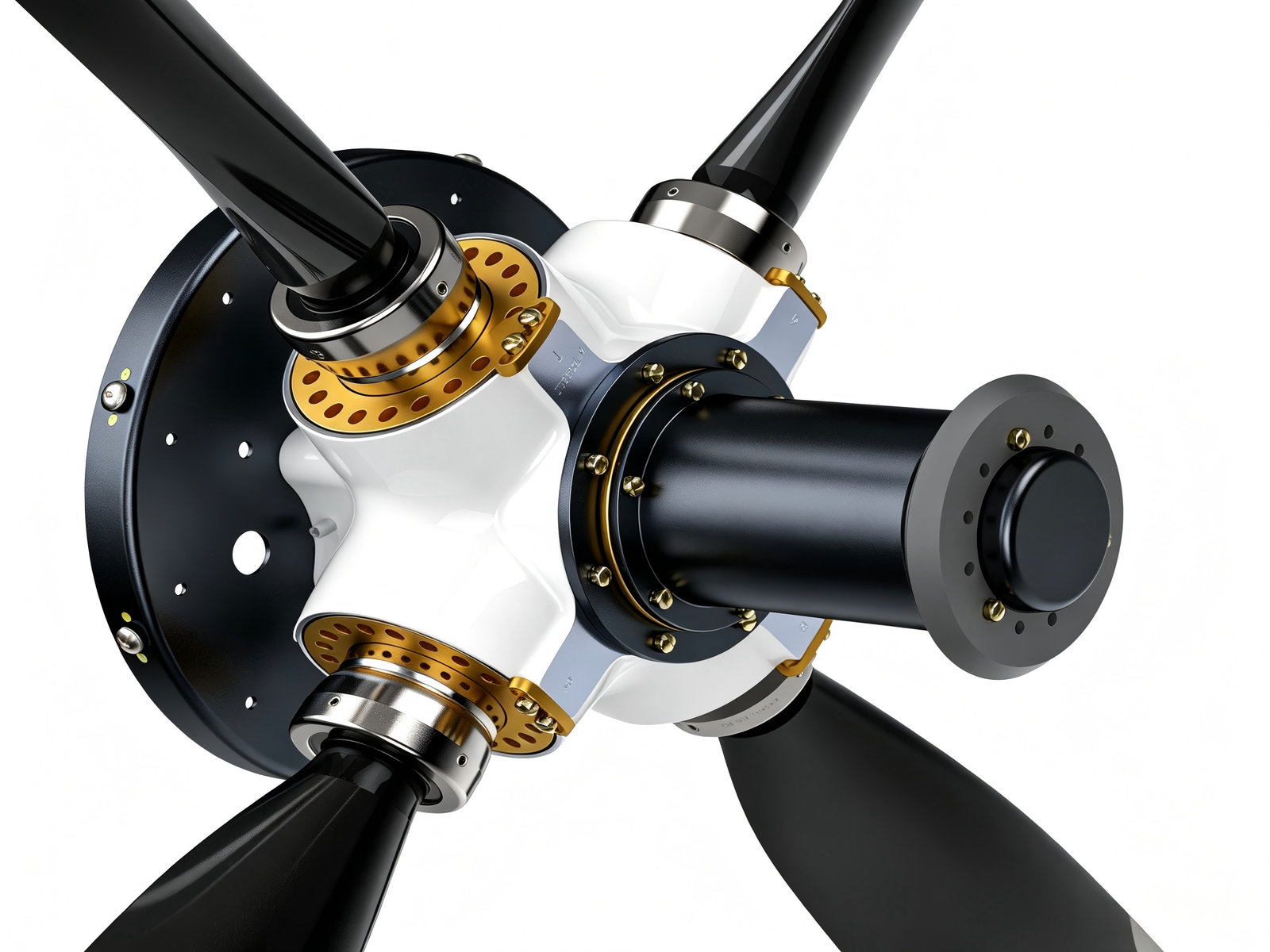
Les moyeux d'hélice nécessitent une concentricité et un équilibre exceptionnels.
Les avantages:
Vibrations réduites
Efficacité énergétique améliorée
Durée de vie du moteur plus longue
Pliage d'atterrissage
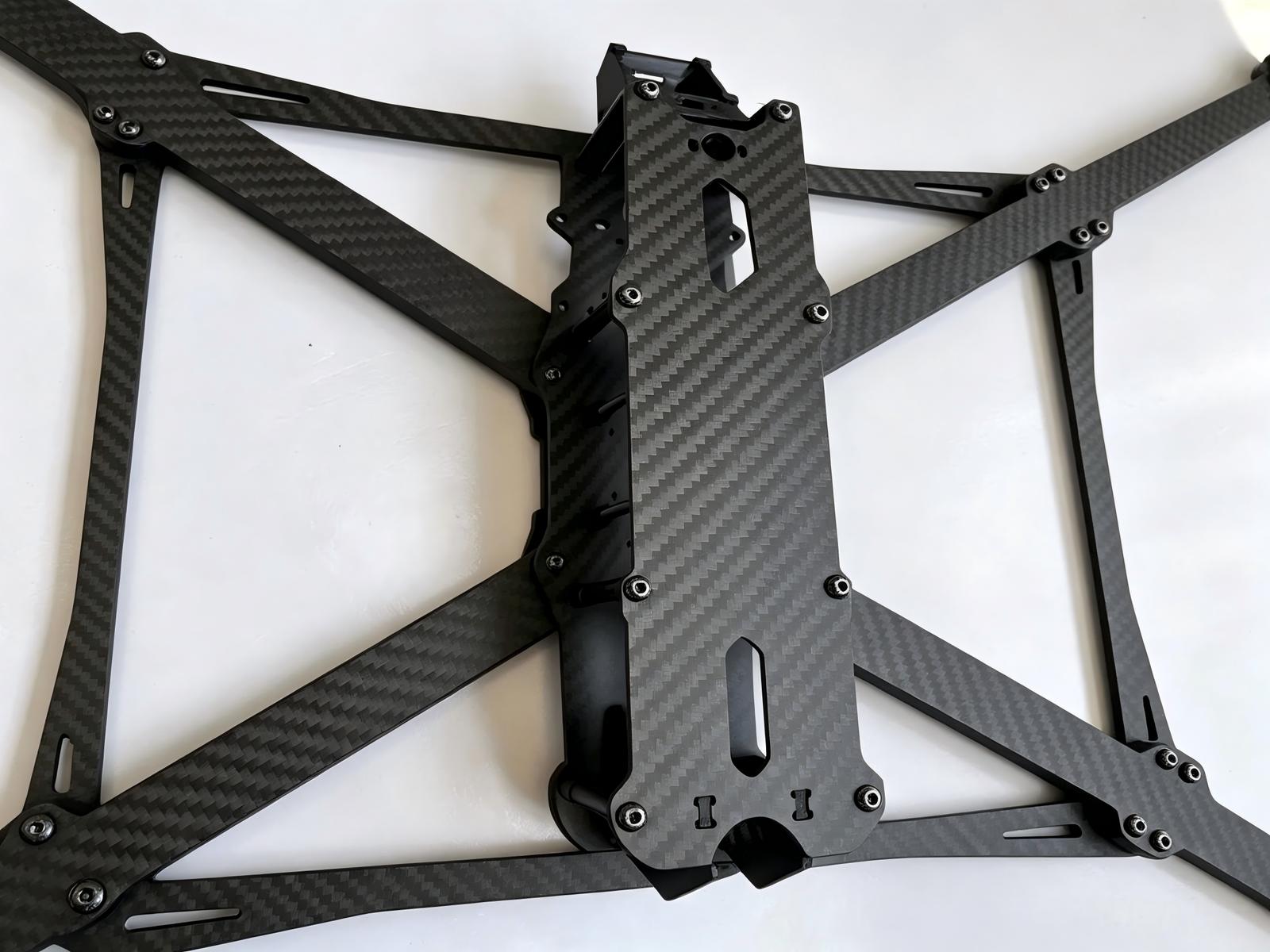
Le train d'atterrissage protège les drones pendant le décollage et l'atterrissage.
Offres de trains d'atterrissage usinés CNC:
Haute résistance aux chocs
Construction légère
Durabilité supérieure
Supports de caméra et cardans
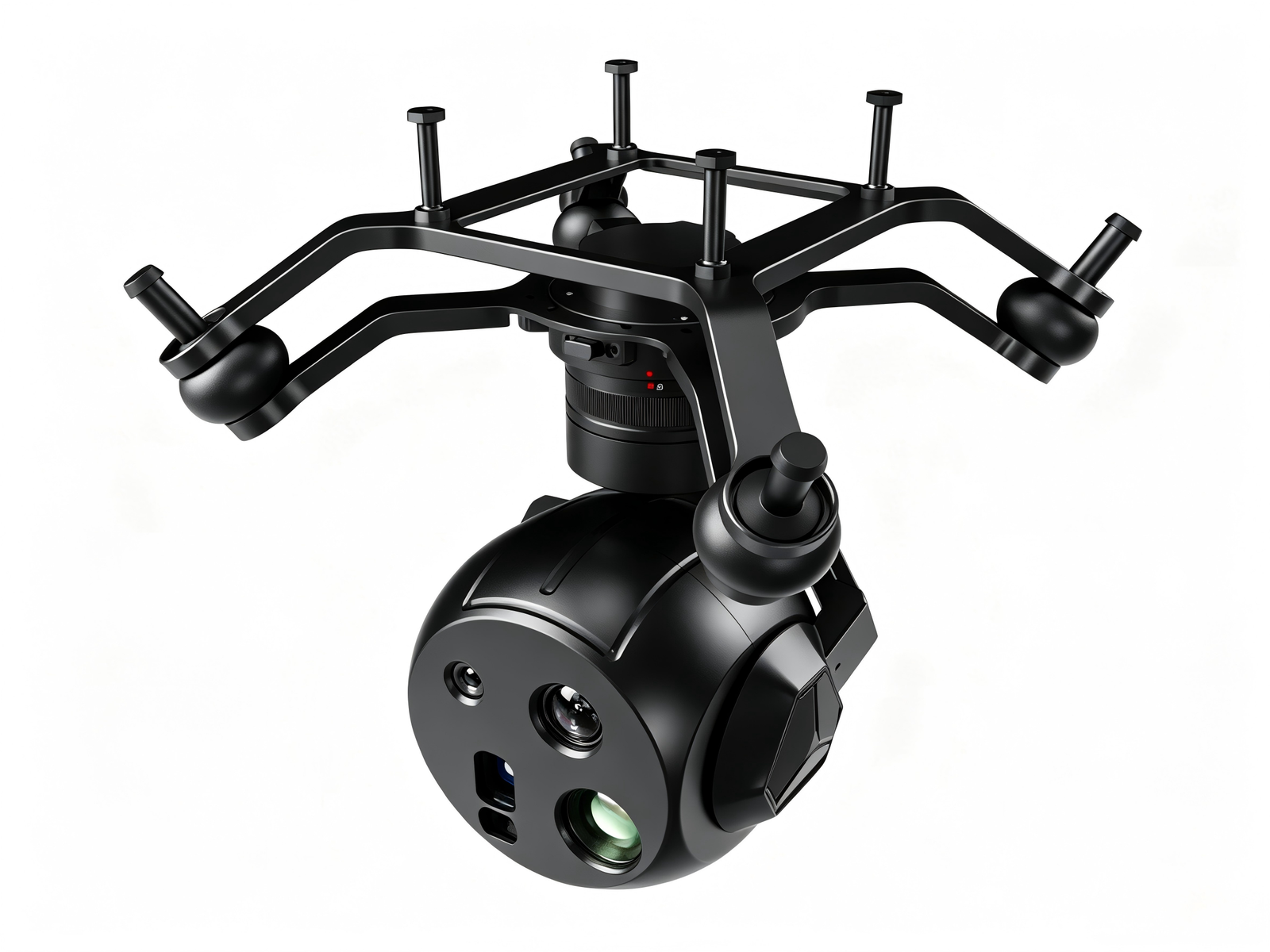
Les applications professionnelles des drones nécessitent des systèmes d'imagerie stables.
L'usinage CNC de précision permet:
Fonctionnement fluide de la caméra
Vibrations réduites
Qualité d'image améliorée
Boîtiers électroniques
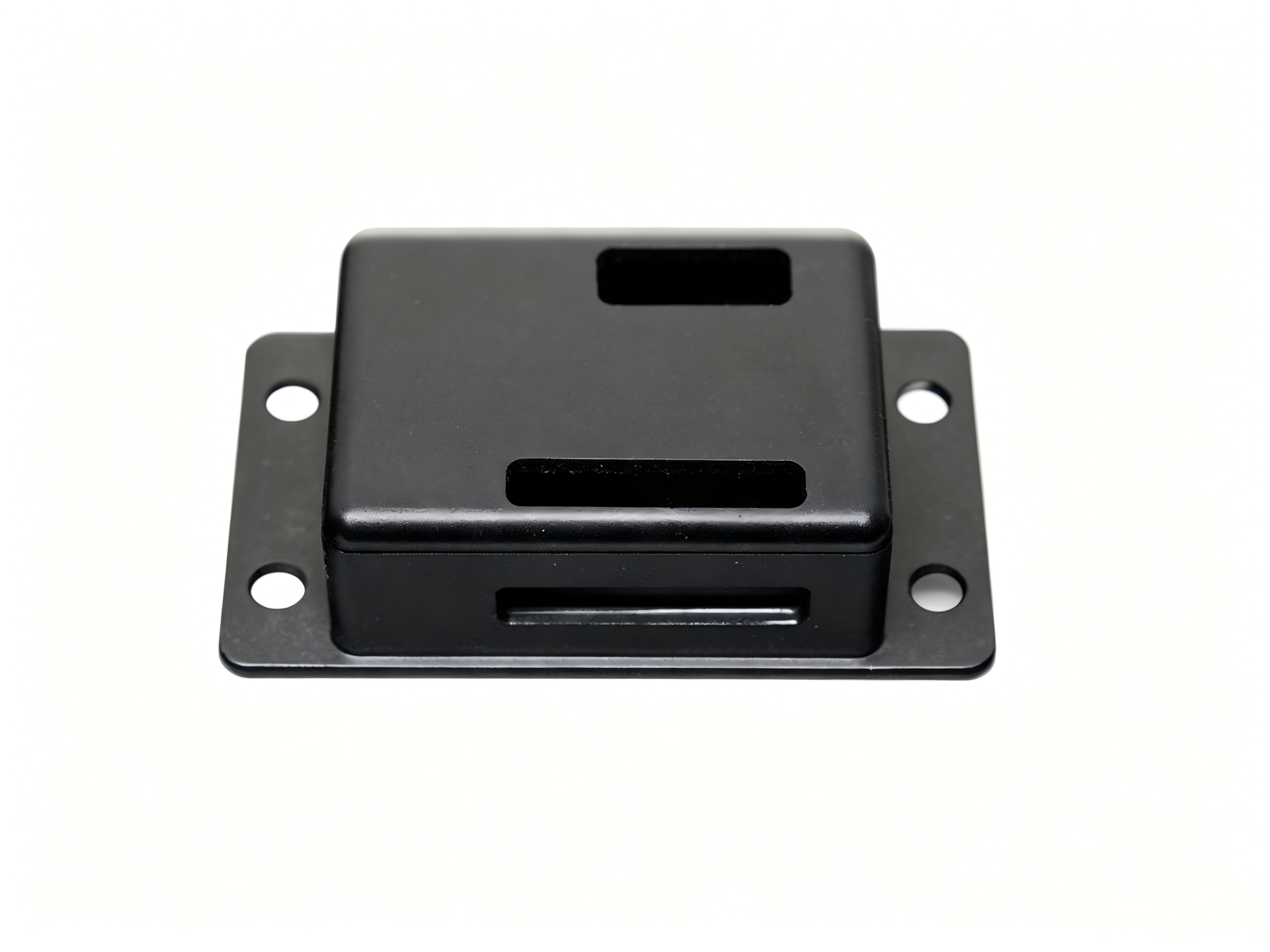
Les boîtiers électroniques protègent:
Contrôleurs de vol
Modules GPS
Systèmes de communication
Piles
L'usinage de précision garantit un ajustement et une gestion thermique appropriés.
Boîtiers de capteurs
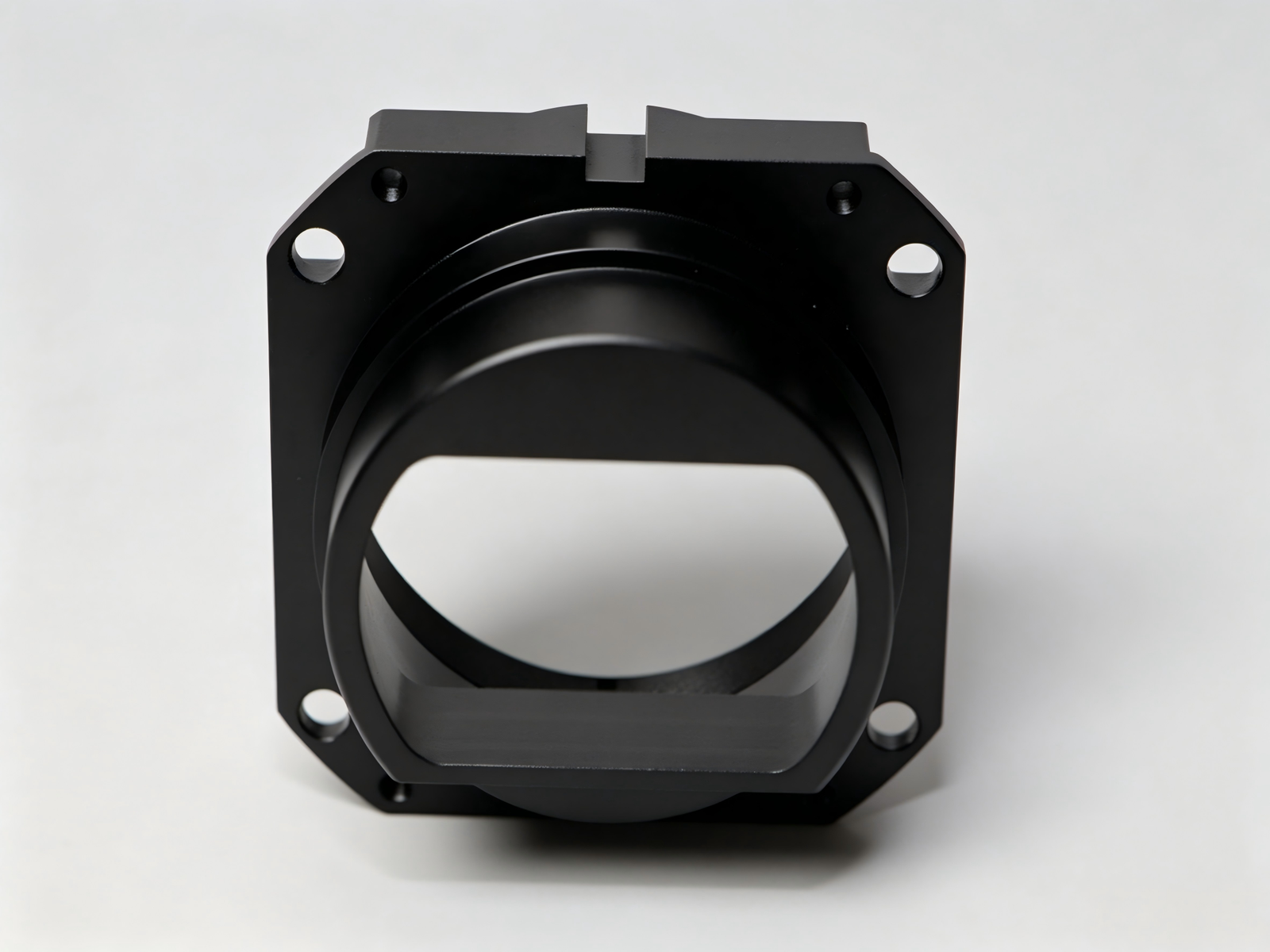
Les drones d’inspection et d’arpentage utilisent souvent:
LiDAR
Caméras thermiques
Capteurs multispectraux
Les boîtiers CNC personnalisés protègent ces précieux composants tout en conservant la précision des mesures.
Meilleurs matériaux pour les composants de drones CNC
Aluminium 6061-T6
Avantages:
Poids léger
Résistant à la corrosion
Rentable
Facile à usiner
Applications:
Cadres
Supports
Composants structurels généraux
Aluminium 7075-T6
Avantages:
Force de qualité aérospatiale
Excellente résistance à la fatigue
Poids léger
Applications:
Structures de drones performantes
Drones de course
Drones militaires
Titane
Avantages:
Rapport résistance/poids exceptionnel
Résistance à la corrosion
Résistance à la chaleur
Applications:
Composants porteurs critiques
Systèmes aérospatiaux spécialisés
Acier inoxydable
Avantages:
Excellente résistance à l'usure
Durabilité élevée
Applications:
Arbres
Attaches
Composants de transmission mécanique
Fibre de carbone
Avantages:
Extrêmement léger
Rigidité exceptionnelle
Applications:
Drones de course
Drones de cinématographie professionnels
Plastiques d'ingénierie
Delrin (POM)
Idéal pour:
Mécanismes de précision
Composants du cardan
Nylon
Idéal pour:
Supports légers
Composants de protection
COUP D'OEIL
Idéal pour:
Environnements à haute température
Applications aérospatiales spécialisées
Pièces de drones CNC par industrie
Drones agricoles
Applications:
Pulvérisation des cultures
Cartographie des champs
Suivi des cultures
Composants requis:
Armes robustes
Supports résistants à la corrosion
Cadres renforcés
Drones d'arpentage et de cartographie
Exiger:
Supports de capteur de précision
Plateformes de caméras stables
Structures légères
Drones d'inspection
Utilisé pour:
Lignes électriques
Ponts
Pipelines
Éoliennes
Nécessitent des boîtiers de capteurs et des systèmes de cardan de haute précision.
Drones de sécurité et de surveillance
Besoin:
Longue endurance
Systèmes de charge utile fiables
Des structures robustes
Drones de course FPV
Exiger:
Composants ultra légers
Châssis haute résistance
Structures résistantes aux chocs
Drones militaires
Demande:
Matériaux de qualité aérospatiale
Tolérances étroites
Fiabilité extrême
Avantages des pièces de drones usinées CNC
Haute précision
Des tolérances serrées améliorent la qualité de l'assemblage et les performances de vol.
Conception légère
L'usinage optimisé réduit le poids inutile.
Résistance structurelle améliorée
Les composants usinés maintiennent une intégrité supérieure.
Meilleure durabilité
Excellente résistance à l'usure, fatigue, et impact.
Prototypage rapide
Accélère les cycles de développement de produits.
Capacité de production à faible volume
Idéal pour les programmes de drones personnalisés et les projets spécialisés.
Considérations de conception pour les pièces de drones CNC
Optimisation du poids
La réduction du poids prolonge le temps de vol et améliore la maniabilité.
Réduction des vibrations
Une conception appropriée améliore la précision du capteur et la stabilité de l'image.
Dissipation de chaleur
Une gestion thermique efficace protège les systèmes électroniques.
Résistance à la corrosion
Critique pour les applications extérieures et marines.
Efficacité de l'assemblage
Des composants bien conçus réduisent les coûts de fabrication et de maintenance.
Comment choisir un fabricant de pièces de drones CNC
Capacités de fabrication
Évaluer:
3-Axe CNC
4-Axe CNC
5-Axe CNC
Tournage CNC
Disponibilité du matériel
Choisissez des fournisseurs expérimentés avec:
Aluminium
Titane
Acier inoxydable
Plastiques d'ingénierie
Système de contrôle de qualité
Rechercher:
Processus certifiés ISO
Inspection CMM
Traçabilité complète
Délai de mise en œuvre
Un délai d’exécution rapide est crucial pour les projets de développement de drones.
Support technique
Un fournisseur compétent doit fournir des commentaires DFM et des suggestions d'optimisation de la conception..
Certifications
Les certifications de l'industrie indiquent la cohérence des processus et la gestion de la qualité.
Pourquoi choisir Tops Precision pour les pièces de drones CNC?
Précision au sommet se spécialise dans les services d'usinage CNC personnalisés pour l'aérospatiale, électronique, équipement industriel, et applications drones.
Nos capacités incluent:
Fraisage CNC de précision
Tournage CNC
Usinage multi-axe
Prototypage rapide
Production en faible volume
Fabrication en grand volume
Nous travaillons avec une large gamme de matériaux, notamment:
Aluminium 6061 & 7075
Titane
Acier inoxydable
Laiton
Cuivre
Delrin
Nylon
COUP D'OEIL
Notre équipe d'ingénieurs expérimentés accompagne les clients tout au long du cycle de développement, de la validation du prototype à la production à grande échelle.
Que vous ayez besoin de cadres de drones légers, supports de moteur de précision, boîtiers de capteurs personnalisés, ou des composants complexes d'UAV de qualité aérospatiale, Tops Precision offre une qualité fiable, des délais compétitifs, et une expertise de fabrication exceptionnelle.
Conclusion
Alors que la technologie des drones continue d’évoluer, les fabricants exigent des composants alliant précision, durabilité, et des performances légères. L'usinage CNC reste l'une des méthodes de fabrication les plus efficaces pour produire des pièces de drones de haute qualité qui répondent aux exigences exigeantes des applications modernes de drones..
En sélectionnant les bons matériaux, optimisation des conceptions, et partenariat avec un fournisseur d'usinage CNC expérimenté, les fabricants de drones peuvent améliorer leurs performances, réduire les risques de développement, et accélérer la mise sur le marché.
Pour les entreprises recherchant des composants de drones CNC personnalisés, Travailler avec un partenaire de fabrication de confiance comme Tops Precision peut aider à transformer des concepts de drones innovants en systèmes fiables., produits prêts à la production.
FQAs
1. Quel est le meilleur matériau pour les cadres de drones?
L'aluminium 7075-T6 et la fibre de carbone sont généralement considérés comme les meilleurs choix en raison de leur excellent rapport résistance/poids..
2. L'usinage CNC est-il meilleur que l'impression 3D pour les pièces de drones?
Pour composants fonctionnels et porteurs, L'usinage CNC offre une résistance supérieure, précision, et durabilité.
3. Quelles tolérances les pièces de drones CNC peuvent-elles atteindre?
L'usinage CNC de haute précision peut généralement atteindre des tolérances de ±0,01 mm à ±0,005 mm selon le composant.
4. L'usinage CNC peut-il produire des pièces de drones légères?
Oui. L'usinage CNC avancé permet aux ingénieurs de créer des géométries optimisées qui réduisent le poids sans sacrifier la résistance..
5. Combien coûtent les pièces de drone CNC personnalisées?
Les coûts dépendent du choix des matériaux, complexité, tolérances, quantité, et exigences de finition.
6. Quelles finitions de surface sont disponibles pour les composants d'UAV?
Les finitions courantes incluent l'anodisation, anodisation dure, revêtement en poudre, polissage, microbillage, et nickelage autocatalytique.
7. Can Tops Precision prend en charge les prototypes et les quantités de production?
Oui. Nous prenons en charge tout, du prototypage rapide aux séries de production à grande échelle.
8. À quelle vitesse les pièces de drones CNC peuvent-elles être fabriquées?
Les délais varient en fonction de la complexité et de la quantité, mais les pièces prototypes peuvent souvent être livrées quelques jours après l'approbation de la conception..