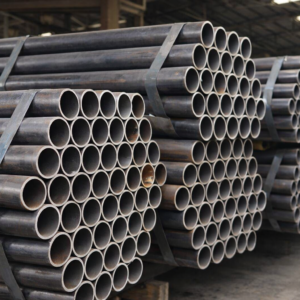



Si votre projet nécessite excellente formabilité, soudabilité fiable, et rentabilité, 1005 l'acier au carbone est l'un des choix de matériaux les plus pratiques disponibles. En tant que nuance d'acier à très faible teneur en carbone selon le système de classification AISI 10xx, il est largement utilisé dans les pièces automobiles, produits en fil métallique, composants estampés, et fabrication générale.
Ce guide fournit une ventilation technique détaillée de 1005 composition en acier au carbone, propriétés mécaniques, caractéristiques de performance, avantages, limites, et des comparaisons avec 1008 et 1010 acier — aider les ingénieurs, acheteurs, et les fabricants déterminent si cela correspond à leur application.
Qu'est-ce que 1005 Acier au carbone?
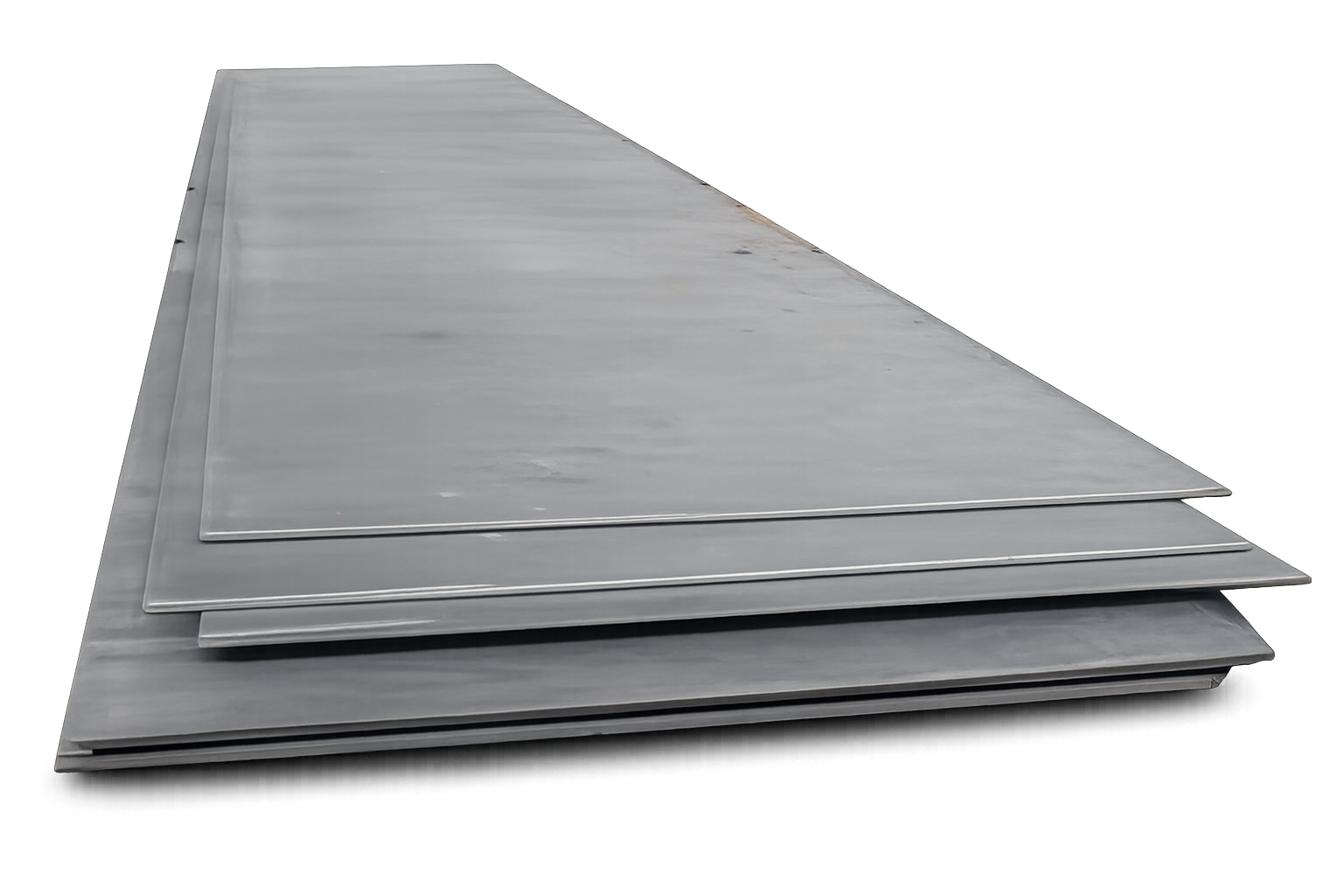
1005 l'acier au carbone appartient à la Série AISI 10xx, défini par sa très faible teneur en carbone (maximum 0.06%). La série « 10 » indique l'acier au carbone ordinaire, et le « 05 » désigne environ 0.05% teneur en carbone.
En raison de son niveau de carbone extrêmement faible, 1005 offres d'acier:
Ductilité élevée
Excellente formabilité à froid
Soudabilité supérieure
Force modérée
Faible coût du matériel
Il est généralement fourni en feuille, bande, plaque, et forme de fil pour les opérations de formage à froid.
Composition chimique de 1005 Acier au carbone
Comprendre la chimie de 1005 l'acier est essentiel car le comportement mécanique est directement lié à la composition élémentaire.
Composition chimique typique
| Élément | Contenu typique (%) | Rôle fonctionnel |
| Fer (Fe) | Équilibre (~99,5%+) | Structure de base de l'acier |
| Carbone (C) | ≤ 0.06 | Contrôle la force et la dureté |
| Manganèse (Mn) | ≤ 0.35 | Améliore la force et désoxyde |
| Phosphore (P.) | ≤ 0.04 | Améliore la résistance mais réduit la ductilité si elle est excessive |
| Soufre (S) | ≤ 0.05 | Améliore l'usinabilité |
Comment la composition affecte les performances
Faible teneur en carbone (≤ 0.06%)
Augmente considérablement la ductilité
Améliore la soudabilité
Réduit la dureté et la résistance à la traction
Minimise les fissures pendant le formage
Manganèse
Augmente légèrement la force
Améliore les propriétés de travail à chaud
Agit comme désoxydant lors de la fabrication de l'acier
Parce que les éléments d'alliage sont minimes, 1005 l'acier se comporte de manière prévisible pendant les opérations de formage et de soudage.
Propriétés mécaniques de 1005 Acier au carbone
Les propriétés mécaniques varient en fonction du traitement (laminé à froid, laminé à chaud, recuit), mais les plages typiques incluent:
Résistance à la traction
310 – 430 MPa
Ceci définit la contrainte maximale que le matériau peut supporter avant rupture.. Bien qu'il ne soit pas adapté aux charges structurelles lourdes, il fonctionne bien dans les applications légères.
Limite d'élasticité
280 – 380 MPa
Indique la contrainte à laquelle commence la déformation permanente. Sa limite d'élasticité modérée le rend idéal pour les pièces formées et embouties..
Allongement à la rupture
30 – 40%
Ce pourcentage d'allongement élevé confirme une excellente ductilité, ce qui le rend parfaitement adapté à:
Emboutissage profond
Marquage à froid
Opérations de pliage
Dureté
Environ 95 HB (Dureté Brinell)
Cette dureté relativement faible améliore l'usinabilité mais limite la résistance à l'usure.
Module d'élasticité
190 – 210 GPa
Semblable à d’autres aciers au carbone ordinaires, indiquant le comportement de rigidité standard.
Avantages clés de 1005 Acier au carbone
Excellente formabilité
La teneur ultra faible en carbone rend 1005 acier idéal pour:
Emboutissage profond
Formage à froid
Opérations d'emboutissage
Se plier sans se fissurer
Il fonctionne exceptionnellement bien dans les applications de feuilles de faible épaisseur.
Soudabilité supérieure
Parce que la teneur en carbone est très faible:
Aucun préchauffage requis dans la plupart des cas
Risque minimal de fissuration de la zone affectée par la chaleur
Compatible MIG, TIG, soudage par points, et soudage par résistance
Cela réduit les coûts de fabrication et la complexité de la production.
Matériau économique
Avec un minimum d'éléments d'alliage:
Coût des matières premières inférieur
Largement disponible dans le monde entier
Convient à la production en grand volume
Pour les projets de fabrication sensibles aux coûts, 1005 l'acier offre une forte valeur.
Bonne usinabilité
Bien que leur usinage ne soit pas aussi libre que les qualités à haute teneur en soufre, 1005 offres:
Formation de copeaux stable
Faible usure des outils
Performances de coupe constantes
Il convient aux opérations d'usinage légères.
Large polyvalence industrielle
Son équilibre de ductilité, soudabilité, et son prix abordable lui permet de servir plusieurs industries, en particulier là où une résistance extrême n'est pas requise.
Applications communes de 1005 Acier au carbone
En raison de ses caractéristiques de formage, 1005 l'acier est largement utilisé dans les industries suivantes:
Composants automobiles
Supports
Plaques de montage
Composants de renfort
Pièces structurelles non porteuses
Sa soudabilité est particulièrement précieuse dans l’assemblage automobile.
Produits en fil métallique
Treillis métallique
Clous
Fixations légères
Formes de fil
La faible teneur en carbone permet un dessin cohérent sans fragilité.
Pièces embouties et formées à froid
Boîtiers en tôle
Coffrets électriques
Petits supports industriels
L'allongement élevé empêche les fissures lors de l'emboutissage profond.
Fabrication d'appareils électroménagers
Cadres de support internes
Couvertures et boîtiers
Panneaux non porteurs
Sa rentabilité soutient la production de masse.
Fabrication générale
Utilisé pour:
Châssis légers
Assemblages fabriqués
Structures en tôle soudée
1005 contre 1008 contre 1010 Acier au carbone
Comprendre la sélection des matériaux nécessite souvent de comparer des qualités similaires.
1005 contre 1008 Acier
1008 contient un peu plus de carbone (~0,08%).
| Propriété | 1005 | 1008 |
| Teneur en carbone | Inférieur | Légèrement plus haut |
| Force | Inférieur | Plus haut |
| Formabilité | Mieux | Légèrement réduit |
| Soudabilité | Excellent | Très bien |
Conclusion:
Choisir 1005 lorsqu'une formabilité maximale est requise.
1005 contre 1010 Acier
1010 contient ~0,10% de carbone.
| Propriété | 1005 | 1010 |
| Force | Inférieur | Plus haut |
| Dureté | Inférieur | Plus haut |
| Ductilité | Plus haut | Inférieur |
| Capacité structurelle | Limité | Modéré |
Conclusion:
Choisir 1010 lorsqu'une résistance plus élevée est requise; choisir 1005 quand le formage et le soudage sont des priorités.
Limites de 1005 Acier au carbone
Bien que polyvalent, 1005 l'acier ne convient pas:
Applications structurelles à charges élevées
Composants résistants à l'usure
Applications à haute dureté
Environnements corrosifs sans revêtement
Traitements de surface tels que la galvanisation, peinture, ou un revêtement en poudre sont souvent nécessaires pour améliorer la résistance à la corrosion.
Est 1005 L'acier au carbone adapté à votre projet?
1005 l'acier au carbone est idéal lorsque votre application l'exige:
Formage ou estampage intensif
Opérations d'emboutissage profond
Soudabilité fiable
Contrôle des coûts dans la production en grand volume
Performance structurelle non critique
Il ne convient pas aux charges mécaniques lourdes ou aux pièces à forte usure.
Si vous recherchez 1005 tôle d'acier au carbone, bande, ou composants fabriqués, il est important de travailler avec un fournisseur qui peut:
Fournir des certificats d'essai en usine (MTC)
Maintenir un contrôle strict de la composition chimique
Proposer des services de découpe ou de formage sur mesure
Accompagner la logistique export
FAQ
1. Comment une faible teneur en carbone affecte-t-elle 1005 acier?
La faible teneur en carbone améliore la ductilité et la soudabilité mais réduit la dureté et la résistance à la traction.
2. Peut 1005 l'acier au carbone doit être traité thermiquement?
En raison de sa très faible teneur en carbone, 1005 l'acier ne peut pas être durci de manière significative par un traitement thermique conventionnel.
3. Est 1005 acier adapté aux applications structurelles?
Il peut être utilisé dans des structures légères mais n'est pas recommandé pour les composants structurels à forte charge..
4. Fait 1005 l'acier nécessite un préchauffage avant le soudage?
Dans la plupart des cas, le préchauffage n'est pas nécessaire en raison de sa faible teneur en carbone.
5. Comment 1005 comparer à l'acier doux?
1005 est un type d'acier doux, spécifiquement classé comme acier à très faible teneur en carbone.
Conclusion
1005 L'acier au carbone reste l'un des matériaux les plus pratiques dans la fabrication moderne en raison de sa:
Formabilité exceptionnelle
Soudabilité fiable
Rentabilité
Large compatibilité industrielle
Pour les projets axés sur estampillage, formation, fabrication légère, ou des composants automobiles, 1005 offre une solution fiable et économique.
Si vous évaluez les options de matériaux pour votre prochaine série de production, revoir les exigences mécaniques, former la complexité, et les procédés de soudage aideront à déterminer si 1005 l'acier au carbone est le choix optimal.