



1095 l'acier au carbone est l'acier à haute teneur en carbone le plus largement utilisé. Connu pour son dureté élevée, excellente rétention des bords, et des performances rentables, c'est un matériau préféré des couteliers, fabricants d'outils, et les utilisateurs industriels qui ont besoin de résistance et de fiabilité sans le coût élevé des aciers alliés ou inoxydables..
Avec environ 0.95% teneur en carbone, 1095 se situe à l’extrémité supérieure de la gamme des aciers au carbone ordinaires. Cela lui confère des caractéristiques mécaniques uniques qui le rendent idéal pour les lames, ressorts, et composants résistants à l'usure. Dans ce guide, nous plongeons en profondeur dans quoi 1095 l'acier au carbone est, comment ça marche, ses avantages et ses limites, et quand c'est le bon choix de matériau pour votre projet.
1. Qu'est-ce que 1095 Acier au carbone?
1095 l'acier au carbone est un Nuance d'acier AISI à haute teneur en carbone composé principalement de fer et de carbone, avec un minimum d'éléments d'alliage. Contrairement à l'acier inoxydable, il ne contient pas de chrome, ce qui signifie qu'il donne la priorité dureté et performances de coupe sur la résistance à la corrosion.
En raison de sa chimie simple et de son comportement prévisible en matière de traitement thermique, 1095 est resté populaire pendant des décennies dans les deux forgeage traditionnel et fabrication industrielle moderne.
Les utilisateurs typiques de 1095 l'acier au carbone comprend:
Fabricants de couteaux et de lames
Outilleurs-ajusteurs
Fabricants de ressorts et de composants mécaniques
Producteurs d'équipements agricoles et industriels
2. Composition chimique de 1095 Acier au carbone
La performance de 1095 l'acier est directement lié à sa composition chimique. Chaque élément joue un rôle spécifique dans la détermination de la dureté, force, usinabilité, et la ténacité.
Éléments clés et leurs fonctions
Carbone (0.90–1,03%)
L'élément déterminant de 1095 acier. Une teneur élevée en carbone augmente considérablement la dureté, résistance à l'usure, et rétention des bords après traitement thermique.
Manganèse (0.30–0,50%)
Améliore la trempabilité et la résistance à la traction tout en aidant à éliminer l'oxygène pendant la fabrication de l'acier.
Silicium (0.15–0,35%)
Agit comme un désoxydant et améliore l'élasticité et la résistance globale.
Phosphore (≤ 0.040%)
Augmente la résistance mais peut réduire la ténacité si elle est présente en excès, donc c'est étroitement contrôlé.
Soufre (≤ 0.050%)
Améliore l'usinabilité, mais trop de soufre peut conduire à une fragilité.
Fer (Équilibre)
Forme la matrice structurelle de l'acier.
Cette composition relativement simple est l'une des raisons 1095 est facile à forger, machine, et traitement thermique par rapport aux aciers alliés plus complexes.
3. Propriétés mécaniques et physiques de 1095 Acier au carbone
Lorsqu'il est correctement traité, 1095 l'acier au carbone offre des performances mécaniques impressionnantes.
Propriétés typiques (Dépend du traitement thermique)
Résistance à la traction: ~680-900 MPa
Limite d'élasticité: ~500-590 MPa
Dureté:
Recuit: ~200-270 HB
Endurci: Jusqu'à ~60-66 HRC
Allongement à la rupture: ~10-11 %
Module d'élasticité: ~190-210 GPa
Ces propriétés font 1095 acier très dur et résistant à l'usure, tout en conservant suffisamment de ténacité pour les applications exigeantes lorsqu'elles sont correctement traitées thermiquement.
4. Caractéristiques du traitement thermique
L'un des plus grands avantages de 1095 l'acier au carbone est la façon dont il répond à traitement thermique.
Processus courants de traitement thermique
Recuit:
Adoucit l'acier pour usinage et formant.
Trempe:
Refroidissement rapide (généralement dans l'huile ou l'eau) pour atteindre une dureté élevée.
Trempe:
Réduit la fragilité tout en conservant la dureté et la stabilité des bords.
Pourquoi le traitement thermique est important
Un traitement thermique correct permet aux fabricants d'affiner l'équilibre entre:
Dureté
Dureté
Fragilité
Rétention des bords
Traitement thermique inapproprié, cependant, peut faire 1095 excessivement fragile, c'est pourquoi le contrôle des processus et l'expérience sont essentiels.
5. Avantages de 1095 Acier au carbone
5.1 Rétention exceptionnelle des bords
Grâce à sa haute teneur en carbone, 1095 forme des carbures durs qui permettent aux lames et aux outils de rester affûtés plus longtemps, même en cas d'utilisation intensive.
5.2 Facile à aiguiser
Contrairement à de nombreux aciers alliés ou inoxydables, 1095 peut être affûté rapidement à l'aide de pierres standard ou d'outils manuels, facilitant la maintenance pour les utilisateurs finaux.
5.3 Performances rentables
1095 offre des performances élevées à un coût de matériau relativement faible, offrant un excellent rapport performance/prix.
5.4 Idéal pour le forgeage et le traitement thermique personnalisé
Son comportement prévisible lors du forgeage et du traitement thermique en fait un favori parmi les fabricants sur mesure et les forgerons..
5.5 Polyvalent dans plusieurs applications
Des lames fines aux ressorts robustes, 1095 offre une flexibilité dans de nombreux secteurs.
6. Limites et considérations
Malgré ses avantages, 1095 l'acier au carbone ne convient pas à toutes les applications.
Les principales limitations incluent:
Faible résistance à la corrosion à cause du manque de chrome
Nécessite un entretien régulier pour éviter la rouille
Peut devenir cassant s’il est mal traité thermiquement
Pas idéal pour les environnements marins ou hautement corrosifs
Comprendre ces compromis est essentiel lors de la sélection des matériaux.
7. Applications communes de 1095 Acier au carbone
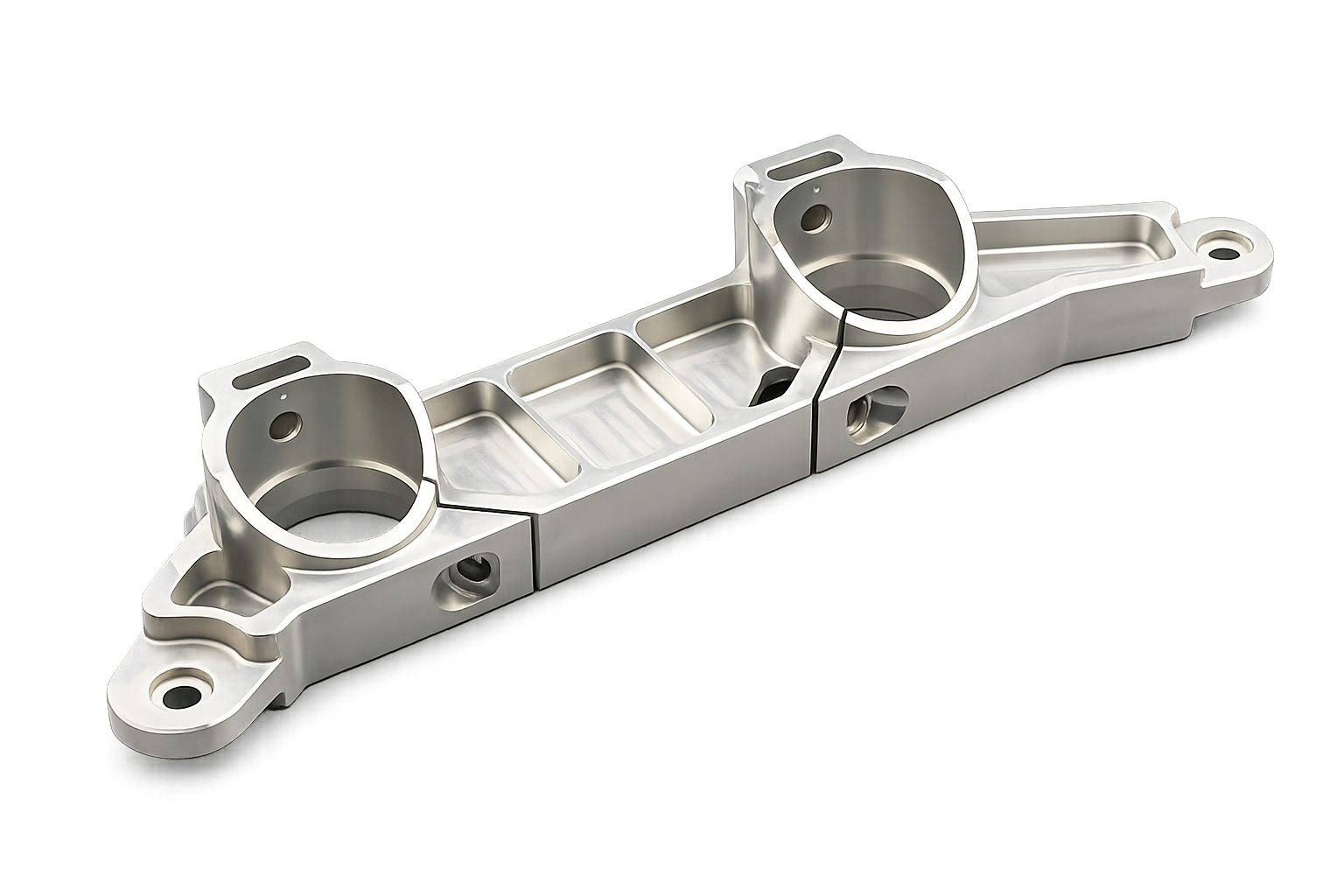
En raison de sa dureté et de sa durabilité, 1095 est couramment utilisé dans:
Fabrication de couteaux et de lames
Outils de coupe industriels et manuels
Ressorts et composants mécaniques
Épées et répliques d'armes historiques
Outils agricoles et industriels
Ces applications bénéficient de la capacité du 1095 à conserver des arêtes vives et à résister à des contraintes répétées..
8. Directives d'entretien et d'entretien
Pour maximiser la durée de vie, des soins appropriés sont essentiels.
Les meilleures pratiques incluent:
Nettoyage et séchage après utilisation
Appliquer une huile protectrice légère
Éviter une exposition prolongée à l’humidité
Stockage au sec, environnements contrôlés
Avec un bon entretien, 1095 les composants peuvent durer des années.
9. 1095 Acier au carbone vs autres aciers
1095 contre l'acier inoxydable
1095: Meilleure rétention des bords, résistance à la corrosion inférieure
Acier inoxydable: Meilleure résistance à la rouille, souvent plus difficile à affûter
1095 vs aciers à faible teneur en carbone (par exemple., 1045)
1095: Dureté et résistance à l'usure plus élevées
Aciers à faible teneur en carbone: Meilleure ténacité et ductilité
Le choix du bon acier dépend des exigences de performance et de l'environnement d'exploitation.
10. Conclusion
1095 l'acier au carbone reste un premier choix pour les lames, outils, et les composants mécaniques en raison de son dureté élevée, excellente rétention des bords, forgeabilité, et rentabilité. Bien qu'il nécessite un traitement thermique approprié et un entretien régulier pour prévenir la corrosion, ses avantages en termes de performances l'emportent souvent sur ces inconvénients.
Pour les fabricants et les acheteurs à la recherche d'un produit fiable, acier au carbone haute performance, 1095 est un matériau éprouvé et fiable.
FAQs
Quels sont les principaux inconvénients de 1095 acier au carbone?
Il est sujet à la rouille et peut devenir cassant s’il n’est pas traité thermiquement correctement..
Comment 1095 comparer à l'acier inoxydable en termes de résistance à la corrosion?
1095 manque de chrome, ce qui le rend beaucoup moins résistant à la corrosion que l'acier inoxydable.
Est 1095 acier au carbone adapté aux débutants en coutellerie?
Cela nécessite un traitement thermique précis, mais ses caractéristiques de forgeage et d'affûtage le rendent populaire même parmi les débutants.
Comment prévenir la rouille sur 1095 acier?
Nettoyage régulier, séchage, et l'application d'une couche d'huile protectrice sont essentielles.
Comment le traitement thermique affecte-t-il 1095 acier?
Un traitement thermique approprié augmente la dureté et la rétention des bords, tandis que des méthodes inappropriées peuvent augmenter la fragilité.



1 réfléchi à "Compréhension 1095 Acier au carbone: Composition, Propriétés, Avantages, et applications”