


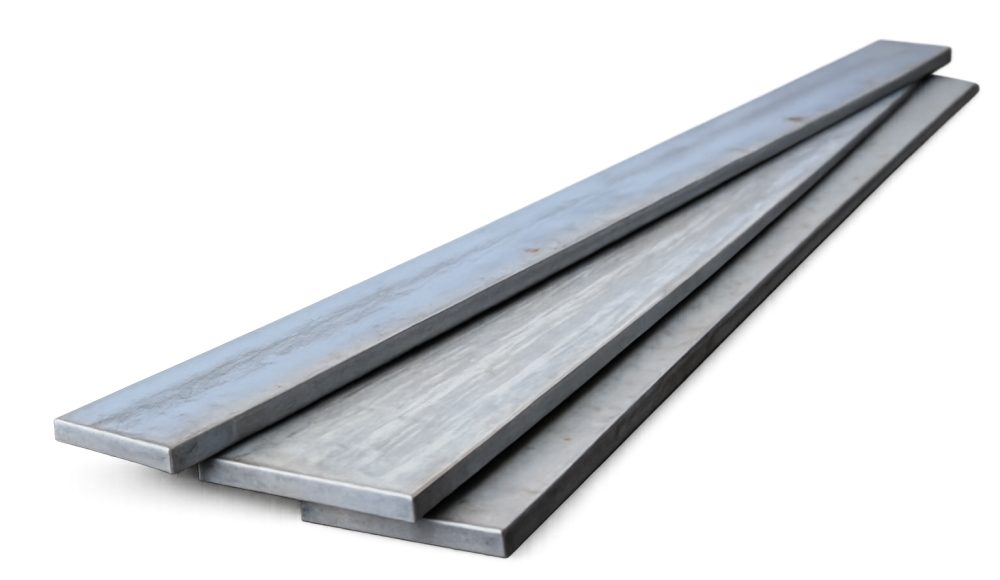
Noto per il suo excellent balance of hardness, tenacità, e convenienza, 1075 carbon steel has become a preferred material for industries ranging from knife making and spring production to automotive and industrial machinery.
Unlike ultra-high carbon steels that prioritize hardness at the expense of toughness, 1075 steel occupies a sweet spot. It offers enough hardness for wear resistance while maintaining the flexibility required to withstand repeated stress and impact.
This makes it especially attractive for:
Manufacturers seeking cost-effective performance materials
Engineers designing dynamic, load-bearing components
Buyers sourcing custom metal parts with reliable mechanical properties
In questa guida completa, you’ll learn everything you need to know about 1075 carbon steel—from its composition and properties to its real-world applications and how to source it effectively.
Composizione chimica di 1075 Acciaio al carbonio
The performance of 1075 carbon steel is primarily determined by its chemical composition. Below is a detailed breakdown:
| Elemento | Contenuto (%) | Funzione |
| Carbonio (C) | 0.70–0.80 | Increases hardness and wear resistance |
| Manganese (Mn) | 0.40–0.70 | Migliora la resistenza e la temprabilità |
| Fosforo (P) | ≤0.04 | Controlled to maintain ductility |
| Zolfo (S) | ≤0.05 | Enhances machinability but kept low to avoid brittleness |
| Ferro (Fe) | Bilancia | Base metal providing structural integrity |
Intuizione chiave
IL contenuto di carbonio (≈0.75%) is what defines 1075 acciaio. Fornisce:
Higher hardness than low-carbon steels
Better toughness than ultra-high carbon steels like 1095
This balance is why it is widely used in funzionale, impact-resistant applications.
Key Mechanical and Physical Properties
Hardness and Strength
1075 carbon steel can achieve a hardness of approximately 44–55 HRC after proper heat treatment.
High resistance to deformation
Suitable for cutting and load-bearing applications
Maintains structural integrity under stress
Questo lo rende ideale per blades, springs, and mechanical parts that must endure repeated use.
Toughness and Flexibility
One of the defining characteristics of 1075 steel is its exceptional toughness.
Absorbs shock without cracking
Maintains flexibility under dynamic loads
Less prone to brittle failure compared to 1095 acciaio
This property is critical in applications such as:
Machetes
Swords
Automotive springs
Resistenza all'usura
Thanks to its relatively high carbon content, 1075 steel offers:
Good resistance to abrasion
Extended service life under friction
Reduced maintenance frequency
It performs well in agricultural tools, cutting equipment, and industrial components exposed to continuous wear.
Lavorabilità
1075 steel has Machinabilità moderata (~50%), Senso:
Can be processed using standard CNC and machining tools
Requires slightly more effort than low-carbon steels
Suitable for precision components with proper tooling
Per i produttori, this translates to a balanced production cost vs. performance ratio.
Heat Treatment Responsiveness
One of the biggest advantages of 1075 steel is its excellent response to heat treatment.
Typical process:
Austenitizing: ~899°C (1650°F)
Tempra: Oil quench
Temperamento: 371–705°C (700–1300°F)
This allows manufacturers to:
Adjust hardness and toughness
Customize performance for specific applications
Achieve consistent product quality
Vantaggi di 1075 Acciaio al carbonio
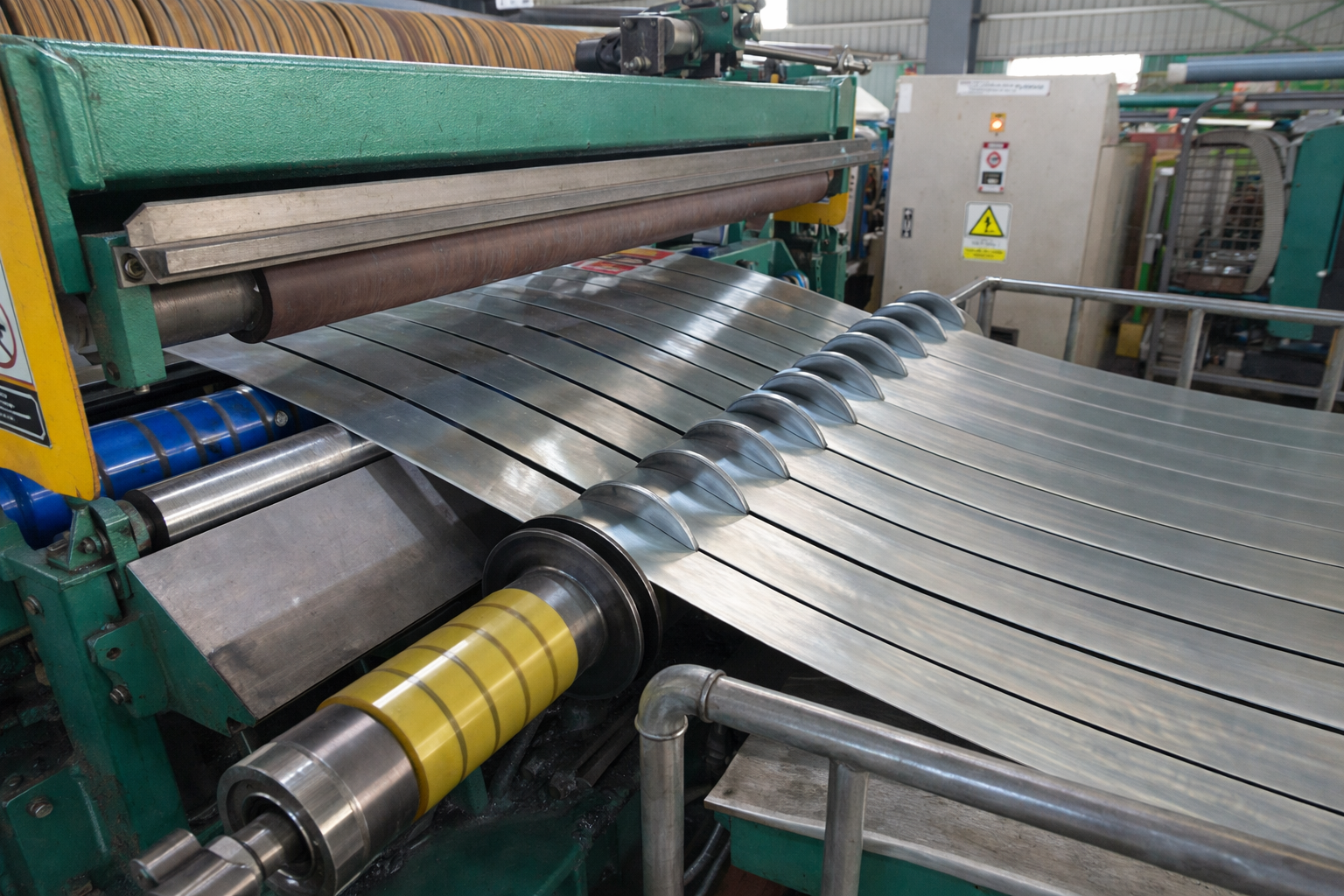
Excellent Balance of Hardness and Toughness
Unlike many steels that favor one property, 1075 offers both—making it suitable for dynamic and impact applications.
Easy Sharpening
Compared to higher carbon steels:
Requires less effort to sharpen
Maintains a functional edge efficiently
Ideal for tools requiring frequent maintenance
Good Wear Resistance
Its durability ensures:
Long service life
Reduced downtime
Lower replacement costs
Versatility Across Industries
From hand tools to industrial machinery, 1075 steel adapts well to multiple use cases.
Cost-Effective Material
Lower cost than alloy steels and stainless steels
Simple processing requirements
Ideal for large-scale production
Heat Treatment and Processing Guide
Forgiatura
Temperature range: 927–1204°C (1700–2200°F)
Easy to forge and shape
Heat Treatment Steps
Riscaldamento (Austenitizing)
Tempra (Oil recommended)
Temperamento (to desired hardness)
Welding Considerations
1075 carbon steel can be welded with precautions:
Preriscaldare: 260–315°C
Post-heat: 649–788°C
Controlled cooling required
Without proper handling, there is a risk of cracking due to high carbon content.
Processing Tips for Buyers
Always specify heat treatment condition when ordering
Confirm tolerance and surface finish requirements
Work with suppliers offering custom processing capabilities
Applicazioni comuni di 1075 Acciaio al carbonio
Knife and Blade Manufacturing
Excellent edge performance
Elevata resistenza agli urti
Suitable for machetes and heavy-duty blades
Spring Production
High elasticity
Fatigue resistance
Widely used in automotive and industrial springs
Componenti automobilistici
Typical parts include:
Clutch discs
Springs
Wear-resistant components
Parti di macchinari industriali
Usato per:
Alberi
Precision-ground bars
Componenti strutturali
Strumenti e hardware
Common examples:
Hammers
Assi
Wrenches
These tools benefit from durability and resistance to repeated impact.
Comparison with Other Steel Grades
1075 contro 1095 Acciaio al carbonio
| Caratteristica | 1075 | 1095 |
| Contenuto di carbonio | ~0.75% | ~0.95% |
| Durezza | Moderare | Più alto |
| Robustezza | Meglio | Inferiore |
| Sharpening | Più facile | More difficult |
Conclusione:
Scegliere 1075 for toughness; scegliere 1095 for maximum edge retention.
1075 contro 5160 Spring Steel
| Caratteristica | 1075 | 5160 |
| Robustezza | Alto | Molto alto |
| Flessibilità | Bene | ممتاز |
| Elementi di lega | Basso | Contains chromium |
Conclusione:
5160 is better for extreme stress; 1075 is more cost-effective.
1075 vs Stainless Steel
| Caratteristica | 1075 | Acciaio inossidabile |
| Resistenza alla corrosione | Basso | Alto |
| Costo | Inferiore | Più alto |
| Manutenzione | Requires care | Minimo |
Conclusione:
Utilizzo 1075 for performance and cost; stainless steel for corrosion resistance.
Limitazioni di 1075 Acciaio al carbonio
While highly versatile, 1075 steel has some drawbacks:
Poor corrosion resistance (requires coating or oiling)
Moderate edge retention compared to higher carbon steels
Not suitable for highly corrosive environments
Understanding these limitations helps buyers make informed decisions.
How to Choose 1075 Carbon Steel for Your Application
Scegliere 1075 If You Need:
Balanced hardness and toughness
Cost-effective material
Reliable performance under stress
Evitare 1075 If You Need:
Elevata resistenza alla corrosione
Ultra-high hardness
Low-maintenance outdoor applications
Buyer Checklist
When sourcing 1075 acciaio, confirm:
Material certification (chemical composition)
Heat treatment condition
Mechanical property requirements
Supplier processing capability
Costume 1075 Steel Solutions
If you are a manufacturer or OEM buyer, sourcing the right supplier is critical.
Available Forms
Fogli
Bar
Coils
Custom-cut components
Custom Processing Services
Stamping and forming
Trattamento termico
Finitura superficiale
Why Work with a Specialized Manufacturer
A reliable supplier can provide:
Consistent quality control
Fast lead times
Engineering support
Cost optimization for bulk orders
Se stai cercando costume 1075 carbon steel parts or components, working with an experienced manufacturer ensures you get:
The right material grade
Optimized performance
Competitive pricing
👉 Contattaci oggi to request a quote or technical consultation.
Conclusione
1075 carbon steel remains a top choice for engineers, produttori, and craftsmen due to its:
Balanced mechanical properties
Strong wear resistance
Excellent toughness
Efficienza dei costi
Se stai producendo componenti industriali, springs, or cutting tools, 1075 steel offers a reliable and versatile solution.
By understanding its properties, processing requirements, and ideal applications, you can make smarter sourcing decisions and improve product performance.
Domande frequenti
1. What is the difference between 1075 E 1095 acciaio?
1075 has lower carbon content, offering better toughness but slightly lower hardness compared to 1095.
2. What hardness can 1075 steel achieve?
Tipicamente 44–55 HRC, A seconda del trattamento termico.
3. Potere 1075 carbon steel be welded?
SÌ, but it requires preheating and post-heating to prevent cracking.
4. È 1075 steel good for swords?
SÌ, it provides an excellent balance of edge retention and impact resistance.
5. È 1075 steel easy to forge?
SÌ, it forges well at 927–1204°C and responds effectively to heat treatment.


