



A357 aluminum alloy is one of the most widely used high-performance casting alloys in industries that demand both lightweight structures and superior mechanical strength.
If you are working in aerospace, settore automobilistico, or industrial equipment manufacturing, choosing the right material directly impacts product reliability, Efficienza dei costi, e prestazioni a lungo termine. A357 stands out due to its:
Eccellente rapporto resistenza/peso
Outstanding resistenza alla corrosione
Superiore castability for complex geometries
Forte heat treatment response
In questa guida, you will learn everything about A357 aluminum alloy—from composition and properties to applications and supplier selection—so you can make better engineering and sourcing decisions.
What is A357 Aluminum Alloy?
A357 is an Aluminum-Silicon-Magnesium (Al-Si-Mg) casting alloy, appositamente progettato per high-strength applications requiring heat treatment.
It is an upgraded version of A356, with improved:
Resistenza meccanica
Resistenza alla corrosione
Reliability in demanding environments
A357 is commonly used in precision casting processes, where both structural integrity and dimensional accuracy sono critici.
Chemical Composition of A357 Aluminum Alloy
The performance of A357 is directly determined by its carefully controlled chemical composition:
| Elemento | Contenuto (%) | Funzione |
| Silicio (E) | 6.5 – 7.5 | Improves castability and fluidity |
| Magnesio (Mg) | 0.4 – 0.7 | Enables heat treatment strengthening |
| Titanio (Di) | 0.04 – 0.2 | Grain refinement |
| Beryllium (Essere) | 0.04 – 0.07 | Enhances corrosion resistance |
| Ferro (Fe) | ≤ 0.2 | Impurity control |
| Rame (Cu) | ≤ 0.2 | Strength contribution (limited) |
| Zinco (Zn) | ≤ 0.1 | Minor strengthening |
| Manganese (Mn) | ≤ 0.1 | Improves toughness |
| Alluminio (Al) | Bilancia | Base material |
Why Composition Matters
Silicio + Magnesio → Enables precipitation hardening (T6)
Low impurities → Ensures better ductility and fatigue resistance
Beryllium addition → Improves oxidation and corrosion performance
Mechanical Properties of A357 (A357-T6 Condition)
When heat-treated (T6), A357 achieves excellent mechanical performance:
| Proprietà | Valore tipico |
| Massima resistenza alla trazione | 310 – 350 MPa |
| Forza di snervamento | 250 – 280 MPa |
| Allungamento | 2 – 5% |
| Brinell Hardness | 90 – 100 HB |
Engineering Significance
High tensile strength → Suitable for componenti portanti
Good yield strength → Resists permanent deformation
Moderate elongation → Balanced ductility
High hardness → Improved wear resistance
Heat Treatment of A357 Aluminum Alloy
Heat treatment is the core process that unlocks A357’s full potential.
Common Heat Treatment Types
T5: Artificial aging after casting
T6: Solution heat treatment + tempra + invecchiamento (most common)
T6 Process Steps
Solution treatment (~540°C)
Rapid quenching
Artificial aging (~155–165°C)
Benefits of Heat Treatment
Increases strength by 30–50%
Improves hardness and wear resistance
Enhances fatigue performance
Practical Tip
Per high-stress structural parts, always specify A357-T6.
Key Advantages of A357 Aluminum Alloy
Alta resistenza
A357 is among the strongest aluminum casting alloys, especially in T6 condition, making it ideal for structural applications.
Eccellente resistenza alla corrosione
Performs reliably in:
Ambienti marini
Chemical exposure
Outdoor conditions
Superior Castability
Ideale per complesso, thin-wall geometries
Reduces secondary machining
Supports multiple casting processes
Heat Treatability
Mechanical properties can be tailored to application requirements, offering flexibility for engineers.
Leggero
Di 1/3 the weight of steel
Improves fuel efficiency and system performance
Limitations of A357 Aluminum Alloy
Nonostante i suoi vantaggi, A357 has some constraints:
Brittleness risk without proper heat treatment
Higher material and processing cost vs standard alloys
Casting defects sensitivity (porosità, restringimento)
Non ideale per ultra-high ductility applications
When NOT to Use A357
Basso costo, high-volume simple parts
Applications requiring extreme elongation
Casting Methods for A357 Aluminum
1. Colata in sabbia
Meglio per grande, parti complesse
Costi di utensili più bassi
Rougher surface finish
2. Colata in stampo permanente
Better mechanical properties
Improved surface quality
Medium production volume
3. Pressofusione (Less Common for A357)
Alta precisione
Not always suitable due to alloy composition
Selection Guide
| Metodo | Costo | Precisione | Volume |
| Colata in sabbia | Basso | Medio | Low–Medium |
| Permanent Mold | Medio | Alto | Medio |
| Pressofusione | Alto | Molto alto | Alto |
Key Applications of A357 Aluminum Alloy
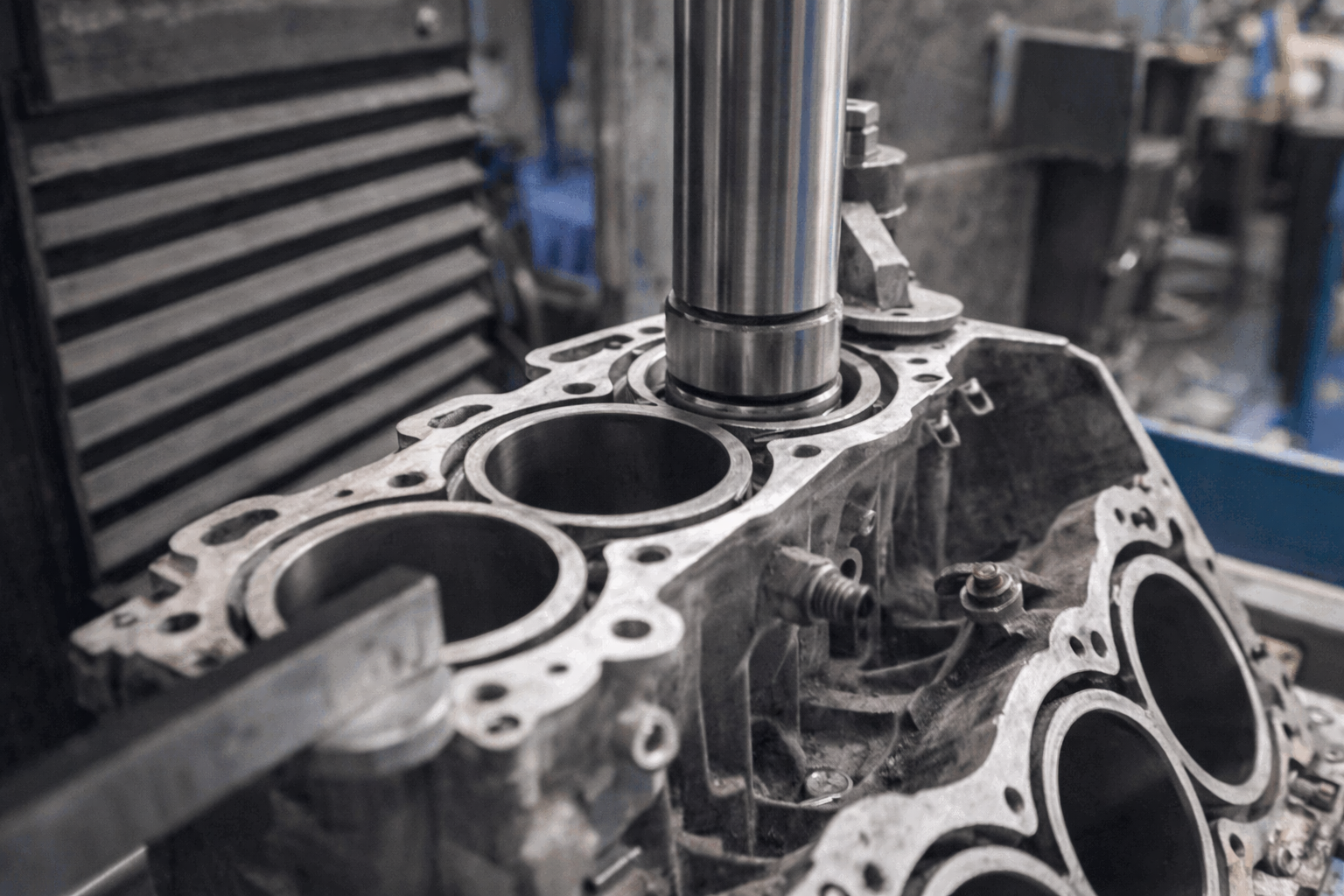
Componenti aerospaziali
Airframe castings
Compressor housings
Staffe strutturali
Why A357? Molta forza + leggero + affidabilità
Industria automobilistica
Componenti del motore
Cali di trasmissione
Suspension parts
Beneficio: Riduzione del peso + efficienza del carburante
Macchinario industriale
Pump housings
Giranti
Corpi valvola
Advantage: Durabilità + resistenza alla corrosione
Attrezzatura marina
Saltwater-resistant components
Cooling systems
Motivo: Excellent anti-corrosion performance
Recinti elettrici
Outdoor equipment housings
Industrial control systems
Beneficio: Protezione + structural strength
A357 vs A356 Aluminum Alloy
| Caratteristica | A357 | A356 |
| Forza | Più alto | Moderare |
| Resistenza alla corrosione | Meglio | Bene |
| Costo | Più alto | Inferiore |
| Applicazioni | Ad alte prestazioni | Scopo generale |
Conclusione
Scegliere A357 Quando:
Strength is critical
Operating conditions are harsh
Long-term reliability matters
Progetto & Manufacturing Considerations
Suggerimenti per la progettazione
Maintain uniform wall thickness
Avoid sharp corners (reduce stress concentration)
Include draft angles for casting
Machining Considerations
Good machinability after T6 treatment
Use proper tooling for aluminum alloys
Opzioni di finitura superficiale
Anodizzazione
Rivestimento in polvere
Sabbiatura
Is A357 Aluminum Alloy Recyclable?
Yes—A357 is fully recyclable.
Benefici
Reduces material cost
Supports sustainable manufacturing
Maintains mechanical properties after recycling
Conclusione
A357 aluminum alloy is a premium choice for high-performance casting applications. La sua combinazione di:
Molta forza
Eccellente resistenza alla corrosione
Lightweight properties
Flexible manufacturability
makes it ideal for industries where failure is not an option.
Se il tuo progetto richiede precisione, durabilità, and long-term reliability, A357 is a material worth serious consideration.
Domande frequenti
1. What are the limitations of A357 aluminum?
Higher cost and requires proper heat treatment to avoid brittleness.
2. Is A357 stronger than A356?
SÌ, especially in T6 condition.
3. Can A357 be heat treated?
SÌ, typically using T5 or T6 processes.
4. What casting method is best for A357?
Sand casting and permanent mold casting are most common.
5. Is A357 suitable for marine use?
SÌ, due to excellent corrosion resistance.
Why Choose Us for A357 Aluminum Casting
When sourcing A357 components, the supplier’s capability is just as important as the material itself.
I nostri vantaggi
Avanzato casting and machining capabilities
Strict controllo di qualità (ispezione + material certification)
Forte engineering support for design optimization
Flessibile MOQ and cost-effective solutions
Fast response for RFQs and technical consultation
Ottieni una citazione
Send us your drawings or specifications today, and our engineering team will provide:
DFM analysis
Cost optimization suggestions
Fast quotation


